The global commercial aviation industry is facing an unprecedented financial shockwave, triggered by a dramatic spike in jet fuel prices fueled by escalating geopolitical conflict between the United States and Iran. Over the past several weeks, the cost of a barrel of jet fuel has skyrocketed, jumping from a stable range of $85 to $90 to between $150 and $200 – an increase that has upended cost projections for airlines across every region. For an industry where fuel expenses typically account for as much as 25% of total operating costs, this sudden surge has delivered a heavy blow to already fragile profit margins, forcing carriers around the world to implement urgent, sweeping adjustments to their operations and pricing strategies.
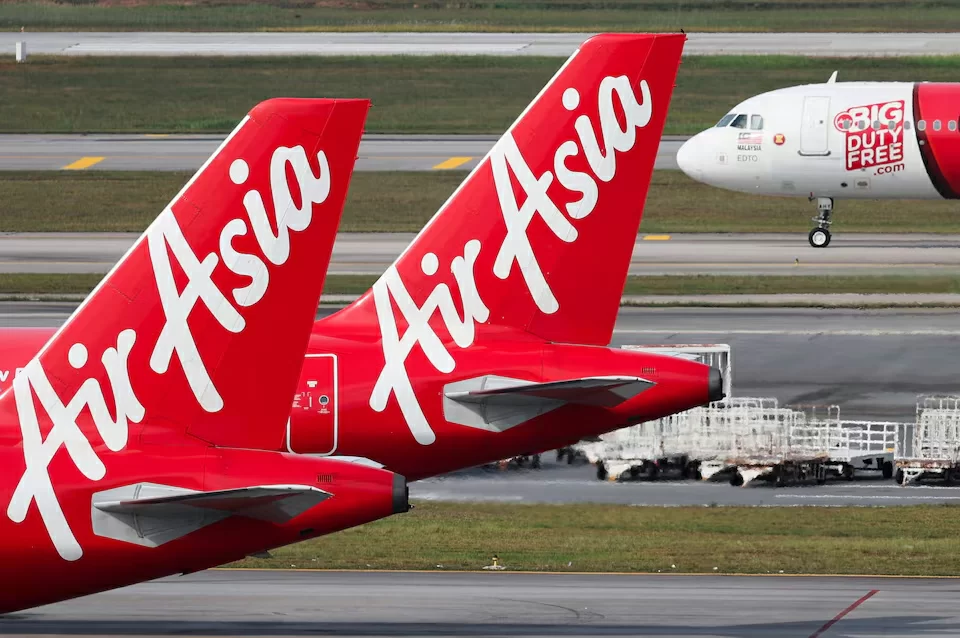
Major airlines from every continent have moved quickly to mitigate growing losses, with a wide range of cost-cutting and revenue-raising measures now being rolled out. Greek carrier Aegean Airlines has warned that higher fuel costs and suspended services to the Middle East will deliver a visible hit to its first-quarter financial results. Long-haul budget operator AirAsia X, a subsidiary of Malaysia’s Capital A, has cut overall flight capacity by 10% and introduced a new 20% fuel surcharge on tickets. Air Canada has announced it will eliminate four daily flights to New York between June and October, directly citing elevated fuel expenses as the driving factor.
European aviation giant Air France-KLM is raising long-haul round-trip fares by approximately €50 per ticket, while partner airline KLM will cut 160 short-haul European flights over the next month. Air India has shifted to a distance-based fuel surcharge model, replacing the previous fixed surcharge system that no longer covers the full extent of rising fuel costs. The Airline Operators of Nigeria has issued an ultimatum, threatening a total suspension of all domestic and international flights unless government officials intervene to lower local jet fuel prices.
Air New Zealand has reduced flight frequencies across its network for May and June, implemented across-the-board fare hikes, and suspended its full-year profit guidance entirely. Indian startup carrier Akasa Air has introduced a new fuel surcharge ranging from $2 to $14 on both domestic and international routes. Two major U.S. carriers, Alaska Air and American Airlines, have sharply increased checked baggage fees to offset growing fuel outlays, a move that has been mirrored by fellow U.S. giant Delta Air Lines, which is also cutting overall network capacity and lowering its annual profit forecast.
UK-based budget carrier EasyJet has warned that it will report a larger first-half operating loss than initially projected due to unplanned extra fuel costs, and has announced broad ticket price increases to counter the pressure. Germany’s Lufthansa is accelerating the retirement of 22 older aircraft from its fleet and cutting back on short- and medium-haul flight capacity, responding both to higher fuel prices and recent costly labor strikes. Australia’s Qantas Airways has upwardly revised its fuel cost projection for the second half of 2026 and delayed a planned share buyback program to preserve cash. A number of other major U.S. carriers including Southwest Airlines have followed the trend of raising baggage fees to pass a portion of higher operating costs onto consumers. Virgin Atlantic and Virgin Australia have both introduced new fuel surcharges and adjusted base fares to limit growing losses.
Across Asia, many leading carriers have also taken aggressive action: China Eastern Airlines, Cathay Pacific, Korean Air and Vietnam Airlines have rolled out a range of measures, from raising fuel surcharges and cutting underperforming routes to requesting government financial support to weather the crisis.
Persistent elevated jet fuel prices have put the entire global aviation sector under intense strain. While a small number of carriers that locked in fuel hedging contracts at lower price points have been able to maintain stable ticket prices for the time being, most other airlines have been forced to pass increased costs directly onto passengers. The coming months will be a critical test for the global aviation industry, which remains mired in deep uncertainty over how long the US-Iran conflict will last and how long jet fuel prices will stay at these historically high levels.