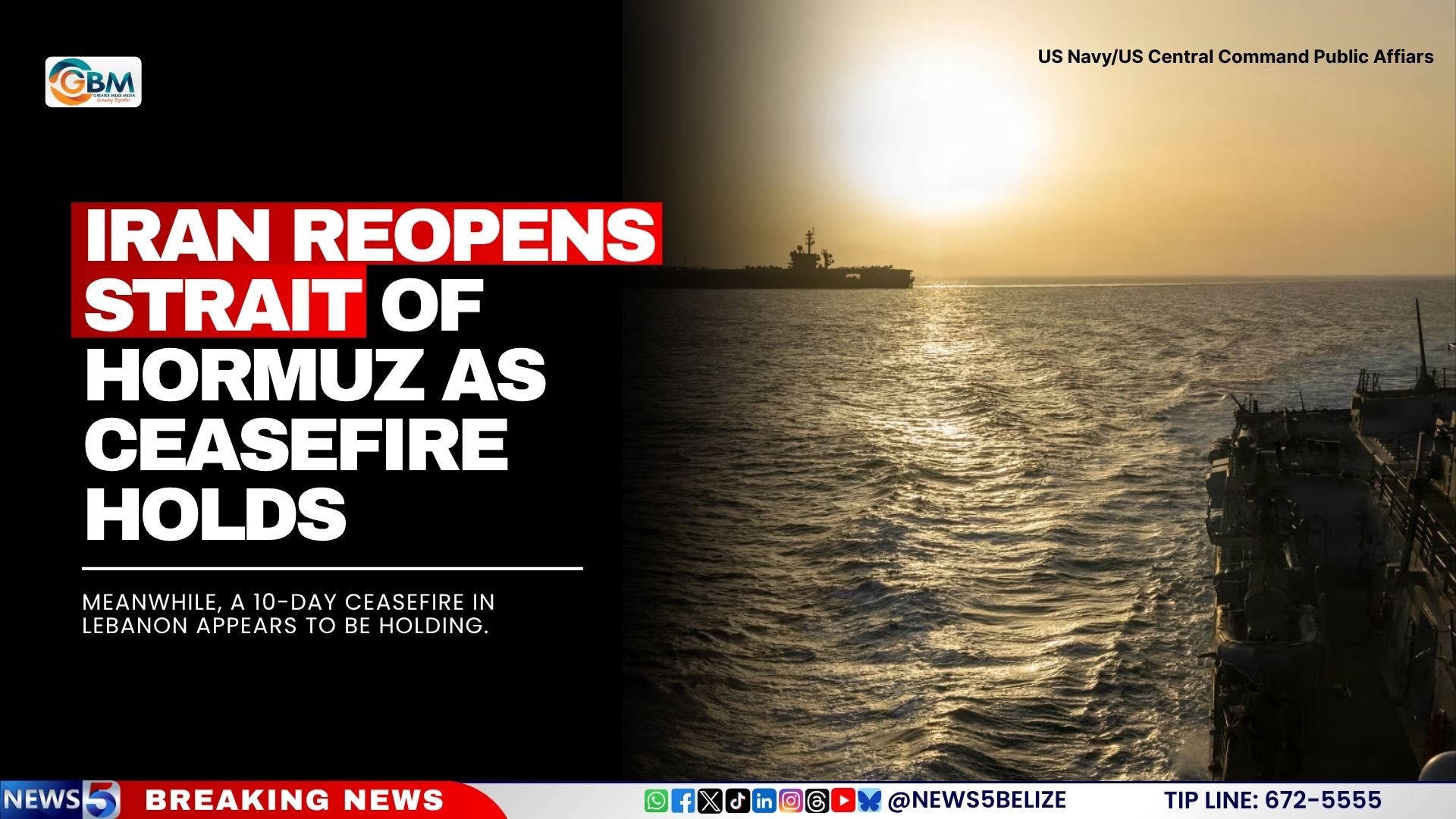
In a significant development de-escalating regional tensions amid an ongoing ceasefire, Iran has announced that the Strait of Hormuz, one of the world’s most critical energy transportation chokepoints, will remain fully open to all commercial shipping for the duration of the current truce, multiple international sources including CNN have confirmed.
Roughly 20% of the world’s daily global oil supply transits through the 21-mile-wide strait, which separates Iran from Oman and connects the Persian Gulf to the Arabian Sea. The strategic waterway had emerged as the central flashpoint amid escalating conflict between Iran and Western powers in recent weeks, raising widespread fears of disrupted global energy supplies.
U.S. President Donald Trump stated Friday that Iran has made a formal commitment to permanently keep the strait open to international maritime traffic. But in the same remarks, the President confirmed that a U.S. naval blockade of Iranian port facilities will stay in effect until negotiators reach a fully finalized, comprehensive broader peace agreement. “The blockade will not be lifted until the deal is 100% complete,” Trump told reporters, outlining the U.S. administration’s red line.
Negotiators working to end the broader regional conflict could reach a final agreement as early as this coming weekend, senior diplomatic sources told CNN, though several core points of contention remain unresolved. As part of the ongoing talks, the Trump administration is actively considering releasing $20 billion in Iranian assets that have been frozen under international sanctions, according to anonymous sources familiar with the discussions. Trump has clarified that while the assets may be unfrozen, no direct financial transfer will take place between the two nations, and the U.S. will take full control of Iran’s existing stockpile of enriched uranium as part of any final deal.
Despite Tehran’s announcement reopening the strait, Iranian state media has issued a stark warning that the waterway could be closed again if the U.S. blockade, which Tehran views as a violation of the current ceasefire terms, remains in place. Fars News Agency, an Iranian semi-official outlet, also noted that all commercial vessels passing through the strait are required to use navigation routes designated by Iranian authorities and coordinate all transits with Iranian maritime regulatory bodies.
Parallel to the developments around the Strait of Hormuz, a 10-day ceasefire in Lebanon has so far held, bringing a rare period of calm to the war-torn border region. Israel has publicly stated it has no plans to withdraw its military forces from southern Lebanon, while the Iran-aligned militant group Hezbollah has warned it will only continue to respect the truce if all Israeli offensive operations in the area cease immediately. The ongoing standoff in Lebanon has proven to be one of the most difficult sticking points in the broader regional peace negotiations that involve Iran as a key stakeholder.