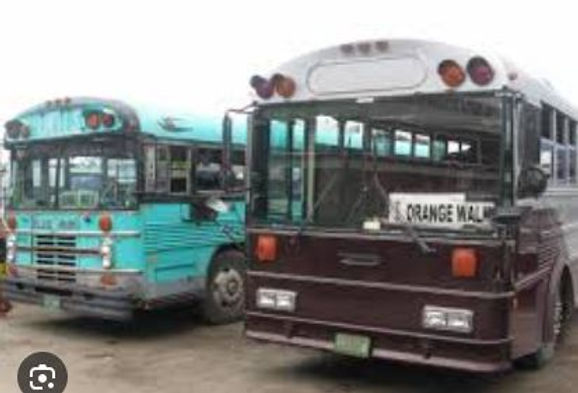
Belize is bracing for a potential widespread disruption to its public transit system next week, after the Belize Bus Association (BBA) issued a formal warning that its member operators could halt all services nationwide starting April 20, 2026. The strike threat comes as escalating fuel costs have pushed the country’s bus operators to the breaking point, with industry leaders describing current expenses as unmanageable for small business owners operating on razor-thin margins.
For weeks, bus operators have lobbied the Belizean government for emergency relief measures to offset skyrocketing fuel bills. The BBA put forward three targeted policy proposals: removing the General Sales Tax (GST) on key inputs including fuel, tires, and bus replacement parts; rolling out a temporary fuel subsidy to cover incremental cost increases; and approving a regulated fare hike that would let operators pass a portion of higher costs to passengers. All three requests were rejected by government officials, who have advised operators to hold out for a potential decline in global oil prices instead.
That advice has fallen flat with the BBA, which says waiting for international market shifts is not a viable solution for local businesses already struggling to stay open. Bus owners note that the industry has long operated on extremely narrow profit margins, and recent consecutive fuel price increases have completely erased the small earnings that keep their operations running. Unlike larger transit systems in bigger economies, Belize’s bus network is made up largely of small independent operators with very limited financial buffers to absorb unexpected cost shocks.
For thousands of Belizeans across the country, public buses are not a secondary transportation option — they are the primary mode of travel for daily life. Students rely on buses to get to classes, working commuters depend on them to reach their jobs, and residents of isolated rural communities have no other affordable way to access hospitals, grocery stores, and other essential services. A full national shutdown would send ripples across nearly every sector of daily life, leaving vast swathes of the population stranded without viable transit alternatives.
The current fuel price crisis in Belize is not an isolated issue. It stems from persistent volatility in the global oil market, driven by ongoing international geopolitical tensions and lingering global supply chain concerns. This pressure has impacted transport sectors across the Caribbean and Central America, but industry representatives note that small, open economies like Belize are far more vulnerable to sudden price swings than larger nations with more diversified industrial bases.
To date, the Belizean government has shown no indication that it will reverse its rejection of the BBA’s proposals. Formal talks between association leaders and government officials are scheduled to continue in the coming days, but with the strike deadline just days away, there is no clear path to a last-minute resolution. Commuters across the country have already been advised to make alternative transit arrangements in case an agreement is not reached before next Monday, leaving the nation in a state of uncertainty over the future of its public bus network.