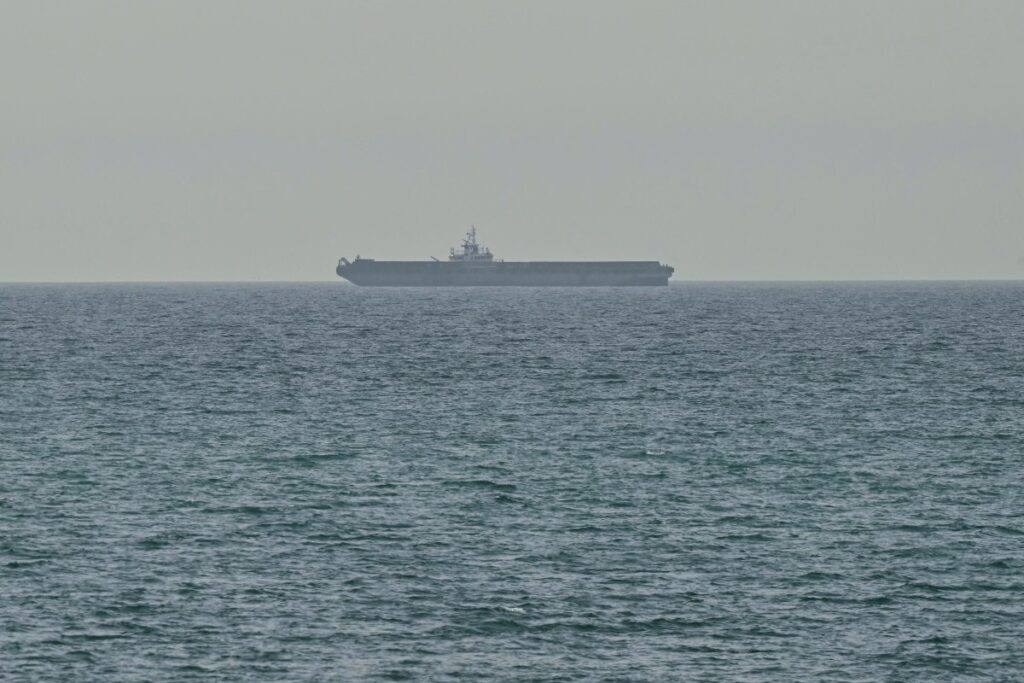
In the escalating Middle East tensions that have roiled regional shipping and diplomatic relations, the United States military made a key announcement Wednesday regarding its newly imposed naval blockade around Iranian ports: over the first 48 hours of the operation, US forces successfully intercepted and turned back nine vessels attempting to depart Iranian territorial waters.
US Central Command (CENTCOM), the military wing overseeing all American deployments across the Middle East, shared the update officially via a public post on X, the social platform formerly known as Twitter. In its statement, the command emphasized that zero vessels had managed to break through the US naval cordon established as part of the blockade. “Nine vessels have complied with direction from US forces to turn around and return toward an Iranian port or coastal area,” the post read, adding that “No vessels have made it past US forces.”
This official claim, however, runs directly counter to independent maritime tracking data collected and analyzed by global shipping analysts. According to data from Kpler, a prominent provider of maritime logistics and tracking data, at least seven vessels connected to Iran passed through the Strait of Hormuz after the US blockade officially went into effect at 14:00 GMT this past Monday. Of those seven, at least three ships that departed Iranian ports successfully crossed the key global shipping chokepoint on Tuesday, though some other vessels on the route ultimately reversed course.
The naval blockade is the latest escalation in a rapidly unfolding conflict that has upended regional security. After the US-Israeli joint air campaign against Iran launched on February 28, Iranian forces moved to close the Strait of Hormuz, the strategic waterway through which roughly 20% of the world’s global oil supplies pass. Following the collapse of regional peace talks over the weekend, the US officially announced its full naval blockade of Iranian ports on Sunday, marking a sharp escalation of American military involvement in the conflict.