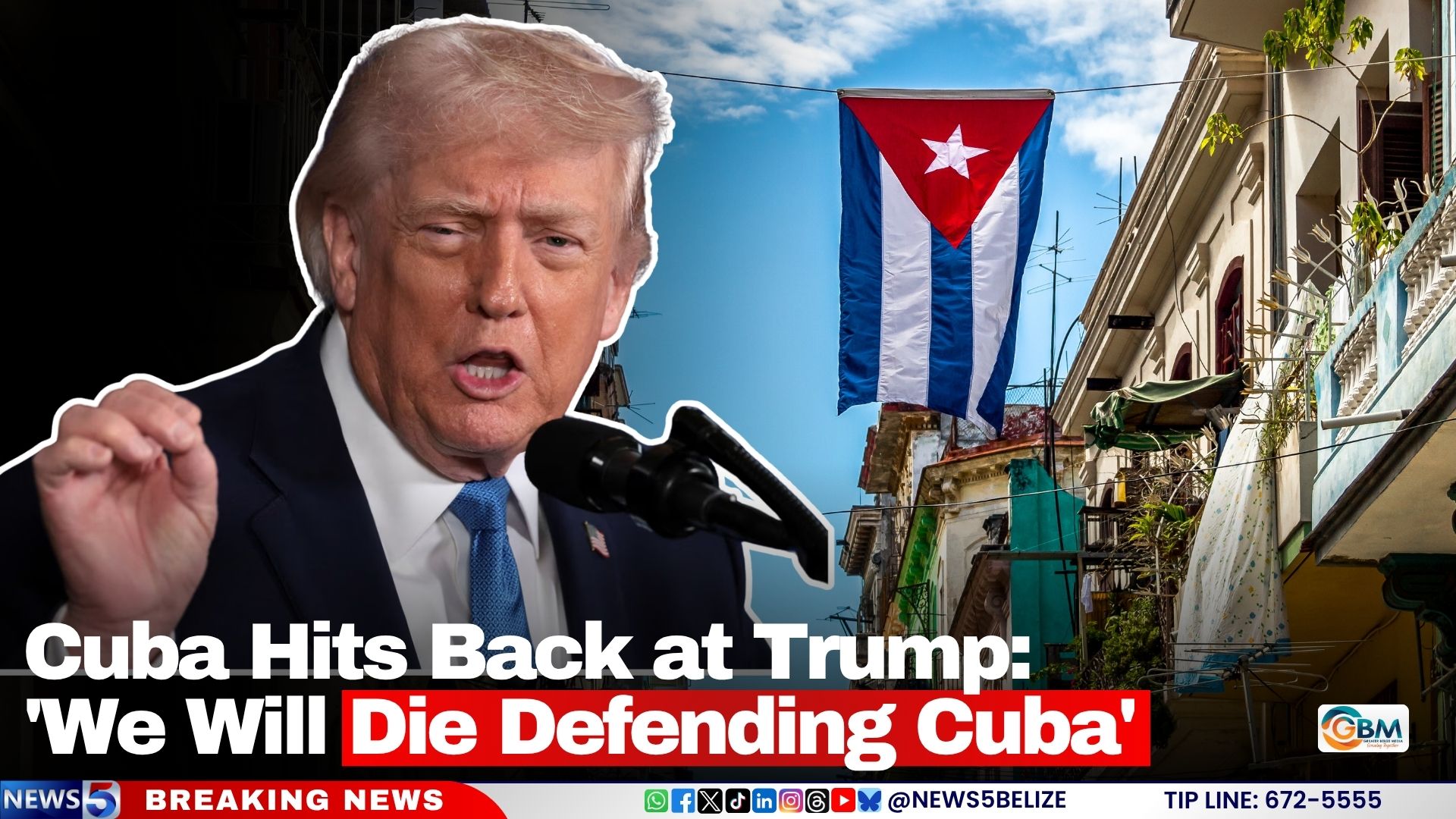
In a recent public interview, former U.S. President Donald Trump has signaled that if he takes new policy action, Cuba could become the next major focus of U.S. foreign policy after Iran. During the conversation, Trump dismissed the Caribbean island nation, which has operated under a communist system for decades and faced prolonged economic strain, as a “failing nation” grappling with systemic collapse.
Cuban President Miguel Díaz-Canel delivered a sharp, unyielding response to Trump’s comments during an exclusive interview with NBC News, pushing back against any suggestion of U.S. military intervention in Cuban affairs. “There is no possible justification for the United States to launch any act of military aggression against our country,” Díaz-Canel stated.
The Cuban leader made clear that any foreign incursion would be met with fierce national resistance. “An invasion of our territory would not come without a heavy price,” he said. “If such an event occurs, our people will fight, we will struggle, and we will defend every inch of our homeland. If we must give our lives to protect Cuba, we will do so. As our national anthem reminds us: ‘Dying for the homeland is to live.’”
Díaz-Canel also emphasized that Cuba remains open to constructive, respectful dialogue with the United States, but warned that any move to escalate tensions against the island would be an irrational act that threatens stability across the entire Latin American and Caribbean region.
This exchange of words comes as Cuba navigates one of the most severe economic downturns it has faced in 30 years. According to reporting from Reuters, widespread fuel shortages have paralyzed the country’s transportation networks, forcing ordinary commuters to rely on bicycles and severely overcrowded public buses to get around. In multiple regions across the country, daily power outages can last as long as 22 hours, crippling daily life and economic activity. Meanwhile, tourism — one of Cuba’s most critical sources of foreign revenue — has plummeted in recent years, further squeezing the national economy.
Even amid widespread domestic hardship and decades of persistent U.S. pressure pushing for political change on the island, Díaz-Canel rejected any calls to alter Cuba’s existing political system. He placed full blame for the country’s ongoing economic struggles on the long-standing U.S. trade and financial sanctions that have been in place for decades, which have cut off Cuba from most global trade and investment opportunities.