标签: Trinidad and Tobago

特立尼达和多巴哥

  • More than a headcount

    More than a headcount

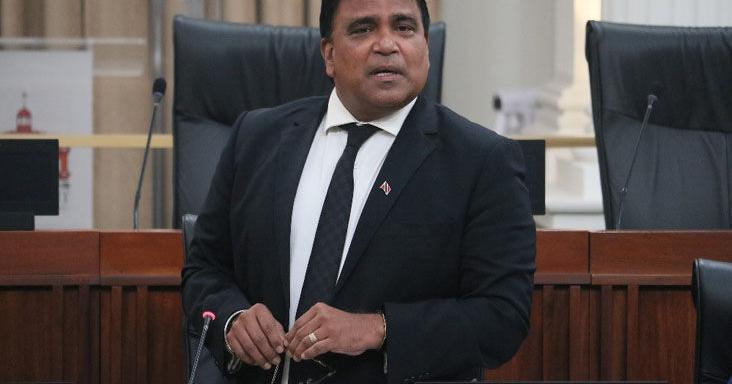
    The Trinidadian government’s recent announcement of a renewed registration process for Venezuelan migrants has raised questions about its broader integration strategy beyond mere documentation. Homeland Security Minister Roger Alexander revealed on January 22 that migrants would be required to pay a $700 fee to register under the program, which aims to regularize undocumented individuals through the Migrant Registration Framework from January 1 to September 30, 2026.

    While the initiative promises legal residency and work rights, concerns have emerged regarding its narrow focus on Venezuelan nationals and its apparent prioritization of security concerns over integration planning. The registration process will utilize sports venues across Trinidad alongside online platforms, followed by in-person interviews. Notably absent were details regarding non-Venezuelan immigrants within the country.

    Minister Alexander emphasized the security dimensions of the exercise, stating it would help authorities identify individuals “involved in crime and other types of activities” and facilitate investigations. This security-focused approach appears connected to longstanding concerns about drug trafficking from South America, even prior to recent US-Venezuelan tensions.

    The policy carries significant implications for migrants, with deportation threatened for those failing to register. This threat exists despite current difficulties in executing deportations due to diplomatic tensions between Trinidad and Venezuela. These strains have been exacerbated by opposition leader Kamla Persad-Bissessar’s support for US narco-trafficking rhetoric and subsequent diplomatic exchanges between Caracas and Port of Spain.

    Critical questions remain unanswered regarding the long-term vision for migrant integration. Concerns include educational access for migrant children, formalization of employment opportunities, and potential pathways to residency. Particularly noteworthy is the situation of skilled professionals like engineers and medical practitioners currently working in factories whose potential contributions remain underutilized.

    When questioned about tax obligations for registered migrants, Minister Alexander deferred, stating the immediate focus remains on registration. The government has yet to clarify whether this initiative might evolve toward residency status consideration or address complex issues involving children born to Trinidadian nationals or binational marriages.

    The absence of a comprehensive integration framework leaves uncertainty about how migrants will contribute to Trinidad’s workforce, economy, and social fabric beyond the registration period.

  • Flava Food Village debut a success

    Flava Food Village debut a success

    Trinidad and Tobago’s Carnival 2026 has witnessed the spectacular success of its newest attraction, the Flava Food Village, which has rapidly become a cornerstone of the cultural celebrations. The venue reached new heights during Patrice Roberts’ “Always Us” concert on January 22nd at Queen’s Park Savannah in Port of Spain, where thousands of attendees enjoyed a night of electrifying performances completely free of charge.

    Minister of Culture and Community Development Michelle Benjamin, alongside National Carnival Commission (NCC) chairman Peter Kanhai and other dignitaries, personally experienced the vibrant atmosphere among the massive crowd. Benjamin declared the event “nothing short of incredible,” emphasizing the dual benefits of cultural celebration and economic stimulation for local vendors.

    The Minister highlighted the innovative approach of the new NCC Board and ministry stakeholders in creating this platform that simultaneously showcases Trinidad’s culinary arts, cultural identity, and community development. “This year, through the addition of Flava Food Village we have made a difference, we have made an unforgettable impact,” Benjamin stated in an official release.

    The overwhelming public response has been particularly significant given initial criticisms regarding logistical changes to this year’s Carnival production. Benjamin extended special gratitude to Patrice Roberts and her band for their initiative in organizing the free concert, which featured both emerging and established local artists, creating an unparalleled display of Trinidadian talent and energy.

    The Flava Food Village represents a strategic evolution in Carnival programming, successfully blending gastronomic experiences with musical performances while maintaining accessibility through free admission. This innovative model has established a new standard for cultural events in the region, demonstrating how cultural preservation and economic development can coexist harmoniously.

  • Bishop Anstey, QRC get tight wins to start water polo season

    Bishop Anstey, QRC get tight wins to start water polo season

    The 2026 Republic Bank Aquatics Sports Association of Trinidad and Tobago (ASATT) National Secondary Schools Water Polo League commenced with spectacular matches at two national venues, showcasing emerging aquatic talent across multiple age divisions.

    Opening day at the National Aquatic Centre in Couva on January 17 featured nail-biting finishes in both girls’ and boys’ open categories. Bishop Anstey High School narrowly defeated Holy Name Convent 15-14 in a girls’ matchup that saw Abiah Halls deliver a spectacular fourth-quarter performance, scoring five of her six total goals to overcome an 11-8 deficit. Despite Mia Thomas’ impressive eight-goal contribution, Holy Name fell just short in the closing moments.

    The boys’ open division witnessed Queen’s Royal College withstand a late rally from St Mary’s College to secure an 18-15 victory. QRC established dominance through middle quarters, building a 17-12 advantage powered by Javier Jordan’s seven goals and Aaron Villafana’s six goals. Though St Mary’s mounted a final-quarter comeback, QRC maintained their lead for the win.

    Action shifted to Diego Martin Community Pool on January 18 for Form One competitions, where multiple schools demonstrated their developing talent. Diego Martin Central edged Bishop Anstey 8-7 despite Gia-Marie Plaza’s six-goal effort for BAHS, with Taleyah Baker’s hat-trick proving decisive.

    Diego Martin continued their strong showing with a 15-5 victory over St Mary’s in boys’ Form One play, fueled by Keston Brisaan’s remarkable nine-goal performance supplemented by Andriel Williams’ four goals. Fatima College delivered the most dominant performance of the day, overwhelming Trinity College Moka 20-5 behind Taylon Diaz’s 11-goal explosion and Bradley Alexander’s five goals.

    Additional Form One results saw Holy Name defeat Providence Girls’ Catholic School 11-4 with Ariya Bolai De Matas scoring seven goals, while St Joseph’s Convent Port of Spain shut out Corpus Christi College 10-0 with Cacique Darbeau (4 goals) and Alyx Campbell (3 goals) leading the offense.

  • Trinidad and Tobago Newsday – Saturday January 24th 2026

    Trinidad and Tobago Newsday – Saturday January 24th 2026

    The global dietary supplement industry, valued at over $50 billion, operates in a regulatory gray zone that continues to challenge consumers and health professionals alike. Unlike pharmaceutical drugs that require rigorous FDA approval for safety and efficacy, supplements enter the market under the 1994 Dietary Supplement Health and Education Act (DSHEA), which places the burden of proof on regulators rather than manufacturers.

    This regulatory framework means supplements can be marketed without pre-market approval, provided they don’t claim to treat specific diseases. The industry has exploded with products ranging from vitamins and minerals to botanicals, amino acids, and proprietary blends, often marketed with structure/function claims that promise general wellness benefits rather than medical outcomes.

    Recent developments have highlighted growing concerns about product safety, ingredient transparency, and misleading marketing practices. The FDA maintains oversight through post-market surveillance, but can only take action against products proven to be unsafe or misbranded after they reach consumers. This reactive approach has led to calls for stricter manufacturing standards and more transparent labeling requirements from medical associations and consumer advocacy groups.

    Experts emphasize that while some supplements demonstrate benefits for specific populations (such as folic acid for pregnant women or vitamin D for those with deficiencies), many products lack substantial clinical evidence. Consumers are advised to consult healthcare providers before beginning any supplement regimen, particularly when combining multiple products or taking them alongside prescription medications where dangerous interactions may occur.

    The digital marketplace has further complicated the landscape, with social media influencers and online retailers accelerating the distribution of products that may contain undisclosed ingredients or contaminants. International regulatory bodies are increasingly collaborating to address cross-border e-commerce challenges and harmonize safety standards in this rapidly evolving wellness sector.

  • Cooper, Ramharack shine in third-place match at T20 Blaze … Positive end for Divas

    Cooper, Ramharack shine in third-place match at T20 Blaze … Positive end for Divas

    In a dramatic conclusion to their Women’s T20 Blaze campaign, the Trinidad and Tobago Red Force Divas clinched third place with a hard-fought seven-run victory against Guyana on January 23 in St Vincent. The match showcased exceptional bowling performances and strategic gameplay that kept spectators on edge until the final delivery.

    Batting first, TT posted a competitive 104/7 in their allotted 20 overs, thanks primarily to Britney Cooper’s impressive 46-run contribution. Supporting acts came from Djenaba Joseph (15) and Karishma Ramharack (13), who helped build a defendable total against Guyana’s bowling attack led by Ashmini Munisar’s dominant 4/15 spell.

    Guyana’s chase began promisingly but faltered against TT’s spin-dominated counterattack. Off-spinner Karishma Ramharack emerged as the bowling protagonist with remarkable figures of 3/13, receiving substantial support from Lee-Ann Kirby (2/10), Shalini Samaroo (2/16), and veteran spinner Anisa Mohammed (2/17). Despite Shabika Gajnabi’s resilient 32-run effort, Guyana fell short at 97 all out in 19.4 overs.

    In the day’s other fixture, Jamaica concluded their tournament in fifth position with a commanding ten-wicket triumph over Windward Islands Women. Jamaica’s bowlers restricted Windwards to 62/9 in 20 overs before achieving the target in just 3.4 overs without losing a wicket, demonstrating complete dominance in their final appearance.

  • San Juan/Laventille corporation transport yard plagued by faeces, mosquitoes

    San Juan/Laventille corporation transport yard plagued by faeces, mosquitoes

    San Juan/Laventille Regional Corporation transport yard employees are raising alarms over dangerously unsanitary working conditions and systemic operational failures that threaten both worker health and public service delivery. Workers interviewed on January 22nd detailed multiple health hazards including a chronically overflowing cesspit, mosquito infestations from stagnant water, and inadequate sanitation facilities.

    The situation has created a perfect storm of health risks, with one employee confirming he contracted dengue fever on the compound in early 2025. ‘We control mosquitoes at home, but here we’re bitten from morning to afternoon,’ he described. ‘You leave itchy, lumpy, and in discomfort.’

    Beyond health concerns, workers highlighted critical operational deficiencies. The yard faces severe vehicle maintenance issues, with many government vehicles operating without proper inspection, logbooks, or safety certifications. Employees reported being penalized for refusing to operate faulty equipment, while simultaneously having their allowances withheld and hours cut for not remaining on the hazardous premises.

    Workers identified these problems as symptomatic of broader institutional failure, criticizing both management and successive administrations for neglecting what they call ‘the backbone of every corporation.’ The transport yard handles essential services including emergency response, garbage collection, and construction material delivery across some of the region’s most challenging terrain.

    Despite previous complaints to management, union representatives, and councilors, no corrective action had been taken. When contacted by Newsday, Corporation Chairman Richard Walcott and the CEO both claimed unawareness of the issues, promising immediate resolution while acknowledging the corporation’s cesspool truck was currently non-operational.

  • No Ultimate Soca Champion show

    No Ultimate Soca Champion show

    The highly anticipated Ultimate Soca Championship competition will not proceed in 2026 due to economic challenges and lack of governmental support, CEO Jerome ‘Rome’ Precilla has confirmed. The decision marks a significant setback for Caribbean musical talent development during Carnival season.

    Precilla revealed that organizers had reached out to Trinidad and Tobago’s Ministry of Culture and Community Development and the National Carnival Commission (NCC) in January, proposing collaborative budget solutions to accommodate the current economic climate. Despite offering to work within constrained financial parameters, the organization received no response from governmental bodies as the Carnival season approached.

    ‘We recognized the economic realities were different this year,’ Precilla explained via WhatsApp messaging. ‘We presented flexible options to maintain the project based on last year’s demonstrated successes, but without ministerial support, producing our standard of show became impossible.’

    The competition, which launched during Carnival 2025 as a successor to the discontinued International Soca Monarch, had established itself as a crucial platform for emerging artists. Precilla highlighted several success stories including Sucre (lead vocalist for Evolution Band), Anika Berry, Christo, and Christina James – artists who gained significant recognition and career opportunities through the championship.

    Last year’s tournament achieved remarkable reach with over one million combined views across social media and television broadcasts throughout the season. The 2025 edition operated on an $8 million budget and crowned Grenada’s Akim ‘Blaka Dan’ Ogiste as champion.

    Precilla expressed profound disappointment at the cancellation, noting that artists consistently inquire about the competition’s return. While private entities expressed willingness to contribute, Precilla emphasized that large-scale ventures of this nature require foundational government support. Organizers remain hopeful for renewed partnership with ministry officials and the NCC to revive the championship for Carnival 2027.

  • Trinidad and Tobago Newsday – Friday January 23rd 2026

    Trinidad and Tobago Newsday – Friday January 23rd 2026

    The global dietary supplement industry, valued at over $50 billion, presents consumers with a complex landscape of health promises and scientific uncertainties. A comprehensive analysis reveals a sector experiencing unprecedented growth yet facing critical scrutiny regarding efficacy, safety, and regulatory oversight.

    Unlike pharmaceutical products requiring rigorous FDA approval for both safety and effectiveness before market entry, dietary supplements operate under a different regulatory paradigm. The 1994 Dietary Supplement Health and Education Act (DSHEA) permits supplements to reach consumers without pre-market authorization, placing the burden of proof for safety concerns on the Food and Drug Administration after products are already available to the public.

    This regulatory framework has enabled an explosion of products ranging from traditional vitamins and minerals to botanicals, probiotics, and innovative compounds targeting various health aspects from cognitive function to metabolic performance. However, this accessibility comes with significant challenges: inconsistent product quality, potentially misleading marketing claims, and limited scientific validation for many popular formulations.

    Medical professionals emphasize that while certain supplements demonstrate clear benefits for specific populations (such as folic acid for pregnant women or vitamin D for those with deficiencies), many products lack robust clinical evidence. The absence of mandatory third-party testing creates quality control issues, with some products containing ingredients not listed on labels or contaminants that pose health risks.

    Consumers navigating this market must exercise critical evaluation, consulting healthcare providers about potential supplement-drug interactions and recognizing that these products are intended to complement—not replace—a balanced diet and healthy lifestyle. The industry continues to evolve with increasing calls for stricter regulation and more transparent labeling practices to better protect public health.

  • Windies into World Cup Super Sixes

    Windies into World Cup Super Sixes

    In a remarkable display of cricketing prowess, the West Indies Under-19 team secured their place in the Super Six stage of the ICC Men’s Under-19 World Cup with a decisive 55-run victory against South Africa on Thursday in Windhoek, Namibia. The match, held at the High Performance Oval, was defined by two extraordinary individual performances that ultimately shaped the outcome.

    Opening batsman Zachary Carter emerged from a run-scoring slump to deliver a spectacular century, crafting 114 runs from just 104 deliveries. His explosive innings featured eight powerful sixes and eight boundaries, providing the foundation for West Indies’ total of 234 all out in 47.5 overs. Carter’s dominance at the crease earned him the well-deserved Player-of-the-Match recognition.

    The Caribbean team’s bowling attack was equally impressive, led by pace bowler Shaquan Belle who achieved career-best figures of 6-40 from his 10 overs. Belle’s devastating spell virtually dismantled South Africa’s batting lineup, restricting them to 179 runs in 37.4 overs despite a fighting 46 from Jason Rowles.

    The victory marked West Indies’ second win in the tournament, securing them second position in Group D behind undefeated Afghanistan. South Africa, finishing third in the group, also advanced to the next phase of the competition alongside the top three teams from the group.

    The match witnessed several momentum shifts, particularly when South African left-arm pacer JJ Basson (5-23) threatened to derail West Indies’ innings with three wickets in four deliveries. However, Carter’s crucial 78-run partnership with Jonathan van Lange stabilized the innings before Belle’s bowling heroics sealed the comprehensive victory.

  • High Court dismisses habeas corpus application by SoE detainee

    High Court dismisses habeas corpus application by SoE detainee

    In a significant judicial ruling, High Court Justice Karen Reid has rejected the habeas corpus petition filed on behalf of Kevin Mills, a customs clerk from La Horquetta currently held under a preventative detention order (PDO). The decision, delivered during a January 21 hearing, reinforces the government’s controversial emergency powers amid ongoing security concerns.

    Mills was initially detained on December 13, 2025, under a PDO authorized by Homeland Security Minister Roger Alexander. The order alleges Mills’ involvement in facilitating “brazen and well-orchestrated attacks” against civilians and law enforcement personnel. According to police intelligence assessments, Mills and associates from the La Retreat Gang were planning additional shootings and homicides that would constitute a severe threat to public safety.

    Legal representative Nestor Dinnoo-Alloy mounted a multifaceted challenge against the detention’s legality. The defense contended that the government failed to publish the PDO notice in the Gazette within the mandated seven-day window stipulated by the Emergency Powers Regulations 2025. Documentation indicated the notice only appeared on December 25—12 days after the order’s issuance—which Dinnoo-Alloy argued rendered the detention unlawful.

    Additional arguments highlighted that Mills was already on bail for unrelated ammunition possession charges, questioning the justification for preventive detention under these circumstances. Concerns were also raised regarding the extended duration of Mills’ confinement without formal charges.

    Representing the state, Senior Counsel Anand Ramlogan characterized the habeas corpus application as “fundamentally flawed.” Ramlogan asserted that although Gazette publication occurred later than technically required, the PDO had been properly served to Mills within the statutory timeframe, preserving its legal validity. He emphasized that service—not publication—represented the critical legal requirement, noting there was no challenge against the minister’s fundamental authority to issue such orders.

    Ramlogan further observed that Mills had already pursued alternative recourse through the Emergency Powers Review Tribunal, with judgment pending just one day prior to the habeas corpus hearing. He additionally contextualized the publication delay within the framework of the Christmas holiday period and existing legal precedents.

    Senior Counsel Ian Benjamin, representing the Commissioner of Prisons, aligned with these arguments and described the application as an abuse of judicial process.

    Justice Reid’s dismissal continues a pattern of unsuccessful legal challenges against preventive detentions during the ongoing state of emergency. Previous petitions from Isaiah Greenidge and Rajaee Ali were similarly rejected by Justices Devindra Rampersad and Frank Seepersad in October and July 2025 respectively.

    The state of emergency remains in effect and is currently scheduled to expire on January 31, unless further extended by government authorities.