标签: Trinidad and Tobago

特立尼达和多巴哥

  • Parang With Rome keeps the culture alive

    Parang With Rome keeps the culture alive

    The sixth annual Parang With Rome festival has solidified its position as a cornerstone of Trinidad and Tobago’s Christmas celebrations, drawing over 3,000 attendees to Cipriani Labour College on December 20 for an electrifying night of cultural music and festive traditions.

    Headlined by artist Itz Rome and powered by Karma the Band, the event showcased exceptional performances from parang royalty including Eddie Charles, Crazy, Marcia Miranda, and Los Alumnos de San Juan. The evening reached a poignant milestone when Alicia Jagessar of Los Alumnos de San Juan received the Parang With Rome Lifetime Achievement Award, honoring her decades of contributions to preserving and advancing the parang genre.

    The cultural experience was elevated through surprise appearances by soca superstars Nailah Blackman, Blakka Dan, Ravi B, Alison Hinds, and Iwer George, creating an innovative fusion of parang and soca that bridged generational divides and united music enthusiasts across age groups.

    Beyond the musical performances, patrons enjoyed an immersive Christmas food village featuring local seasonal delicacies, completing an authentic Trinidadian holiday experience. Event organizer Rome emphasized the festival’s mission: ‘Parang With Rome is about keeping parang alive and giving people a true Trini Christmas experience. It’s about preserving our culture, celebrating the season, and bringing generations together through music.’

    The event generated substantial social media engagement and enthusiastic crowd participation, demonstrating its growing cultural significance. With its continued expansion and profound impact on cultural preservation, the festival’s sixth installment has established new benchmarks for future Christmas celebrations in Trinidad and Tobago.

  • Coast Guard officer loses promotion lawsuit

    Coast Guard officer loses promotion lawsuit

    In a significant ruling affirming military autonomy in personnel decisions, Justice Devindra Rampersad of the High Court has dismissed a judicial review claim filed by Coast Guard Lieutenant Jeffery Hernandez, who challenged the denial of his promotion based on unresolved disciplinary concerns.

    The court determined that military authorities acted lawfully and rationally in considering Hernandez’s overall suitability for advancement, particularly regarding serious fraternization allegations dating to 2016. While acknowledging Hernandez met technical qualifications including seniority and examination requirements, Justice Rampersad emphasized that promotion within the Coast Guard remains discretionary and contingent on comprehensive suitability assessments beyond mere technical compliance.

    The case centered on allegations that Hernandez, while serving as a training officer, maintained an inappropriate relationship with an officer cadet under his supervision, violating Defense Force fraternization policies. Although no court-martial determination had been reached on the four disciplinary charges filed in 2016, the court found commanding officers were justified in considering the institutional implications of these unresolved matters when evaluating promotion readiness.

    Justice Rampersad’s ruling established a crucial distinction between punitive disciplinary proceedings and evaluative promotion decisions, noting that the presumption of innocence in criminal contexts does not prevent military leaders from assessing whether pending matters affect confidence in an officer’s fitness for higher command. The court found no evidence of unlawful, irrational, or procedurally improper conduct by promotion authorities.

    The judgment also rejected Hernandez’s claim of legitimate expectation, noting the absence of any clear representation or settled practice guaranteeing automatic promotion based solely on seniority or examination results. The court accepted evidence that officers promoted ahead of Hernandez had met all eligibility requirements at relevant times.

    Legal representation included Arden Williams, Mariah Ramrattan and Anthony Moore for Hernandez, while the state was represented by Natoya Moore and Raquel Le Blanc, instructed by Savitri Maharaj and Chelsea Downes.

  • Best Dressed Plate announces Caribean culinary winners

    Best Dressed Plate announces Caribean culinary winners

    The culinary world turned its attention to Caribbean gastronomic excellence as Best Dressed Plate unveiled its honorees for the highly anticipated 2025 Caribbean Culinary Impact Awards. Now in its second edition, the awards program has significantly expanded its reach, recognizing outstanding achievements across four distinct regions: the United States, Canada, the United Kingdom, and the Caribbean itself, through six competitive categories.

    Founder Nneka Nurse, who also serves as Academy Chair for The World’s 50 Best Restaurants, revealed the strategic thinking behind this year’s expanded format. “The introduction of regional honorees acknowledges the substantial influence and numerical strength of the Caribbean diaspora in these critical markets,” Nurse explained. “This approach highlights the undeniable global reach of our cuisine while celebrating its diverse expressions across different cultural contexts.”

    The awards ceremony introduced two special recognitions this year: the Sylvia Hunt Lifetime Achievement Award and the Best Culinary Destination Award. The inaugural Sylvia Hunt honor was presented to Chris DeLarosa of Caribbean Pot, a Trinidad-born culinary pioneer based in Canada. DeLarosa received recognition for his decade-long mission to democratize Caribbean cooking for global digital audiences. Meanwhile, the Grenada Tourism Authority captured the Best Caribbean Culinary Destination award, celebrated for successfully positioning the ‘Spice Isle’ as a premier gastronomic tourism destination.

    Jamaican culinary talent demonstrated remarkable dominance across all regions, securing twelve recognitions and underscoring the island’s significant culinary export influence. Trinidad and Tobago and Barbados also delivered strong performances, reinforcing their status as culinary leaders within both the region and diaspora communities.

    Nurse emphasized the organization’s commitment to elevating Caribbean cuisine and its practitioners: “Best Dressed Plate is dedicated to honoring the men and women who not only preserve our history, legacy, and identity through their craft but also continuously innovate to position our cuisine at a global level. These awards celebrate our hardworking, innovative chefs and kitchen professionals across the Caribbean and diaspora. The moment for Caribbean cuisine has arrived, and through these awards, we aim to inspire our people while guiding global appreciation for our culinary traditions.”

    The complete list of honorees showcases the rich diversity of Caribbean culinary talent, with winners representing multiple islands and categories including Trailblazing Chef of the Year, Rising Star Chef, Best Restaurant, Excellence in Culinary Entrepreneurship, Outstanding Food Content Creator, and Best Food Truck/Pop-Up Vendor across all four recognized regions.

  • Early warning on democracy

    Early warning on democracy

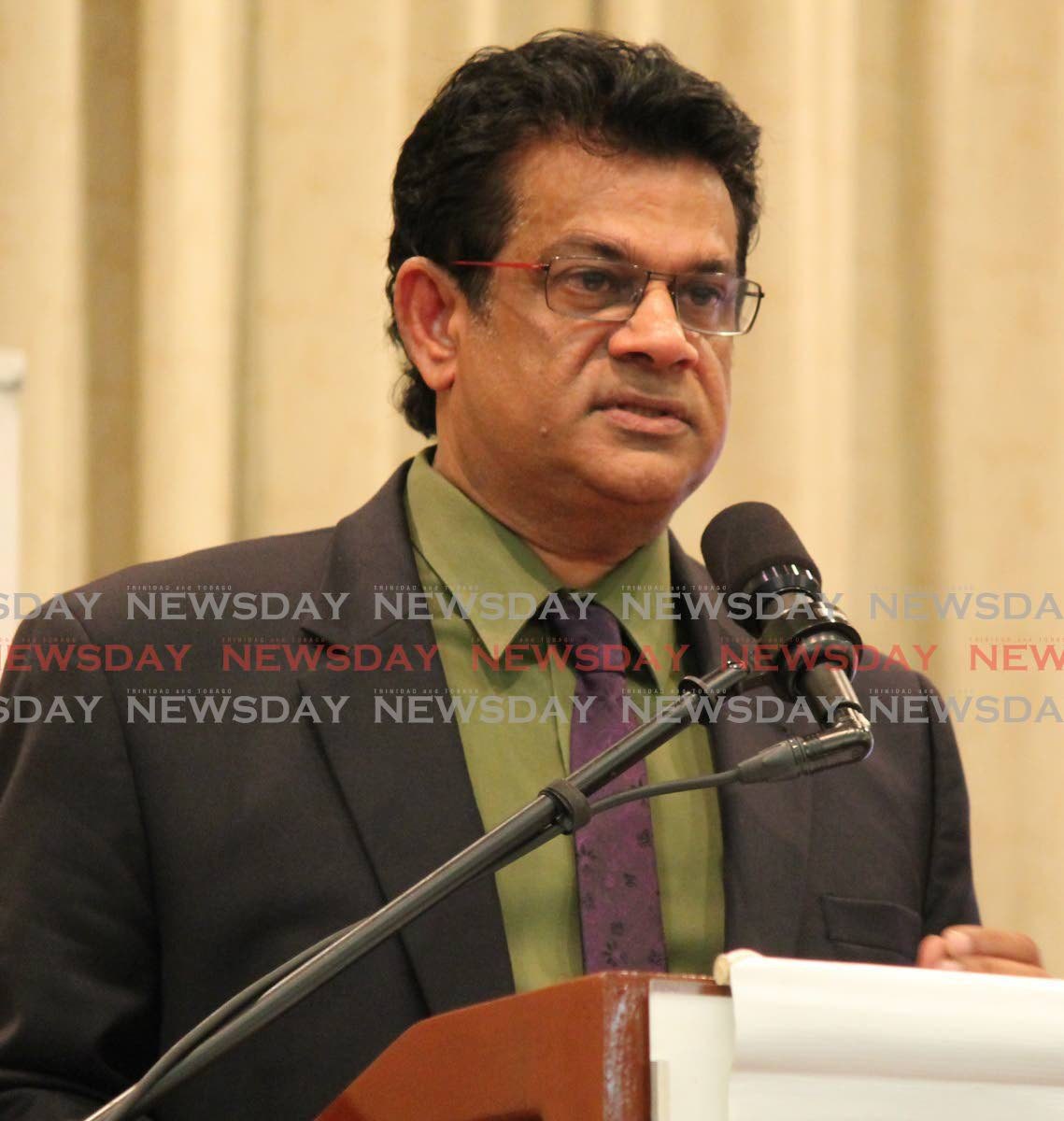
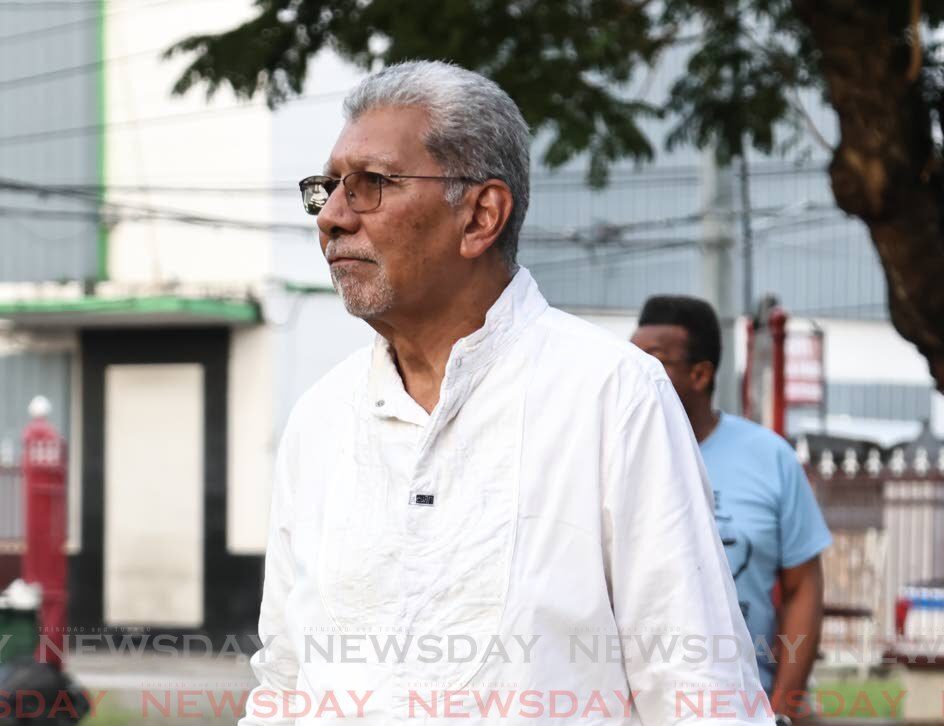
    In a stark editorial published in Newsday, former Trinidad and Tobago Health Minister Dr. Fuad Khan issued a profound caution regarding the gradual deterioration of democratic norms, emphasizing that democracies are not abruptly destroyed but systematically weakened over time.

    Dr. Khan articulated that the erosion occurs through pervasive silence, rationalization of questionable actions, and uncritical allegiance to political leaders. He expressed particular concern about supporters who applaud every governmental decision while simultaneously dismissing all criticism as acts of hostility. This behavior, he warned, fundamentally undermines accountability and causes significant damage to vital democratic institutions.

    Connecting his observations to the current political environment, the former minister stressed that genuine support for leadership should never necessitate the suspension of independent judgment. He posited that robust democracies inherently depend on continuous scrutiny, legitimate dissent, and the unwavering willingness of citizens to challenge decisions made by their representatives.

    Drawing lessons from historical precedents, Dr. Khan highlighted the dangerous trajectory nations face when political personality supersedes foundational principles and blind loyalty replaces governmental accountability. Such conditions, he noted, often lead nations toward damaging outcomes that become exceptionally difficult to reverse once established.

    The physician-turned-politician concluded with a powerful affirmation that constructive criticism constitutes essential civic responsibility rather than political sabotage. Trinidad and Tobago’s future stability and prosperity, he asserted, will be determined by informed citizens who prioritize national interests above partisan politics and institutional integrity above individual personalities.

  • PSC calls for MPs to be barred from police appointments

    PSC calls for MPs to be barred from police appointments

    In a significant move toward institutional autonomy, Trinidad and Tobago’s Police Service Commission (PSC) has issued a formal demand for complete independence from parliamentary oversight in the appointment of its board members and senior police leadership. The recommendations, detailed in the PSC’s 2024 annual report presented to the House of Representatives in November, call for sweeping reforms to eliminate perceived political patronage.

    The commission specifically advocates for removing the requirement for House of Representatives approval in appointing both PSC members and the Commissioner and Deputy Commissioners of Police. This structural change aims to bolster public confidence in the police force’s independence and enhance the commission’s supervisory capabilities.

    Among the key proposals is extending the Commissioner of Police’s retirement age to 65 and removing the position from Section 75 of the Police Service Act, which currently grants the President authority to extend the service of senior officers beyond retirement age based on national interest considerations.

    The PSC further recommends expanding its membership from five to seven individuals with fixed five-year terms, while seeking broader mandates including consultation rights on appointment criteria for top police positions and monitoring powers over Assistant Commissioners of Police.

    To strengthen its selection processes, the commission seeks mandatory powers to compel organizations to provide information for security vetting of candidates. Additionally, the PSC requests full audit authority over police service performance, oversight of recruitment, promotion, disciplinary processes, and the establishment of conduct standards.

    The report also highlights operational challenges, with PSC Chairman Dr. Wendell Wallace noting a 50% staffing shortage in the commission’s secretariat and expressing concern over one-third of staff lacking job security, with many employed on monthly contracts.

  • Coach Randolph Boyce: A wealth of talent in men’s Under-17 football squad

    Coach Randolph Boyce: A wealth of talent in men’s Under-17 football squad

    With the 2026 CONCACAF Under-17 Men’s Qualifiers approaching, Trinidad and Tobago’s national team coach Randolph Boyce has expressed strong optimism about the squad’s potential. The qualifying tournament, serving as the gateway to the 2026 FIFA Under-17 World Cup in Qatar, will see TT host matches against Barbados, Saint Martin, Sint Maarten, and regional powerhouse Mexico at Hasely Crawford Stadium from February 3-12.

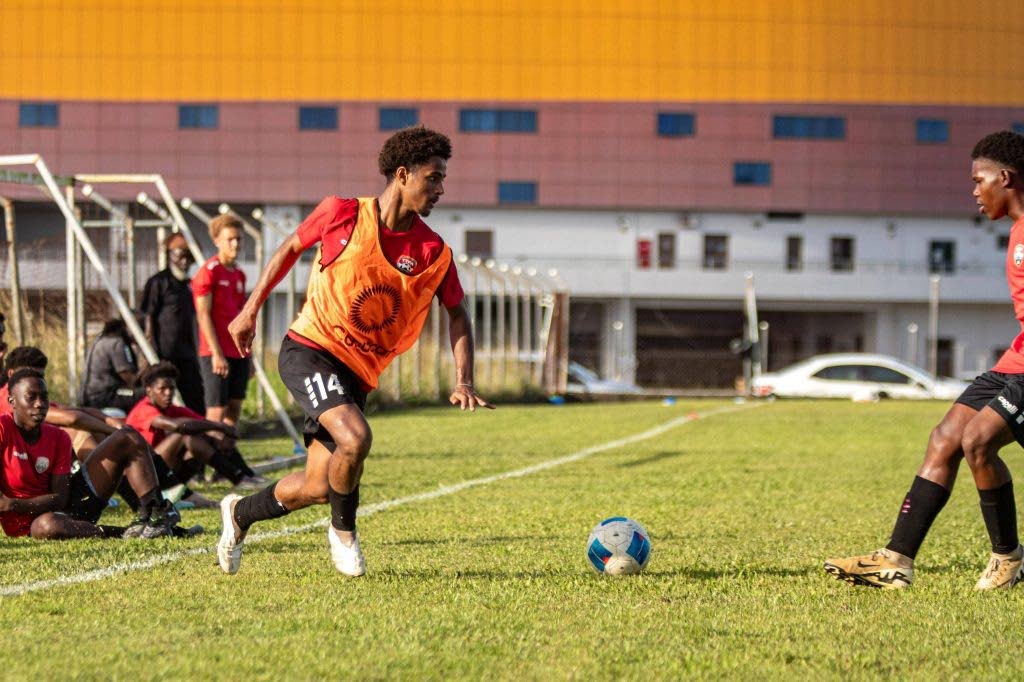
    The team entered an intensive residential training camp on December 15 to enhance tactical cohesion and individual skills. The talent pool received a significant boost on December 19 when five UK-based players—Kayden Bancey, Jashaun Christmas, Archie Lovatt, Ate Ormonde, and Eden Ormonde—joined the domestic contingent. This infusion of overseas talent comes as both the U-17 and U-20 national teams conduct simultaneous training camps.

    Boyce, initially appointed as TT’s U-20 coach in August 2024 before transitioning to lead the U-17 program, revealed that response from international players has been overwhelming. San Juan Jabloteh coach Marvin Gordon has subsequently taken helm of the national U-20 team.

    Via a TT Football Association (TTFA) media video released on December 24, Boyce explained the camp’s objectives: ‘The purpose was to bring in the boys after their Secondary Schools Football League season and to evaluate several international players from the US and England. The camp was well-represented and the players have put in the work.’

    The coaching staff has assessed an impressive pool of 42 players, with Boyce particularly enthusiastic about the talent display. ‘We have a wealth of talent,’ he emphasized. ‘What they have displayed shows we have good resources to represent our country well.’

    Evaluation criteria extended beyond technical skills to encompass tactical understanding, physical conditioning, and psychological preparedness. Boyce noted they were assessing ‘how disciplined they are, how they could work as a group together, and how they could function as a team.’

    With approximately five weeks remaining before their opening qualifier against Barbados, Boyce and his staff face critical selection decisions. Practice matches served as examinations of player capabilities, and the coaching team must now evaluate which athletes best meet their competitive requirements.

    The path to World Cup qualification is direct—the eight group winners from CONCACAF’s qualifiers will advance automatically to November 2026’s global tournament in Qatar.

  • Priest urges creative ways to deal with challenges

    Priest urges creative ways to deal with challenges

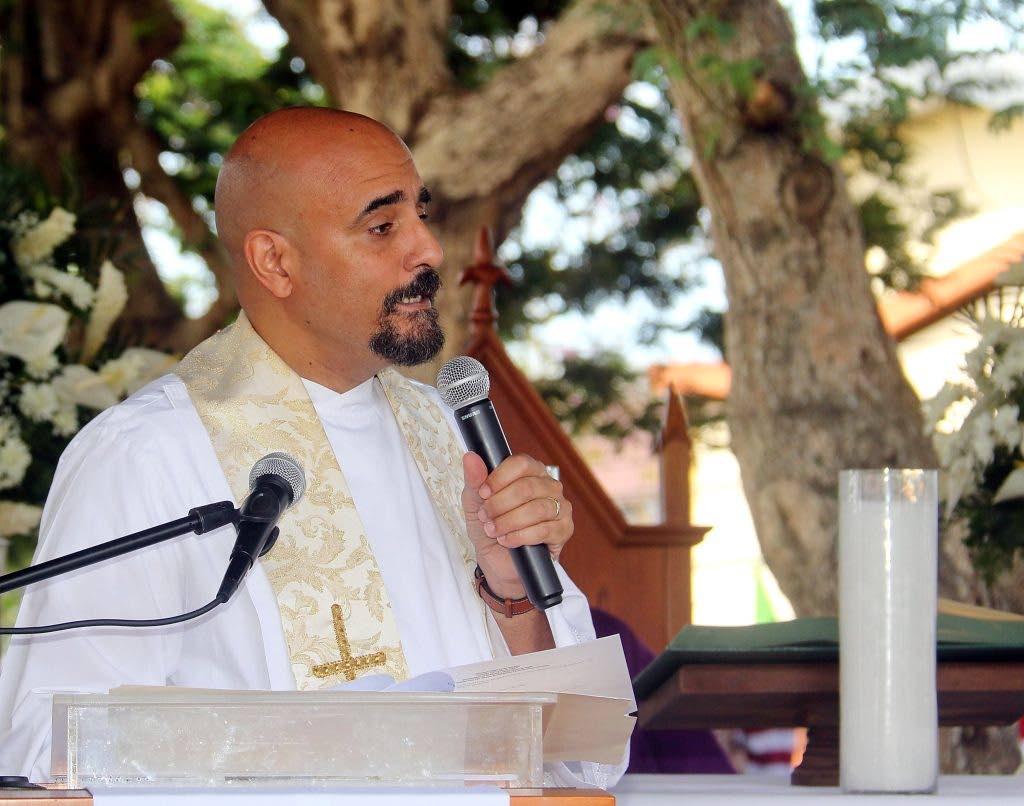
    In a powerful Christmas Day homily at the Pro-Cathedral of Our Lady of Perpetual Help RC in San Fernando, Fr Matthew D’Hereaux delivered a compelling message of resilience and hope amidst modern societal challenges. The priest articulated a theological perspective on confronting systemic pressures that threaten human dignity and community cohesion.

    Addressing the congregation on Thursday, D’Hereaux emphasized that divine message fundamentally embodies both hope and challenge. He identified multiple modern systems—including political structures, class divisions, and digital technology—as potentially destructive forces when allowed to dominate human relationships.

    “When systems attempt to grind us down through political manipulation, economic pressure, or technological isolation, we must not surrender our purpose,” D’Hereaux asserted. He specifically criticized political systems designed to create division, urging Trinidadians to employ their characteristic creativity in overcoming these divisions.

    The priest referenced recent electoral campaigns, noting how cultural expressions like street parties and dancing could potentially transform political division into community celebration. “A foreign observer might mistake our political campaigns for festive gatherings among friends,” he observed, suggesting this cultural approach could model bridge-building between opposing groups.

    D’Hereaux expressed particular concern about technology’s impact on human connection, noting the paradox of extensive contact lists accompanied by diminishing genuine friendships. “The pursuit of virtual validation through ‘likes’ cannot define our worth,” he cautioned.

    Drawing theological parallels, the priest reflected on the Nativity story, highlighting how Mary and Joseph faced political and economic pressures without surrendering to despair or violence. “Despite being displaced by political decrees and denied shelter, they maintained their dignity and hope,” he noted, presenting their story as a model for contemporary response to systemic challenges.

    The homily addressed multiple social concerns, including the priest’s criticism of promiscuity culture, warning against normalized open marriages. He emphasized strengthening family bonds through traditional games and shared activities as antidotes to technological isolation.

    D’Hereaux also condemned anti-immigrant sentiment and pornography’s pervasive influence, particularly highlighting concerns about adolescent exposure to explicit content. “We must challenge the sexualized culture and reject pornography’s destructive impact on healthy relationships,” he urged.

    Throughout the address, the priest consistently returned to themes of proactive faith, creative resistance to negative systems, and the preservation of authentic human relationships through spiritual practice and community solidarity.

  • The device that is poison

    The device that is poison

    The smartphone, once hailed as a revolutionary technological marvel, has evolved into a pervasive force eroding the fabric of contemporary family life and social cohesion. Despite its compact size fitting comfortably in one’s palm, this device wields unprecedented power to disrupt household dynamics and interpersonal relationships.

    Modern families have willingly embraced this digital intruder into their most intimate spaces—bedrooms, dinner tables, and private moments. The device has systematically replaced fundamental human interactions, with countless individuals prioritizing screen engagement over meaningful connection with partners, children, or personal reflection. This shift represents a profound transformation in daily rituals and emotional priorities.

    The irony deepens when considering Apple’s symbolic namesake—the biblical apple from Eden—while creating perhaps the most irresistible modern temptation. The parallel extends beyond symbolism to tangible consequences: smartphones have become primary news sources despite being flooded with misinformation. Fabricated content spreads uncontrollably, damaging reputations and distorting public perception before verification becomes possible.

    Political actors have capitalized on this digital landscape, weaponizing social platforms to manipulate emotions, polarize communities, and advance agendas through carefully engineered content. The device has effectively become the most potent brainwashing instrument ever created, operating with alarming efficiency and scale.

    Youth culture demonstrates particularly disturbing trends, with smartphones dominating holiday wish lists and commanding emotional attachment comparable to profound personal loss. Teenagers exhibit genuine distress over device damage that exceeds appropriate emotional responses, signaling dangerous prioritization of material objects over human relationships.

    Family structures suffer most visibly, with physical proximity no longer guaranteeing genuine connection. Couples coexist in parallel digital realities, parents offer divided attention to children, and younger generations absorb values from algorithms rather than family traditions. This erosion demands urgent countermeasures, potentially including licensed smartphone ownership similar to other regulated technologies.

    The solution requires conscious rejection of digital dominance and renewed commitment to foundational values: authentic presence, faith, familial bonds, and community engagement. While convenience offers superficial benefits, wisdom dictates reclaiming human connection from technological interference. The path forward necessitates choosing meaningful interaction over digital distraction.

  • MSJ advocates peace as war looms

    MSJ advocates peace as war looms

    Amid the festive season, a stark political divide has emerged in Trinidad and Tobago regarding regional military presence and the true meaning of Christmas peace. Movement for Social Justice (MSJ) leader David Abdulah has issued a solemn Christmas message warning that the core message of peace is being overshadowed by escalating global conflicts and commercial exploitation.

    Abdulah invoked biblical symbolism, drawing parallels between contemporary conflicts and historical oppression. He specifically referenced Christ’s actions in overturning money changers’ tables, condemning the modern commercialization of religious observances. ‘Christmas has become totally commercialized as a rapacious capitalist system sees the opportunity to make significant profits,’ Abdulah stated, arguing that this undermines the spiritual significance of the season.

    The political leader expressed particular concern about multiple global conflict zones, drawing direct comparisons between Israeli military operations in Gaza and West Bank to King Herod’s biblical massacre of infants. He further cited conflicts in Ukraine, Sudan, and Democratic Republic of Congo as examples where mineral wealth acquisition drives violence beneath surface-level narratives.

    Closer to home, Abdulah characterized US military deployment near Venezuela’s territorial waters as ‘old-style gunboat diplomacy’ aimed at forced regime change. He referenced President Trump’s recent statements suggesting objectives beyond initial anti-narcotics claims, including potential seizure of oil assets. Abdulah interpreted these actions through the lens of US National Security Strategy 2025, which explicitly aims to ‘restore American pre-eminence in the Western Hemisphere.’

    In stark contrast, Prime Minister Kamla Persad-Bissessar has publicly endorsed US military presence in the region, defending both the establishment of a US radar facility in Tobago and military actions against alleged drug vessels. She has openly broken with CARICOM’s traditional ‘zone of peace’ consensus, stating Trinidad and Tobago ‘wants no part of alignment’ with what she termed the ‘Maduro narco government.’

    Persad-Bissessar’s Christmas message employed different biblical references, focusing on liberation from oppression. Citing Luke 4:18 and John 1:9, she emphasized Christ’s role as liberator while drawing parallels between Herod’s tyranny and contemporary regional governance. Without explicitly naming Venezuela, she described populations ‘forced to live under repression, violence, and economic hardship’ in neighboring countries.

    The fundamental disagreement between these political perspectives highlights deeper ideological fractures regarding sovereignty, regional policy, and the interpretation of peace during the Christmas season.

  • Self-belief driving force to success

    Self-belief driving force to success

    In a compelling examination of personal development, a recent editorial explores the transformative power of self-confidence as the fundamental driver of human progress. The piece, originally published in Newsday, presents a thorough analysis of how self-belief serves as the critical differentiator between stagnation and achievement.

    The discourse begins by defining self-confidence as the unwavering conviction in one’s ability to overcome obstacles and accomplish goals. This psychological foundation emerges as particularly vital when facing new challenges—whether professional interviews, business negotiations, or academic presentations—where innate fears and uncertainties typically surface.

    Stanford Graduate School’s Matt Abraham provides scholarly reinforcement, noting that anxiety itself can be harnessed as a source of courage and significance indicator. The editorial further distinguishes between two archetypes: those who remain confined within their comfort zones and those who courageously venture into fear and learning zones, with self-confidence being the decisive factor.

    Dr. Ivan Joseph, renowned motivational coach, contributes the perspective that self-confidence constitutes a developable skill rather than an innate trait. The article outlines four practical strategies for cultivation:

    1. Embracing failure as an essential component of growth, illustrated by Thomas Edison’s persistent experimentation before inventing the lightbulb
    2. Eliminating internal negative dialogue that psychologist Peter Sage identifies as self-sabotaging behavior
    3. Curating social circles exclusively with positive influences that elevate mental states
    4. Committing to relentless preparation and practice, exemplified by world-class performers like Muhammad Ali, Usain Bolt, Keshorn Walcott, and JK Rowling

    The editorial concludes by emphasizing self-confidence’s broader societal implications—preserving family structures, determining children’s futures, and enhancing national productivity. Without this crucial attribute, the author argues, industries would operate suboptimally, children would underachieve, and workers would lack direction, ultimately diminishing collective potential.