标签: Trinidad and Tobago

特立尼达和多巴哥

  • MSJ’s Abdulah slams PNM, UNC

    MSJ’s Abdulah slams PNM, UNC

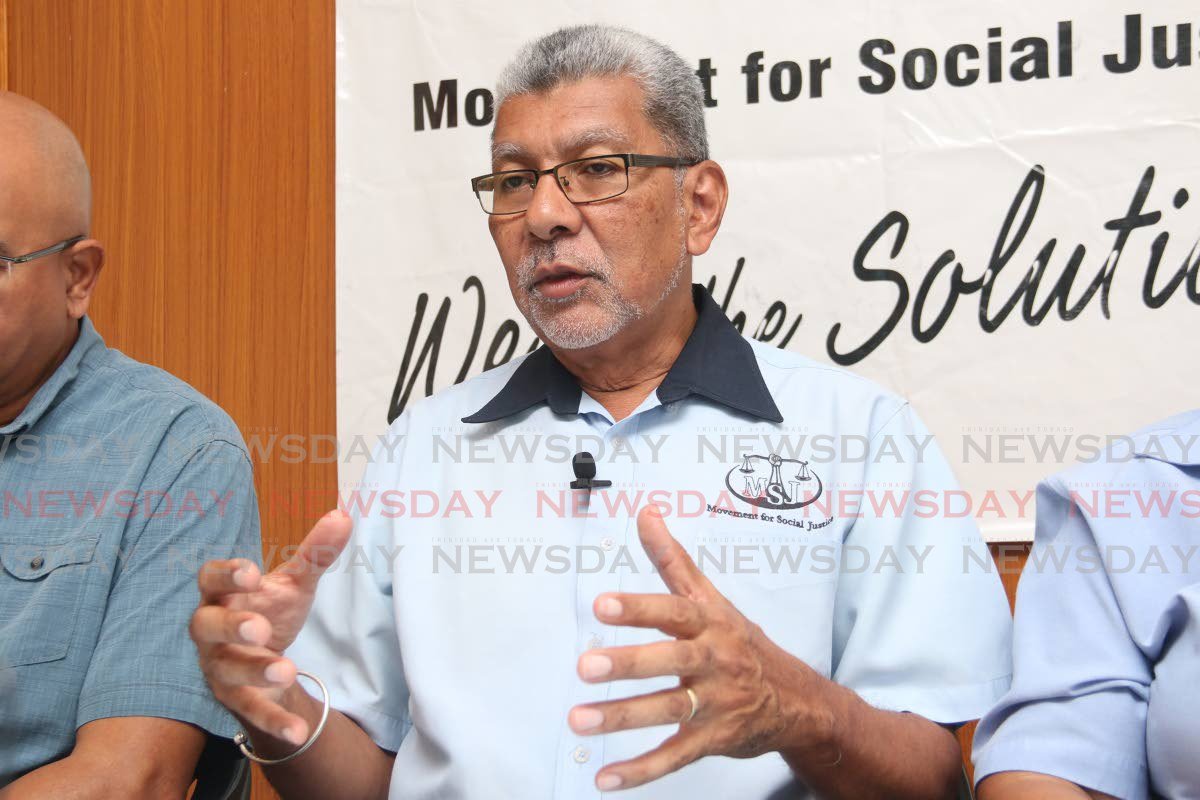
    In a sharply critical New Year’s address, Movement for Social Justice (MSJ) political leader David Abdulah delivered a sweeping condemnation of Trinidad and Tobago’s two dominant political parties, accusing both the ruling United National Congress (UNC) and opposition People’s National Movement (PNM) of fundamental governance failures.

    Abdulah characterized 2025 as a historically significant year marked by consequential elections in both Trinidad and Tobago and the United States. He expressed deep concern about the international political climate, particularly referencing Donald Trump’s return to power and the subsequent Project 2025 initiative, which he described as promoting “an ultra right-wing agenda rooted in white supremacy and the aggressive rewriting of historical narratives through executive overreach.”

    The MSJ leader elaborated on global implications, stating this agenda represents “imperialism on steroids” characterized by resource exploitation tactics, unilateral tariff impositions contravening WTO regulations, visa revocation threats, illegal sanctions, and the resurgence of gunboat diplomacy.

    Domestically, Abdulah presented a detailed electoral analysis, noting that the PNM suffered a catastrophic collapse in public support during the April general election. The party’s vote count plummeted by over 100,000 ballots from 322,180 in 2020 to merely 220,160 in 2025. He attributed this dramatic rejection to the PNM’s alleged arrogance in governance, its adherence to neoliberal economic policies that disproportionately favored the wealthy, and specific controversial actions including the closure of Petrotrin refinery and mass worker retrenchments.

    While acknowledging the UNC’s electoral victory under Kamla Persad-Bissessar’s leadership, Abdulah highlighted concerning democratic metrics. Despite securing 26 of 41 parliamentary seats (68% representation), the UNC coalition garnered only 350,734 votes representing approximately 30% of electoral support amid a record-low 54% voter turnout—the poorest participation rate since the 1971 ‘No Vote’ campaign.

    The opposition leader criticized the new government for exhibiting concerning tendencies reminiscent of its predecessor, citing Prime Minister Persad-Bissessar’s characterization of Trinidad as “a lawless dump” and abrupt reversals of longstanding foreign policy positions. While acknowledging some positive developments including stakeholder consultations on scrap iron regulations, refinery restart committees, and settled wage negotiations, Abdulah noted troubling patterns of insufficient consultation with maxi-taxi associations and Carnival stakeholders, and what he termed “a new manifestation of prime ministerial power.”

    Abdulah concluded that neither major party demonstrates capacity for the fundamental transformation required—a shift from top-down governance to participatory democracy and economic reconstruction that benefits all citizens rather than select elites. He called for emergence of a new mass movement capable of challenging the status quo, citing growing civic engagement around peace vigils, Palestinian solidarity, and global liberation movements as promising indicators of potential change.

  • FEEL to launch new wave of donor engagement in 2026

    FEEL to launch new wave of donor engagement in 2026

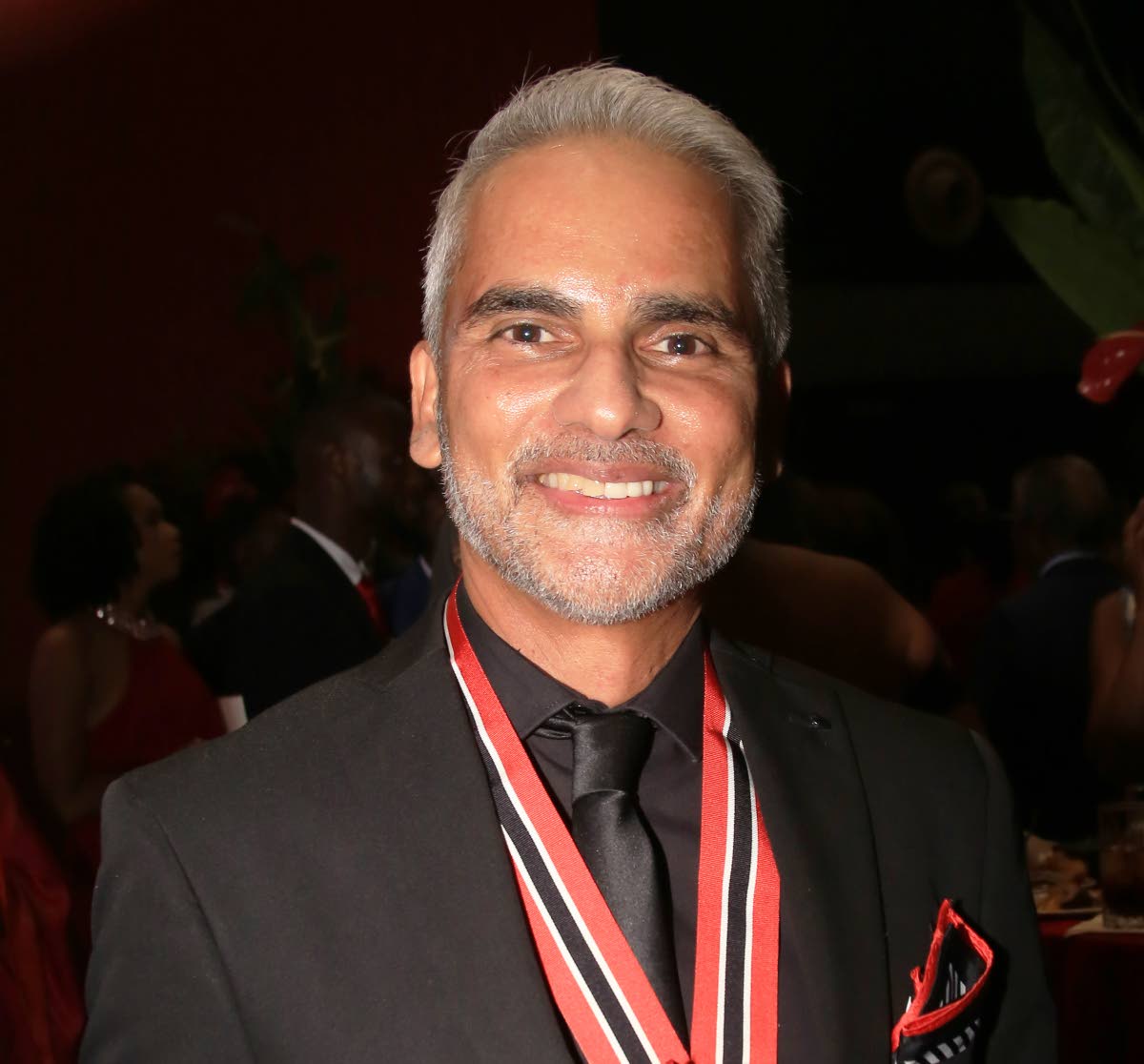
    The Foundation for the Enhancement and Enrichment of Life (FEEL) is embarking on an ambitious donor engagement strategy for 2026 with the establishment of the FEEL 1000 Club, a collaborative network uniting individual philanthropists and corporate entities to bolster the organization’s humanitarian mission.

    In a year-end statement released December 30, the Trinidad and Tobago-based nonprofit issued an open invitation to both public and private sector stakeholders to participate in what it described as an “impactful initiative” designed to strengthen community support systems nationwide.

    Reflecting on a remarkably productive 2025, FEEL characterized the past year as a period of disciplined leadership, strategic expansion, and steadfast dedication to public service. The organization reported substantial scaling of operations, with monthly distributions of food provisions and cleaning supplies reaching 130 registered nonprofit organizations—support valued at exceeding $1.1 million monthly.

    Educational institutions also benefited from FEEL’s outreach, with quarterly deliveries of stationery and sanitation materials provided to 50 schools, ensuring essential resources for thousands of students. Through strengthened international partnerships, the organization received 55 forty-foot containers of staple food items, medical supplies, and household goods—totaling over 300,000 individual items with an estimated value surpassing $45 million.

    The foundation’s 2025 achievements were further amplified by two successful fundraising events: the Fourth Annual Charity Golf Tournament and a traditional Chinese dinner. These gatherings united cross-sector supporters from corporate, civil society, and philanthropic circles, reinforcing FEEL’s reputation as a trusted agent of national development.

    Chairman Dr. Sterling Frost acknowledged the board of directors for maintaining FEEL’s operational efficiency, transparency, and high-impact delivery standards. As the organization marks its 33rd year of service, Frost extended gratitude to numerous contributors including Fernandes Industrial Centre, Food for the Poor, United Way TT, Republic Bank Ltd, and multiple partners from energy, finance, and manufacturing sectors.

    Frost concluded with appreciation for warehouse staff, distribution assistants, transport providers, and national agencies, emphasizing that continued donor support enables FEEL to serve vulnerable populations with “compassion, consistency, and care.”

  • Lee to investigate Corinth town house squatters

    Lee to investigate Corinth town house squatters

    A disturbing housing controversy has emerged in Trinidad following revelations that squatters attempted to occupy a government-subsidized home weeks before the legitimate owners were scheduled to receive their keys. The incident occurred at a Housing Development Corporation (HDC) townhouse in Riverside South, Corinth, near San Fernando, where a family with children had already made substantial payments toward the property.

    The concerned couple, who have chosen to remain anonymous, filed an official police report on December 29 after being alerted that unauthorized individuals were inside their designated home and preparing to move in. This development has sparked a significant political confrontation regarding housing policy and property rights under the current administration.

    Housing Minister David Lee initially responded to the situation on December 31, stating he would investigate the matter through HDC channels. However, the incident quickly escalated into a broader political debate when former housing minister Camille Robinson-Regis revealed that following the April 28 general election, the HDC had implemented a policy to ‘regularize squatters currently occupying HDC properties without permission.’

    Robinson-Regis condemned this approach as fundamentally flawed, arguing that it represents governmental laziness and a problematic shortcut to addressing housing shortages. She highlighted the contradiction in government simultaneously condemning lawlessness while officially sanctioning illegal occupation of state properties.

    The former minister connected this policy to Prime Minister Kamla Persad-Bissessar’s recent characterization of Trinidad and Tobago as ‘a lawless dump’ during her defense of increased traffic fines. Robinson-Regis also referenced previous instances of political interference in housing matters, noting that Oropouche East MP Dr. Roodal Moonilal, now Energy Minister, had previously called for HDC to halt evictions by claiming those being removed were political targets of the PNM.

    The controversy raises serious questions about ministerial oversight at HDC and whether current housing policies maintain the necessary standards of fairness, transparency, and respect for the rule of law that should govern public housing distribution.

  • Central Bank: US, Venezuela tensions create economic uncertainty in TT

    Central Bank: US, Venezuela tensions create economic uncertainty in TT

    Escalating military tensions between the United States and Venezuela in the southern Caribbean are creating significant economic uncertainty in Trinidad and Tobago, according to the latest monetary policy report from the nation’s Central Bank. The report, released December 31, 2025, identifies the “fluid geopolitical tension” as a primary contributor to domestic economic instability.

    The military buildup began in August 2025 with the deployment of guided missile destroyers USS Gravely, Sampson, and Jason Dunham to the region. This presence has since expanded dramatically to include the aircraft carrier USS Gerald R. Ford and its strike group, US amphibious assault vessels, the nuclear attack submarine USS Newport News, and elements of the US Marine Corps 22nd Marine Expeditionary Unit (MEU). Notably, this marks the MEU’s first Caribbean engagement since the 1983 invasion of Grenada.

    Trinidad and Tobago has facilitated this military presence by granting the US military indefinite access to Piarco International and ANR Robinson International Airports for transit flights. In November, US Marines established a military radar system at ANR Robinson International Airport.

    Prime Minister Kamla Persad-Bissessar has consistently supported the US deployment, including military strikes on alleged drug vessels that have resulted in at least 107 fatalities across 31 vessels since September 2. This week, President Trump confirmed the destruction of an alleged onshore drug facility via drone strike with CIA involvement.

    The Prime Minister has condemned regional critics of the deployment, asserting that the United States represents Trinidad and Tobago’s sole protector against external threats.

    Economically, the Central Bank reports that growth remains “somewhat tentative” despite increased energy production from two new natural gas fields in the second quarter of 2025. This growth is being partially offset by a non-energy sector losing momentum across multiple sub-sectors, indicating the domestic economy still requires support for sustained recovery.

    International context shows the IMF projecting global output expansion of 3.2% in 2025, marginally down from 3.3% in 2024. While the US economy demonstrates durability despite labor market challenges and elevated inflation, other major economies experience softer growth with persistent inflation.

    Energy markets reflect these uncertain conditions, with West Texas Intermediate crude slipping below $60 per barrel, averaging $59.57 in November and remaining below that threshold in December. This presents challenges for Trinidad and Tobago’s budget, which was pegged against crude oil at $73.25 per barrel and natural gas at $4.25 per mmbtu.

  • 5 critical pivots for Trinidad and Tobago in 2026

    5 critical pivots for Trinidad and Tobago in 2026

    As Trinidad and Tobago enters 2026, the nation confronts what analysts are calling a “decision year” rather than a fresh start. The global landscape has undergone fundamental shifts that disproportionately impact small nations, characterized by rapid technological displacement of jobs, mounting fiscal pressures on governments worldwide, and persistently rising living costs. These conditions represent permanent structural changes rather than temporary disruptions.

    Leadership Paradigm Shift
    Globally effective leadership models demonstrate that preparation for reality trumps political campaigning. Singapore’s Prime Minister Lawrence Wong exemplifies this approach through direct engagement with citizens about inflation, global conflicts, and economic restructuring. Similarly, Estonia’s former Prime Minister Kaja Kallas transformed her small nation into a digital governance powerhouse through transparent systems that reduced bureaucracy. Both leaders treated citizens as informed partners rather than passive spectators, establishing new benchmarks for effective governance.

    Employment Transformation
    Traditional employment models centered on job availability are collapsing as governments digitize and automate. The critical pivot requires shifting from job-seeking to value creation through problem-solving skills in design, accounting, marketing, education, technology, or operations. The emerging work paradigm emphasizes project-based collaboration where three solopreneurs can generate revenue without traditional corporate structures.

    Foreign Exchange Imperative
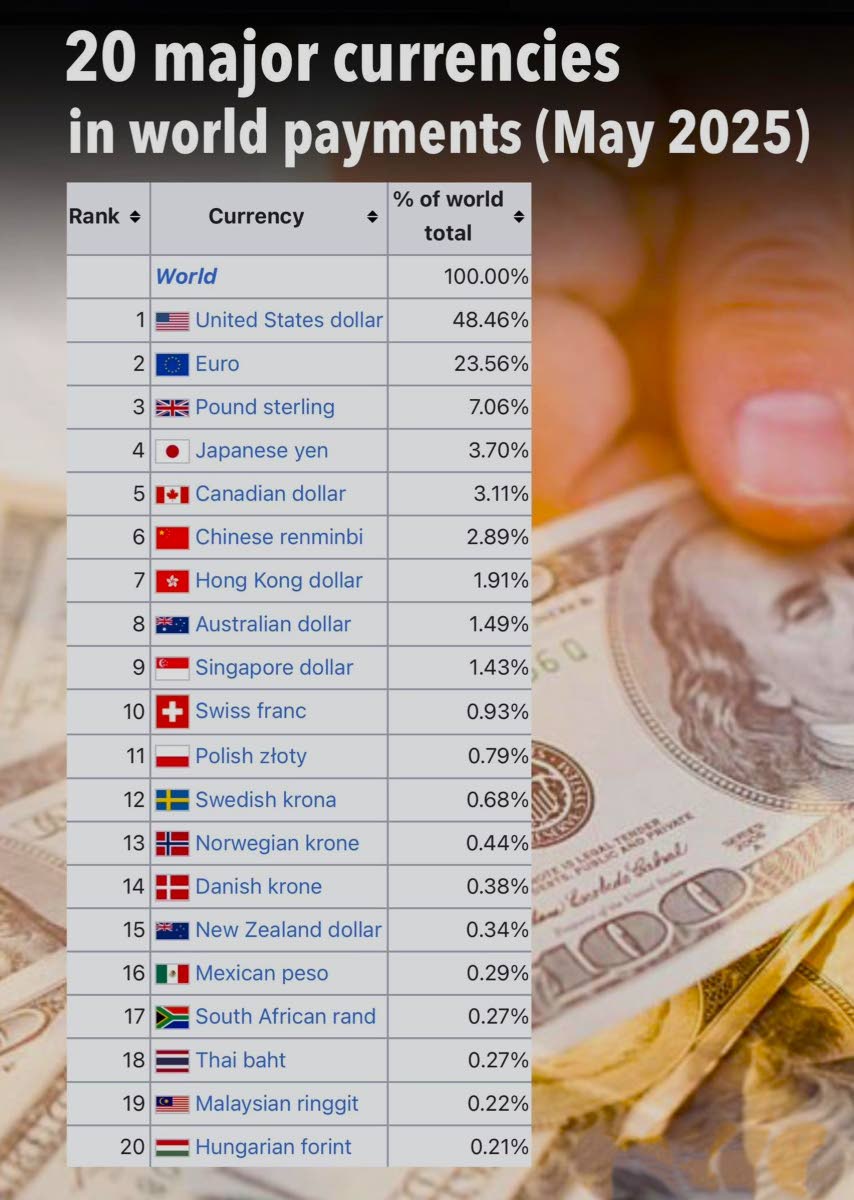
    Economic growth remains constrained when limited to domestic transactions within Trinidad and Tobago’s 1.4 million population. Every business concept must now be evaluated through a foreign exchange lens, as forex availability directly impacts food imports, fuel, medicine, and technology access. Service exports present the most viable path forward, enabling professionals to earn globally while residing locally through digital work, consulting, teaching, and creative services.

    Strategic Mobility Framework
    The mismatch between trained teachers and local opportunities illustrates the need to reframe mobility as career acceleration rather than failure. English-speaking educators enjoy strong demand across Asian markets including Japan, Vietnam, and Thailand. Comparative analysis reveals that lower nominal salaries in lower-cost countries often yield better savings and quality of life when accounting for living expenses.

    Risk Reassessment
    The conventional understanding of risk has inverted—inaction now represents the greatest danger. Remaining in stagnant industries or relying on single employers constitutes greater risk than pursuing calculated ventures in skill development, global market exploration, and income diversification. Adaptability has replaced comfort as the safest strategic approach in 2026’s economic landscape.

    Success in this decisive year will favor those who adjust early, think beyond national borders, and take proactive responsibility for their economic security, rather than awaiting external rescue.

  • SSFL boss excited as girls premiership to finally kick off

    SSFL boss excited as girls premiership to finally kick off

    After six years of postponements, Trinidad and Tobago’s Secondary Schools Football League (SSFL) will finally launch its groundbreaking girls’ premiership division in 2026. The long-awaited initiative, initially scheduled for 2020, faced multiple setbacks including pandemic-related disruptions and financial challenges before securing full sponsorship from the Trinidad and Tobago Football Association (TTFA).

    SSFL president Merere Gonzales expressed profound relief at the resolution of logistical constraints that previously hindered the competition’s implementation. The announcement came during TTFA president Kieron Edwards’ year-end address, where he confirmed the association’s complete backing of the pioneering women’s development program.

    The inaugural season will feature a selective format, drawing the most competitive schools from each of the five SSFL zones to ensure high-quality matches from the outset. Gonzales revealed the league would begin with at least one representative institution per zone, establishing a foundation for future expansion through promotion and relegation systems.

    This structural development represents a significant advancement for women’s football in the Caribbean nation, aiming to elevate playing standards and broaden the talent pool for national team selection. The premiership is expected to create a more attractive, high-intensity tournament environment that will motivate championship division teams to compete for top-tier status.

    FIFA’s strong advocacy for increased female football participation has been instrumental in driving this initiative forward. Gonzales emphasized that while men’s football maintains prominence, equal recognition for women’s sports remains essential for comprehensive athletic development.

    The SSFL simultaneously focuses on strengthening youth pathways, with existing U15 and U13 divisions serving as foundational tiers. League executives aim to further establish these developmental leagues across all zones, creating an integrated system that nurtures talent from early school years through premiership competition.

    This landmark achievement promises to reshape Trinidad and Tobago’s football landscape, offering female athletes unprecedented competitive opportunities and solidifying the nation’s commitment to gender equity in sports.

  • Paul: ‘Marginal gains’ key to elite success

    Paul: ‘Marginal gains’ key to elite success

    Trinidad and Tobago’s premier track cyclist Nicholas Paul has unveiled a meticulously planned competitive schedule for 2026, marking the commencement of his qualification journey for the Los Angeles 2028 Olympic Games. The strategic roadmap features multiple elite international competitions designed to optimize his performance ahead of the crucial World Track Championships in October.

    Paul’s campaign begins with the Pan American Track Championships in Chile (February 16-22), followed by consecutive UCI Nations Cup rounds in Hong Kong (April 17-19) and Malaysia (April 24-26). The cyclist will then compete at either the Commonwealth Games in Scotland (July 23-August 2) or the Central American and Caribbean Games in Dominican Republic (July 24-August 8) before heading to Shanghai for the World Championships (October 14-18) – his first official Olympic qualifier.

    The accomplished athlete identifies tactical execution and marginal gains as critical focus areas for improvement. “I have to still work on my tactics in racing, that’s a big part of it now,” Paul emphasized. “Being able to actually get the marginal gains now, because that’s where I’m losing. I need to get the marginal gains on the track, in the gym, maybe equipment-wise.”

    Paul approaches 2026 as a pivotal year in his career, noting that strong early performances could alleviate pressure during later qualification stages. Seeking his third Olympic appearance, the cyclist aims to secure Trinidad and Tobago’s first Olympic cycling podium after consistently ranking among top contenders in both the 2020 and 2024 Games.

    Reflecting on his 2025 season, Paul described it as productive though less intense than previous Olympic years. His achievements included triple gold (team sprint, sprint, 1K time trial) and silver (keirin) at the Pan American Championships, plus fourth and seventh place finishes respectively in sprint and keirin events at the World Championships. The cyclist also claimed sprint gold and keirin silver at the Bolivarian Games during Trinidad and Tobago’s debut appearance.

    Currently enjoying a period of recovery in his homeland, Paul is balancing rest with preparation for upcoming challenges. His exceptional 2025 performance earned him the Trinidad and Tobago Cycling Federation’s Male International Cyclist of the Year award in December, further cementing his status as a national sporting icon.

  • Central Bank: Protect foreign reserves, set proper conditions for growth

    Central Bank: Protect foreign reserves, set proper conditions for growth

    In its concluding monetary policy assessment for 2025, released on December 31, the Central Bank of Trinidad and Tobago has issued a cautious economic outlook for 2026. The institution emphasized the critical challenge of maintaining equilibrium between protecting the nation’s foreign reserves and cultivating conditions for sustainable economic expansion.

    The bank identified significant factors that could disrupt this delicate balance, particularly wage adjustments and aggregate demand pressures. Notably referenced was the ten percent salary increase for public servants implemented by the United National Congress following their April 28 general election victory, with partial disbursements commencing in December. These fiscal measures are projected to boost household incomes in coming months, potentially stimulating consumer activity.

    Against this backdrop, the Central Bank highlighted Trinidad and Tobago’s substantial import dependency, making the preservation of international reserves critically important. This warning comes alongside recent downward revisions of TT’s economic outlook by major rating agencies Moody’s and S&P, primarily citing declining foreign reserves.

    While acknowledging a modest stabilization in reserves—climbing from US$4.6 billion in October to US$5.3 billion by mid-December—the bank cautioned that significant challenges persist. International reserve adequacy indicators continue to warrant close monitoring.

    The report noted encouraging developments in the energy sector, with natural gas production witnessing an 11.7 percent year-on-year increase during Q2 2025. This resurgence was fueled by inaugural production from bpTT’s Cypre field and the bpTT/EOG Mento fields. Correspondingly, petrochemical outputs showed mixed results with ammonia and urea production expanding by 23.6 percent and 51.3 percent respectively, while methanol output declined by 12.7 percent.

    However, these energy sector gains were partially offset by continued softening in non-energy sector performance. The distribution, construction, and manufacturing industries demonstrated weaker results, though improvements were observed in finance and utilities.

    Financial conditions remain precisely balanced, with system liquidity constraints easing despite ongoing government borrowing and increased interbank activity. Commercial banks’ excess reserves at the Central Bank averaged $4.4 billion in November, rising to $5.3 billion by mid-December.

    Conversely, private sector credit expansion has moderated, growing at 6.3 percent year-on-year in October compared to 8.6 percent in June. This deceleration was attributed to more restrained business credit growth and slowed consumer lending, particularly in credit cards, automotive, and bridging finance.

    In response to these complex economic crosscurrents, the Monetary Policy Committee has maintained the repo rate at 3.5 percent. The Central Bank affirmed its readiness to implement necessary monetary policy measures to preserve the crucial balance between foreign reserve protection and fostering favorable funding conditions for domestic economic activity.

  • Opposition Leader: Preparation and renewal in 2026

    Opposition Leader: Preparation and renewal in 2026

    In her New Year’s Day address, Opposition Leader Pennelope Beckles articulated the People’s National Movement’s strategic roadmap for 2026, emphasizing organizational preparation and structural renewal as core priorities. The first female political leader in PNM’s history declared the party’s fundamental objective involves rebuilding public trust in governance while ensuring optimal management of national resources for all citizens’ benefit.

    Beckles, who assumed leadership responsibilities in 2025 following the PNM’s electoral defeat, underscored her solemn duty to advocate for Trinidad and Tobago’s populace and maintain governmental accountability. The April 28 general election had resulted in a significant political shift, with the United National Congress securing 26 parliamentary seats against PNM’s 13, alongside two seats captured by the Third Party Platform.

    The Opposition Leader acknowledged profound national challenges throughout the past year, citing escalating living expenses, economic volatility, struggling small enterprises, and persistent criminal activity affecting citizens’ security. These realities, she emphasized, necessitate responsible leadership, clear vision, and reinvigorated dedication to national interests.

    Beckles reaffirmed her commitment to standing alongside citizens in defending their dignity and right to governance that serves rather than exploits. While recognizing the seriousness of existing challenges, she expressed confidence that disciplined leadership and national unity could overcome these obstacles.

    The New Year’s message highlighted the unique global moment where cultures, borders, and beliefs converge in shared anticipation of improved circumstances. Beckles extended greetings to domestic and international citizens, along with Caribbean and global communities, urging purposeful advancement into 2026 with collective dedication to creating a safer, more equitable, and prosperous Trinidad and Tobago.

  • Police urge adherence to traffic laws as road deaths fall

    Police urge adherence to traffic laws as road deaths fall

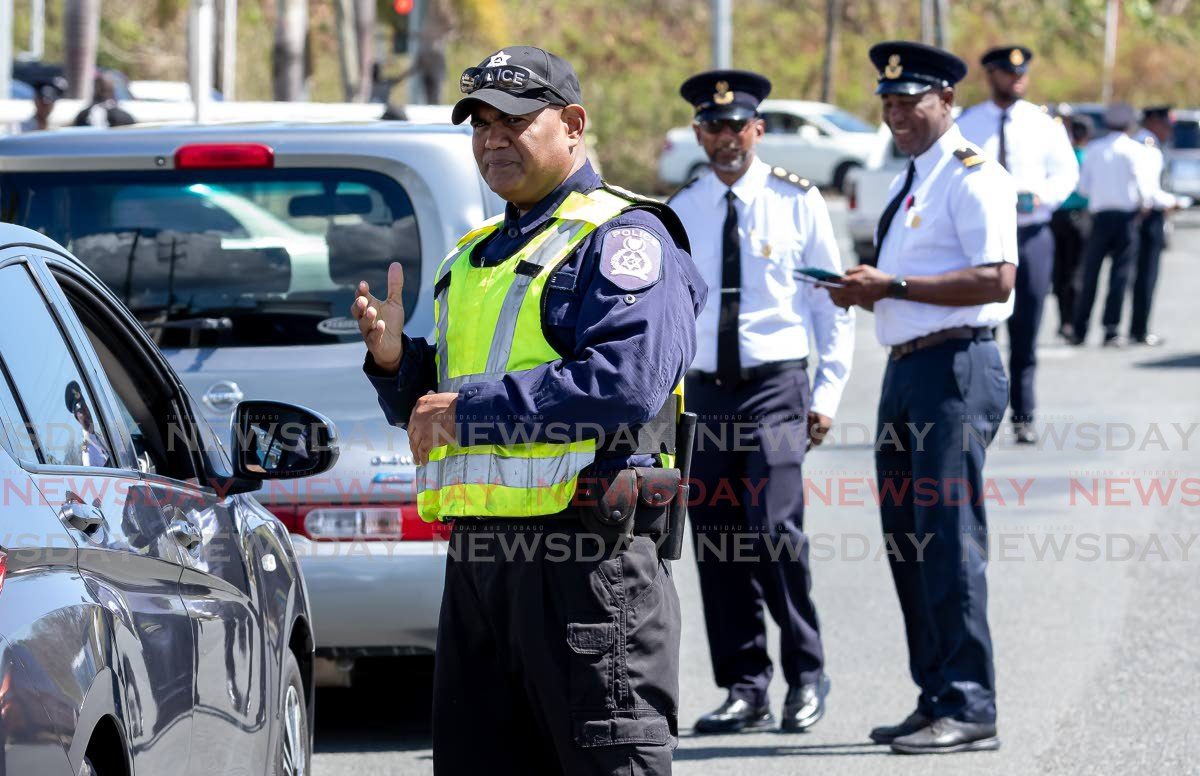
    Trinidad and Tobago Police Service (TTPS) has launched a renewed road safety initiative coinciding with substantial increases in traffic violation penalties effective January 1, 2026. The enforcement measures come despite celebrating a notable 12% reduction in road fatalities between 2024 and 2025, with deaths decreasing from 124 to 109 annually.

    Under recently amended provisions of the Motor Vehicles and Road Traffic Act’s Ninth Schedule, financial penalties for traffic offenses have escalated dramatically. High-risk violations now carry significantly heftier fines, including $6,000 for exceeding speed limits by more than 31 kilometers per hour and $10,000 for operating vehicles without proper insurance coverage.

    The most severe penalties target impaired driving, with first-time DUI offenses now drawing $24,000 fines and repeat violations reaching $45,000. These amendments represent the government’s strengthened approach to enforcing road traffic regulations and compelling motorists to exercise greater vigilance.

    In their January 1 media release, TTPS emphasized that while the reduction in fatalities marks progress, each preventable death remains unacceptable. The police service urged all road users to embrace shared responsibility for safety, emphasizing that compliant drivers form the foundation of secure roadways. The appeal for immediate adherence to traffic laws includes ensuring vehicles undergo proper inspections and maintain valid insurance certification.

    As Trinidad and Tobago enters the new year, law enforcement authorities emphasize that collective public cooperation remains essential to sustain the positive trend in road safety and further reduce traffic-related deaths nationwide.