
In a welcome development for consumers, the Central Statistical Office (CSO) reported that inflation in September 2025 showed a modest deceleration compared to previous months. The inflation rate for September stood at one per cent, a notable drop from the 1.4 per cent recorded in August. This marks a significant shift from the 0.4 per cent rate observed during the same period in 2024. The all-items index, which tracks the average price movement of goods and services purchased by households, registered at 125.4 in September, reflecting a 0.2 per cent decline from August. Food prices, a major component of household expenditure, also saw a reduction, with the food and non-alcoholic beverages index falling by 0.8 per cent. This decrease was attributed to lower prices for staple items such as tomatoes, fresh whole chickens, and melongene, among others. However, this trend was partially counterbalanced by price hikes in other everyday essentials like cucumbers, Irish potatoes, and bottled water. The clothing and footwear index dropped by 0.3 per cent, while the health index saw a marginal decline of 0.1 per cent. Alcoholic beverages and tobacco experienced a slight increase of 0.1 per cent, with other categories remaining stable. These figures, derived from data collected nationwide, provide a comprehensive snapshot of consumer price movements in September. The CSO’s report, released four days after the government’s 2025/2026 budget presentation, offers the first official insight into post-budget inflation trends. The agency emphasized that its consumer price index is compiled using data from a wide range of retail and service providers, ensuring an accurate reflection of price changes across the country.
标签: Trinidad and Tobago
特立尼达和多巴哥
-

Carter looks to build on backstroke bronze from first leg of Swimming World Cup
Trinidad and Tobago’s swimming sensation, Dylan Carter, is set to continue his impressive run at the second leg of the 2025 World Aquatics Swimming World Cup in Westmont, Illinois, USA, from October 17-19. Fresh off a commendable performance in the first leg held in Carmel, Indiana, Carter is determined to build on his momentum. In Carmel, he secured a bronze medal in the men’s 50-meter backstroke and finished fourth and fifth in the 50m freestyle and 50m butterfly finals, respectively. Carter’s journey in Westmont begins with the 50m freestyle heats on October 17, where he will compete in lane four of heat six, aiming to qualify for the final scheduled later that evening. In Carmel, Carter clocked 21.42 seconds in the 50m freestyle heats, improving to 21.12 seconds in the final, narrowly missing a podium finish. The event was dominated by American swimmers Chris Juliano (20.83) and Jack Alexy (20.88), with Canada’s Ilya Kharun (20.89) taking bronze. Carter will face stiff competition in Westmont, including Kharun and Bahamian Lamar Taylor, who recently claimed silver at the Junior Pan American Games. Additionally, Carter is slated to compete in the 100m freestyle, 50m backstroke, and 50m butterfly heats over the next two days. The third leg of the Swimming World Cup will take place in Ontario, Canada, from October 23-25.
-
Alexander: File missing-persons report for Trinis allegedly killed on drug boat
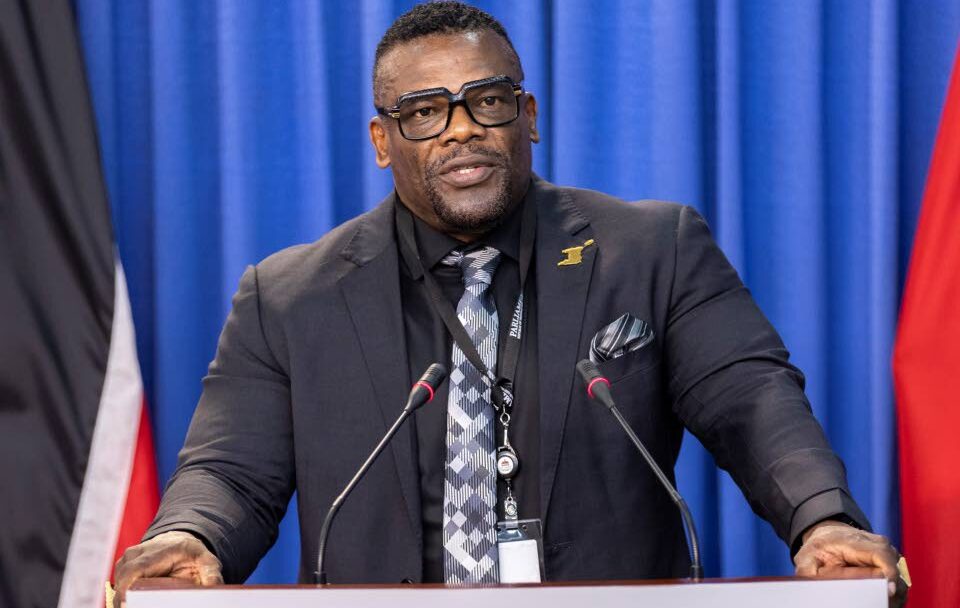
In the wake of a controversial US missile strike targeting a suspected drug-trafficking vessel in international waters, Trinidad and Tobago’s Minister of Homeland Security, Roger Alexander, has called on the families of two Trinidadian nationals allegedly killed in the incident to file missing-persons reports immediately. The strike, which occurred on October 14, resulted in the deaths of six individuals, including a Las Cuevas man and another Trinidadian referred to as ‘Samaroo.’ This marks the fifth such operation by the US in its ongoing campaign against narco-trafficking in the southern Caribbean, which has claimed over 20 lives. Despite the severity of the actions, no concrete evidence of illegal drugs aboard the vessels has been publicly disclosed. US President Donald Trump and Secretary of War Pete Hegseth have defended the strikes, asserting the reliability of their intelligence. During an interview with i95.5FM on October 17, Alexander revealed that his ministry had not received official information about the incident and was relying solely on media reports. He emphasized the importance of families reporting their missing relatives to the police to initiate an investigation. ‘That is the first thing they should have done,’ Alexander stated. ‘Tell the police that their family member was in a specific location and has not been in contact. As it stands, there is nothing to work with—absolutely nothing.’ Alexander also questioned the nature of the ‘runs’ the men were reportedly making to Venezuela, expressing confusion over the media’s lack of inquiry into the specifics. He urged those with knowledge of the individuals’ activities to come forward and assist in the investigation. Additionally, Alexander referenced a 2018 incident involving one of the alleged victims, noting his familiarity with the individual’s past behavior and actions.
-

International Credit Union Day 2025
Newsday, a renowned media outlet, continues to deliver valuable insights through its Special Publications. Released just 31 minutes ago, these publications serve as a vital resource for readers seeking in-depth analysis and comprehensive coverage on a wide range of topics. While the specific content of this latest release remains undisclosed, Newsday’s reputation for high-quality journalism ensures that it will provide authoritative and timely information. Special Publications often delve into critical issues, offering readers a deeper understanding of complex subjects. This latest addition to their portfolio reaffirms Newsday’s commitment to excellence in journalism and its role as a trusted source of news and analysis.
-
CAL ‘nineyears late’troubling
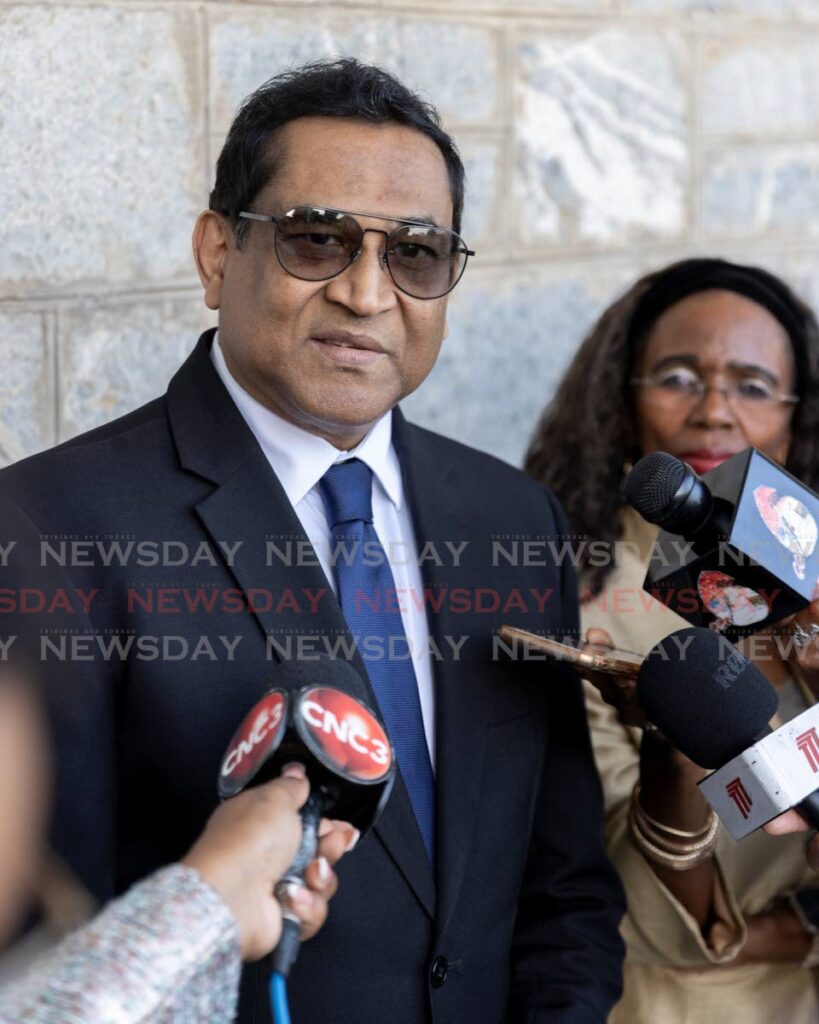
In a recent development that has raised significant concerns about governance and accountability, the audited financial statements of Caribbean Airlines Ltd (CAL) for the year 2016 were tabled in the House of Representatives—nine years after their due date. This delay, highlighted in a letter to the editor by Motilal Ramsingh, underscores a broader issue of systemic negligence within public sector institutions.
The financial documents were referred to the Public Accounts (Enterprises) Committee, chaired by Senator Vishnu Dhanpaul, with MP Colm Imbert serving as vice-chair. Notably, both individuals have previously held the position of Minister of Finance and are well-versed in financial stewardship. Dhanpaul, who also served as a permanent secretary and a member of CAL’s board, is no stranger to the intricacies of corporate governance.
The nearly decade-long delay in presenting these accounts is not an isolated incident but rather indicative of a pervasive culture of weak accountability and a blatant disregard for statutory reporting obligations. Such lapses erode public confidence, impede effective parliamentary oversight, and undermine the credibility of financial governance across the public sector.
The situation is further exacerbated by the recent change in CAL’s board and the departure of key executives, which has laid bare the farcical nature of accountability within the organization. This episode serves as a stark reminder of the urgent need for systemic reforms to restore public trust in institutions.
As Ramsingh aptly notes, this incident should not be met with wry amusement among those once responsible for oversight but should instead prompt serious reflection and corrective action. The restoration of public trust in governance mechanisms is imperative to ensure transparency and accountability in the future.
-

Teach about Divali Monday
The Presbyterian Board has sparked a debate by limiting religious observances in its schools to Christian celebrations. While the board’s policy aims to protect its religious identity by restricting non-Christian observances to educational purposes, critics argue that this approach should not encroach on regular school hours. The board’s stance, which emphasizes preventing the erosion of its religious beliefs and practices, has been met with mixed reactions. Iqubal Hydal, a concerned citizen, suggests that Presbyterian schools should remain open on non-Christian religious holidays, such as Divali, to educate students about diverse faiths. This, Hydal argues, would place the board on higher moral ground by fostering inclusivity and understanding. The discussion highlights the delicate balance between preserving institutional religious identity and promoting interfaith education in a multicultural society.
-

Venezuela VP: US bombs meant for Venezuelans falling on TT citizens
Venezuela’s Vice President Delcy Rodríguez has accused the United States of causing collateral damage in its aggressive campaign against drug trafficking, claiming that US bombs intended for Venezuelans have tragically impacted innocent citizens of Trinidad and Tobago. In a Telegram post on October 16, Rodríguez described the killing of six individuals—reportedly including two Trinidadians—on a suspected drug vessel from Venezuela on October 14 as a “self-fulfilling prophecy.” She criticized Trinidad and Tobago’s Prime Minister Kamla Persad-Bissessar for endorsing US military actions, quoting her earlier statement: “The US Army should kill them all.” Rodríguez highlighted newspaper headlines from Trinidad and Tobago, emphasizing that the US military’s actions have resulted in the extrajudicial deaths of “humble citizens” of the country. The US has conducted missile strikes on four suspected drug boats departing Venezuela, resulting in over 20 fatalities. Two unidentified bodies washed ashore in Trinidad and Tobago following the first strike. Venezuelan President Nicolás Maduro has accused the US of using the drug war as a pretext for regime change. Rodríguez warned that the US military deployment in the southern Caribbean, which includes seven warships, a nuclear submarine, and nearly 5,000 personnel, threatens regional peace. She called for unity among Caribbean and Latin American nations to safeguard peace.
-
Another CL Financial probe
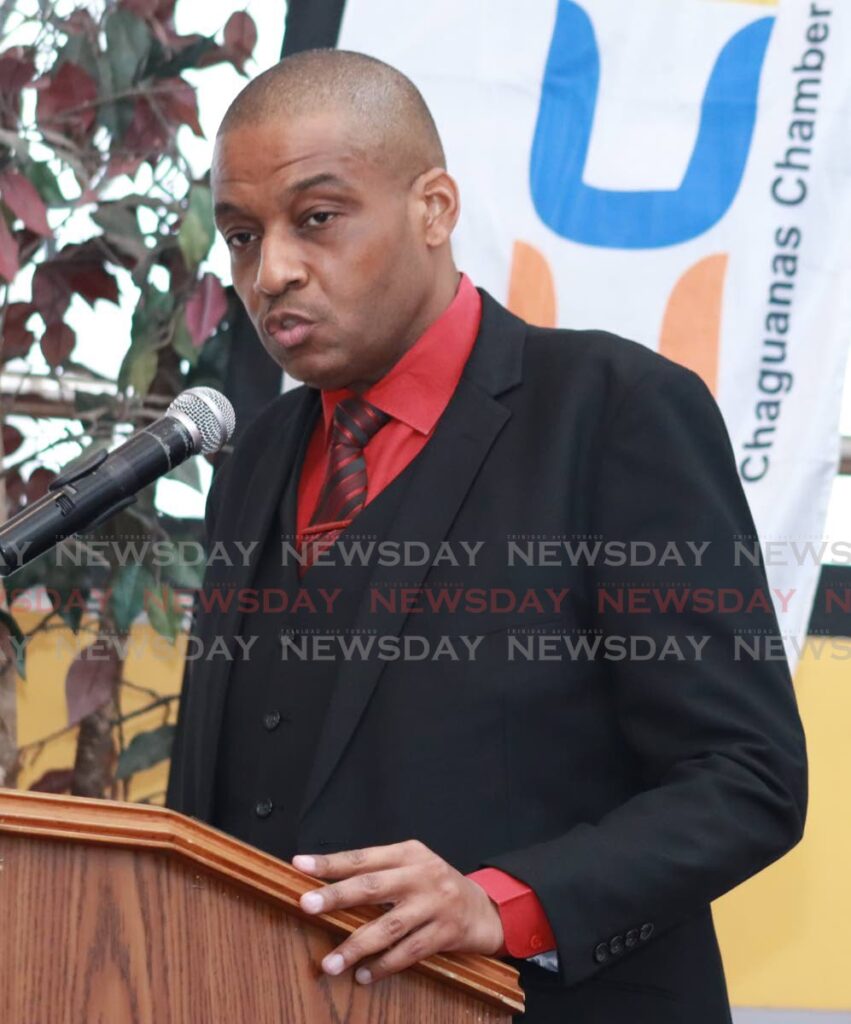
In a renewed twist to the long-standing saga of CL Financial (CLF), a High Court judge has halted the sale of a key asset of the defunct conglomerate, prompting Commissioner of Police Allister Guevarro to direct the Anti-Corruption Investigation Bureau (ACIB) to probe the transaction. This development, reported on October 13, marks another chapter in the tumultuous history of CLF, which collapsed in 2009, leading to a $28 billion state bailout. The ACIB’s investigation comes over a decade after it first launched a criminal probe into former CLF executives for their role in the company’s downfall. This time, the bureau is examining allegations of irregularities in the sale of group assets, including the Trincity Mall, which was sold for $505 million in 2024. Shareholders and creditors have raised “grave concerns” about these transactions, which occurred even after the Central Bank relinquished control of Clico, CLF’s former insurance arm, in 2022. The public’s demand for transparency grows as questions linger about the ACIB’s recent transfer from the police to the Office of the Attorney General. Past investigations, such as the Colman Enquiry initiated by former Prime Minister Kamla Persad-Bissessar, have yielded little accountability, with key figures like CLF’s Lawrence Duprey passing away before justice could be served. As Ms. Persad-Bissessar returns to power, there is hope that the findings of the Colman Enquiry will finally be published, though concerns remain that this latest probe may follow the same inconclusive path as its predecessors.
-
Rethinking retail tax
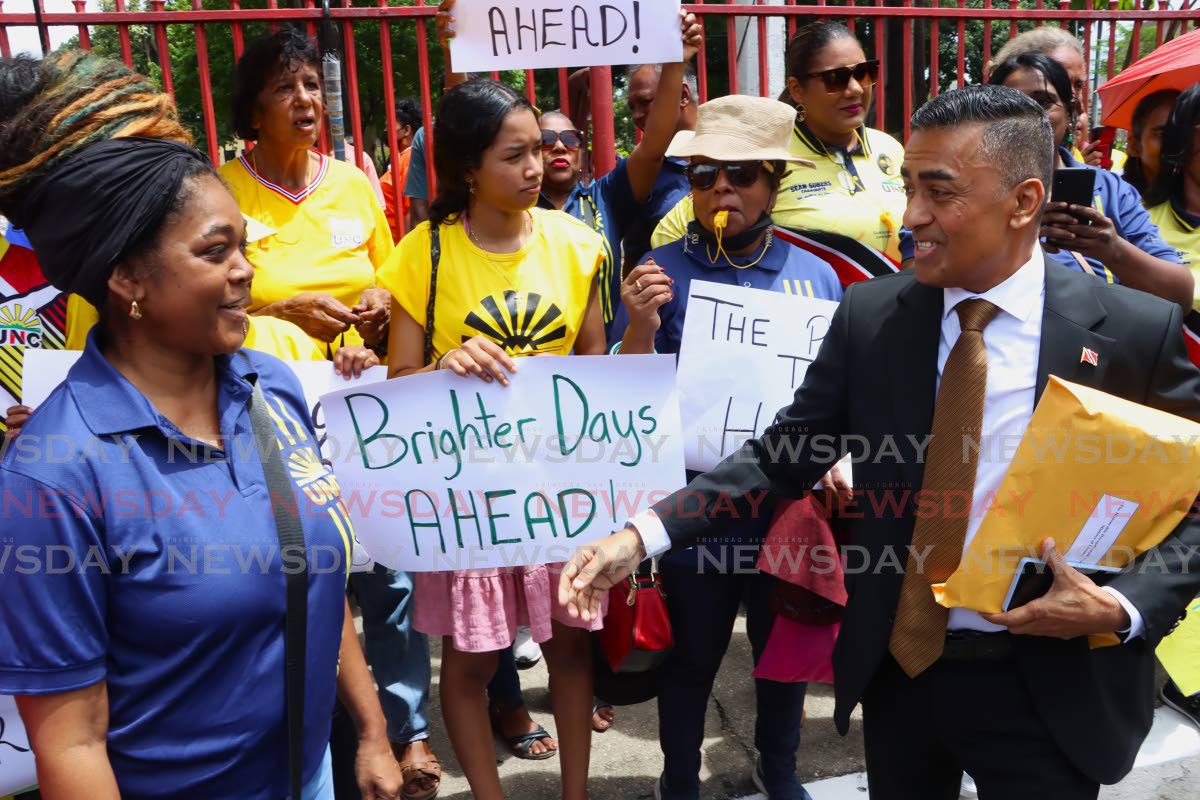
In a significant move aimed at streamlining taxation and boosting economic efficiency, Trinidad and Tobago’s Finance Minister Davendranath Tancoo announced plans to replace the existing Value Added Tax (VAT) system with a sales tax during the 2025/2026 budget presentation on October 13. The VAT system, in place since 1989, has been criticized for its administrative complexity, backlog of refunds, and negative impact on business confidence. Tancoo emphasized that the proposed sales tax system would be simpler, more efficient, and aligned with models used in countries like the US and Canada. The current VAT rate stands at 12.5%, but the new system aims to eliminate loopholes and improve compliance through better resource allocation and digitization. Additionally, the government announced the removal of VAT on ‘basic’ food items, effective October 17, to address national food affordability. This includes products like pumpkin, watermelon, and coconut water. Industry leaders, including the TT Manufacturers’ Association and the Supermarket Association, have expressed cautious optimism, highlighting potential benefits such as reduced administrative burdens and improved cash flow for businesses. However, concerns remain about the transition process, particularly for small enterprises and farmers, who may face challenges in adapting to the new system. The government has pledged to ensure the transition is revenue-neutral and socially balanced, with protections for low-income households.
-

Opposition to Garvey’s visit
In 1927, the Universal Negro Improvement Association (UNIA) in Trinidad and Tobago eagerly prepared for Marcus Garvey’s anticipated visit. However, the Trinidad Guardian’s editorial on December 11, 1927, vehemently opposed his arrival, accusing Garvey of making extravagant promises during his visits to British Honduras and Jamaica. The editorial urged the government to bar Garvey, labeling him an ‘undesirable immigrant’ and warning of his potential to deceive the public for personal gain. This stance sparked outrage among the working class, with a letter to the Labour Leader condemning the editorial as a ‘gross insult to the Negro race.’ Garvey, undeterred, expressed his intention to visit Trinidad in 1928, dismissing the opposition as beneath his dignity. Despite his plans, the Legislative Council passed the Expulsion of Undesirables (Amendment) Ordinance, widely seen as an attempt to block his visit. Garvey ultimately canceled his trip. Nearly a decade later, in 1937, Garvey sought permission to visit Trinidad again, assuring Governor Murchison Fletcher of his non-political intentions. After consultations, Fletcher allowed Garvey to land, recognizing that existing evidence did not justify a ban. This decision marked a significant shift in the colonial government’s stance toward the prominent Afro-Caribbean leader.