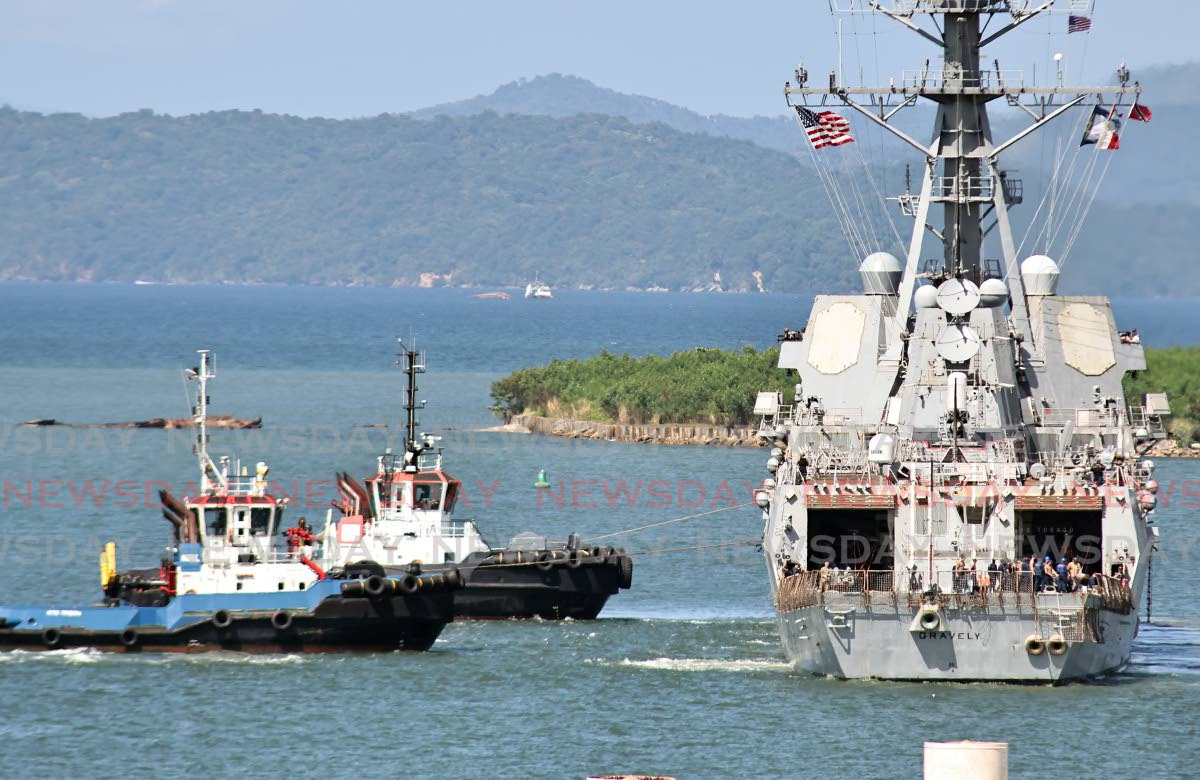
The recent visit of the USS Gravely, an American warship destroyer, to the Port of Spain has sparked significant controversy and heightened tensions between Trinidad and Tobago (TT) and Venezuela. The vessel departed on October 30 after a five-day humanitarian and training mission, but its presence has been interpreted by the Venezuelan government as a military provocation, threatening regional peace. This development comes amid Prime Minister Kamla Persad-Bissessar’s aggressive stance against Venezuelan drug cartels, which has drawn criticism from international relations experts and human rights advocates. Dr. Anthony Gonzales, a prominent international relations expert, has openly disagreed with Persad-Bissessar’s support for US military actions that have resulted in the deaths of 61 suspected narco-traffickers. Gonzales emphasized the importance of due process, echoing concerns raised by the United Nations Commissioner for Human Rights, Volker Türk, who condemned the extrajudicial killings. Persad-Bissessar, who returned to power after the UNC-led coalition’s victory in the April 28 general election, has declared a zero-tolerance policy toward drug traffickers, stating, “I have no sympathy for traffickers, the US military should kill them all, violently.” However, Gonzales criticized her contradictory statements, noting her opposition to a Venezuelan invasion while advocating for lethal measures against traffickers. He also questioned the timing of the USS Gravely’s visit, suggesting it could escalate tensions with Venezuela. The Venezuelan National Assembly’s decision to declare Persad-Bissessar persona non grata and suspend energy cooperation with TT has further strained bilateral relations. Historian Dr. Jerome Teelucksingh warned that these developments could have severe economic repercussions for TT, particularly affecting the tourism and energy sectors. While he supports Persad-Bissessar’s efforts to combat drug cartels, Teelucksingh expressed concern about the long-term impact of severed energy agreements, including the loss of the Dragon Gas deal. Both experts agree that TT must navigate this delicate situation carefully to avoid being drawn into a broader conflict.
标签: Trinidad and Tobago
特立尼达和多巴哥
-
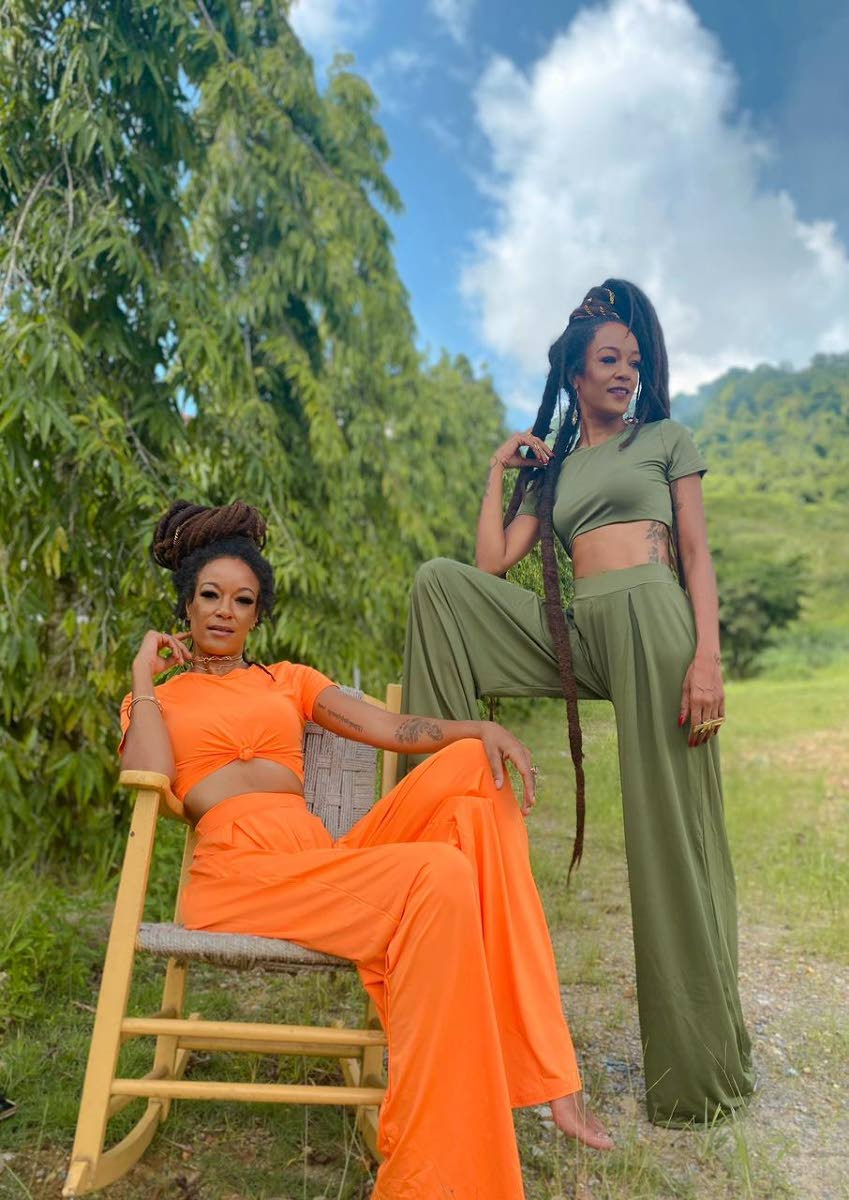
More than just Monday wear: Asha Wadada embraces womanhood
Inspired by her personal evolution as a woman, mother, and creative, Asha Wadada, co-founder of House of Wadada, has unveiled her first solo Carnival collection, *alter HER*. The collection, launched in October, is a tribute to the diverse layers of womanhood, celebrating confidence, sensuality, power, and self-discovery. Wadada shared with WMN on October 29 that the collection emerged from her journey of embracing every facet of her identity, including the parts she once hid. “I wanted to express all of myself—the sensual, the confident, the grounded, the bold—without apology,” she explained. The collection’s name, *alter HER*, reflects the idea of a woman’s inner self, waiting to step into the spotlight. The designs, adorned with sequins and sheer mesh, are both glamorous and versatile, suitable for Carnival Monday and beyond. Wadada emphasized that the collection is not just about fashion but also about empowering women to embrace their complexity and express their true selves unapologetically. The response to *alter HER* has been overwhelmingly positive, with women connecting deeply with its message. Wadada, who also teaches yoga in Port of Spain, hopes the collection will inspire women to take risks and feel confident in their style. The line will debut at Carnival 2026 on February 16, marking a milestone in Wadada’s 15-year journey in the fashion industry. From her early days customizing clothes with her twin sister Ayanna Diaz to creating a lifestyle brand rooted in self-expression and feminine power, Wadada’s work continues to resonate with women across the Caribbean and beyond.
-
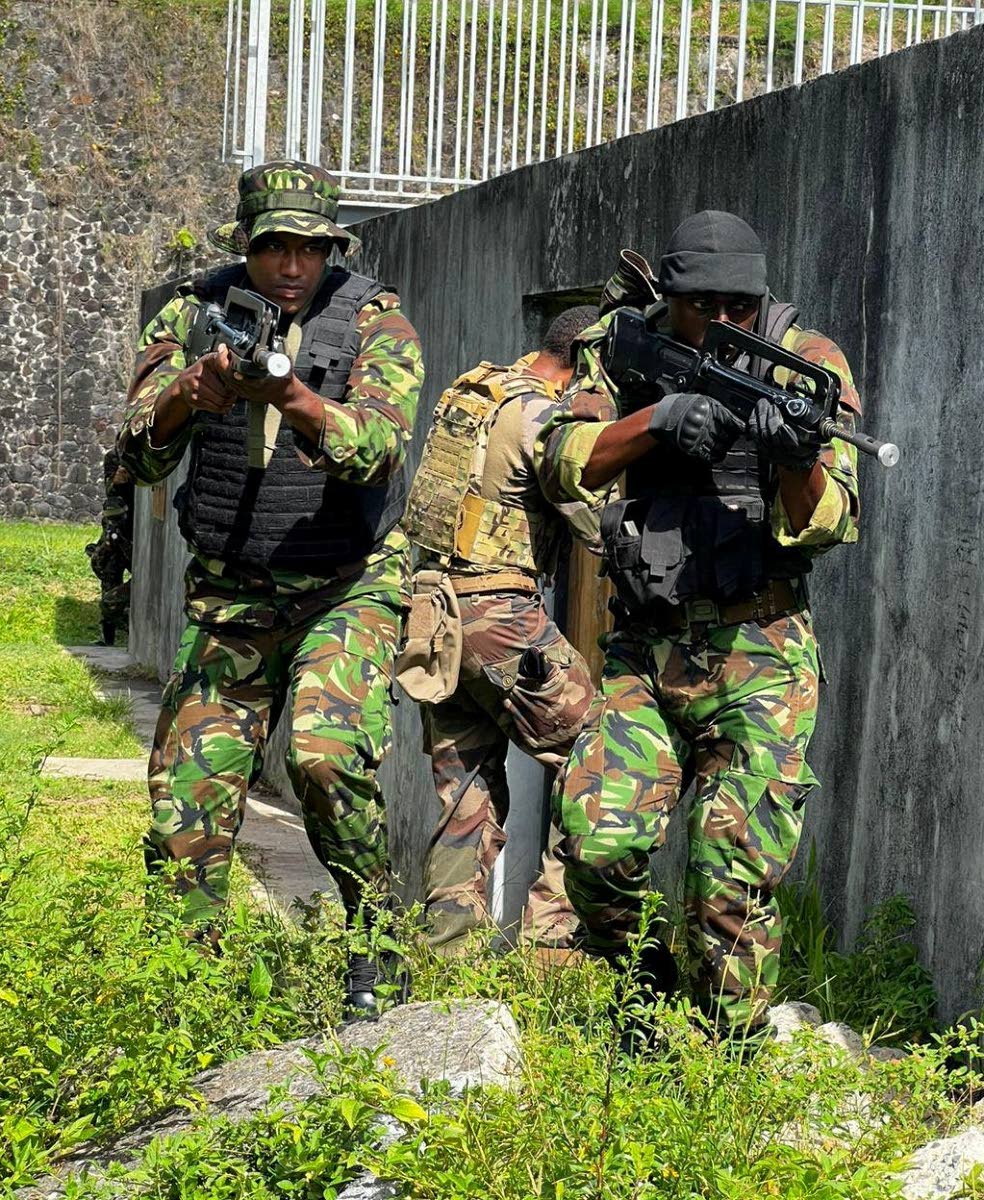
Military devise ‘war’ plans after call-out – Troops stand down
In response to escalating tensions between the United States and Venezuela, military commanders have developed three specific contingency plans to address potential land strikes involving US forces. This strategic preparation follows the mandatory recall of thousands of active-duty soldiers, sailors, and personnel on October 31, who were instructed to report for duty by 6 pm, leading to a lockdown of all military installations. Although the heightened alert was deactivated later that night, three Quick Reaction Force (QRF) teams remain deployed to strategic locations as part of an ongoing operation to monitor the situation. A senior military officer confirmed that these measures are in place to respond to any emergency arising from military actions in Venezuela. The call to duty was reportedly prompted by international media reports suggesting the US was preparing to strike Venezuela, a claim later refuted by US President Donald Trump and the White House. Trump has previously authorized CIA covert operations in Venezuela and recently announced plans to target drug-related activities within the country. The combination of these developments, along with parliamentary debates on extending the state of emergency, has caused widespread anxiety, leading to early school closures and business shutdowns. Prime Minister Kamla Persad-Bissessar has urged calm, pledging to keep the public informed of significant developments. She has supported US military strikes against narco-traffickers, which have resulted in 61 deaths over the past eight weeks. Military personnel responded promptly to the call, filling camps across the country, while senior commanders convened to assess operational intelligence and devise strategies to handle potential threats, including the migration of Venezuelan nationals fleeing conflict zones. ‘We have a responsibility to care for them while ensuring the safety of our own population,’ an officer stated.
-
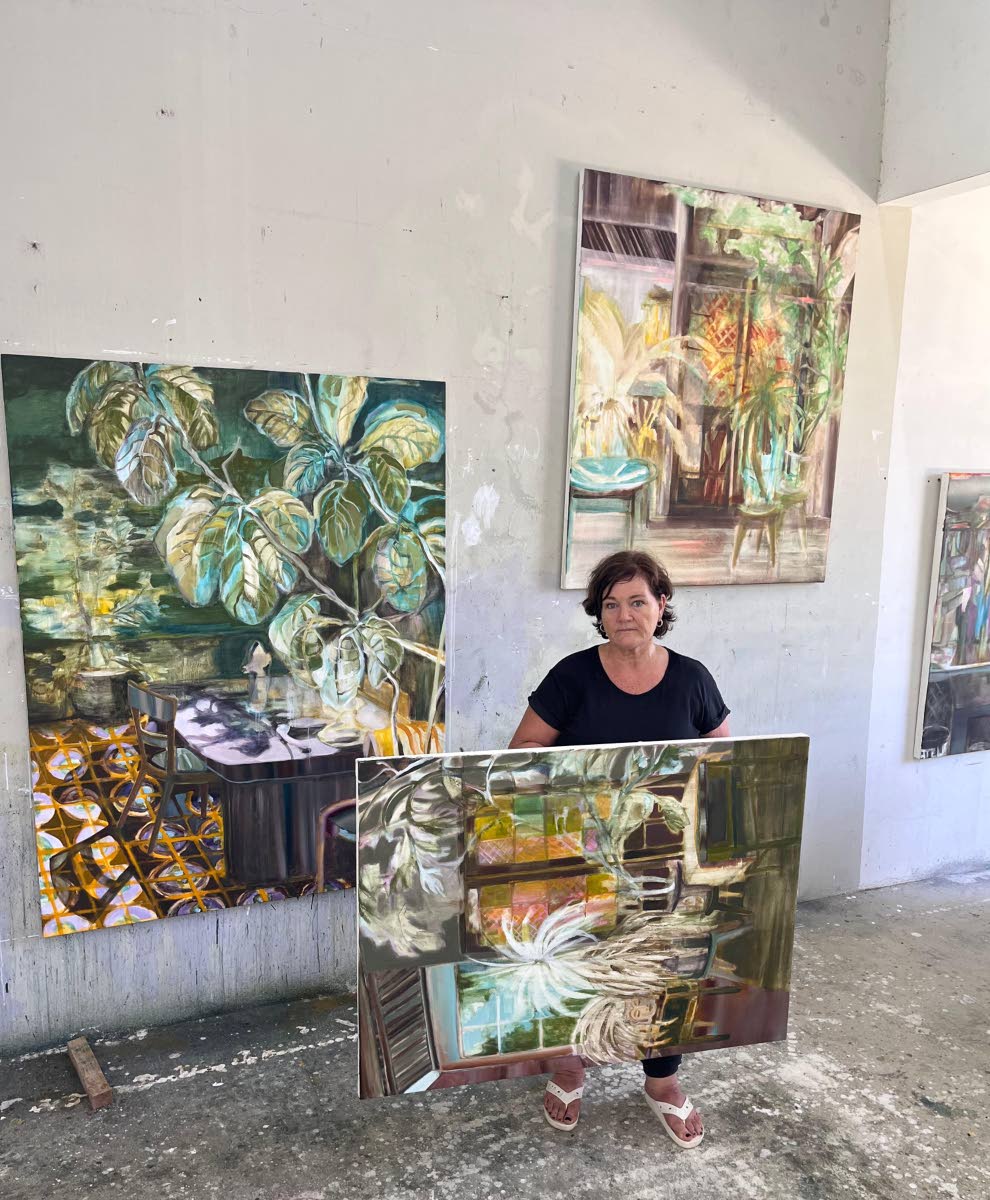
Andrea C Hoffer explores the House of Ambiences at Softbox Gallery
German-born, Tobago-based artist Andrea C Hoffer has unveiled her latest exhibition, ‘House of Ambiences,’ at the Soft Box Gallery in St Clair. This collection marks her first dedicated exploration of interior spaces, offering a deeply nostalgic portrayal of Trinidad and Tobago’s older homes. The exhibition, comprising 14 meticulously crafted paintings, captures the warmth, history, and quiet presence of these spaces, evoking a sense of timelessness and personal connection. Hoffer’s inspiration stemmed from a visit to a house on Cotton Hill Road, St Clair, where the interplay of shadows, lighting, and architectural elements left an indelible impression. This experience inspired the exhibition’s centerpiece, a large-scale painting that embodies the essence of ‘Trini at home sweet home.’ Hoffer’s works are rich with details familiar to Caribbean households—linoleum floors, circular ventilation bricks, well-worn furniture, and potted plants. Plants, a recurring motif in her art, reflect her personal affinity for greenery, as her Tobago studio is nestled within a lush garden. Hoffer employs the ancient egg tempera technique, mixing pigments with egg yolk and linseed oil to create a layered, earthy texture. Remarkably, she paints entirely from memory, eschewing sketches or photographs. Her process is intuitive, allowing the essence of each space to emerge organically. Many of her works incorporate historical elements, such as a door from her daughters’ great-grandfather’s home, which survived Hurricane Flora in 1963. These artifacts, imbued with personal and generational significance, add depth to her compositions. Hoffer’s artistic journey began in 1996 when she first visited Tobago, captivated by its natural beauty. Since then, she has exhibited her work internationally, blending European influences with Caribbean themes. Her unique style, which combines impressionism, abstraction, and realism, invites viewers to embark on their own imaginative journeys. ‘House of Ambiences’ runs until November 29, offering a poignant reflection on the enduring charm of Caribbean interiors.
-

Lessons from Melissa: Prepare for natural disasters
In the wake of Hurricane Melissa’s catastrophic impact across the Caribbean, disaster management experts are emphasizing the urgent need for enhanced preparedness and infrastructure improvements in vulnerable regions. Jerry David, a senior disaster management coordinator at Trinidad and Tobago’s Ministry of Rural Development and Local Government, highlighted the critical vulnerabilities in the country’s flood-prone areas, particularly the Caroni plains and the Oropouche river basins. He stressed that while natural hazards are inevitable, human actions and inadequate planning often escalate them into full-blown disasters. David pointed out that improper construction practices, such as building settlements on hillsides and using substandard roofing materials, exacerbate the risks during hurricanes. He also lamented the lack of designated shelters in Trinidad and Tobago, urging for better-equipped community centers and schools to serve as safe havens during emergencies. The aftermath of Hurricane Melissa, which struck Jamaica as a Category 5 storm and later hit Cuba as a Category 3, has left a trail of destruction, with at least 19 fatalities in Jamaica, widespread power outages, and thousands displaced. International aid agencies, including the Red Cross and the UN, have mobilized extensive relief efforts, delivering essential supplies and support to affected regions. David emphasized the importance of studying Melissa’s impact to refine disaster response strategies and improve future preparedness. The hurricane’s devastation has also sparked a broader conversation about the need for proactive measures, such as proper tree pruning, reinforced infrastructure, and community education, to mitigate the effects of future natural disasters.
-
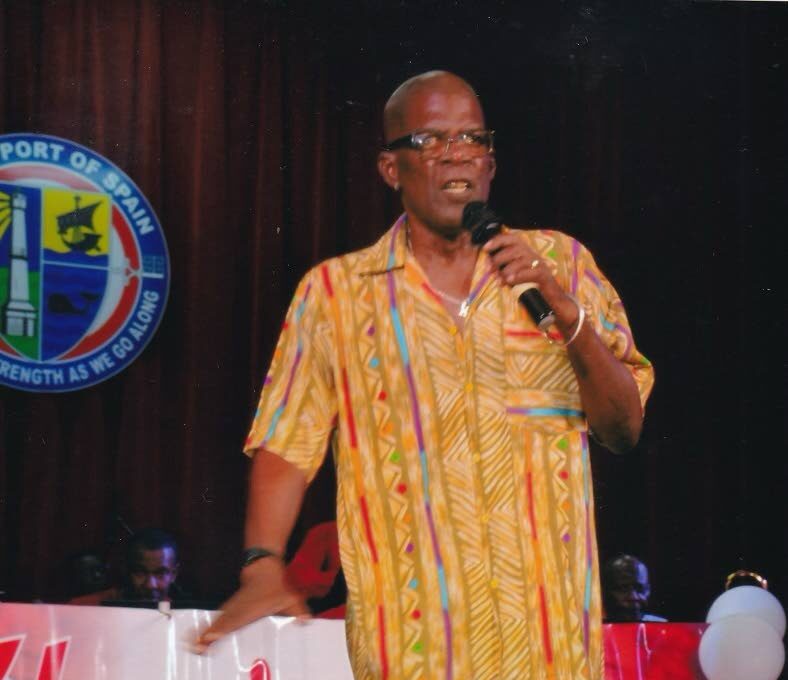
Hamidullah brings a night of kaiso, humour, drama to Kafe Blue
Renowned calypsonian Hamidullah Wahid, known simply as Hamidullah, is set to headline the much-anticipated Moods & Views calypso concert at Kafe Blues on Wrightson Road, Port of Spain, on November 8 at 7 pm. The event will showcase a stellar lineup of artists, including Ras Kommanda, Valentino, King Luta, Sexy Suzy, Kid Kallaloo (Julien Hunte), Pharoah, and Skero. The performers will be backed by the Michelle Henry Encore Band, with Errol Fabien and Damion Melville serving as the evening’s MCs. Born into a family deeply rooted in calypso and steelpan traditions, Hamidullah’s musical journey began in the Amboys Steel Orchestra in Belmont. Over the years, he has become a prominent figure in the calypso scene, performing in numerous tents and co-founding the Klassic Russo tent in Port of Spain. A founding member of the Trinbago Unified Calypso Organisation (TUCO), Hamidullah is celebrated for his humorous hits like ‘One Stick of Matches’ and ‘You Can’t Land.’ His collaboration with Ras Kommanda through the Kaiso Unit has produced annual calypso concerts, offering a platform for artists to showcase their talent beyond the Carnival season. Hamidullah expressed his excitement for the upcoming show, highlighting the diverse talents of the performers and urging fans to join in the celebration of calypso music.
-
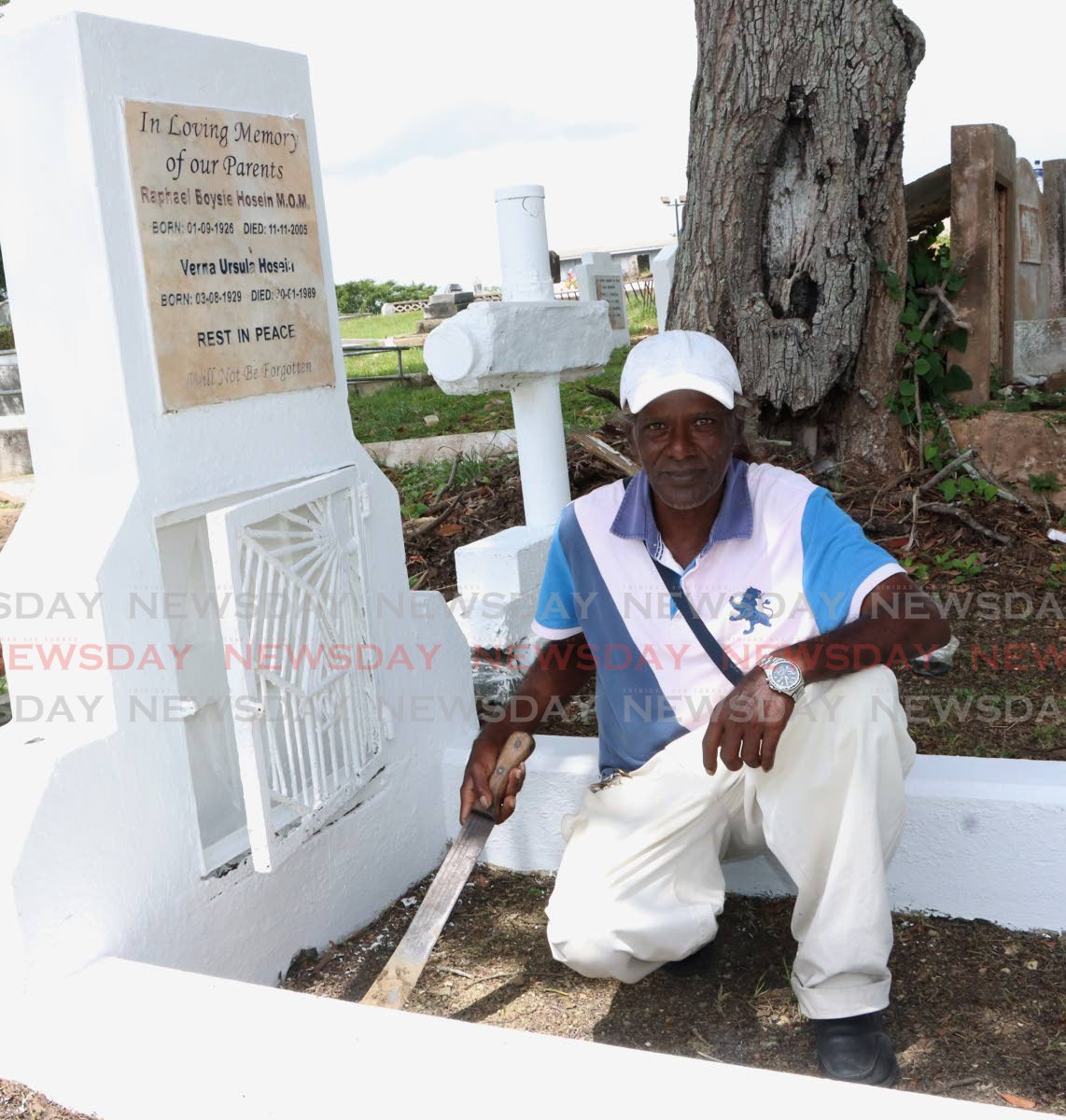
A hustle that became a calling: Khalid ‘Monan’ Ghany and the art of honouring the departed
For over four decades, Khalid “Monan” Ghany has transformed a simple teenage hustle into a profound vocation, dedicating his life to cleaning and decorating gravesites at Paradise Cemetery in San Fernando, Trinidad and Tobago. What began as a modest effort to earn a little money has evolved into a deeply respected service, bringing comfort and pride to families during the sacred observances of All Saints’ Day and All Souls’ Day. These annual traditions, observed on November 1 and 2, respectively, hold immense significance for the Roman Catholic community, as families gather to honor their departed loved ones by cleaning graves, painting tombstones, and adorning them with flowers and candles. Monan’s role in this cultural ritual has made him an indispensable figure in the community. ‘We come to paint and clean the graves. This here what we do is a hustle – we come to look for a little money,’ Monan shared with a humble grin. Yet, his work has long surpassed a mere hustle. Over the years, he has cultivated a loyal clientele, including prominent families like the Kalicharans, Jaqui Koon How, the Samlalsinghs, and the Boodosinghs, who trust him year after year to care for their loved ones’ resting places. Monan’s dedication extends beyond his clients; he also takes pride in maintaining the graves of Trinidad and Tobago’s cultural icons, such as calypsonians Roaring Lion, Black Stalin, and Ras Shorty I. ‘These men are icons for Trinidad and Tobago. Oh gosh alyuh, clean up the grave nah man,’ he urged. For Monan, this tradition is not just about upkeep but about preserving memory, respect, and continuity. He fondly recalls the vibrant celebrations of the past, when families filled the cemetery with life and light. ‘Long time, the same thing yuh seeing now but much more people. Families would come during the day, lime and pay respect. In the night, they’d come back, light candles, talk, and laugh. The whole cemetery used to shine bright with candles,’ he reminisced. Today, the scene is quieter, but Monan’s devotion remains unwavering. As dusk falls on another All Saints and All Souls season, Monan stands at the heart of Paradise Cemetery, brush in hand, embodying a legacy of faith, love, and remembrance.
-
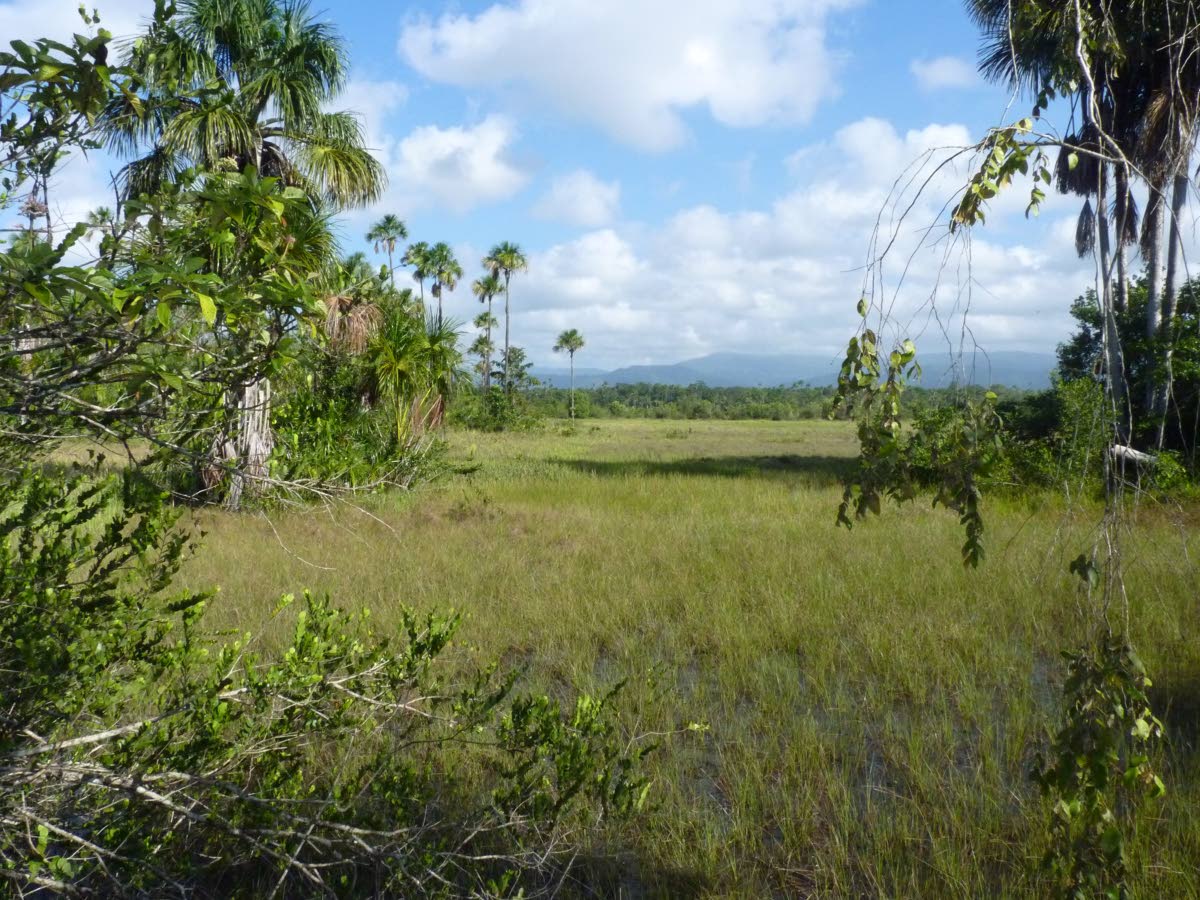
Protecting the Aripo Savannas: Fencing as a last resort?
Trinidad and Tobago is home to a wealth of biodiversity, including the Aripo Savannas, the nation’s last remaining natural savanna ecosystem. Despite its designation as an environmentally sensitive area (ESA) in 2007, the Aripo Savannas Scientific Reserve (ASSR) faces ongoing threats from illegal squatting, land clearing, and poaching. Over the past decade, at least 28 acres have been lost to squatters, highlighting the urgent need for enhanced protection measures. The lack of clear boundaries and enforcement has exacerbated the problem, with some signs marking the perimeter being ignored or absent entirely. The construction of the Elmina Clarke-Allen Highway has further isolated the savannas, making it difficult for wildlife to disperse. One proposed solution is the construction of a security fence along the entire 96,000-foot perimeter, estimated to cost around $5 million. This fence would serve as a physical barrier to illegal entry, improve wildlife corridor usage, and facilitate easier patrolling by the Forestry Division. The Environmental Management Authority (EMA) is well-positioned to manage such a project, given its experience with initiatives like the $69 million Nariva Swamp Restoration. While fencing may not be visually appealing, it offers a reversible and practical solution to safeguard this critical natural resource. Education and community involvement remain ideal, but fencing may be the necessary ‘last resort’ to ensure the Aripo Savannas’ survival.
-
Trinidad and Tobago students in Jamaica traumatised by Hurricane Melissa
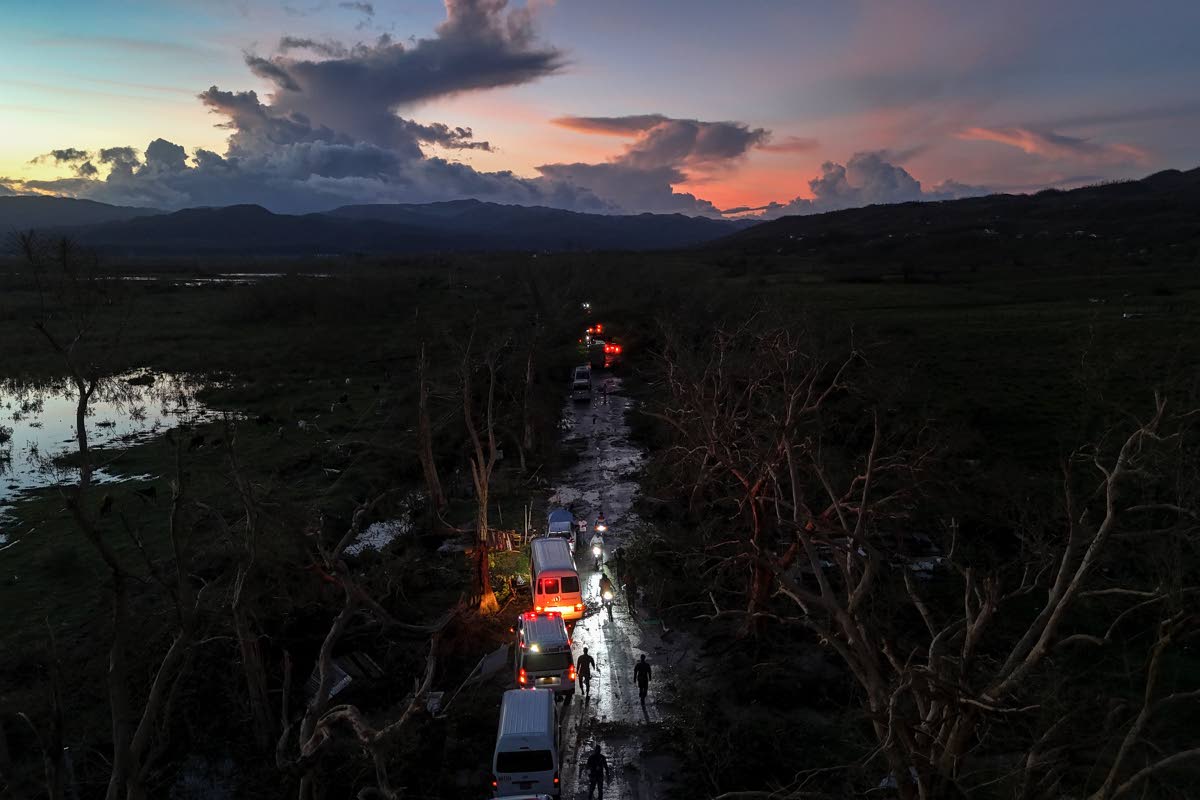
A convoy delivering aid to Black River, Jamaica, navigates through Holland Bamboo on October 29, where fallen trees and debris partially obstruct the road. This follows the devastating impact of Hurricane Melissa, which struck Jamaica as a Category 5 storm on October 28. While Trinidad and Tobago (TT) students in Jamaica are physically unharmed, many are grappling with significant mental trauma from the harrowing experience. Melinda Alfred, the Tobago representative of the TT Student Association at the University of the West Indies (UWI) Mona Campus, revealed that this was the first hurricane encounter for most students, leaving them deeply shaken. She recounted how high winds tore windows off dormitory blocks at Elsa Leo-Rhynie Hall, exposing rooms to the elements. Students had to secure windows manually during the storm, leading to water damage in several rooms. The adverse weather conditions persisted from October 25, lasting five days. Currently, several dormitories lack WiFi and electricity, with generators providing intermittent power. This has forced students to discard perishable food, including meat, exacerbating their frustration and mental exhaustion. Jaden Paris, the association’s vice president, expressed gratitude for the support from the TT High Commission in Jamaica, which provided food, toiletries, and water. Additionally, the association president used donations from Jamaican and TT sponsors to purchase non-perishable food items before the hurricane, ensuring students’ immediate needs were met. Alfred highlighted ongoing efforts by the central government, Tobago House of Assembly, Tobago Emergency Management Agency, and TT citizens to send donations of non-perishable food and money through the High Commission. These donations were expected to reach students by November 1. Despite their own challenges, the association is collecting non-perishable food to assist severely affected parishes, where TT citizens also reside. Alfred noted that while approximately 350 TT students are in Jamaica, the number is increasing daily, with the association now catering to 400 individuals. She emphasized the need for timely food distribution and is working to locate all Tobagonians, including two athletes in St Elizabeth parish, where the hurricane made landfall. While these athletes are physically well, communication remains limited, and other students’ dorms in the area were completely destroyed.
-
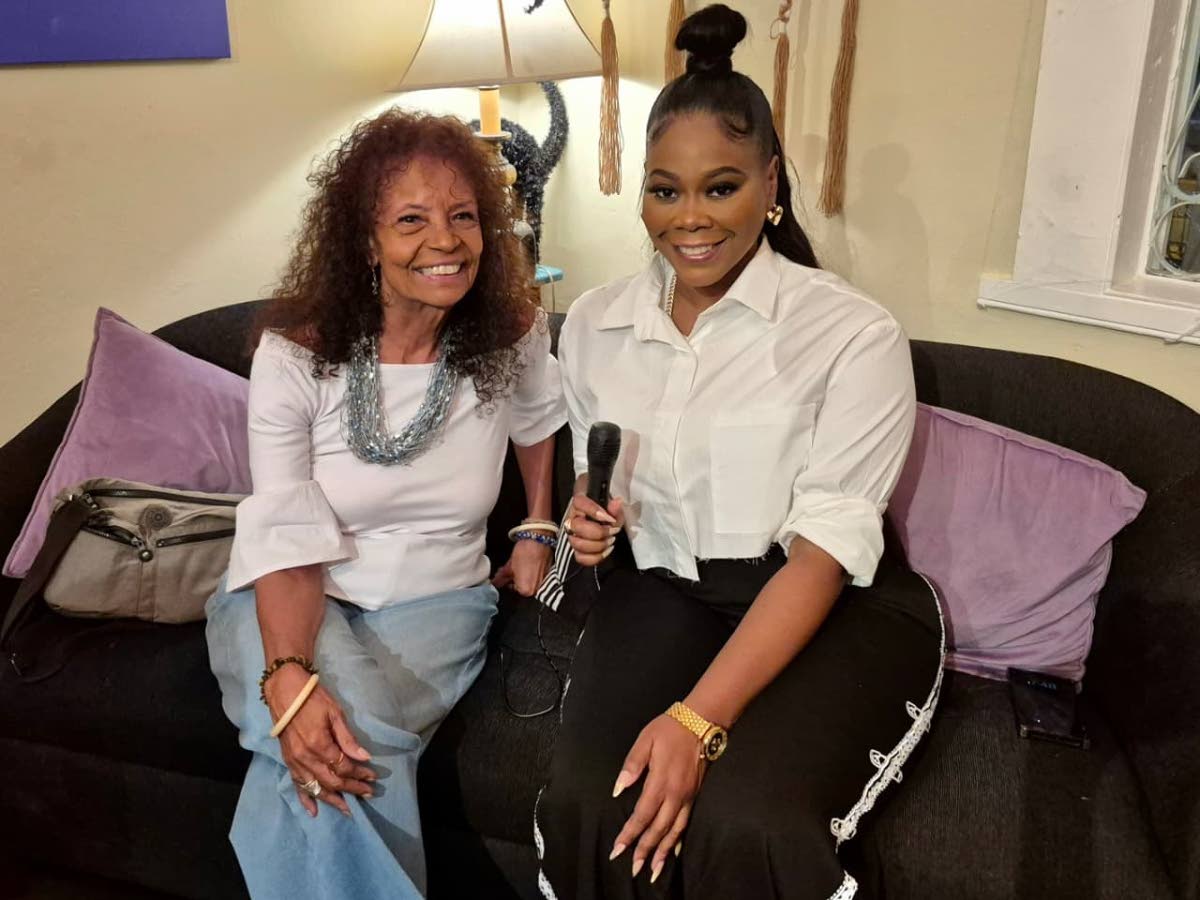
Bring Your Own Book and Bottle: Bocas celebrates calypso stories
The Bocas Lit Fest recently hosted its BYOBB (Bring Your Own Book and Bottle) social event at The Writers Centre in Port of Spain, marking the culmination of Calypso History Month. The event featured writer and media producer Judith Laird and soca artiste-songwriter Nadia Batson as special guests. Calypso History Month, celebrated annually in October since its official recognition by the Trinbago Unified Calypsonians Organisation (TUCO) in 2002, honors the rich cultural heritage of calypso music. The evening’s highlight was a screening of Laird’s 1981 documentary, ‘Women in Kaiso,’ which chronicles the experiences of pioneering female calypsonians. Batson, known for her storytelling through music, shared insights into her creative process, emphasizing the importance of understanding the artiste’s personality when composing. The BYOBB series, hosted bimonthly, fosters intellectual exchange and cultural dialogue, offering a platform for attendees to engage with literary and artistic figures. Upcoming events at The Writers Centre include a celebration of Peepal Tree Press’s 40th anniversary, featuring discussions on Caribbean literature. For more details, visit bocaslitfest.com.