
The vibrant Ramleela celebrations at Palmiste Park in San Fernando, hosted by the non-profit organization ‘For the Love of the Children,’ captivated audiences from September 26 to October 5. This year’s event, led by organizer Pundit Artma Maharaj, embraced an eco-friendly theme, emphasizing the dual responsibility of upholding dharma and protecting the planet. The festivities featured nightly performances with distinguished guests, including Justice Frank Seepersad, Rana Mohip, and the Ramnarine brothers, Arvind and Amish. The grand finale on October 5 saw Michelle Benjamin, Minister of Culture and Community Development, join the community in celebrating the timeless victory of good over evil. The climactic burning of Ravana lit up the night sky, symbolizing the triumph of righteousness. The event also showcased the talents of young performers, such as Vivek Ramkhelawan, Dhruv Ramsaran, Reyad Balladin, and Krtvya Sage Deonarine, who portrayed the princes of Ayodhya. The opening night featured a divine reenactment of Shri Ram’s descent to earth, with Veer Dabiesingh, Nivedh Hajaree, and Cade Boodoosingh embodying Lord Vishnu, Lord Brahma, and Lord Shiva, respectively. The celebrations concluded with a powerful performance by the cast, leaving a lasting impression on attendees.
标签: Trinidad and Tobago
特立尼达和多巴哥
-

US Air Force plane touches down at Piarco Airport
A United States Air Force (USAF) C17 aircraft touched down at Piarco International Airport on October 9, sparking widespread speculation on social media. Many speculated that the arrival was linked to ongoing US military operations in the Caribbean Sea, particularly against Venezuelan narco-terrorists. However, the US Embassy in Port of Spain clarified that the aircraft was there to repatriate the remains of a US embassy official who had passed away on October 2. The embassy expressed gratitude for the support of the Trinidad and Tobago government and its people during this challenging time. Despite the official explanation, social media users remained skeptical, with some claiming the US military was using Trinidad as a staging ground for actions against Venezuela. The aircraft departed Piarco later that afternoon after completing its mission.
-
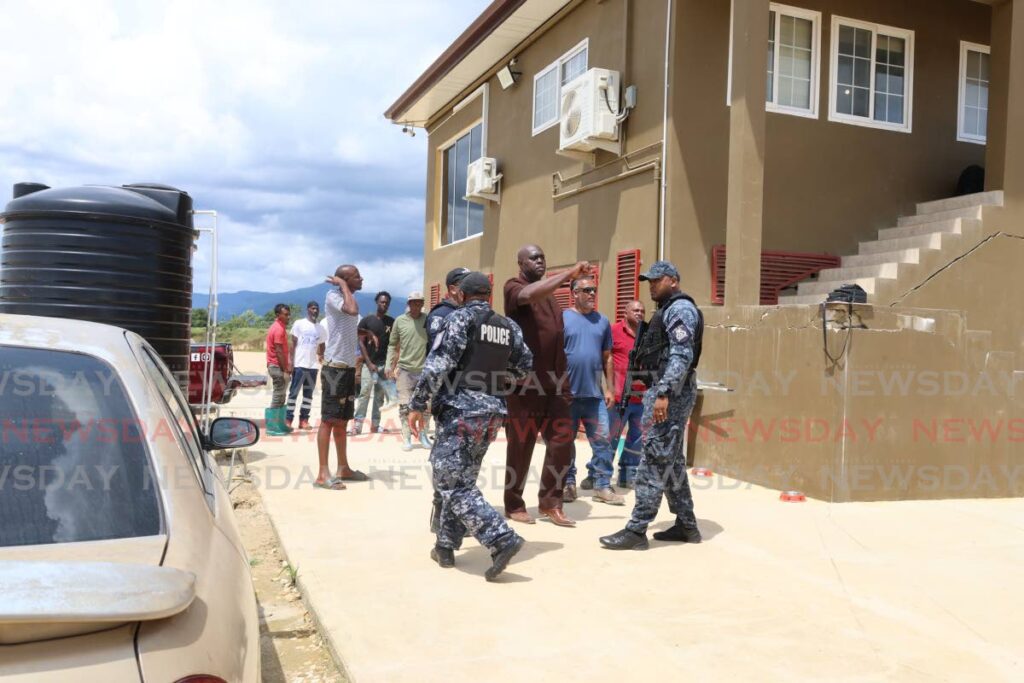
Cops raid illegal quarry in Manuel Congo – 19 arrested
In a significant crackdown on illegal quarrying activities, Trinidad and Tobago Police Service (TTPS) conducted a high-profile raid in Manuel Congo, Guanapo, resulting in the arrest of 19 individuals. The operation, which took place on the morning of October 9, was the culmination of a year-long investigation into a multi-million-dollar illegal quarrying operation. Among those detained was one of the directors of the illicit business, who was present at the site during the raid. The operation was led by Commissioner of Police Allister Guevarro and Deputy Commissioner of Police (Intelligence and Investigations) Natasha George, who were both on-site to oversee the proceedings. According to a statement released by the TTPS corporate communications unit via WhatsApp, the raid also resulted in the seizure of millions of dollars’ worth of equipment. The investigation is ongoing, and further updates are expected as more information becomes available.
-
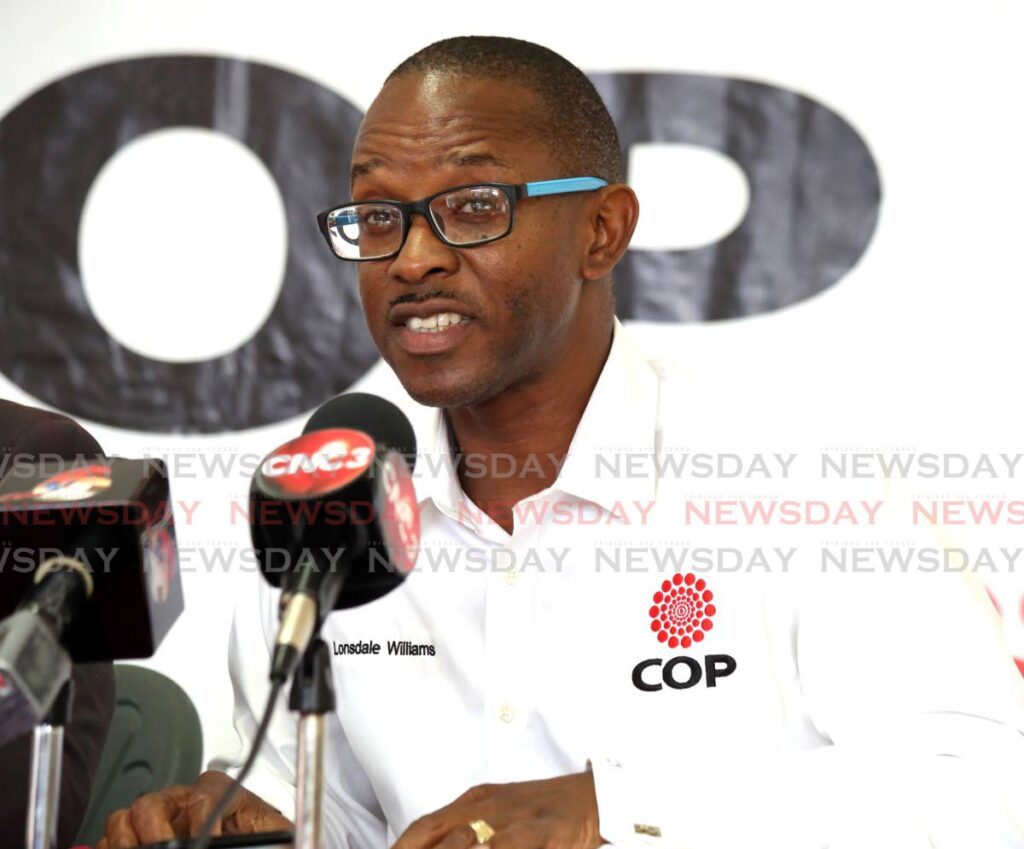
COP backs PM’s stance on MP Lee
The Congress of the People (COP) has publicly endorsed Prime Minister Kamla Persad-Bissessar and the United National Congress (UNC) regarding the re-arrest and subsequent charges against Housing Minister David Lee on October 7. Lee, a UNC deputy political leader and Member of Parliament for Caroni Central, was re-arrested alongside businessman Hugh Leong Poi on allegations of defrauding the State of $1.4 million in tax revenue. The charges stem from the importation of a luxury Mercedes Benz G63 AMG sedan valued at over $2 million, with Lee accused of falsely claiming the vehicle as his own to exploit tax exemptions available to MPs. The case involves $293,094.02 in value-added tax (VAT), $298,650 in motor vehicle tax, and $824,548.62 in customs duty. The alleged offenses occurred between March 24 and June 8, 2019. Earlier this year, Acting Chief Magistrate Christine Charles dismissed the case, citing insufficient evidence to proceed to trial. However, the Director of Public Prosecutions (DPP) has since initiated steps to potentially reinstate the charges. COP Chairman Lonsdale Williams emphasized the presumption of innocence until proven guilty, stating, ‘We note that a minister of government along with another individual has been charged. At the COP, we reiterate that unless proven guilty, all such persons are innocent, and the law must take its course.’ Prime Minister Persad-Bissessar expressed confidence in the judicial process, affirming respect for the courts. The COP, formerly part of the People’s Partnership coalition led by the UNC, has not secured any ministerial or parliamentary positions following the April 28 general election.
-
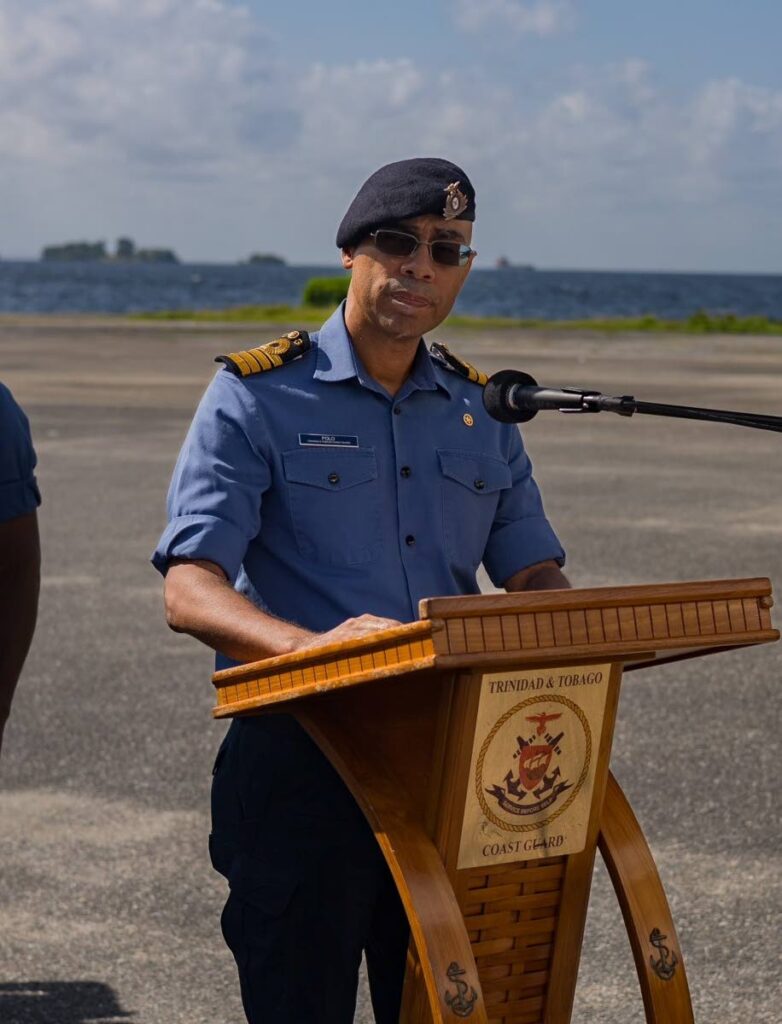
Defence Force welcomes new chief of staff
The Trinidad and Tobago Defence Force (TTDF) has officially welcomed Captain Don Polo as its new Chief of Defence Staff (CDS), marking a significant leadership transition within the organization. The appointment, described as a pivotal moment in the TTDF’s ongoing evolution, underscores its unwavering commitment to national defence and security. Captain Polo, previously the Commanding Officer of the Coast Guard, brings over three decades of dedicated service and a wealth of operational expertise to his new role. His promotion was announced on October 8, following the revocation of former CDS Air Vice Marshal Darryl Daniel’s appointment by President Christine Kangaloo, acting on the advice of Defence Minister Wayne Sturge. The leadership change, which took effect on the evening of October 7, was made public the following morning. Air Vice Marshal Daniel, who served for 37 years, including two extended terms beyond retirement age, was commended for his distinguished service and invaluable contributions to the nation’s security framework. The TTDF expressed profound gratitude for Daniel’s leadership, professionalism, and steadfast commitment to Trinidad and Tobago. As the organization embarks on this new chapter, it reaffirms its mandate to safeguard the nation’s sovereignty and territorial integrity while supporting government and public efforts toward peace, stability, and national development.
-
US grants government licence to negotiate with Venezuela on Dragon gas deal
The United States has authorized Trinidad and Tobago (TT) to initiate negotiations with Venezuela regarding the highly anticipated Dragon gas deal. Attorney General John Jeremie disclosed that the Office of Foreign Assets Control (OFAC) issued the licence on October 8, marking the first step in a phased approach. This initial phase requires TT to meet specific benchmarks, which would subsequently provide US companies with certain advantages. Jeremie described these conditions as both reasonable and achievable, emphasizing that the licence is valid for six months. However, formal discussions with the Venezuelan government have yet to commence. Despite the absence of direct talks, Jeremie asserted that the Dragon gas deal remains active, citing ongoing, albeit undisclosed, communication between the two nations. The announcement was made at the Attorney General and Legal Affairs office in Port of Spain, underscoring the significance of this development in regional energy diplomacy.
-
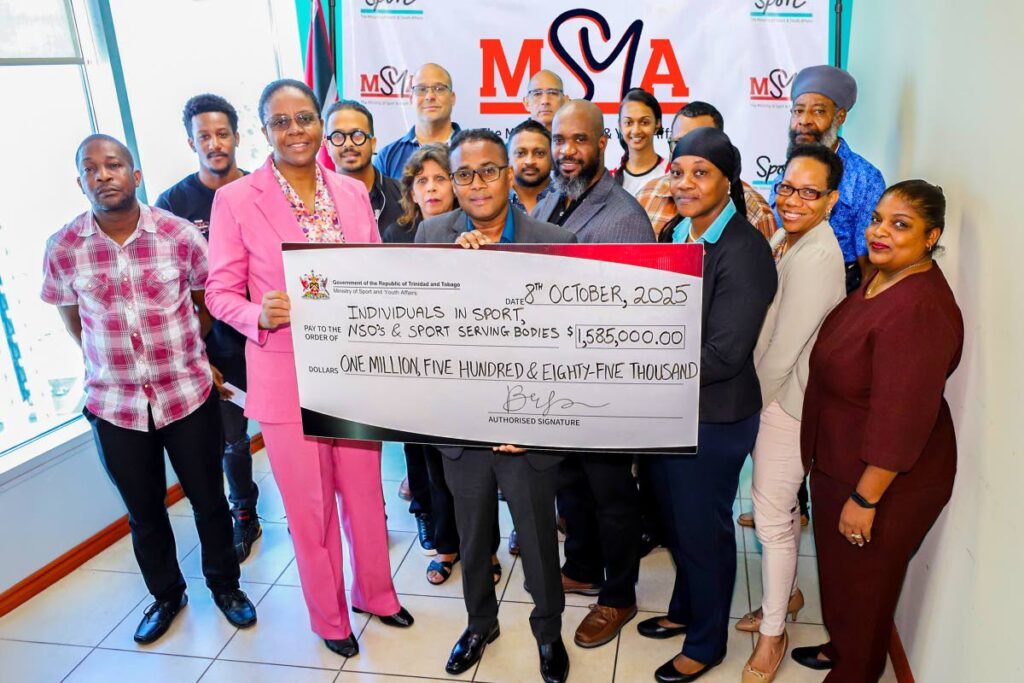
Sport ministry distributes $1.5m in funds
The Ministry of Sport and Youth Affairs has taken a significant step in supporting Trinidad and Tobago’s athletic and youth development sectors by distributing $1.5 million in funding. On October 8, Minister Phillip Watts presided over a cheque presentation ceremony at the ministry’s headquarters in Port of Spain, where 15 individuals and organizations received financial support for their upcoming initiatives. The event, attended by Permanent Secretary Beverly Reid-Samuel and Director of Sports Gabre Jesu McTair, highlighted the ministry’s commitment to fostering excellence in sports and youth empowerment. McTair emphasized that the funding is not merely financial aid but a testament to the government’s belief in the potential of its citizens to excel on the global stage. Recipients expressed gratitude, noting the funds will enhance their training, competition preparation, and community engagement efforts. The ministry reiterated its dedication to building national pride and promoting social development through sustained investment in these critical sectors.
-
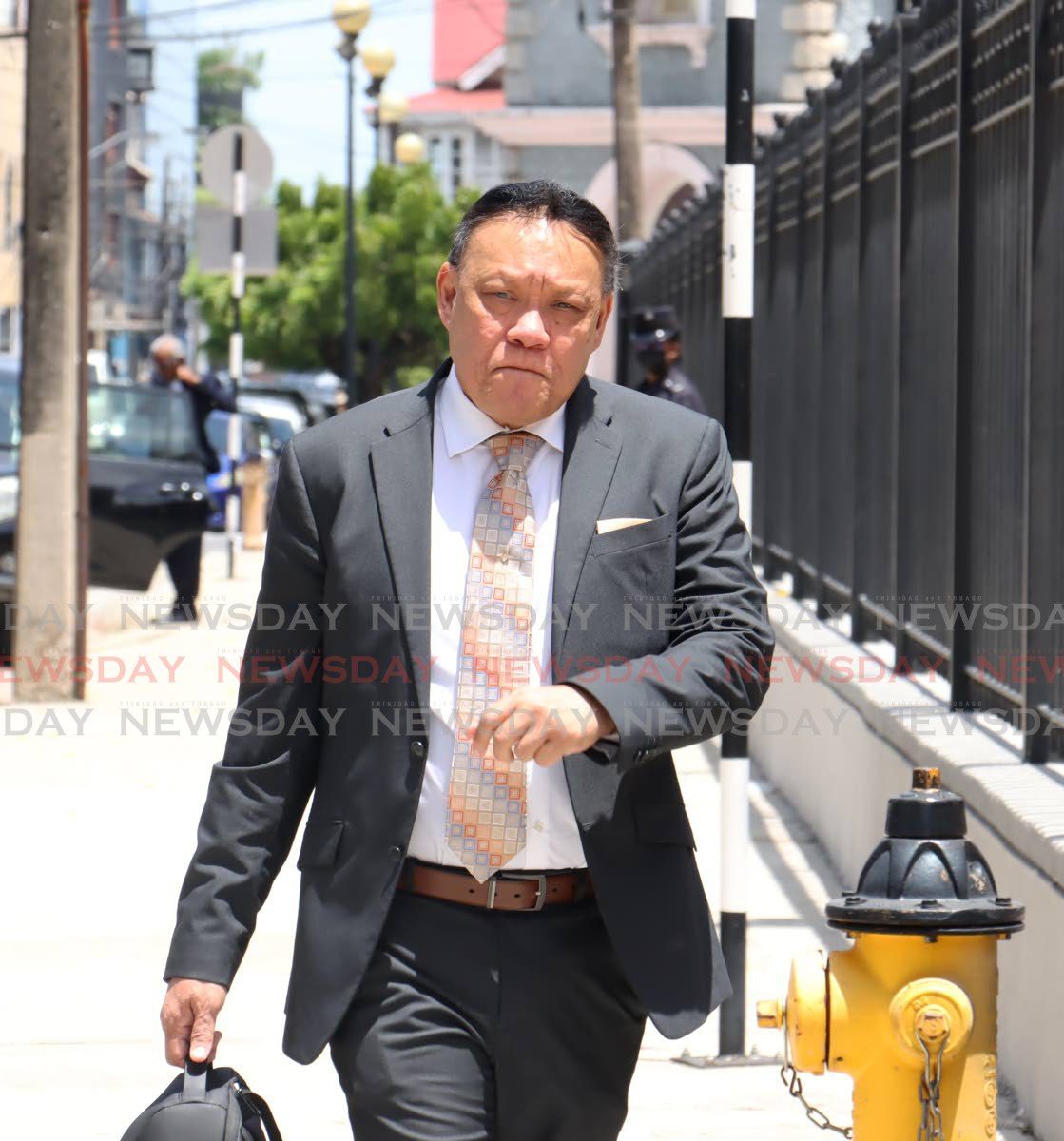
PM: Lee remains Housing Minister
Prime Minister Kamla Persad-Bissessar has reaffirmed her decision to retain Caroni Central MP David Lee as Minister of Housing, despite ongoing legal challenges. In a WhatsApp message to Newsday on October 10, Persad-Bissessar stated, ‘Yes, he remains Minister of Housing. There will be no change to that.’ This declaration underscores her unwavering support for Lee, even as he faces renewed legal scrutiny. The Prime Minister emphasized her government’s commitment to the rule of law, asserting that the judicial process must proceed unimpeded. On October 9, opposition chief whip Marvin Gonzales argued that Lee should step down from his ministerial role while his case is before the courts, though he acknowledged Lee’s right to retain his parliamentary seat. Lee, along with businessman Hugh Leong Poi, was re-arrested on October 7 on charges related to the misuse of a vehicle tax exemption granted to MPs. Initially dismissed on April 7 by Chief Magistrate Christine Charles due to insufficient evidence, the charges were reinstated by Director of Public Prosecutions Roger Gaspard, SC. Lee was released on $1 million bail on October 8. Persad-Bissessar expressed confidence in the judiciary, stating, ‘We have respect for the courts of the land. Minister Lee was acquitted of these allegations before. Now that the charges have been re-laid, we have confidence in the courts to deliver a just result.’
-
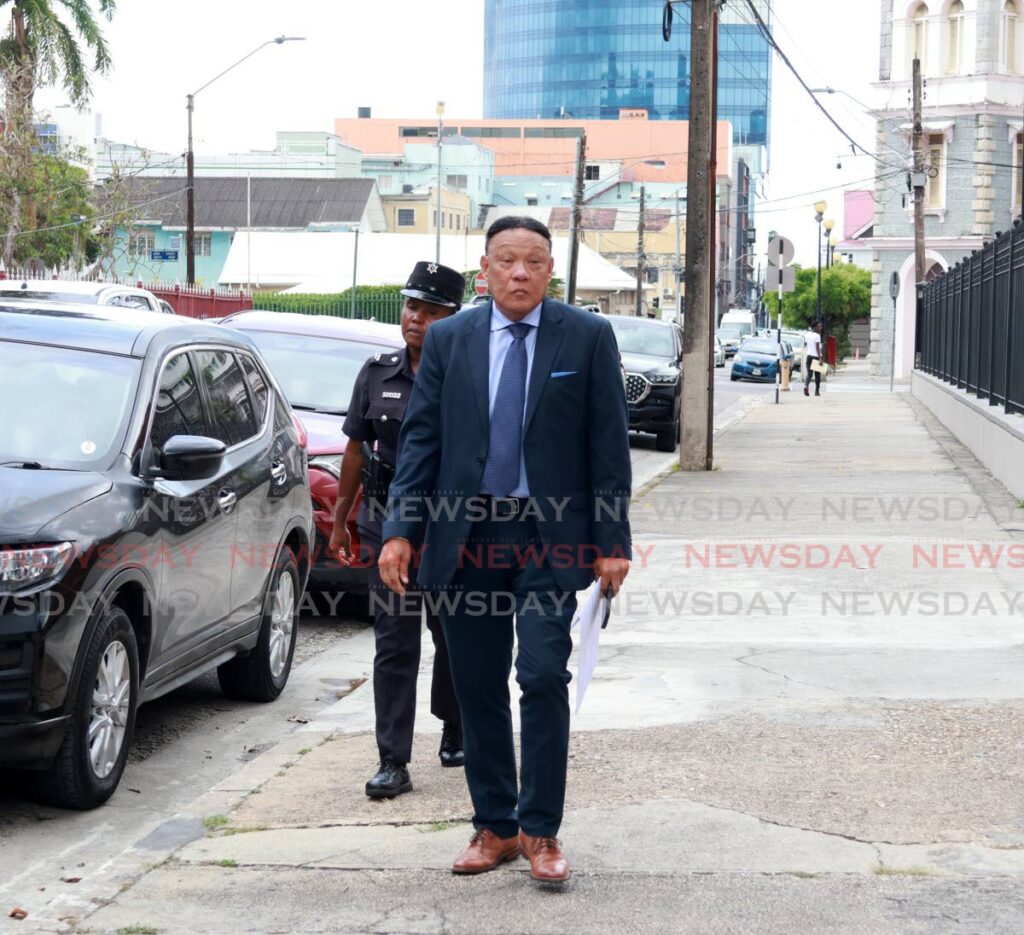
Let courts decide Lee’s fate
Recent developments surrounding Housing Minister David Lee have ignited a heated public debate, with many calling for his immediate dismissal following the re-filing of charges against him. However, these demands have been met with strong opposition from those who argue that such actions undermine the fundamental principles of justice and democracy. Political analyst Professor Hamid Ghany has emphasized that the circumstances of this case are distinct from others, noting that the charges were previously dismissed, suggesting a lack of substantial evidence. He posits that these charges may once again fail under legal scrutiny. The core issue at hand transcends Lee’s political career, touching upon the foundational democratic principle of ‘innocent until proven guilty.’ Prime Minister Kamla Persad-Bissessar has reiterated her confidence in the judicial system, urging the nation to respect the rule of law and due process. This stance highlights the necessity of maintaining fairness and integrity in the face of media trials and political witch-hunts, which threaten to erode the very fabric of democratic institutions.
-
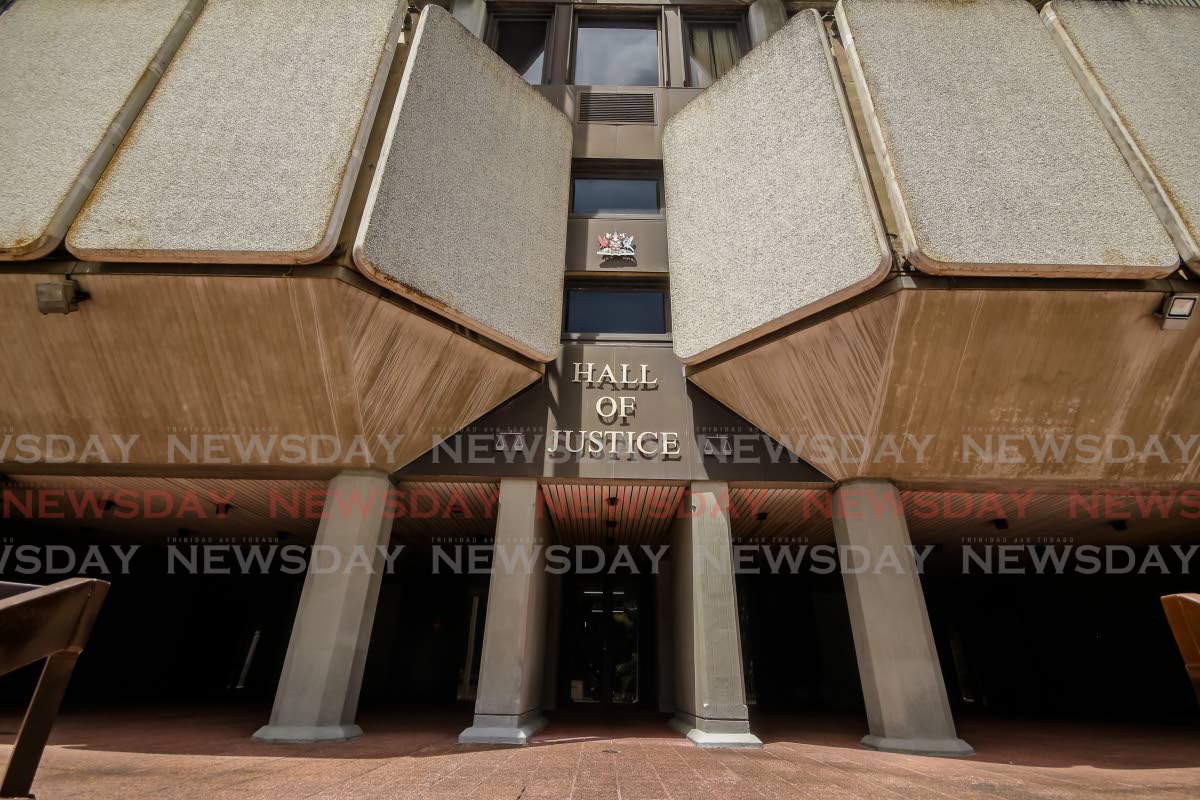
Point Fortin man acquitted of murder
In a significant legal development, Kareem Guadeloupe, a 45-year-old man from Point Fortin, has been acquitted of the 2022 murder of Ikem Best. The verdict was delivered by a Port of Spain jury on October 9, marking the conclusion of a complex and protracted legal battle. Guadeloupe had been charged with the murder on April 15, 2023, following the fatal shooting of Best on October 7, 2022, along Circular Drive, Francis Lane, Warden Road, Point Fortin. Best was standing by the roadside when occupants of a grey B15 car opened fire, resulting in his death. This was Guadeloupe’s second trial, as the first, which commenced in May 2025 before Justice Lisa Ramsumair-Hinds, was aborted due to the emergence of prejudicial evidence. Justice Ramsumair-Hinds discharged the jury, ruling that the evidence could not be rectified through judicial directions. Throughout the proceedings, Guadeloupe maintained his innocence. He was represented by attorneys Michelle Ali and Analisa Ramsaran from the Public Defenders Department, while State prosecutors Kezia Gray-Birkette and Tammy Cato represented the Office of the Director of Public Prosecutions (DPP). Notably, Guadeloupe had previously been acquitted in 2019 for the 2005 murders of brothers Neil and Nigel Seebran, whose bodies were discovered in a grave near their home in Cedros.