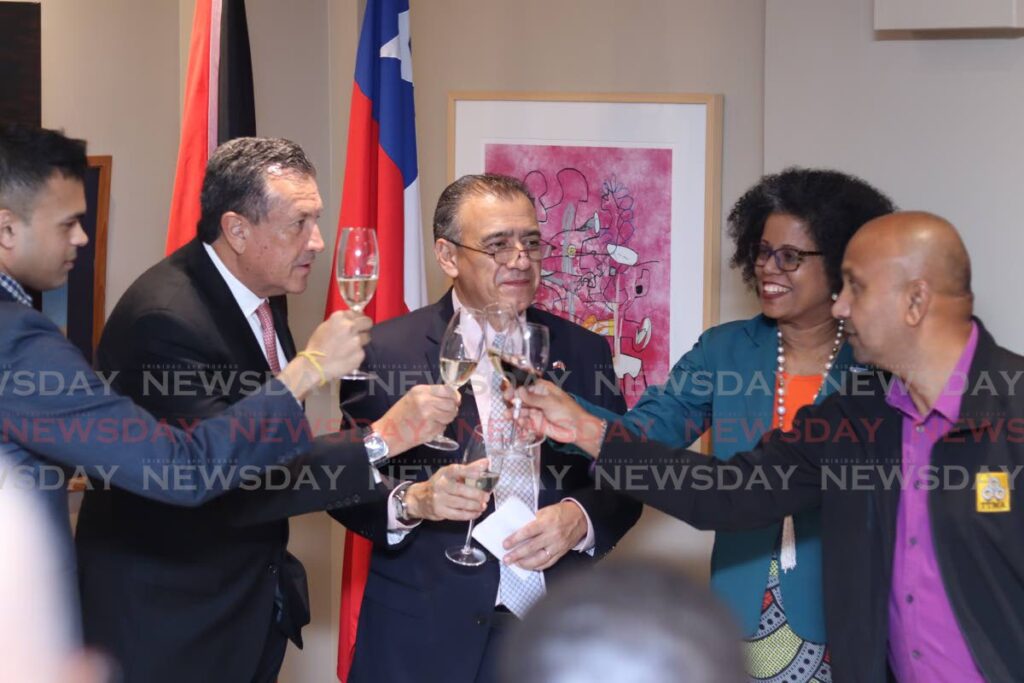
The Trinidad and Tobago Manufacturers’ Association (TTMA) is set to embark on its inaugural trade mission to Chile from November 10 to 14, marking a significant step in expanding business opportunities and fostering economic ties with Latin America. The mission was officially celebrated during a reception hosted by Chilean Ambassador Hernán Núñez at his residence in Ellerslie Park, Maraval, on November 6. Ambassador Núñez emphasized the importance of this initiative, describing Chile as a nation with a globally open economy and a strategic gateway connecting the Caribbean to Asian markets. He highlighted Chile’s robust export figures, exceeding US$100 billion in 2024, and its network of 35 commercial attachés worldwide. TTMA CEO Dr. Mahindra Ramdeen noted that the delegation includes representatives from 14 companies across sectors such as agro-processing, chemicals, services, and health. He expressed optimism about forging lasting partnerships and accessing new markets. Ismail Ali, the mission’s leader, underscored the significance of this venture as TTMA’s first business engagement in South America, driven by three bilateral agreements signed last year. The mission aims to explore opportunities in Chile and beyond, with plans to expand into markets like Panama, Colombia, and other Caribbean nations. This initiative reflects TTMA’s broader strategy to internationalize Trinidad and Tobago’s manufacturing sector, building on recent successful trade missions to New York and the Trade Mission on the Seas 2025. The association has also outlined plans for additional missions to China and follow-up initiatives in New York, signaling a strong commitment to global economic collaboration.
标签: Trinidad and Tobago
特立尼达和多巴哥
-
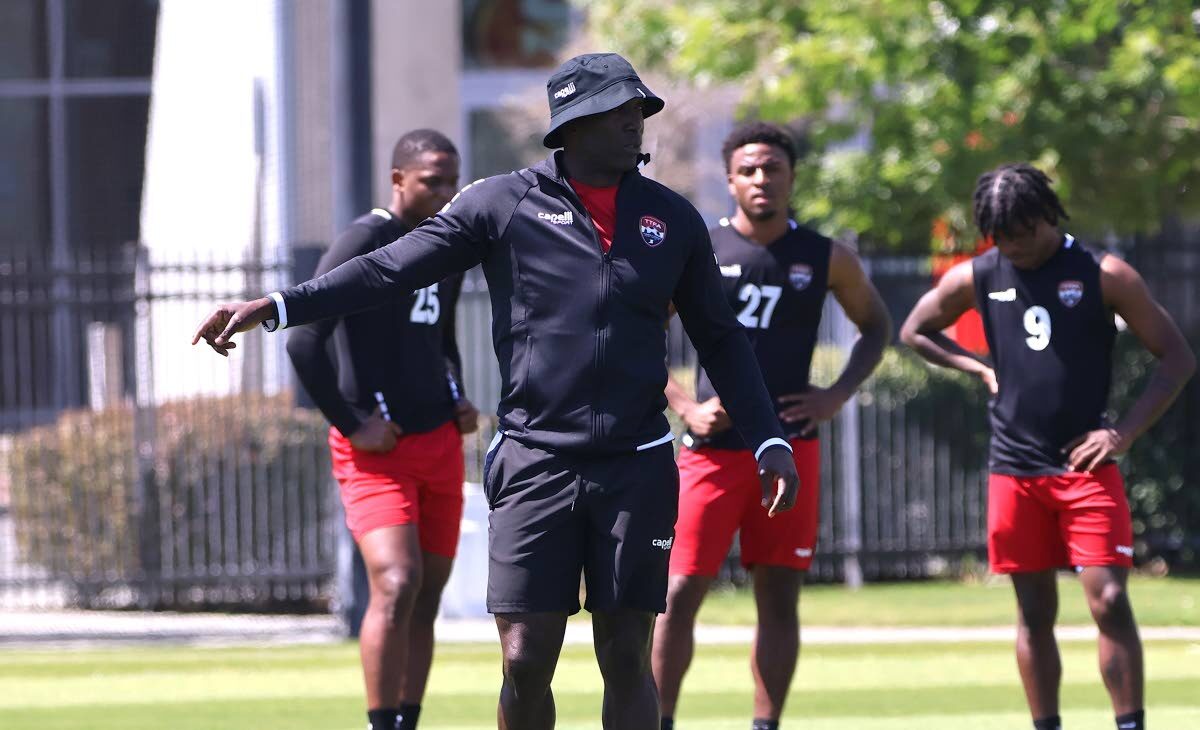
The last chance – Yorke sharpens troops for Jamaica qualifier
As the FIFA international match window approaches, Trinidad and Tobago’s senior men’s football team, under the guidance of head coach Dwight Yorke, is leaving no stone unturned in their preparations for the upcoming World Cup qualifiers. The team is set to face Jamaica on November 13 and Bermuda on November 18 at the Hasely Crawford Stadium in Mucurapo. With high stakes on the line, Yorke has been diligently working to ensure his squad is in peak condition.
-

Caribbean Airlines unaffected by FAA orders to reduce flights
Caribbean Airlines Ltd (CAL) has confirmed that its operations remain unaffected despite recent guidance from the US Federal Aviation Authority (FAA) urging airlines to reduce flights at 40 of the nation’s busiest airports. The FAA’s directive, issued as the US government shutdown extended into its 38th day, calls for a ten per cent reduction in flights to alleviate congestion. CAL, which operates flights to and from four major US airports—John F. Kennedy (JFK) in New York, Miami International (MIA), Fort Lauderdale-Hollywood International (FLL), and Orlando International (MCO) in Florida—has assured passengers that all its US-bound and departing flights are proceeding as scheduled. However, the airline has advised travelers with connecting domestic flights within the US to stay in touch with their respective airline representatives for updates. CAL also encouraged passengers to register for real-time travel notifications via its official website and social media channels to stay informed. The FAA’s list of affected airports includes prominent hubs such as Hartsfield-Jackson Atlanta International (ATL), Los Angeles International (LAX), and Chicago O’Hare International (ORD), among others. While the broader aviation sector grapples with the impact of the shutdown, CAL remains steadfast in maintaining its service continuity.
-
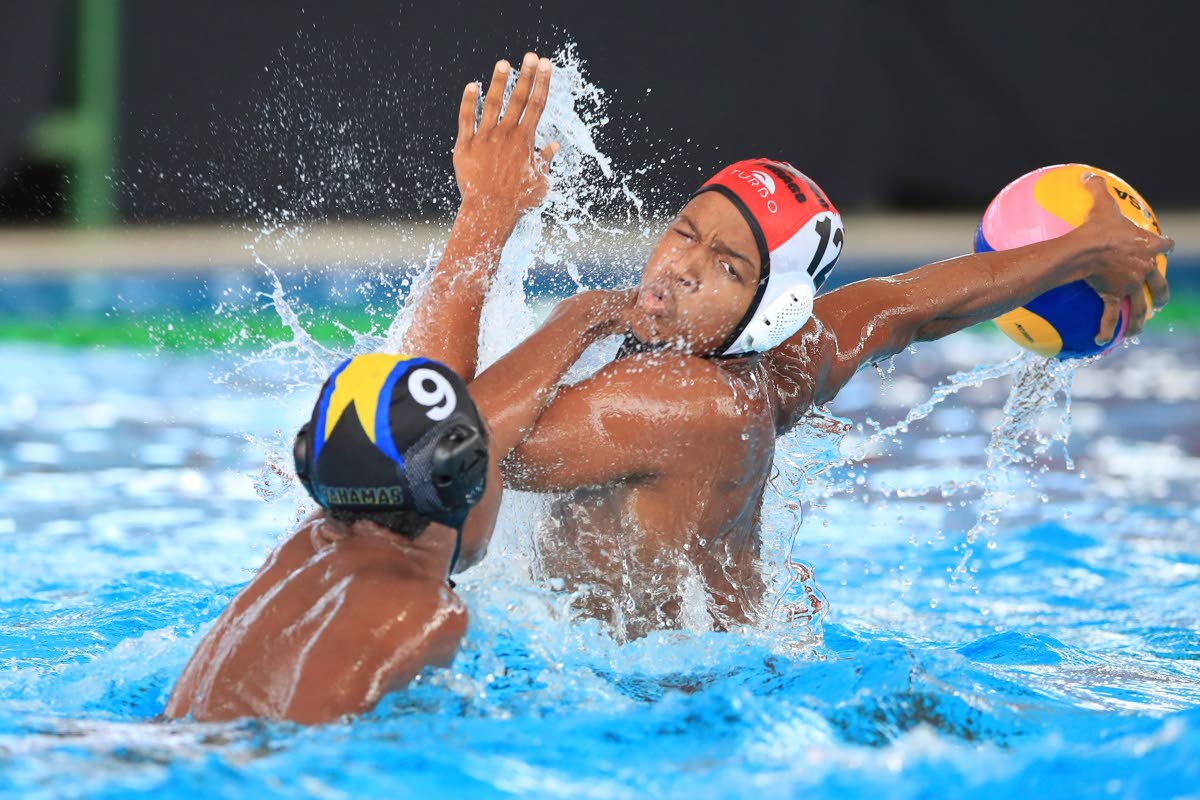
Strong start for Trinidad and Tobago at Carifta Water Polo in Florida
Trinidad and Tobago (TT) made a resounding statement on the first day of the XXXVIII Carifta Aquatics Championships 2025 Water Polo tournament, held at the Coral Springs Aquatic Complex in Florida on November 7. The TT teams showcased exceptional skill and determination, securing multiple victories across various age groups. The Under-16 and Under-19 male squads delivered back-to-back wins, while the U-14 co-ed team, along with the U-16 and U-19 female teams, also triumphed in their opening matches. The U-16 boys set the tone with a hard-fought 13-11 victory over Bahamas, despite a closely contested first half. They later extended their dominance with a 20-14 win against the same opponent. The U-19 males were equally impressive, defeating Curacao 24-11 and overwhelming Cayman Islands 27-3. On the female side, the U-19 team secured a commanding 12-3 win over Cayman Islands but faced a setback with a 13-3 loss to Bonaire. The U-14 co-ed team started strong with an 18-5 victory over Curacao but fell to Bahamas 10-4 later in the day. The U-16 females also began their campaign with a 17-12 win over Cayman Islands. The tournament continues on November 8, with the final matches scheduled for November 9.
-
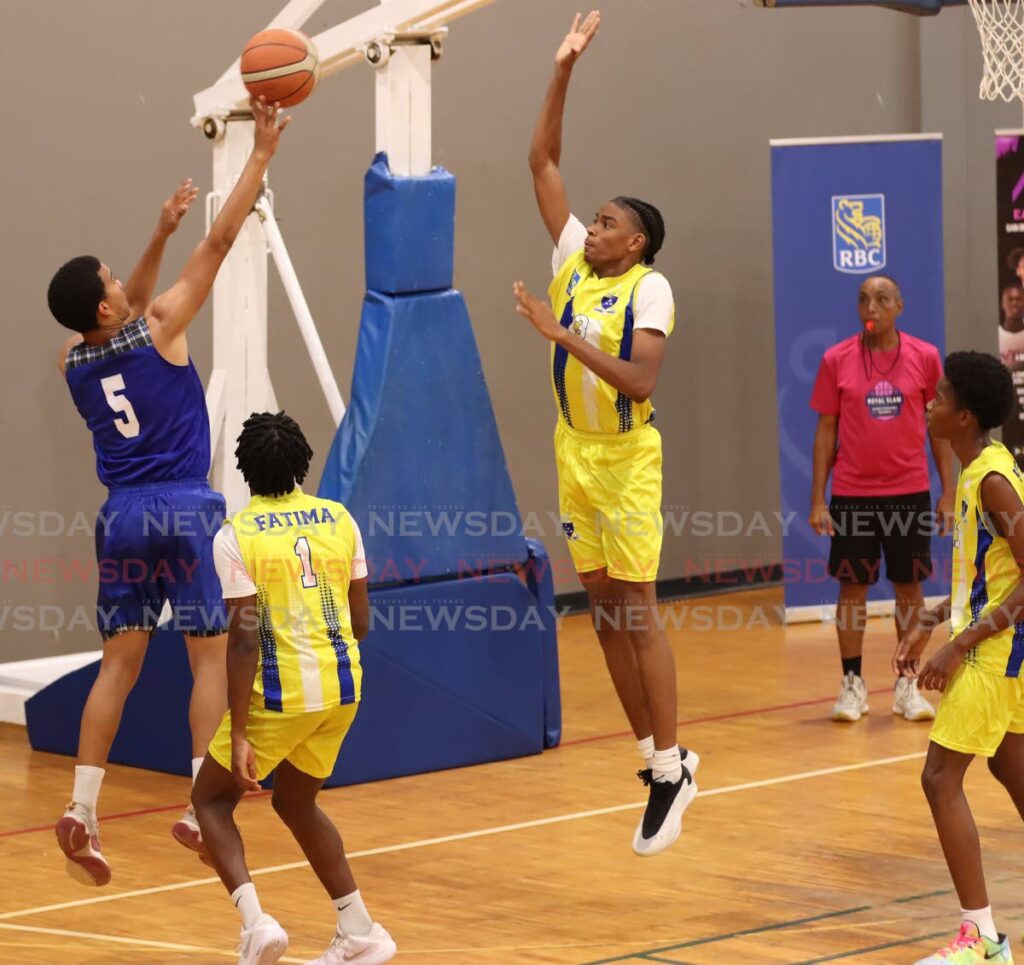
Four schools vie for honours as Royal Slam basketball reaches crescendo
The stage is set for an electrifying showdown as the semifinals of the RBC Royal Slam College Basketball competition kick off on November 8 at the Eastern Regional Indoor Sporting Arena in Tacarigua. Four elite schools will battle for a spot in the championship, with Fatima College, Presentation College San Fernando, St Mary’s College, and Queen’s Royal College (QRC) vying for glory. The action begins at 4 pm with Fatima College taking on Presentation College, followed by St Mary’s College facing QRC at 6 pm. The stakes are high, as the winners will advance to the gold-medal match on November 9 at noon, while the third-place playoff will commence at 10 am. The semifinalists have little time to recover, making endurance and strategy crucial. Fatima College enters the semifinals with momentum, having dominated QRC 112-67 in their final preliminary-round game on October 26, thanks to standout performances from Williams Francis, Zachary Julien, and Idriis Martin. St Mary’s College also impressed, securing their Group B victory with a 96-83 win over St Anthony’s College on October 25, led by Nkobi Ince’s 35 points and Zane Peters’ 31 points. This weekend, one of these four teams will emerge victorious, claiming the prestigious RBC Royal Slam title and etching their name in college basketball history.
-
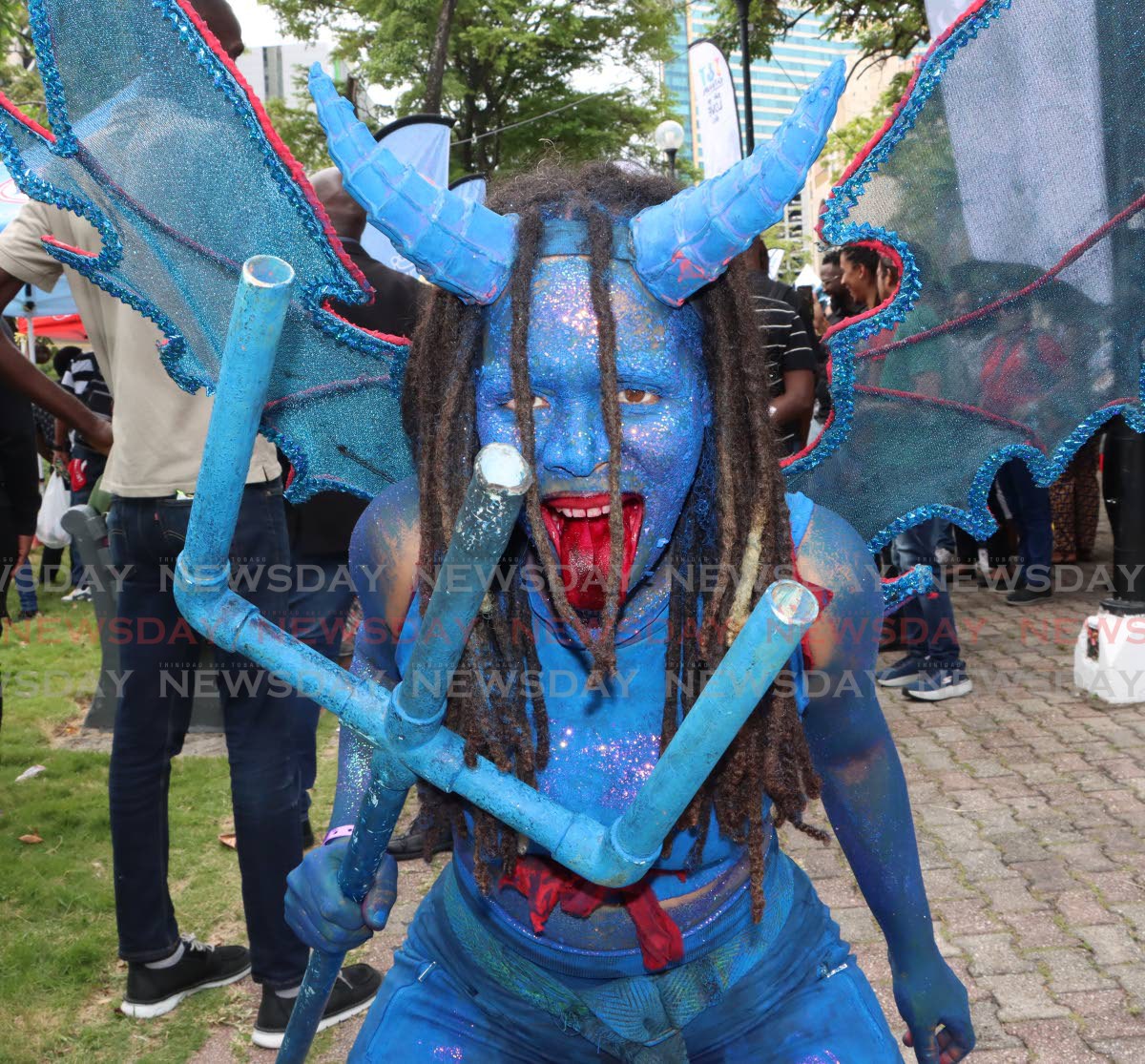
Carnival 2026 countdown begins
The vibrant spirit of Trinidad and Tobago’s Carnival 2026 was ignited with an electrifying launch event held at the Brian Lara Promenade in Port of Spain on November 7. Organized by the National Carnival Commission, the celebration marked the official countdown to the highly anticipated festivities, set to take place on February 16 and 17, 2026. The event showcased a dazzling array of traditional carnival characters and performances, offering a glimpse into the cultural richness of the ‘greatest show on earth.’ Among the highlights were the iconic blue devil, a whip master demonstrating his skills, and the rhythmic beats of the Exodus Steel Orchestra. Minister of Culture and Community Development Michelle Benjamin joined the festivities, playing a few notes with the steelpan band. Young Messiah Bailey, aged 5, stole the spotlight in his steelpan costume, while traditional Indian characters and playful clowns added to the festive atmosphere. The launch not only celebrated the upcoming carnival but also highlighted the cultural heritage and creativity that define this world-renowned event.
-

San Juan North, Trinity draw 1-1 in SSFL rescheduled tie
In a tightly contested rescheduled Secondary Schools Football League (SSFL) premiership fixture, Trinity College (Moka) and San Juan North Secondary played to a 1-1 draw at Trinity College Grounds in Maraval on November 7. San Juan North, currently positioned 13th in the 16-team league, took the lead in the first half with a goal from Malique Marrast. However, Trinity Moka quickly responded as Anton Joseph equalized before halftime. Despite both teams pushing for a decisive goal in the second half, neither could break the stalemate, resulting in a shared point. The outcome had minimal impact on the league standings, with Trinity remaining in sixth place and San Juan North holding onto their 13th position, just two points above the relegation zone. Both teams have one league match remaining to conclude their campaigns.
-

EU funds solar-power project at Office of Prime Minister
In a significant step toward sustainable energy, Trinidad and Tobago has inaugurated a state-of-the-art solar-powered media briefing room at the Office of the Prime Minister in St Clair, Port of Spain. The project, part of the EU-funded GCCA+ Renewable Energy initiative, was officially unveiled on October 30. The €2.4 million program, implemented by the United Nations Development Programme (UNDP) and the Ministry of Planning and Development, aims to promote solar energy and energy efficiency across the nation. The initiative includes the installation of solar systems at schools, NGOs, and public sites, alongside the replacement of outdated energy-consuming equipment. For instance, an inefficient chiller at the Prime Minister’s Office was replaced with a modern, energy-efficient model that reduces carbon emissions and energy consumption. Prime Minister Kamla Persad-Bissessar emphasized the importance of transitioning from traditional oil and gas reliance to innovative, sustainable energy solutions. She highlighted the nation’s commitment to balancing development goals with environmental protection, urging developed countries to avoid imposing climate agendas on developing nations. Minister of Public Utilities Barry Padarath reiterated the government’s dedication to reducing carbon emissions and advancing energy conservation. This project marks a pivotal moment in Trinidad and Tobago’s journey toward a greener, more sustainable future.
-
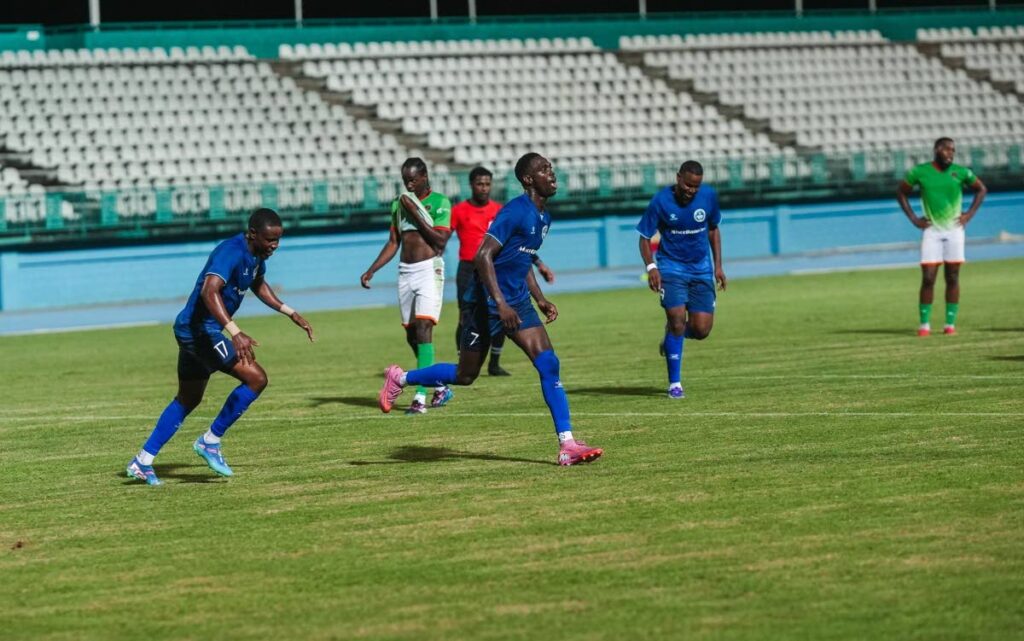
Police, Army lock horns in servicemen’s TTPFL derby
The TT Premier Football League (TTPFL) is set to witness an early-season blockbuster as defending champions Defence Force face off against title contenders Miscellaneous Police FC on November 9 at the St Police Barracks. The match, scheduled for 7 pm, promises to be a thrilling encounter between two of the league’s most formidable teams. Police FC has begun the 2025/26 season in dominant fashion, securing back-to-back victories. They opened their campaign with a resounding 4-0 win over San Juan Jabloteh on October 24, followed by a hard-fought 2-1 triumph against MIC Central FC Reboot on November 1. In contrast, Defence Force has struggled to find their rhythm, starting their title defense with two consecutive draws. They were held to a goalless stalemate by 2023/24 champions AC Port of Spain in their opener and then squandered a lead to draw 2-2 with FC Eagles on October 31, conceding a late stoppage-time goal. Despite their slow start, Police FC coach Todd Ryan remains wary of the defending champions. ‘Police and Army, that’s probably the biggest rivalry in top-tier football,’ Ryan remarked. ‘We don’t care what start they got…they’re still unbeaten from last season. We need to ensure they stay at the bottom of us.’ Ryan emphasized the importance of this match, calling it a ‘local derby’ and a crucial step toward achieving their ultimate goal: qualifying for Concacaf football. Meanwhile, Defence Force’s interim coach Devorn Jorsling remains optimistic, dismissing their early struggles as a temporary setback. ‘When the smoke clears, we will be champions of the league,’ Jorsling asserted. The clash is part of a packed matchday, with Caledonia AIA vs. Terminix La Horquetta Rangers and AC Port of Spain vs. FC Eagles also set to take place on November 9.
-
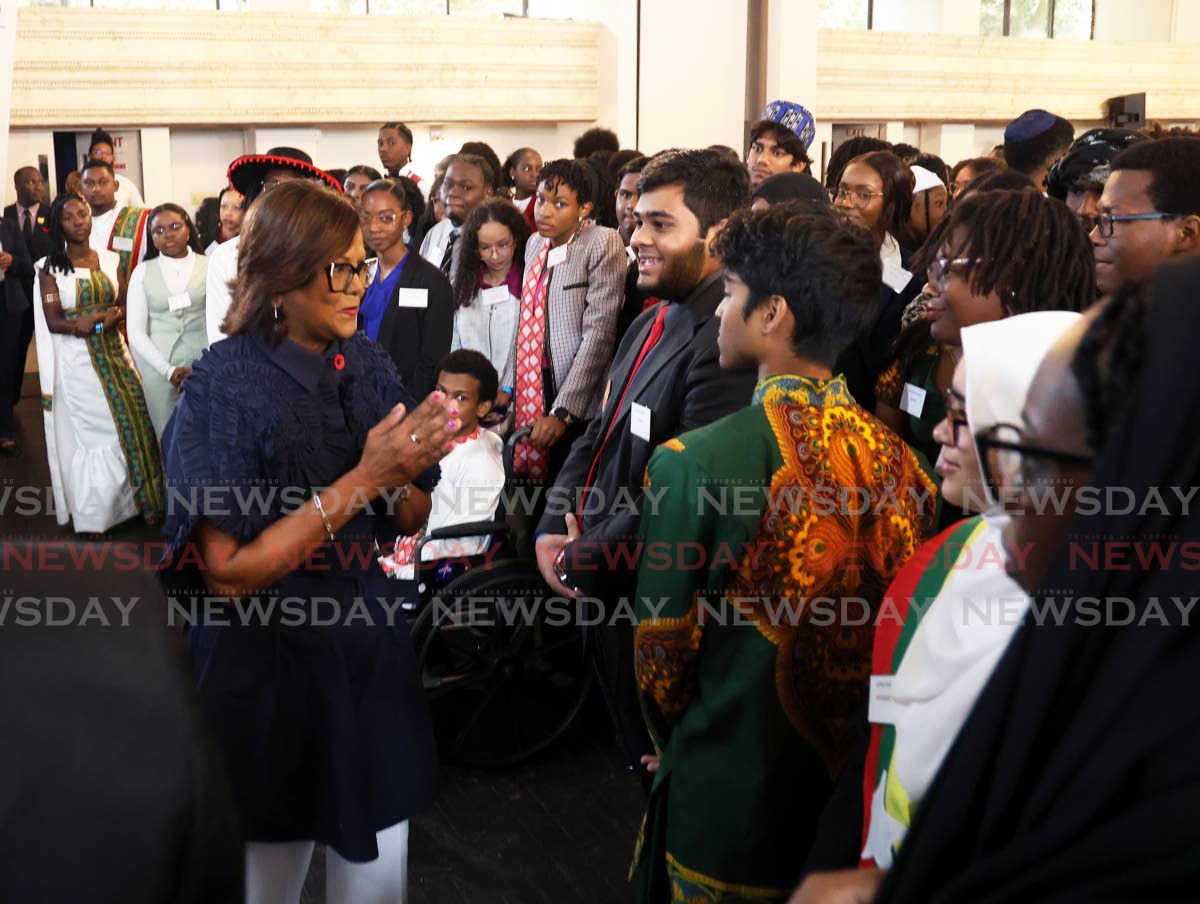
President: UN youth programme promotes pathways of peace
President Christine Kangaloo addressed the youth at the 25th Annual Model United Nations (MUN) 2025, hosted by the Rotary Club of Central Port of Spain at Cascadia Hotel, St Ann’s, on November 8. She highlighted the stark contrast between the ideals of peace and cooperation promoted by the United Nations and the divisive, often hostile discourse prevalent in Trinidad and Tobago (TT). Kangaloo described the local environment as ‘hostile,’ emphasizing the challenges young participants face in applying the pathways of peace they learn at the MUN. She noted that public discourse in TT often divides rather than unites, making it difficult for youth to foster healing and unity. Despite these challenges, Kangaloo expressed confidence in the youth’s ability to address contemporary issues incrementally. She urged them to persevere, even in the face of adversity, warning that failure to do so could risk global instability and the potential collapse of the United Nations, reminiscent of the League of Nations’ failure to prevent World War II. Kangaloo underscored the MUN’s critical role in exposing young people to diplomacy, negotiation, and collaboration, equipping them to become advocates for peace in their respective fields. This year’s MUN saw 210 participants from TT and neighboring countries, doubling the usual attendance. The program has benefited over 2,000 participants since its inception, with many alumni assuming leadership roles across the region. Kangaloo called for continued support for such initiatives, which empower youth to communicate effectively, collaborate, and contribute meaningfully to their communities and nations.