
Trinidad and Tobago’s swimming sensation, Dylan Carter, is set to make waves at the 2025 World Aquatics Swimming World Cup as he prepares for the third leg of the competition in Toronto, Canada, starting October 23. The 29-year-old athlete has already showcased his prowess in the earlier stages of the tournament, securing two bronze medals and demonstrating consistent performance across multiple events. In the first leg held in Indiana on October 11, Carter clinched bronze in the men’s 50-meter backstroke. He followed this up with another bronze in the 50m freestyle final during the second leg in Illinois on October 17. Additionally, Carter has achieved notable placements, including fourth in the 50m freestyle and fifth in the 50m butterfly finals in Indiana, as well as a joint fifth-place finish in the 50m backstroke finale in Illinois. In Toronto, Carter will commence his campaign in the 50m freestyle, competing in lane five during the sixth and final heat, scheduled for 12.07 pm (TT time) on October 23, with the final set for 7.09 pm the same day. The competition promises to be fierce, with American Chris Guliano and Canada’s Ilya Kharun having already set impressive times in the previous legs. Carter will also participate in the men’s 50m backstroke heats on October 24 and the 50m butterfly heats the following day, as he continues his quest for glory on the international stage.
标签: Trinidad and Tobago
特立尼达和多巴哥
-

UWI teams up for green hydrogen project
In a landmark move toward sustainable energy innovation, the University of the West Indies (UWI) has entered into a strategic partnership with Japan’s Niterra Co Ltd and Trinidad and Tobago’s Kenesjay Green Ltd (KGL). The collaboration, formalized through a Memorandum of Understanding (MoU) signed on October 15 at UWI’s St Augustine Campus, aims to revolutionize green hydrogen production through advanced Solid Oxide Electrolyser Cell (SOEC) technology. This high-temperature electrolyser system, developed by Niterra, boasts a 30% higher efficiency compared to traditional methods, leveraging steam to generate hydrogen and oxygen. Trinidad and Tobago’s robust petrochemical infrastructure and access to process waste heat at the Point Lisas Industrial Estate make it an ideal location for Niterra’s pilot study. The initiative aligns with UWI’s Hydrogen Research Collaborative (H2RC), established in 2023 to foster academia-industry partnerships in building a viable hydrogen economy for the Caribbean. The partnership will establish a green hydrogen centre of excellence, conduct model-based studies, and develop a dedicated hydrogen laboratory at UWI. The project will also involve the installation and operation of production-scale SOEC electrolysers, with real-world performance data collected over two phases to scale up green hydrogen generation. The MoU was signed by Koichi Arimitsu of Niterra, Dr. Graham King of UWI, and Philip Julien of KGL, with key stakeholders from the Energy Chamber of Trinidad and Tobago in attendance. This collaboration marks a significant step in Trinidad and Tobago’s transition to sustainable energy, positioning the nation as a regional leader in green hydrogen research and low-carbon innovation.
-
New Chief Justice’s pledge: I will do my best
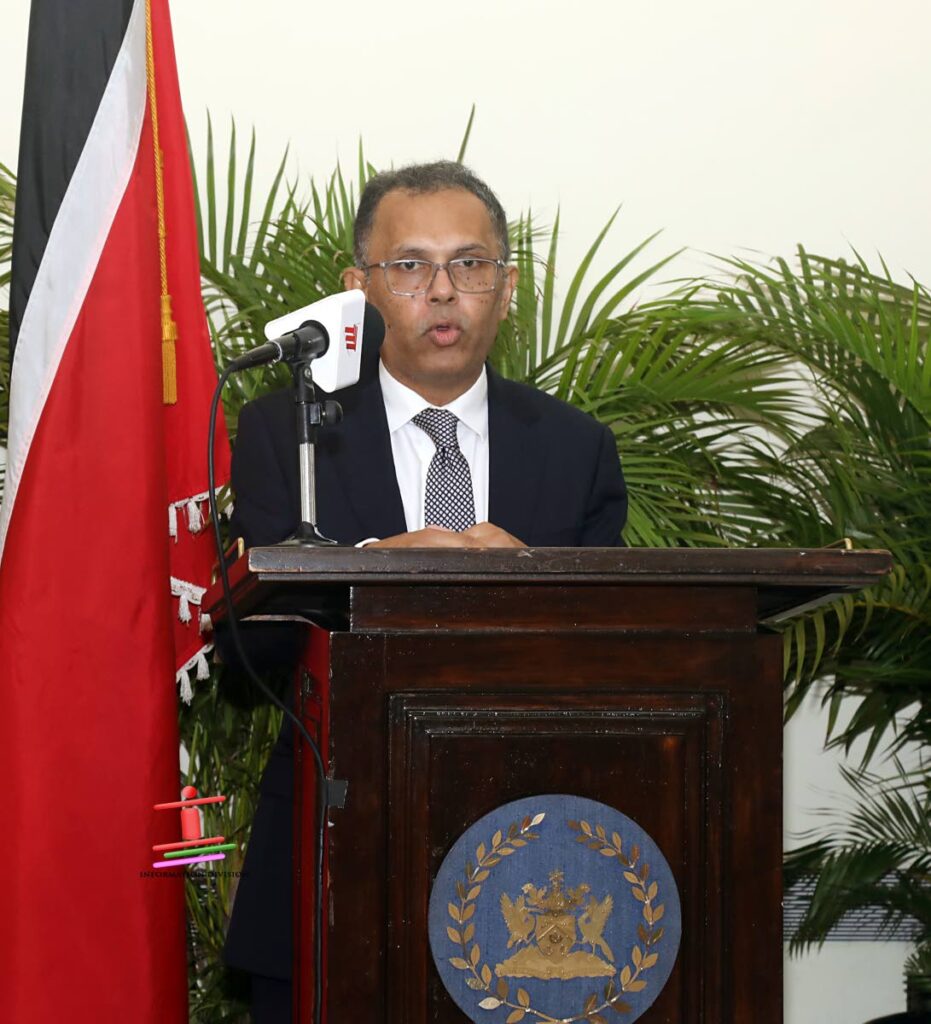
Justice of Appeal Ronnie Boodoosingh has officially assumed the role of Trinidad and Tobago’s ninth Chief Justice, succeeding Ivor Archie, who retired on October 22. Boodoosingh was sworn in by acting President Wade Mark at a ceremony held at the President’s House in St. Ann’s. The appointment followed the constitutional process outlined in Section 102, requiring consultation with the Prime Minister and the Leader of the Opposition. While Prime Minister Kamla Persad-Bissessar expressed support, Opposition Leader Pennelope Beckles criticized the consultation process as flawed. Boodoosingh, a seasoned jurist with over three decades of legal experience, pledged to serve with humility, diligence, and integrity. He paid tribute to Archie, highlighting his contributions to modernizing the judiciary, including the introduction of electronic filing and virtual courtrooms. Boodoosingh also acknowledged the sacrifices made by Archie’s family and expressed gratitude for his own family’s support. The ceremony was attended by key government officials, including Attorney General John Jeremie and Homeland Security Minister Roger Alexander. Acting President Wade Mark praised the seamless transition, emphasizing the stability and independence of the judiciary. Boodoosingh’s appointment has been widely welcomed by the legal fraternity, with hopes that his leadership will enhance access to justice and restore public confidence in the judiciary.
-

How AI is transforming dentistry
Artificial intelligence (AI) is no longer confined to Silicon Valley or futuristic concepts like self-driving cars. In Trinidad and Tobago, Dr. Shenilee Hazell, founder of Smile Inn Dental, is pioneering the use of AI in dentistry, transforming how patients receive dental care. Her clinic has become the first in the Caribbean to adopt Dental Monitoring, an AI-powered system that allows patients to monitor their oral health from home, eliminating the need for frequent in-person visits.
Patients are provided with a ScanBox device that connects to their smartphones. Once a week, they record a short video of their teeth, which the AI analyzes for over 130 factors, including aligner fit and gum health. Within hours, patients receive personalized feedback, such as whether to proceed to the next aligner or wait a few more days. This innovative approach offers continuous, adaptive care without the hassle of leaving home.
Dr. Hazell emphasizes that time is a significant barrier to oral health. By integrating AI into patients’ lifestyles, Smile Inn Dental delivers precision care while saving valuable time. Studies show that AI-assisted monitoring can reduce diagnostic time by nearly half and detect issues earlier than traditional methods, leading to faster treatments, fewer complications, and better outcomes.
Globally, AI is reshaping dentistry, with machine learning systems reading X-rays, mapping facial structures, and even guiding surgical procedures. Companies like Pearl AI, VideaHealth, and Align Technology have developed algorithms trained on millions of images, enabling faster detection of decay, bone loss, and gum disease. At Smile Inn, Dr. Hazell uses Invisalign’s ClinCheck AI and Smile Architect software to design personalized smiles based on each patient’s facial symmetry.
Beyond treatment, Smile Inn employs near-infrared light to identify weak enamel before cavities form, aligning with global trends in predictive dentistry. This proactive approach allows patients to focus on preventive care rather than waiting for problems to arise.
Despite its benefits, AI in dentistry can evoke concerns about dehumanization and algorithmic bias. Dr. Hazell addresses these issues by ensuring AI remains a supportive tool, not a replacement for clinicians. She also advocates for regional data partnerships to ensure AI systems reflect the Caribbean’s diversity.
AI-enabled tele-dentistry has the potential to revolutionize healthcare in the Caribbean, where geography often limits access. Patients in remote areas, such as Tobago, can now receive weekly monitoring from specialists in Port of Spain without incurring travel costs. This innovation also enhances the region’s medical tourism appeal, offering world-class precision care locally.
Dr. Hazell’s leadership extends beyond technology. She is training her all-female team, piloting AI-driven X-ray diagnostics, and even 3D-printing aligners in-house. Her efforts inspire young Caribbean professionals, particularly women, to merge science, technology, and creativity in healthcare.
AI has entered the dental chair, offering precision, transparency, and time savings for both practitioners and patients. Dr. Hazell and Smile Inn Dental exemplify how innovation thrives in the Caribbean, proving that cutting-edge technology isn’t limited to overseas markets.
-

CWI thanks Windies legends for ‘Mission India’ tour
Cricket West Indies (CWI) has expressed profound gratitude to iconic players Brian Lara, Vivian Richards, and Richie Richardson for their pivotal roles in the ‘Mission India’ corporate engagement tour. This initiative aimed to foster corporate partnerships and enhance the global appeal of the West Indies cricket brand. The tour coincided with the West Indies’ two-match Test series in India from October 2 to October 14, with CWI officially acknowledging the legends’ contributions in a release on October 21. The delegation, led by CWI CEO Chris Dehring and chief commercial officer Rupert Hunter, visited Delhi and Mumbai to explore sponsorship and broadcast opportunities in the Indian market. The legends’ participation in numerous meetings generated significant enthusiasm, reigniting global interest in West Indies cricket. Dehring emphasized the legends’ unwavering dedication, stating, ‘Their willingness to give of themselves so freely speaks volumes about their love and passion for West Indies cricket.’ The tour also included a special golf day, where the legends interacted with current players and team management, further strengthening the bond between past and present cricketing generations. While the release did not confirm any immediate sponsorship deals, it highlighted the enduring influence of West Indies cricket and its legends on global audiences.
-

The struggles to establish a regional air carrier
The story of British West Indian Airways (BWIA) is a testament to the resilience and strategic foresight of the Caribbean aviation industry. Established in 1941 during the tumultuous years of World War II, BWIA emerged as a vital lifeline for the British colonies in the West Indies, which were isolated due to the suspension of air services by major international carriers like Pan American World Airways and Royal Dutch Airlines. The UK Air Ministry proposed the creation of a regional airline based in Trinidad and Tobago (TT), a vision that materialized with the involvement of Lowell Yerex, founder of Transportes Aeros Centro Americanoes (TACA).
Yerex, with the support of Lady Young, wife of Governor Sir Hubert Young, initiated BWIA as a public limited liability company in 1943. The airline began operations with two Lockheed Model 18 Lodestar aircraft, offering daily services from TT to Barbados. The initial share capital of $1 million was allocated with 60% to Yerex, 20% to TT, and 20% to the West Indian public. Over time, the shareholding structure evolved, with Yerex selling 40% of his stake to American interests in TACA, prompting a strategic decision to ensure British control over the airline.
BWIA rapidly expanded its route network, connecting islands across the Eastern Caribbean and extending services to Dominica, Jamaica, and Belize by 1944. The airline also secured contracts with the United States Army Engineer Department, operating flights between Miami and Trinidad. Airmail services were introduced, charging five cents per half-ounce letter, further solidifying BWIA’s role in regional connectivity.
In 1947, British South American Airways Corporation (BSAA) acquired BWIA, restructuring it as a private limited company in 1948. The new entity, British West Indian Airways Ltd, inherited exclusive rights to operate inter-island services and carry mail, supported by government subsidies and infrastructure provisions. The merger of BOAC and BSAA in 1949 further strengthened BWIA’s position, integrating operations with British Caribbean Airways Ltd and establishing navigation and engineering schools in Trinidad to enhance technical standards.
By the 1950s, BWIA had fully paid up its issued capital of $2.5 million and expanded its services to include routes between Jamaica and the Cayman Islands, marking a significant milestone in its evolution as a regional aviation leader. The story of BWIA continues in Part II, highlighting its enduring legacy in Caribbean aviation.
-

Appeal Court reinstates NOVO’s border control claim
In a landmark ruling, the Court of Appeal has reinstated NOVO Technology’s multimillion-dollar claim against the Airports Authority of Trinidad and Tobago (AATT), overturning a High Court decision that had dismissed the case as an abuse of process. The appeal, presided over by Justices Peter Rajkumar, Ronnie Boodoosingh, and James Aboud, unanimously found that NOVO’s second claim, filed after the termination of a contract during the COVID-19 pandemic, was legitimate and not an abuse of process. The judges criticized the High Court’s earlier decision, stating that it had erred in striking out the claim. NOVO is seeking over $50 million in damages for alleged breach of contract and non-payment, following what it claims was an unlawful termination by the AATT under a force majeure clause. The Court of Appeal emphasized that the doctrine of abuse of process should only apply where a defendant can demonstrate oppression or harassment, which the AATT failed to prove. The court ordered the consolidation of NOVO’s first and second claims, remitting the case to a new High Court judge for case management and trial. The ruling also highlighted that the matters in dispute arose after the initial suit was filed, making the second claim a genuine subject of litigation. Additionally, the court ordered the AATT to pay NOVO’s legal costs, totaling $262,500. This decision paves the way for the continuation of the airport modernization project, which includes the installation of eGates, boarding gates, and automated kiosks designed to streamline immigration processing and reduce passenger wait times. NOVO has previously implemented similar border control systems in Guyana, significantly improving efficiency and traveler convenience.
-
Global performer at risk
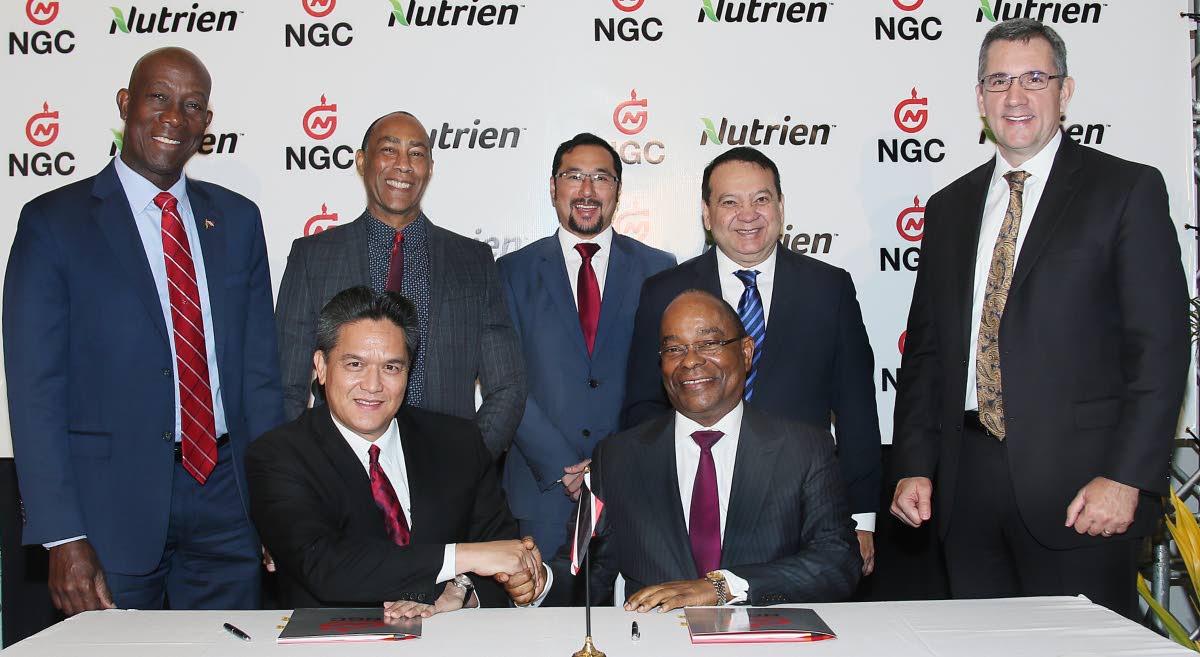
The longstanding partnership between Nutrien, the world’s largest upstream fertilizer producer, and Trinidad and Tobago (TT) is now at risk due to a financial impasse with the state-owned National Gas Company (NGC). The dispute, centered around a $610 million debt owed by companies using the Point Lisas port, has forced Nutrien to initiate a phased shutdown of its operations in the region. This development threatens not only the company’s future but also the livelihoods of hundreds of workers and TT’s reputation as a global leader in the petrochemical sector.
Nutrien, formed in 2018 through the merger of PCS and Agrium Inc., has been a key player in TT’s economy, leveraging the country’s natural gas resources to produce ammonia and urea for global markets. However, declining natural gas production, exacerbated by the COVID-19 pandemic, has strained operations. In 2020, Nutrien announced the indefinite closure of one of its four ammonia plants, and production levels have since fallen significantly from their peak.
Despite these challenges, Nutrien has shown commitment to TT, investing $130 million in 2024 for facility upgrades and maintenance. However, the recent shutdown announcement on October 21, set to take effect on October 23, has raised concerns among local business and energy chambers. The American Chamber of Commerce (Amcham TT) and the Energy Chamber have called for collaboration to resolve the issue, emphasizing the need to maintain TT’s attractiveness as an energy investment destination.
NGC’s subsidiary, the National Energy Corporation (NEC), has issued formal notices to companies with significant arrears, warning of suspended access to port facilities if payments are not cleared. NEC has also mandated that service tariffs be paid exclusively in US dollars, a move that has added to the financial pressure on operators.
Minister of Energy Roodal Moonilal confirmed ongoing discussions with Nutrien and other stakeholders, but no resolution has been reached. The shutdown’s potential impact on TT’s economy and employment has sparked calls for urgent negotiations to avert a crisis. As the situation unfolds, the fate of Nutrien’s operations in TT remains uncertain, casting a shadow over the country’s petrochemical ambitions.
-

CSME skills certificate opens doors across Caribbean
The Caricom Single Market and Economy (CSME) Skills Certificate has emerged as a transformative tool for skilled Caribbean nationals, enabling them to live, work, and thrive across member states without the need for a work permit. This initiative, formally known as the Certificate of Recognition of Caricom Skills Qualification, has empowered hundreds of individuals to pursue careers, establish businesses, and maintain family unity while relocating to another Caribbean country.
-

Useful and unsafe revolutions
The concept of ‘revolution’ has historically been linked to upheaval, violence, and the overthrow of regimes. From the 18th to the 20th century, nations like France, Haiti, Cuba, Russia, and the United States underwent transformative revolutions. Yet, these events did not universally lead to stability or prosperity. In 2025, democracy and progress remain elusive for many citizens in these countries. Revolutionary leaders often romanticize their successes, yet the reality is marred by inequality, social strife, and undemocratic practices such as the suppression of dissent. Revolutions can exacerbate racial, religious, and class tensions, and their outcomes are frequently exaggerated, leaving supporters disillusioned. Counter-revolutions often lead to regression rather than progress. Frantz Fanon, a psychiatrist and advocate of the Algerian revolution, viewed violence as a ‘cleansing force’ that restores self-confidence to the oppressed. Similarly, Walter Rodney argued that violence aimed at achieving equality should not be equated with violence used to maintain oppression. However, in 2025, the world no longer needs justifications for violence or ideologues promoting it. Instead, there is a pressing need for peaceful, constructive revolutions that uplift society. Movements promoting literacy, clean water, healthy living, kindness, and recycling are essential. A 2022 article in New Scientist, titled ‘The Happiness Revolution,’ highlighted the importance of creating a joyful society. Citizens must shift their focus to intellectual empowerment, reducing discrimination, and fostering equality. Effective leadership is crucial for any meaningful revolution, yet many are resistant to unorthodox ideas. A true revolution requires maturity, a paradigm shift in societal interactions, and a focus on the marginalized. Developing countries face unique challenges, as revolutions can lead to uncontrollable outcomes and reversed progress. Global protests indicate that societies are increasingly volatile, with even developed nations susceptible to unrest due to societal imperfections and disguised dictatorships. Politicians must embrace concepts like ‘consensus democracy’ and ‘politics of inclusion’ to foster stability. The Caribbean, in particular, must address economic and political disparities to create a suitable environment for progress. A merit-based revolution is needed to end nepotism and corruption, ensuring appointments and promotions are based on qualifications rather than ethnicity, religion, or political ties. Continuous efforts are essential to combat the misuse of taxpayer funds and build a just society.