
The CG United Super50 Cup has kicked off with a mix of weather disruptions and thrilling cricket action. Trinidad and Tobago Red Force are eagerly awaiting clear skies for their upcoming match against Jamaica Scorpions at the Brian Lara Cricket Academy in Tarouba on November 21. Their initial game against Barbados Royals at the Sir Frank Worrell Memorial Ground in St Augustine was abandoned due to relentless rain, resulting in both teams sharing two points each. The match, delayed by over five hours due to a wet outfield, was reduced to a 20-over contest. Barbados openers Kyle Mayers and Leniko Boucher managed an unbeaten 48-run partnership before the rain returned, halting play indefinitely. Similarly, the clash between Guyana Harpy Eagles and Jamaica Scorpions at the Queen’s Park Oval in Port of Spain ended in a no-result after Guyana posted 287/7 in 47.1 overs. In contrast, Windward Islands Volcanoes secured a dramatic two-wicket victory over Leeward Islands Hurricanes at Tarouba, propelling them to the top of the table. Leewards set a formidable target of 324, powered by Kofi James’ century and half-centuries from Mikyle Louis and Carlon Bowen-Tuckett. Windwards’ chase was anchored by Darron Nedd’s 94 and Dillon Douglas’ 61, culminating in a thrilling win with 325/8 in 43.5 overs. As the tournament progresses, Red Force hopes for better weather to keep their title aspirations alive, while Windwards aim to continue their winning streak against Guyana Harpy Eagles.
标签: Trinidad and Tobago
特立尼达和多巴哥
-
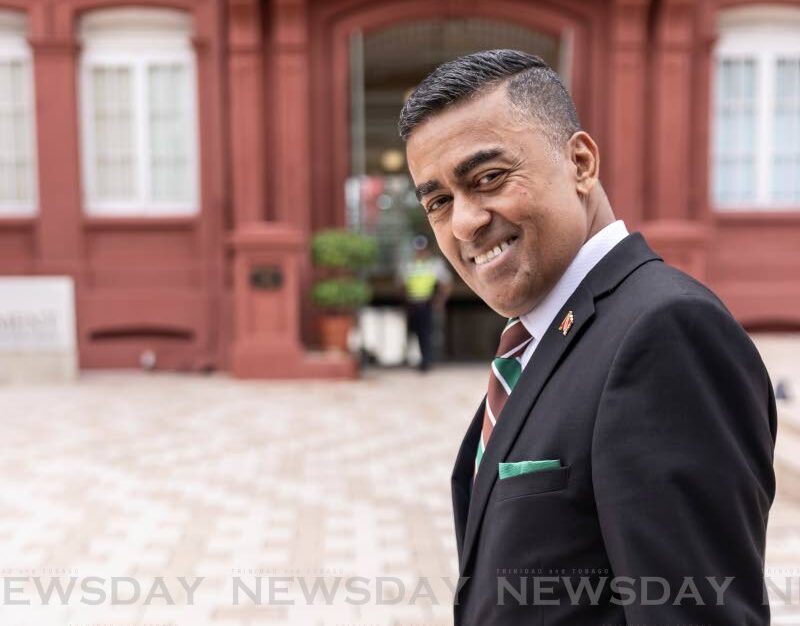
Tancoo calls on banks to absorb asset levy
Finance Minister Davendranath Tancoo has reassured the public that the newly introduced 0.25% asset levy on commercial banks and insurance companies, effective January 1, 2026, will not adversely affect customers. Speaking at the ICATT conference held at the Hyatt Regency in Port of Spain, Tancoo emphasized the importance of the Central Bank’s role in ensuring that financial institutions absorb the levy without passing additional costs onto consumers. He highlighted that the combined asset base of commercial banks and insurance companies exceeds $230 billion, and the levy is expected to generate approximately $5 billion annually from banks and $75 million from insurance companies. Tancoo also addressed concerns raised by critics regarding the lack of safeguards to prevent cost transfer to customers, stating that the Central Bank would maintain strict oversight. Additionally, he outlined the government’s strategy to reduce the budget deficit by enhancing the efficiency of the Board of Inland Revenue (BIR) and Customs and Excise, aiming to curb tax evasion and improve revenue streams.
-
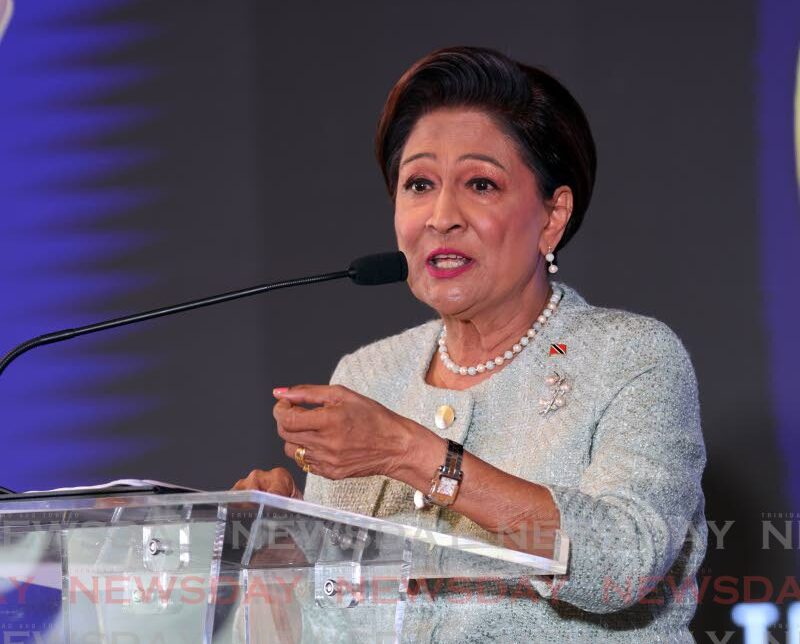
PM distances government from Aboud’s US visa revocation
Prime Minister Kamla Persad-Bissessar of Trinidad and Tobago has firmly denied any involvement by her administration in the revocation of activist Gary Aboud’s US visa. She emphasized that such decisions are solely within the jurisdiction of the US government and its embassy. Persad-Bissessar stated, ‘The Government of the Republic of Trinidad and Tobago has absolutely no involvement in the decisions or actions taken by the Government of the United States or the US Embassy in Trinidad and Tobago regarding their visa or immigration policies. Any concerns or requests for clarification must be directed to the appropriate US authorities.’
In addition, the Prime Minister refuted claims that her government is silencing non-governmental organizations (NGOs) in Trinidad and Tobago, labeling Aboud’s assertions as ‘reckless, misleading, and risks causing unnecessary fear.’ She reaffirmed her commitment to upholding democratic principles, stating, ‘I categorically state that there has never been – and will never be – any attempt by my Government to intimidate, punish, or suppress the voices of civil society.’
Persad-Bissessar also reiterated her support for US military actions in the Caribbean, aimed at combating transnational criminal activities such as narco-trafficking, human trafficking, and gun running. She blamed these criminal networks for the unprecedented levels of violence and suffering in the region. ‘My Government firmly supports the United States and our international partners in their mission to combat transnational trafficking and dismantle criminal networks that prey on our citizens,’ she said.
The Prime Minister highlighted the positive impact of US military assets in reducing the flow of illegal weapons and drugs into Trinidad and Tobago. ‘Their partnership is welcomed, and their results are evident. My Government remains committed to strengthening regional security, protecting our citizens, and working alongside international partners – including the United States – to ensure that peace, safety, and the rule of law prevail in TT,’ she concluded.
Gary Aboud, the corporate secretary of Fisherman and Friends of the Sea (FFOS), claimed that his US visa was revoked due to his criticism of US missile strikes in the Caribbean over the past two and a half months. He received the revocation notice via email on November 20, citing ‘new information’ that had come to the attention of US authorities.
-
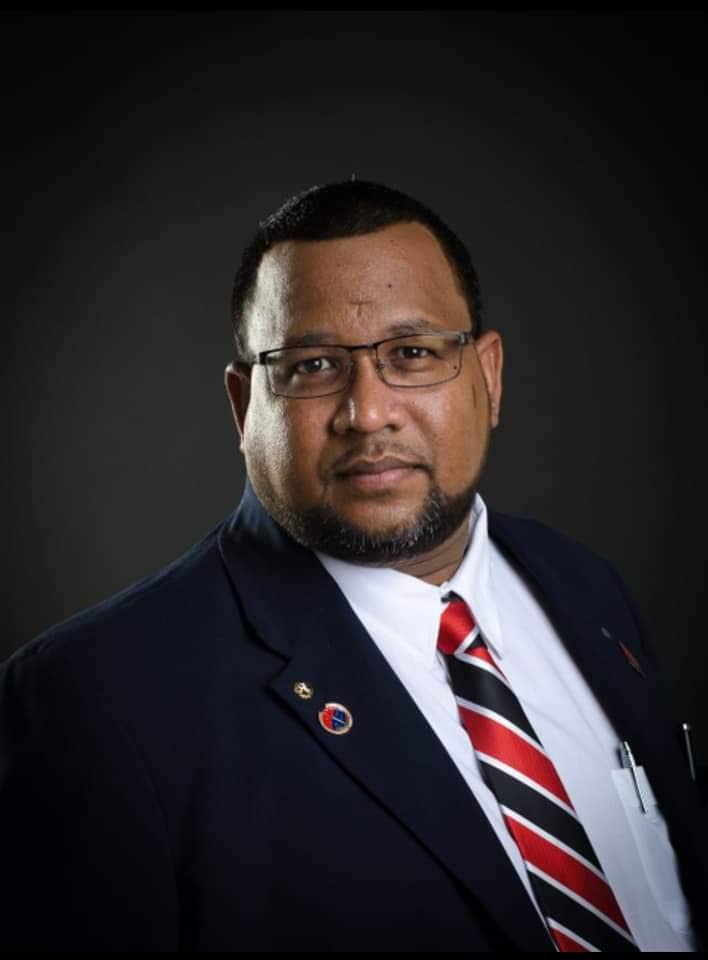
Damien Adams storms into Pan-Am MMA semi-final
Trinidad and Tobago (TT) athletes have made significant strides at the 2025 International Mixed Martial Arts Federation (IMMAF) Pan-Americana Championship in Monterrey, Mexico. Damien Adams secured a swift victory in the men’s featherweight (65.8 kg) category, defeating El Salvador’s Gabriel Barrera via submission with 47 seconds remaining in the first round. Adams’ dominant performance earned him a spot in the semi-finals, scheduled for November 21. Joining him is Joshua James, who will compete in the men’s super lightweight (74.8 kg) semi-final against Mexico’s Luis Angel Rodriguez Dominguez. Meanwhile, Michael Serrette has already advanced to the super heavyweight final, awaiting the winner of an all-Mexico semi-final clash. The TT delegation, led by national coach Keron Bourne and TTMMAF president Jason Fraser, continues to showcase the country’s growing prowess in mixed martial arts. This year marks TT’s sixth consecutive appearance at the championship, a testament to their dedication despite financial challenges. Fraser emphasized the need for private-sector support to sustain youth development programs, urging corporations to invest in athletes from disadvantaged backgrounds. The championship, featuring 17 nations, is part of IMMAF’s global series of tournaments, highlighting the sport’s expanding reach and impact.
-
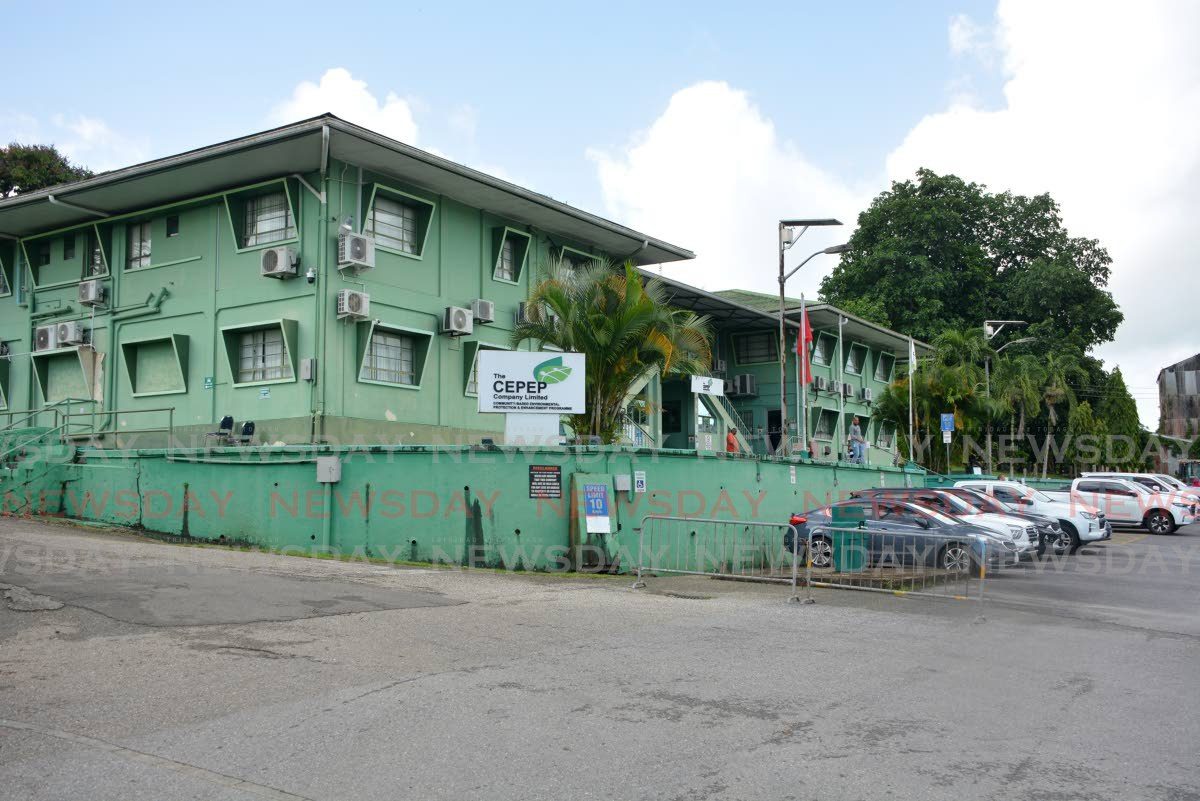
Cepep contractor suffers defeat as court upholds stay of ‘termination’ lawsuit
The Court of Appeal has affirmed a stay of proceedings in a legal challenge initiated by Eastman Enterprises Ltd, a former contractor of Cepep Company Ltd, regarding the termination of over 300 contracts shortly after the April 28 general election. However, the appellate court overturned the High Court’s directive to refer the matter to the Director of Public Prosecutions (DPP). In a written ruling delivered on November 21, Justices Peter Rajkumar, James Aboud, and Ricky Rahim emphasized that Eastman was obligated to adhere to the contract’s alternative dispute resolution (ADR) procedures before pursuing litigation. The court found that the ADR mechanisms were sufficiently detailed and enforceable, rendering the lawsuit premature. Justice Rajkumar, who authored the decision, noted that while the Arbitration Act allows for court intervention in urgent cases, such relief should be sought within the arbitration framework agreed upon by the parties. He criticized Eastman for bypassing the ADR process entirely, stating that the trial judge’s decision to stay the claim was justified. The court also deemed the referral to the DPP as ‘premature and plainly wrong,’ citing incomplete and untested evidence. Eastman, which supplied 29 laborers to Cepep, argued that the termination caused significant hardship to both the company and its workers. Cepep, however, maintained that the contracts were terminated under a clause permitting such action without cause. The case is one of two legal challenges filed against Cepep’s decision to cancel 336 extended contracts, with the other initiated by PNM MP Stuart Young, SC, seeking judicial review against the Cabinet and Cepep’s leadership.
-

Windies coach Daren Sammy: We never wrote off Roach
West Indies head coach Daren Sammy has emphasized that veteran fast bowler Kemar Roach was never excluded from the team’s long-term plans, despite earlier suggestions of a transition to younger players. Roach, 37, has been recalled to the 15-man squad for the upcoming three-match Test series against New Zealand, scheduled from December 1 to 21. His inclusion comes as a result of injuries to key bowlers Alzarri Joseph and Shamar Joseph, who are sidelined for the remainder of the year. Roach, who made his Test debut in 2008, boasts an impressive record of 284 wickets in 85 Tests, placing him fifth among West Indies’ all-time leading wicket-takers in the format. Sammy highlighted Roach’s experience and leadership as crucial assets for the team, particularly in New Zealand’s challenging conditions. The squad also features uncapped Jamaican pacer Ojay Shields, whose raw pace adds variety to the attack. Despite earlier comments from Cricket West Indies director Miles Bascombe about planning for future World Test Championships, Sammy clarified that Roach remained a viable option. The West Indies are currently struggling in the white-ball segment of their New Zealand tour, having lost the T20 series 3-1 and trailing 2-0 in the ODI series. Sammy expressed optimism about the Test series, citing the team’s preparation and the return of middle-order batsman Kavem Hodge, who has previously excelled in similar conditions. The squad will play a warm-up match in Christchurch before the first Test begins on December 1.
-
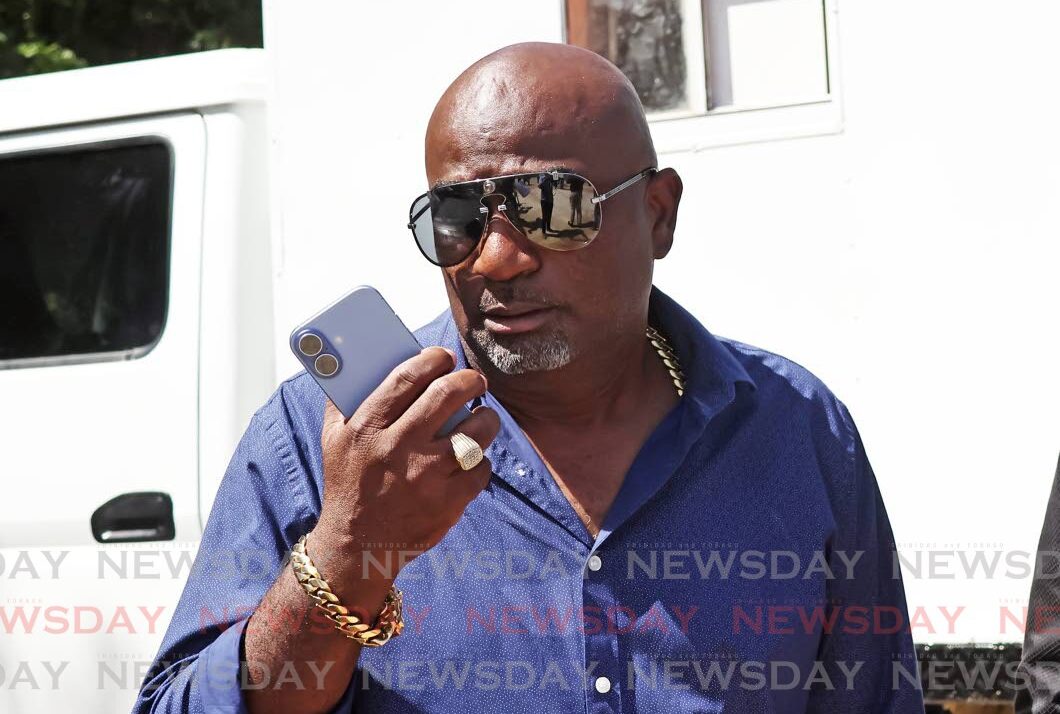
SoE order: contractor Danny Guerra leads gang plotting minister’s assassination
Prominent businessman Danny Guerra has been detained under a state of emergency order issued by Homeland Security Minister Roger Alexander on November 19. The detention, executed by the Special Investigations Unit on November 20, alleges Guerra’s involvement in leading an organized crime group engaged in arms trafficking, money laundering, and illegal quarrying. The order cites an imminent threat to public safety, including an alleged plot to assassinate a government minister. Guerra’s group is accused of possessing high-powered firearms and planning escalated attacks against rival gangs in public spaces. He was taken to the Eastern Correctional Rehabilitation Centre in Arouca, and his son was also detained under a preventive order. Guerra, manager of D Guerra Ltd and owner of several companies under the D Guerra Group of Companies, along with his son Garvin Guerra and 16 others, were previously charged on October 11 for unlawful processing of aggregate without a license. They were granted $50,000 bail each. The arrests followed a major police operation on October 9, which shut down an illegal quarry in Manuel Congo, Guanapo, and seized a multimillion-dollar processing plant and heavy machinery. Intelligence reports have linked Guerra’s group to a credible assassination plot against Defence Minister Wayne Sturge, who has faced multiple security threats since his appointment in May. The government has heightened security measures, including canceling the Independence Day parade in August due to security concerns. Assistant Commissioner of Police Richard Smith confirmed Guerra’s detention, stating he will likely remain in custody for the full 90 days permitted under the state of emergency. A source close to Guerra claims the detention lacks factual basis and is linked to previous quarry-related charges.
-

5% + 5% wage offer to PSA official?
In a recent letter to the editor, Arthur Dash raised concerns over the proposed ten per cent salary increase for public servants in Trinidad and Tobago. Dash claims that there is no official statement from the government confirming that the increase would be evenly split as five per cent for each negotiating period. He argues that the only sources mentioning this split are union representatives from the Public Services Association (PSA) and media reports that seem to be echoing the PSA’s claims. Dash suggests that, given the country’s fiscal constraints, a more prudent approach might be to apply the full ten per cent increase in the final year of the negotiating period or to structure the bulk of the increase in the later years. Despite his concerns, the PSA continues to insist on the “five per cent each period” structure, and the media frequently repeats this claim as if it were officially confirmed. Dash acknowledges the possibility that he may have overlooked an official statement and invites anyone with relevant information to come forward. However, he suspects that no such statement exists and warns that the PSA might face an unpleasant surprise when formal negotiations begin.
-
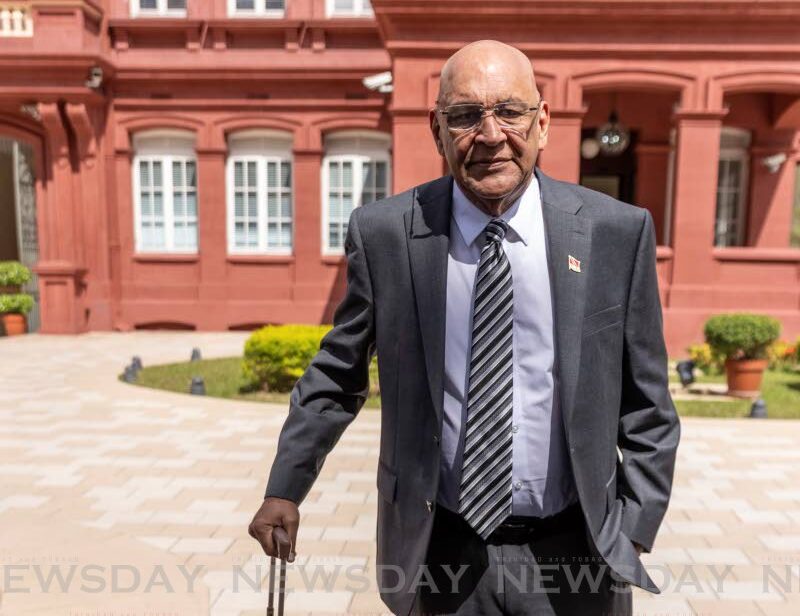
Trade Minister: Venezuela a potential gold mine once issues settled
Despite escalating diplomatic tensions between Trinidad and Tobago (TT) and Venezuela due to TT’s support for US military actions against Venezuelan narco-terrorists and traffickers, Trade, Investment, and Tourism Minister Satyakama Maharaj has identified Venezuela as a potential ‘gold mine’ for trade and investment. Speaking at the Institute of Chartered Accountants’ (ICATT) annual international finance and accounting conference in Port of Spain, Maharaj emphasized that Venezuela represents a vast, untapped market for TT manufacturers, provided its socio-political and geopolitical challenges are resolved. He expressed confidence that TT could swiftly capitalize on this opportunity, potentially launching trade missions immediately. Maharaj also highlighted TT’s economic diversification efforts, aiming to increase non-energy exports from 30% to 50% within five years, citing the decline of the oil and gas boom as a driving factor. He acknowledged challenges in coordinating with the fragmented private sector but revealed plans to unify various chambers and organizations under a single private sector entity. Additionally, Maharaj praised Prime Minister Kamla Persad-Bissessar for her relentless lobbying efforts, which led to the US reversing a 15% tariff on TT’s ammonia, urea, and methanol exports. This reversal, achieved through high-level diplomatic engagements, has been hailed as a significant win for TT’s economy.
-

Lydians present De Chile Faddah on December 13 and 14
This December, The Lydian Singers, a renowned choir, will captivate audiences with their 2025 Christmas musical production, ‘De Chile Faddah – The Nativity: Joseph’s Story.’ Scheduled for December 13 and 14 at Queen’s Hall in Port of Spain, this production offers a bold and moving perspective on the birth of Christ, seen through the eyes of Joseph in a contemporary Trinidad and Tobago setting. Written by Bernard Shepherd SC, ‘De Chile Faddah’ breathes new life into the familiar nativity story with a uniquely Caribbean voice. It delves into Joseph’s emotional and spiritual journey as he embraces his role as the father of a child not biologically his. The production features original music, inspiring choral performances, and powerful storytelling, blending cultural authenticity with timeless themes of love, faith, and fatherhood. Directed by the acclaimed Davlin Thomas, the show boasts a stellar cast, including Kareem Forde as Joseph, Curtis Gross as Nick, Antonio Modeste as Gabriel, and Uchena Mayers as Mary, with cameo appearances by Jean, Dina, Rosita, and Clementina. Audiences can also look forward to stirring dance performances by the North West Laventille Cultural Movement. ‘De Chile Faddah’ is more than just a Christmas concert; it’s a heartfelt celebration of hope, responsibility, and divine purpose, brought to life through the music and drama that only The Lydians can deliver. Showtimes are 7 pm on December 13 and 6 pm on December 14. Tickets are available from Lydian Members, at the Queen’s Hall Box Office, online at IslandE tickets and Queen’s Hall online platform, or by reservation via messaging at 253-7464.