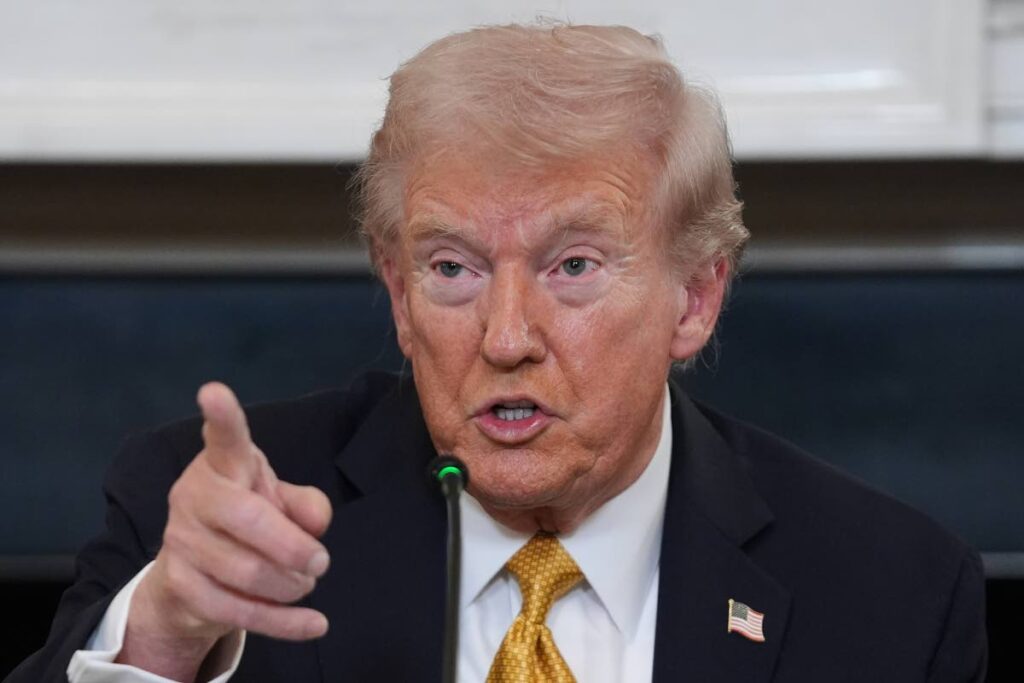
In a series of bold and controversial moves, US President Donald Trump has unveiled an expansionist agenda that has sparked widespread debate and concern across the Americas. Trump’s initial statement about taking over Iceland, Canada, and Mexico was followed by the symbolic renaming of the Gulf of Mexico to the Gulf of America, a move that many interpret as a clear indication of his intentions for the region.
标签: Trinidad and Tobago
特立尼达和多巴哥
-

Let babies, elderly win
In a heartfelt letter to the editor of Newsday, community advocate Vanessa La Fon Kallo from El Socorro expressed deep frustration over the persistent issue of noise pollution caused by fireworks. Kallo emphasized the need for a noise-free environment that respects all creeds, races, and vulnerable groups, including the elderly, infants, and animals. She called for concrete action by banning the importation of all fireworks, arguing that such measures would provide much-needed relief to those adversely affected by the loud disturbances. Kallo’s plea highlights the broader societal impact of fireworks, which often disrupt the peace and well-being of communities, particularly during holidays. Her letter underscores the importance of prioritizing the needs of the most vulnerable in public policy decisions.
-

Alexander gets balance wrong
During the October 22 session of the Standing Finance Committee, Homeland Security Minister Roger Alexander repeatedly invoked ‘national security interests’ to avoid answering questions, raising concerns about transparency and accountability. This approach, while not unprecedented, reached new heights as Alexander dismissed inquiries on topics ranging from police vehicle leasing to minor equipment purchases, labeling them as state secrets. For instance, when MP Keith Scotland questioned the use of drones detailed in the budget, Alexander accused him of revealing ‘national security information.’ Similarly, a $2.5 million allocation for a new unit was deemed ‘operative and covert,’ with Alexander refusing further discussion. This pattern of deflection drew criticism from opposition MPs, who accused the minister of overusing national security as a shield. The situation highlighted Alexander’s struggle to balance operational security with parliamentary accountability, a challenge exacerbated by his recent additional responsibility for prisons in the Prime Minister’s portfolio reshuffle. Critics argue that Alexander, a former TV host and controversial police officer, appears more adept at the operational aspects of security policy than navigating the complexities of parliamentary scrutiny. The PNM’s criticism of Alexander’s lack of transparency also drew scrutiny, given their own history of invoking secrecy during their tenure. The episode underscores the need for greater clarity and oversight in how national security concerns are addressed in parliamentary proceedings.
-
Ex-AG Ramlogan: There was precedent for CJ’s appointment
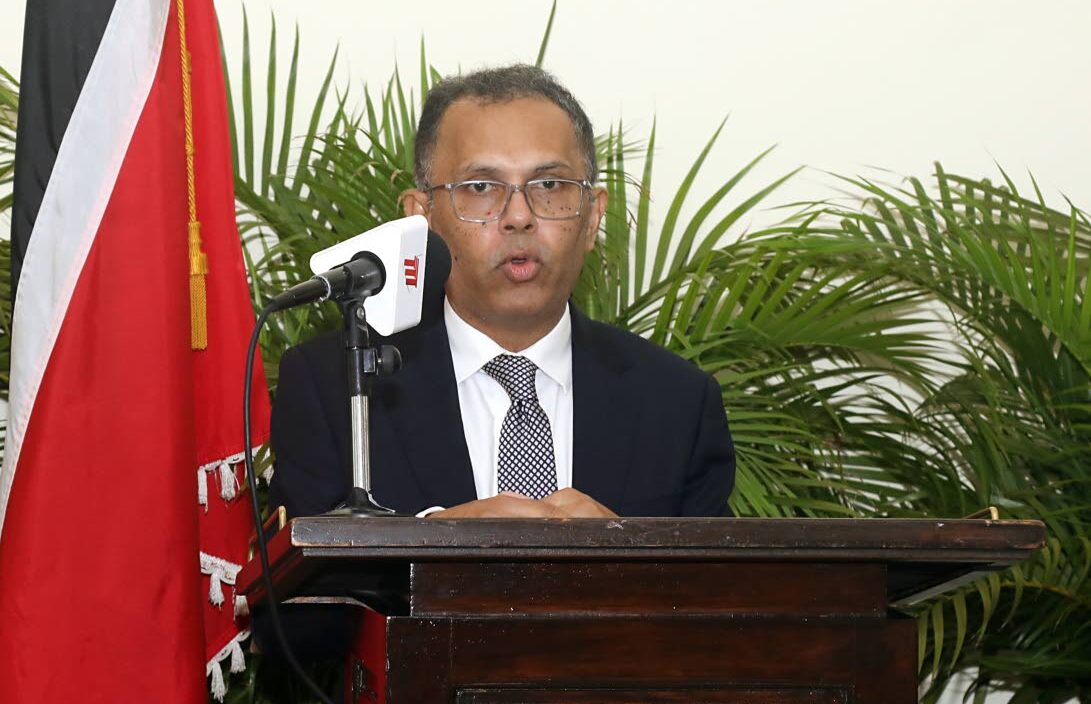
Trinidad and Tobago’s judicial landscape witnessed a significant transition as Justice Ronnie Boodoosingh was sworn in as the nation’s ninth Chief Justice on October 22 at President’s House in St. Ann’s. The ceremony, attended by key dignitaries, marked a pivotal moment in the country’s legal history. Former Attorney General Anand Ramlogan, SC, lauded the appointment, describing Boodoosingh as a jurist with “unimpeachable credentials” whose leadership is expected to bolster public trust in the judiciary. In a statement issued on October 24, Ramlogan emphasized Boodoosingh’s extensive experience in both criminal and civil law, praising his integrity and dedication. He also commended acting President Wade Mark for swiftly filling the vacancy left by the resignation of former Chief Justice Ivor Archie on October 22, averting potential instability in the judiciary. Addressing concerns over the expedited consultation process, Ramlogan cited historical precedents, including the 2015 appointment of Alvin Hilaire as Central Bank governor, to justify the urgency. He argued that Archie’s prior retirement announcement provided ample time for deliberation, dismissing opposition claims of inadequate consultation as unfounded. Ramlogan asserted that the appointment was both lawful and constitutionally sound, referencing past executive actions upheld by the Privy Council. Legal experts noted that while the appointment process could face constitutional challenges, such claims would not overturn the decision but might result in a judicial declaration. Boodoosingh’s tenure is anticipated to uphold the continuity and integrity of judicial leadership in Trinidad and Tobago.
-

‘Rebuilding’ Trinidad and Tobago women select squad for friendly with ‘Reggae Girlz’
The Trinidad and Tobago Football Association (TTFA) has unveiled a 24-member squad for the upcoming friendly match against Jamaica’s Reggae Girlz on October 28 at the Ato Boldon Stadium in Couva. This encounter serves as a vital preparatory step for the 2025/26 Concacaf Women’s Qualifiers, which kick off next month. Trinidad and Tobago, placed in Group F alongside Barbados, El Salvador, and Honduras, will begin their qualifying campaign against Barbados on November 30. The squad, announced on October 24, features a mix of seasoned veterans and promising young talents, including overseas-based players Kedie Johnson and Maria-Frances Serrant. Notable inclusions are forward Kennya Cordner, defenders Karyn Forbes and Victoria Swift, and the dynamic Naomie Guerra. The team also boasts emerging stars like Kaitlyn Darwent and Nikita Gosine, alongside the attacking trio of Alexcia Ali, Afiyah Cornwall, and Aaliyah Prince. Goalkeeping duties will be contested by Nicolette Craig, Keri Myers, and Tenesha Palmer. The team’s preparation has been marred by challenges, including the sudden resignation of former head coach Angus Eve just three weeks after his September 30 appointment. His departure, confirmed by a TTFA official on October 21, has left the team under the interim guidance of coaches Damian Briggs and Densill Theobald. Briggs emphasized the team’s focus on rebuilding and fostering unity, stating, ‘We are in a rebuild stage with a blend of experienced and young players. Our immediate goal is the Jamaica friendly, after which we’ll reflect and improve for the qualifiers.’ The match against Jamaica, coached by Hubert Busby, will be a significant test for the TT women, who have recently played practice games against local youth teams, including a dominant 7-1 victory over St Mary’s College Under-14s. As the team gears up for the Concacaf qualifiers, questions remain about potential additional friendlies before their November 30 clash with Barbados. The qualifiers will culminate in the 2026 Concacaf Women’s Championship, which serves as a pathway to the 2027 FIFA Women’s World Cup and the 2028 Olympics.
-

Stop the fireworks madness
The recent Divali celebrations in Trinidad descended into chaos as neighborhoods were transformed into what residents described as a ‘war zone.’ Fireworks exploded incessantly throughout the night, causing widespread distress among families, pets, and wildlife. Many reported their dogs trembling in fear, while others struggled to calm their terrified animals. The aftermath saw social media platforms flooded with posts about missing pets and complaints about the reckless use of fireworks. This stark contrast to the peaceful Independence Day celebrations, which followed a temporary fireworks ban, has left many disheartened. Residents had hoped for a permanent shift toward safer, more responsible festivities, but instead, the situation has worsened. Beyond the noise, fireworks have caused environmental harm, air and water pollution, and heightened anxiety among citizens, particularly during a weekend already fraught with tension due to US Embassy warnings. Amid a state of emergency, such activities should be prohibited. The author, Sharon Burford, urges the government to take decisive action by permanently banning the public sale of fireworks. She advocates for alternative celebrations, such as drone light shows, which are safer, environmentally friendly, and equally spectacular. Burford emphasizes the need for a government that prioritizes public well-being over the profits of fireworks vendors and calls for a future where holidays are free from fear and destruction.
-
Box drain politics
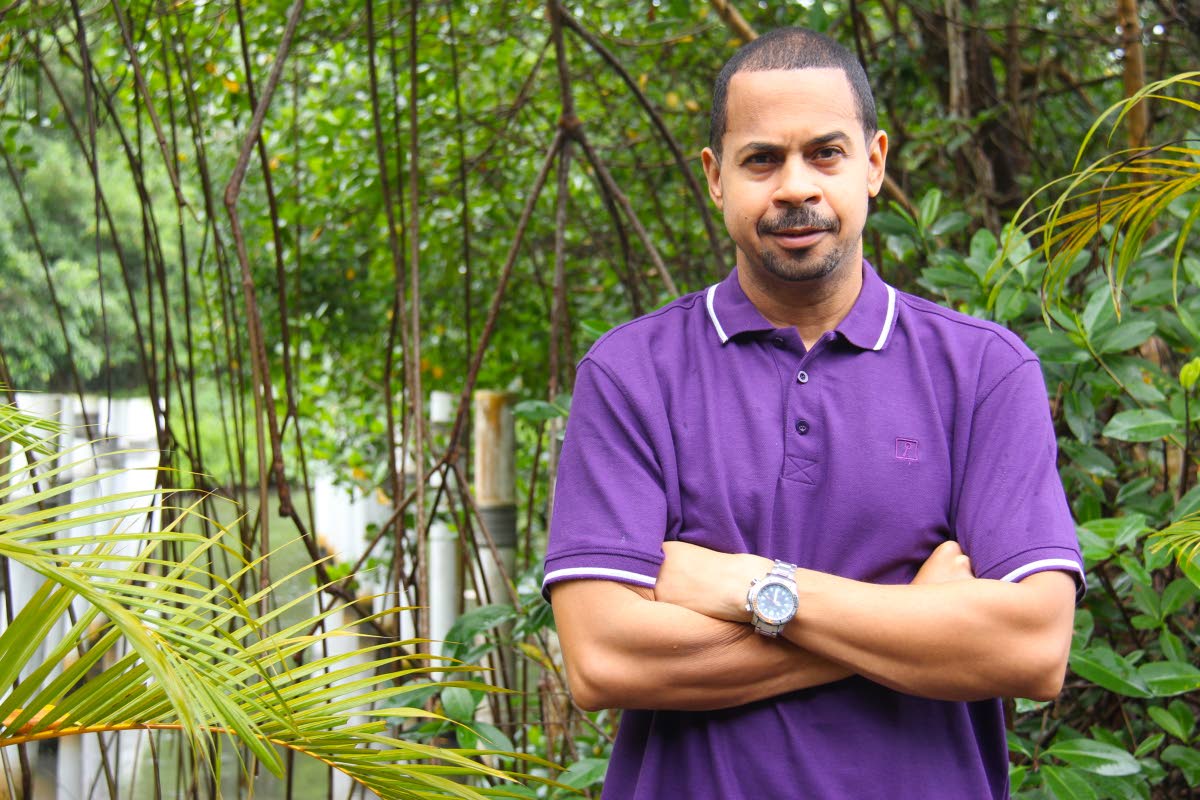
In Trinidad and Tobago, cronyism and nepotism have long been pervasive issues, deeply embedded in both the private and public sectors. The practice of leveraging personal connections to secure opportunities has become a defining characteristic of the nation’s professional and political landscape. This ‘contactocracy,’ as it is often termed, perpetuates a cycle where governance and societal progress are hindered by favoritism rather than meritocracy. A recent revelation by Legal Affairs Minister Saddam Hosein has brought this issue to the forefront. Hosein disclosed that a well-known blogger received payments exceeding $3.3 million between 2017 and 2025 through a company registered in her name. Despite the company’s claim of ‘over 25 years of experience in communications and media consultancy,’ it had only been operational for three weeks when it was awarded the contract by the Ministry of Finance in 2017. The blogger defended her eligibility, asserting her competence as a digital marketing strategist. While government contracts with private entities are not inherently problematic, the lack of transparency and merit-based selection processes raises significant concerns. The absence of a verifiable digital footprint for the work allegedly performed further fuels skepticism. This case underscores a broader issue: the prioritization of connections over qualifications in state contracts. Such practices not only erode public trust but also perpetuate inefficiencies and inequities in governance. The narrative of ‘eat-ah-food’—a colloquial term for benefiting from state resources—often overshadows legitimate contributions, as seen in the author’s own experiences. Despite delivering impactful campaigns for state organizations like Cepep and the Ministry of Health, the author faced accusations of cronyism when appointed to the EMA board. This highlights the politicization of public service and the need for systemic reform to ensure fairness and accountability in governance.
-

Government to decide on SoE extension soon
Homeland Security Minister Roger Alexander has announced plans to convene with state security officials to deliberate on whether the current State of Emergency (SoE) should be extended beyond its October 28 expiration date. The SoE, initially declared on July 18, was prompted by intelligence from Police Commissioner Allister Guevarro, who revealed that organized criminal gangs were plotting widespread violence, including murders, robberies, and kidnappings. On the same day, Guevarro oversaw the relocation of gang leaders from the Maximum Security Prison in Arouca to military and Coast Guard facilities to sever their communication networks and disrupt their operations. Parliament subsequently extended the SoE for three months on July 29. Speaking at a cancer screening clinic in Tunapuna on October 24, Alexander emphasized that any decision to extend the SoE would be strategic, contingent on whether the government’s objectives had been met. He noted that discussions with relevant stakeholders were essential before a final decision could be made, though no specific timeline for these talks has been set. Meanwhile, Commissioner Guevarro, in an August 11 interview, stated that the immediate threat had been neutralized but acknowledged ongoing efforts to dismantle the criminal networks responsible. The public awaits further updates as the government weighs its next steps.
-
PNM MPs: Opposition doing its job at SFC
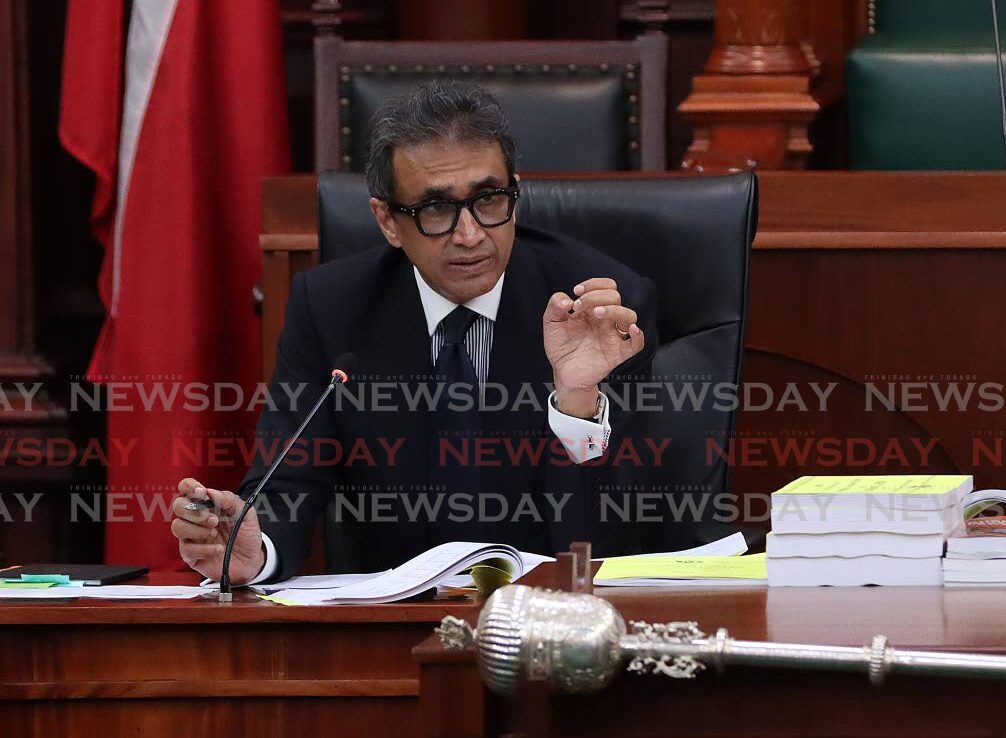
The Standing Finance Committee of Trinidad and Tobago’s House of Representatives witnessed intense disagreements during its budget deliberations on October 21 and 22, as opposition and government members clashed over time management and the handling of inquiries. Speaker Jagdeo Singh opened the October 22 session by acknowledging the committee’s poor performance the previous day, particularly in managing time effectively. Singh emphasized the need for a balanced approach, urging both sides to collaborate and streamline the process. He suggested that some questions could be addressed in writing to save time, citing Opposition Leader Pennelope Beckles’s earlier request for written responses as an example. Leader of Government Business Barry Padarath defended the government, placing the blame squarely on the opposition for the delays and inefficiencies. However, Opposition Chief Whip Marvin Gonzales and Port of Spain North/St Ann’s West MP Stuart Young countered, accusing the government of evading questions and failing to provide clear answers. Young described the government’s responses as a ‘boldface refusal’ to address critical issues. Despite the tension, Singh called for a conciliatory spirit moving forward, and Gonzales pledged the opposition’s commitment to completing the budget review within the allotted five days. The committee approved expenditures for several public bodies without incident, but the heated exchanges underscored the deep political divide. The budget deliberations are set to conclude by October 25, with both sides vowing to continue their respective approaches.
-

Fireworks disturbance Divali night
A recent letter to the editor has highlighted the growing distress caused by the excessive use of fireworks during the Divali celebrations on October 20. The author, Aarti Gosine, expressed deep disappointment over the disruption, which turned what should have been a peaceful and joyous religious event into a night of chaos and fear. The loud explosions not only terrified animals, causing some to flee, get injured, or even die, but also severely affected vulnerable members of the community, including the elderly and those with health conditions. The noise was so intense that it was likened to the sound of wartime bombs, making the situation unbearable for many. Gosine called for immediate action through stricter enforcement, legislative review, or community awareness campaigns to ensure that future celebrations are conducted with respect and consideration for all. She urged the editor to use their influence to address this issue and take meaningful steps to protect both people and animals in the community.