标签: Trinidad and Tobago

特立尼达和多巴哥

  • Flow employees support Jamaica with relief drive

    Flow employees support Jamaica with relief drive

    In the aftermath of Hurricane Melissa’s devastation in Jamaica, employees of Flow Trinidad have demonstrated remarkable solidarity through the company’s annual Corporate Social Responsibility (CSR) initiative, Mission Week. This year’s efforts focused on collecting and donating essential supplies to aid affected colleagues, families, and communities across the island.

    Mission Week, a cornerstone of Flow’s CSR strategy, is designed to foster collective action around four key pillars: Learning, Environment, Access, and Disaster Relief. The initiative underscores the company’s commitment to the communities where its employees live and work, emphasizing the importance of making a tangible, positive impact.

    Yolande Agard-Simmons, Flow’s Senior Manager of Communications, highlighted the initiative’s significance, stating, ‘Our employees have once again shown that compassion is a driving force within our organization. This donation effort was entirely employee-led, reflecting our deep connection to the people of Jamaica and our unwavering commitment to stand with communities in their time of greatest need.’

    The donation drive, which took place at Flow’s Trincity head office, resulted in hundreds of cases of water, toilet paper, and hygiene products being collected, sorted, and packed for shipment to Jamaica. Employees described the experience as one filled with ‘gratitude, appreciation, and thanks.’

    In addition to the material donations, four senior technicians from Flow Trinidad volunteered to travel to Jamaica for a month-long deployment to assist with network restoration efforts. Their expertise will be invaluable in rebuilding critical infrastructure and restoring connectivity to affected areas.

    This initiative not only reflects Flow’s dedication to corporate social responsibility but also serves as a powerful reminder of the strength of collective action in times of crisis.

  • Hadco Ltd commits to investing in local brands

    Hadco Ltd commits to investing in local brands

    In a significant move to bolster local manufacturing, Hadco Ltd has reaffirmed its dedication to distributing, supporting, and investing in homegrown brands. This commitment was formalized during a Memorandum of Understanding (MoU) signing ceremony held on November 10 at Eyescream Animation, a local advertising agency. The event underscored Hadco’s ongoing partnerships with prominent local companies such as Halfmoon Ice Cream, Creamery Ice Cream, Novelties & Yogurt, Fresh Start Juices, Farm and Function, Adam’s Sauces, and Amare Probiotics. These brands have earned widespread recognition for their innovation, quality, and authenticity. Marc Clarke, Hadco’s marketing manager, emphasized the company’s unwavering support for local enterprises, stating, ‘At Hadco, we take great pride in being a champion for local innovation. Our commitment extends beyond distribution; it’s about investing in and nurturing brands that embody the creativity and entrepreneurial spirit of Trinidad and Tobago.’ Dale Parson, president of the Trinidad and Tobago Manufacturers’ Association (TTMA), praised Hadco’s leadership in strengthening the local manufacturing sector, noting its role in providing critical distribution, marketing, and business development support. Marcus Sun Kow, managing director of Fresh Start Juices, expressed optimism about the renewed partnership, highlighting opportunities for growth and expanded production. Anastasia Pickering, brand manager for Creamery Ice Cream, Novelties and Yogurt, also emphasized the importance of Hadco’s investment in promoting locally made products. Hadco’s recommitment marks a pivotal step in empowering local producers, fostering innovation, and enhancing confidence in Trinidad and Tobago’s manufacturing potential.

  • Defence Force pip QPCC to men’s indoor hockey title

    Defence Force pip QPCC to men’s indoor hockey title

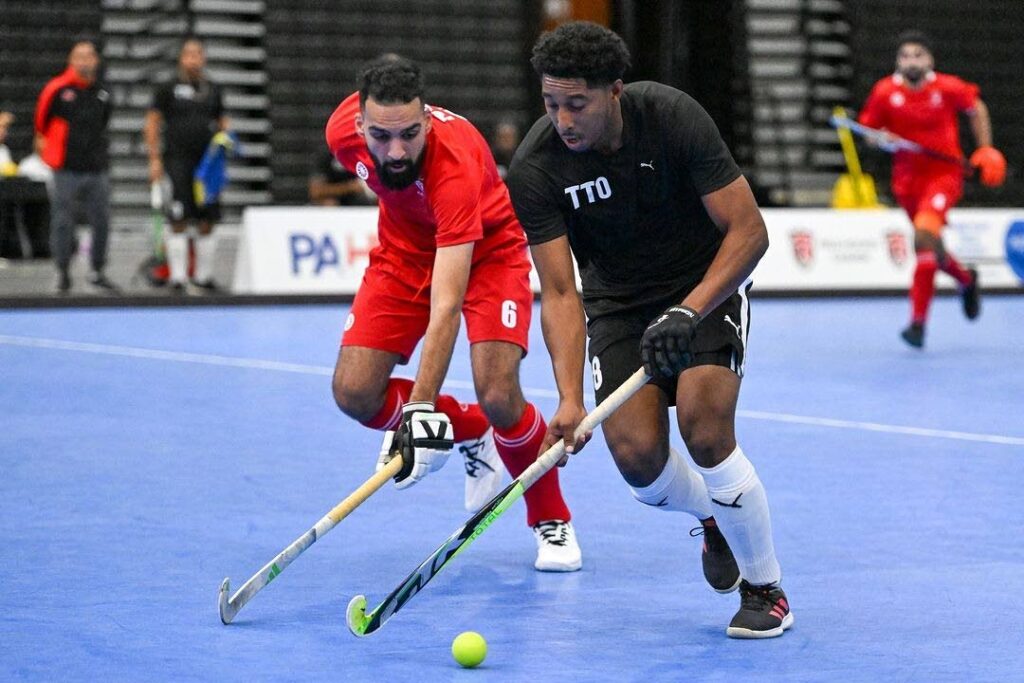
    In a thrilling conclusion to the TT Hockey Board’s (TTHB) National Indoor tournament, Defence Force emerged victorious in a nail-biting shootout against Queen’s Park Cricket Club (QPCC) in the men’s open division final. The match, held at the Woodbrook Youth Facility on November 22, was a spectacle of skill, determination, and high drama. Defence Force secured the title after a marathon shootout that saw ten shots, with national player Mickel Pierre delivering the decisive goal past goalkeeper Reiza Hosein. The game had ended regulation time tied at 5-5, setting the stage for the intense shootout. Defence Force had initially dominated, racing to a 4-0 lead by the 18th minute, thanks to goals from David Coker, Sheldon De Lisle, Tarrell Singh, and Shaquille Daniel. However, QPCC fought back valiantly, with Jordan Vieira leading the charge. Vieira’s two late goals, including his 29th of the division, tied the game and forced the shootout. Despite Vieira’s heroics, Defence Force’s Zeon Hamilton and Hosein proved formidable in goal, ultimately sealing the win for their team. This victory avenged Defence Force’s loss to QPCC in the men’s knockout final on November 16. In other tournament action, Police claimed third place in the men’s open division with a commanding 10-4 win over Paragon, while QPCC triumphed in the mixed vets final with a 7-5 victory over Police, powered by Shawn Lee Quay’s four-goal performance. Notre Dame dominated the men’s Trinity division final, with Nicholas Whiteman scoring six goals in a 10-4 win over SHAPE, and Magnolia secured the women’s Trinity division title with a 5-1 victory over Police, thanks to Natania Rowe’s brace.

  • Not going back to the colonial era

    Not going back to the colonial era

    A troubling trend is emerging in Trinidad and Tobago (TT), raising alarms about the erosion of cultural freedoms and social progress. Recent government actions, including restrictions on cultural events, inconsistent handling of national celebrations, and curbs on public expression, have drawn sharp criticism. These measures are seen not as steps toward modern governance but as a concerning echo of the oppressive tactics employed during slavery and colonial rule. Cultural traditions such as Carnival, Canboulay, stick-fighting, and pan music were born out of resistance to oppression, symbolizing the fight for joy and freedom. When governments begin to limit or selectively approve such expressions, it strikes at the core of TT’s historical struggle for identity and equality. Compounding these cultural concerns are harsh economic retrenchments, cuts to youth programs, and a lack of transparent communication from national leaders. Families face economic uncertainty, while young people grapple with violence, unemployment, and mental health challenges. The withdrawal of social development initiatives and the restriction of cultural expression create an environment of frustration and hopelessness. A nation cannot claim progress while dismantling the pillars that unite its people—culture, youth development, and fairness. These decisions are not ordinary; they carry the weight of history and memory. TT has fought too long for its identity and cultural respect to allow any administration, intentionally or not, to undermine these hard-won gains. The message is clear: TT will not return to an era of oppression—not quietly, not blindly, not ever.

  • Sleeping priest awakened and robbed

    Sleeping priest awakened and robbed

    In the wake of a recent robbery at St Benedict’s RC Church in La Romaine, Trinidad and Tobago, Fr Jayson Grell has pointed to a deterioration in family values as a significant factor contributing to the surge in crime. The incident, which occurred on November 24, involved the robbery of Fr Derek Anton, 69, and a 22-year-old security guard. The criminals, dressed in dark clothing and masks, tied up both victims and ransacked the church premises, making off with cash and personal belongings. This event is part of a troubling pattern of crimes targeting clergy members in the region. Fr Grell emphasized the need for societal introspection and collective action to address the root causes of such crimes, stressing the importance of parental involvement in children’s upbringing and the reinforcement of gospel values. The Archdiocese of Port of Spain has confirmed the incident and is cooperating with the police investigation, urging prayers for the victims and all those affected by crime.

  • Jorsling: Army must find a way to Champions Cup

    Jorsling: Army must find a way to Champions Cup

    Defence Force’s interim coach, Devorn Jorsling, emphasized the importance of securing a positive result in the first leg of the Concacaf Caribbean Cup third-place playoff against Cibao FC from the Dominican Republic. The match, scheduled for November 25 at the Hasely Crawford Stadium in Mucurapo, holds significant stakes, as the winner will secure a spot in the 2026 Concacaf Champions Cup. The Caribbean Cup finalists, Mount Pleasant Football Academy and Universidad O&M FC, have already qualified for the Champions Cup and will play their first leg on the same day. The return legs for both the third-place playoff and the final are set for December 2. Defence Force, coming off a 5-1 defeat against Mount Pleasant in the semifinals’ first leg, showed resilience by winning the second leg 1-0. Jorsling acknowledged the need for a strategic shift in their approach, stating, ‘We’re not going to park the bus, but the approach will be different.’ He reiterated the team’s primary goal of qualifying for the Concacaf Champions Cup, a target that remains achievable. Veteran defender Sheldon Bateau, who joined the team in September, highlighted the challenges of adapting to local football after a decade in Europe. He expressed his commitment to mentoring younger players and elevating the team’s performance. The 21-man squad includes notable players like Kevin Molino, Kevon Goddard, and Shaquille Bertrand, who will be crucial in their quest for victory.

  • Amputations: A national crisis in Trinidad and Tobago

    Amputations: A national crisis in Trinidad and Tobago

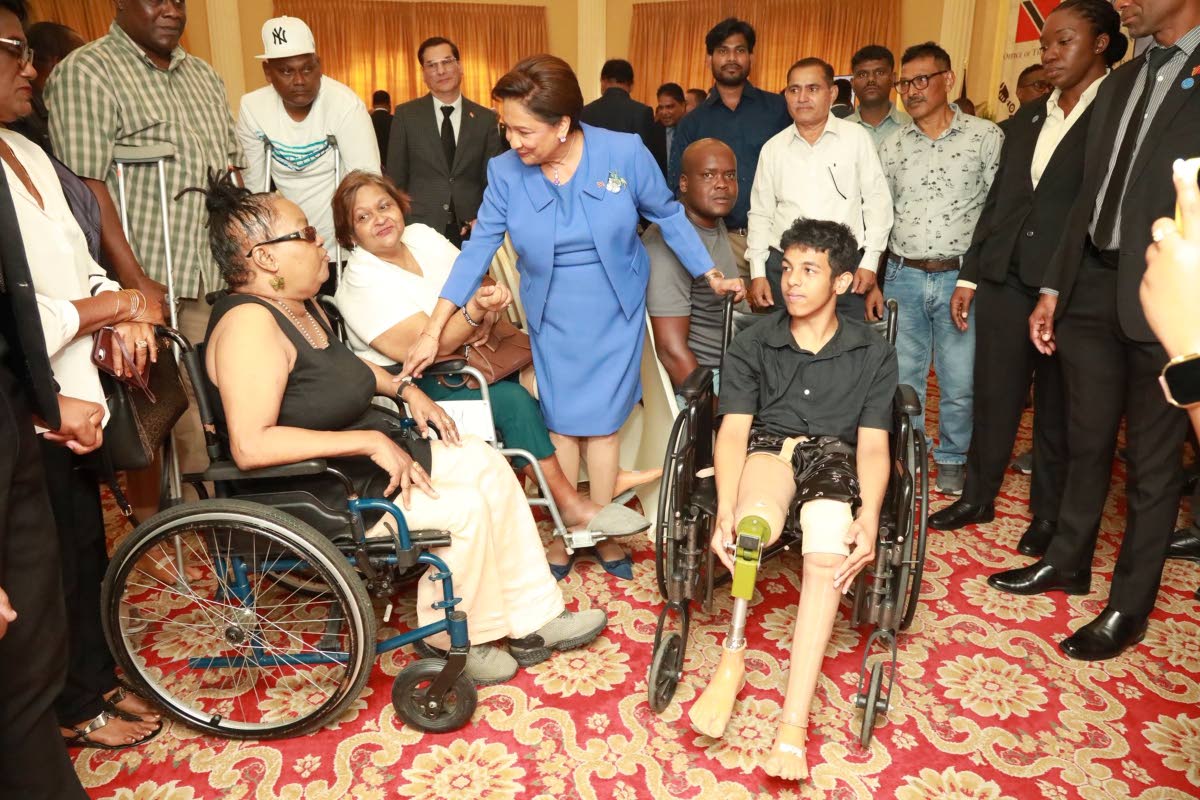
    Trinidad and Tobago is confronting a growing health crisis characterized by a sharp increase in amputations, primarily driven by diabetes and vascular disease. Dr. Lemuel Pran, a consultant vascular surgeon and lecturer at the University of the West Indies (UWI), revealed that approximately 400 amputations are performed annually, based on a comprehensive study conducted between 2019 and 2023 across regional health authorities. Dr. Pran, who specializes in carotid surgery and diabetic foot management, described the situation as urgent and deeply concerning, emphasizing that the rate of amputations is alarmingly high compared to both regional and international benchmarks. The leading causes of amputations are infections in diabetic patients, accounting for 80% of cases, followed by vascular disease, trauma, and limb cancers. Delayed medical intervention, exacerbated by the use of home remedies and lifestyle factors such as poor diet and lack of exercise, significantly contribute to the crisis. Dr. Pran called for a multi-level approach to address the issue, stressing the need for improved public awareness, early detection, and better access to healthcare services. He also highlighted the challenges faced by amputees, including limited access to prosthetics and the emotional toll of losing a limb. In a positive development, Prime Minister Kamla Persad-Bissessar announced the establishment of an artificial limb center in Trinidad and Tobago, supported by India, which aims to provide prosthetic limbs to over 800 individuals. Dr. Pran urged citizens to prioritize their health, seek timely medical care, and pay attention to foot health to prevent complications.

  • Army whip Cibao 3-0, near Concacaf Champions Cup berth

    Army whip Cibao 3-0, near Concacaf Champions Cup berth

    In a commanding display of skill and strategy, Defence Force FC triumphed over Cibao FC with a decisive 3-0 victory in the first leg of the Concacaf Caribbean Cup third-place playoff. The match, held on November 25 at the Hasely Crawford Stadium in Mucurapo, saw Defence Force’s seasoned players, Sheldon Bateau and captain Kevin Molino, lead the charge. This win positions the Trinidadian club favorably as they aim to secure a spot in the 2026 Concacaf Champions Cup. The return leg is scheduled for December 2 in Santiago de los Caballeros, Dominican Republic, where Cibao FC will attempt to overturn the deficit. The game was marked by contentious refereeing decisions, including a disallowed goal for Cibao in stoppage time, which added to the visitors’ frustrations. Defence Force’s goalkeeper, Isaiah Williams, delivered a stellar performance, ensuring a clean sheet with several crucial saves. The team’s tactical approach, leveraging deep midfield passes and clinical finishing, proved effective against Cibao’s defense. Molino’s leadership was evident as he contributed both a penalty goal and an assist, while Bateau’s early header set the tone for the match. Despite Cibao’s efforts, Defence Force’s defensive solidity and efficient midfield play ensured their dominance throughout the game.

  • Not goingback to thecolonial era

    Not goingback to thecolonial era

    In Trinidad and Tobago (TT), a troubling trend is emerging, one that echoes the oppressive tactics of slavery and colonial rule. Recent restrictions on cultural events, inconsistent treatment of national celebrations, and the tightening of public expression are raising alarms. These measures are not indicative of modern governance but rather a regression to control mechanisms of the past. Carnival, Canboulay, stick-fighting, and pan—cultural traditions born out of resistance to oppression—are now under threat. These practices were created by people who were denied the right to celebrate, participate, and claim joy. When governments begin to limit, zone, or selectively approve cultural expression, they touch the deepest part of our history, where our ancestors fought for the right to exist openly. Alongside these cultural restrictions, harsh economic retrenchments, cuts to youth programs, and a lack of communication from national leadership are exacerbating the situation. Thousands of families are facing economic uncertainty, and young people, already grappling with violence, mental strain, unemployment, and social pressure, are losing the support systems designed to help them. The government’s withdrawal from social development, closure of youth spaces, and restrictions on cultural expression are creating a climate of frustration, hopelessness, and division. A nation cannot claim to be moving forward while dismantling the pillars that hold its people together. Culture, youth development, and fairness are lifelines, and all three are now under threat. These decisions are not ordinary; they carry weight and memory. TT has fought too long and too hard to reclaim its identity, expression, and equal cultural respect for any administration to erode it, intentionally or not. We must resist this regression, not quietly, not blindly, but with determination and resolve.

  • Let’s clean up country

    Let’s clean up country

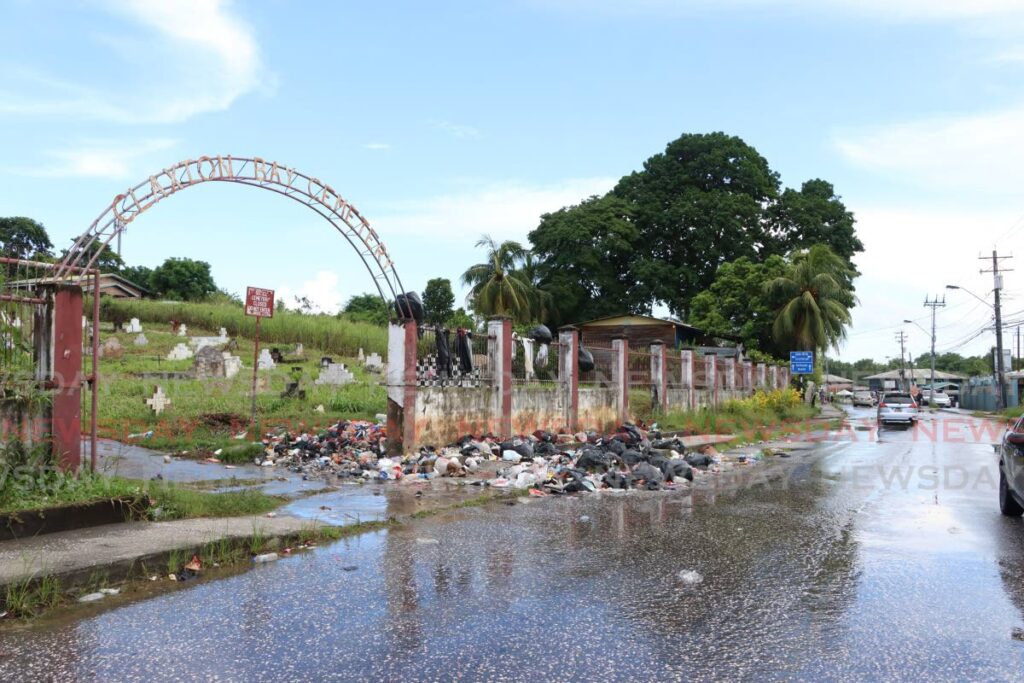
    In a compelling letter to the editor, Arthur Dash has issued an urgent appeal to the Minister of Environment, urging the immediate launch of a comprehensive nationwide clean-up campaign. Dash highlights the alarming state of the country’s roadways, which are littered with discarded vehicles, tires, barrels, and various forms of waste. This pervasive neglect, he argues, sends a troubling message about the nation’s commitment to environmental stewardship and public health.

    Dash emphasizes that this initiative must be prioritized to demonstrate the country’s dedication to health and well-being, both domestically and internationally. He calls for the ministry to mobilize a broad coalition of stakeholders, including religious, cultural, sporting, and business organizations, to collaborate on this critical effort. The campaign, he suggests, should commence without delay, ideally before the Christmas and Carnival seasons, to maximize its impact and visibility.

    Furthermore, Dash underscores the importance of involving local government authorities and professional entities to ensure the campaign’s success. He frames this initiative as a ‘people’s mandate,’ a collective endeavor that reflects the nation’s shared responsibility for its environment. Concluding his letter, Dash asserts that such a clean-up campaign would be the most meaningful gift to the nation, eagerly anticipated by its citizens.

    The letter, signed by Paras Ramoutar from Caparo, serves as a poignant reminder of the pressing need for environmental action and the collective effort required to achieve it.