标签: Trinidad and Tobago

特立尼达和多巴哥

  • Don’t scold citizens, Alexander

    Don’t scold citizens, Alexander

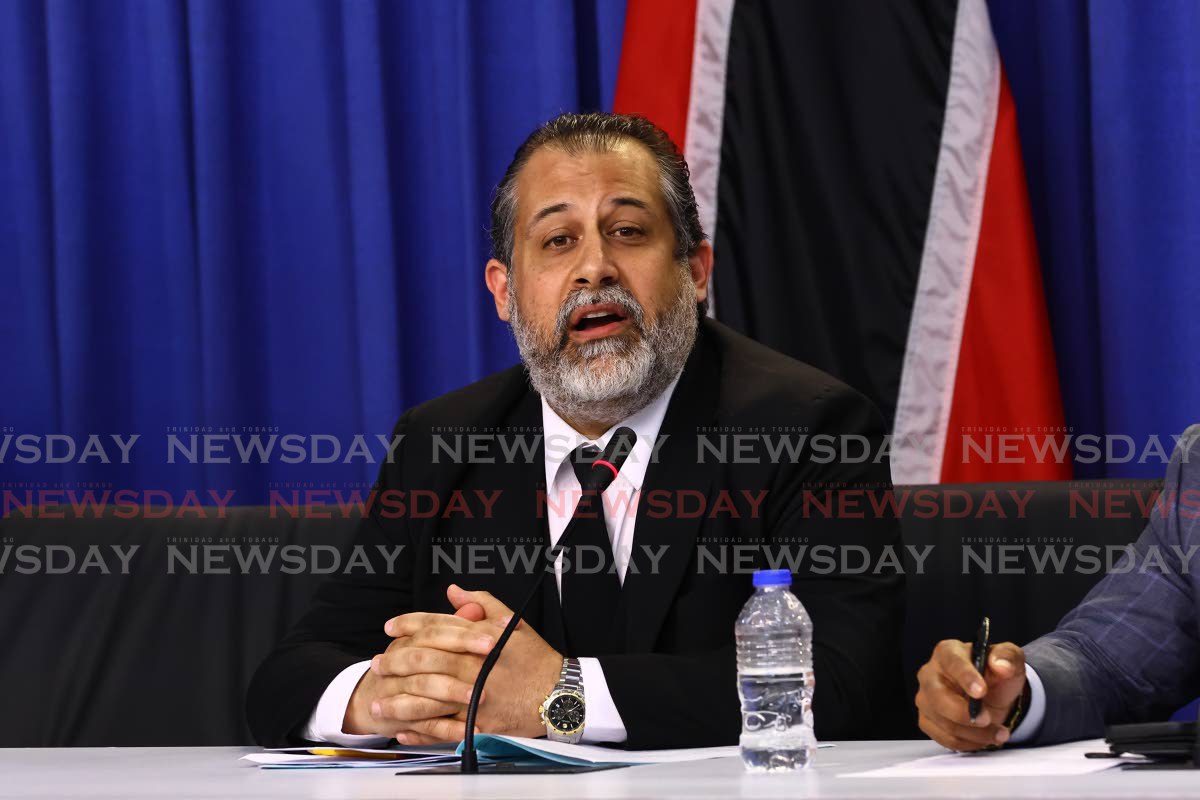
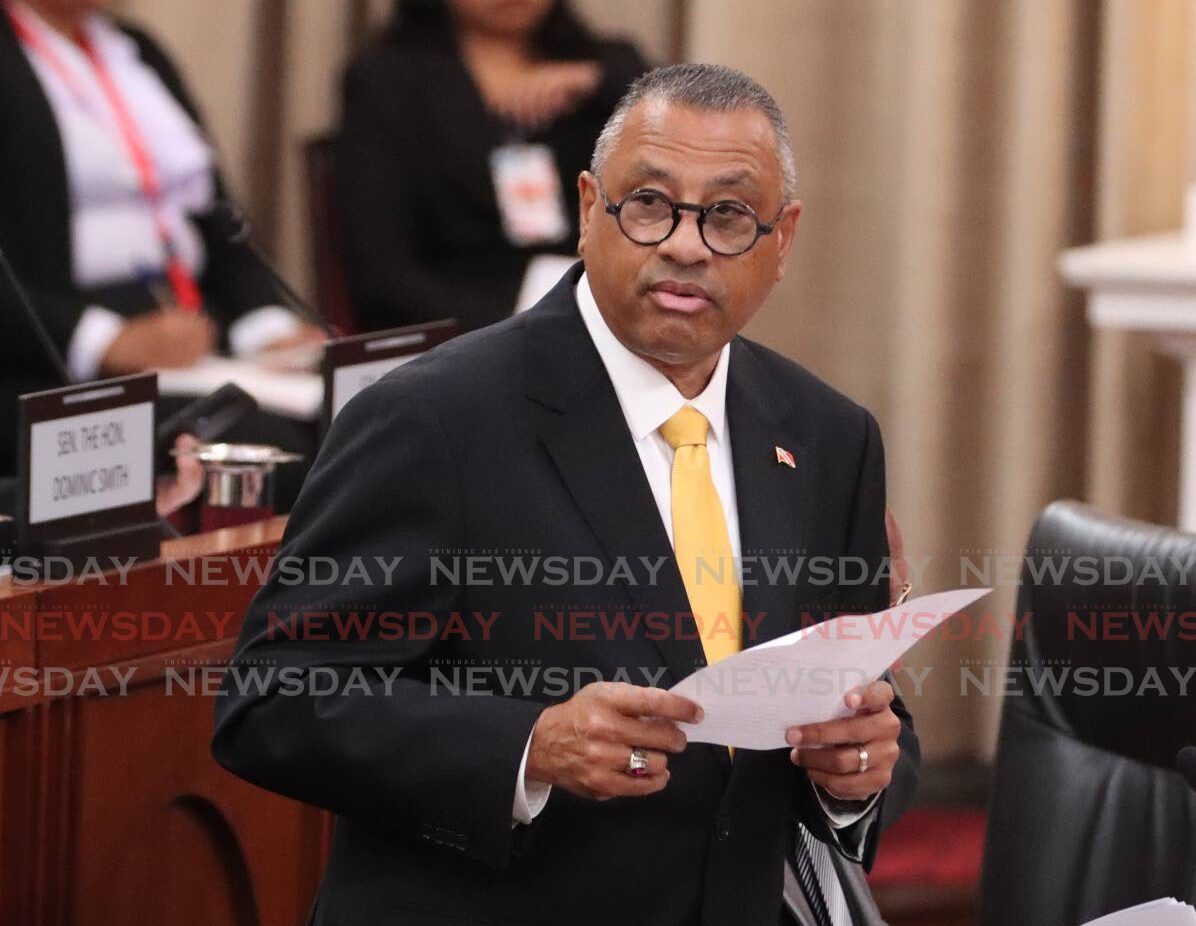
    In a striking display of political irony, Homeland Security Minister Roger Alexander has drawn sharp criticism for his recent admonishment of citizens and media outlets utilizing social platforms for information gathering regarding national affairs. The minister’s reprimand appears particularly contradictory given his own government’s extensive reliance on these very channels for official communications.

    The controversy stems from Alexander’s expressed frustration with the public’s growing dependence on digital platforms to stay informed about Trinidad and Tobago’s current socio-political climate. Critics argue this stance ignores the fundamental reality that citizens have turned to alternative information sources precisely due to the government’s inadequate official communication strategies.

    This situation grows more paradoxical when examining the political history of Alexander’s United National Congress (UNC) party. During their time in opposition, the UNC actively leveraged social media influencers to disseminate narratives targeting various institutions including the judiciary, previous administration, law enforcement, and private sector entities. Now holding governing power, the party confronts the amplified consequences of these very tactics they once employed.

    The UNC maintains the most substantial social media footprint among Trinidad and Tobago’s political organizations, with countless supporters daily amplifying party messages. Notably, significant governmental announcements—including the recent budget date revelation—frequently debut on UNC-affiliated digital platforms before appearing on official ministry channels. Even Prime Ministerial decisions, such as the prohibition of Carnival celebrations at state-owned venues, have been communicated primarily through social media.

    Commentator Nigel Seenathsingh of San Fernando emphasizes that responsible social media regulation requires public consultation rather than ministerial reproach. While acknowledging current challenges with digital discourse, including cyberbullying and hate speech, he invokes Albert Einstein’s wisdom that problems cannot be resolved using the same mindset that created them. The solution, he suggests, lies in collaborative efforts to establish fair usage guidelines rather than chastising citizens for embracing communication channels the government itself actively employs.

  • Magnificent roasts

    Magnificent roasts

    In the realm of comfort food, few dishes rival the divine flavor and heartwarming appeal of expertly roasted meats. Culinary expert Wendy Rahamut presents a masterclass in transforming simple ingredients into extraordinary culinary experiences through traditional roasting techniques that yield crispy, well-browned perfection.

    Pot roasting emerges as an exceptional method for enhancing less tender cuts of beef. Through slow cooking and braising in aromatic marinades, even tougher meats transform into flavorful, tender masterpieces. These roasts not only serve as perfect main courses but also create exceptional leftovers for sandwiches.

    Wendy’s comprehensive guide details three distinct roasting approaches:

    Beef Pot Roast Preparation:
    A 3½-4 lb prime rump undergoes overnight marination in a sophisticated blend of minced garlic, olive oil, fresh thyme, black pepper, red wine vinegar, Dijon mustard, and red wine. The cooking process involves careful browning, slow roasting at 350°F with periodic basting using beef or chicken stock, and precise temperature monitoring to achieve ideal doneness.

    Garlic-Infused Leg of Lamb:
    A 4 lb bone-in leg of lamb receives an intense marinade of Dijon mustard, minced garlic, red wine vinegar, cracked black pepper, fresh rosemary, and olive oil. After overnight marination, the roast cooks at 375°F until reaching the optimal internal temperature of 140°F, followed by essential resting before carving.

    Herb-Roasted Chicken Technique:
    A 4 lb chicken undergoes meticulous preparation with a paste of chopped chives, garlic, olive oil, red wine vinegar, thyme, and black pepper. The bird marinates overnight before roasting at 375°F with continuous basting, resulting in exceptionally juicy meat with perfectly crisp skin.

    Each recipe emphasizes the importance of marination time, temperature control, proper resting periods, and sauce preparation techniques that transform pan drippings into flavorful accompaniments. These methods demonstrate how traditional cooking approaches can produce restaurant-quality results in home kitchens, celebrating the timeless appeal of roasted meats as both culinary centerpieces and versatile ingredients for subsequent meals.

  • Swaratsingh: TT will hear soon where $$$ to pay PSA workers will come from

    Swaratsingh: TT will hear soon where $$$ to pay PSA workers will come from

    The Trinidad and Tobago government confronts a significant fiscal challenge as it seeks sources for $3.8 billion required to fulfill back pay obligations to public servants. This financial commitment follows the recent settlement between the Public Services Association (PSA) and the Chief Personnel Officer (CPO) regarding a ten percent salary increase promised during the April general election campaign.

    Dr. Kennedy Swaratsingh, Minister of Planning, Economic Affairs and Development, indicated that funding details would emerge “soon enough” when briefly addressing reporters outside the Red House on November 28. The agreement, reached on November 27, structures the increase across a five-year period with one percent annually from 2014 to 2018 and five percent in 2019.

    The settlement is projected to increase recurrent government expenditure by $420 million annually. CPO Dr. Daryl Dindial confirmed plans to formalize the agreement through a memorandum of understanding with PSA representatives on December 1, followed by expedited Cabinet ratification potentially as early as December 4.

    Opposition Chief Whip Marvin Gonzales expressed cautious optimism about the settlement while emphasizing the need for transparency regarding funding mechanisms. Meanwhile, former finance minister Colm Imbert raised concerns about potential ripple effects, warning that similar demands from other unions could escalate the state’s financial burden to approximately $20 billion in back pay and $2 billion in additional annual expenditure.

    Minister in the Ministry of Public Utilities Clyde Elder cautioned against renegotiation attempts from other unions, noting that organizations that previously accepted four percent settlements should not expect retroactive adjustments based on the PSA’s outcome. Elder highlighted the PSA’s particular struggles during previous administrations and deferred payment timing decisions to Finance Minister Davendranath Tancoo.

  • Boyd shines but TT lose to Canada in Fiba 3×3 AmeriCup

    Boyd shines but TT lose to Canada in Fiba 3×3 AmeriCup

    In a thrilling display of 3×3 basketball prowess, Trinidad and Tobago’s national team delivered a spirited performance against Canada during their opening Group C match at the 2025 FIBA 3×3 AmeriCup in León, Mexico on November 28. Despite a spectacular individual effort from star guard Ahkeel “Smally” Boyd, the Caribbean squad ultimately succumbed to a 21-16 defeat against their North American opponents.

    The game commenced with Boyd establishing immediate dominance, single-handedly scoring Trinidad and Tobago’s first five points. The dynamic guard initiated the scoring with a crafty layup before stepping beyond the arc to sink a dramatic two-point shot, granting his team an early 3-0 advantage. However, Canada’s Jerome Derosiers shifted the momentum with a crucial jumper that propelled his team to a 5-4 lead—an advantage they would maintain throughout the remainder of the contest.

    Boyd’s exceptional performance culminated in a game-high ten points, including three impressive shots from deep range. His final long-distance conversion brought Trinidad and Tobago within striking distance at 18-16 with just over one minute remaining in the fast-paced ten-minute encounter. Despite this late surge, Canada’s experienced players demonstrated composure under pressure. Steve Sir connected on a critical jumper to extend the lead to 20-16, before Grant Audu sealed the victory with an uncontested layup following precise ball movement from Derosiers.

    Supplementary scoring for Trinidad and Tobago came from center Tyrik Singh with three points, while Boyd’s brother Ahkeem “Fato” Boyd contributed two points to the team’s total.

    The tournament journey began promisingly for the Trinidadian squad during the qualification phase, where they secured three consecutive victories. Their campaign commenced with a dominant 21-7 triumph over St Kitts and Nevis, followed by a hard-fought 21-18 win against Uruguay, and concluded with a default victory against Bahamas. The Boyd brothers were instrumental in these successes, combining for 17 points in the opener against St Kitts and 15 points in the crucial matchup against Uruguay.

    Following the Canada match, Trinidad and Tobago prepared to face Argentina later that evening. The tournament structure mandates that the top two teams from each of the four groups will advance to the quarterfinals scheduled for November 30, with the championship finale set for 8:55 PM that same evening.

  • Ameen: Boundaries should not split communities

    Ameen: Boundaries should not split communities

    In a significant address at Kent House in Maraval on November 28, Minister of Rural Development and Local Government Khadijah Ameen issued clear directives to eleven newly appointed boundary committee members. Emphasizing the critical importance of preserving community integrity, Minister Ameen stressed that municipal boundaries must adhere to natural divisions rather than artificially splitting villages and communities.

    The Minister highlighted substantial disparities in current electoral representation across different regions. Data reveals concerning imbalances where individual councillors represent populations ranging dramatically from 3,800 to over 15,700 citizens depending on their corporation. This variation, according to Ameen, creates fundamental inequities in governance and resource allocation that must be addressed through boundary reform.

    Demographic distribution emerged as another crucial factor in the boundary determination process. Minister Ameen noted that while some municipal areas contain merely 2-4% of the national population, others such as Tunapuna/Piarco account for significantly higher percentages at 17% and 14% respectively. Geographic size variations further complicate the landscape, with municipalities spanning from compact 12 square kilometer areas to expansive 927 square kilometer regions like Sangre Grande.

    The Minister articulated the direct connection between equitable boundary division and fair funding distribution, stating that proportional resource allocation remains impossible without geographic and demographic balance. While expressing confidence in the committee’s ability to fulfill its mandate, Ameen clarified the procedural framework: the committee’s recommendations will proceed to Cabinet, though ultimate authority rests with Parliament regarding municipal boundaries, while the Elections and Boundaries Commission maintains jurisdiction over electoral districts.

    Ameen encouraged committee members to utilize available demographic data and community consultations to inform their decisions, particularly emphasizing the need to create sub-regions based on development priorities where necessary. This approach aligns with the Prime Minister’s longstanding concerns regarding funding disparities resulting from inequitable boundary divisions.

  • Progressive policy on older vehicles

    Progressive policy on older vehicles

    In a significant policy shift, Trinidad and Tobago’s UNC government has implemented sweeping reforms to the nation’s vehicle import regulations, fundamentally altering access to classic, antique, vintage, and foreign-used automobiles. The transformative changes, announced during a November 20 post-Cabinet briefing by Transport and Civil Aviation Minister Eli Zakour, establish a formal classification system for historic vehicles while substantially relaxing age restrictions on imported cars.

    The newly approved regulatory framework introduces three distinct categories for heritage vehicles: ‘classic’ for cars 25 years or older, ‘antique’ for those exceeding 45 years, and ‘vintage’ for exceptional vehicles reaching 95 years of age. This classification system provides legal recognition and road-use authorization for historically significant automobiles that previously operated in a regulatory gray area.

    Concurrently, the Ministry of Trade, Investment and Tourism has dramatically revised import rules for foreign-used vehicles. The permissible age for right-hand-drive private car imports has been extended from three years to under eight years, while light commercial vehicles may now be up to ten years old. These changes directly fulfill campaign promises made in the UNC’s 2025 manifesto to increase vehicle affordability and reverse what the administration characterized as overly restrictive policies under the previous PNM government.

    The economic implications of these reforms are substantial. Global market analyses indicate the classic car industry represents a $32-40 billion market worldwide, with the automotive restoration sector projected to reach nearly $8 billion by the early 2030s, growing at approximately 10% annually. The policy changes position Trinidad and Tobago to participate in this valuable economic ecosystem, potentially generating skilled employment in restoration crafts and heritage mechanics—fields that command significant wage premiums in developed markets.

    Beyond economic considerations, the reforms address practical mobility concerns for citizens by making reliable transportation more accessible. The previous three-year import restriction had priced many Trinidadians out of the vehicle market, particularly affecting middle-income families seeking quality transportation options. The expanded age allowances are expected to improve mobility without compromising vehicle safety or reliability.

    The government’s initiative also creates formal pathways for cultural preservation, enabling the establishment of restoration businesses, enthusiast clubs, and heritage events that celebrate automotive history. This structured approach aligns with international standards for historic vehicle conservation while generating tangible economic opportunities within the heritage sector.

    Transport Minister Zakour emphasized that the previous regulatory vacuum had constrained lawful use of historic vehicles and limited their economic potential. The new framework aims to unlock value both for automotive enthusiasts and ordinary citizens seeking affordable transportation solutions, representing what the administration describes as a balanced approach to regulatory modernization, economic stimulation, and cultural preservation.

  • Dominant Barbados win Super50 Cup final with Pride

    Dominant Barbados win Super50 Cup final with Pride

    In a commanding display of cricketing prowess, Barbados Pride secured the CG United Super50 Cup championship on November 29th, defeating Trinidad and Tobago Red Force by a convincing nine-wicket margin at Tarouba’s Brian Lara Cricket Academy. The final match unfolded as a low-scoring affair that highlighted Barbados’ strategic superiority both with ball and bat.

    TT Red Force, batting first after being put in, suffered a dramatic collapse that saw them dismissed for a modest 168 runs in 42.3 overs. Their innings never gained momentum despite opener Tion Webster’s promising start of 43 runs. The team’s veteran all-rounder Jason Mohammed, playing his final List A match, could only contribute 12 runs in what proved an anticlimactic farewell to his distinguished career spanning 140 one-day matches since 2007.

    Barbados’ bowling attack demonstrated exceptional discipline, with Joshua Bishop emerging as the standout performer claiming 4 wickets for 27 runs. Dominic Drakes provided crucial support with identical figures of 4 wickets for 34 runs, systematically dismantling TT’s batting lineup through consistent line and length bowling.

    The chase became a formality as Barbados openers Kyle Mayers and Leniko Boucher launched an aggressive assault on TT’s bowling. Boucher set the tempo with a brisk 50 runs off 51 deliveries before departing, while Mayers remained unbeaten on 89 runs from just 85 balls, showcasing powerful hitting that included multiple boundaries and sixes. Zachary McCaskie provided steady support with 19 not out as Barbados reached their target of 169 runs in merely 29.3 overs.

    This victory marks Barbados Pride’s first Super50 Cup triumph since 2017, denying TT Red Force captain Joshua Da Silva his first senior title and coach Rayad Emrit his maiden coaching crown. The comprehensive nature of Barbados’ win underscored their tournament dominance and served as a fitting tribute to their strategic preparation and execution throughout the competition.

  • NPATT proud of you young parranderos

    NPATT proud of you young parranderos

    The National Parang Association of Trinidad and Tobago (NPATT) has issued a powerful statement of support for young parang performers following what appears to be public criticism targeting student participants. In a letter published by Newsday, NPATT’s youth officer Joseph Bertrand articulated the organization’s unwavering commitment to youth engagement in this traditional art form.

    NPATT emphasized the vital importance of their Junior Parang Festival initiatives, which include both the National Primary and Secondary Schools Parang Competitions and the recently introduced Tribute to the Icons presentations. These programs are specifically designed to preserve and transmit the complete cultural package of parang—encompassing its musical traditions, linguistic heritage, and underlying values—to younger generations through deliberate and respectful methodology.

    The association expressed concern about commentary that minimizes student efforts or undermines the substantial work undertaken by educational institutions, instructors, mentors, families, and established parang figures. NPATT contends such negative observations conflict with the fundamental principles of community, perseverance, and cultural dignity that parang embodies.

    Addressing young paranderos directly, the organization encouraged continued dedication to their craft, invoking the traditional Spanish phrase ‘con alma y corazón’ (with soul and heart). NPATT positioned these young performers as crucial connectors between the foundational icons who established the tradition and future generations who will inherit it.

    The association pledged ongoing support for youth development within the parang community, vowing to safeguard the art form’s authenticity while fostering an environment where parang can flourish through unity, mutual respect, and joyful expression.

  • PM happy with passage of stand-your-ground bill

    PM happy with passage of stand-your-ground bill

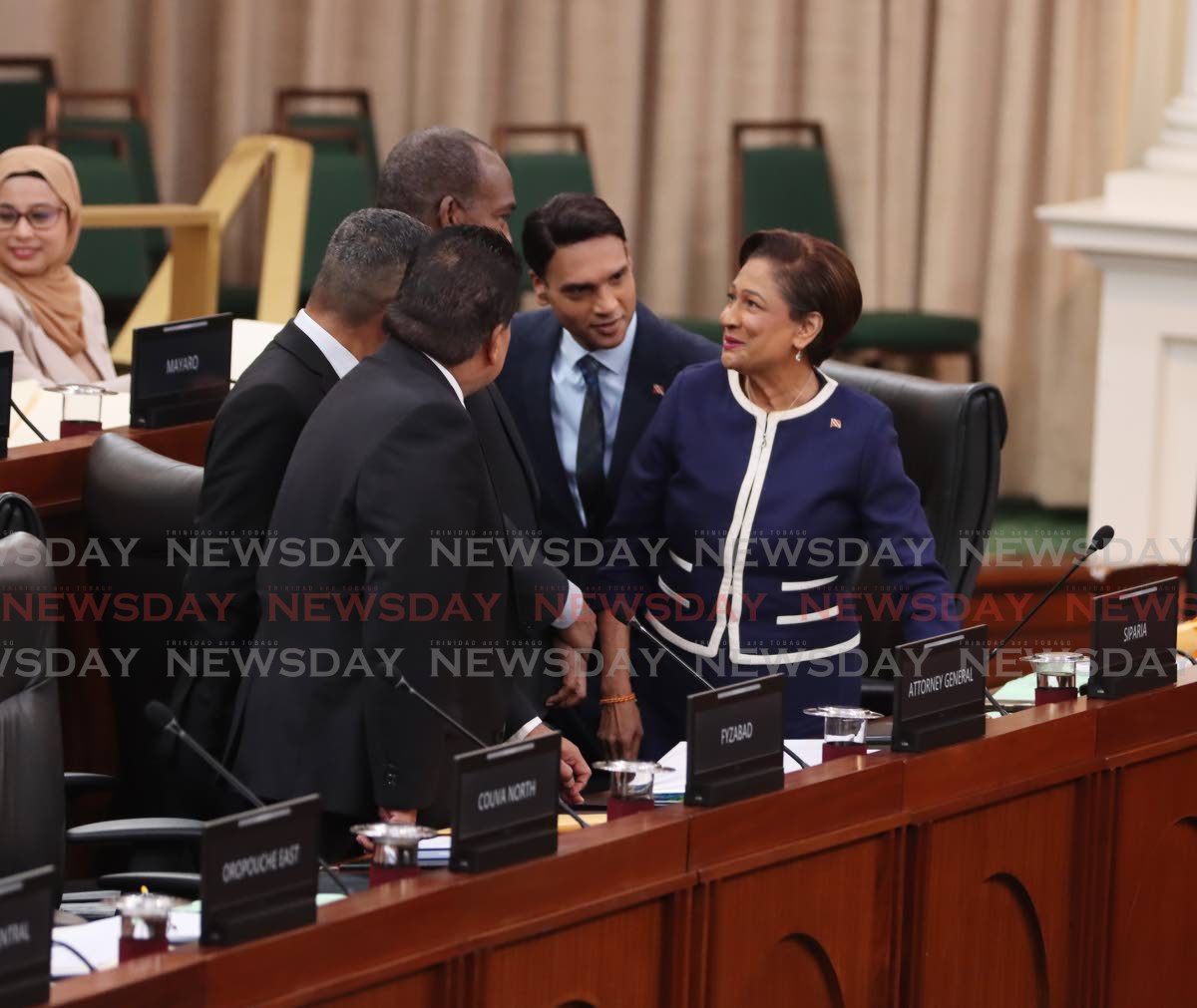
    In a decisive legislative move, Trinidad and Tobago’s House of Representatives has approved the Home Invasion (Self-Defence and Defence of Property) Bill 2025, marking a significant escalation in the nation’s criminal justice policies. Following an extensive nine-hour parliamentary session, the government secured passage with 23 votes in favor, overcoming unified opposition from ten dissenting MPs.

    Spearheaded by Attorney General John Jeremie, the legislation establishes home invasion as a distinct criminal offense carrying severe consequences. Standard convictions now mandate penalties of up to 20 years imprisonment and fines reaching $500,000 TT dollars. The framework incorporates aggravated provisions that elevate punishments to 25 years incarceration and $750,000 fines for perpetrators identified as gang members, organized crime participants, or those committing offenses in the presence of children, seniors, or vulnerable individuals.

    A cornerstone of the legislation eliminates the duty to retreat for homeowners, explicitly authorizing residents to use or threaten force against intruders. The statute further recognizes justified deadly force when residents demonstrate honest belief in imminent threat of death, severe bodily harm, or sexual assault.

    Prime Minister Kamla Persad-Bissessar celebrated the passage on social media platform X, asserting the legislation prioritizes law-abiding citizens’ rights while delivering an unequivocal message that residential violations will not be tolerated. The Prime Minister expressed disappointment that opposition members voted against what she characterized as critical public safety legislation.

    Attorney General Jeremie framed the bill as part of a comprehensive crime reduction strategy, citing alarming statistics showing homicides increased from 420 in 2015 to 624 in 2024, with serious crimes rising from 825 to nearly 1,000 per 100,000 residents. Defense Minister Wayne Sturge emphasized the psychological dimension during debates, stating the legislation aims to instill fear in criminals while empowering homeowners with enhanced self-defense rights.

    The bill now proceeds to the Senate for final legislative approval before becoming law.

  • Rumours of war and kinetic strikes

    Rumours of war and kinetic strikes

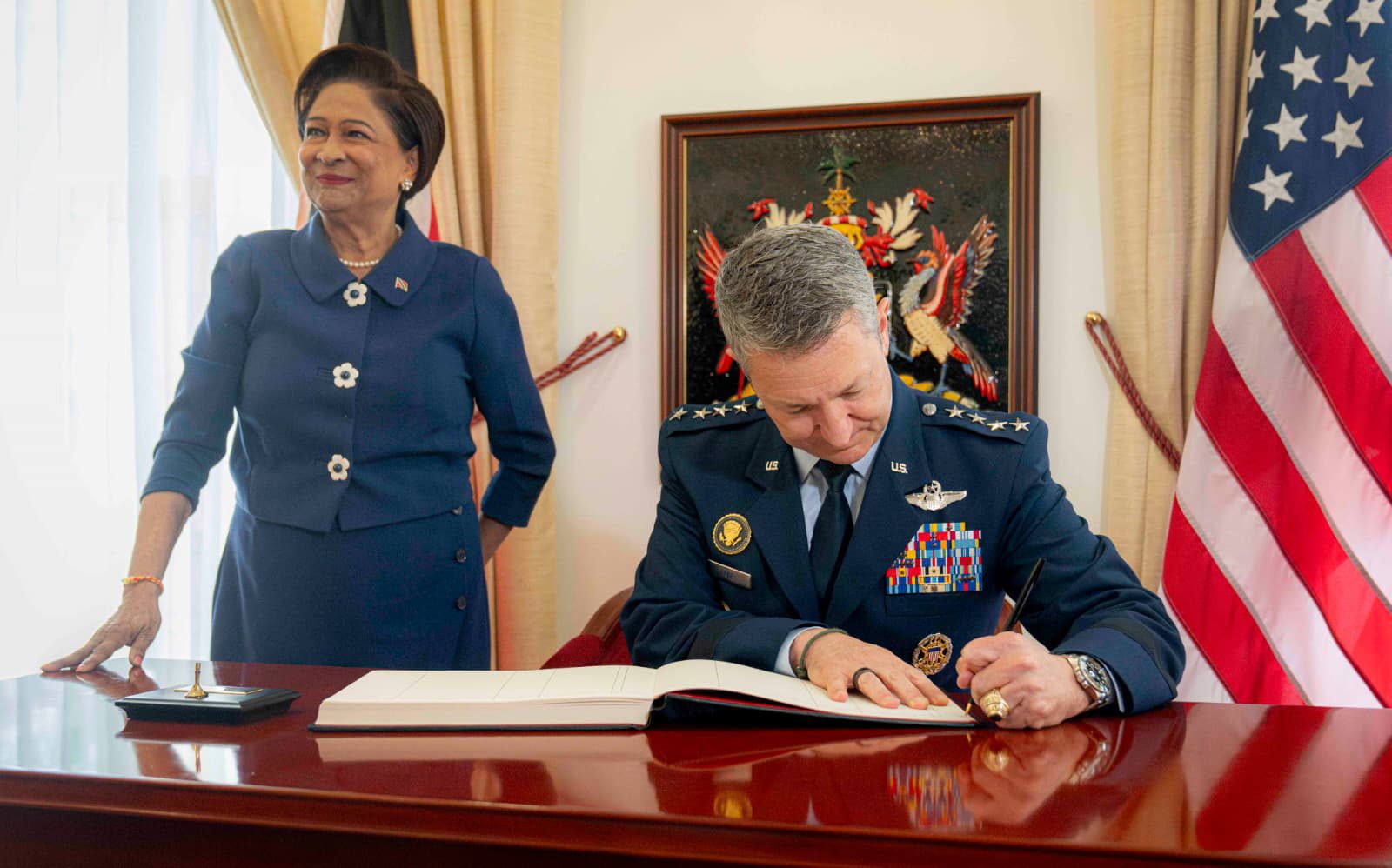
    Amid escalating regional tensions, Trinidad and Tobago’s Prime Minister Kamla Persad-Bissessar finds herself at the center of a complex geopolitical balancing act involving the United States and Venezuela. The diplomatic landscape has intensified following the recent visit of General Dan Caine, Chairman of the US Joint Chiefs of Staff, to the Diplomatic Centre in Port of Spain on November 25.

    The core of the controversy stems from the Trump administration’s aggressive stance toward Venezuela, framed as a counter-narcotics operation but widely perceived as a politically motivated regime change initiative. Prime Minister Persad-Bissessar has drawn criticism for appearing to endorse the US position that President Nicolás Maduro’s removal is fundamentally about drug trafficking—a narrative most regional analysts consider disingenuous.

    The situation reveals deeper complexities in Caribbean governance and security policy. Trinidad has maintained a nearly continuous state of emergency throughout the year, with authorities claiming success in reducing crime rates. However, this approach has normalized emergency governance while failing to address root causes of drug demand and supply.

    The article presents a critical examination of the flawed ‘war on drugs’ paradigm, noting that despite decades of enforcement-focused policies since Nixon’s 1971 declaration, drug demand has actually increased. The commentary argues that targeting supply without addressing demand creates an endless cycle of violence and enforcement that ultimately proves ineffective.

    Regional claims of the Caribbean being a ‘zone of peace’ are contrasted with stark realities: Jamaica’s historically high murder rates and Trinidad’s escalating violence until recent emergency measures. The persistence of large drug caches despite US ‘kinetic strikes’ on suspected trafficking vessels further undermines official narratives of success.