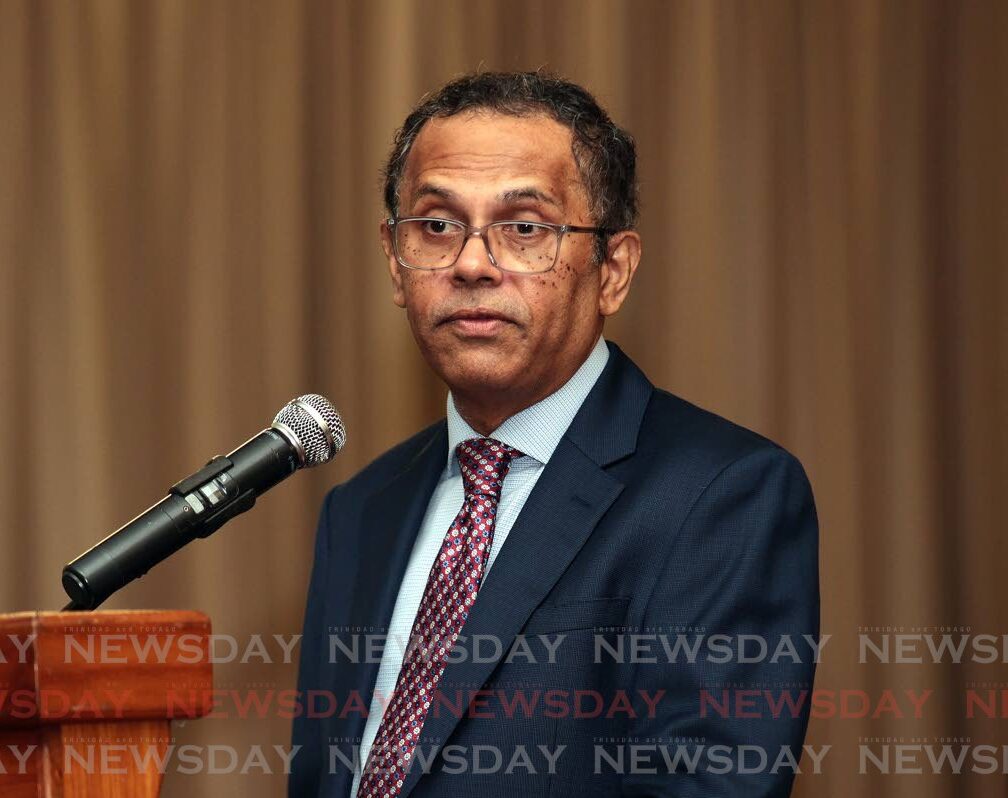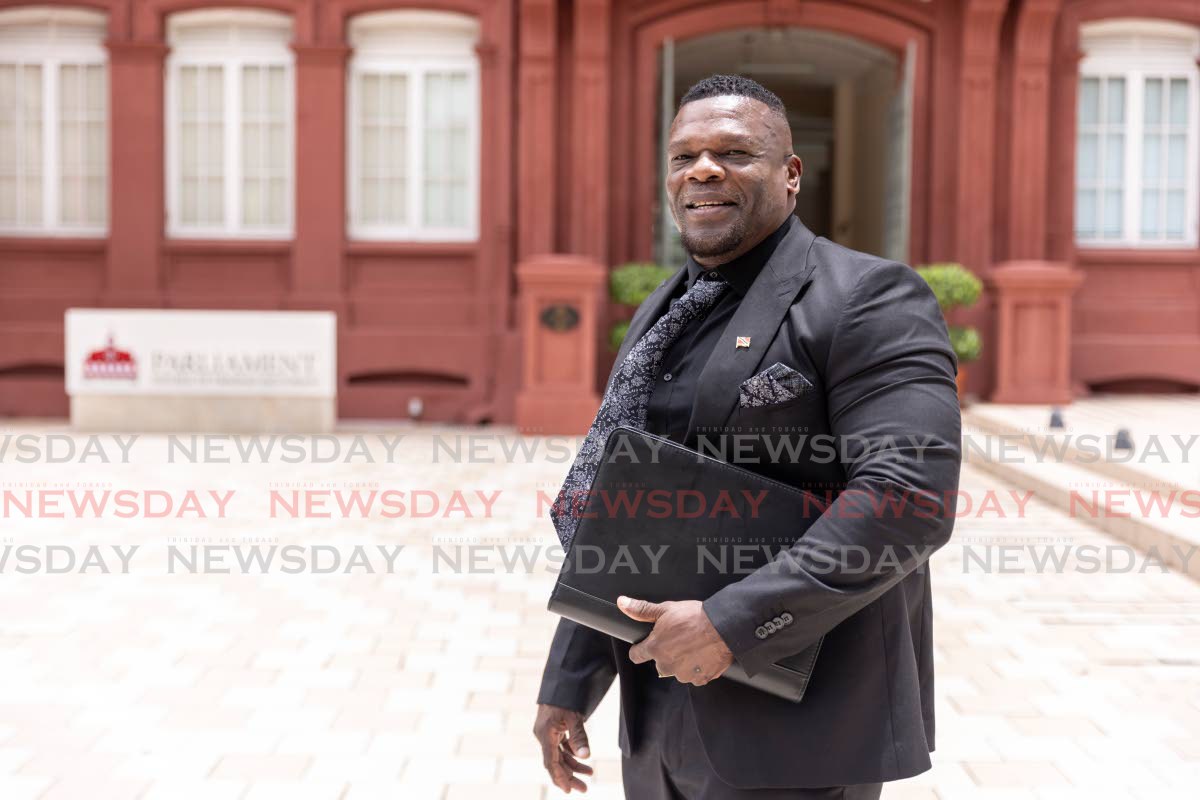
Chief Justice Ronnie Boodoosingh and Urban Development Corporation (Udecott) chairman Shankar Bidaisee conducted a joint inspection of the San Fernando Supreme Court building on November 13. This visit comes after months of public disputes between Udecott and the Judiciary regarding the escalating costs, scope modifications, and accountability for delays in the renovation project. The courthouse, which has been closed since 2020, remains inactive as both parties await Cabinet approval for a revised restoration plan. Initially estimated at $12.8 million, the project’s budget has surged to $22.1 million, with construction halted after Udecott terminated the previous contractor in July. During the tour, technical teams briefed Boodoosingh and Bidaisee on the current status of the works and the necessary steps to resume procurement. Udecott has emphasized the need for reconfirmation of the project’s scope and funding from the Judiciary before re-tendering can begin. The agency warns that without these approvals, no completion date can be projected, estimating that the process will take at least a year, potentially delaying the reopening until late 2026. The Judiciary attributes the delays primarily to contractor under-performance, while Udecott points to extensive variation requests—such as termite treatment, ICT room redesigns, and bathroom and security upgrades—that expanded beyond the original mandate. These requests were made during the tenure of former Chief Justice Ivor Archie. The prolonged closure has forced the relocation of all San Fernando legal matters to the Princes Town Judicial Centre, causing significant disruptions for attorneys and litigants in the southern district. Legal professionals have repeatedly called for the restoration of in-person hearings, arguing that the delays infringe upon the public’s constitutional right to timely justice.
标签: Trinidad and Tobago
特立尼达和多巴哥
-

More nauseating US visa rules
The Trump administration has introduced stringent health-based criteria for legal migrants, sparking controversy and criticism. According to a directive reportedly issued on November 5 to US embassies worldwide, individuals seeking to immigrate to the United States through formal channels can now be denied entry based on pre-existing medical conditions or obesity. The guidelines cite conditions such as cardiovascular diseases, respiratory illnesses, cancers, diabetes, and mental health disorders, which could potentially incur significant healthcare costs. This move has drawn sharp scrutiny, particularly given President Donald Trump’s own history of obesity and his recent diagnosis of chronic venous insufficiency, a cardiovascular condition. Despite his health challenges, Trump has consistently portrayed himself as fit and capable of fulfilling his presidential duties. Critics argue that the new policy reflects a double standard, as Trump’s ailments are deemed inconsequential, while migrants with similar conditions are labeled as burdens on the public healthcare system. Public health experts have countered this narrative, with a July 2024 analysis by Drishti Pillai and Samantha Artiga revealing that immigrants generally incur lower healthcare costs than US-born citizens. The policy also raises concerns about the arbitrary nature of decision-making, as visa officers, rather than medical professionals, are tasked with assessing applicants’ long-term health viability. This development marks another chapter in the Republican Party’s contentious approach to immigration, which has increasingly targeted legal migrants, including college students and others, under the guise of fiscal responsibility.
-

KFC spreads ‘Kindness for Change’ through harvest programme
In a heartwarming celebration of World Kindness Day, KFC, the globally renowned fast-food chain, demonstrated the profound impact of small acts of kindness through its Harvest Programme. On November 13, KFC staff and volunteers gathered at the Chef Sharaz Culinary Academy in Trinidad and Tobago to prepare and distribute 1,000 nourishing meals to vulnerable individuals and families. This initiative, aligned with this year’s global theme ‘Kindness for Change,’ underscores KFC’s commitment to making a meaningful difference in communities. Guided by the message ‘Harvesting Hope,’ the Harvest Programme transforms surplus food from KFC kitchens into meals for those in need, with the support of dedicated NGO partners. Trisha Baksh, Brand Lead at Prestige Holdings Limited, the local franchise holder of KFC, emphasized that kindness is integral to the company’s identity. ‘Our Harvest Programme embodies the belief that food has the power to unite, uplift, and inspire change,’ she said. Teddy Kim, from KFC’s partner organisation, International Youth Fellowship, shared his personal connection to the initiative, stating, ‘Being part of the Harvest Programme allows me to fulfil my purpose of serving the youth.’ Since its inception, the programme has donated over 768,000 meals to disadvantaged communities, reflecting KFC’s dedication to compassionate practices. This World Kindness Day, KFC encourages everyone to embrace simple yet impactful acts of kindness, whether through sharing food, offering time, or lending a helping hand.
-

Legal obstacles to revitalisation plan
The success of any revitalisation plan, particularly one aimed at attracting substantial domestic and foreign investment, hinges on a supportive legal and regulatory framework. In Trinidad and Tobago (TT), the Exchange Control Act, Foreign Investment Act, and the role of the Industrial Court are pivotal components of this framework. However, these legal instruments, while designed to protect national interests, may inadvertently create barriers for potential investors. This analysis delves into how each of these mechanisms can hinder investment flows and the broader revitalisation agenda.
The Exchange Control Act, established to regulate the flow of foreign currency, aims to protect reserves and maintain economic stability. Yet, stringent controls on profit repatriation, capital transfers, and currency conversion can lead to uncertainty and operational challenges for investors. Delays in profit repatriation, limited access to foreign exchange, and increased administrative burdens can deter both local and foreign investors, prompting them to seek more flexible environments.
The Foreign Investment Act, intended to regulate foreign participation in TT’s economy, particularly in sensitive sectors, introduces several obstacles. Ownership caps, approval requirements, and policy unpredictability can discourage large-scale investments and joint ventures. These limitations may lead foreign investors to perceive TT as a less open and predictable market, diverting capital to more liberalised jurisdictions.
The Industrial Court, crucial for maintaining industrial harmony and upholding workers’ rights, can also present challenges for investors. Rigid labour regulations, delays in dispute resolution, and increased operational costs can deter investors who prioritise labour flexibility and certainty. While the court’s mandate is to ensure fairness, the perception of a pro-worker bias and unpredictable outcomes may hinder investment.
In summary, while the Exchange Control Act, Foreign Investment Act, and the Industrial Court serve important national objectives, their cumulative effect can obstruct investment into revitalisation plans. Regulatory uncertainty, administrative burdens, and perceived inflexibility may drive potential investors to seek alternative destinations. To attract and retain investment, policymakers may need to reassess these instruments and consider reforms that balance national interests with the need for economic dynamism and growth.
-

Alexander: I don’t know why tribunal reports haven’t reached me yet
Homeland Security Minister Roger Alexander has expressed his intention to investigate the reasons behind the delay in receiving reports from the State of Emergency (SoE) Review Tribunal. The tribunal, which reviews challenges to Preventive Detention Orders (PDOs), has reportedly submitted six reports to Alexander’s office, yet the minister claims he has not seen any of them. PDOs are issued under SoE regulations to detain individuals considered threats to national security or public safety, with detainees having the right to challenge their detention through the tribunal. Last week, the tribunal defended itself against claims by detainees’ attorneys that decisions on their clients’ detentions were delayed or withheld, stating that multiple reports had been completed and forwarded to the ministry between September 12 and October 22. However, Alexander, in conversations with Newsday on November 6 and 12, reiterated that he had not received any reports and was unsure of the cause of the delay. He emphasized the independence of the tribunal and expressed his reluctance to interfere in its processes, stating that he would consult his permanent secretary to avoid any perception of undue influence. Alexander acknowledged the concerns of detainees but assured that the process remains transparent and professional.
-

Grand revitalisation plan leaves Sea Lots residents sceptical
Residents of Sea Lots, a community in Trinidad and Tobago, have expressed mixed feelings about the government’s national revitalisation blueprint, which includes plans to build an industrial park in their area. While some are open to relocation if compensated fairly, others are staunchly opposed, citing the community’s unique value and their deep-rooted connections to the area. The government’s plan, unveiled by Works and Infrastructure Minister Jearlean John, aims to create a 100-acre industrial park and free trade zone to boost trade and create jobs. However, residents remain skeptical, given past unfulfilled promises by previous administrations. Many fear being relocated to substandard housing and losing the sense of community and security they currently enjoy. The government has promised robust consultations, but residents demand transparency and fair treatment. The community’s skepticism underscores the challenges of implementing large-scale development projects in areas with strong local identities and histories.
-

Latapy: We’re building and getting better
As Trinidad and Tobago’s men’s national football team prepares for a pivotal Concacaf World Cup qualifier against Jamaica on November 13, assistant coach Russell Latapy reflects on the team’s progress under head coach Dwight Yorke. Appointed just over a year ago, Yorke has instilled a new philosophy and style of play, aiming to achieve two primary objectives: qualifying for the 2026 FIFA World Cup and restoring stability to the nation’s football. Currently third in Group B with five points, the team faces a must-win match at the Hasely Crawford Stadium in Mucurapo to keep their World Cup dreams alive. The top team in each of the three final-round groups will secure a spot in the World Cup, with the two best second-placed teams advancing to an intercontinental playoff. Latapy emphasized the importance of defensive solidity and clinical finishing, acknowledging the team’s improvement but highlighting the need for better conversion of chances. Despite scoring only four goals in four matches, compared to Jamaica’s ten and Curacao’s six, Latapy expressed satisfaction with the team’s progress and their commitment to Yorke’s methods. The inclusion of uncapped forward Roald Mitchell and other fresh talents underscores Yorke’s strategy to strengthen the squad. With the ultimate prize of World Cup qualification still within reach, Latapy remains optimistic about the team’s potential to achieve their goals.
-

Alexander releases SoE review tribunal recommendations to detainees
In a recent development surrounding the state of emergency (SoE) in Trinidad and Tobago, Homeland Security Minister Roger Alexander released four redacted copies of Review Tribunal reports on November 12, following attorneys’ claims that their detained clients had not received the tribunal’s recommendations. The reports, dated September 12, 19, 27, and October 6, revealed that the tribunal lacked jurisdiction to review two requests but found sufficient cause for the preventative detention of other detainees. The tribunal had previously confirmed sending six reports to the minister between September and October, with a cover letter dated October 31.
Attorney Darren Mitchell, representing several detainees, criticized the government’s handling of emergency powers, labeling the indefinite detention of individuals as unconstitutional. He accused the police commissioner of using preventative detention orders (PDOs) as a substitute for proper investigations, stating, ‘The police have given up on crime detection investigations and convictions to embrace successful policing.’ Mitchell also questioned the timing of the reports’ release, suggesting it was a deliberate tactic to delay judicial review.
Mitchell further condemned the silence of professional bodies like the Law Association and the Criminal Bar Association, accusing them of failing to uphold justice and human rights. ‘Those expected to stand for justice are seemingly acquiescing or partnering with injustice,’ he said.
The tribunal defended its actions, emphasizing that its role under the Emergency Powers Regulations 2025 is limited to reviewing detention requests and submitting reports to the minister, who then decides whether to share relevant portions with detainees. The tribunal assured the public that it has performed its duties in accordance with the law.
The government extended the SoE for a second three-month period on October 31, with 98 of 156 PDOs executed by the police so far. The Ministry of Homeland Security has not clarified whether the remaining tribunal reports have been forwarded to other detainees.
-

Bodoe: Include wellness in HSE framework
In a compelling address at the American Chamber of Commerce’s TT (Amcham TT) 15th Annual National Excellence in HSE Awards ceremony, Trinidad and Tobago’s Health Minister, Dr. Lackram Bodoe, emphasized the urgent need to evolve the traditional Health, Safety, and Environment (HSE) framework into a more comprehensive model that includes wellness. The event, held on November 10 at the Hyatt Regency in Port of Spain, brought together key stakeholders to discuss the critical role of HSE in safeguarding both human lives and economic productivity.
-

Shaw Peters on show at Studio Joli
Studio Joli is proud to present Shawn Peters’ latest exhibition, ‘I Think in Line and in Colour,’ opening on November 13. Now in his 50s, Peters is widely regarded as an established and accomplished artist, with a career spanning over two decades. His works are prominently displayed in prestigious locations such as the Prime Minister’s Diplomatic Centre, various government departments, and major collections across Trinidad and Tobago, including Angostura, the Central Bank, and the National Museum. Peters has also showcased his art internationally, with exhibitions in the Caribbean, including Cuba, and around the globe.
Throughout his artistic journey, Peters has collaborated with and been influenced by renowned artists such as Emheyo Bahabba, Guy Beckles, the Boothman brothers, Edward Bowen, Holly Guyadeen, Shastri Maharaj, Gregory Williams, and Che Lovelace. He has also maintained friendships with artists from Barbados, Suriname, and other regions. Leroy Clarke, Carlisle Harris, Ken Crichlow, and Makemba Kunle are among his key mentors, shaping his unique artistic voice.
Peters’ work is characterized by distorted figures and cubist tendencies, a signature style that has earned him recognition and acclaim. As Kunle once noted, ‘He is meticulous in his rendering of line, colour, and texture, often achieving a sleek appearance. For those who know him, slickness is his dress code.’
When asked for his artist statement for this collection, Peters offered a profound reflection: ‘I would not wish myself on anyone else, and yet, I would not wish to be anyone else but myself.’ This sentiment encapsulates the individuality and authenticity that define his art.
The exhibition will run from November 13 to November 27 at Studio Joli, located at 21 Henry Pierre Street, St James. Opening hours are 10 am to 6 pm Monday to Friday and 10 am to 2 pm on Saturdays. For more information, contact 705-7907 or 705-7909, email studiojoli.tt@gmail.com, or visit their website at www.studiojoli.net.