标签: Trinidad and Tobago

特立尼达和多巴哥

  • Isabel Dennis on crusade to create safe learning places

    Isabel Dennis on crusade to create safe learning places

    Educator Isabel Dennis has pioneered an innovative educational framework rooted in Caribbean cultural heritage that is demonstrating remarkable success in transforming the school experience for students. Her groundbreaking Village System, currently being implemented at St. Anthony’s College in Diego Martin, represents the culmination of two decades of research into holistic education methods across multiple countries.

    The system draws inspiration from indigenous Caribbean wisdom preserved through traditional practices like kalinda (stickfighting) from the Bois Academy of Trinidad and Tobago. This approach has been adapted into four foundational pillars: culture, leadership, identity, and values, forming what Dennis describes as ‘restorative discipline.’ Rather than punitive measures, this method emphasizes accountability through constructive dialogue, asking students: ‘What happened?’ ‘Who was affected?’ and ‘How can we make it right?’

    Beyond conflict resolution, the comprehensive program integrates taekwondo, permaculture, and specialized leadership sessions directly into the curriculum. The initiative actively involves both parents and teachers through workshops addressing contemporary parenting challenges and providing educators with practical restorative tools for classroom management.

    Dennis’s motivation stems from personal childhood experiences of emotional insecurity in educational environments, driving her lifelong commitment to ensuring no child feels unsafe in schools. The program has already shown significant impact, with student participation expanding from 35 to 102 participants across three classes following demonstrated success in its initial pilot phase.

    Parental feedback has been overwhelmingly positive, with reports of improved confidence, communication, and attitude toward school among participants. The program’s community-led approach demonstrates how educational transformation can occur without massive budgets or infrastructure changes, utilizing existing resources more effectively through culturally relevant methodologies.

    Looking forward, Dennis envisions expanding this model across 50 Caribbean schools within five years, fundamentally shifting educational conversations from exam performance to leadership development and cultural identity. The initiative represents a grassroots movement toward educational systems that honor Caribbean heritage while preparing students to shape their future with confidence and cultural pride.

  • Inflation down in December says CSO

    Inflation down in December says CSO

    The Central Statistical Office (CSO) of Trinidad and Tobago has reported a slight easing of inflationary pressures, with the annual inflation rate for December 2025 measured at 0.4 percent. This figure reflects the percentage change in the all-items index compared to December 2024, marking a subtle decline from the 0.5 percent rate recorded for the November 2025/November 2024 period.

    Notably, the current inflation level matches the 0.4 percent rate observed in the comparative December 2024/December 2023 period, indicating relative price stability in the dual-island nation. The composite all-items index, derived from December’s comprehensive price data, held steady at 125.2, unchanged from November’s reading.

    Within this stable overall framework, the food and non-alcoholic beverages sector experienced a modest 0.1 percent uptick, with the index climbing to 152.9 from November’s 152.8. This incremental rise was primarily driven by increased costs for several essential food items including fresh whole chicken, parboiled rice, tomatoes, fresh carite (a local fish), plantains, eggs, onions, green sweet peppers, and various chilled or frozen poultry and pork products.

    The CSO analysis revealed that these upward price movements were effectively balanced by concurrent decreases in other food categories. Notable declines were observed in the prices of cucumber chive, celery, hot peppers, table margarine, pumpkin, grapes, oranges, frozen whole chicken, and soya bean oil, creating an overall equilibrium in the food basket that contributed to the stabilized inflation rate.

  • Kamla: SoE to end on January 31

    Kamla: SoE to end on January 31

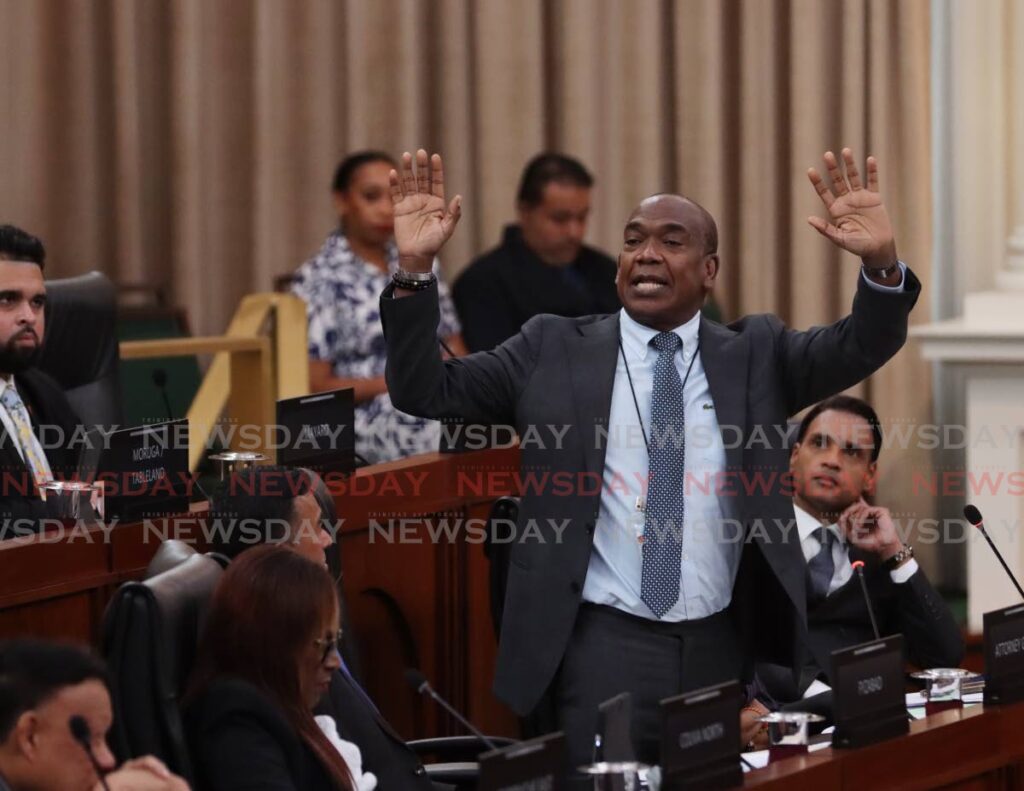
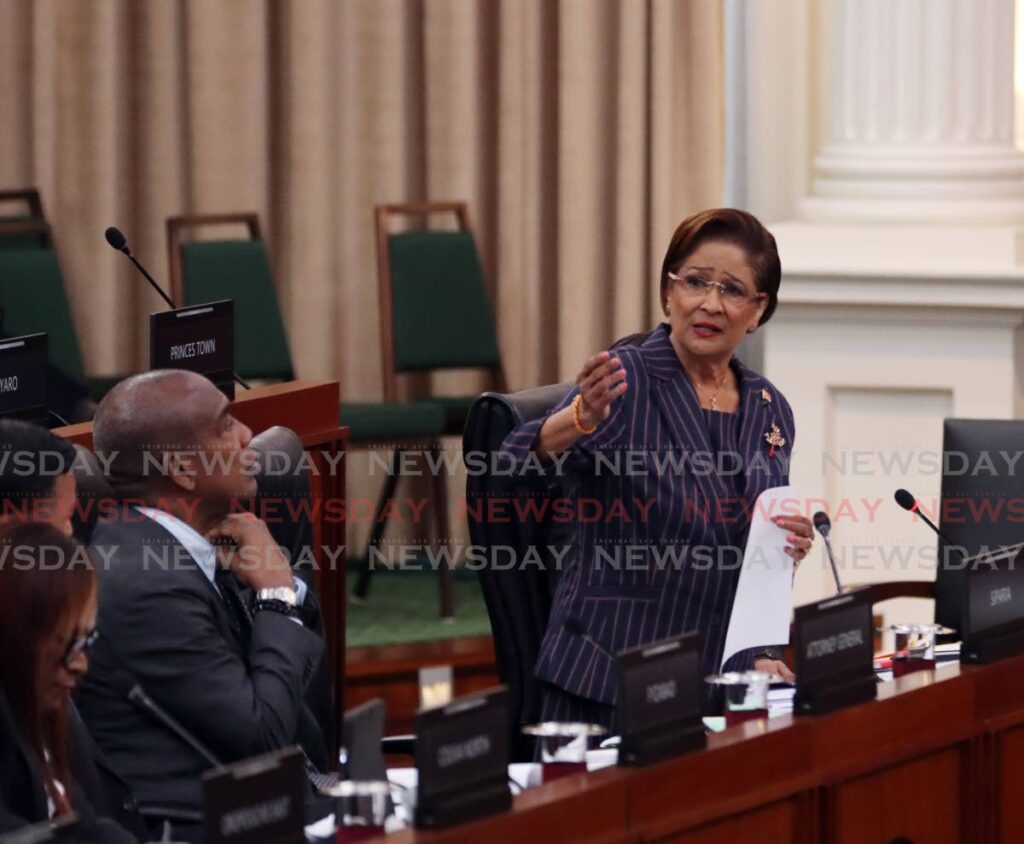
    In a major parliamentary address marking the commencement of the 2026 legislative year, Prime Minister Kamla Persad-Bissessar declared her government’s intention to terminate the nationwide state of emergency on January 31. The emergency measures, initially imposed in July and subsequently extended twice, will be replaced by targeted zones of special operation to maintain security gains.

    Addressing the House of Representatives on January 16, Persad-Bissessar defended her administration’s aggressive stance against criminal organizations, crediting security forces with achieving a dramatic 42% reduction in homicides—a statistic she characterized as globally significant. ‘From day one we have acted forcefully and decisively to frontally attack criminal entities that have brought bloodshed and terror to our citizens,’ the Prime Minister stated, asserting that these measures have spared lives and enhanced public safety.

    The Prime Minister notably endorsed recent US military operations that destroyed suspected drug-trafficking vessels in Trinidad and Tobago’s waters, asserting that legal counsel had confirmed no breach of international law. When challenged by opposition members regarding the legal basis for these actions, Persad-Bissessar retorted, ‘Find a good international lawyer!’

    Her comprehensive legislative agenda includes profound judicial reforms, notably a constitutional amendment guaranteeing the right to a trial within a reasonable timeframe. ‘It cannot be right for a person to be locked up for years without trial, potentially for the same duration as their sentence would be, with their reputation ruined,’ she emphasized.

    The government proposes restructuring homicide trials to include three-judge panels instead of jury trials, establishing the new judicial position of Chancellor, and implementing measures to accelerate justice delivery while protecting victims’ rights. Additional reforms encompass firearms management, plea bargaining mechanisms, and record expungement for rehabilitated offenders.

    Following recent discussions in Tobago with re-elected THA leader Farley Augustine, the Prime Minister committed to advancing Tobago’s autonomy through new legislation that would establish the island as ‘an equal, autonomous partner’ within the republic.

    Persad-Bissessar also addressed societal concerns including noise pollution and fireworks regulation, while denying allegations of intending to restrict cultural festivities. Further proposed legislation seeks to raise the legal age for alcohol and cannabis consumption to 21, and gambling to 25.

  • Evangelical Churches: More gambling will destroy Trinidad and Tobago

    Evangelical Churches: More gambling will destroy Trinidad and Tobago

    The Trinidad and Tobago Council of Evangelical Churches (TTCEC) has issued a forceful denunciation of the government’s recent authorization of Play Whe lottery operations on Sundays, characterizing the move as a dangerous escalation of gambling accessibility that threatens the nation’s moral foundation.

    In a January 15th statement, the coalition of Christian churches presented a comprehensive moral and social argument against gambling expansion, identifying four primary areas of concern. The council asserted that gambling’s addictive nature becomes increasingly problematic as society grows more permissive toward such activities.

    Central to their argument was the connection between national morality and national stability. The TTCEC invoked biblical principles, stating, ‘Righteousness exalts a nation. For Trinidad and Tobago to withstand pressure, we must maintain a moral foundation. Development in the physical realm cannot occur without parallel development in the moral realm.’ The group emphasized the existence of objective moral standards established by the Creator rather than subjective human preferences.

    The council further identified what it termed the ‘get-rich-quick syndrome’ as a social plague exacerbated by gambling accessibility. They described gambling as fundamentally destructive, noting that compulsive gambling frequently leads to hopelessness, despair, broken relationships, clinical depression, and even suicidal tendencies among affected individuals.

    Regarding legalization, the TTCEC criticized gambling as being predicated on ‘the love of money and lust for more,’ which they identified as biblically recognized roots of evil. They questioned whether increased gambling opportunities might consequently stimulate the development of various social evils.

    The religious coalition also lamented the inadequate public education about gambling’s dangers, comparing its addictive potential to alcoholism and narcotics abuse. They detailed consequences including jeopardized relationships, abandoned education or careers, and dependency on borrowed funds to sustain the habit. The statement further noted that gambling debts often drive individuals toward illegal activities, deception of family members, and eventual legal troubles.

    While acknowledging that their statement couldn’t exhaustively catalog all gambling-related dangers, the TTCEC concluded with a solemn warning: ‘An individual or nation cannot rise above the level of their information. People are destroyed for lack of knowledge.’

  • AG ditches civil suit on CL Financial crash: Billion$ wasted in legal fees

    AG ditches civil suit on CL Financial crash: Billion$ wasted in legal fees

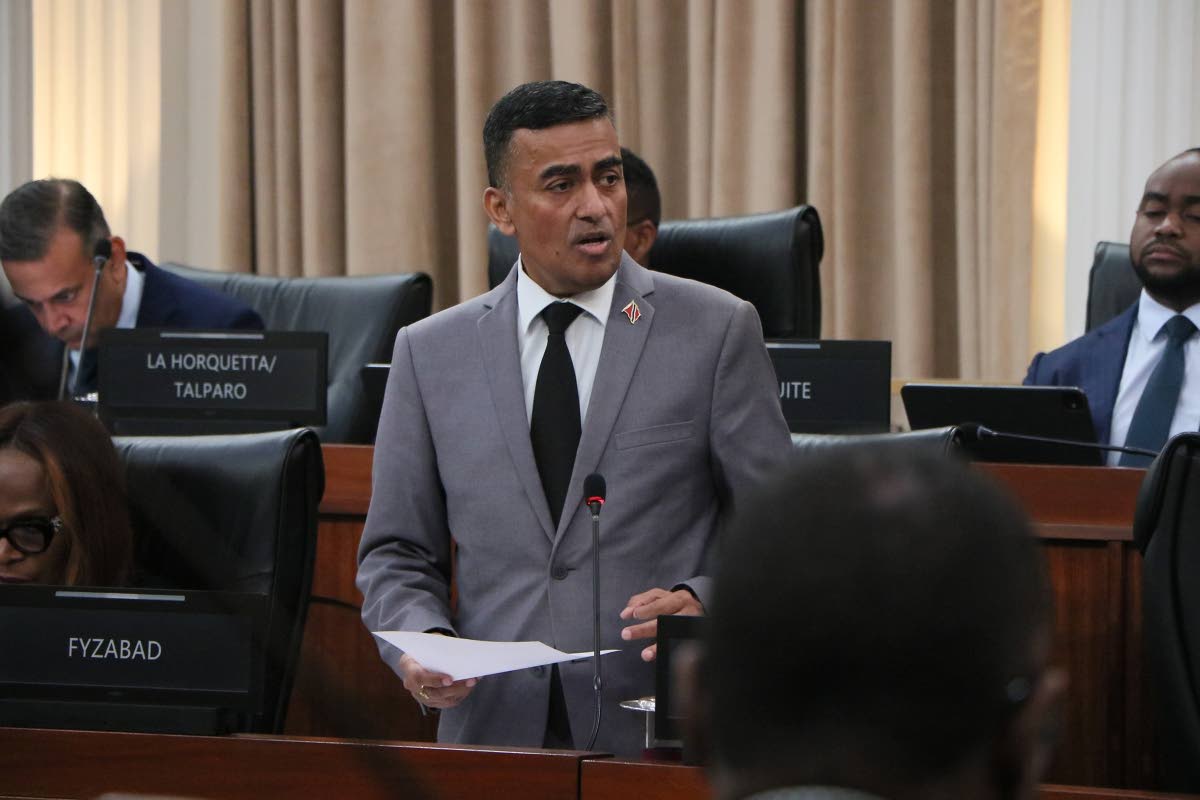
    In a dramatic parliamentary address on January 16, Attorney General John Jeremie revealed the staggering financial aftermath of the CL Financial collapse, announcing his decision to terminate all civil proceedings related to the case. The revelation came as Jeremie presented the long-suppressed Sir Anthony Colman report detailing the failure of the financial conglomerate and its subsidiaries.

    Jeremie disclosed that between $3 billion to $4 billion had been expended on legal fees alone since the corporation’s collapse 17 years ago, with virtually nothing to show for this massive expenditure. The Attorney General characterized the investigation as fundamentally inadequate, noting that only three police officers had been assigned to what he described as “the largest financial fraud in this country’s history.”

    “This is a joke of an investigation,” Jeremie declared before the House of Representatives. “What do I do? Well, as guardian of the public interest and having consulted with the Honourable Prime Minister, I have to say that we are not able to continue to spend hard resources, government resources.”

    The Attorney General expressed particular frustration with the pattern of payments to legal professionals, noting that nearly $400 million had been paid to accounting firm Deloitte and Touche alone—despite his office never having engaged their services. He pointedly observed that these funds primarily benefited “persons who are sometimes golfers but who are always very wealthy,” while ordinary citizens received no tangible benefits.

    Jeremie traced the origins of the crisis to “unconscionable action” by previous administrations, noting that the initial government bailout had consumed $28 billion, with the additional billions in legal fees representing further financial hemorrhage. The Colman report itself cost approximately $150 million to produce yet had “never seen the light of day” until its presentation to Parliament.

    The comprehensive report contains extensive evidence including tens of millions of emails, financial records, forensic analyses of complex cross-border transactions, 6,414 pieces of electronic evidence, and 1,650 boxes of hard-copy documentation. Despite this voluminous evidence and explicit recommendations to involve law enforcement, not a single individual has faced criminal charges related to the collapse.

    Jeremie’s decision to discontinue civil action represents a pragmatic approach to limiting further financial losses, though he acknowledged the state might need to pay “reasonable costs” to formally exit these proceedings.

  • Government seeks to raise US$1 billion

    Government seeks to raise US$1 billion

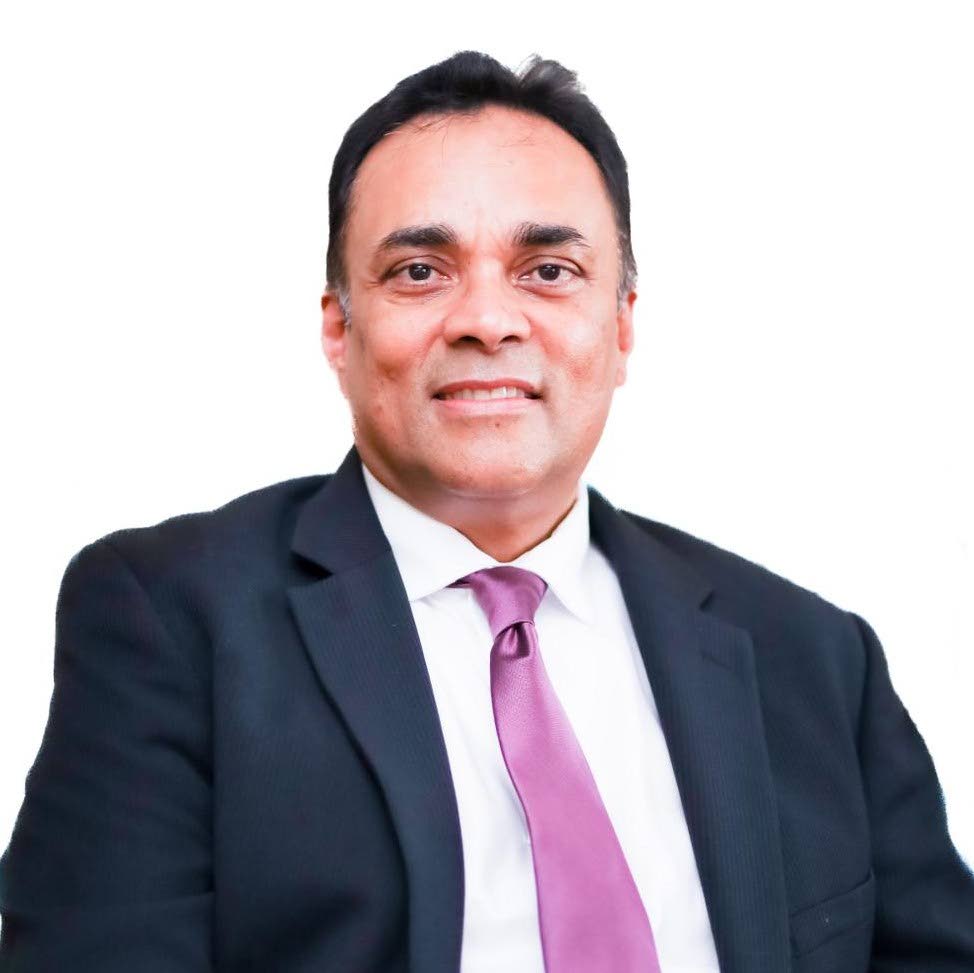
    The Government of Trinidad and Tobago has formally announced its intention to raise US$1 billion through an international bond issuance, according to Legal Notice 9 of 2026 published on January 13th. The financial maneuver, authorized by Finance Minister Davendranath Tancoo who signed the document on January 12th, represents a significant move in the country’s sovereign debt strategy.

    The issuance will involve notes offered exclusively to qualified institutional buyers across global markets, including both international and United States-based investors. To facilitate this substantial transaction, the government has engaged two of Wall Street’s most prominent financial institutions: JP Morgan Securities LLC and Bank of America Securities Inc. These firms have been appointed as joint lead managers and arrangers, responsible for structuring and marketing the debt offering.

    The transaction is being executed under Section Six of Trinidad and Tobago’s External Loans Act, which grants the Finance Minister authority to provide specific tax exemptions. Notably, the order exempts all payments related to principal, interest, and associated debt charges from both taxation and exchange control restrictions. This provision enhances the attractiveness of the notes to international investors by ensuring streamlined cross-border payments and maximizing returns.

    This strategic financial initiative demonstrates Trinidad and Tobago’s proactive approach to accessing global capital markets while implementing measures to optimize the terms of its sovereign borrowing. The involvement of major international financial institutions underscores the credibility of the offering in the global financial community.

  • High Court: Security ministry failed its duty to provide info on Venezuelan baby’s killing at sea

    High Court: Security ministry failed its duty to provide info on Venezuelan baby’s killing at sea

    In a landmark judicial ruling, the High Court of Trinidad and Tobago has determined that the Ministry of National Security violated statutory obligations under the Freedom of Information Act. The case centered on the ministry’s failure to provide timely and substantive responses to information requests filed by Darielvis Eliannys Sarabia Morillo, a Venezuelan national whose infant son was fatally shot during a Coast Guard operation in February 2022.

    Justice Devindra Rampersad delivered the judgment, declaring that the ministry failed to meet the mandatory 30-day response requirement stipulated in Section 15 of the Freedom of Information Act. The court has ordered the ministry to resolve all outstanding information requests by January 23.

    The tragic incident occurred on February 5, 2022, within Trinidad and Tobago’s territorial waters, when Morillo’s newborn son, Yaelvis Sarabia Santoyo, was killed during an encounter with the Coast Guard. Morillo herself sustained gunshot wounds requiring emergency surgery.

    Between March and April 2022, Morillo submitted five separate freedom of information requests seeking crucial documents, including her son’s autopsy report and records related to the Coast Guard operation. While some information was eventually provided, Justice Rampersad determined that the ministry failed to issue lawful, substantive decisions within the statutory timeframe for two critical requests.

    The judgment emphasized that public authorities cannot discharge their FOIA obligations by simply directing applicants to other agencies without making independent determinations. “A letter that amounts to ‘ask someone else’ is not a substantive decision,” Justice Rampersad stated in his ruling. “Section 15 does not permit a public authority to discharge its duty simply by passing the applicant from one door to another, particularly where it has the power to call for the information itself.”

    The court found the ministry in breach of its duties regarding Morillo’s request for the autopsy report—which has since been provided—and her fifth request concerning information about the Coast Guard’s operation. The court issued an order compelling the ministry to process and determine the remaining items from Morillo’s April 26, 2022 request. Additionally, the ministry was ordered to pay 75% of Morillo’s legal costs, to be assessed if not mutually agreed upon.

  • Amir “Drumzey” Ramjattan – the master of many drums

    Amir “Drumzey” Ramjattan – the master of many drums

    At just 25 years old, Amir ‘Drumzey’ Ramjattan has emerged as a transformative figure in Caribbean music, mastering an extraordinary array of percussion instruments that bridge traditional culture with contemporary sound. The Las Lomas native has become the most sought-after percussionist across Carnival and chutney soca scenes, demonstrating unparalleled versatility on instruments ranging from the dholak and tabla to congas and digital rhythm machines.

    Ramjattan’s musical journey began within his multigenerational household, where music permeated daily life from spiritual morning bhajans to evening chutney soca sessions. His immersion in percussion started organically while accompanying his mother, 2025 Chutney Soca Monarch Queen Reshma Ramlal, to performances. However, it was his grandfather’s gift of tabla drums on his ninth birthday that ignited his profound connection to rhythmic artistry, leading to formal training at The Mahatma Gandhi Institute for Cultural Co-operation.

    The young musician’s career breakthrough came in 2014 when he began recording live percussion tracks at prestigious studios like Pungalunks Factory and Maha Productions. His innovative approach transcended seasonal popularity, enabling artists to qualify for international competitions and claim monarch titles. Ramjattan’s artistic vision reached its pinnacle in 2025 when he managed and directed his mother’s victorious Chutney Soca Monarch campaign—a deeply personal achievement that represented years of shared dedication.

    Despite facing challenges including skepticism from veteran musicians and financial constraints, Ramjattan maintains an exhaustive performance schedule as core drummer with KI and the Band 3veni, while collaborating with major acts like Ravi B and Karma. His international presence has expanded significantly through Caribana performances and his inaugural Holland tour, where he played for audiences exceeding 25,000 people.

    Beyond the stage, Ramjattan maintains a sacred connection to music through performances at Hindu festivals, demonstrating his unique ability to navigate both spiritual and celebratory spaces. Looking forward, he aims to inspire younger generations through artistic direction, songwriting, and fostering unity within the industry—determined to create a legacy that eliminates doubts for aspiring musicians pursuing their cultural calling.

  • Farley targets reform, investment, autonomy

    Farley targets reform, investment, autonomy

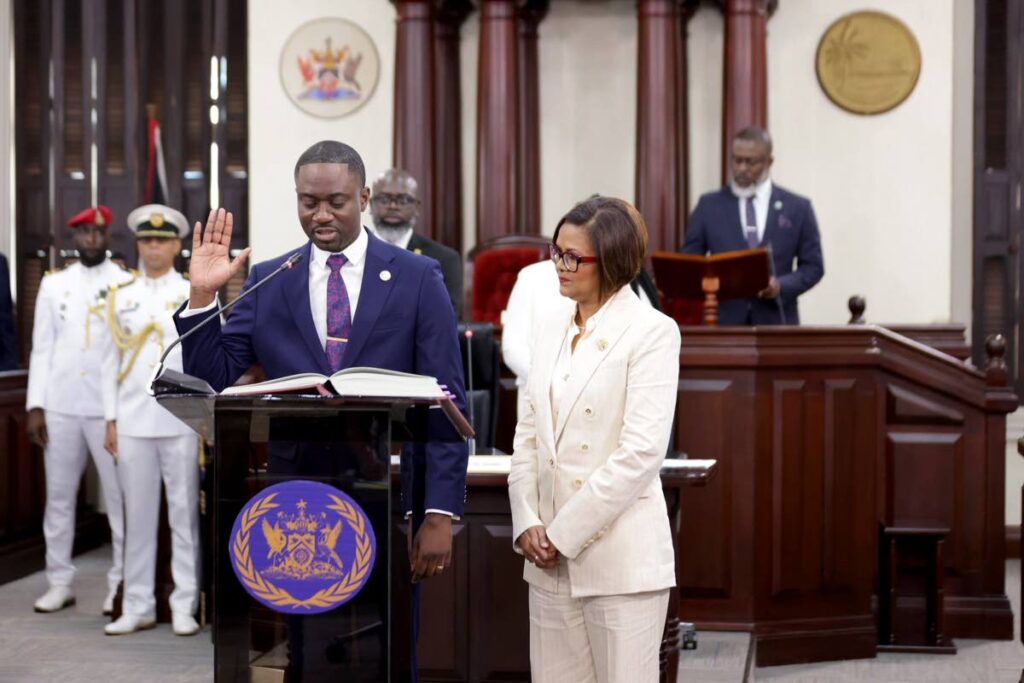
    In a sweeping post-election address from the Office of the Chief Secretary, Farley Augustine has declared a transformative governance agenda for Tobago that combines immediate administrative reforms with a strategic push for legislative autonomy. The newly sworn-in leader outlined a comprehensive vision addressing systemic inefficiencies, economic diversification, and self-determination for the island territory.

    Augustine announced a ‘zero-tolerance’ policy toward bureaucratic delays within the Tobago House of Assembly (THA), warning that public officers failing to execute lawful instructions would face accountability measures, even if resulting in legal challenges. This hardline approach comes alongside revelations that some tourism division employees haven’t received salaries since December, prompting an immediate investigation pledge from the Chief Secretary.

    The autonomy initiative represents a landmark constitutional effort, with Augustine targeting legislative changes by end-2026 that would grant Tobago independent lawmaking authority. This would be followed by island-wide consultations to determine Tobago’s preferred governance structure, including debates about legislative chambers, power separation, and electoral systems. Augustine emphasized that these structural matters should not require Trinidad’s approval for future modifications.

    Economic revitalization features prominently in the reform package. An Investment Commission will be established by February to evaluate both local and foreign investment proposals, reducing Tobago’s dependence on public-sector employment. Augustine defended foreign direct investment as essential for developing ports, parking facilities, and tourism infrastructure without risking taxpayer funds.

    The administration will address longstanding worker concerns, including salary increases for contracted employees and resolution of outstanding increments and gratuities for teachers and other public workers. A monitoring website is being developed to track critical projects and identify responsible officers for delays.

    Environmental and resource management also received attention, with Augustine criticizing Tobago’s slow adoption of solar energy despite abundant sunshine and reaffirming the island’s claim to authority over nearby maritime activities. The oil spill was cited as having delayed electric vehicle infrastructure projects.

    Legal autonomy measures include centralizing handling of claims against the THA, asserting the Assembly’s independent capacity to sue and be sued without central government involvement.

  • In defence of the increased fines

    In defence of the increased fines

    Trinidad and Tobago’s persistent crime problem represents a complex societal challenge that transcends economic conditions, according to expert analysis. Despite economic fluctuations from oil boom periods to times of hardship, criminal activity has remained consistently high, suggesting deeper systemic issues beyond mere poverty.

    The core issue identified is societal tolerance for minor infractions that gradually escalates into acceptance of more serious crimes. This phenomenon aligns with the established criminological “broken windows” theory, which posits that unchecked minor disorder signals absence of authority and encourages more severe criminal behavior.

    New York City’s successful crime reduction strategy in the 1990s serves as a compelling case study. Through rigorous enforcement of minor violations including fare evasion, vandalism, and public disorder, the city achieved a remarkable 70% reduction in homicides between 1990 and 2000. This demonstrated that consistent standards enforcement within the general population directly contributes to public safety.

    In contrast, Trinidad and Tobago exhibits concerning patterns of daily lawlessness: dangerous overtaking maneuvers, driving on road shoulders, excessive speeding, littering from vehicles, disregard for noise regulations, and treating traffic signals as optional. These behaviors collectively indicate a culture where enforcement remains sporadic and consequences uncertain.

    The analysis emphasizes that ignoring minor offenses creates a reactive rather than proactive law enforcement approach to major crimes. When citizens repeatedly witness unpunished violations, confidence in the rule of law diminishes, while criminals interpret the tolerance as permission for more serious offenses.

    Police statistics consistently reveal that many serious offenders have histories of multiple minor infractions, suggesting that early intervention opportunities could prevent escalation. Zero tolerance enforcement doesn’t imply brutality but rather consistent application of existing laws to create fairness and order.

    The path forward requires demonstrating through daily actions—not just speeches—that disorder will no longer be tolerated without consequence. Rebuilding trust necessitates stopping reckless drivers, fining illegal dumping, and enforcing traffic laws consistently rather than only responding to tragedies.

    Trinidad and Tobago possesses adequate legislation but lacks consistent implementation. Changing the crime narrative requires acknowledging that violence doesn’t exist in isolation but grows from cultivated neglect. The fundamental solution lies in clearly and consistently demonstrating that all disorder, regardless of scale, will face consequences.