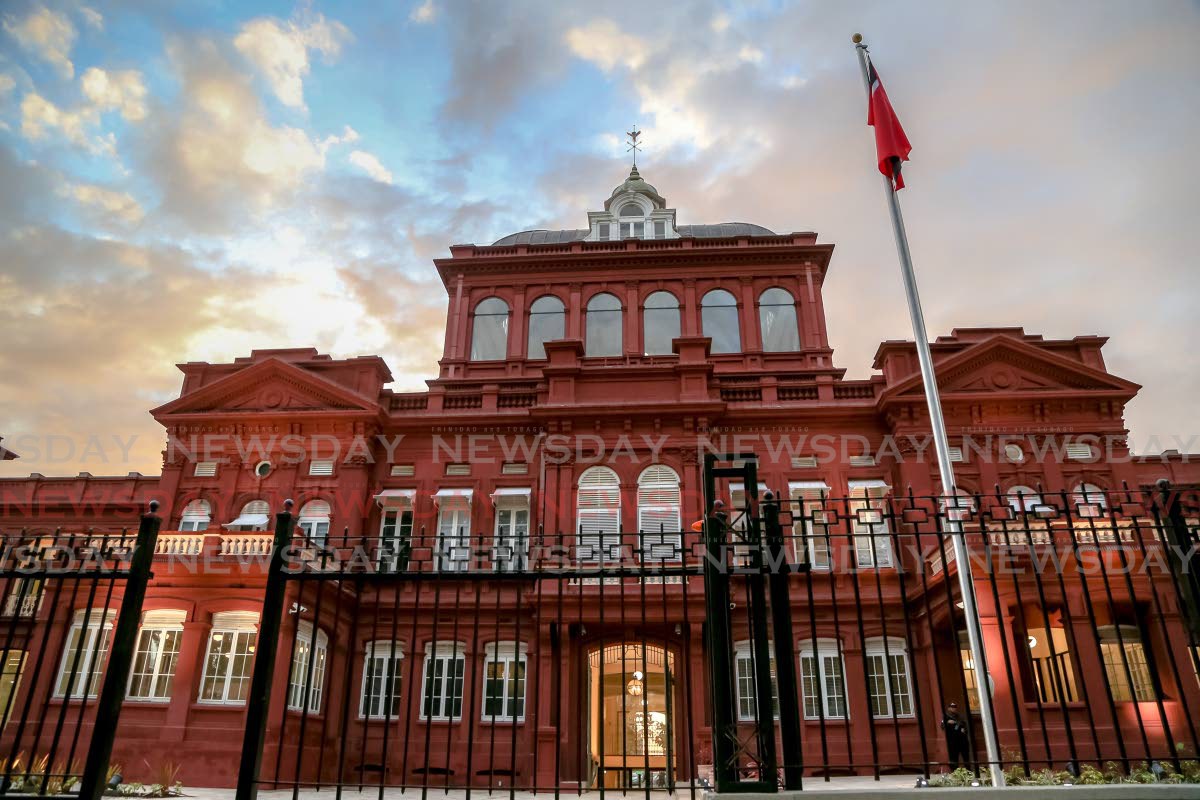
Members of Parliament (MPs) in Trinidad and Tobago are set to convene on October 31 to deliberate on the government’s proposal for a second extension of the state of emergency (SoE). The decision, which requires only a simple majority in the House of Representatives, appears to be a foregone conclusion, as both government and opposition MPs have remained tight-lipped in their responses to media inquiries. The motion does not necessitate approval from the Senate, where independent benches hold moderating influence. The issue was expected to be addressed during a post-Cabinet briefing on October 30 at the Diplomatic Centre in St. Ann’s. Opposition Leader Pennelope Beckles, when contacted via WhatsApp, indicated that her MPs would caucus that afternoon to discuss the matter. The SoE was initially declared on July 18 following a public statement by Commissioner of Police Allister Guevarro, who warned of criminal gangs targeting public figures in politics and criminal justice. The House previously extended the SoE by three months on July 28, and MPs will now decide whether to grant another three-month extension. The Trinidad and Tobago Constitution outlines the procedure for extending the SoE, with the first two extensions requiring only a simple majority. However, any third extension would demand a special majority in the House and Senate approval. Attorney General John Jeremie’s motion will argue that the extension is ‘necessary and expedient.’ Meanwhile, government MPs have not responded to media inquiries, leaving reporters to await clarification at the post-Cabinet briefing. During the briefing, officials highlighted measurable decreases in crime as justification for the extension, while dismissing any connection to US-Venezuela tensions.
标签: Trinidad and Tobago
特立尼达和多巴哥
-

Ban fireworks once and for all
In a heartfelt letter to the editor of Newsday, D. Maharaj, a self-described educated and law-abiding citizen, has passionately advocated for a complete prohibition on fireworks, firecrackers, and other noise-making devices in Trinidad and Tobago (TT). Maharaj argues that these traditional forms of celebration, often associated with holidays like Divali, Old Year’s Night, and Independence Day, inflict unnecessary terror on animals, particularly dogs, and disrupt the peace of countless citizens.
Maharaj highlights the distressing experiences of many pet owners who are forced to spend these holidays indoors, comforting their frightened animals or fearing they might escape in panic. The writer shares a personal account of being unable to leave home during such nights due to their dog’s extreme fear of the loud explosions.
The letter emphasizes that the continued use of fireworks is outdated and unjustifiable, given the widespread suffering it causes. Maharaj calls for immediate action, urging authorities to implement a total ban without further delay. The plea concludes with a resounding message: ‘Enough is enough. No more excuses, no more empty promises.’
This appeal reflects growing concerns about the impact of fireworks on both animal welfare and community well-being, sparking a broader conversation about the need for more considerate and modern forms of celebration.
-
Sewa TT partners with Supermarket Assoc for relief supplies for Jamaica
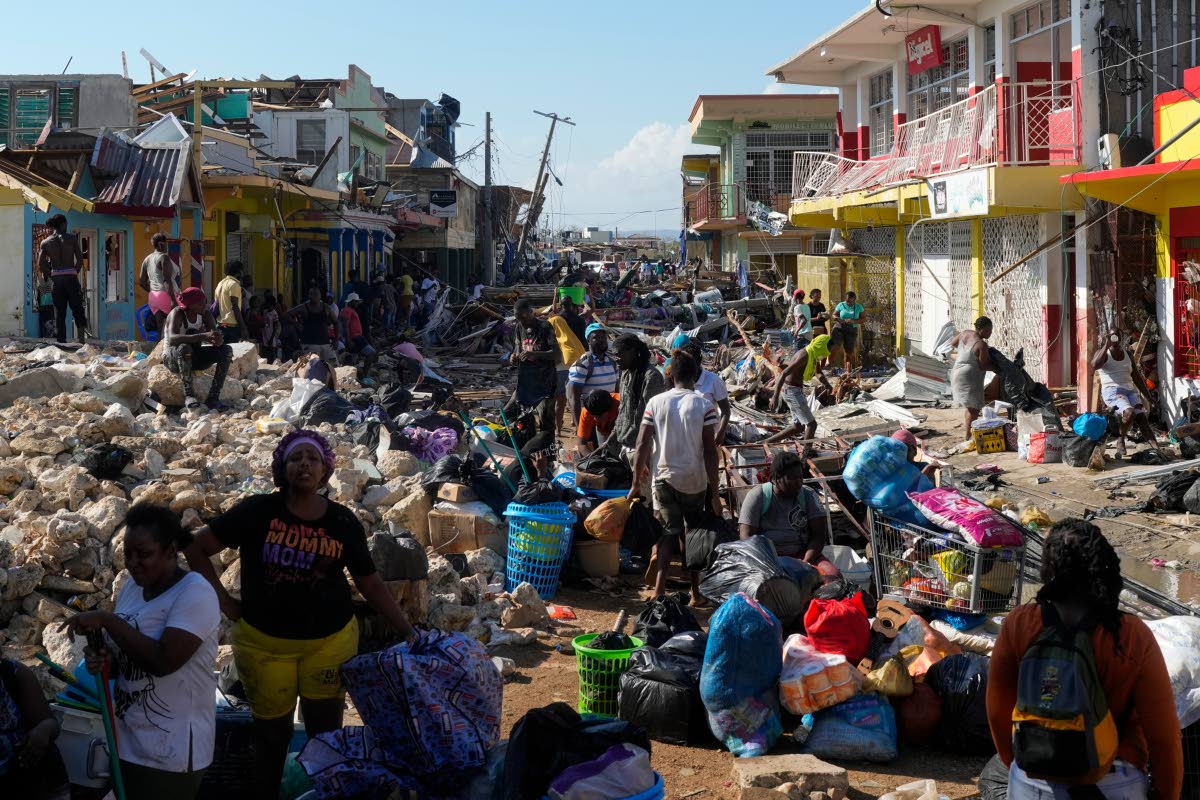
In the wake of the catastrophic Hurricane Melissa, which struck Jamaica on October 28, 2025, non-governmental organization Sewa TT has joined forces with the Supermarket Association of TT to streamline disaster relief operations. The initiative aims to facilitate the swift collection and distribution of essential relief items to the hurricane-ravaged island. Sewa TT announced on its social media platforms on October 31 that individuals can contribute to the cause by visiting any of the participating supermarkets and donating $100 at checkout. This contribution will fund the assembly of essential relief buckets containing food staples, hygiene products, and other necessities for Jamaicans who have lost everything to the Category 5 storm. The partnership includes major supermarket chains such as Betterdeal, Low Cost, Massy Stores, and Tru Valu. Hurricane Melissa, which made landfall on Jamaica’s southwestern coast, has left a trail of destruction, claiming 19 lives, including a child, and leaving over 475,000 people without power. The storm also caused extensive damage to homes, buildings, and infrastructure. Following its impact on Jamaica, Melissa continued its path of destruction, affecting Cuba, the Bahamas, and Bermuda. The Jamaican government has already dispatched eight 40-foot-long containers filled with critical relief supplies to aid in the recovery efforts.
-

Guns kill 4 in 24 hours as MPs prepare to debate SoE extension
In the wake of a surge in gun-related violence, including a fatal shooting in the upscale Valsayn area, Trinidad and Tobago grapples with heightened security concerns. The incident, which claimed the life of 36-year-old Miguel Lawrence in the Valpark Shopping Plaza carpark, occurred just hours before the government’s planned extension of the state of emergency (SoE). This tragic event is part of a broader wave of violence that has left four dead in recent days.
-
Historical context behind Trinidad and Tobago’s engagement with US, Venezuela
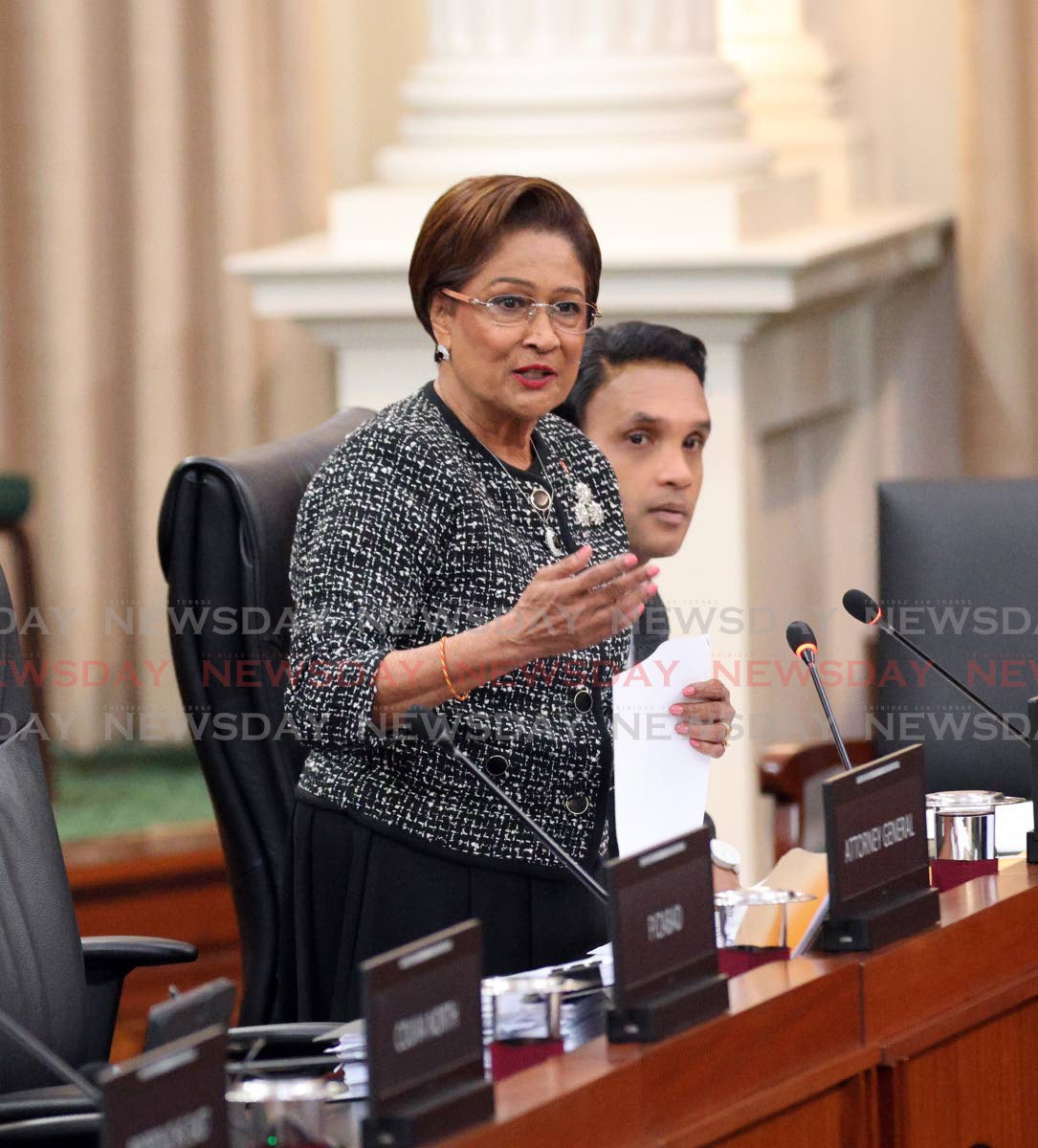
Prime Minister Kamla Persad-Bissessar’s position on Trinidad and Tobago’s (TT) involvement in regional security, particularly concerning the escalating tensions with Venezuela, has sparked considerable debate. Critics have labeled her approach as overly aligned with the United States or even “far-fetched.” However, a closer examination reveals that her stance is neither unprecedented nor unreasonable. It is deeply rooted in an 80-year history of strategic cooperation with the US, shared security interests, and a pragmatic assessment of contemporary challenges.
TT’s relationship with the US dates back to the Second World War, when the 1940 Destroyers for Bases Agreement led to the establishment of a US naval base in Chaguaramas and the construction of critical infrastructure, including the Churchill-Roosevelt Highway. These developments not only bolstered the Allied war effort but also laid the groundwork for TT’s modern road network. Although the US presence in Chaguaramas ended in 1963, the two nations have maintained a cooperative partnership through various agreements, such as the Customs Mutual Administrative Agreement and the Caribbean Basin Security Initiative. These frameworks have facilitated information-sharing, law enforcement collaboration, and maritime security, which are vital in combating transnational crime, narcotics, and arms trafficking.
Against this backdrop, Prime Minister Persad-Bissessar’s concerns about Venezuela’s security developments are well-founded. Recent US legal actions against Venezuelan officials, including former intelligence chief Hugo “El Pollo” Carvajal and President Nicolás Maduro, highlight the gravity of the situation. TT is not insulated from the repercussions of Venezuelan instability, as evidenced by the infiltration of the Tren de Aragua gang, now designated a terrorist organization under TT’s Anti-Terrorism Act. This poses a direct threat to national security, border management, and social stability.
When the Prime Minister asserts that any incursion into TT’s territorial waters will be met with force, she is not echoing US rhetoric but reaffirming TT’s sovereignty and right to self-defense. Her engagement with the US on surveillance, intelligence, and counter-narcotics cooperation aligns with the long-standing strategic partnership between the two nations. This pragmatic approach is aimed at safeguarding TT’s people and borders.
However, this cooperation must be balanced with transparency. TT must ensure that its territory is never used as a staging ground for foreign military operations without full sovereign consent. Diplomatic efforts should continue to prioritize peace, dialogue, and regional stability through organizations like Caricom, while simultaneously strengthening TT’s readiness to defend its frontiers.
In essence, TT’s current engagement with the US is neither subservience nor a novelty. It is a continuation of a historical partnership shaped by shared interests, geography, and the need for security in a volatile region. Prime Minister Persad-Bissessar’s approach is not “far-fetched” but a rational extension of TT’s historical trajectory and its responsibility to protect the republic.
-
Digicel offers free calls to Jamaica
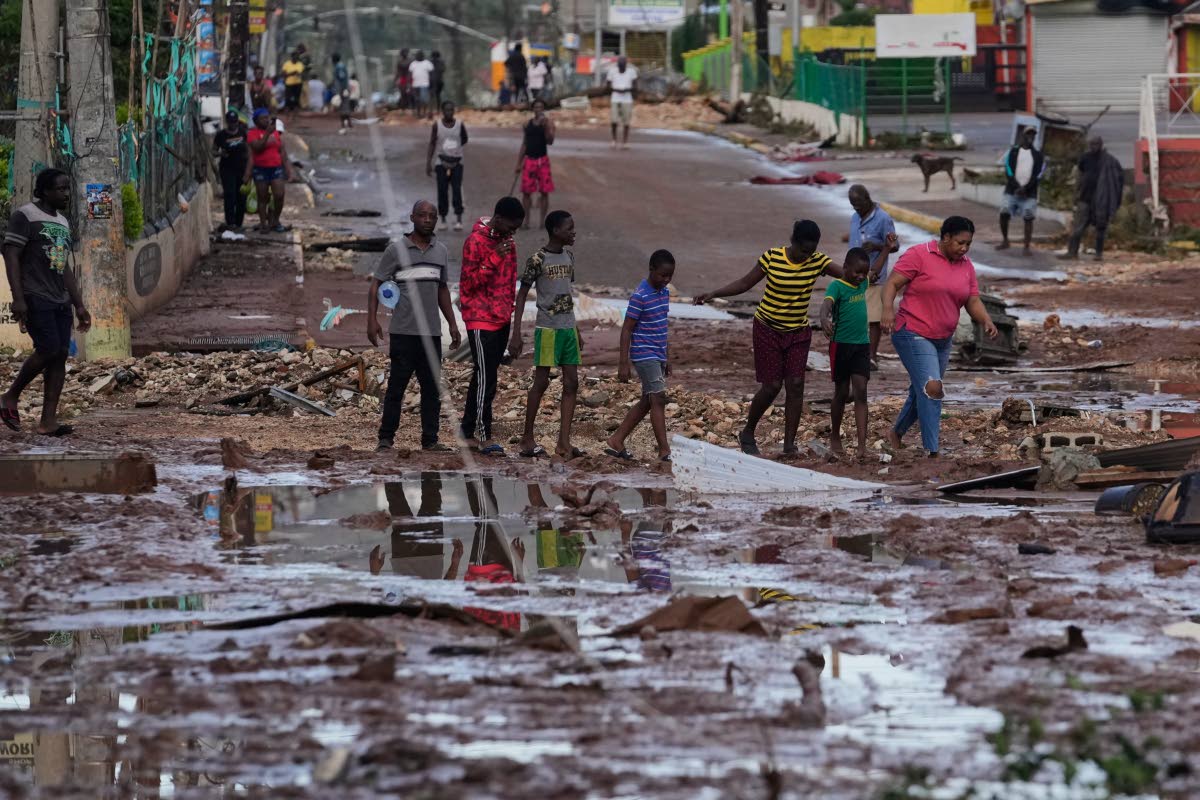
In the aftermath of Hurricane Melissa’s devastating impact on Jamaica, Digicel (TT) Ltd has introduced a compassionate initiative to support affected communities. Effective from October 30 to November 3, all calls to Jamaica will be zero-rated, allowing customers to connect with loved ones without charge. This move aims to provide a vital communication lifeline during this challenging period. Digicel TT CEO Pieter Verkade emphasized the importance of staying connected, stating, ‘Communication is more than a service; it’s a lifeline that enables families to share comfort, critical information, and reassurance across borders.’ To ensure equitable access, a daily cap of sixty minutes has been implemented, balancing widespread availability with network quality. Hurricane Melissa, which struck Jamaica’s southwestern coast on October 28, caused widespread destruction, leaving over 475,000 people without power and damaging infrastructure, homes, and public buildings. In response, the government has dispatched eight 40-foot-long containers filled with essential relief supplies. Civil society, private sector organizations, and NGOs have also mobilized comprehensive relief efforts to aid recovery. Digicel TT’s initiative underscores the critical role of connectivity in disaster response and recovery.
-
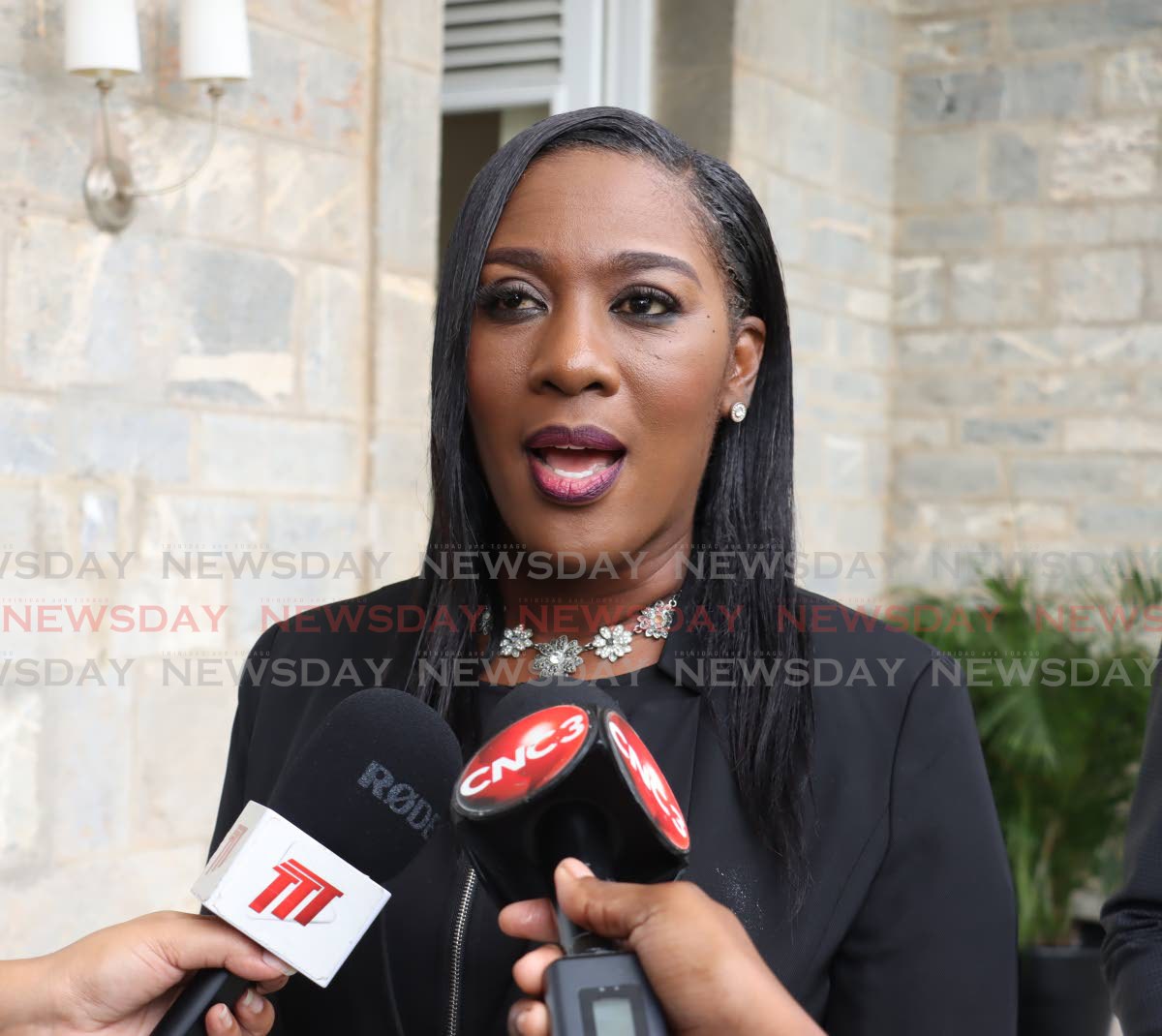
Finance Secretary: THA aims to curb expenditure in 2026
The Tobago House of Assembly (THA) has called on its divisions to limit their expenditures for the fiscal year 2026. This directive was announced by THA Secretary of Finance, Trade, and Economy, Petal Ann Roberts, during a media briefing following a post-budget retreat held at the Mt Irvine Bay Hotel on October 29. The retreat, chaired by THA Chief Secretary Farley Augustine, focused on the fiscal 2026 budget allocations and the assembly’s five percent share of the national budget. Discussions included last year’s achievements and challenges, as well as future policies and actions. Roberts emphasized the retreat’s inclusive nature, with inputs from all secretaries, assistant secretaries, and administrators on their achievements, strategies, and cost-saving measures. The THA has received a total of $2.96 billion, including allocations for Cepep and URP programs, which are crucial for Tobago’s development. The strategy discussed aims to constrain expenditures to fiscal 2025 levels, with a shift of approximately $300 million from recurrent to development, bringing the revised development allocation to $501 million. Six priority areas were identified: tourism, agriculture, digital transformation, human capital development, investment in micro, small, and medium enterprises, and infrastructure. Health, education, and community development were also highlighted as critical areas. Roberts will present a revised budget detailing the projects, their impact, and costs at an upcoming house sitting. Augustine confirmed that a full re-prioritization will be provided within two weeks from October 29.
-
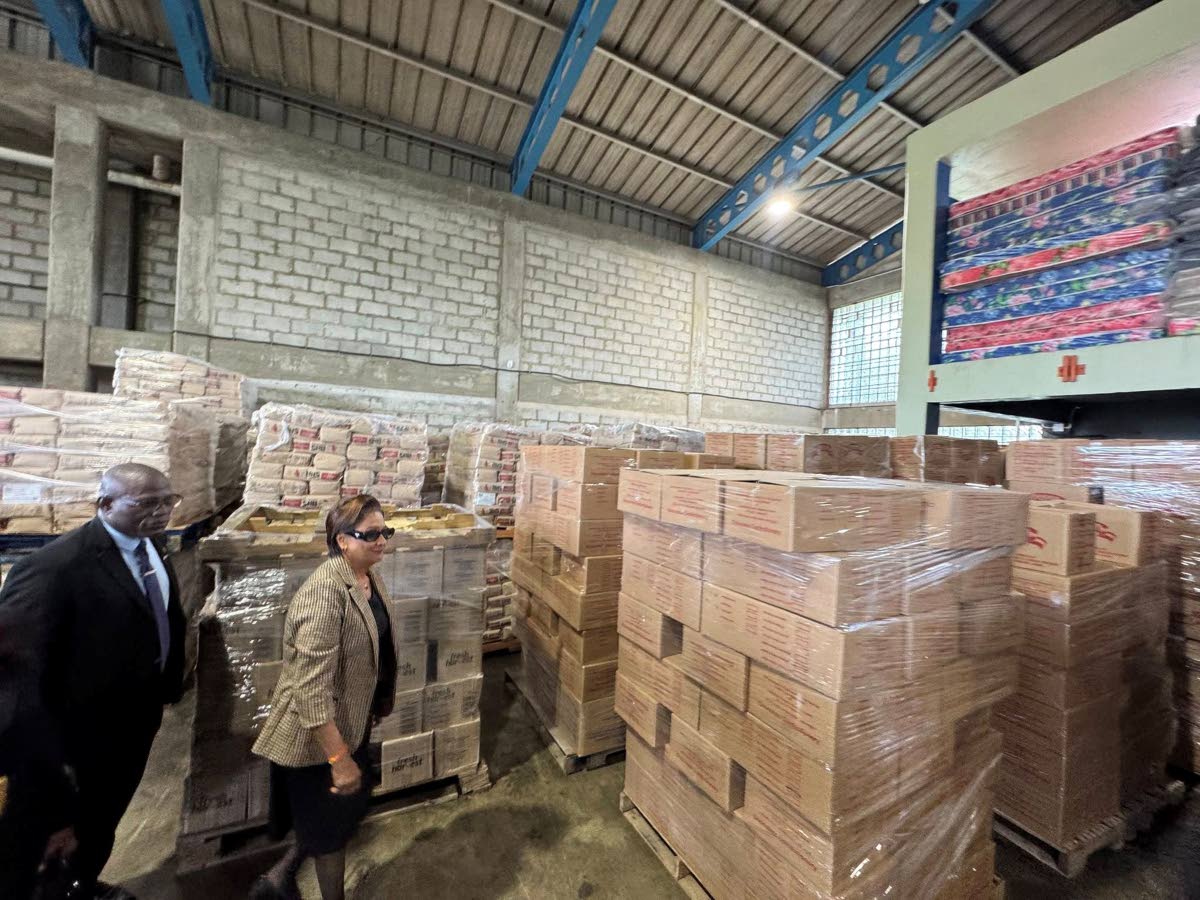
TT response to hurricane-ravaged Jamaica: State, NGOs mobilise relief drive
In the wake of Hurricane Melissa’s devastation in Jamaica on October 28, Trinidad and Tobago has launched a robust humanitarian response. Prime Minister Kamla Persad-Bissessar spearheaded the initiative, overseeing the first shipment of relief supplies from the Plipdeco Warehouse Complex at Point Lisas Industrial Estate. The Ministry of Rural Development and Local Government announced a national collection drive, running from October 30 to November 4, with all 14 municipal corporations serving as official drop-off points. An inter-ministerial committee, led by Local Government Minister Khadijah Ameen, has been established to coordinate efforts, ensuring swift and effective mobilization of resources. The public is encouraged to contribute to the TT National Disaster Relief Fund via First Citizens Bank or by donating essential supplies. The private sector has also rallied, with major business chambers, including the Energy Chamber and TT Manufacturers’ Association, opening a joint relief fund. Plipdeco Port has been designated as the logistics hub for containerized donations. Additionally, Sewa TT, in collaboration with Sewa USA, is deploying mobile water systems and emergency food stations to bypass logistical challenges and deliver aid directly to affected areas. Massy Stores has partnered with Sewa TT, allowing customers to donate towards essential relief buckets. The Caribbean Public Health Agency (Carpha) has activated its disaster-response system, providing medical supplies and public health support to Jamaica. This collective effort underscores the Caribbean’s unity and commitment to rebuilding stronger, healthier communities.
-
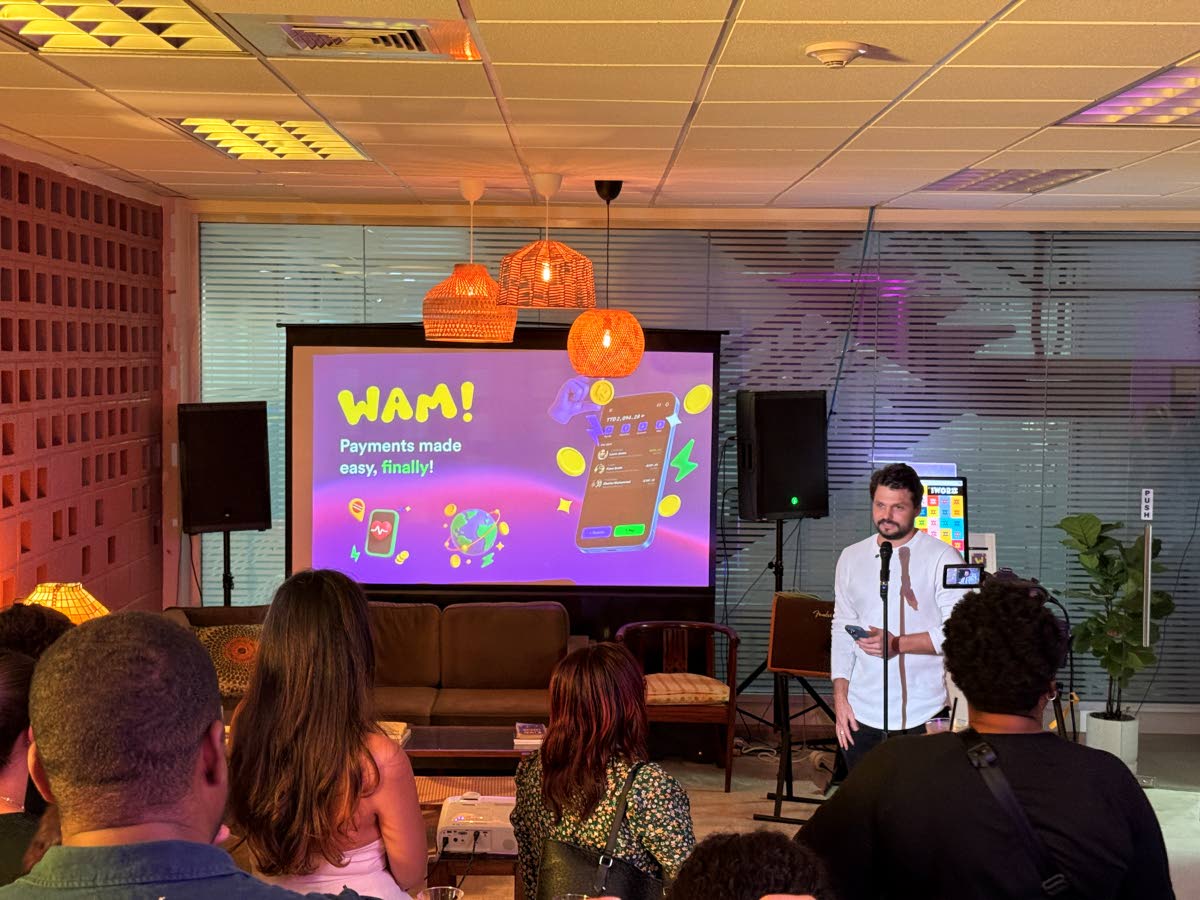
Wam partners with Visa, NPICTT
WamNow Technologies Ltd., a pioneering force in Trinidad and Tobago’s digital finance landscape, has unveiled groundbreaking partnerships with global payment giant Visa and the National Payment and Innovation Company of TT (NPICTT). These collaborations, announced at Wam’s official launch on October 16 at Worx Coworking Space in Port of Spain, are set to redefine the digital payment experience for citizens and businesses across the Caribbean nation.
-
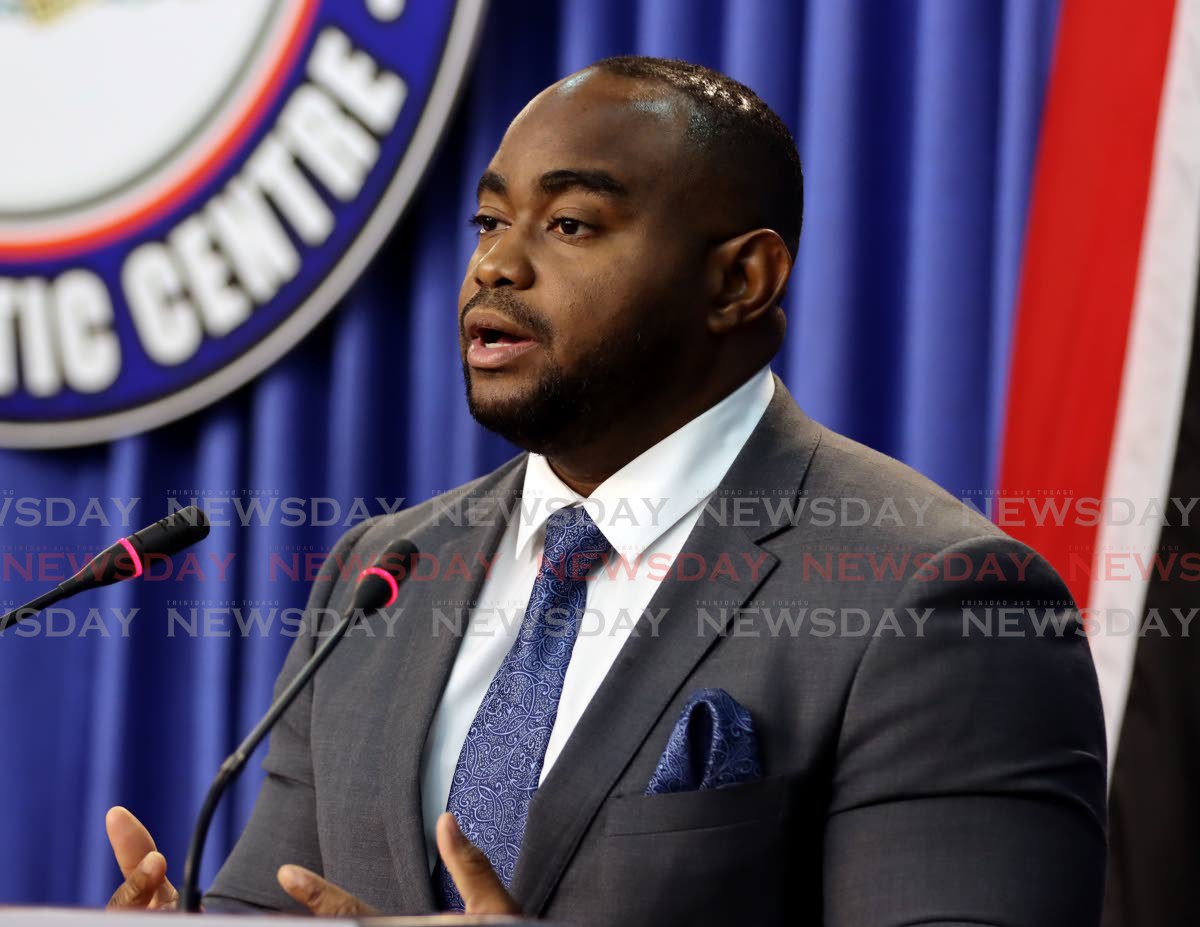
Sobers digs in against illegal migrants
In a recent post-cabinet press briefing held at the Diplomatic Centre in St Ann’s, Trinidad and Tobago’s Minister of Foreign and Caricom Affairs, Sean Sobers, reaffirmed the government’s uncompromising stance on the deportation of illegal migrants. The briefing, attended by Local Government Minister Khadijah Ameen and Nicholas Morris, parliamentary secretary in the Office of the Prime Minister, saw Sobers address concerns raised by Newsday regarding the government’s hard-line position on mass deportations. Sobers emphasized that the government’s policy aligns with the Immigration Act, which categorizes illegal entry and overstaying as criminal offenses, warranting deportation. He dismissed suggestions to soften the approach, stating that the government stands by the position articulated by Minister of Homeland Security Roger Alexander. Sobers also addressed concerns about the treatment of migrants, drawing parallels to controversial practices in the United States, but maintained that Trinidad and Tobago’s immigration authorities operate within normal legal frameworks. Additionally, he responded to reports of Trinidadian nationals allegedly killed in US military strikes on drug boats, promising to investigate but cautioning against unfounded allegations. Sobers also commented on recent political tensions with Venezuela, including the Venezuelan National Assembly’s criticism of Prime Minister Kamla Persad-Bissessar, and reiterated Trinidad and Tobago’s commitment to democratic principles.