Homeland Security Minister Roger Alexander has stated that the Trinidad and Tobago (TT) government has no additional information regarding the US anti-narco terrorism operation ‘Southern Spear,’ announced by US Secretary of War Pete Hegseth on November 13. Hegseth’s announcement on X emphasized the mission’s goal to defend the Western Hemisphere, remove narco-terrorists, and secure the region from drug-related threats. Alexander, speaking to the media outside Parliament on November 14, clarified that the TT government is only aware of the ongoing joint exercises between TT and US law enforcement agencies, which have been conducted for years. He acknowledged the positive impact of US air-strikes on alleged drug-trafficking boats between TT and Venezuela, citing a significant reduction in firearms, human trafficking, and illegal drugs entering TT. However, Alexander emphasized that the government has no further details on ‘Southern Spear.’ This revelation follows Attorney General John Jeremie’s announcement in a UK Financial Times article on November 13, stating that the US will ‘intensify exercises’ in TT in the coming days. The 22nd US Marine Expeditionary Unit arrived in Trinidad aboard the USS Gravely two weeks prior for military exercises with the TT Defence Force, held from October 26-30. Minister of Foreign and Caricom Affairs Sean Sobers confirmed upcoming joint exercises from November 16-21, aimed at enhancing local law enforcement capabilities. Meanwhile, concerns persist over the deaths of over 70 individuals, including Trinidadians Rishi Samaroo and Chad ‘Charpo’ Joseph, following US air-strikes on alleged drug boats. Their bodies remain missing, and while Sobers denied evidence linking their deaths to the strikes, relatives insist they were killed in the operation.
标签: Trinidad and Tobago
特立尼达和多巴哥
-

Football giants indeed
The San Fernando Giants, one of the longest-surviving active football clubs, recently celebrated their 75th anniversary with a series of commemorative events. The celebrations included a thanksgiving service at St. Paul’s Anglican Church and an awards ceremony held in the church hall on November 1. This milestone highlights the club’s remarkable journey, sustained by community spirit and volunteerism rather than corporate sponsorship.
-

Senator Chote: There is a JP facing criminal charges
Independent Senator Sophia Chote, SC, voiced significant concerns during the Senate debate on the Administration of Justice (Indictable Proceedings) (Amendment) Bill, 2025 (AJIPA), particularly regarding the expanded powers granted to Justices of the Peace (JPs) to authorize search warrants. Chote, a former president of the Law Association, highlighted the lack of a comprehensive and up-to-date list of JPs, citing a Gazetted list from May as incomplete and potentially dangerous. She pointed out that there is no mechanism for the JP Association or the Ministry of Land and Legal Affairs to be informed if a JP becomes incapacitated, dies, or faces serious legal charges. Chote emphasized the risks of granting broad powers to JPs without proper background checks or accountability measures. She referenced a 1997 incident where JPs were accused of misconduct, leading to the creation of a handbook by then Attorney General Ramesh Lawrence Maharaj. However, Chote lamented that this guide is now outdated and largely unknown to many attorneys. She concluded that without a transparent and accountable system for JPs, she could not support the bill in good conscience.
-

AG amends bill in committee stage: Way cleared for JPs’ expanded powers
The Administration of Justice (Indictable Proceedings) (Amendment) Bill, 2025 (AJIPA) was successfully passed in the Senate on November 14, following intense debates and several amendments. The bill, which amends the Administration of Justice (Indictable Proceedings) Act of 2011, introduces significant changes to the powers of Justices of the Peace (JPs), including the authority to authorize search warrants and grant station bail for indictable offenses. The bill passed with 24 votes in favor, six against, and no abstentions, with no independent senators opposing the amended version.
During the discussions, senators emphasized the need for modernization of the JP system before expanding their powers. Concerns were raised about the current criteria for JPs, which were deemed insufficient for the responsibilities they are expected to undertake. Proposals included establishing a unified record-keeping system for warrants, modern legislation governing JPs, continuing education programs, and an emergency on-call system for Masters of the Court, who possess the necessary expertise to sign search warrants.
Attorney General John Jeremie, along with PNM Senator Faris Al-Rawi and independent Senator Dr. Desiree Murray, proposed amendments during the committee stage. Key issues highlighted included the necessity of legal training for JPs before they could sign search warrants, as well as concerns about corruption, unethical behavior, and the potential for bribery due to the low monthly honorarium of $1,000.
Jeremie committed to referring the matter to the Law Review Committee to address ethical standards and responsibilities of JPs. He also added a proclamation clause to the bill, delaying the implementation of the search warrants section until training and other legislative measures are addressed.
Senator Al-Rawi raised concerns about the potential for JPs to authorize warrants for unspecified premises and questioned whether JPs could approve warrants for the seizure of stored data and communications. Jeremie clarified that such actions were excluded under the Data Protection Act. Al-Rawi’s amendment to remove JPs from the category of individuals authorized to grant search warrants was ultimately defeated.
Senator Murray proposed an amendment requiring JPs to complete standardized and certified training before issuing warrants or granting bail. However, this amendment was also defeated, with eight senators in favor and 22 against. The bill was subsequently read a third time and passed.
-

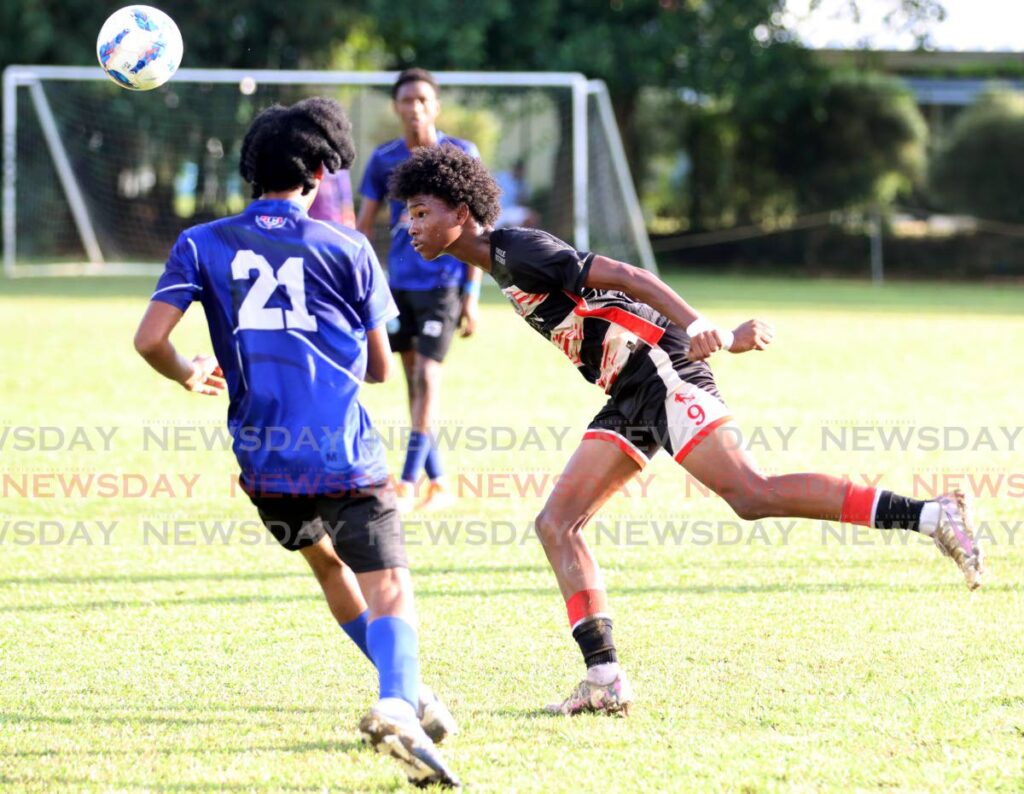
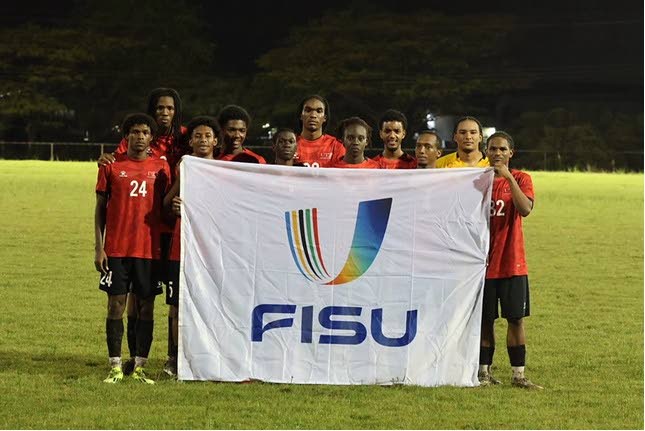
Unbeaten run, delayed fixtures keep Signal Hill in SSFL race
Signal Hill Secondary School is on the brink of making history in the Secondary Schools Football League (SSFL) premier division. With four matches remaining, the Tobago-based team is uniquely positioned to challenge for the title, currently sitting fifth with 25 points from 11 games. Their fate is entirely in their hands: if they win their next three matches against St Augustine, Trinity College East, and Malick, they will level with current leaders Naparima College at 34 points. This would set up a high-stakes final showdown between the two teams on November 27, effectively making it a winner-takes-all decider. Signal Hill’s strong goal difference further bolsters their chances in case of a tiebreaker.
This is Signal Hill’s second year in the SSFL, and their journey has been marked by resilience and determination. Several of their matches were postponed earlier in the season due to logistical challenges, including unavailable flights and limited vessel seats between Tobago and Trinidad. However, this delay has now placed them in a favorable position to mount a late title charge.
Head coach Downie Marcelle remains cautious, emphasizing a game-by-game approach. ‘We are taking it one game at a time and not getting carried away,’ he said. Marcelle highlighted the importance of managing player fatigue and maintaining focus, especially with a packed schedule ahead. ‘We have to stay perfect or near perfect to win the league,’ he added.
Signal Hill’s recent form has been impressive, with an unbeaten run in their last seven matches. Marcelle attributes this improvement to their ability to capitalize on early chances, a weakness they addressed after struggling with finishing earlier in the season. The team’s continuity, with only three players lost from last year’s squad, has also played a crucial role in their success.
Meanwhile, other title contenders like St Benedict’s and Presentation College San Fernando remain mathematically in the race but are dependent on Signal Hill and Naparima dropping points. As the SSFL enters its final stretch, all eyes are on Signal Hill, whose performance in the coming weeks could culminate in their first-ever league championship.
-

CAL chairman: All hands must be on deck
Caribbean Airlines (CAL) is gearing up for a transformative two-year turnaround plan, as mandated by Prime Minister Kamla Persad-Bissessar. CAL Chairman Reyna Kowlessar expressed unwavering confidence in meeting this ambitious goal, emphasizing the need for collective effort and strategic leadership. Speaking at the Chamber of Industry and Commerce’s Champions of Business ceremony in Port of Spain on November 13, where CAL was honored as the Internationally Known, TT Owned Business of the Year, Kowlessar outlined the airline’s roadmap for revival. Key initiatives include a comprehensive departmental audit, employee upskilling, and filling vacant positions through ongoing interviews. Kowlessar highlighted the strength of the new board appointed in June and stressed the importance of teamwork and progress. CAL is also optimizing its routes, with an ad-hoc committee addressing underperforming flights, such as the recently discontinued Montego Bay/Kingston to Fort Lauderdale route. Acting CEO Nirmala Ramai, who accepted the award on behalf of CAL, underscored the airline’s commitment to excellence and its role as a regional aviation leader. Kowlessar celebrated CAL’s resilience and its contributions to regional relief efforts, including support for Jamaica, a shareholder in the airline. The ceremony also recognized other business leaders and companies, including AP Scott TT Ltd, La Vega Estate, and Coded Arts, for their outstanding contributions to the business community.
-

Dwight Yorke defends tactics against Jamaica in World Cup qualifier
Trinidad and Tobago’s men’s football team faced a heartbreaking exit from the 2026 FIFA World Cup qualifiers after a 1-1 draw with Jamaica at the Hasely Crawford Stadium on November 13. Despite dominating the game, TT fell short of the crucial win needed to keep their qualifying hopes alive. Coach Dwight Yorke defended his tactical decisions, asserting that his game plan worked ‘incredibly,’ even though the team failed to capitalize on their opportunities. Yorke highlighted Jamaica’s defensive approach, which deviated from their usual style, as a key factor in the match’s outcome. The absence of regular captain Kevin Molino from the starting lineup raised eyebrows, though his late equalizer briefly reignited hope. Yorke’s strategy of deploying a physical midfield trio and inverting wingers to create attacking options showed promise but ultimately couldn’t overcome TT’s persistent goal-scoring struggles. With a goal-per-game ratio in the final round, Yorke acknowledged the need for a reliable striker, backing Levi Garcia as the best current option despite his limited output. The draw marked another chapter in TT’s quest for World Cup qualification, leaving fans and critics alike questioning what might have been.
-

Coach Dwight Yorke: I want to complete what I’ve started
Despite Trinidad and Tobago’s (TT) men’s football team being eliminated from the 2026 FIFA World Cup qualifiers, head coach Dwight Yorke has expressed his desire to remain in the role. Yorke, who took charge of the team in November 2022, emphasized his commitment to building a stronger foundation for TT football, even as the team fell short of their World Cup aspirations. The TTFA (Trinidad and Tobago Football Association) will now decide whether to extend his contract beyond the qualifiers. Yorke’s tenure has been marked by progress, but the team’s inability to secure crucial victories in the final round of qualifiers ultimately sealed their fate. TT’s hopes were dashed after a 1-1 draw with Jamaica on November 13, leaving them third in Group B of the Concacaf qualifiers. Despite dominating possession and creating numerous chances, TT struggled with finishing, a recurring issue throughout the campaign. Yorke, visibly disappointed but proud of his players, acknowledged the challenges and called for long-term planning to improve TT’s chances in future tournaments. With the 2030 World Cup in sight, Yorke urged the TTFA to implement structural changes and support systems to elevate the team’s performance. He remains focused on the upcoming match against Bermuda, aiming to end the qualifiers on a positive note.
-

Windies look to rebound in ODIs against New Zealand
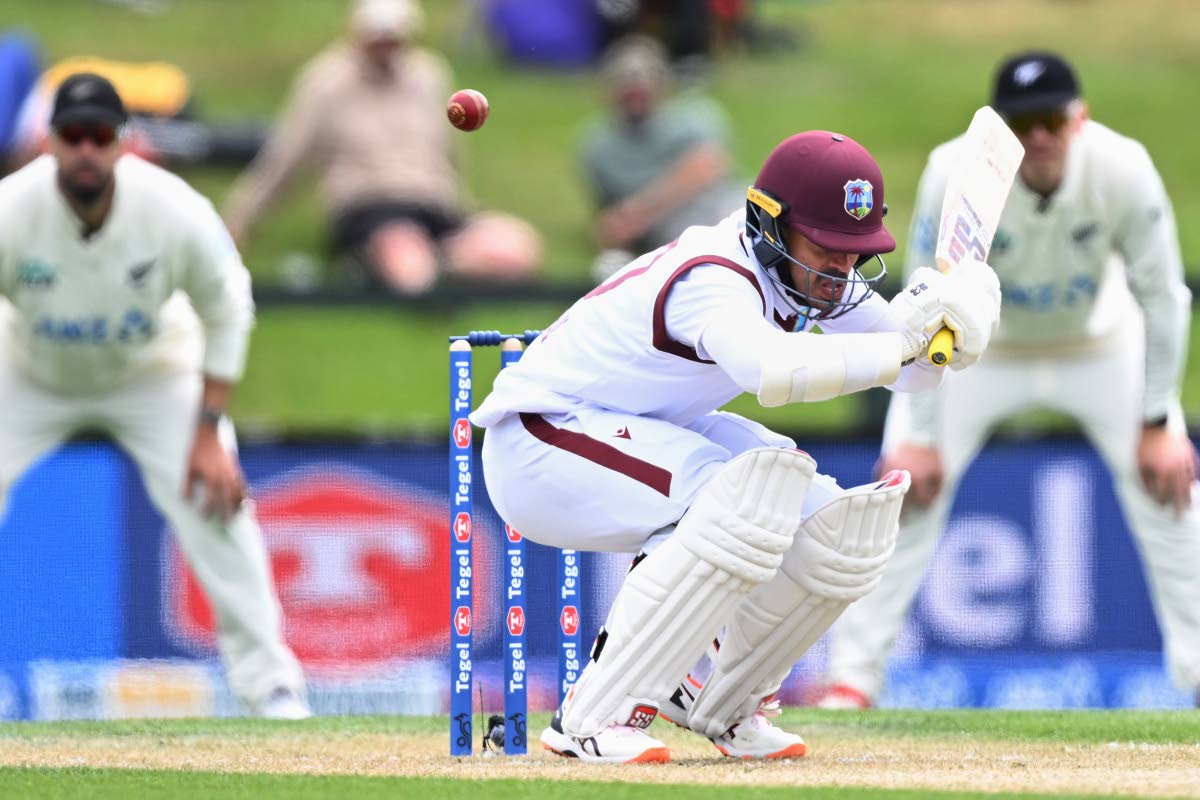
The West Indies cricket team is set to face New Zealand in the first of a three-match ODI series at Hagley Oval on November 15, starting at 9 pm TT time. This encounter follows a disappointing 3-1 loss in the T20 series against the Black Caps. The Caribbean squad is eager to turn their fortunes around in the 50-over format, despite a recent 2-1 ODI series defeat to Bangladesh in late October. This series marks the penultimate engagement for the West Indies in the 2025 season, with a three-match Test series against New Zealand scheduled for December to conclude their multi-format tour. The team has bolstered their lineup with the return of opener John Campbell after a six-year hiatus, along with the inclusion of fast bowlers Johann Layne and Shamar Springer, both making their ODI debuts. All-rounder Matthew Forde also rejoins the squad following a shoulder injury sustained during the T20 series. The Windies last tasted ODI success in August with a 2-1 victory over Pakistan in the Caribbean, following a 3-0 loss to England in May. A series win against New Zealand would mean the West Indies have secured two out of their four ODI series this year. The squad, led by captain Shai Hope, includes a mix of experienced players and fresh talent, all aiming to make a significant impact in the upcoming matches.
-

Sovereignty surrendered through borrowed rhetoric
Prime Minister Kamla Persad-Bissessar’s handling of international concerns regarding Caribbean military operations has sparked significant criticism, with accusations of policy abdication and foreign alignment overshadowing Trinidad and Tobago’s sovereignty. The controversy centers on the government’s dismissal of legal and ethical concerns raised by international allies, including the UK, France, and the EU, over military strikes in Caribbean waters that have resulted in 75 deaths. Critics argue that the Prime Minister’s reliance on U.S. State Department rhetoric and her labeling of scrutiny as “fake news” undermines democratic accountability and regional diplomatic efforts. The government’s adoption of a “narco-terrorism” narrative to justify extrajudicial actions has further fueled discontent, with opponents accusing the administration of weaponizing public fear to suppress dissent. The erosion of the “zone of peace” framework, a decades-old Caribbean consensus on managing great power competition, has been particularly alarming. Citizens are increasingly frustrated with the government’s prioritization of foreign interests over transparency and national sovereignty. The Prime Minister’s failure to address these concerns independently, instead amplifying foreign officials’ statements, has raised questions about Trinidad and Tobago’s capacity for self-determination. Critics warn that without a demand for accountability, the nation risks losing its independence to governance by proxy.