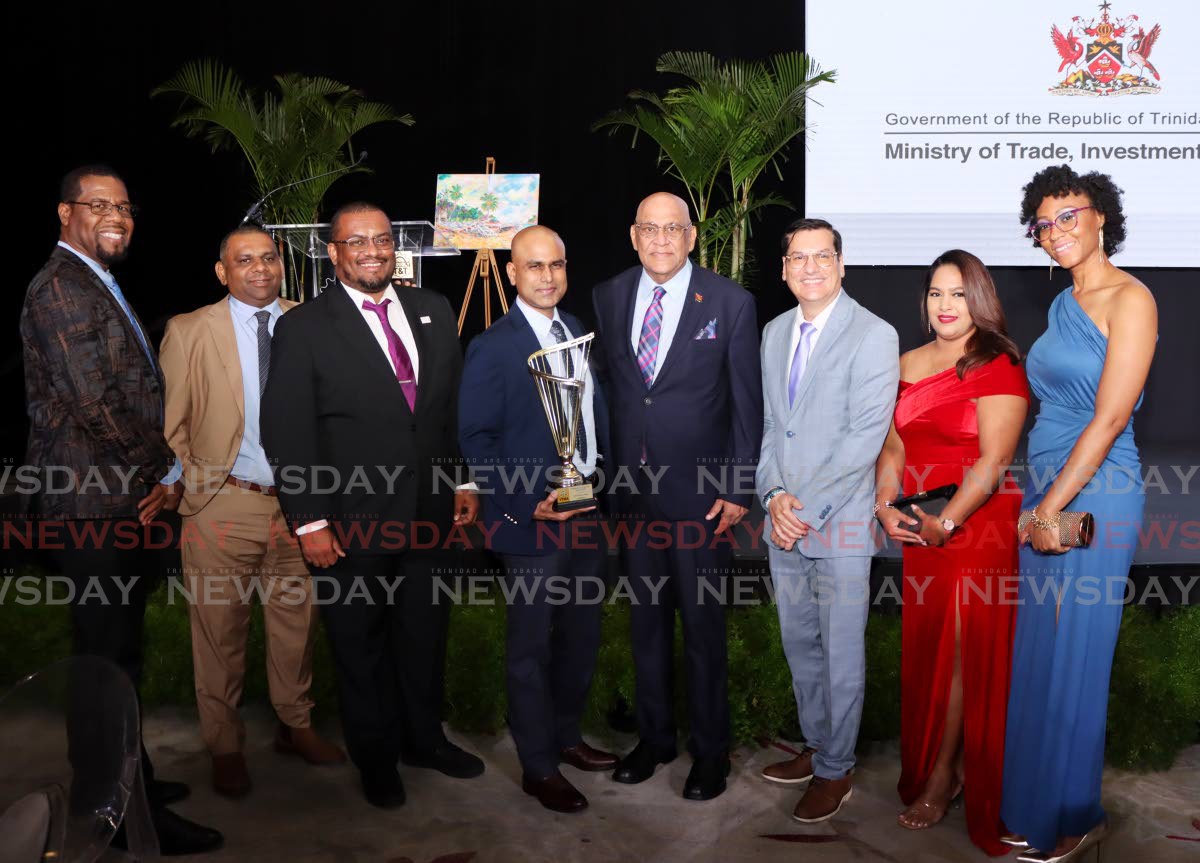
The Trinidad and Tobago Manufacturers’ Association (TTMA) recently hosted its annual President’s Dinner and Awards at the Hyatt Regency in Port of Spain, celebrating the resilience, innovation, and economic contributions of the nation’s manufacturing sector. The event, held on November 5, 2025, highlighted the industry’s pivotal role in national development, with TTMA President Dale Parson emphasizing its employment of over 60,000 people and its status as a key economic stabilizer. Parson also revealed that the TTMA, in partnership with the government, raised over $5 million in goods and cash within 24 hours to support Jamaica’s recovery efforts following Hurricane Melissa. The manufacturing sector accounts for approximately 18% of Trinidad and Tobago’s Gross Domestic Product (GDP), making it the second-largest employer after the state. Small and medium-sized enterprises (SMEs) were recognized as the backbone of the industry, comprising nearly 65% of manufacturers nationwide. Parson outlined initiatives to enhance SME export readiness, including participation in trade conventions, international missions, and collaboration with the Eximbank. Looking ahead, the TTMA has proposed redeveloping the Caroni Racing Complex into a world-class convention center, aiming to position Trinidad and Tobago as a regional manufacturing and trade hub. The event also featured calls for deeper bilateral collaboration between Trinidad and Tobago and Guyana, with Guyana Manufacturing and Services Association President Rafeek Khan urging the resolution of trade barriers to unlock regional opportunities. Trade Minister Satyakama Maharaj commended manufacturers for their role in economic diversification, announcing ambitious targets to expand exports by $5 billion and attract $9 billion in investments over the next five years. The evening concluded with awards recognizing industry leaders, including Angostura Ltd, which won Exporter of the Year (Large Category), and Novo Farms Ltd, honored as Manufacturer of the Year (Medium Category).
标签: Trinidad and Tobago
特立尼达和多巴哥
-

The struggles to establish a regional air carrier
In a decisive move to safeguard over 700 jobs and maintain vital air connections across the Caribbean and the eastern United States, the Trinidad and Tobago (TT) government, under the leadership of Premier Dr. Eric Williams, took control of British West Indian Airways (BWIA) in 1961. This action was prompted by the British Overseas Airways Corporation’s (BOAC) proposed austerity measures, which threatened significant staff retrenchments and disruptions to regional air services. Premier Williams, addressing the House of Representatives on March 23, 1962, highlighted the government’s intervention to acquire BWIA, emphasizing the need to preserve employment and sustain air links. BOAC, in a letter dated June 16, 1961, valued BWIA at £1,034,036 (BWI$5,445,726), but independent technical advice was sought to facilitate negotiations. The TT government engaged C.S. Sundaram, a consultant from the International Civil Aviation Organisation (ICAO), whose report on September 27, 1961, influenced the decision to acquire BWIA on October 3, 1961. The TT government’s acquisition plan included purchasing BWIA as a going concern, negotiating pooling arrangements with BOAC, and offering BOAC a 20% equity stake. The final agreement, concluded on October 7, 1961, saw BOAC agree to the acquisition for $2.5 million, less than half the initial valuation. This strategic move underscored the TT government’s commitment to regional connectivity and employment stability, independent of broader federal plans.
-

TTFA, Ato Boldon plan relief efforts for Jamaica
In the wake of Hurricane Melissa’s catastrophic impact on Jamaica, the Trinidad and Tobago Football Association (TTFA) and Olympic legend Ato Boldon have stepped up to spearhead relief efforts. The Category 5 storm, which struck on October 28, unleashed winds exceeding 185 mph, causing widespread devastation and leaving numerous communities in ruins. The death toll in Jamaica has surpassed 30, with Haiti also reporting over 40 fatalities.
-

Come clean on centre
A recent review of the Draft Estimates for the Development Programme 2026 has unveiled a troubling policy change that has sparked widespread concern. The Infrastructural Development Fund, which previously allocated $15 million for the Construction of a Socially Displaced Assessment Centre, has now completely defunded the project, reducing its allocation to $0.00. This abrupt decision jeopardizes the future of a $50 million facility that was intended to offer a lifeline to the nation’s most vulnerable populations. The center, designed to accommodate at least 200 homeless individuals, aimed to provide essential services such as healthcare, job training, and support to help them reintegrate into society. Its defunding raises serious questions about the government’s commitment to addressing homelessness and social displacement. Richard Ramcharitar, in a letter to the editor, has called on the Minister of People, Social Development and Family Services, Vandana Mohit, to clarify the future of this project. He questioned whether this move reflects a broader policy shift away from prioritizing the needs of the socially displaced. The former administration had previously highlighted a 13.4% increase in homelessness since 2011, with hundreds of citizens living on the streets. The complete elimination of funding for this critical initiative signals a concerning neglect of civic responsibility and social justice. The public is demanding transparency and accountability from the government regarding this decision.
-
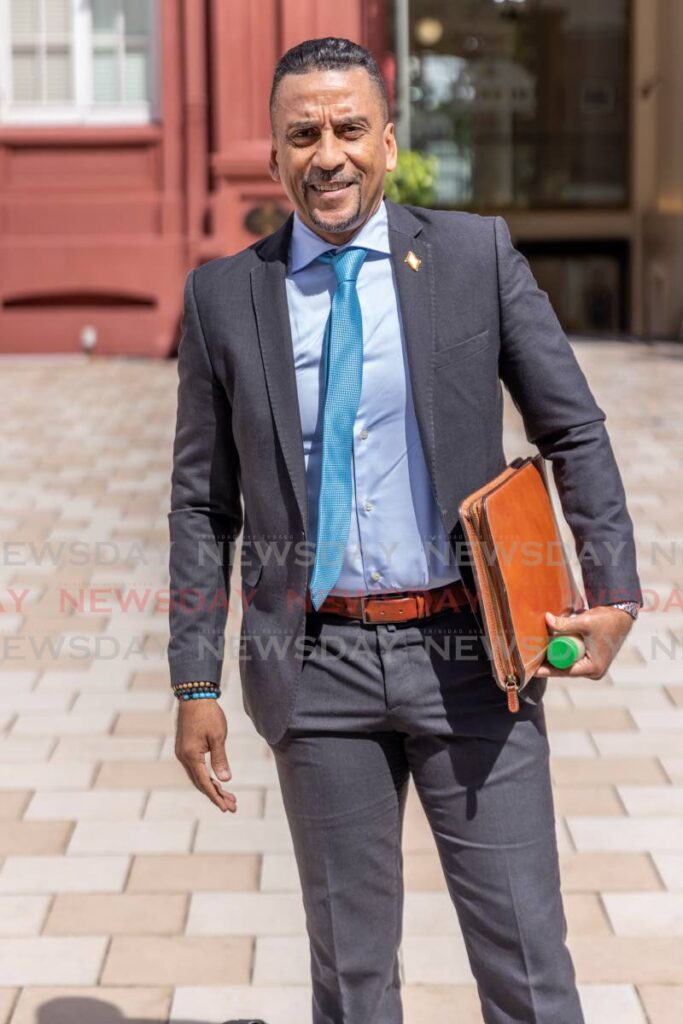
Nakhid wants six-month SSFL season
The Secondary Schools Football League (SSFL), a cornerstone in nurturing young football talent, is under scrutiny for its limited three-month duration. David Nakhid, Parliamentary Secretary in the Ministry of Sport and Youth Affairs and former national football captain, has voiced concerns that this short season stifles the potential of emerging players. Speaking on TV6’s Morning Edition on November 5, Nakhid emphasized the need for innovation in Trinidad and Tobago’s football system, drawing parallels to transformative changes in countries like Germany and Belgium during the 1990s. He highlighted the importance of integrating technology and extending the SSFL season to six months, a proposal supported by SSFL President Merere Gonzales. Nakhid underscored the league’s significance, noting its role in securing scholarships for students to attend US universities and its widespread engagement among parents, students, and stakeholders. He envisions a system where more young footballers gain recognition from international scouts, thereby enhancing their opportunities for both athletic and academic advancement.
-

Is AI taking our jobs or not?
The rise of artificial intelligence (AI) is fundamentally transforming the global workforce, challenging traditional job structures and reshaping industries. While the phrase ‘AI won’t take your job – but someone using AI will’ offers a sense of optimism, the reality is far more complex. Companies worldwide are increasingly citing AI as a reason for cutting thousands of white-collar roles. Amazon’s CEO, Andy Jassy, recently highlighted that AI enables teams to achieve more with fewer people, signaling a shift in workforce dynamics.
Jobs are not monolithic but rather collections of tasks. Research from McKinsey & Company reveals that AI can perform 30 to 70 percent of these tasks, altering the economic viability of many roles. When AI handles half of a job’s workload more efficiently, companies face three choices: eliminate the role, merge it with another function, or redesign it into an AI-assisted position. This gradual erosion of tasks is particularly evident in routine cognitive work, such as data entry, report writing, and document review, which AI now manages with near-professional precision.
Gartner predicts that by 2026, 20 percent of organizations will use AI to flatten their hierarchies, eliminating half of their middle-management layers. AI systems are now capable of handling coordination, analytics, and communication—functions traditionally overseen by managers. This shift is creating what McKinsey terms the ‘agentic organization,’ where small human teams supervise networks of AI agents, resulting in leaner companies and faster decision-making.
While AI is automating many tasks, it is also driving job transformation. In medicine, surgeons use AI to enhance decision-making during operations. In law, AI tools save lawyers an estimated 240 hours annually by handling contract analysis and legal research. In marketing, generative AI has reduced content creation costs by 30 to 50 percent. AI acts as a copilot, handling repetitive work so humans can focus on creativity and judgment. However, companies often fail to replace eliminated tasks with new creative roles, leading to workforce reductions.
AI is also reshaping income distribution. According to PwC’s Global AI Jobs Barometer (2025), industries like finance, IT, and professional services are experiencing productivity growth five times faster than sectors like manufacturing or transport. Workers with advanced AI skills command a 56 percent wage premium, while routine professional roles face decline. This dynamic is compressing the middle class and rewarding those who can direct, train, or govern AI systems.
One of the most pressing concerns is the hollowing-out of the career ladder. AI is automating entry-level tasks that once provided young professionals with learning opportunities. Simultaneously, firms are adopting ‘AI-first’ hiring policies, deploying automation before opening new roles. This trend raises questions about how the next generation of managers and specialists will be trained.
Governments are responding differently to these challenges. The European Union’s AI Act classifies workplace AI as ‘high-risk,’ demanding transparency and safety protocols, which slows innovation but protects workers. In contrast, Singapore is rapidly building an AI-fluent workforce through national upskilling initiatives and a government-backed ethics framework called AI Verify.
In conclusion, AI is not eliminating all jobs but is dismantling the structure of work as we know it. Tasks are being automated, hierarchies flattened, and entry points erased. The future will favor individuals and nations that master AI literacy, creative judgment, and the ability to design systems rather than merely operate within them. As companies in the Caribbean and beyond adopt digital tools more aggressively, the question is no longer if AI affects our jobs, but how quickly we adapt. When half of your tasks vanish, what remains is a test of the true value of the human element in your work.
-
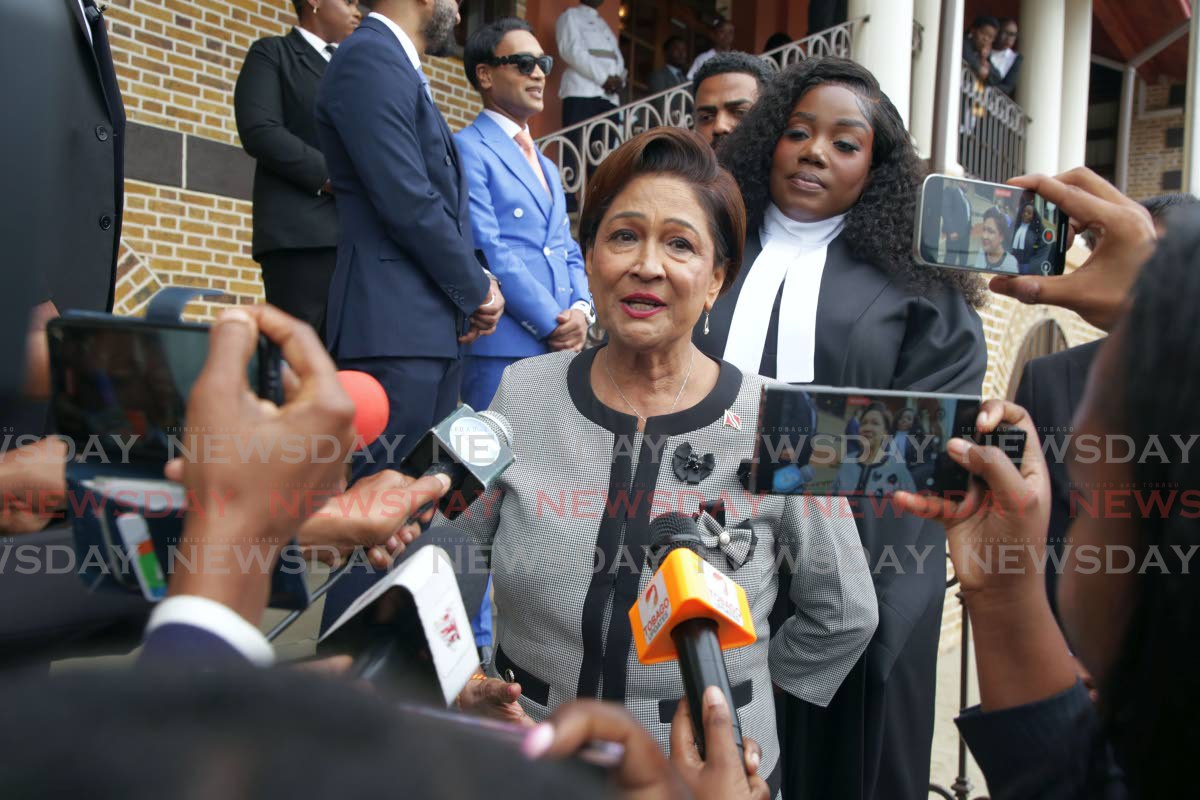
Kamla urges fisherfolk to stay in Trinidad and Tobago waters
Prime Minister Kamla Persad-Bissessar has issued a stern warning to Trinidad and Tobago (TT) fishermen, urging them to remain within the nation’s maritime boundaries following US missile strikes targeting drug-trafficking vessels in the Southern Caribbean. Since September 2, the US has reportedly killed at least 60 individuals in such operations across the Caribbean Sea and Pacific, raising concerns among local fishermen about venturing far out to sea. President Donald Trump has also acknowledged the fear gripping the fishing community in the wake of these bombings. Speaking to the media after a special sitting at the Assembly Legislature in Scarborough on November 4, Persad-Bissessar emphasized that TT is not a target of these operations, stating, ‘Stay in TT waters and you will be safe.’ She clarified that the US actions are aimed at narco-traffickers, gun-runners, and human traffickers, not the nation’s fishermen. The Prime Minister also dismissed claims that tourism is being affected, citing the recent Tobago carnival, which attracted thousands of visitors. She highlighted the increasing prices of illegal drugs in Trinidad as evidence of the effectiveness of anti-drug efforts. Addressing rumors of TT’s potential withdrawal from Caricom, Persad-Bissessar reaffirmed the country’s commitment to the regional bloc while advocating for broader international partnerships. She stressed the need for TT to attract global investors to foster economic growth, noting that the country remains the only Caricom member with investment-grade ratings. Despite criticism from other Caricom states over TT’s support for US military actions, Persad-Bissessar maintained that peace is unattainable without addressing drug trafficking.
-

Revealing column by Healy
In a recent letter to the editor published in Newsday, Kevin Baldeosingh critiques arts activist Dara E Healy’s column, ‘Time to meddle in fowl party,’ which praised writers and activists who supported Maurice Bishop’s New Jewel Movement (NJM) in Grenada. Healy highlighted figures like Merle Hodge, George Lamming, Nancy Morejon, Earl Lovelace, and Eintou Springer for their advocacy of Bishop’s vision of a people-centred ideology. However, Baldeosingh counters this narrative by pointing out the NJM’s authoritarian practices post the 1979 coup, including the suspension of Grenada’s constitution, suppression of media, and imprisonment without trial—actions he argues were never condemned by the intellectuals Healy lauded. Baldeosingh also scrutinizes Healy’s reference to calypsonian Atilla’s protest song ‘No Nationality,’ which criticized land leasing agreements between the British and Americans during World War Two. Notably, Healy omitted Atilla’s full sobriquet, ‘Atilla the Hun,’ a historical figure known for his invasions and destabilization of Roman frontiers. Baldeosingh’s critique underscores the need for a more critical evaluation of intellectual arguments regarding US influence in the Caribbean, questioning the validity of their historical and political perspectives.
-

Point Fortin man freed of stepfather’s 2007 murder
After nearly two decades in legal limbo, Trevor Huggins, a resident of Point Fortin, has been acquitted of the 2007 murder of his stepfather, Brian O’Shaughnessy. The verdict was delivered by a jury at the High Court in Port of Spain on November 3, marking the end of a prolonged and emotionally charged case. Huggins had been accused of fatally stabbing O’Shaughnessy at their family home in January 2007. During the trial, which commenced on October 1 before Justice Maria Busby Earle-Caddle, jurors heard compelling testimony from Huggins’ sister, who recounted discovering her stepfather bleeding from the neck after hearing his cries from the kitchen. She described her brother as mentally unstable and recalled witnessing him flee the scene. When apprehended by authorities, Huggins reportedly claimed, ‘God told me to do it.’ A knife was later found near the victim’s body. A post-mortem examination confirmed that O’Shaughnessy died from stab wounds to the neck and chest. Further complicating the case, a psychiatrist testified that Huggins had been diagnosed with schizophrenia and was experiencing a relapse at the time of the incident. Justice Busby Earle-Caddle instructed the jury to consider a manslaughter verdict if they believed Huggins acted under the influence of his mental disorder. However, the jury ultimately found him not guilty of both murder and manslaughter. Huggins was represented by attorneys Michelle Ali and Shuzvon Ramdass from the Public Defenders’ Department, while the prosecution was led by Veonna Neale-Monroe and Shanelle Kissoon from the Office of the Director of Public Prosecutions.
-

Windies survive Santner scare, edge New Zealand in 1st T20
In a nail-biting encounter at Eden Park, Auckland, on November 5, the West Indies clinched a narrow seven-run victory over New Zealand in the first T20 of their five-match series. Despite a valiant late surge from New Zealand captain Mitchell Santner, who smashed an unbeaten 55 off just 28 balls, the West Indies held their nerve to secure the win. Sent in to bat first, the West Indies posted a competitive total of 164 for six, with Shai Hope leading the charge with a well-crafted 53 off 39 deliveries. Contributions from Rovman Powell (33 off 23) and Roston Chase (28 off 27) further bolstered the innings. The West Indies’ bowlers, spearheaded by Jayden Seales (3 for 32) and Man of the Match Roston Chase (3 for 26), initially dismantled the New Zealand batting lineup, reducing them to 107 for nine in the 17th over. However, Santner’s explosive hitting, including eight fours and two sixes, nearly turned the game on its head. Needing 20 runs off the final over, Santner managed a six off Romario Shepherd but fell short of the target as New Zealand finished on 157 for nine. This victory marked the West Indies’ first away win against New Zealand since 2008 and the lowest total successfully defended at Eden Park in T20 internationals. The second T20 is scheduled for November 6 at the same venue.