标签: Trinidad and Tobago

特立尼达和多巴哥

  • Fireworks Bill passes with unanimous support in House

    Fireworks Bill passes with unanimous support in House

    In a historic legislative move, Trinidad and Tobago’s House of Representatives has unanimously approved the Summary Offences (Amendment) Bill, 2025, establishing comprehensive regulations for fireworks usage through a permit system. The decisive 38-0 vote on December 9 marks a significant shift in public safety policy regarding explosive celebrations.

    Attorney General John Jeremie, championing the legislation, emphasized that fireworks represent more than celebratory items—they constitute serious explosive devices capable of causing substantial damage, injury, and even fatalities. The bill emerges from growing concerns over public safety incidents, including a recent tragedy involving a newborn’s death in October attributed to fireworks misuse.

    The legislation introduces a structured permit system administered by the Commissioner of Police, prohibiting individuals under 18 from obtaining permits. It mandates advance notification to the Fire Service 14 days prior to any fireworks display and establishes explicit restrictions regarding locations, specifying half-mile exclusion zones around hospitals, airports, zoos, animal shelters, farms, and protected natural areas.

    Notably, the bill preserves traditional celebration windows, allowing firework usage without permits on public holidays from 8-9 PM and on December 31 from 11:30 PM to 12:30 AM. Enforcement mechanisms include fixed penalty notices, with provisions for contesting tickets through the District Criminal and Traffic Court.

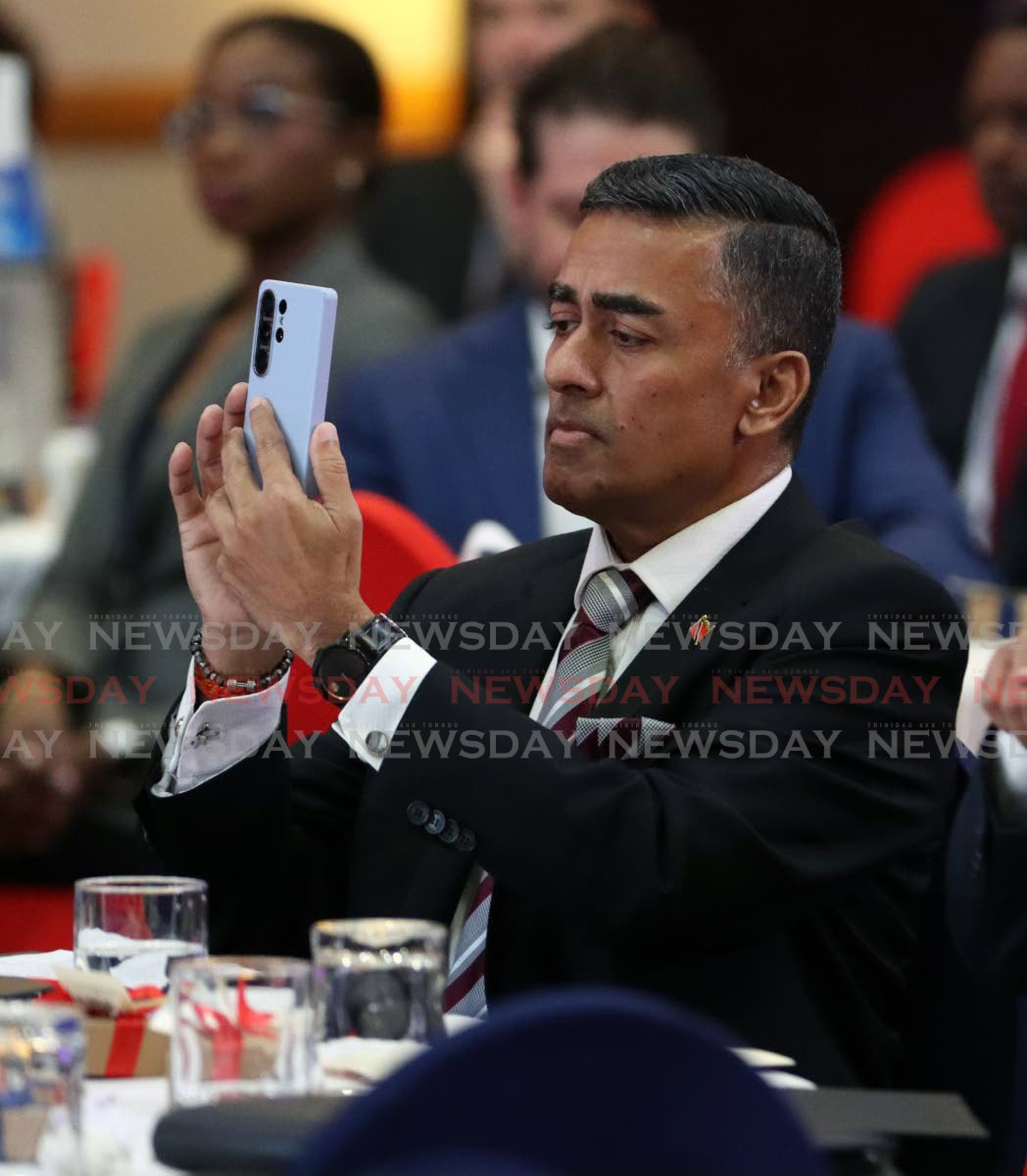
    The legislative process began in 2020 with a comprehensive law reform commission review, culminating in a 2021 draft that incorporated public feedback. A groundbreaking evidentiary provision allows video recordings from mobile devices as admissible evidence in enforcement cases.

    While opposition MP Symon De Nobriga expressed support for the bill, he raised concerns about enforcement practicality, potential video evidence manipulation, and the need for stronger regulations regarding fireworks sales to minors. He additionally highlighted possible conflicts with traditional celebration venues like Queen’s Park Savannah, which falls within restricted zones near medical facilities and the zoo.

    The legislation represents a balanced approach between cultural traditions and public safety, aiming to mitigate risks while preserving celebratory practices under controlled conditions.

  • Innovation labs bring virtual reality to students

    Innovation labs bring virtual reality to students

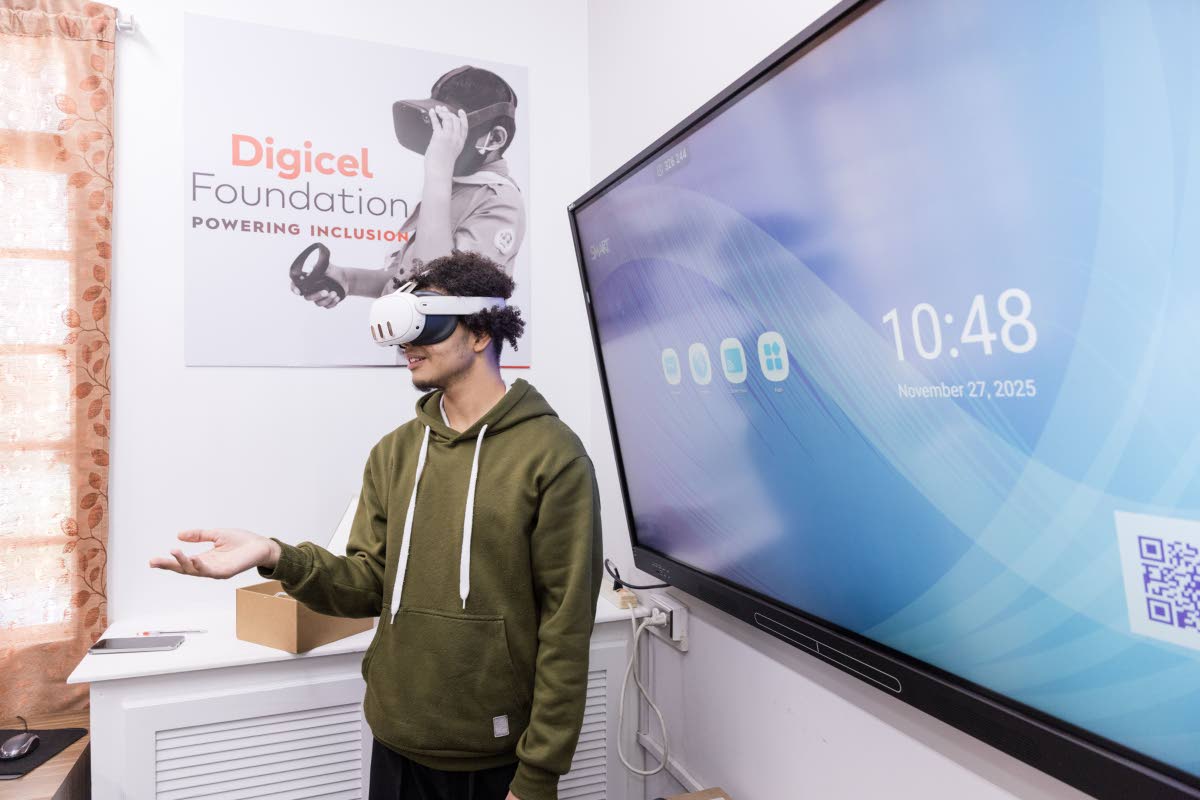
    In a significant advancement for special education, the Digicel Foundation has revealed plans to establish five additional fully-equipped Innovation Labs in specialized educational institutions by year’s end. The initiative targets Lady Hochoy Cocorite, Eshe’s Learning Centre, Cascade School for the Deaf, Servol Sunshine Hill, and St Dominic’s Trade School, providing cutting-edge technological resources to enhance learning experiences for students with disabilities.

    The comprehensive technology package includes state-of-the-art computers, immersive virtual reality systems, interactive smart boards, specialized assistive technology accessories, and ergonomically designed furniture. This infrastructure aims to foster more inclusive, hands-on educational approaches tailored to diverse learning requirements.

    Educational leaders from the beneficiary institutions recently conducted an observational tour of the existing Innovation Lab at Palmeras Learning Centre in St. James, established through Digicel Foundation funding in 2024. Under the guidance of IT instructor Faith Jackson and Principal Earlene Phillip, visitors witnessed firsthand the successful integration of technology into specialized curricula.

    Principal Phillip characterized the lab’s impact as transformative: ‘The Innovation Lab has fundamentally revolutionized our educational methodology. Students actively seek opportunities to incorporate technology into their daily learning activities. While the smart board remains particularly popular, the overall access to computers and internet resources for research and skill development has proven invaluable.’

    Diana Mathura-Hobson, Project Manager at Digicel Foundation, emphasized the broader vision: ‘These five institutions join an expanding community of educators dedicated to digital inclusion. Our Innovation Labs initiative strives to guarantee that students with special needs receive equitable access to technological opportunities.’

    This program operates within the Foundation’s Digital Citizenship framework, which seeks to equip youth and marginalized communities with essential digital skills, tools, and confidence for full participation in the digital landscape. With these additions, the Foundation will have established 20 Innovation Labs nationwide, systematically integrating adaptive and accessible technologies into specialized education systems.

  • Steelpan Titans land another big win in TTCB U-23 Cup

    Steelpan Titans land another big win in TTCB U-23 Cup

    The Steelpan Titans have secured their second emphatic victory in as many days within the TT Cricket Board Under-23 Cup, establishing themselves as formidable contenders in the tournament. Their latest triumph came against the Scarlet Blazers at the Brian Lara Cricket Academy in Tarouba on December 10, where they delivered a commanding 142-run win.

    Choosing to bat first after winning the toss, the Titans posted a competitive total of 280 for nine from their allotted 50 overs. The innings was anchored by a stellar performance from top-order batsman Joseph Mendoza, who crafted a decisive 78 runs from just 79 deliveries, including three boundaries and four sixes. Openers Riyaad Mohammed (31) and captain Justin Jagessar (22) provided a solid foundation with a 65-run partnership before being dismissed by Zachary Siewah and Vasant Singh respectively.

    Mendoza later formed crucial partnerships, adding 76 runs with Nick Ramlal (39) for the third wicket and 75 runs with wicket-keeper batsman Matheus Komal, whose explosive 43 off 28 balls featured three fours and three sixes to accelerate the scoring rate.

    Despite an expensive spell, Alexander Chase emerged as the most successful bowler for the Blazers, claiming four wickets for 71 runs, including the vital dismissals of Komal, Jacen Agard, Jayden Kent, and Calvin Loubon during the death overs.

    In response, the Scarlet Blazers’ batting lineup collapsed under pressure, crumbling to 32 for four within the first seven overs. Captain Justin Jagessar led the Titans’ bowling attack with two early wickets, finishing with figures of two for 18. The Blazers failed to establish substantial partnerships, with the highest being a 39-run stand between captain Sachin Emrit (17) and Mikeal Sinanan (22). Zachary Siewah top-scored with 23 runs before the team was bowled out for 138 in just 24.4 overs, with Calvin Loubon (2/27) and Stepphan McPherson (2/28) contributing to the comprehensive bowling performance.

    This victory follows the Titans’ five-wicket win against the Soca Strikers under-19 team on December 9, demonstrating their growing dominance in the competition.

  • PM, 2 others cleared of privileges breaches

    PM, 2 others cleared of privileges breaches

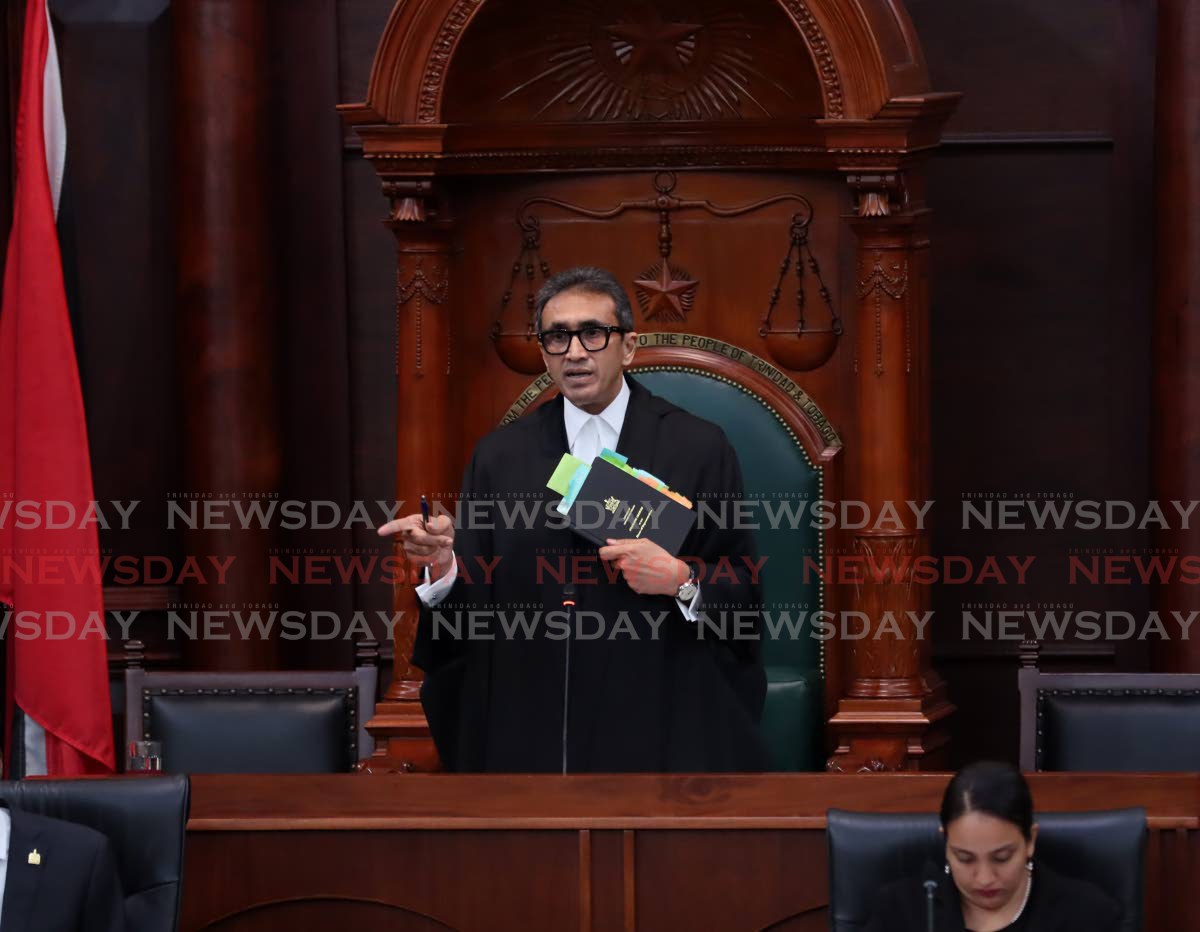
    In a landmark ruling that has significant implications for parliamentary conduct standards, House Speaker Jagdeo Singh has dismissed multiple privilege complaints against Trinidad and Tobago’s political leadership, declaring one key motion against Prime Minister Kamla Persad-Bissessar ‘stillborn.’

    The Speaker’s comprehensive decision, delivered during the December 9 parliamentary session, addressed three separate privilege motions filed by opposition members following heated exchanges in the November 21 sitting.

    Central to the ruling was the complaint brought by Diego Martin North/East MP Colm Imbert against Prime Minister Persad-Bissessar. The controversy stemmed from an exchange where the PM told Imbert to ‘stop pointing at me,’ to which he responded ‘Why not?’ before Persad-Bissessar retorted, ‘Because I will cuff you down.’

    Speaker Singh invoked UK parliamentary precedent, emphasizing that privilege powers should only be exercised to protect members from ‘substantial interference’ with their official duties. He determined that the exchange constituted ‘light-hearted banter’ rather than a genuine threat, noting that laughter followed the interaction and no point of order was raised at the time.

    ‘The personal view of the member was irrelevant,’ Singh stated, adding that ‘mere words in themselves do not, ipso facto, constitute a breach of privilege.’

    The Speaker also dismissed a complaint by Arouca/Lopinot MP Marvin Gonzales based on alleged unparliamentary language from background audio in social media footage. Singh criticized the evidentiary standards, noting the absence of official Hansard records and the failure to raise objections during the actual proceedings.

    A third complaint by Couva South MP Barry Padarath alleging harassment was deemed ‘devoid of merit altogether’ for failing to meet procedural requirements.

    Singh expressed concern about the potential floodgates of ‘frivolous complaints’ if evidentiary standards were lowered, warning against allowing external parties to ‘scour every single second of parliamentary time for hot mic conversations.’

    The Speaker concluded with a call for heightened decorum, urging members to ‘exemplify productive and respectful debate’ and reminding them to turn off microphones during private conversations to avoid future controversies.

  • Question on baby challenge

    Question on baby challenge

    A provocative demographic proposal from Tobago’s highest-ranking official has ignited vigorous public discourse about parental preparedness and child welfare. Chief Secretary Farley Augustine of the Tobago House of Assembly has publicly encouraged citizens to increase the island’s birth rate, accompanied by promises of infant care packages containing essentials like booties, diapers, and other nursery items.

    The initiative, intended to address demographic challenges, has prompted critical examination from community members. In a sharply worded letter to Newsday, Diego Martin resident Richard Lobo questioned whether material incentives alone adequately prepare prospective parents for the comprehensive responsibilities of child-rearing.

    Lobo’s commentary highlights deeper concerns about long-term parental capabilities beyond initial infant care. The central inquiry challenges whether parents receiving these incentives will possess sufficient resources to provide consistent nourishment, proper healthcare, quality education, and emotional support throughout childhood and adolescence.

    The letter further warns of potential societal consequences, suggesting that inadequate parenting support systems might lead to problematic decision-making by children as they mature into adulthood. This response reflects growing public skepticism about governmental demographic interventions that prioritize quantitative population growth without addressing qualitative aspects of child development.

    The emerging debate touches upon fundamental questions about the role of government incentives in private family decisions and the necessary support structures for ensuring child welfare beyond the infancy stage.

  • Race to intercol glory: Signal Hill plot revenge over league champs ‘Naps’

    Race to intercol glory: Signal Hill plot revenge over league champs ‘Naps’

    A highly anticipated showdown between two football powerhouses will culminate at Couva’s Ato Boldon Stadium on December 10 as Signal Hill Secondary confronts Naparima College in the 2025 Coca-Cola SSFL boys’ national intercol final. The match represents a classic underdog versus champion narrative, with Tobago’s Signal Hill attempting to replicate their 2010 triumph against the same opponents while ending a 15-year trophy drought.

    Naparima College enters the final as firm favorites, having recently secured their fifth premier division title since 2014 with a narrow 2-1 victory over Signal Hill just two weeks prior. That November 27 encounter saw Naparima establish an early 2-0 advantage through goals from Sebastian James and prolific Tobago-born striker Riquelme Phillips before weathering a spirited Signal Hill comeback.

    Signal Hill coach Downie Marcelle acknowledges the challenge ahead, stating, “We must respect Naparima’s status as the league’s best team, but simultaneously believe in our capabilities. Our players demonstrate exceptional hunger for success in this final.” Marcelle’s squad advanced to the championship match with a hard-fought 1-0 semifinal victory against St Anthony’s College, courtesy of a 76th-minute goal from substitute Siel Mills.

    The Tobago team faces potential lineup complications as Mills battles hamstring discomfort that prevented him from training on December 9. Regardless of his availability, Marcelle has prepared tactical adjustments to counter Naparima’s offensive strengths, particularly focusing on containing wingers Jayden Caprietta and Arron Raymond while limiting space for Phillips.

    Naparima manager Percy Samlalsingh recognizes the emerging rivalry between the programs, noting, “The previous encounter demonstrated minimal separation between our squads. This final will ultimately be determined by which team commits fewer errors and capitalizes on scoring opportunities.” The southern school seeks their ninth national intercol title and first since 2018, with several Upper Six players including captain Jerrel Cooper, goalkeeper Adriano Baptiste, and midfielders Xarion France and Ryan Radellant aiming to conclude their SSFL careers with championship glory.

    This senior final initiates an unprecedented trilogy of championship meetings between the institutions, as they are scheduled to compete in both under-14 and under-16 national finals within the coming week, potentially establishing a new enduring rivalry in secondary schools football.

  • Look to Guyana for feedstock to save forex

    Look to Guyana for feedstock to save forex

    A compelling public letter from Fazir Khan of St Augustine has sounded an urgent alarm regarding Trinidad and Tobago’s substantial foreign exchange expenditures on poultry feed imports, calling for strategic regional collaboration with neighboring Guyana.

    The communication highlights recent disclosures by Finance Minister Davendranath Tancoo revealing that poultry-sector companies accessed over US$150 million in forex reserves between 2020 and mid-2025. This staggering investment in imported feedstock represents a significant drain on the nation’s limited foreign currency resources.

    The analysis identifies a transformative opportunity emerging within the Caribbean Community. Guyana has achieved remarkable agricultural progress, cultivating approximately 12,000 acres of corn and soya in 2024 with ambitious expansion targets of 25,000-30,000 acres by 2025-2026. This development positions Guyana to achieve self-sufficiency in livestock feed while generating surplus grains for export to fellow Caricom nations.

    The core argument questions whether Trinidad’s major poultry integrators, feed millers, agricultural experts, mechanical engineers, and relevant government agencies have initiated formal engagement with Guyanese authorities. Such collaboration could secure long-term supply arrangements for Guyanese corn and soya, potentially priced to gradually reduce Trinidad’s forex exposure.

    Concurrently, the letter urges immediate assessment of Trinidad’s readiness for this regional transition, including evaluation of port facilities, storage capacity, handling capabilities, quality assurance protocols, and necessary legislative or contractual modifications to facilitate trade diversification from distant suppliers to a Caricom partner.

    The conclusion emphasizes that meaningful forex conservation requires more than routine reassurances. It demands a coordinated regional strategy where both private sector and government entities collaborate to transform Guyana’s emerging agricultural production into a stable, cost-effective, intra-Caricom supply chain for poultry feed, ultimately reducing risk and enhancing regional food security.

  • PM: Acting WASA CEO is Dain Maharaj

    PM: Acting WASA CEO is Dain Maharaj

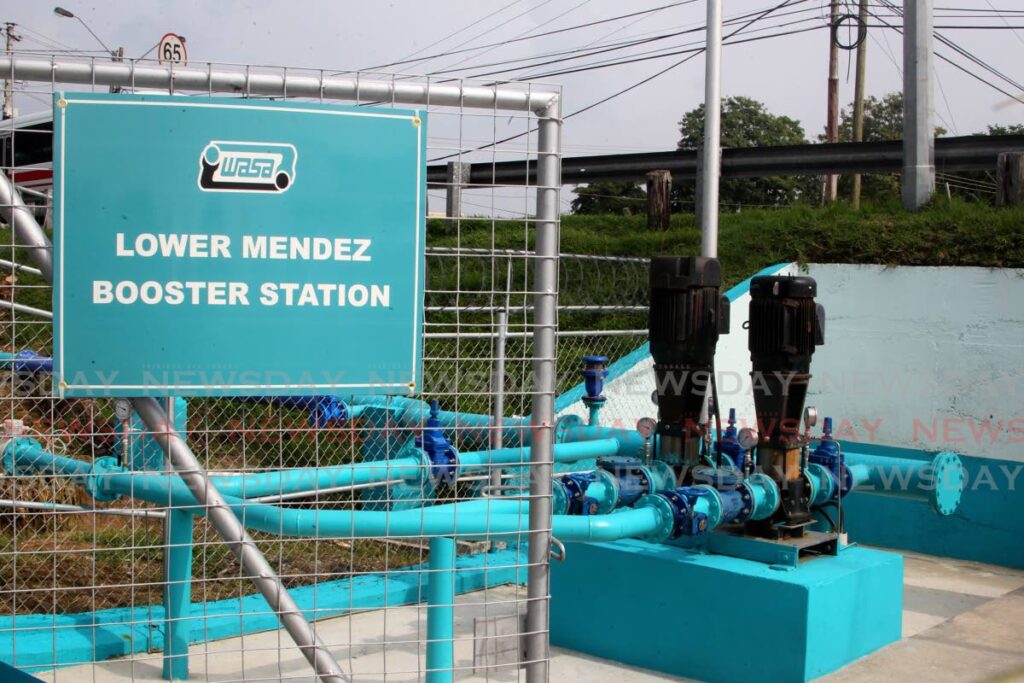
    In a significant development within Trinidad and Tobago’s public utility sector, Prime Minister Kamla Persad-Bissessar has officially confirmed the appointment of Dain Maharaj as the interim Chief Executive Officer of the Water and Sewerage Authority (WASA). The announcement came during the December 9 parliamentary session in response to pointed inquiries from Arouca/Lopinot opposition MP Marvin Gonzales.

    During the House of Representatives proceedings, the Prime Minister provided definitive clarification regarding the leadership transition at the state-owned water authority. “The individual designated to serve as acting CEO of WASA is Mr. Dain Maharaj, who remains a current employee of the organization,” Persad-Bissessar stated authoritatively.

    The parliamentary exchange grew notably contentious when Gonzales questioned the circumstances surrounding the departure of former CEO Jeevan Joseph, who had held the position for approximately five months. The Prime Minister firmly rejected the premise of the questioning, asserting that no administrative leave had been imposed regarding the previous acting CEO.

    “The previous interim CEO tendered a resignation based entirely on personal considerations,” Persad-Bissessar clarified. “Therefore, the foundational assumption of your inquiry is fundamentally inaccurate.” This response highlighted the government’s position that the leadership transition occurred through voluntary resignation rather than administrative action.

    The appointment comes at a critical juncture for WASA, which faces ongoing challenges in water distribution and infrastructure management across Trinidad and Tobago. Maharaj’s internal promotion suggests continuity within the organization’s operational framework during this transitional period.

  • PM on pirates, double-tap strike: TT is not judge or jury

    PM on pirates, double-tap strike: TT is not judge or jury

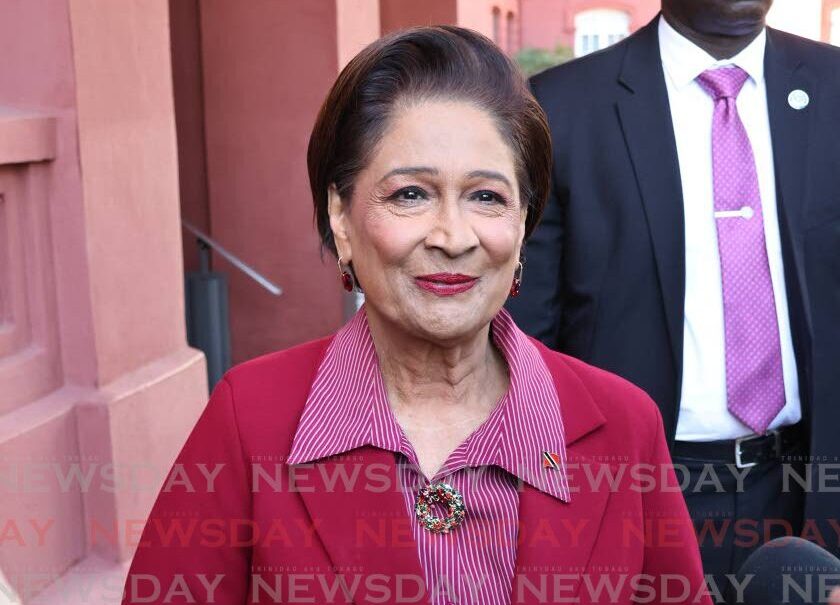
    Prime Minister Kamla Persad-Bissessar of Trinidad and Tobago has declared that unregistered vessels operating in Caribbean waters will be treated as pirate ships, granting them no legal protections. This statement comes amid growing controversy over US military strikes targeting suspected drug trafficking boats in regional waters.

    Speaking to journalists outside the Red House in Port of Spain on December 9, Persad-Bissessar addressed reports of a September 2 incident where US forces allegedly struck a boat twice—a tactic known as ‘double tapping’ in military terminology—resulting in eleven fatalities. While expressing no sympathy for drug traffickers, the Prime Minister emphasized that the United States operates as a sovereign nation whose actions fall outside Trinidad and Tobago’s jurisdiction to judge.

    ‘US is a sovereign nation and they are free to exercise their sovereignty in manners they see fit,’ Persad-Bissessar stated. ‘I cannot be judge or jury here to determine whether they are right or wrong.’

    The Prime Minister revealed that her government receives no advance notification of US military actions and does not intend to request additional information, characterizing these operations as US security matters. She articulated a firm stance on unregistered vessels: ‘Within the law, they are treated like pirates and therefore will not have the protection of others carrying a flag and identifying who they are.’

    However, maritime lawyer Nyree Alfonso offered a more nuanced perspective, noting that while unregistered vessels might be ‘up to no good,’ they aren’t necessarily pirates in the legal sense. She explained that vessel registration functions as a maritime passport, and without it, boats become ‘almost like a ghost’ without national protection.

    Alfonso acknowledged that while many might disagree with the US methodology, the results of disrupting drug trafficking networks would likely be welcomed by law-abiding citizens. She emphasized the interconnected nature of maritime crimes, noting that drug trafficking often correlates with gun running and human trafficking operations.

    The ongoing US interdiction operations have resulted in at least 87 fatalities across nearly two dozen strikes since September, highlighting the intensifying efforts to combat drug cartels operating in Caribbean and South American waters.

  • Tragic domestic violence incidents spark outrage

    Tragic domestic violence incidents spark outrage

    Trinidad and Tobago faces a devastating surge in gender-based violence as the nation grapples with three separate femicide cases within two weeks, exposing critical failures in domestic violence protection systems. The recent tragedies have sparked national outrage and forced government officials to confront systemic inadequacies in safeguarding vulnerable women.

    The violence culminated with the December 8th murder of Angel Lutchman, a 42-year-old mother of two from Claxton Bay, who was brutally killed by her ex-boyfriend despite having an active restraining order against him. Shazard Mohammed, 29, allegedly stabbed and slit Lutchman’s throat before dying by suicide. The victim’s 12-year-old son made the horrific discovery upon returning home from a relative’s house.

    This tragedy follows the November 23rd murder-suicide involving UNC councillor Romona Victor, 36, killed by her husband Rodney Ramsumair, 45, at their Siparia residence. Just days later on December 7th, Nicole Ovid, 56, was found dead on a pavement in St. James following an alleged altercation with an acquaintance who subsequently surrendered to police.

    Prime Minister Kamla Persad-Bissessar, who had previously vowed to strengthen crisis support systems at Victor’s funeral, now faces mounting criticism. When questioned about concrete plans to address violence against women, the Prime Minister stated she had requested information from Gender Affairs Minister Vandana Mohit but provided no specific timeline or strategy.

    Homeland Security Minister Roger Alexander acknowledged fundamental flaws in the restraining order system, admitting: ‘I have always said that the programme does not work well. We are taking a look at it to see how best we can treat with it.’ He emphasized the need for educational initiatives starting at school level to address domestic violence prevention.

    Opposition leader Mickela Panday delivered a powerful social media statement condemning the cultural acceptance of gender-based violence. The attorney and daughter of former prime minister Basdeo Panday highlighted how ‘coercive control, monitoring, threats, financial manipulation, and isolation break a woman down until she doubts her own reality.’ She criticized victim-blaming tendencies and demanded perpetrator accountability, urging police to treat every report with urgency and properly enforce protection orders.

    Panday proposed comprehensive reforms including increased safe houses, financial support for women escaping abusive relationships, strengthened laws, rehabilitation programs for abusers, and relationship education in schools to break the intergenerational cycle of violence.

    As autopsies for Lutchman and Ovid proceed at the Forensic Science Centre, investigations continue while the nation confronts its gendered violence epidemic that has left multiple families shattered and communities demanding immediate action.