
A recent ruling by the Privy Council has exposed significant gaps in Trinidad and Tobago’s occupational safety framework, prompting calls for urgent reforms. Anna Henderson, President of the American Chamber of Commerce of Trinidad and Tobago (AmCham TT), emphasized the need for modernization during her keynote address at the 29th Annual Health, Safety, Security, and Environment (HSSE) Conference in Port of Spain on November 11. The September ruling clarified that workplace safety charges must be filed within six months of an incident coming to the attention of an Occupational Safety and Health (OSH) inspector, replacing the previously assumed two-year window. While civil cases retain the longer timeframe, criminal offenses and safety breaches are now subject to the stricter six-month limit. Henderson warned that delayed prosecutions could be dismissed, placing pressure on the Occupational Safety and Health Authority (OSHA) to act swiftly. She urged the full operationalization of OSHA with an independent board, stressing that unresolved cases risk eroding public trust and hinder learning from past incidents. Henderson also highlighted the role of artificial intelligence (AI), cybersecurity, and climate readiness in building resilient workplaces. She cited the corporate downfalls of Kodak, Blockbuster, and Skype as cautionary tales, emphasizing that innovation is essential for survival. The conference theme, “HSSE 360: Innovation for Resilience,” underscored the need to integrate safety and sustainability into every business decision. Henderson advocated for predictive systems using AI to anticipate risks, detect hazards in real time, and enhance decision-making. However, she cautioned that technological advancements also introduce vulnerabilities, noting that citizens lost over US$3.3 million to online fraud between October 2024 and September 2025. Henderson called for cybersecurity to be a core component of HSSE strategies, stating, “Cyber resilience is now human resilience.” She also linked corporate resilience to climate readiness, referencing the recent impact of Hurricane Melissa and urging businesses to adopt climate-smart systems and adaptive continuity plans. Henderson framed resilience as a proactive approach, encouraging companies to break down silos, empower employees, and foster cultures of trust and accountability. She concluded with a call to action, urging participants to create workplaces that protect lives, enable progress, and build a society where every citizen feels safe and valued.
标签: Trinidad and Tobago
特立尼达和多巴哥
-
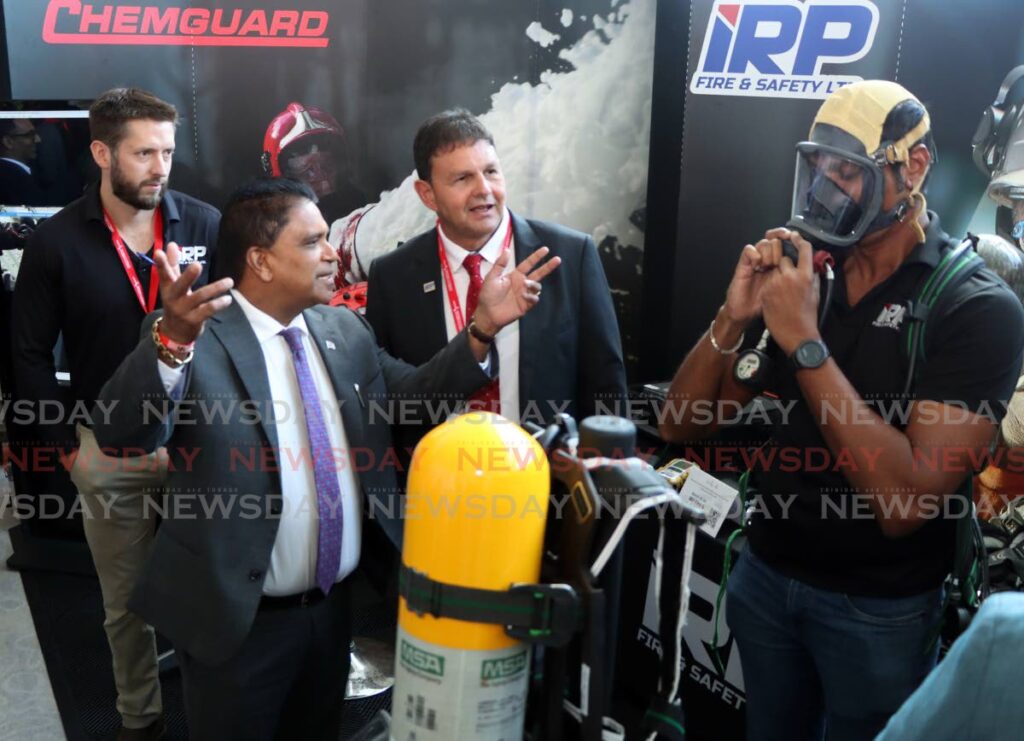
Moonilal: Safety culture must lead Trinidad and Tobago’s energy comeback
Energy Minister Dr. Roodal Moonilal has underscored the critical importance of discipline and safety in Trinidad and Tobago’s energy sector revival, asserting that economic growth is meaningless if it jeopardizes lives or the environment. Speaking at Amcham’s 29th Health, Safety, Security, and Environment (HSSE) conference on November 11, Moonilal emphasized that effective HSSE policies are not just legal obligations but essential for protecting workers, communities, and the environment while ensuring operational efficiency and sustainability. His remarks come as the ministry seeks to transform recent energy production stabilization into sustained investor confidence. Moonilal outlined several initiatives, including annual HSSE workshops for energy companies, a review of national oil-spill contingency plans, and the potential engagement of an HSSE consulting firm to assess and improve domestic practices. He also referenced a 2016 facilities audit by DNV GL, which highlighted significant variations in asset-integrity management across the sector, and called for a fresh, targeted review. Government statistics cited in his speech revealed a decline in significant incidents from 58 in 2016 to 24 in 2024, with 20 incidents reported so far this year. However, Moonilal stressed that further improvements are necessary, noting that 305 incidents, including 44 fires or explosions resulting in eight fatalities, were reported over the period under review. He linked stronger HSSE regimes to reduced downtime and protected export-earning capacity, crucial for a gas-dependent economy. Moonilal also addressed household-level risks, particularly after a series of LPG cylinder explosions caused injuries, fatalities, and property damage. He ordered an urgent review of LPG safety standards and highlighted technologies like automatic shut-offs and leak detectors to mitigate residential risks. Moonilal concluded that the energy sector’s recovery hinges not only on hydrocarbon output but also on robust safety systems and regulatory trust, stating, ‘Safety is good business — it protects lives, assets, and the national brand.’
-

Embracing the gateway to Africa
The Pan-African Leadership Institute (PALI) recently launched its Gateway to Africa Leadership Course, a transformative program designed to strengthen ties between Africa and its diaspora. Hosted via Zoom on November 10, the event featured remarks from Vashti G Guyadeen, CEO of the TT Chamber of Industry and Commerce and PALI ambassador. The course welcomed 25 senior leaders from 13 countries, including Ghana, Rwanda, Jamaica, Canada, the UK, the USA, and Italy, reflecting the program’s global reach and commitment to diversity. Guyadeen emphasized the importance of this initiative in fostering unity and collaboration across continents. The four-week course offers participants a comprehensive exploration of Africa’s history, culture, economics, and emerging markets, alongside practical insights into doing business and traveling on the continent. It also addresses the legacy of colonization and ongoing efforts to heal and unite Africa with its diaspora. Guyadeen highlighted the program’s interactive nature, encouraging participants to engage in discussions, share perspectives, and build lasting professional and personal connections. She also extended an invitation to PALI’s 2025 Graduation and Leadership Immersion ceremony in Trinidad and Tobago, where participants can experience the country’s rich culture and forge deeper bonds with global leaders. The course underscores PALI’s mission to create a connected Pan-African world, empowering leaders to drive impactful change in their communities.
-

Government on fete ban criticisms: ‘Storm in a tea cup’
The Government of Trinidad and Tobago has downplayed criticisms surrounding its decision to prohibit fetes at the Brian Lara Cricket Academy in Tarouba, describing the backlash as “a storm in a tea cup.” The decision, announced earlier this week by the Urban Development Corporation (Udecott), aims to address noise pollution concerns raised by residents. Minister in the Office of the Prime Minister (OPM), Barry Padarath, emphasized that the matter will be resolved through a combination of consultations and legislative action. Speaking at a certificate of comfort distribution ceremony in Chaguanas on November 13, Padarath referenced Prime Minister Kamla Persad-Bissessar’s recent social media statement highlighting the adverse effects of noise from fetes on local communities. He assured that the government is committed to harmonizing policy with legislation and engaging stakeholders to find viable alternatives. Padarath also noted that the ban would not significantly impact Carnival celebrations or the revenue of Udecott-managed venues. He cited the Hyatt Regency hotel and the Government Campus Plaza as examples of facilities outside residential areas that could host events without causing disturbances. Attorney General John Jeremie is currently reviewing existing Environmental Management Authority (EMA) laws to address noise pollution, which have not been updated in years. Legal Affairs Minister Saddam Hosein highlighted the government’s recent ban on public fireworks displays during Independence Day, citing the need to protect vulnerable populations and animals. He revealed that new legislation on fireworks usage is in its final stages and will soon be presented to Parliament. Roger Marshall of the Fireworks Action Coalition of TT (FACTT) welcomed the government’s decisive approach, urging fete promoters and fireworks users to act responsibly and consider the broader community impact.
-

Oil, gas turnaround no reason for complacency
Energy Minister Dr. Roodal Moonilal’s recent announcement of increased oil and gas production in Trinidad and Tobago has sparked cautious optimism. Speaking at the American Chamber of Commerce’s annual health and safety conference on November 11, Dr. Moonilal revealed a rise in oil output from 52,357 to 55,271 barrels per day and an increase in natural gas production from 2.41 to 2.63 billion cubic feet per day between the second and third quarters of 2025. These figures represent a 6% and 9% increase, respectively.
-

Top 5 online scams in the Caribbean
The Caribbean has witnessed an alarming surge in digital fraud between 2020 and 2025, as criminals exploit the rapid shift to online services and weak cybersecurity measures. What began as simple scams, such as requests for mobile top-ups, has evolved into sophisticated multi-million-dollar operations involving cloned websites, deepfakes, and cryptocurrency. Financial institutions have struggled to keep pace, leaving individuals and businesses vulnerable to increasingly complex cybercrimes.
According to the Bank of Jamaica, internet banking fraud skyrocketed by 890% since 2020, with losses surpassing JMD$800 million (US$5 million) by the end of 2023. Similarly, the TT Police Service reported TT$3 million (US$440,000) in online fraud losses in the last fiscal year, while Guyana’s Financial Intelligence Unit identified G$100 billion (US$478 million) in suspected fraudulent proceeds. Experts caution that these figures likely underestimate the true scale of the problem, as only 15% of fraud victims globally report such incidents.
The Caribbean’s digital transformation has outpaced its cybersecurity infrastructure, creating a fertile ground for fraudsters. Criminals exploit weak cyber-defenses, slow investigations, and limited public awareness to execute their schemes. Below are the top five online scams currently plaguing the region, along with tips to identify and avoid them:
1. **Investment and Forex Scams**: Fraudsters lure victims with promises of guaranteed profits through forex trading, crypto arbitrage, or private investment clubs. They create fake dashboards and testimonials to appear legitimate, only to disappear once funds are deposited.
2. **Banking and Card Fraud**: With the rise of digital banking, card and account fraud have surged. Scammers send fake texts or emails impersonating banks to steal login credentials or redirect funds.
3. **Social Media Impersonation Scams**: Hackers take over social media accounts to impersonate friends or family, requesting urgent financial assistance for fabricated emergencies.
4. **Fake News and Media-Brand Scams**: Fraudsters create fake news articles featuring local journalists or businesspeople to promote bogus investment platforms, tricking victims into sharing personal and financial information.
5. **Business Email and Corporate Scams**: Small and medium-sized enterprises are targeted through Business Email Compromise (BEC) schemes, where criminals impersonate suppliers or executives to reroute payments.
The situation is exacerbated by massive data breaches across the region, with telecoms, retailers, and government portals hacked, exposing sensitive customer information. These breaches provide scammers with the tools to craft highly personalized and convincing attacks.
To combat this growing threat, experts urge individuals and businesses to remain vigilant, verify requests before sending money, and report suspicious activity promptly. Reporting fraud to local authorities, financial regulators, and online platforms can help prevent repeat scams and protect others from falling victim.
As the Caribbean’s digital economy continues to expand, so too do the risks. Staying informed and proactive is essential to safeguarding financial security in an increasingly digital world.
-

Princes Town man dead, woman injured in crash
A tragic accident on the Solomon Hochoy Highway has resulted in the death of one individual and left another severely injured. The incident occurred in the early hours of November 13, when a white Nissan Versa veered off the road and landed in a ditch near Indian Trail. The deceased, identified as 34-year-old Paul Nanan from Princes Town, was a front-seat passenger in the vehicle. The driver, a woman from Guanapo Estate in Rio Claro, reported losing control of the car while heading south shortly before 5 am. Both occupants sustained serious injuries and were rushed to Couva Hospital by Emergency Health Services (EHS) personnel. Despite medical efforts, Nanan succumbed to his injuries during treatment. The Highway Patrol Unit, including PCs Boodoo and Bridgemohan, were among the first responders, arriving approximately ten minutes after the crash. Additional support came from the Couva Fire Station and Couva Police Station. Cpl Boodlal is leading the ongoing investigation into the circumstances surrounding the accident.
-
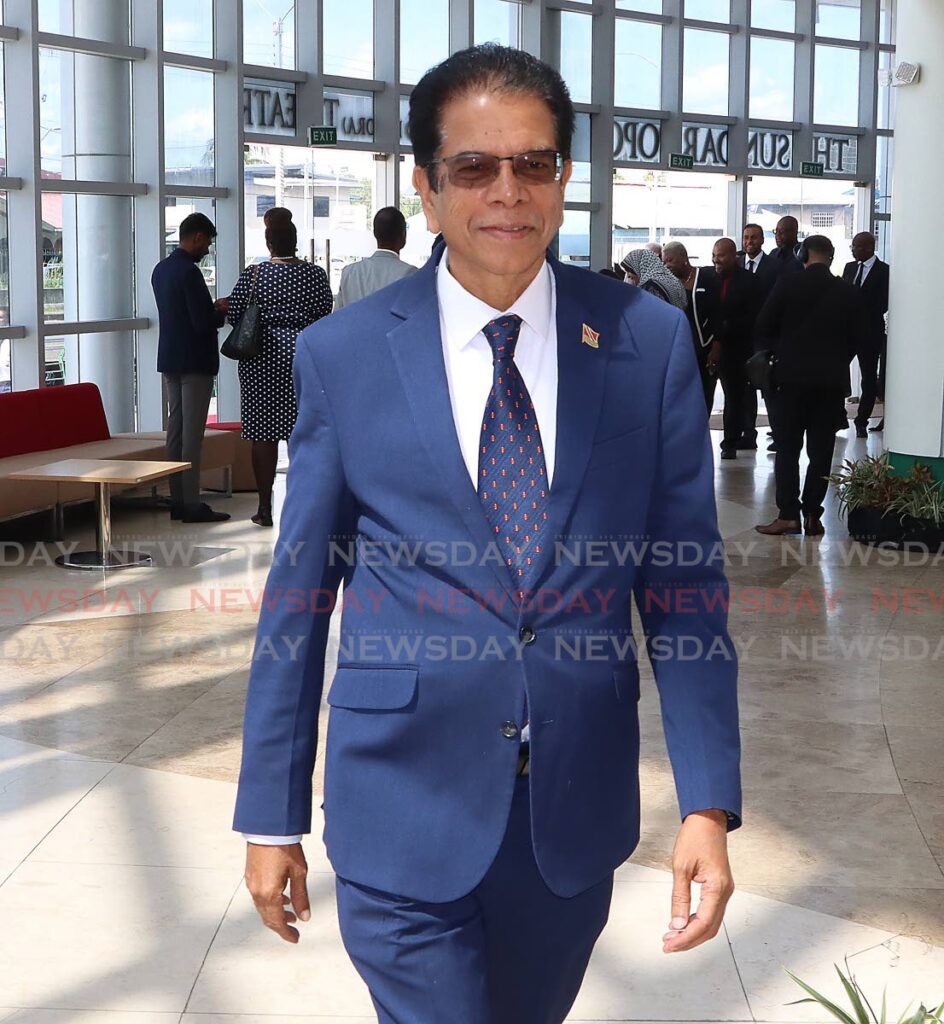
Transfer system failing students
In a distressing case that highlights systemic failures in the education system, a 14-year-old girl from Calvary Hill, Arima, has been deprived of her right to education for over two years due to severe bullying and bureaucratic inefficiency. The girl, who excelled in her SEA exams in 2023, was forced to withdraw from school after her parents’ repeated pleas for help went unanswered. Despite filing an official police report and seeking assistance from the Ministry of Education, the family encountered a labyrinth of red tape and delays. By January 2025, the girl was enrolled in a private school, where she achieved an impressive 75% average, but her education was cut short when her parents could no longer afford the fees. Now, she remains at home, her dreams of learning fading away. Minister of Education Dr. Michael Dowlath acknowledged the case but cited bureaucratic challenges within the ministry. This incident is not isolated, as former TTUTA president Martin Lum Kin revealed that similar cases have been reported. The government’s inability to address such basic procedural failures raises serious concerns about its commitment to safeguarding children’s education and well-being.
-
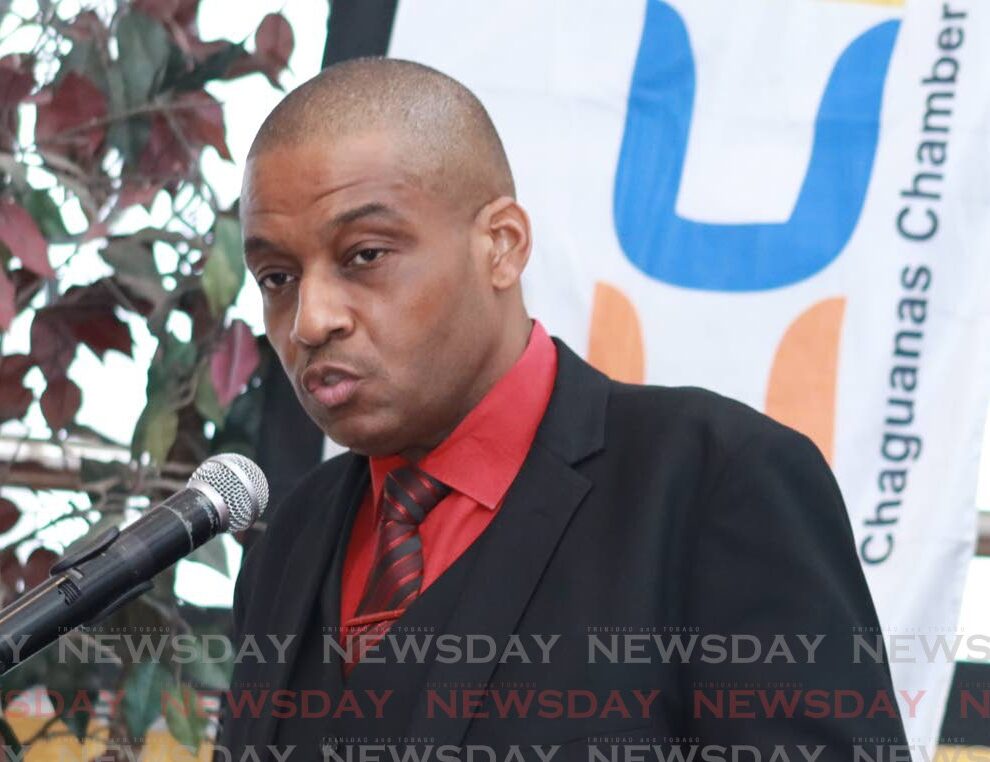
No faith in Gasparillo police
In a heartfelt letter to the editor, Beatrice McFarlane, a retired public servant and widow from the Guaracara/Tabaquite community, has voiced her growing concerns over the escalating crime rates and the apparent inaction of local law enforcement. McFarlane, who recently fell victim to a robbery, described the fear that has gripped her and her fellow villagers. She recounted a harrowing incident where individuals posing as military officers carried out a brutal home invasion, assaulting residents, including children.
-
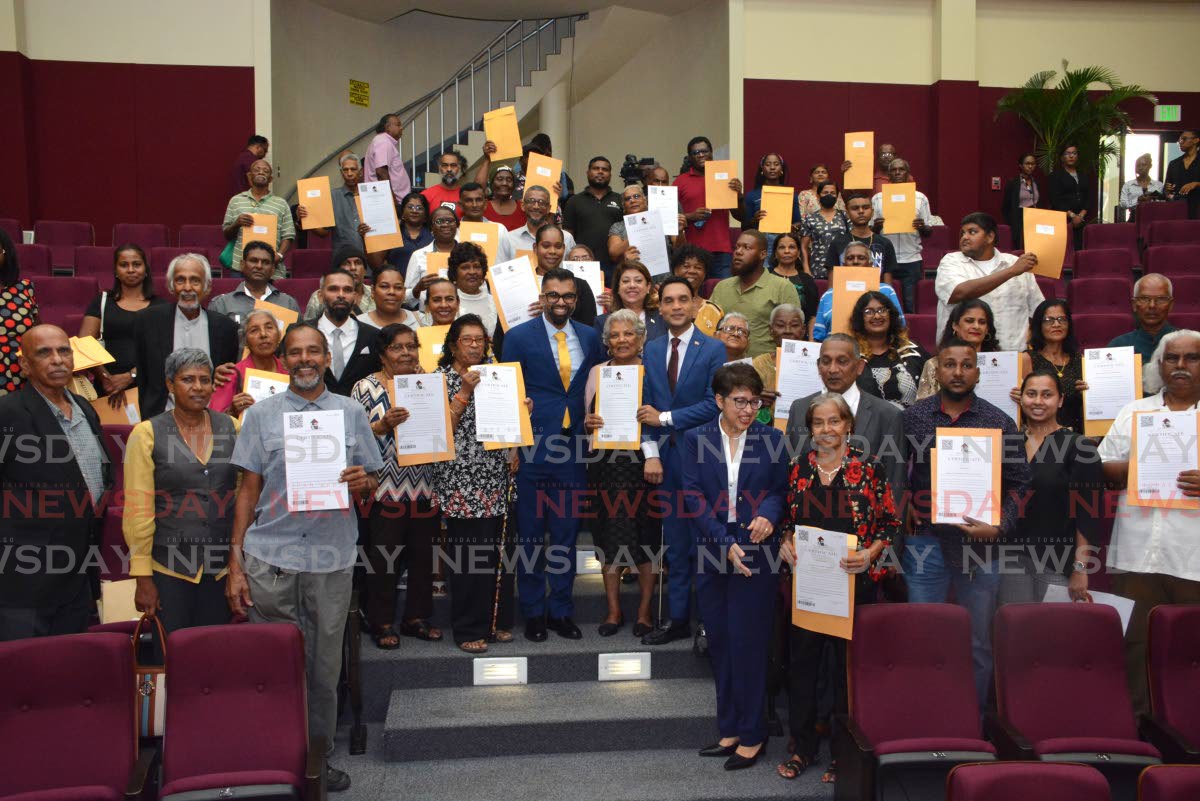
Hosein: Land Settlement Agency politicised under PNM
In a significant move to address land tenure issues, Minister of Legal Affairs and Agriculture Saddam Hosein accused the former PNM administration of politicizing the Land Settlement Agency (LSA), leading to delays in granting statutory leases to squatters. Hosein made these remarks during a ceremony at the Chaguanas Borough Corporation auditorium on November 13, where 103 eligible applicants received Certificates of Comfort (CoCs). These documents, issued under the State Land (Regularization of Tenure) Act, provide protection from eviction and recognize occupants as eligible for further steps toward legal land ownership. Hosein outlined a three-phase process, with the CoC being the first step, followed by a statutory lease, which allows a 30-year payment period for obtaining a deed of tenure. He emphasized that the current UNC government is committed to rectifying delays and ensuring the LSA serves society’s most vulnerable. Hosein also highlighted the creation of his ministry to expedite the issuance of statutory leases, aligning with the Prime Minister’s vision of inclusive care for all citizens.