
The National Open Short Course Championship kicked off with a series of impressive performances on November 14 at the Aquatic Centre in Balmain. Marena Martinez of Marlins, Serenity Pantin of Bluefins, and Ornella Walker of Aqua Warriors each secured multiple victories, showcasing their dominance in the pool. Martinez, aged 13, clinched the women’s 11 and over 1500m freestyle with a time of 18:26.45, outpacing Ava Charles and Zahara Anthony. She later triumphed in the 200m individual medley, clocking 2:34.39. Pantin, competing in the U10 girls category, dominated the 200m freestyle with a time of 2:31.73, nearly six minutes ahead of her closest competitor. She also secured victory in the 50m backstroke with a time of 34.27s. Walker, in the girls 11 and over division, won the 100m freestyle in 59.38s and the 50m backstroke in 29.57s. Olympian Dylan Carter also made headlines, winning the boys 11 and over 50m backstroke in 23.07s. The night concluded with Marlins and RWB Aquatics winning the U10 mixed 400m freestyle and 11 and over mixed 400m freestyle relays, respectively. The competition continued on November 15.
标签: Trinidad and Tobago
特立尼达和多巴哥
-

Economist: Contractors must be paid billions owed
Economist Indera Sagewan has urged the Trinidad and Tobago government to address the billions of dollars reportedly owed to contractors, emphasizing that delayed payments have severely undermined confidence, crippled businesses, and weakened one of the nation’s most vital economic sectors. Speaking at the Trinidad and Tobago Contractors Association’s (TTCA) annual awards dinner on November 15 in Port of Spain, Sagewan highlighted the construction industry’s resilience in weathering financial and logistical shocks, while stressing the need for immediate action to restore its health. She clarified that her remarks were made in her personal capacity as an economist, not as a representative of the Central Bank, where she serves as a director. Sagewan described the sector as being at a critical juncture, with immense opportunities ahead but also deep-rooted structural issues that must be resolved. She pointed to the post-pandemic era, where contractors faced skyrocketing costs for materials and shipping, prolonged supply chain disruptions, and significant payment delays from the government. “The billions owed to contractors are not just numbers on a ledger. They represent deferred livelihoods, stalled projects, and broken confidence,” she asserted. Her comments resonated with long-standing industry grievances, as contractors have struggled with months-long delays in receiving materials and government payments, leading to downsizing and project closures. Sagewan called for a reset in the relationship between the State and the construction industry, particularly as the new administration implements its Revitalisation and Economic Transformation Blueprint and the projects outlined in the 2026 national budget. She described the blueprint as a “long-awaited injection of big vision,” positioning the construction sector at the forefront of a decade-long development agenda. However, she cautioned that credibility would hinge on execution, not just policy declarations. Sagewan urged contractors to uphold high standards of delivery, transparency, and workmanship, while also expressing frustration with past failures, such as poorly constructed roads and homes. Housing Minister David Lee echoed Sagewan’s concerns, acknowledging the government’s commitment to reversing years of stagnation and unreliable payment cycles. He emphasized the construction industry’s pivotal role in national revitalization, noting that the Revitalisation Blueprint includes 129 major projects expected to generate 50,000 jobs. Lee also pledged to address past housing delivery failures, with plans to build 20,000 affordable homes using innovative construction methods. While he did not specify the exact amount owed to contractors, Lee signaled the government’s intent to improve payment reliability and strengthen partnerships with the industry.
-
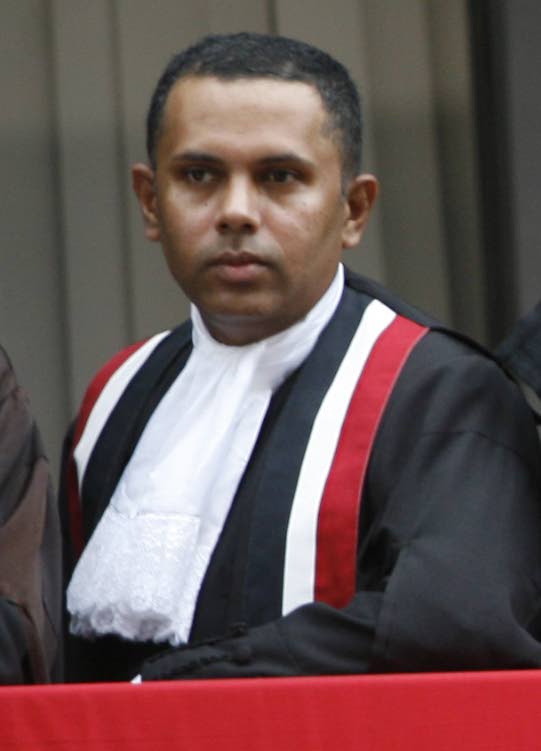
CJ to prioritise re-opening of courts, speedier trials
Chief Justice Ronnie Boodoosingh has announced his commitment to reopening court buildings and improving the efficiency of the judiciary as top priorities. Speaking at the Law Association of Trinidad and Tobago’s (LATT) annual Dinner and Awards ceremony on November 14, Boodoosingh outlined his vision for a more accessible and high-performing judicial system. Since assuming his role three weeks ago, he has engaged with legal professionals to address pressing issues within the fraternity, including the prolonged closure of key court facilities like the Port of Spain Magistrates’ Court, which has been under repair for over four years. Boodoosingh emphasized the importance of in-person hearings, stating that while technology has enabled virtual proceedings, justice requires human interaction. He also pledged to reduce case timelines, adopt higher standards, and foster collaboration with judicial officers and stakeholders. Additionally, he highlighted plans to address space constraints in the Family Court and expedite the reopening of the Supreme Court in San Fernando by 2026. Boodoosingh concluded by honoring eight distinguished lawyers for their contributions to the profession and reaffirming his dedication to strengthening trust in the judiciary.
-
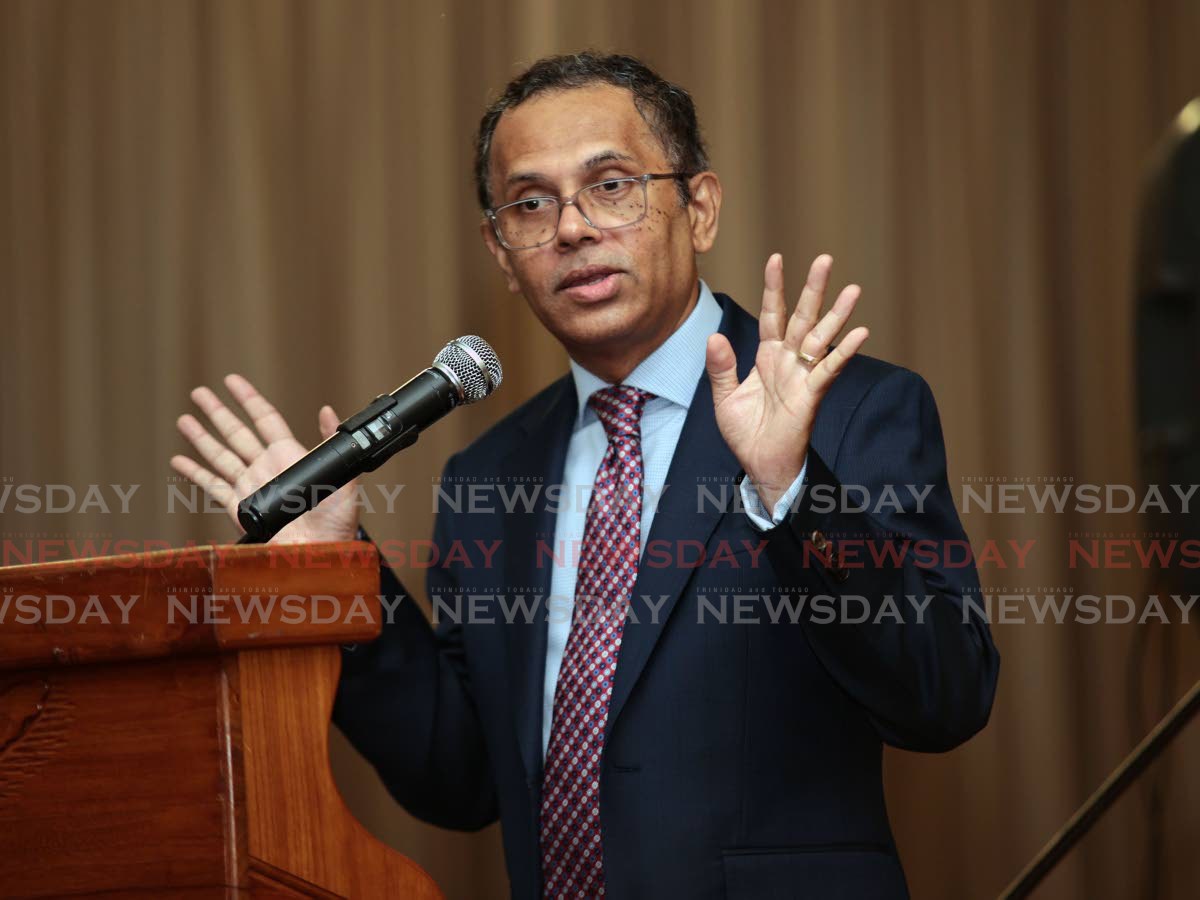
CJ Boodoosingh’s pledge: Sando Supreme Court will soon reopen
Chief Justice Ronnie Boodoosingh has reaffirmed his commitment to reopening the San Fernando Supreme Court, a landmark institution that has remained closed since 2020. Speaking at the Assembly of Southern Lawyers’ (ASL) annual Christmas dinner on November 15, Boodoosingh emphasized the judiciary’s dedication to restoring timely and accessible justice to the southern region. The event, held at the Pointe-a-Pierre Golf Club, also honored the Chief Justice, who shared a personal connection to the courthouse, recalling his early legal career within its walls. Boodoosingh pledged to collaborate with those overseeing public funds to expedite the reopening, describing it as both a facilities issue and a constitutional imperative. His remarks were met with resounding applause from attendees, including former Attorney General Ramesh Lawrence Maharaj and Criminal Bar Association head Israel Khan. ASL President Saira Lakhan praised the Chief Justice’s prioritization of the matter, expressing readiness to work alongside the judiciary to improve access to justice. The courthouse’s restoration, initially estimated at $12.8 million, has seen costs escalate to $22.1 million, with repairs stalled since July due to contractor termination. Udecott, the state agency overseeing the project, has indicated that reopening may not occur before late 2026, pending reconfirmation of the project scope and funding. Despite these challenges, Boodoosingh’s pledge has rekindled hope among southern communities, marking a significant step toward resolving years of frustration and uncertainty.
-
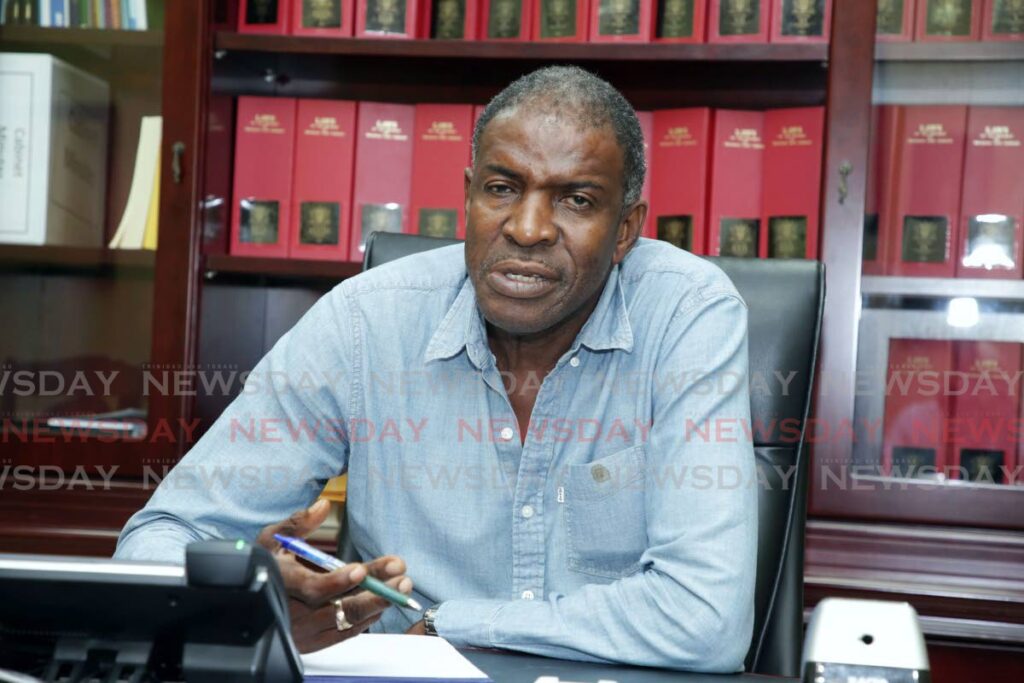
Ashworth Jack urges Duke to sit out THA polls
Ashworth Jack, a seasoned Tobago politician and current liaison coordinator to the Office of the Prime Minister, has called for Watson Duke to step aside in the upcoming Tobago House of Assembly (THA) elections. Jack believes this move would enable the ruling Tobago People’s Party (TPP) to secure all 13 legislative seats, preventing a split in votes against the opposition People’s National Movement (PNM).
-

Veteran JP says, JPs in dire need of proper training
Veteran Justice of the Peace (JP) Abrahim Ali has voiced significant concerns over the expanded judicial responsibilities being assigned to JPs without the necessary training, oversight, or modern systems in place. Ali, who also serves as the Public Relations Officer for the Justices of the Peace Association (JOPATT), highlighted these issues in an interview with Newsday on November 15, following the Senate’s passage of the Administration of Justice (Indictable Proceedings) (Amendment) Bill, 2025 (AJIPA). Once signed into law by the President, AJIPA will grant JPs broader powers, including the authority to issue search warrants and grant station bail for indictable offenses.
Ali emphasized that the JP system has long suffered from structural deficiencies, including a lack of standardized training, record-keeping, and consultation. He noted that JPs, historically appointed through political channels, have never received formal training despite being expected to perform critical judicial functions. While JOPATT has attempted to address these gaps through voluntary training programs, Ali stressed that such efforts cannot replace a mandatory national framework.
The AJIPA amendments aim to restore and expand powers historically held by JPs, which had been muddled by earlier legislation. Justice Carol Gobin clarified that Parliament had never explicitly revoked JPs’ authority to grant station bail. However, the proposed expansion of JP powers, particularly regarding search warrants, has sparked intense debate. Independent Senators Sophia Chote and Dr. Desiree Murray warned that without immediate reforms, JPs could be thrust into roles requiring legal expertise and accountability mechanisms that are currently absent. Chote described the search powers under Section 5 as ‘draconian,’ while Murray cautioned that the lack of qualifications and oversight could ‘dilute judicial oversight and risk the arbitrary exercise of power.’
Attorney General John Jeremie assured the Senate that data-seizure powers remain governed by the Data Protection Act and pledged to delay the implementation of search-warrant provisions until training and further reforms are addressed. He also committed to referring the broader issue of JP standards to the Law Review Committee. Ali supported this decision, noting that the concerns raised have long been recognized within the JP community. He emphasized that warrants must never be issued without proper procedures and guidelines, warning against ‘rubber-stamping’ by JPs.
Acting President of the Police Social and Welfare Association, ASP Ishmael Pitt, welcomed the restoration of JP warrant-issuing powers, particularly from a policing perspective. He highlighted the importance of having access to judicial officers in urgent situations but stressed that the system’s success depends on JP competence matching the gravity of their responsibilities. Ali, a JP for 35 years, reiterated that the JP system still lacks consistent engagement from the judiciary and the Office of the DPP, leaving JPs without adequate guidance as their duties expand.
-

No Jazz on the Greens for 2026
In a significant announcement, Production One Ltd (POL) has confirmed the cancellation of the Jazz Artists on the Greens event for 2026. The decision, disclosed on November 15, stems from the lingering uncertainties of the post-pandemic economy, coupled with state policies affecting the entertainment sector and its influence on private sector sponsorship. The company highlighted the minimal uptake of tax incentives for sponsorship by private entities as a contributing factor. Additionally, the recent national budget statement underscored public sector funding shortfalls, prompting a reevaluation of financial management strategies. POL emphasized its commitment to realigning its services and products to adapt to these new economic realities. After 22 successful editions—20 in Trinidad and two in Tobago—the company is rebranding and reassessing its business model. While the live event will not proceed, POL plans to commercialize recorded content from previous productions, pending negotiations with rights holders. The company assured patrons that the legacy of the event will endure through digital platforms, where performances, memorabilia, and branded merchandise will remain accessible. POL reaffirmed its mission to support local and Caribbean artists, focusing on recalibrating the jazz ecosystem and exploring new avenues for talent showcase. The company expressed gratitude to its patrons and partners, urging them to stay updated via its website. Meanwhile, Prime Minister Kamla Persad-Bissessar announced measures to address noise pollution, including halting fetes at the Brian Lara Cricket Academy and introducing enhanced noise pollution legislation by the end of 2025.
-

Holy Trinity Cathedral hosts fundraising golf tourney
The Holy Trinity Cathedral, a cherished heritage site registered with the National Trust of Trinidad and Tobago, is set to host a unique Fundraising Golf Tournament aimed at supporting its ongoing restoration efforts. The event will take place at the prestigious St Andrews Golf Course in Maraval on November 16, commencing with an 8 am shotgun start. Participants will engage in a Two-Ball Better Ball – 85 per cent format, with registration fees set at $3,500 per team. Organizers are calling on the public, corporate partners, and golf enthusiasts to rally behind this significant initiative, which directly contributes to the preservation of one of Trinidad and Tobago’s historic architectural treasures. For registration or sponsorship inquiries, individuals can contact Christopher Skinner at 680-4110 or Kirby Anthony Hosang at 678-8770. Additionally, email inquiries can be directed to cathedralhtcgolf@gmail.com.
-
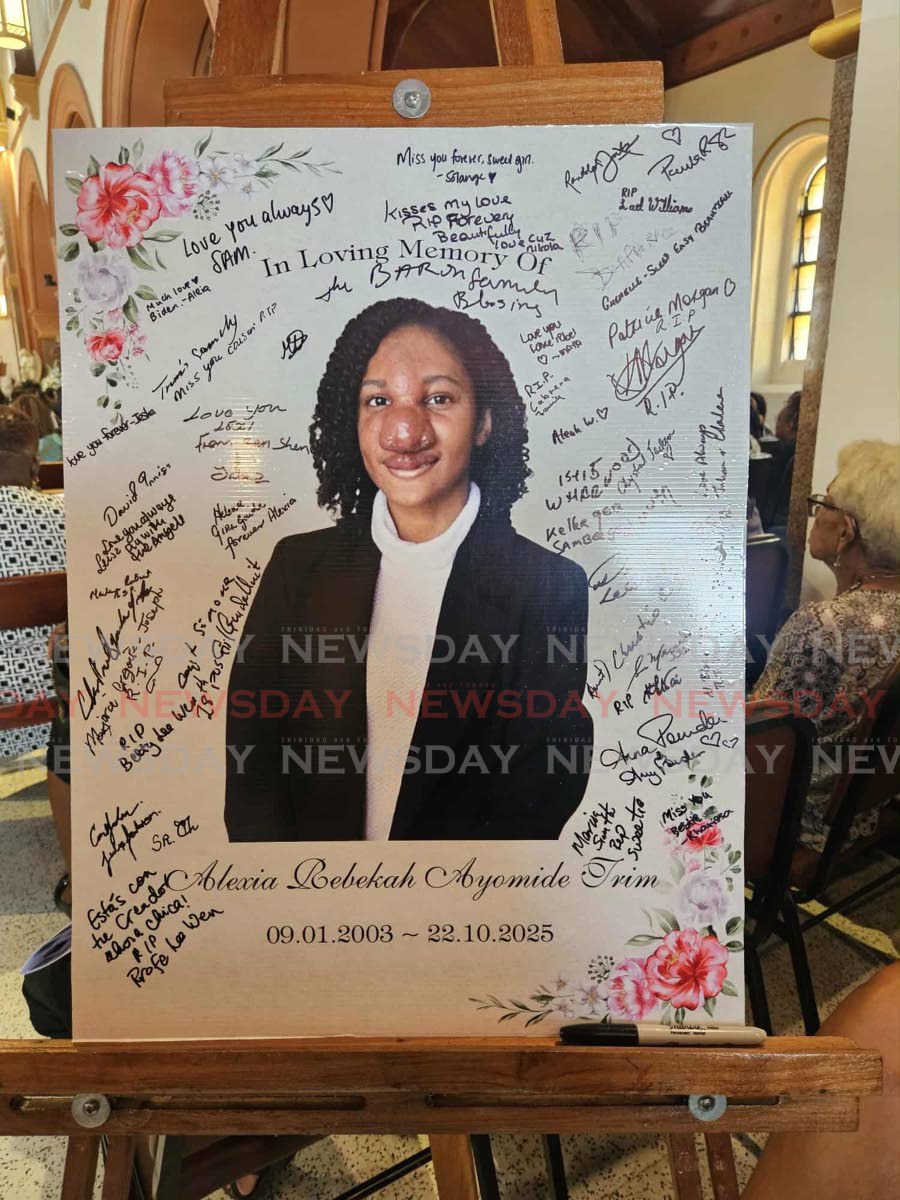
Family, friends mourn Alexia Trim – law student hailed for her humility, strength
The St Francis of Assisi RC Church in Belmont was filled with heartfelt tributes and profound grief as family, friends, and educators gathered to honor the life of Alexia Trim, a 23-year-old UWI law student who passed away in Colombia on October 22. Trim, who was set to graduate with first-class honors in Law from the University of the West Indies (UWI) St. Augustine campus, succumbed to complications from arteriovenous malformation, a rare condition affecting blood vessels in the brain.
Her funeral on November 15 was a poignant celebration of her life, marked by eulogies that highlighted her ambition, intelligence, humility, and unwavering faith. Trim’s mother, Marsha Trim, shared a moving tribute through her friends, recounting the joys of her daughter’s birth and her remarkable ability to face life’s challenges with grace and dignity. Despite enduring health struggles during her final year of studies, Trim remained optimistic about her future, eagerly anticipating her graduation and further studies in law.
Former teachers and peers also paid homage to Trim’s extraordinary character. Lisa Rodriguez, a former teacher at St. Joseph’s Convent, described Trim as a beacon of faith and humility, whose life radiated a divine light. Dr. Timothy Affonso, deputy dean of the Faculty of Law at UWI, praised her civic-mindedness and the positive impact she had on her peers and faculty.
Fr. Mikkel Trestrail, who delivered the homily, reflected on Trim’s acceptance of her fate, sharing that she had expressed peace with her journey just days before her passing. He likened the mourners to ‘lumps of dough transformed into donuts,’ emphasizing that Trim’s death had left a void in their hearts but also a lasting legacy of love and faith. Trestrail encouraged those present to deepen their relationship with God, assuring them that Trim’s love and the love of Christ would guide them through their grief.
The funeral concluded with a powerful message of hope, as Trestrail reminded attendees that Trim’s spirit would live on in their hearts and in God’s Kingdom, a testament to the enduring power of love and faith.
-

Post-treaty tensions in Tobago
The Treaty of Paris in 1763 marked a significant moment for British control over Tobago, yet the aftermath was far from peaceful. The British administration faced immediate challenges, as France, though subdued at the negotiation table, harbored intentions to reclaim the island. Recognizing the precariousness of their position, the British prioritized security, understanding that their survival hinged on robust defenses. Their initial strategy involved increasing the British landowning population to bolster loyalty and defense against potential French incursions. However, this plan faltered, as the number of resident British landowners remained insufficient. The administration also established a militia to counter external threats, including French privateers and pirates, as well as internal resistance from the growing enslaved population. Despite these efforts, the island’s vulnerability persisted, particularly due to its numerous bays, which served as entry points for slavers and hideouts for pirates. The British sought to enhance security by appointing military ranks to defend the bays, but this proved inadequate given the limited human resources. Simultaneously, the administration focused on land division, creating plantations but neglecting essential infrastructure like roads. This oversight was later addressed through the imposition of a land tax and the enlistment of enslaved laborers for road construction. The ambitious plan aimed to connect the island’s parishes and improve communication, but progress was slow and hampered by resistance from enslaved Africans and the limited availability of qualified white men. Ultimately, the British administration’s inability to fortify Tobago’s defenses and establish effective communication networks left the island vulnerable. In 1781, France capitalized on these weaknesses, recapturing Tobago and dealing a significant blow to the British planting community.