标签: Trinidad and Tobago

特立尼达和多巴哥

  • Restore timely negotiations

    Restore timely negotiations

    The Estate Police Association (EPA) has issued a stark warning about the deteriorating credibility of Trinidad and Tobago’s industrial relations system due to persistently delayed wage negotiations. Association President Deryck Richardson revealed that unresolved negotiation cycles spanning from 2014-2016, 2016-2019, and the still-pending 2020-2025/26 period continue to severely compromise the collective bargaining process.

    The systemic delays have created a situation where wage settlements lose their real value due to inflationary erosion, forcing employees to prioritize back pay over meaningful improvements in living standards. Richardson emphasized that expired negotiation cycles fundamentally restrict both parties’ ability to implement substantive changes to collective agreements, as addressing past ‘lived realities’ becomes increasingly impractical once the relevant period has passed.

    A particularly concerning example emerges from the National Maintenance Training and Security Company, where years of delays may result in estate constables receiving no wage increases whatsoever. This stagnation places their basic compensation at par with security officers lacking police commissioner-issued precepts, while supervisors receive only minimal adjustments.

    The association notes that successive minimum wage adjustments have effectively overtaken earlier wage proposals, creating the false impression that workers have received adequate increases. Richardson clarified that the minimum wage represents merely a protective floor rather than a genuine assessment of officers’ skills, responsibilities, and risks.

    Compounding the problem, job evaluations across state companies and statutory bodies remain outdated, failing to reflect modern duties and expectations. The state’s continued reliance on antiquated assessment methods further undermines fair compensation practices.

    These negotiation delays also generate substantial back pay obligations that burden state finances and complicate long-term budgeting. The EPA emphasizes that timely settlements would enable responsible financial planning while ensuring workers receive increases when they actually matter.

    The association confirms it has submitted proposals to resolve all outstanding negotiation periods and now calls on the state to honor the collective bargaining process, return negotiations to proper timeframes, and restore real value to the nation’s estate police officers.

  • Cops seize $56m in ganja in Point Fortin

    Cops seize $56m in ganja in Point Fortin

    In a significant blow to narcotics trafficking networks, Trinidad and Tobago police authorities have intercepted approximately $56 million worth of marijuana in a remote forested area near Cap-De-Ville, Point Fortin. The operation, executed on December 11 between 4:30 PM and 8:30 PM, resulted in the confiscation of 23 substantial bales of the illicit substance.

    Commissioner of Police Allister Guevarro personally oversaw the strategic operation alongside Senior Superintendent Thompson, with coordination handled by Assistant Superintendents Forbes, Corrie, and Lewis. The multi-unit effort involved personnel from Special Branch South and the South Western Division, demonstrating coordinated law enforcement capabilities.

    Following the seizure, specialized crime scene investigators PC Telesford and PC Ramdass meticulously processed the remote location before transferring evidence to the Special Investigations Unit for comprehensive analysis and follow-up operations.

    Commissioner Guevarro emphasized the broader implications of such interventions, stating: ‘The value of these major seizures extends beyond monetary calculations to encompass the countless lives protected from narcotics devastation. While criminal networks profit from human suffering, our police service remains dedicated to dismantling their operations and stripping them of illegal revenues.’

    The Trinidad and Tobago Police Service reaffirmed its commitment to intelligence-driven anti-crime strategies targeting serious offenses and narcotics activities nationwide, signaling continued aggressive measures against organized crime syndicates.

  • A threat to democratic freedoms

    A threat to democratic freedoms

    A concerning democratic reversal is unfolding in Trinidad and Tobago as the current administration moves to regulate social media commentators, marking a stark departure from its previous stance while in opposition. This policy shift represents both profound hypocrisy and a fundamental threat to constitutional freedoms that form the bedrock of the nation’s democracy.

    During its opposition years, the United National Congress (UNC) actively championed social media as a vital platform for public discourse, even encouraging memes, caricatures, and criticism directed at the then prime minister and cabinet. Their Monday Night Forum served as a celebrated rallying point for dissent. Today, however, the same party condemns similar expressions as “reckless” and seeks to regulate what it once vigorously defended.

    This dramatic reversal reveals a troubling pattern where criticism appears valid only when directed at political opponents rather than being recognized as an essential democratic right. The government’s approach contradicts established democratic principles, particularly regarding free expression. Legal precedents from multiple jurisdictions demonstrate that when public officials create forums for public discourse—including social media pages—they cannot subsequently silence critics without violating fundamental rights.

    International legal perspectives reinforce these concerns. US courts have consistently ruled that when public officials utilize social media for governance purposes, the interactive portions of their accounts transform into “public forums” where censorship constitutes unconstitutional viewpoint discrimination. While these cases originate abroad, they articulate universal democratic values that should concern every Trinidad and Tobago citizen.

    Further alarm arises from the homeland security minister’s openness to collaborating with foreign governments to revoke visas of commentators disseminating “misleading” narratives. This development follows closely after the Prime Minister denied involvement in Gary Aboud’s visa troubles, suggesting either concerning coordination or visible disunity within government ranks.

    Equally troubling were the minister’s comments praising China’s social media control model, which prioritizes strict state censorship to maintain “social stability” and single-party narratives. This approach remains fundamentally incompatible with Trinidad and Tobago’s constitutional democracy, which explicitly guarantees freedom of thought, expression, and press.

    While the government cites legitimate concerns about online extremism, existing legal frameworks already provide sufficient remedies. Trinidad and Tobago law contains various statutes, common law offences, and civil remedies that render totalitarian-style censorship unnecessary. From preventative detention orders to established defamation laws, authorities possess adequate tools to address genuine threats without resorting to broad censorship that inevitably stifles legitimate criticism.

    The solution to challenging speech isn’t enforced silence but more speech. As late US Supreme Court Justice Louis Brandeis wisely counseled, the remedy for falsehood remains “more speech, not enforced silence.” Similarly, Dr. Eric Williams eloquently stated, “Let the jackass bray,” emphasizing that the most effective response to problematic speech is counterargument rather than government suppression.

    This assault on free expression coincides with troubling signs of press freedom erosion, recalling the 2013 attempt by the previous government to deny media access to crime statistics and criticize negative coverage. The current administration appears to be continuing this dangerous precedent rather than reversing it.

    Ultimately, a government that genuinely champions democracy cannot emulate the censorship practices of authoritarian regimes. However well-intentioned these measures might claim to be, historical precedent demonstrates that powers to silence critics, once established, inevitably expand beyond their original scope. Citizens across political affiliations must collectively defend the foundational principle that in a true democracy, every individual retains the right to criticize their government without fear of reprisal.

  • PBR compliance unit begins operations on December 15

    PBR compliance unit begins operations on December 15

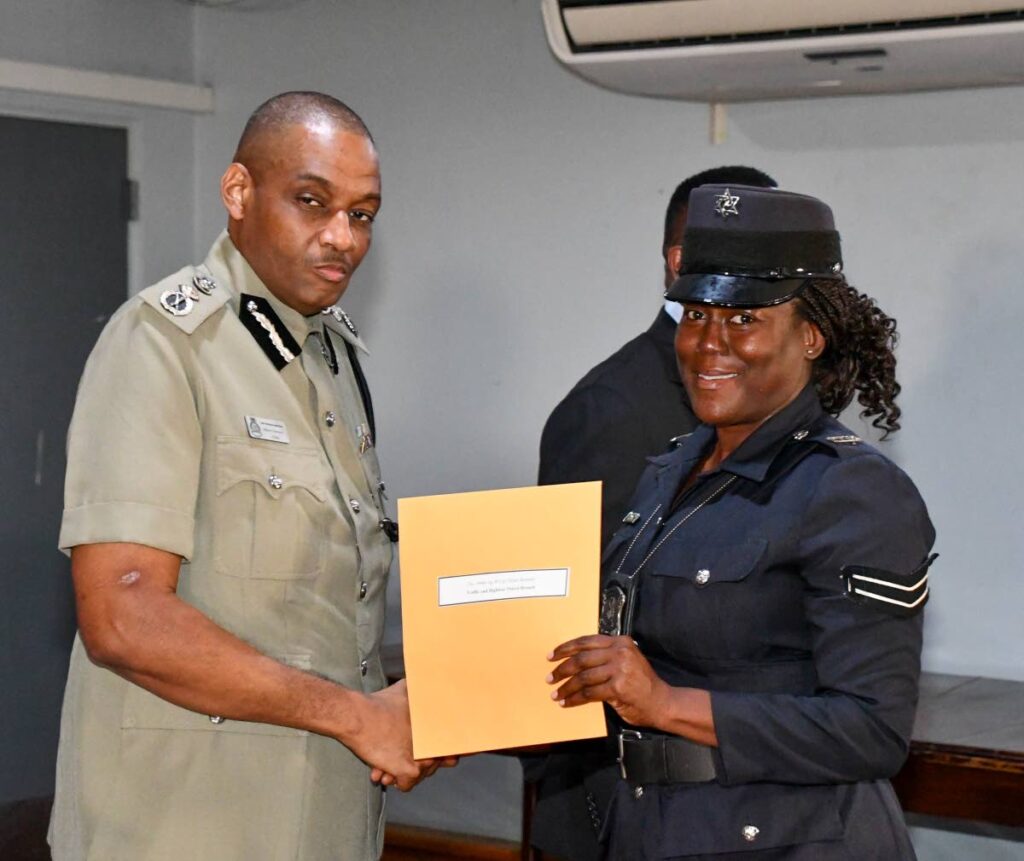
    In a significant move to enhance traffic management and regulatory enforcement, Trinidad and Tobago’s Ministry of Transport and Civil Aviation has established a specialized Traffic Warden Priority Bus Route Compliance Unit. The official inauguration ceremony took place at the ministry’s headquarters in Port of Spain, presided over by Transport Minister Eli Zakour.

    The newly formed unit, which becomes fully operational on December 15, represents a strategic initiative to address persistent traffic challenges along the critical Priority Bus Route (PBR). Minister Zakour emphasized that the unit will provide dedicated, on-the-ground monitoring and traffic management at key points throughout the route, significantly improving oversight capabilities and facilitating smoother transit operations.

    The launch event witnessed the presence of prominent officials including Permanent Secretary Nicolette Duke and retired Senior Superintendent of Police Neville ‘Toco Burroughs’ Sankar, who serves as chief traffic warden. Duke reaffirmed the indispensable role of traffic wardens in maintaining order on the nation’s roadways and pledged the ministry’s full support for the unit’s operational duties.

    The Compliance Unit will work in coordination with enforcement agencies to conduct daily monitoring operations, ensuring that access to the Priority Bus Route remains restricted to authorized vehicles only. This specialized force is expected to substantially reinforce adherence to traffic regulations and strengthen overall compliance mechanisms along this vital transportation corridor.

  • Pirates of the Caribbean

    Pirates of the Caribbean

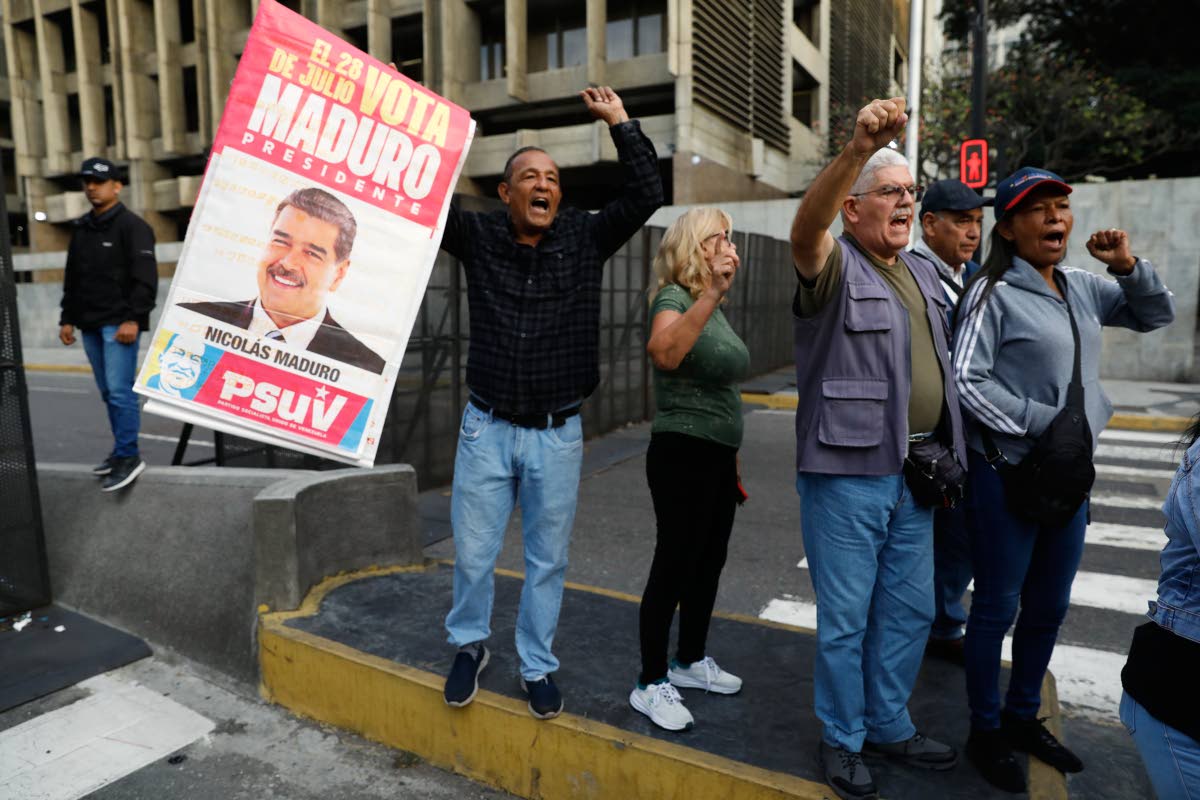
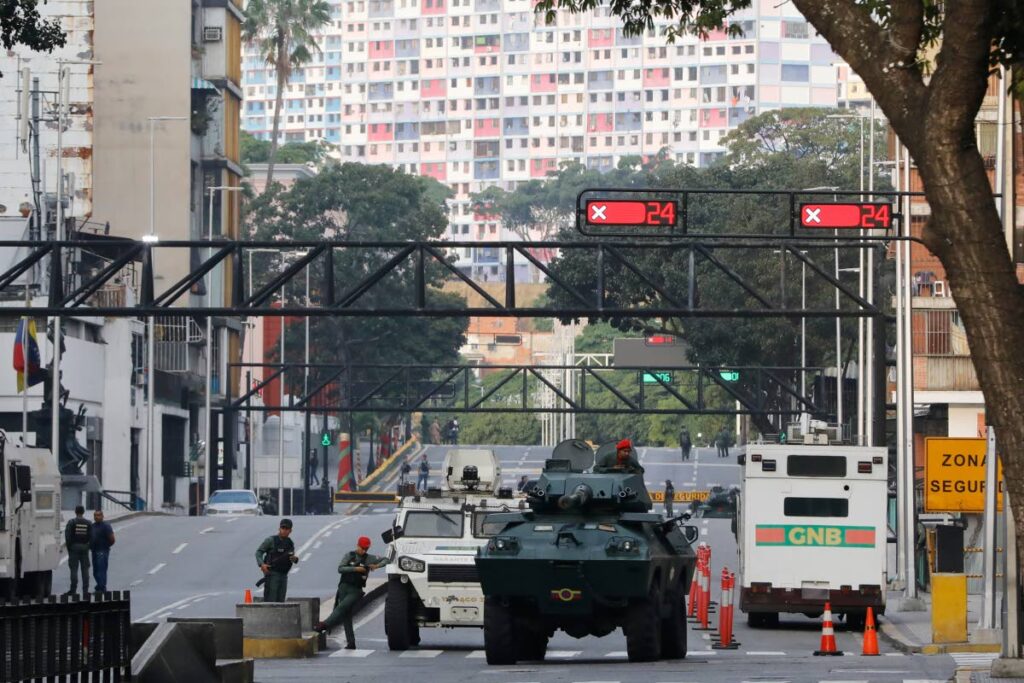
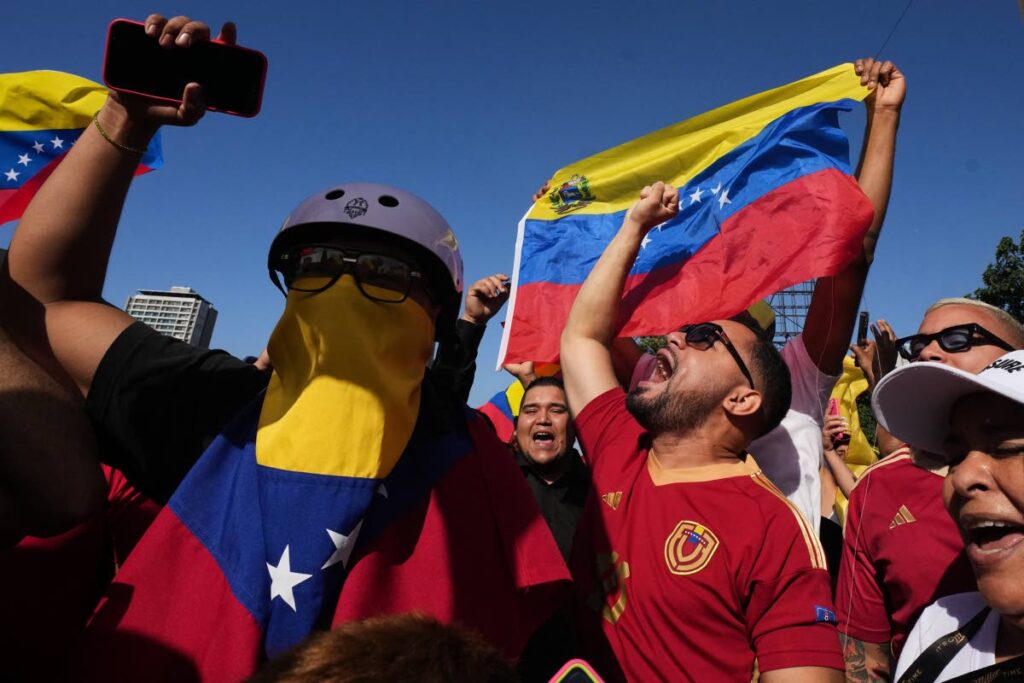
    In a significant escalation of hemispheric policy, the Trump administration has executed an unprecedented maritime seizure by capturing a Venezuelan oil tanker in Caribbean waters. This action directly implements the White House’s recently announced security strategy advocating renewed enforcement of the Monroe Doctrine to restore American dominance in the Western Hemisphere.

    The December 10 seizure occurred amid mounting international pressure regarding the administration’s controversial program of lethal strikes against vessels allegedly involved in drug trafficking. Administration officials justified the tanker interception by claiming involvement in transporting sanctioned oil to Iran, though President Trump remained ambiguous about the disposition of the confiscated cargo.

    Venezuelan authorities condemned the operation as “an act of international piracy,” characterizing it as both alarming and predictable given recent U.S. posturing. The incident appears strategically timed to redirect attention from potential war crimes allegations toward technical debates regarding maritime law and sanctions enforcement.

    The administration’s narrative has shifted noticeably from initial justifications centered on combating “narco-terrorism” toward emphasizing Iran’s regional influence and sanctions compliance. This rhetorical evolution coincides with longstanding suspicions that the administration ultimately seeks regime change in Caracas or control over Venezuela’s substantial oil reserves.

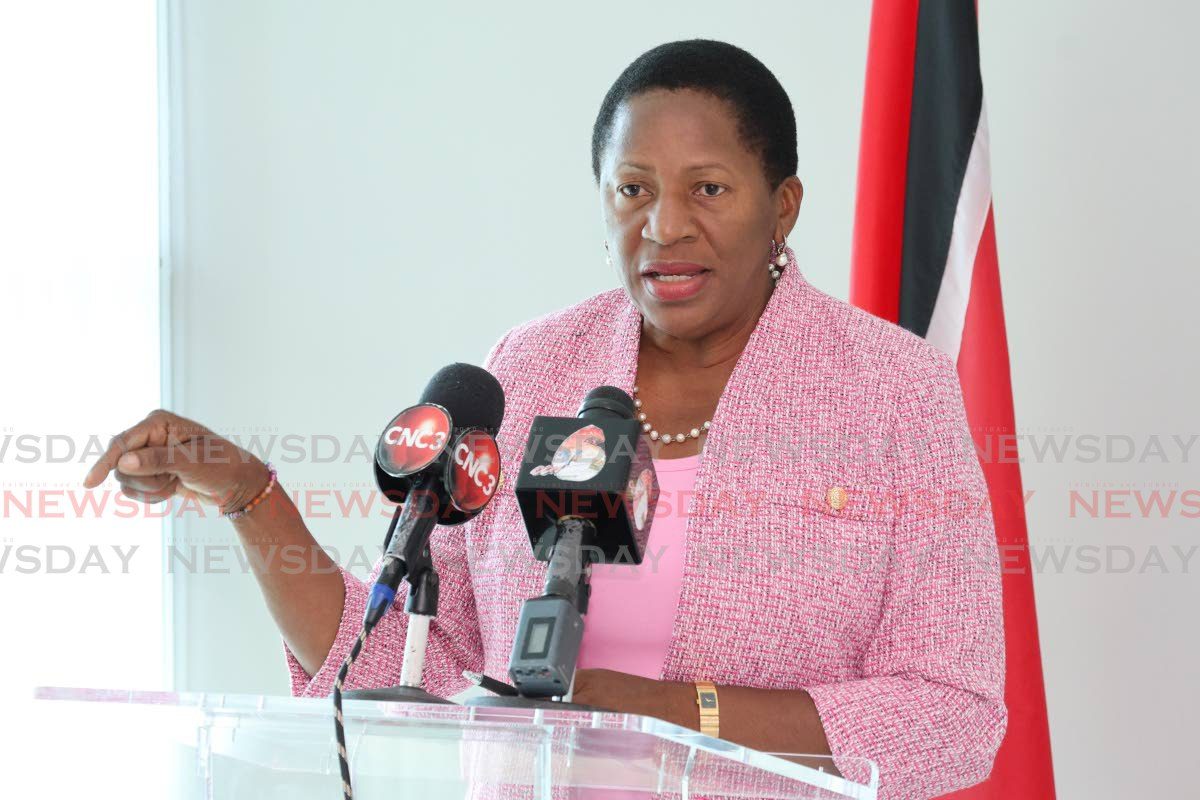
    Regional implications deepened when Trinidad and Tobago’s Prime Minister Kamla Persad-Bissessar attempted to deflect moral questions about possible citizen casualties from U.S. boat strikes by focusing instead on issues of vessel registration and piracy definitions. Her simultaneous acknowledgment that newly installed U.S. radar infrastructure in Tobago assists in detecting Venezuelan sanction-busting activities reveals deeper involvement in U.S. sanctions enforcement than previously acknowledged.

    These developments effectively draw Caribbean nations into the escalating confrontation between the Maduro regime and Republican Party foreign policy objectives. Analysts anticipate further escalation as President Trump faces mounting domestic pressures, including ongoing controversies surrounding his administration’s handling of the Jeffrey Epstein scandal.

  • Augustine proud of ‘reversal’ of Tobago murder rate

    Augustine proud of ‘reversal’ of Tobago murder rate

    In a recent political address, Tobago House of Assembly (THA) Chief Secretary Farley Augustine declared significant progress in combating the island’s crime epidemic under his Tobago People’s Party (TPP) administration. Speaking at a December 11th party gathering in Patience Hill, Augustine acknowledged the troubling legacy of 2023 recording 24 homicides—the highest in Tobago’s modern history—followed by 14 murders the previous year.

    Augustine emphasized that despite constitutional limitations placing national security under central government jurisdiction, the THA implemented independent strategies that have dramatically reduced violent crime. “We have successfully reversed the alarming murder trend through strategic investments in youth development and security infrastructure,” Augustine stated, contrasting Tobago’s improved statistics with other Trinidadian regions.

    The Chief Secretary revealed that Prime Minister Kamla Persad-Bissessar has endorsed his proposal for establishing a localized police force—a radical measure Augustine deems essential for Tobago’s unique security challenges. He criticized current maritime surveillance failures, citing instances where criminals escaped via watercraft without interception by Coast Guard vessels hampered by logistical constraints.

    Augustine’s address simultaneously served as an endorsement rally for Nigel Taitt, the TPP’s prospective candidate for Patience Hill/Signal Hill district. Taitt, who previously unseated former PNM Tobago Council leader Tracy Davidson-Celestine, currently oversees Food Security, Natural Resources, and Sustainable Development portfolios.

    The political leader confidently predicted electoral victory on January 12, 2026, asserting the TPP’s governance outperforms any previous four-year PNM administration. Taitt outlined forthcoming infrastructure projects including connector bridges, road paving initiatives, community center upgrades, and recreational facility construction, positioning himself as a hands-on public servant committed to district development.

  • More heads roll on forex issue

    More heads roll on forex issue

    In a sweeping financial sector overhaul, Trinidad and Tobago’s government has intensified its crackdown on foreign exchange management with the dismissal of Eximbank CEO Navin Dookeran on December 6. This move represents the latest in a series of high-profile executive removals that began in June with the abrupt revocation of Central Bank Governor Alvin Hilaire’s appointment, followed by the August departure of First Citizens Group CEO Karen Darbasie.

    The government maintains strategic silence regarding these personnel changes, yet evidence suggests profound disagreements over forex data disclosure and auditing protocols precipitated these actions. Dr. Hilaire’s dismissal reportedly followed contentious debates about transparency, while Ms. Darbasie’s exit has been linked to examinations of forex distribution channels and potential leakage.

    This executive purge coincides with alarming economic indicators: foreign exchange purchases plummeted by 19.2% year-on-year as of August, creating severe disequilibrium between supply and demand. Central Bank Governor Larry Howai’s September presentation highlighted the Eximbank’s increasingly pivotal role in forex dynamics, noting the urgent need to ‘address the Eximbank facility with respect to pricing and revolving.’

    Mr. Dookeran, who had led Eximbank since 2019, declined extensive commentary but previously expressed pride in his tenure accomplishments. His departure signals heightened governmental scrutiny of financial institutions amid growing pressure to resolve the currency crisis.

    Prime Minister Kamla Persad-Bissessar’s administration promises forthcoming revelations from its comprehensive review of financial systems and key operatives. However, business leaders like Vivek Charran, president of the Confederation of Regional Business Chambers, emphasize that rhetoric and dismissals cannot substitute for actionable solutions. ‘We are talking about generational family businesses fighting for survival,’ Charran stated, underscoring the urgent need for ‘fair and equitable means of forex distribution.’

    While Governor Howai has found no evidence of the ‘forex cartel’ alleged by the Prime Minister, he acknowledges that foreign exchange management may require stricter controls. The business community now awaits substantive policy measures rather than symbolic personnel changes as the nation grapples with one of its most significant financial challenges in decades.

  • MIKTA: Partnering to strengthen multilateralism

    MIKTA: Partnering to strengthen multilateralism

    In an age defined by complex global crises and rapid technological advancement, the MIKTA partnership—comprising Mexico, Indonesia, South Korea, Turkey, and Australia—has emerged as a critical force for international cooperation. This cross-regional coalition of middle-power nations continues to demonstrate how diplomatic collaboration among diverse countries can foster global resilience and peace.

    Established in 2013, MIKTA represents over half a billion people and nearly 10% of global trade. These nations share common traits including open economies, strategic geographical positioning, and a steadfast commitment to inclusive growth through international partnership. Their collective strength lies in advocating principled diplomacy, mutual respect, and adherence to international law as cornerstones of worldwide stability and prosperity.

    MIKTA’s informal and flexible structure enables it to serve as an effective bridge between regions and ideologies. Through sustained dialogue, consultation, and coordinated action, the partnership supports global initiatives promoting peace, sustainable development, and human rights advancement. Member states have collaborated on pressing issues including climate action, public health, migration, gender equality, disaster risk reduction, and digital transformation.

    During the 28th MIKTA Foreign Ministers’ Meeting held alongside the 80th UN General Assembly in 2025, ministers reaffirmed multilateralism’s essential role in maintaining international peace and security. They emphasized the urgent need to address poverty, inequality, and environmental crises while upholding UN Charter principles. The meeting produced a Special Communique highlighting how recent setbacks in international norm compliance, escalating humanitarian and environmental emergencies, and accelerating technological change necessitate renewed investment in UN effectiveness.

    Under South Korea’s 2025 chairmanship, MIKTA is advancing three key priorities: peacebuilding through adaptable peace operations, youth empowerment by integrating younger voices into decision-making processes, and accelerating Sustainable Development Goal achievement through innovative solutions and development cooperation. These initiatives aim to reinforce MIKTA’s role as a dynamic platform that bridges regions, amplifies diverse perspectives, and encourages practical cooperation.

    For regions like the Caribbean with numerous small island developing states, where climate resilience and sustainable development are paramount, MIKTA’s pragmatic approach resonates strongly. The alliance continues to uphold principles of dialogue, inclusiveness, and mutual respect, demonstrating how cooperation among diverse nations can build a fairer, safer, and more sustainable global community.

  • Ex-Jamaican MP urges Caribbean women to prepare of the age of AI

    Ex-Jamaican MP urges Caribbean women to prepare of the age of AI

    In a powerful address at the inaugural Women in Tourism Caribbean Retreat, former Jamaican Parliament member Lisa Hanna issued a compelling call for women across the region to actively prepare for the artificial intelligence revolution and embrace professional reinvention. The landmark gathering, held November 13-16 in the Turks and Caicos Islands, brought together female tourism professionals from across the Caribbean basin for a transformative professional development experience.

    Hanna delivered her keynote message during the November 15 Brunch and Conversation event, where she emphasized the critical importance of women remaining vigilant to global geopolitical shifts while leveraging their unique ability to combine passion with pragmatic decision-making. Her address formed the centerpiece of a retreat specifically designed to explore challenges including work-life balance, navigation of male-dominated environments, leadership development, and mutual support systems among women in the industry.

    The retreat, conceptualized by Turks and Caicos Hotel and Tourism Association CEO Stacy Cox, represented the physical evolution of a virtual platform initially launched during the pandemic to recognize women driving the tourism sector forward. Participants from Dominica, Belize, Grenada, Barbados, Saint Lucia, the US Virgin Islands, The Bahamas, Jamaica, and Toronto engaged in carefully curated activities including school outreach visits, with Hanna joining delegates at the Special Needs Association Providenciales (SNAP) Centre.

    In a gesture of regional solidarity, organizers presented Hanna with a charitable donation to support relief efforts for victims of Hurricane Melissa in Jamaica. The retreat’s significance was further underscored by the attendance of prominent government officials including Deputy Governor Anya Williams, Tourism Minister Zhavargo Jolly, and permanent secretary Wesley Clerveaux at the opening reception hosted at Beaches Turks and Caicos.

    Reflecting on the event’s success, Cox expressed profound satisfaction: ‘This retreat provided a space for women to remove their masks, discuss authentic life challenges, draw strength from shared experiences, and ultimately build a powerful sisterhood.’ Buoyed by its inaugural success, organizers have already announced that the Women in Tourism Caribbean Retreat will return to the Turks and Caicos Islands in November 2026.

  • UNC 28 no match for PNM 13

    UNC 28 no match for PNM 13

    For the second time in recent weeks, Trinidad and Tobago’s parliamentary proceedings have descended into acrimony as the ruling United National Congress (UNC) government abruptly terminated debate on the Finance Bill 2025, effectively silencing opposition voices. The controversial move last Friday prevented several members of the opposition People’s National Movement (PNM) from contributing to crucial financial discussions, marking a significant departure from established parliamentary conventions.

    The traditional practice in such debates involves the chief whip formally indicating speaking arrangements to the government business leader, with this information typically communicated to the Speaker of the House, Jagdeo Singh. The unilateral closure of debate while opposition members remained prepared to speak represents what critics are calling a dangerous erosion of democratic norms.

    This incident mirrors similar tactics employed during the 2025/2026 budget debate approximately one month ago, suggesting a pattern of behavior that contradicts the UNC’s previous commitments to transparency and accountability while in opposition. Political analysts note that these actions fundamentally undermine the very democratic principles that propelled the UNC into power.

    The government’s apparent reluctance to subject its financial policies to opposition scrutiny has raised questions about its confidence in handling economic matters. Despite holding a commanding majority of 28 Members of Parliament versus the PNM’s 13, the UNC appears increasingly defensive when confronting opposition financial expertise.

    Notable PNM figures including Colm Imbert (Diego Martin North/East), Brian Manning (San Fernando East), Stuart Young (Port of Spain North/St Ann’s West), Marvin Gonzales (Arouca/Lopinot), and Dominic Romain (Malabar/Musica) have consistently demonstrated superior preparedness in financial debates, frequently exposing what critics describe as governmental “political chicanery” during finance committee meetings.

    The ongoing parliamentary tensions suggest that meaningful political discourse has shifted from the parliamentary floor to what correspondent Harry Partap characterizes as “the trenches out there,” indicating diminished expectations for fair procedural treatment from the Speaker’s chair.