
The recent political maneuvering involving Venezuelan opposition leader María Corina Machado and former US President Donald Trump offers critical insights for smaller nations navigating complex international relations. Machado’s symbolic offer to share her Nobel Peace Prize with Trump—reportedly made after he expressed displeasure at not receiving the award himself—appears more as an act of political desperation than genuine diplomacy. This gesture has failed to yield the anticipated support, with Trump refusing to endorse Machado or any established opposition figures in Venezuela. Instead, he has indicated intentions to directly oversee Venezuela’s political transition through allies including Pete Hegseth and Marco Rubio. This development reveals a concerning pattern where local political actors are utilized as convenient instruments until they no longer serve external strategic interests. Machado, once considered Washington’s preferred candidate for a post-Maduro Venezuela due to her international acceptability and alignment with foreign policy objectives, now appears sidelined despite Maduro’s imprisonment. This scenario exemplifies imperial behavior where allies are elevated when useful and discarded once objectives are achieved. For Trinidad and Tobago and similar small states, this situation underscores the importance of maintaining strategic distance and principled neutrality rather than placing trust in administrations that prioritize transactional dominance over mutual respect. National sovereignty is best preserved through independent foreign policy that avoids entanglement in geopolitical theaters where smaller nations risk becoming supporting actors or collateral damage.
标签: Trinidad and Tobago
特立尼达和多巴哥
-
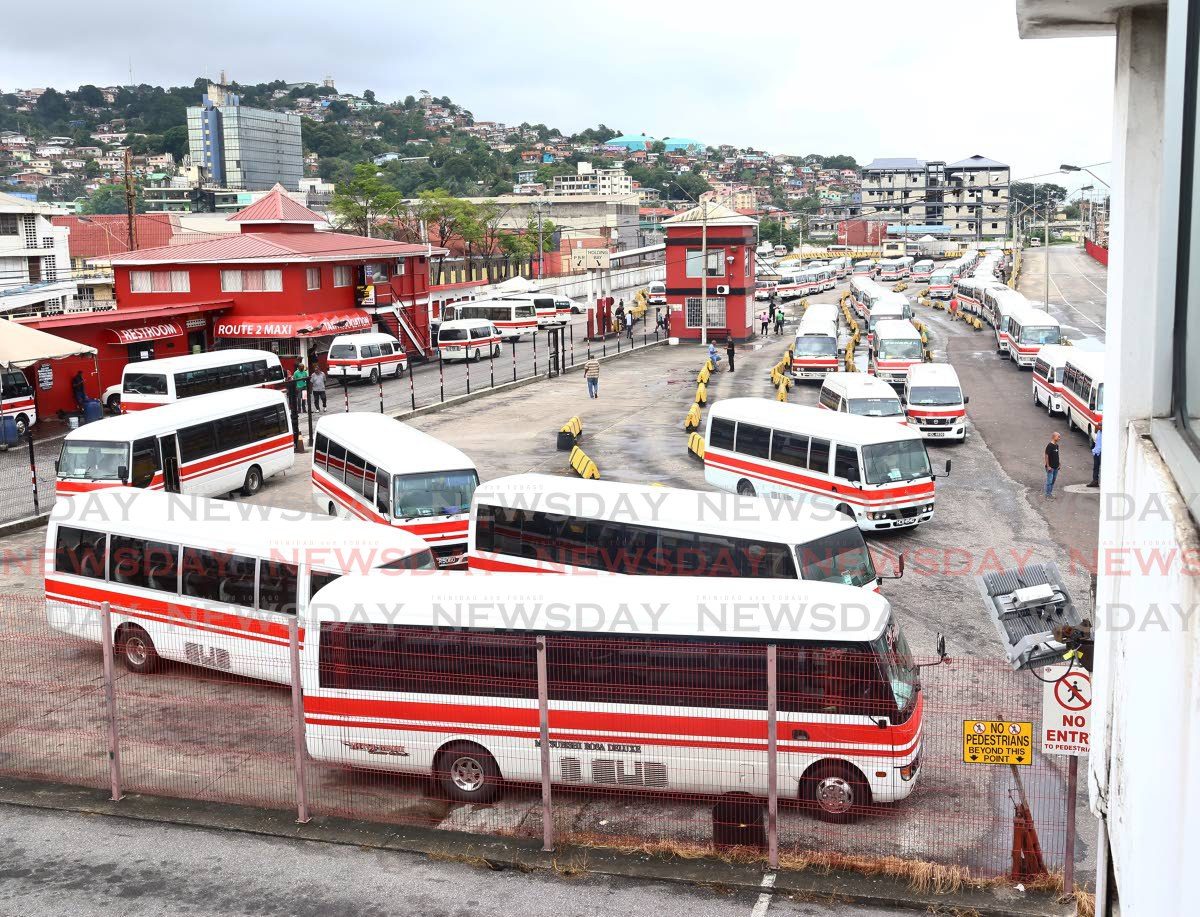
Of increased fines, and PBR fees
A contentious debate has emerged regarding Trinidad and Tobago’s escalating traffic penalty system, with recent developments drawing criticism from citizens and public transport operators alike. The government’s decision to double most road traffic fines has raised fundamental questions about economic fairness and regulatory overreach.
Historical context reveals this trend began during the United National Congress administration (2010-2015) under then-Minister Jack Warner, who initiated substantial increases in traffic penalties. The current People’s National Movement government has continued this trajectory, implementing further hikes that are projected to generate hundreds of millions for state coffers.
Critics argue that penalty structures are being determined by high-income officials who remain disconnected from average citizens’ financial realities. There are growing calls for including middle-income representatives in decision-making processes to ensure fines remain proportionate to typical earnings rather than becoming unduly burdensome.
The controversy extends to public transportation, where maxi taxi drivers now face increased fees from $300 to $600 for using the Priority Bus Route—equivalent to less than three dollars daily. This minimal increase contrasts sharply with drivers’ previous actions during the COVID-19 pandemic, when they raised passenger fares citing reduced ridership but failed to reduce them post-pandemic.
Commentator Sterling Manchouk of D’Abadie suggests that state regulation of maxi taxi fares might be preferable to the current system where drivers and associations set prices arbitrarily. The ongoing situation highlights the tension between revenue generation and equitable public policy in transportation governance.
-
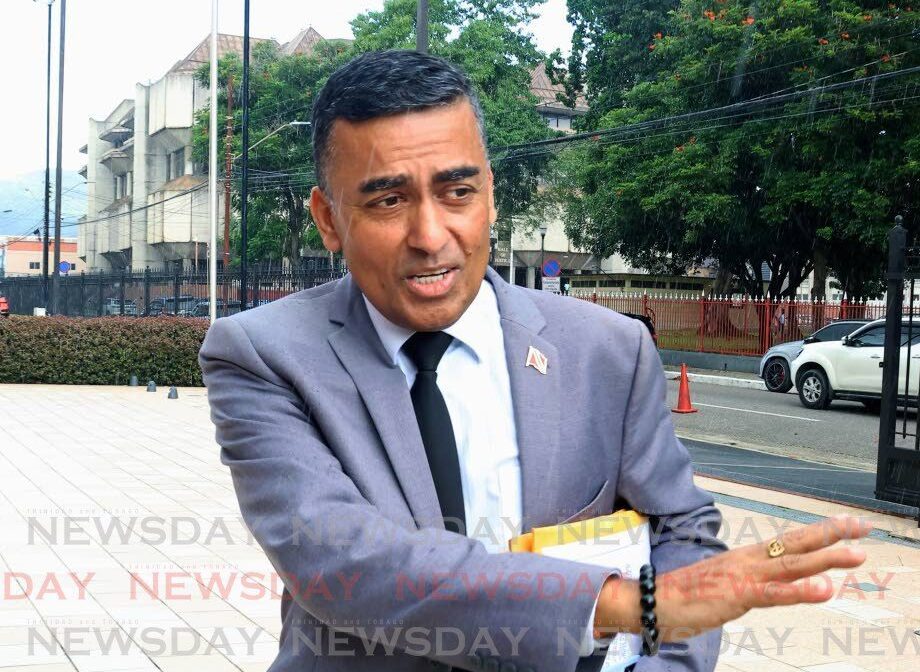
Promise made, promise broken
The Trinidad and Tobago government confronts mounting criticism for its failure to implement promised tax exemptions on private pensions that were scheduled to take effect January 1, 2026. Despite clear campaign commitments and parliamentary assurances from Finance Minister Davendranath Tancoo during the 2025-2026 budget reading, pensioners continue to face tax deductions.
Government officials now cite unpreparedness in financial calculations as the reason for the delay, indicating that necessary legislation will only be addressed in February. This explanation has proven unsatisfactory to retirees who structured their financial planning around the administration’s unambiguous pledge.
The situation highlights concerning double standards in governmental urgency. While the administration acted swiftly to halt former minister Stuart Young’s prime ministerial pension, comparable decisiveness has been absent regarding ordinary citizens’ retirement benefits.
Compounding the problem, annuitants must still submit certificates of existence by February 1 to maintain their benefits, ensuring continued tax deductions before parliamentary action. This delay effectively imposes financial penalties on pensioners through governmental indecision.
The writer demands not only explanations but tangible results, including retroactive cash refunds dating to January 1. The failure threatens to transform what was presented as official policy into what appears increasingly reminiscent of political propaganda, undermining trust in parliamentary commitments.
-

Kes’ and Etienne Charles’ Unity Jazz Festival at NY Lincoln Center sold out
Caribbean music has achieved a monumental milestone as Kes the Band, in collaboration with renowned Trinidadian trumpeter Etienne Charles, has completely sold out their two-night Unity Jazz Festival at New York’s prestigious Jazz at Lincoln Center on January 8-9. This extraordinary achievement underscores the growing global appreciation for Afro-Caribbean musical traditions.
The festival represents a watershed moment for Caribbean artists, marking their ascendancy onto one of the world’s most iconic cultural stages. The event forms an integral part of Jazz at Lincoln Center’s 38th season programming, which celebrates ‘Mother Africa’ and honors the profound influence of Afro-diasporic music across jazz and related musical traditions.
Adding to their acclaim, the band received prominent feature coverage in the January 7 edition of The New York Times, further validating their artistic significance. The performances will showcase specially reimagined arrangements from Kes the Band’s extensive catalog, creatively blending soca, calypso, jazz, and soul genres into intimate musical storytelling experiences.
Trumpeter Etienne Charles, celebrated for his mastery of Afro-Caribbean musical language, will serve as special guest collaborator, enhancing the festival’s core message of cultural unity and artistic exchange. This landmark event follows the massive international success of the band’s latest single, ‘Rum And Coca Cola,’ which achieved record-breaking chart debuts on Apple Music’s Top 100 in over twenty countries and accumulated hundreds of thousands of streams and YouTube views.
-

National Limbo Competition returns for Carnival 2026
After an 18-year absence from the national stage, Trinidad and Tobago’s iconic limbo dance tradition is making a formal comeback through the revival of the National Limbo Competition. Spearheaded by the National Dance Association (NDA) under the banner “Doh Fraid De Fire,” this cultural initiative marks a strategic effort to reclaim an artform that has persisted abroad while fading from domestic visibility.
NDA President Alette Liz Williams emphasizes this is no nostalgic endeavor but a crucial cultural preservation mission. “The artform faded,” Williams states. “One of my priorities was to find artforms and communities where we could reconnect – things that could make communities stronger and preserve what was dying.”
Limbo’s origins trace back to African spiritual practices in Tobago, where cultural historian Marielle Dos Santos identifies its roots in death rites. The ritual involved mourners passing under a gradually raised horizontal bar during nine-night wakes, symbolizing the soul’s journey into the spirit realm. The name connects to Legba (or Esu), the Yoruba deity of crossroads. Over time, limbo incorporated additional meanings, including interpretations related to the cramped conditions endured by enslaved Africans during transatlantic passage.
In the mid-20th century, performers like Julia Edwards-Pelletier transformed limbo into a spectacular performance art featuring fire, dramatic choreography, and pulsating drumology that captivated international audiences. Despite global recognition as distinctly Trinidadian, the competitive infrastructure domestically disappeared after 2008.
The 2026 revival features significant adaptations to ensure participation. Entry requirements have been deliberately relaxed: no age limits exist, group sizes can range from 6-20 dancers, individuals may compete alongside groups, and past performance videos are accepted instead of requiring new auditions. Judging criteria extend beyond mere physical limbo prowess to include choreography, technical execution, creativity, and costume design.
With $100,000 in prize money, including $50,000 for first place, the competition signals serious investment in limbo as specialized artistry rather than novelty entertainment. Special awards will recognize King and Queen of Limbo, Best Costume, Most Creative Performance, and Best Human Bar.
The semi-finals occur January 16 at Naparima Bowl Amphitheatre, with the grand final scheduled for January 24 at Carnival Village, Queen’s Park Savannah. Tickets are priced at just $100 to ensure accessibility, reflecting the NDA’s dual focus on rebuilding both performers and audiences.
Williams acknowledges the irony that while Trinidad continues producing world-class limbo dancers, many perform internationally with companies like Universoul Circus rather than at home. Workshops led by respected practitioners including internationally recognized scholar Kieron Dwayne Sargeant and acclaimed performer Makeba Gabriel aim to rebuild technical proficiency and continuity.
Televised coverage of semi-finals provides dancers with portfolio material that could open professional opportunities beyond Carnival. Williams envisions limbo restored to Carnival’s heart, where thousands of visitors encounter Trinidad’s cultural expressions in their most vibrant form.
The revival embraces limbo’s fundamental nature as a practice of transition – between life and death, restraint and freedom, tradition and innovation. Rather than freezing the artform in time, the competition seeks to provide evolutionary space while honoring its profound cultural roots.
-

Machel Montano to defend Chutney Soca Monarch title
Trinidad and Tobago’s cultural landscape is set for a vibrant transformation as the Chutney Soca Monarch (CSM) competition announces groundbreaking changes for its 31st edition. Reigning champion Machel Montano has confirmed he will defend his title at the February 8 finals in Skinner Park, San Fernando, following his 2025 victory with the collaborative hit “Pepper Vine” featuring Lady Lava and chutney legend Drupatee Ramgoonai.
The official launch event at GML Labs on January 7 marked a significant evolution for the long-running Carnival tradition. CEO George Singh unveiled substantial format innovations, including relocating the semi-finals to Port of Spain’s Queen’s Park Savannah Carnival Village—a historic shift from the competition’s traditional southern base. Artist selection will now feature a live screening process reminiscent of ‘America’s Got Talent,’ with semi-finalists announced thereafter.
A landmark media partnership between promoters Southex and Guardian Media Limited officially brings the competition home to Sangeet 106.1 FM. Brand manager Shareeza Ali emphasized the collaboration extends beyond media support to create meaningful spaces for artistic and cultural expression.
The 2026 edition introduces a third competitive category: the Traditional Chutney Monarch title joins the existing Chutney Soca Monarch and Queen of Chutney Soca crowns. Singh described this addition as crucial for honoring the genre’s foundational elements while celebrating its evolving identity.
Scheduling changes see the grand finals moving to Sunday with adjusted hours (4 PM to midnight), replacing the traditional Saturday night event that typically extended into early morning. Singh reaffirmed the event will remain free to the public for the eleventh consecutive year.
Looking beyond Carnival, Singh announced developmental workshops for the 2026-2027 season focusing on artist development, social media strategy, stage performance, and media engagement. The competition continues to gain international traction, with significant followings in Guyana, Suriname, and diaspora communities across North America, while recent expansions into Holland and South Africa demonstrate the genre’s growing global influence.
-

Njisane pedals to kierin gold in Canada
Trinidad and Tobago cycling veteran Njisane Phillip demonstrated exceptional prowess at the International Cycling Union’s Class Two competition held at Bromont’s Sylvan Adams Velodrome in Canada. The 34-year-old two-time Olympian captured his second gold medal of the tournament on January 7th with a spectacular victory in the men’s keirin final during the concluding day of events.
With three laps remaining and the motorized pacing vehicle exiting the track, Phillip strategically positioned himself in third place while maintaining apparent comfort and readiness to strike. As the penultimate lap approached, the seasoned cyclist engaged another gear and launched a decisive acceleration that would prove unbeatable.
The race commentator captured the moment’s inevitability, remarking: “Bye-bye. Here we go. I will be writing you a cheque and a postcard from TT.” Phillip had established a commanding 20-meter advantage by the final lap commencement.
Though pursuing riders narrowed the gap in the closing moments, Phillip maintained his composure to secure victory. Team Ontario’s Nick Wammes came closest to challenging, finishing merely .040 seconds behind to claim silver. Another Team Ontario cyclist, James Hedgcoock, completed the podium in third position.
The final standings placed Marius Belisle (Equipe du Quebec) in fourth, Finnley Koller (Edge Cycling) in fifth, and Cole Dempster (KW Cycling Academy) in sixth position.
Phillip’s keirin triumph complemented his earlier gold medal performance in the men’s sprint event on the same day, marking an impressive double victory against competition predominantly composed of younger athletes.
In related success, Phillip’s JLD Cycling Club teammate Makaira Wallace, an emerging talent in women’s cycling, commenced her 2026 campaign with distinction by earning bronze in the women’s keirin competition.
-

Caroni Licensing Division office ‘overwhelmed’
The Caroni Licensing Office is experiencing unprecedented congestion, with a senior official confirming the facility is completely overwhelmed by the daily influx of vehicles. This crisis has created significant backlogs, forcing numerous motorists to abandon their efforts and return the following day to complete basic transactions.
During a recent site visit, Newsday observed hundreds of vehicles—including cars, trucks, and SUVs—forming extensive queues stretching throughout the compound. The scene revealed drivers sleeping in their vehicles while awaiting access to one of only four inspection bays available.
An anonymous licensing official attributed the sudden surge to recently announced increases in penalty fees for motor vehicle violations. “The system desperately requires modernization,” the official stated, “as it’s fundamentally incapable of handling this volume of motorists seeking to avoid substantial fines.”
Under the new fee structure implemented this month, drivers with permits expired for six months or less now face a $650 late fee, increased from $600. For permits expired beyond six months but under three years, penalties have jumped dramatically from $1,000 to $1,750.
The official acknowledged the system’s limitations but noted solutions require intervention from “higher authorities” who understand budgetary constraints and operational possibilities.
Motorists expressed frustration with the excessive wait times, criticizing the administration’s failure to anticipate the predictable surge following penalty announcements. “They should have foreseen this scenario and implemented appropriate provisions,” one irritated driver commented.
Despite systemic failures, licensing officers received individual praise for their dedication in directing traffic and advising drivers on transaction options under challenging conditions. Officers recommended using the mobile Linx payment van to bypass lengthy cashier lines.
An elderly woman highlighted the system’s customer service deficiencies, noting she’d been waiting since 7 am without bathroom access for fear of losing her place in line. She suggested practical improvements like numbered parking spots with loudspeaker announcements to allow drivers temporary freedom from their vehicles.
Nearby businesses reported operational disruptions due to vehicles queuing outside the compound and blocking access roads. Mark Ammon, a local sales director, proposed expansion of facilities, additional officers, extended hours, and weekend operations to address congestion.
However, skepticism about governmental commitment to improvement prevailed among drivers. One woman gestured toward overflowing trash bins, questioning, “They lack funding for basic cleanliness—how can we expect compound expansion?” She expressed disillusionment with successive administrations’ apparent disregard for motorists’ convenience.
Newsday’s attempts to reach Transport Commissioner Clive Clark regarding potential systemic changes or expansion plans were unsuccessful at the time of reporting.
-
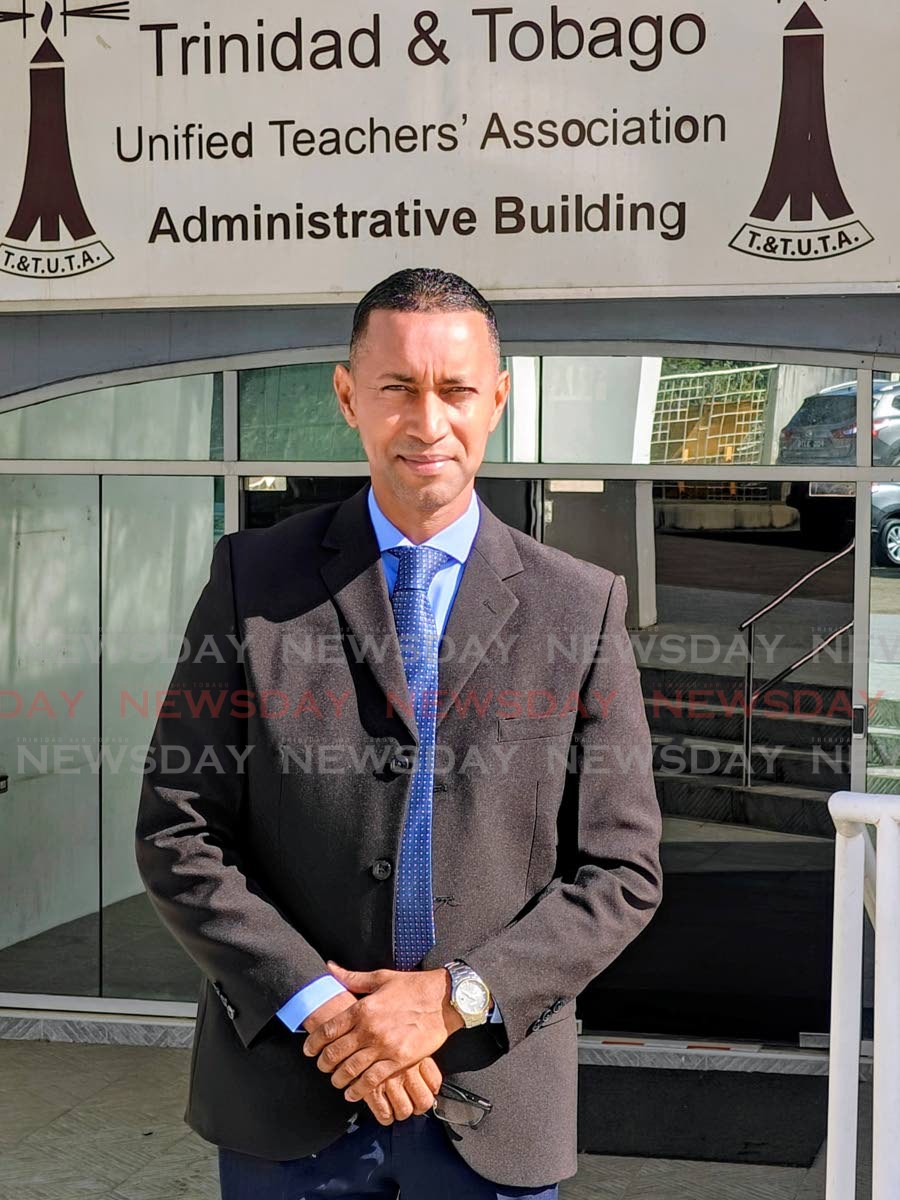
TTUTA to spare no resource to reinstate ‘essential’ EAP
The Trinidad and Tobago Unified Teachers’ Association (TTUTA) has declared an all-out effort to restore critical mental health services for educators after confirming the disruption of the Employee Assistance Programme (EAP). TTUTA President Crystal Ashe characterized the service interruption as a “grave injustice” in an official January 7 statement, demanding immediate explanations and corrective action from Education Minister Dr. Michael Dowlath, the Permanent Secretary, and the Chief Personnel Officer.
Ashe emphasized that EAP access represents a legally protected right under the Collective Agreement rather than a discretionary benefit. The crisis emerged when a secondary school teacher attempting to schedule counseling sessions was unexpectedly informed of a $450 per session charge. Service provider Elder Associates Ltd, typically responsible for delivering these services, declined commentary citing ongoing discussions with the Ministry of Education.
The disruption appears to extend beyond the education sector, with healthcare professionals reporting similar service interruptions. A nurse revealed that while alternative counseling arrangements were available within hospital settings, staff expressed discomfort due to privacy concerns about being observed attending sessions.
TT National Nursing Association president Idi Stuart confirmed receiving reports of service disruptions, though Public Services Association president Felisha Thomas remained unreachable for comment. Finance Minister Davendranath Tancoo also did not respond to inquiries regarding the widespread service interruption.
An anonymous public servant expressed hope that the situation resulted from contract renegotiations rather than permanent termination, highlighting the critical importance of mental health support particularly given existing social stigmas. The individual shared personal testimony about the program’s vital role during their divorce proceedings, while noting concerning inconsistencies in EAP accessibility across different government ministries, including instances of information withholding and gatekeeping by supervisors.
-

Dennis: Who’s benefiting from No Man’s Land project?
Tobago’s political landscape is embroiled in a heated dispute over development plans for No Man’s Land beachfront property, with PNM Tobago Council leader Ancil Dennis accusing the current THA administration of concealing a private development agreement until after the January 12 Tobago House of Assembly elections.
Dennis, the PNM candidate for Buccoo/Mt Pleasant, raised serious concerns during a January 6 campaign meeting in Bon Accord about what he describes as a clandestine arrangement between the THA and an unidentified private developer. The controversy centers on allegations that vendors at the government-owned No Man’s Land were visited by police-accompanied developers who demanded they vacate the premises by January 20.
THA Chief Secretary Farley Augustine has vigorously denied these accusations, maintaining that the Assembly was simply approached by a developer offering to enhance the area for vendors at no cost to the government. Augustine stated he instructed the developer to first consult with vendors before submitting any formal proposal.
Dennis expressed profound skepticism about these claims, stating, ‘No businessman will undertake significant development on prime beachfront property free of charge. There must be some arrangement—whether private or public—for somebody to benefit.’ He criticized the administration’s approach, emphasizing that proper procedures involving public tender processes and community consultation were completely bypassed.
The PNM leader outlined what he characterized as proper protocol: issuing a request for proposals, conducting transparent selection processes, and engaging in meaningful community consultation before any development decisions. He promised that a PNM-led THA would prioritize vendor livelihoods while preserving the natural beauty of the area, ensuring all current vendors could continue their trade in improved conditions.
Dennis urged voters to support the PNM to protect their interests, positioning the election as a choice between transparent governance and what he called ‘backdoor deals’ that threaten local livelihoods and public property rights.