标签: Trinidad and Tobago

特立尼达和多巴哥

  • If you can’t govern them, silence them

    If you can’t govern them, silence them

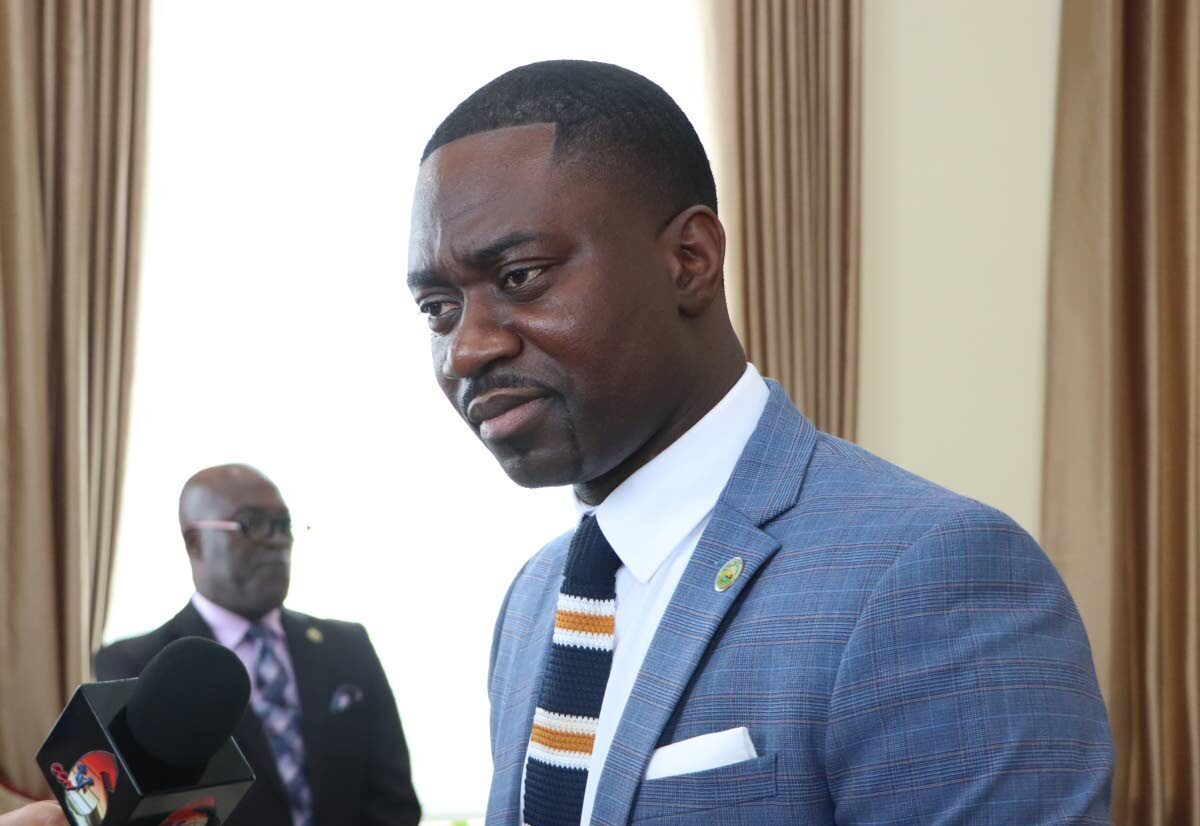
    A controversial attempt by Trinidad and Tobago’s Homeland Security Minister Roger Alexander to petition the US Embassy for revoking visas of American-based critics has ignited profound concerns about democratic erosion in the Caribbean nation. The move, revealed through official ministry correspondence, suggests an alarming trend toward authoritarian tactics reminiscent of Venezuela’s Nicolás Maduro regime.

    The minister’s justification centers on claims that YouTube commentators and dual nationals are destabilizing the country—a narrative that critics argue externalizes governmental failures rather than addressing legitimate governance shortcomings. This approach mirrors the playbook of authoritarian leaders who silence dissent rather than engage with substantive criticism.

    Political analysts note the extraordinary nature of a sitting minister seeking foreign intervention to police Trinidadian speech abroad, effectively acknowledging the weakness of domestic democratic institutions. The situation represents a dangerous precedent where sovereignty is weaponized against citizens rather than protecting their fundamental rights.

    All eyes now turn to Prime Minister Keith Rowley, whose response—or lack thereof—will signal whether this represents isolated ministerial overreach or official state policy. The silence from the administration’s highest office risks validating what many fear constitutes a systematic dismantling of democratic norms through increasingly authoritarian measures.

    The developing situation reflects broader regional patterns where democratic facades crumble under the weight of leadership that prioritizes narrative control over transparent governance and accountability.
  • Eve proud of Naps’ title: I came to make a statement

    Eve proud of Naps’ title: I came to make a statement

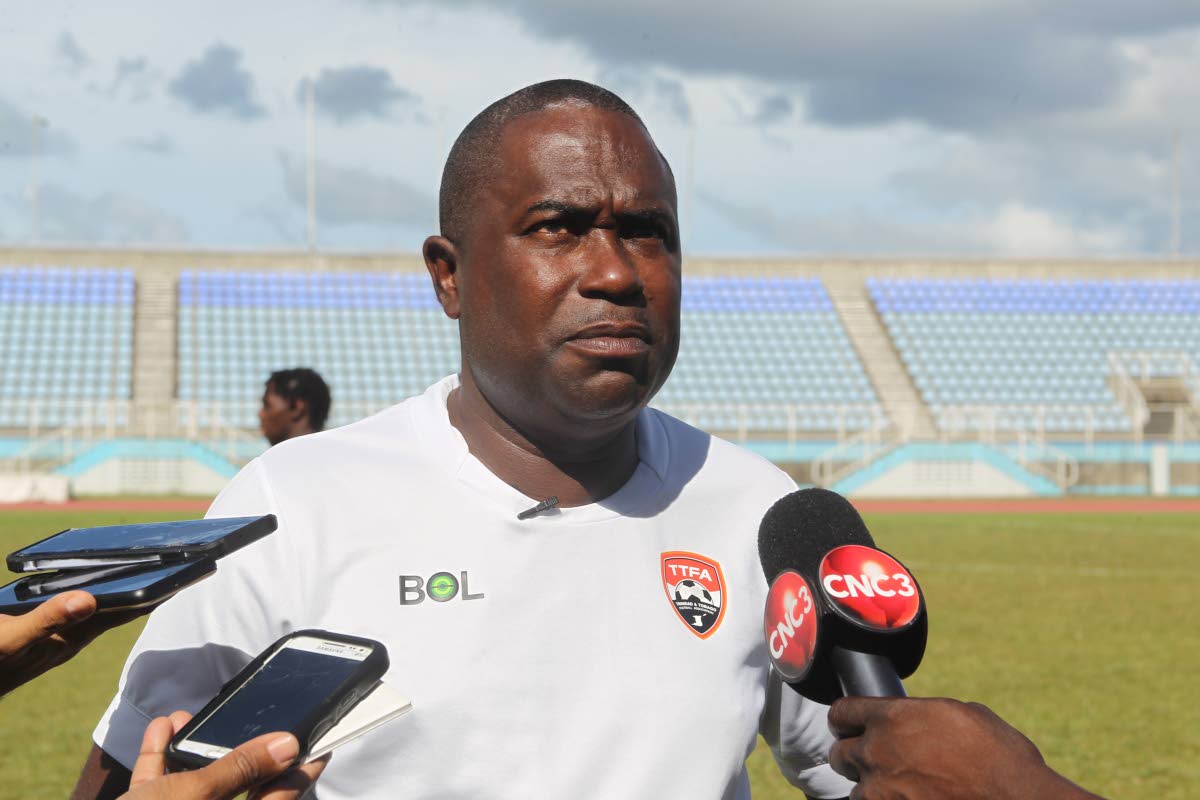
    In a thrilling conclusion to the Secondary Schools Football League (SSFL) premiership division season, Naparima College captured their sixth league title under the current format with a dramatic 2-1 victory over Signal Hill Secondary on November 27th. The championship marks a triumphant return for head coach Angus Eve, who previously guided the southern school to back-to-back titles in 2014 and 2015 before his stint with Trinidad and Tobago’s national teams.

    The title race came down to the final matchday with three teams separated by just three points. Naparima’s victory at Lewis Street in San Fernando propelled them to 37 points, narrowly edging out southern rivals St Benedict’s College (36 points) and Signal Hill Secondary (34 points). The Tobago-based Signal Hill squad saw their championship hopes dashed despite a late consolation goal from Raevion Marshall via an 83rd-minute penalty.

    Eve, who concurrently coaches TT Premier Football League side Club Sando, acknowledged the challenges of returning to school football after his time with national teams. ‘There were a lot of adjustments for me,’ Eve told reporters amid the celebrations. ‘I thought there were a lot of good teams in the league. There are a lot of well-organized teams and you saw that with four teams fighting for the title up to the last day.’

    The veteran coach implemented a strategic shift in his approach this season, emphasizing both defensive solidity and attacking freedom. Naparima conceded just eight goals in 15 matches while scoring 42—the fourth-highest total in the division. ‘We want to play efficient football,’ Eve explained. ‘We allowed the players in the front part of the pitch to express themselves and have the freedom to play within the structure of the team.’

    Eve paid tribute to previous Naparima coaches Reynold Carrington, Travis Mulraine, and Anthony Sherwood while emphasizing the importance of understanding the school’s football culture. ‘Sometimes, if you don’t know the culture of the place, you may not perform to the optimum in the environment,’ he noted.

    The championship victory demonstrates Eve’s continued coaching prowess as he balances multiple roles while maintaining his reputation for developing organized, difficult-to-beat squads capable of delivering results when it matters most.

  • Comrade Ralph falls

    Comrade Ralph falls

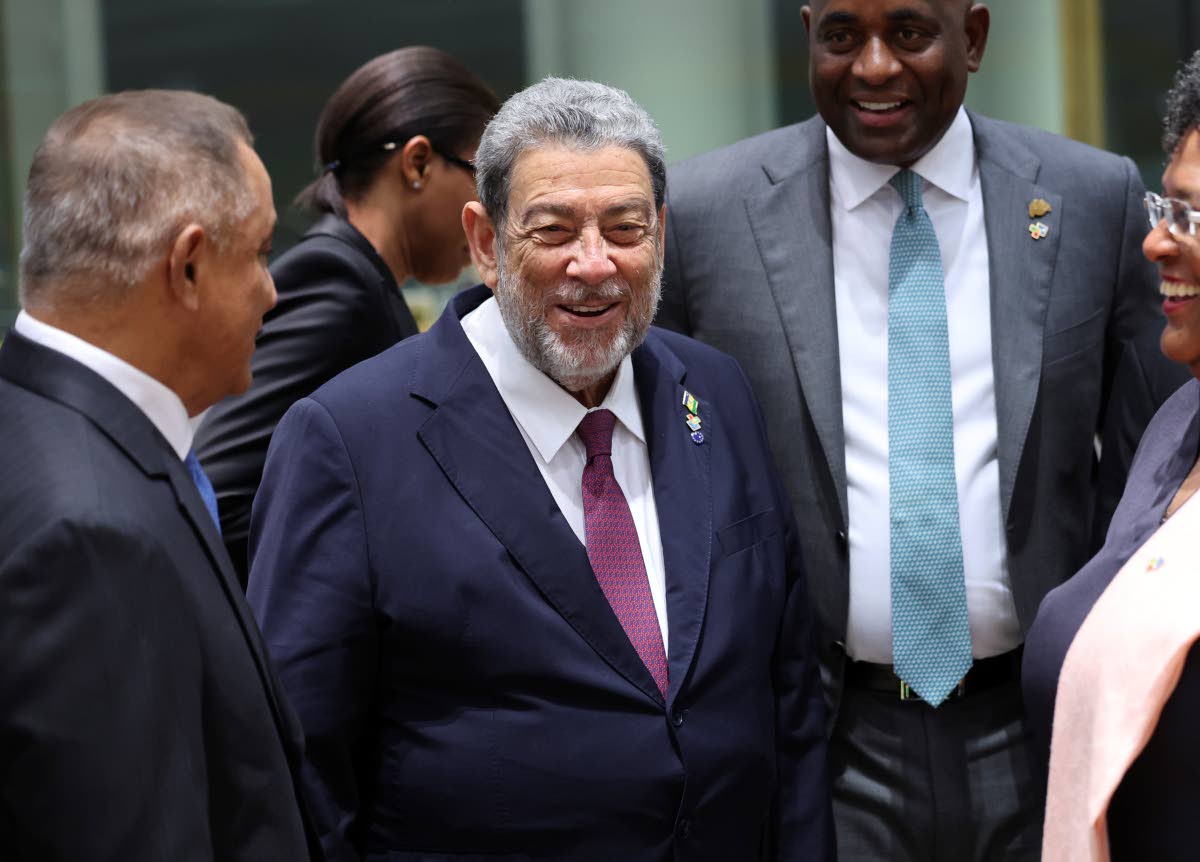
    The Caribbean political landscape has undergone a seismic shift with the decisive electoral outcome in St Vincent and the Grenadines. On November 27, voters delivered a stunning rebuke to incumbent Prime Minister Ralph Gonsalves and his United Labour Party (ULP), ending their 23-year governance with a resounding 14-1 parliamentary victory for opposition leader Godwin Friday’s New Democratic Party (NDP).

    This electoral result marks the most conclusive victory in the nation’s history since 1989, when the NDP previously secured all parliamentary seats under James Mitchell’s leadership. For Dr. Friday, aged 66, this triumph represents the culmination of a methodical political ascent. Conversely, for the 79-year-old Dr. Gonsalves, the defeat signals the conclusion of an extraordinary political era that began in 2001.

    While regional leaders including Trinidad and Tobago’s Prime Minister Kamla Persad-Bissessar celebrated the outcome as a “resounding democratic mandate,” constituency-level results reveal a nation characterized by deep political divisions. Despite his party’s overwhelming defeat, Dr. Gonsalves retained his own seat with 2,577 votes against 996 for his opponent. The ULP secured 27,148 total votes compared to the NDP’s 37,002, with overall voter participation declining to 62% from 67% in the previous election.

    The incoming administration campaigned on ambitious promises including economic revitalization, job creation with improved wages, addressing escalating crime rates, and enhancing national infrastructure. Potentially most significant internationally is the NDP’s historical commitment to sever diplomatic relations with Taiwan in favor of establishing ties with China—a geopolitical maneuver that would reduce Taiwan’s diplomatic partners to merely 12 nations worldwide.

    Dr. Gonsalves leaves behind substantial shoes to fill within CARICOM frameworks, where he served as a prominent advocate for climate justice, slavery reparations, and regional mediation efforts—most notably contributing to the Argyle Decree. His departure, combined with potential foreign policy recalibrations in Trinidad and Tobago, Guyana, and now St Vincent, may signal broader geopolitical realignments within the Caribbean bloc, all while the United States under the Trump administration maintains its assertive stance toward Cuba and Venezuela.

    The veteran leader’s legacy includes steering the nation through multiple crises including the global financial downturn, COVID-19 pandemic, La Soufrière volcanic eruption, and Hurricane Beryl. He also presided over the development of the country’s inaugural international airport. However, his implementation of vaccine mandates eroded support among certain constituencies, and many voters ultimately believed his time in leadership had naturally concluded. Dr. Gonsalves’ anticipated role as opposition leader now presents an intriguing dynamic for the nation’s political future.

  • Swaratsingh: ‘TT will hear soon where $$$ to pay PSA workers will come from’

    Swaratsingh: ‘TT will hear soon where $$$ to pay PSA workers will come from’

    The Trinidadian government confronts a substantial financial challenge as it seeks to secure $3.8 billion to fulfill back payment obligations to public servants following a recently concluded wage agreement. Minister of Planning, Economic Affairs and Development Dr. Kennedy Swaratsingh has indicated that funding details will emerge “soon enough,” offering limited commentary while entering the Red House on November 28.

    The breakthrough occurred on November 27 when the Public Services Association (PSA) and the Chief Personnel Officer finalized an agreement granting union members a ten percent salary increase—a commitment originally made by the United National Congress during April’s general election campaign. The compensation package allocates one percent for each year between 2014 and 2018, plus five percent for 2019, collectively adding approximately $420 million to recurrent annual expenditures.

    Chief Personnel Officer Dr. Daryl Dindial confirmed plans to formalize the agreement through a memorandum of understanding with PSA representatives on December 1, preceding Cabinet submission for ratification. The Cabinet Secretary has reportedly expedited the process, allowing for consideration via an ad hoc note during the December 4 session.

    Opposition figures expressed cautious optimism alongside fiscal concerns. Chief Whip Marvin Gonzales acknowledged satisfaction with the resolution while emphasizing the need for transparency regarding funding mechanisms. Former Finance Minister Colm Imbert raised alarms about potential domino effects, projecting that similar settlements across public sector unions could escalate liabilities to approximately $20 billion in back pay and $2 billion in additional annual wage expenditures.

    Minister in the Ministry of Public Utilities Clyde Elder cautioned against renegotiations, stating that unions which previously accepted four percent agreements should not expect retrospective adjustments based on the PSA outcome. Elder highlighted the PSA’s particular struggles during previous administrations and noted that payment scheduling would fall under Finance Minister Davendranath Tancoo’s purview.

  • Same-day surgeries start at Couva Children’s Hospital

    Same-day surgeries start at Couva Children’s Hospital

    In a significant healthcare development, Trinidad and Tobago’s long-dormant Couva Children’s Hospital commenced same-day surgical procedures on November 28th, marking the initial phase of its operational activation. Health Minister Dr. Lackram Bodoe confirmed the milestone following an inspection at the facility, revealing that the inaugural surgeries targeted patients from waiting lists across all regional health authorities.

    The surgical interventions specifically addressed renal dialysis patients requiring arteriovenous shunts and individuals with severe venous leg conditions needing radio frequency ablation procedures. Minister Bodoe indicated that specialized pediatric outpatient clinics would represent the next service category to become operational, though no precise timeline was provided beyond ‘the near future.’

    This activation aligns with Prime Minister Keith Rowley’s mandate, with the Health Ministry emphasizing its commitment to a ‘smooth, well-coordinated transition’ as additional services gradually come online. However, questions regarding full operationalization timelines remain unanswered, as decisions pending include which regional health authority will ultimately assume management responsibilities.

    The hospital’s activation occurs against a backdrop of substantial surgical backlogs, with a September Udecott report documenting approximately 11,300 citizens awaiting procedures nationwide—primarily in ophthalmology and general surgery.

    Despite progress, the initiative faces staffing challenges. Trinidad and Tobago National Nurses’ Association president Idi Stuart recently opposed the opening plans, citing insufficient nursing personnel. Minister Bodoe acknowledged these concerns, confirming ongoing efforts to resolve staffing deficiencies.

    Originally constructed and opened by the People’s Partnership administration in August 2015, the facility remained largely non-operational during the PNM’s subsequent decade-long administration. Current renovation activities were visible during a November 28th site visit, with workers repainting buildings and removing previous signage while maintaining the Ministry of Health’s identification.

  • Opposition Leader silent on own – Beckles: ‘I beg to move’

    Opposition Leader silent on own – Beckles: ‘I beg to move’

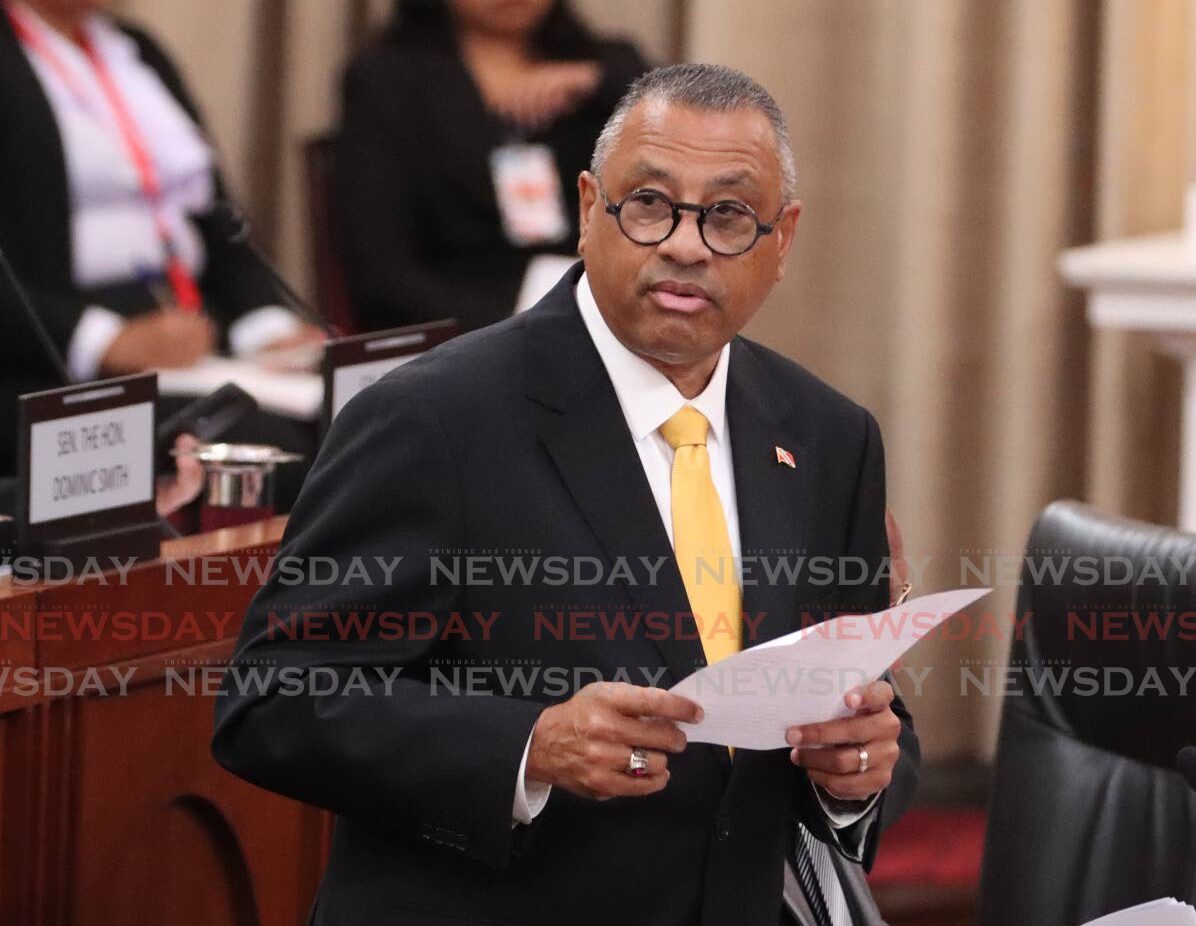
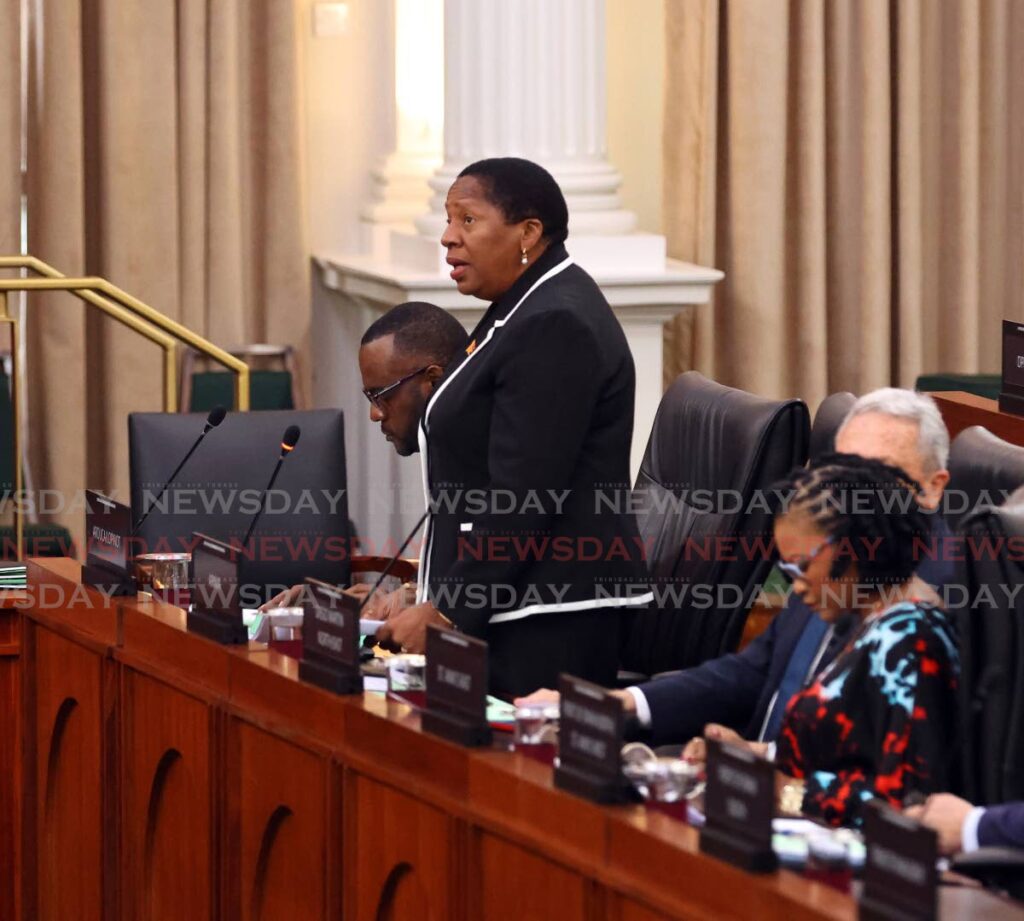
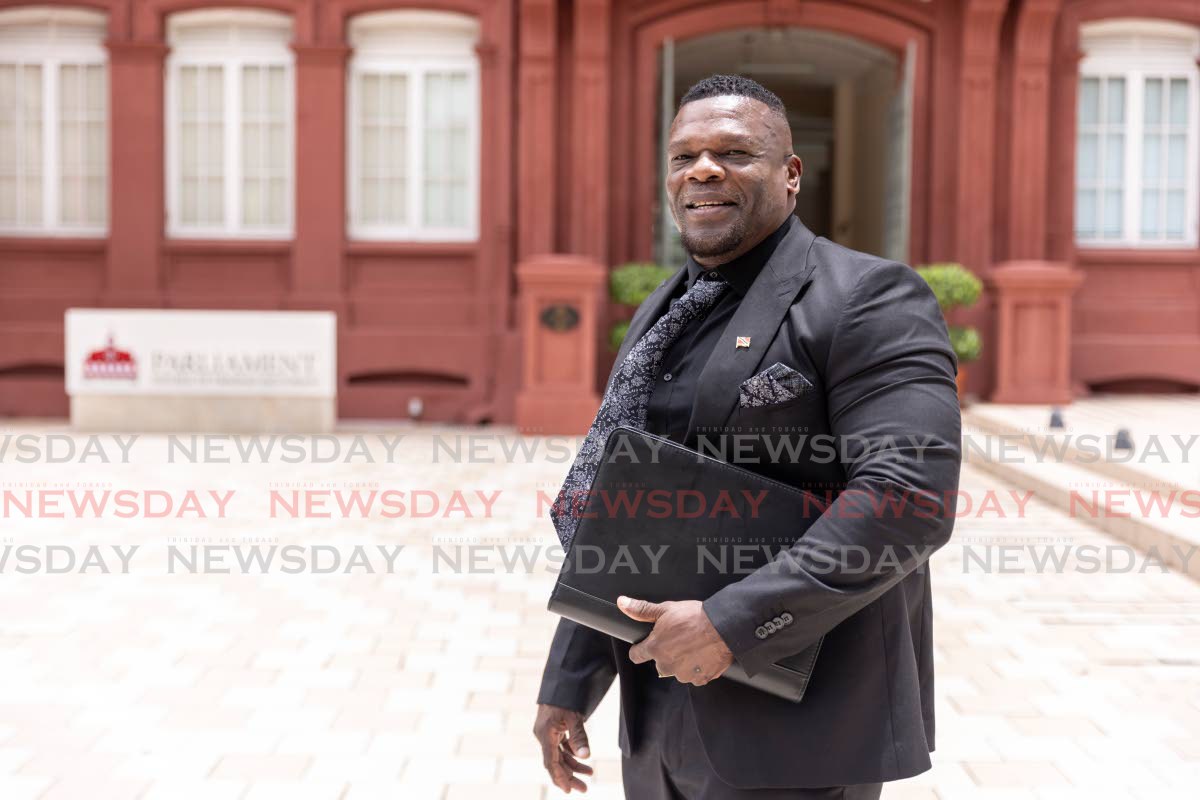
    In an unprecedented parliamentary development, Opposition Leader Pennelope Beckles sparked procedural confusion in Trinidad and Tobago’s House of Representatives on November 30 by declining to deliver an opening contribution for her own motion condemning Prime Minister Kamla Persad-Bissessar’s administration regarding the US-Venezuela tensions.

    The incident occurred during the first private members’ day following the April 28 general election, a session traditionally dedicated to opposition-led debates. Beckles read the text of her motion while complaining about government MPs’ heckling, prompting Speaker Jagdeo Singh to demand order. Despite parliamentary staff providing a glass lectern and document stand suggesting an elaborate presentation, Beckles concluded simply with “I beg to move” and took her seat without further commentary.

    Speaker Singh expressed procedural concerns, suspending the session for ten minutes to consult parliamentary rules. Upon resumption, he ruled that Beckles’ phrase had formally ended her presentation opportunity under standing orders, requiring immediate progression to a seconder. Opposition Chief Whip Marvin Gonzales subsequently seconded the motion while reserving his right to speak later.

    Energy Minister Dr. Roodal Moonilal expressed astonishment at Beckles’ unusual parliamentary maneuver, noting her decades of experience made the omission particularly remarkable. He then proposed extensive amendments supporting government actions, asserting that US-Venezuela tensions hadn’t harmed Trinidad and Tobago’s economy or security, and that the government’s position reflected commitment to combating transnational crime through international cooperation.

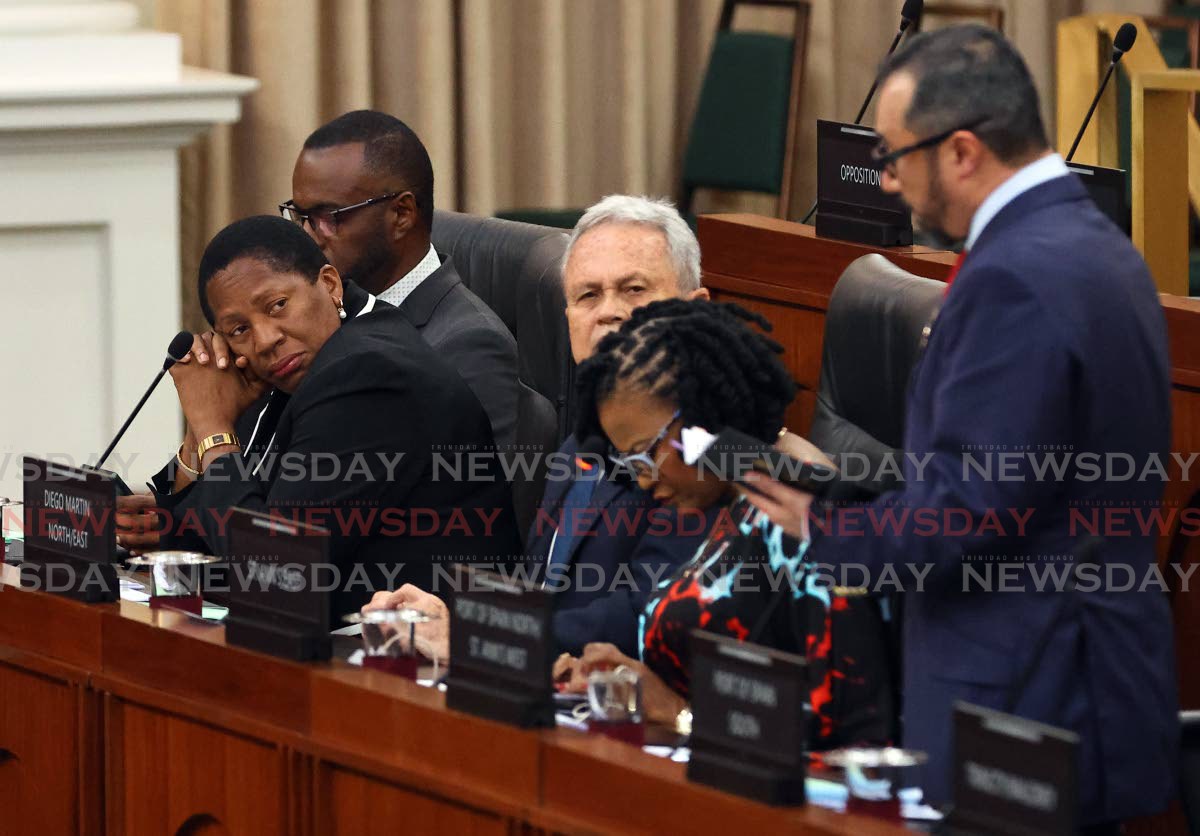
    The amendments faced objections from Diego Martin North/East MP Colm Imbert, though Speaker Singh permitted them as not materially altering the motion’s substance. The session concluded without voting on the amendments after parliamentary advice indicated no immediate vote was required, with the House adjourning to an unspecified future date.

  • Young: Government running scared from truth

    Young: Government running scared from truth

    A heated parliamentary debate unfolded in Trinidad and Tobago’s House of Representatives on November 28th as Port of Spain North/St Ann’s West MP Stuart Young launched a vigorous defense of Opposition Leader Pennelope Beckles against government attempts to amend her private motion regarding US-Venezuela tensions in the Caribbean.

    Young characterized the government’s actions as “cowardly behavior” designed to embarrass Beckles and deflect attention from their controversial foreign policy decisions. He expressed gratitude for Beckles’ “courage and fortitude” in bringing the motion forward while delivering scathing criticism of Energy Minister Dr. Roodal Moonilal’s attempted amendments, which he labeled as “immature and pathetic” political maneuvering.

    The MP challenged the government to “face the motion in its original form” rather than engaging in what he described as political theater. Young revealed concerning developments in Trinidad and Tobago’s international relations, noting that conversations with CARICOM leaders indicated strained relationships due to the government’s support for US military deployment and rejection of the Caribbean’s traditional zone of peace principle.

    Young emphasized Trinidad and Tobago’s commitment to the UN Charter principles of non-intervention and peaceful negotiation, questioning when citizens had authorized the government to abandon these fundamental safeguards. He warned that the nation is entering “a very, very dark period” due to the government’s apparent obliviousness to global geopolitical realities, citing suspicious activity at Tobago’s airport as evidence of external influences contrary to official government statements.

    The parliamentarian concluded that sophisticated diplomacy remains essential to protecting national sovereignty, suggesting current approaches are jeopardizing Trinidad and Tobago’s standing in the international community.

  • Pensioner who rescued grandson from fire suffers stroke

    Pensioner who rescued grandson from fire suffers stroke

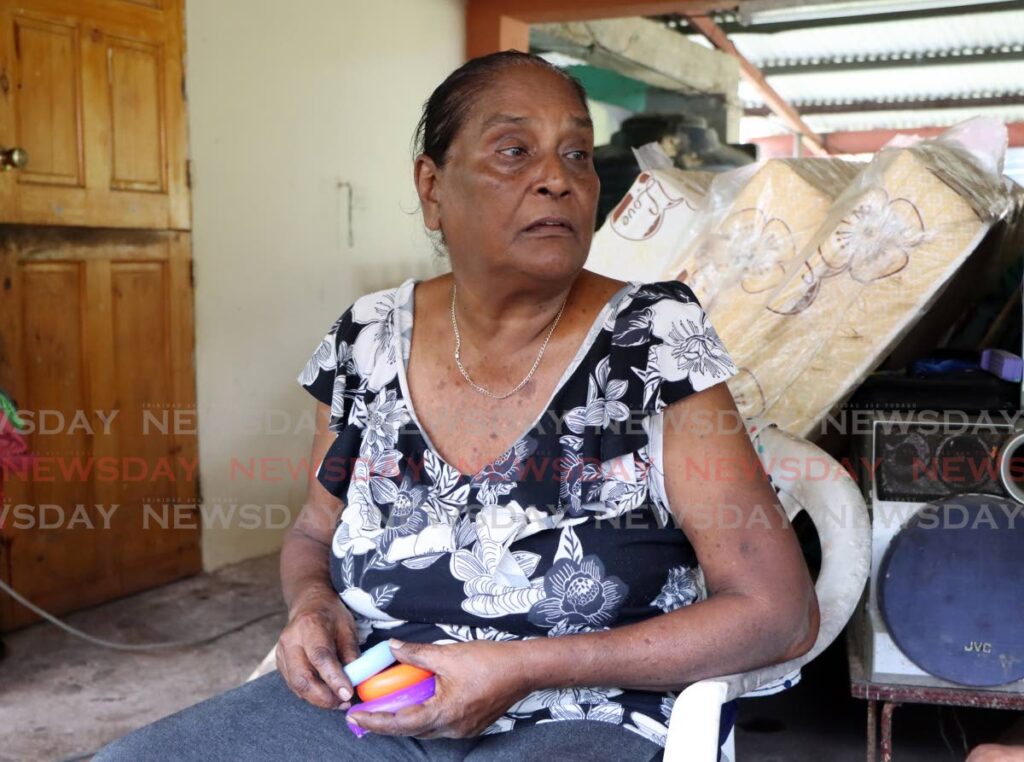
    A 69-year-old pensioner from Congo Village in Debe is demonstrating remarkable resilience as he recovers from dual medical crises stemming from a heroic rescue. Jairam ‘Baba’ Balliramsingh sustained first-degree burns on November 22nd after charging into his burning residence to save his five-year-old grandson from advancing flames. While initially treated in the intensive care unit at San Fernando General Hospital for his burns, Balliramsingh recently suffered a stroke that has complicated his recovery journey. He is currently undergoing treatment at the Teaching Hospital where medical staff report encouraging progress.

    According to family members, the fire erupted unexpectedly in the living room of the family’s two-story concrete home around 9 am. Balliramsingh and his wife Rosina initially mistook the smoke for routine trash burning nearby. The situation turned critical when they discovered flames engulfing their living room and heard young Travis screaming from an adjacent bedroom. Disregarding his own safety, Balliramsingh battled through intense heat and flames to locate his grandson, ultimately passing the child through a window to safety.

    The family has experienced significant emotional trauma from the consecutive emergencies. ‘When we got the news of the stroke, we did not know how to break it to our mother,’ explained Ryan Balliramsingh, one of Jairam’s sons. ‘She was already very worried about his condition.’ Despite the challenges, the family reports that Balliramsingh is ‘pulling through’ with his burn wounds healing satisfactorily. Medical staff note that while medication leaves him frequently drowsy, he remains communicative and aware of his surroundings.

    The rescued grandson, Travis Jagroo, was hospitalized for observation due to smoke inhalation but was discharged on November 24th. The emotional connection between grandfather and grandson remains strong, with Travis repeatedly asking to visit his rescuer. The family arranged a hospital visit that brought visible joy to both generations. Investigations into the fire’s cause continue with no other injuries reported.

  • Bandits rob woman but returns ID, bank cards

    Bandits rob woman but returns ID, bank cards

    In a startling incident that blends criminal violence with unexpected civility, Port of Spain police are hunting three assailants who robbed an Angostura employee shortly after she departed her workplace on November 27th. The 25-year-old victim was targeted while awaiting transportation on the Priority Bus Route opposite the Vehicle Maintenance Corporation of Trinidad and Tobago (VMCOTT) around 7:15 PM.

    The confrontation began when the trio approached the woman, with one attacker seizing her from behind and pressing a curved blade against her throat. Under direct threat to her life, she surrendered her possessions including a black handbag containing a premium Samsung S23 Ultra smartphone valued at $5,000, her company-issued mobile device, and $700 in cash.

    What followed however demonstrated paradoxical behavior from the criminals. As two accomplices fled into nearby vegetation, the remaining assailant—stationed on a distinctive black-and-white bicycle—accommodated the victim’s plea to retrieve her identification and banking cards from a red pouch within the stolen bag. The man complied with her request, calmly returning the critical documents before escaping through the Fernandes compound vicinity.

    In a separate but related development, law enforcement is simultaneously pursuing two additional suspects following an attempted hardware store heist earlier that same day. At approximately 10:10 AM, armed robbers invaded a business along El Socorro Main Road, assaulting the proprietor and stealing a gold chain before employees disrupted the crime through vocal alarms. The startled perpetrators abandoned their plunder and fled in a black Nissan Note vehicle without securing any monetary gain from the establishment.

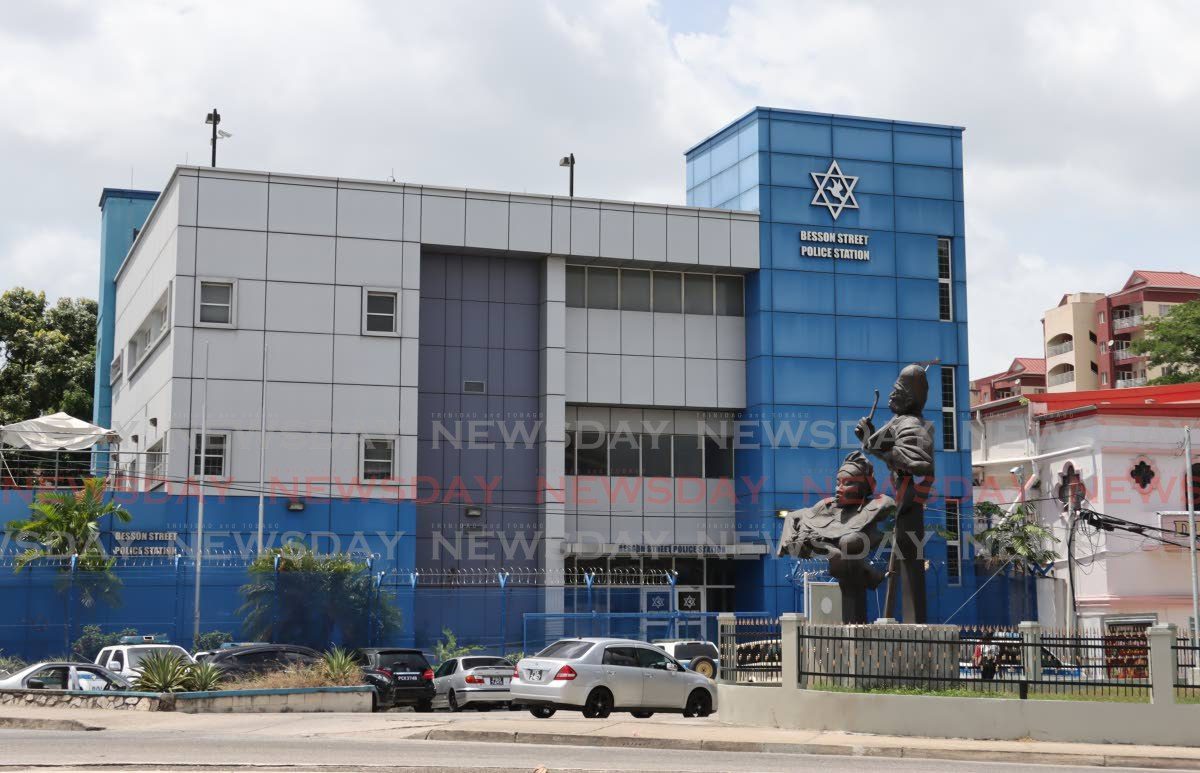
    Police Constable Cyril of Besson Street Police Station is leading the investigation into the Angostura employee robbery, while PC Ball continues inquiries regarding the foiled hardware store incident. Both cases highlight concerning patterns of violent crime affecting Trinidadian citizens and businesses.

  • PM: Farley didn’t have to be told beforehand’

    PM: Farley didn’t have to be told beforehand’

    A diplomatic clarification has emerged regarding the installation of a temporary US military radar system in Tobago, revealing tensions between national security protocols and regional governance transparency. Prime Minister Kamla Persad-Bissessar confirmed that Tobago’s Chief Secretary Farley Augustine was deliberately excluded from prior notifications regarding the defense installation, citing his non-membership in the National Security Council.

    The radar system, currently being established with approximately 100 fluctuating US personnel, represents a temporary solution to address critical gaps in Trinidad and Tobago’s surveillance capabilities. According to the Prime Minister’s statements to Newsday via WhatsApp on November 28, the existing radar infrastructure inherited by the current government operated sporadically and failed to provide comprehensive coverage of the nation’s territory. The Coast Guard reportedly lacked real-time data access, with the system additionally compromised by unspecified vulnerabilities.

    This development follows Chief Secretary Augustine’s November 28 declaration of Tobago’s neutrality in ongoing US-Venezuela geopolitical tensions. The Office of the Chief Secretary disclosed that Augustine had demanded comprehensive details about the installation during a Wednesday night telephone conversation with the Prime Minister and intends to convene formal meetings with involved Cabinet ministers regarding the radar’s purpose and operational scope.

    Prime Minister Persad-Bissessar defended the secrecy surrounding the deployment, explaining that public disclosure would have alertedly notified narcotraffickers and human smugglers about enhanced surveillance capabilities. The premature exposure by Guardian Media, she contended, eliminated the strategic advantage of covert implementation. The temporary system will remain operational until Trinidad and Tobago can procure and install a permanent, upgraded radar system independently. US personnel currently in Tobago include members of the Marine Expedition Unit conducting joint training exercises with the Trinidad and Tobago Defence Force alongside technical specialists establishing access roads and installation infrastructure.