标签: Trinidad and Tobago

特立尼达和多巴哥

  • $80m waste

    $80m waste

    A staggering $80 million worth of pharmaceuticals expired unused within Trinidad and Tobago’s public health system over a ten-year period, parliamentary hearings revealed on December 1. This massive wastage occurs against a backdrop of chronic shortages plaguing the nation’s healthcare infrastructure, where insufficient medical personnel, limited hospital beds, and excessively long waiting times for critical services remain persistent challenges.

    The disclosure before Parliament’s public administration and appropriations committee highlights profound systemic inefficiencies in medication procurement and inventory management. While some drug wastage is inevitable in any healthcare system due to patient mortality, side effects, or regimen non-compliance, the scale of this loss points to deeper operational failures.

    Health Minister Lackram Bodoe previously indicated to MPs during mid-year review debates that the $80 million figure actually represented waste accumulated between 2020-2025 alone, suggesting the total ten-year wastage likely far exceeds the officially reported amount. This discrepancy in reporting timelines further underscores the confusion and poor coordination characterizing the current system.

    The medication procurement process reveals structural flaws: while patients receive care through regional health authorities, pharmaceuticals are centrally purchased through the Health Ministry via contracted entity Nipdec. These multiple administrative layers contribute to significant over-projection of medication needs. North Central Regional Health Authority CEO Davlin Thomas acknowledged fundamental data transmission gaps, unable to confirm how information flows between regional authorities and central procurement.

    This enormous financial loss represents missed opportunities to address critical healthcare shortages. The wasted $80 million could have funded additional medical staff, expanded hospital capacity, or upgraded diagnostic equipment. Despite recent digitization improvements in tracking systems, the scale of wastage indicates that more coordinated oversight and streamlined procurement processes are urgently required to balance adequate medication supply against preventable expiration.


  • Pharmacy association: No formal complaint against alleged drug monopoly

    Pharmacy association: No formal complaint against alleged drug monopoly

    During a parliamentary hearing on December 1, the head of Trinidad and Tobago’s Private Pharmacy Retail Business Association (PPRBA) revealed that no official antitrust complaint has been filed with the Fair Trade Commission (FTC) despite two years of public allegations about pharmaceutical market dominance.

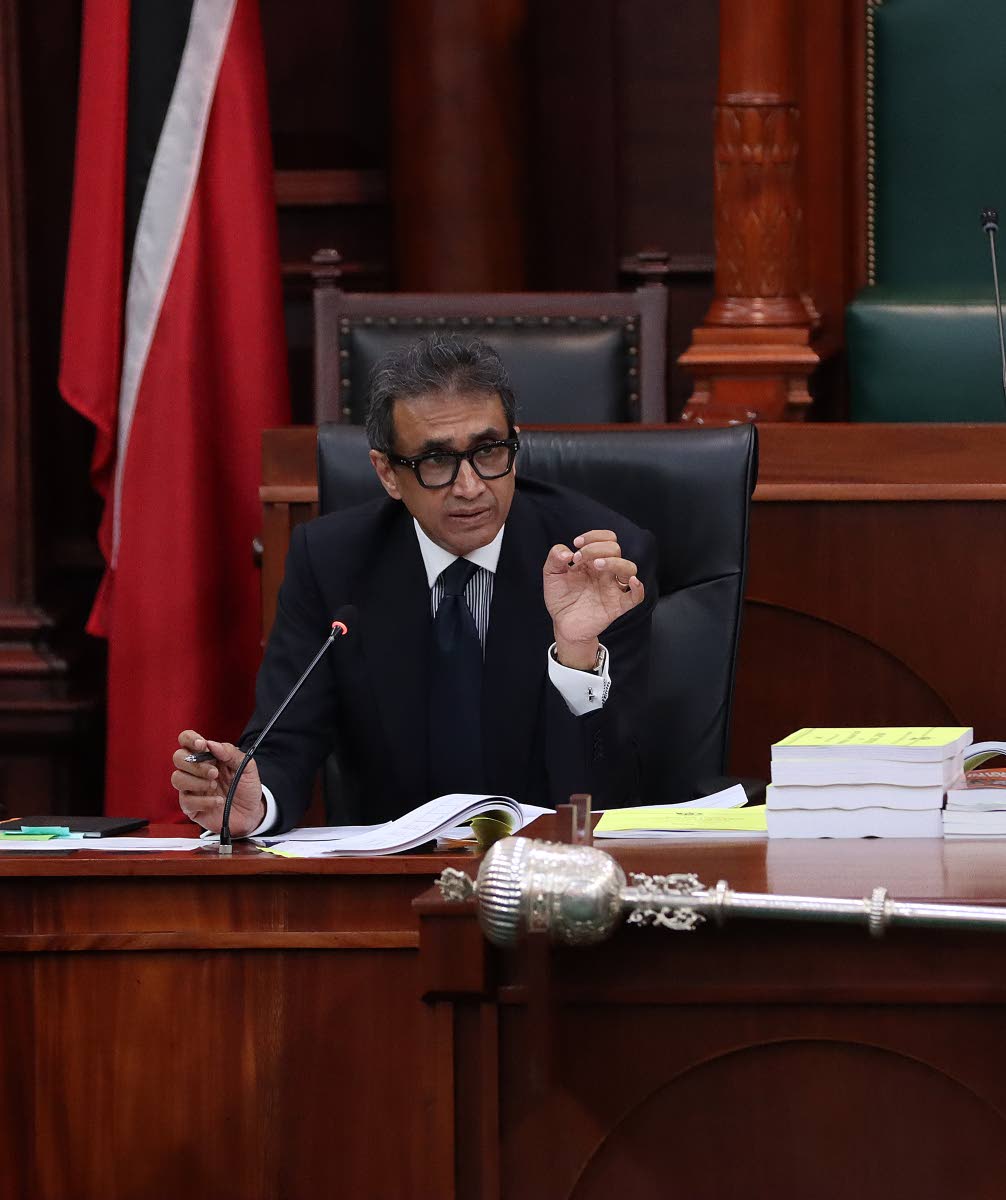
    Glenwayne Suchit, president of PPRBA, testified before the Public Administration and Appropriations Committee (PAAC) at Port of Spain’s Cabildo Building, acknowledging that only an informal complaint was submitted to the FTC on September 6, 2024. PAAC Chairman Jagdeo Singh presented correspondence showing the FTC had responded within seven days, requesting extensive documentation to initiate any potential investigation.

    Suchit confirmed that despite receiving a comprehensive list of required evidence from the commission last September, the association had not provided the necessary materials to trigger a formal probe. When questioned by Singh about whether any investigation had commenced, Suchit responded, “No investigation has been launched.”

    The hearing revealed ongoing tensions between independent pharmacies and major pharmaceutical distributors. Suchit repeated previous claims that Aventa, part of the Agostini Group, controls approximately 74% of the private pharmaceutical market and 70% of the wholesale distribution sector alongside two other major players.

    According to the association’s submission, approximately 700 of Trinidad and Tobago’s 900 most prescribed medications are concentrated within a single supplier’s supply chain. Suchit alleged widespread pricing discrimination, citing examples where SuperPharm (also owned by Agostini) could sell common medications like Panadol at lower prices than independent pharmacies could purchase them wholesale.

    Works and Infrastructure Minister Jearlean John intervened, suggesting that the FTC cannot fulfill its statutory duties without proper formal complaints and evidence submission. “Why don’t you use your own impetus?” she challenged, implying the association needed to take more concrete action.

    The session grew heated when Suchit claimed independent pharmacies were being denied access to subsidized Chronic Disease Assistance Programme drugs and accused distributors of “unfair trading” and having “no principles.” Chairman Singh cautioned him to avoid “emotional hyperbole,” prompting an apology from the association president.

    The revelations come five months after Aventa Group CEO James Walker publicly dismissed monopoly allegations, setting the stage for continued tensions in Trinidad and Tobago’s pharmaceutical sector.

  • Trade union movement divided, workers exploited

    Trade union movement divided, workers exploited

    Trinidad and Tobago’s trade union movement remains critically divided across three competing federations, fundamentally undermining worker protections and collective bargaining power. This institutional fragmentation has created a landscape where governments can strategically exploit internal divisions, leaving workers vulnerable to unfavorable settlements.

    The historical roots of this disunity trace back to the movement’s earliest days, with pioneering leaders like Cipriani, Rienzi, and Butler initially mobilizing workers across vital sectors including oil, sugar, and transportation. However, the subsequent emergence of multiple federations revealed deep-seated challenges stemming from ideological differences, personality conflicts, and competing political allegiances.

    Today, the Federation of Independent Trade Unions and Non-Governmental Organisations (FITUN), the Joint Trade Union Movement (JTUM), and the National Trade Union Centre (NATUC) operate as separate entities with no union belonging to all three simultaneously. This institutional separation has created barriers to principled solidarity, with each federation guarding its independence at the expense of collective strength.

    The consequences of this division became starkly evident during recent wage negotiations. The government’s four percent wage offer was accepted by individual unions rather than through unified federation leadership, with some unions justifying their position through legal arguments never properly tested. This fragmentation set a damaging precedent that weakened the movement’s credibility.

    The subsequent ten percent settlement for public servants further exacerbated divisions, prompting other unions to seek similar treatment rather than reinforcing collective bargaining principles. This selective distribution of benefits has created inequities across the public sector, where compensation should reflect duties, responsibilities, and rising living costs.

    Analysts observe that without a unified approach, the trade union movement cannot effectively defend workers’ interests. The current structure of three separate federations operating in isolation prevents the consistency and credibility that a single, cohesive organization could provide. What’s needed is leadership willing to project a collective voice rather than hiding behind independence as justification for division.

    The ongoing fragmentation risks diminishing the relevance of trade unionism altogether as workers lose faith in divided leadership. Only when union leaders transcend their differences and embrace principled unity can the movement restore its credibility and protect workers from bearing the cost of choices they did not make.

  • A duty to support steelbands

    A duty to support steelbands

    Cultural Minister Michelle Benjamin faces mounting pressure to address the funding crisis threatening Trinidad’s steelband tradition, as revealed in a recent editorial published by Newsday. The scathing critique exposes what the author describes as corporate exploitation of Carnival celebrations without adequate financial support for the cultural foundations that make the festival possible.

    The editorial, submitted by Gordon Laughlin via email, presents a compelling case against what he characterizes as corporate Trinidad’s imbalanced relationship with Carnival. According to the analysis, numerous commercial entities—including hotel chains, event promoters, tourism operators, chambers of commerce, and even energy corporations—significantly profit from the international attention and cultural capital generated by the festival. Despite this financial benefit, these organizations allegedly provide minimal support to the steelbands that create the musical backbone of Carnival celebrations.

    Steelbands represent more than mere entertainment, the piece emphasizes. They constitute both the rhythmic heartbeat of Trinidad’s most famous cultural export and a historically significant musical innovation—the only instrument invented during the 20th century that has achieved global recognition. Despite this cultural importance, steelbands reportedly face persistent financial challenges, forced to assemble limited resources annually while corporate entities generate millions in revenue from Carnival-associated activities.

    The editorial issues a direct appeal to the Ministry of Culture for immediate intervention, demanding the establishment of mandatory long-term sponsorship contracts for corporations benefiting from Carnival. The author argues that sustained financial commitment represents an essential requirement rather than an optional contribution, framing corporate support as an ethical obligation rather than charitable donation.

    The piece concludes with an ultimatum for commercial entities: either provide substantial support to preserve Trinidad’s cultural heritage or relinquish their profitable association with Carnival. The criticism highlights growing concerns about cultural sustainability amid commercial exploitation, presenting a challenge for cultural authorities to balance economic interests with cultural preservation.

  • Christmas will never be the same: A December that changed everything

    Christmas will never be the same: A December that changed everything

    On December 5th, twenty-two years ago, Dr. Lester Philip experienced the profound silence that follows stillbirth—a moment when anticipated joy transformed into unimaginable sorrow. His son, envisioned as the ultimate Christmas gift, entered the world without breath or heartbeat, leaving behind dreams of birthdays, bedtime stories, and park walks that would never be realized.

    In a deeply personal reflection, Philip compares grief to the loyalty of a bereaved dog that waits persistently for its departed owner—an image that captures the enduring nature of love beyond loss. He describes how specific locations—nursing homes, cemeteries, churches—trigger vivid recollections, demonstrating how memory persists despite societal pressures to ‘move on.’

    The narrative draws parallels to cultural touchstones like the film Hachiko and the biblical parable of the Prodigal Son, illustrating unwavering devotion. After years of spiritual wrestling, Philip arrived at a transformative perspective: perhaps his son’s passing represented divine mercy rather than punishment—protection from future heartbreaks and worldly pain.

    Though brief, Philip cherishes the moment he held his son’s perfectly still face. Through technological advancements facilitated by The Ohio State University, he has gained glimpses of what his child might have looked like growing up—an experience blending sadness with wonder.

    Philip concludes with a message of solidarity for anyone experiencing loss, emphasizing that grief connects humanity while memories perpetuate love. Each December 5th, he expresses gratitude for the gift of fatherhood, however fleeting, recognizing that profound love can simultaneously break and heal the human heart.

  • Parliament committee questions Eximbank over potential forex abuse

    Parliament committee questions Eximbank over potential forex abuse

    A parliamentary hearing on December 1st revealed significant vulnerabilities within the national foreign exchange allocation framework, with the Public Administration and Appropriations Committee (PAAC) uncovering how systemic weaknesses enable importers to exploit the system through ‘double-dipping’ practices.

    During the intense scrutiny before the committee, Eximbank executive Navin Dookeran detailed the institution’s verification protocols for pharmaceutical importers, emphasizing their multi-layered approach. The bank’s pharmaceutical facility, serving approximately 30 companies, employs comprehensive financial assessments including financial statements, cost-of-goods-sold analytics, monthly trade reports, usage pattern analysis, and rigorous supplier due-diligence checks to determine foreign currency allocations.

    “Our validation process extends far beyond invoice examination,” Dookeran asserted. “We demand complete financial documentation and utilize multiple empirical data points to calculate appropriate allocation amounts for each enterprise.”

    The bank’s safeguard measures include direct payments to international suppliers and enhanced due diligence for unfamiliar vendors, incorporating corporate background searches and banking verification. Dookeran cited one instance where Google Street View revealed a supposed supplier operating from a residential address, prompting immediate transaction termination.

    Committee Chairman Speaker Jagdeo Singh persistently challenged these controls, highlighting how importers establish US-based supply companies with obscured ownership structures to conceal related-party transactions. “These arrangements facilitate hidden common ownership patterns. What mechanisms exist to verify that invoice-issuing parties aren’t related entities?” Singh questioned.

    The most critical exposure emerged regarding cross-bank verification. Dookeran acknowledged that Eximbank lacks transaction-level cross-referencing systems with other financial institutions, creating opportunities for importers to submit identical documentation to multiple banks. “You are correct,” Dookeran conceded when Singh pointed out this enables ‘double or triple dipping’ into foreign reserves.

    Independent Senator Dr. Marlene Attz contextualized the forex shortage within Trinidad and Tobago’s energy sector decline since 2014, which has reduced foreign-exchange earnings while maintaining high demand. This economic mismatch directly impacts pharmaceutical pricing, with limited competition in generic drug importation keeping costs artificially high.

    Pharmacy sector representatives identified regulatory obstacles as primary barriers, noting that outdated drug-registration laws and restrictive recognition of foreign regulatory authorities prevent affordable, high-quality generics from India and Eastern Europe from entering the market. Pharmacist Glenwayne Suchit estimated potential savings of $174 million through regulatory reform.

    Ministry of Health permanent secretary Astif Ali defended the current approval process, emphasizing that while requirements may be burdensome, they are essential for preventing substandard medications from reaching consumers. The chief chemist and drug inspector maintain uniform standards for both brand-name and generic pharmaceuticals, with particular challenges in verifying products from countries without local regulatory representation.

  • Paediatrician on safe toy choices this Christmas

    Paediatrician on safe toy choices this Christmas

    As the festive season approaches, pediatric expert Dr. Tricia Jailal is raising urgent awareness about toy safety during December’s international Safe Toys and Gifts Month. With 13 years of experience in child healthcare and co-founding ABC Paediatrics, Dr. Jailal emphasizes that gift selection requires careful consideration beyond mere holiday excitement.

    During the holiday period, toy-related injuries become significantly more prevalent. “Ingestion of small toy parts occurs quite frequently along with choking,” Dr. Jailal explains. “Falls and physical injuries from ride-on toys are equally concerning.”

    The pediatrician outlines five critical evaluation criteria for toy selection: age appropriateness, safety features, developmental value, durability, and child engagement potential. She particularly warns about button batteries as “the most dangerous object that can be overlooked,” noting they can cause severe internal burns within hours if swallowed.

    Other significant hazards include:
    – Plush toys with loose filling that pose choking risks
    – USB-charged toys with hidden heat sources causing burns
    – Excessively loud toys potentially damaging hearing
    – Sharp-edged plastic or wooden toys leading to cuts
    – Toxic materials in art supplies and chemically scented items
    – Projectile toys risking eye injuries
    – Water-expandable toys like Orbeez causing internal blockages

    Dr. Jailal recommends the “toilet paper roll test” for choking hazards: if any toy part fits inside the roll, it presents a choking risk. She strongly advises against unregulated market purchases, emphasizing that “unregulated toys mean these toys have not been tested, inspected or certified.”

    Certification marks like CPC, ASTM F963, or CE indicate compliance with safety standards. Parents should avoid toys containing phthalates, BPA, lead, formaldehyde, heavy metals, toxic foam materials, brittle plastics, uncoated metals, unknown fillings, scented components, and latex.

    Even with safe toys, Dr. Jailal stresses the importance of “eyes and ears” supervision during playtime, limiting distractions to enable quick reaction to potential dangers. She notes that children with special needs require additional consideration based on developmental age and sensory sensitivities rather than chronological age.

    For inappropriate gifts received from well-meaning relatives, Dr. Jailal suggests practical solutions: “You can put the toy away until your child reaches the appropriate age,” or make safety modifications by removing small parts.

    The article concludes with developmental stage recommendations:
    – Infants: Tummy time play mats and textured fabric books
    – Toddlers: Shape sorters, ring stackers, and wooden peg puzzles
    – Preschoolers: Board games, art sets, and pretend play items

    Dr. Jailal summarizes: “I know how much joy toys can bring to children, but also how important it is to pair that joy with safety. Give joy, not risk, but also think beyond toys—choose gifts that encourage the growth and development of our children.”

  • PNM ‘prepared’ as THA election date announced

    PNM ‘prepared’ as THA election date announced

    With the Tobago House of Assembly officially dissolved and elections scheduled, the People’s National Movement (PNM) has expressed strong confidence in its campaign to regain governance of the autonomous island territory.

    PNM Tobago political leader Ancil Dennis revealed the party’s extensive preparations, noting they anticipated the election window between January 12 and February 12 following the assembly’s dissolution on November 12. Under the THA Act, elections must be called within three months after the four-year term concludes.

    The PNM began candidate screening as early as June and finalized its full slate of candidates across all 15 electoral districts by August. Dennis emphasized that these candidates have been actively engaging with constituents since their selection, positioning the election as a referendum on the current administration’s performance from 2021 to present.

    The party plans to introduce a comprehensive development vision focusing on tourism expansion, agricultural revitalization, renewable energy initiatives, job creation, and housing construction programs designed to restore opportunities for Tobago residents.

    The election announcement came on December 1 during a Tobago People’s Party (TPP) event where Chief Secretary Farley Augustine presented his candidates, including former PNM Tobago West chairman Keigon Denoon.

    This electoral contest follows the unprecedented 2021 THA election that resulted in a historic 6-6 deadlock between PNM and Progressive Democratic Patriots (PDP), prompting electoral reform that expanded districts from 12 to 15. The subsequent December 2021 election saw PDP secure a landslide 14-1 victory, ending nearly two decades of PNM dominance. However, political realignments saw 13 PDP assemblymen resign in 2022, leading to the formation of Augustine’s TPP, which recently secured both Tobago parliamentary seats in the April general election.

  • Central Trinidad man loses appeal for kidnapping, robbery of call centre employee in 2000

    Central Trinidad man loses appeal for kidnapping, robbery of call centre employee in 2000

    A Central Trinidad man convicted for his involvement in a brutal 2000 kidnapping and robbery case has commenced his prison term after the Court of Appeal dismissed his challenge against conviction and sentence. Anderson Bonaparte, who remained on bail since August 2023 during appellate proceedings, was returned to custody on December 1 to serve his revised term of just over ten years, with credit applied for time previously spent in remand.

    Bonaparte faced convictions in November 2022 for kidnapping, false imprisonment, and aggravated robbery stemming from the November 2000 incident. The trial had resulted in acquittals on rape and assault-with-intent-to-rob charges after then-High Court Judge Carla Brown-Antoine upheld a no-case submission on those counts.

    In his appeal, Bonaparte contended through his attorney Peter Carter that the trial judge improperly directed the jury on offense elements, effectively usurping their deliberative function. He further challenged the admission of evidence regarding co-accused Owusu Williams’ guilty plea and claimed prejudice from jury exposure to dismissed charges.

    The appellate panel comprising Justices Charmaine Pemberton, Gillian Lucky, and Vasheist Kokaram rejected all grounds. While identifying a sentencing calculation error that reduced Bonaparte’s penalties for false imprisonment and aggravated robbery by one year each, the court maintained the ten-year kidnapping sentence.

    Justice Pemberton utilized the ruling to delineate judicial responsibilities, emphasizing that prosecutors must respect accused persons’ rights while defense counsel should vigorously challenge state evidence without compromising systemic integrity. The court specifically commended trial judge Brown-Antoine for her comprehensive jury directions.

    The case originated from the abduction of a call center employee and two coworkers awaiting transport in Chaguaramas. While the coworkers escaped, the victim was forced into Bonaparte’s hired car at weapon-point by Williams and accomplices, blindfolded, transported to Central Trinidad where she was sexually assaulted by multiple perpetrators, and abandoned in Cunupia. Bonaparte’s girlfriend subsequently alerted police, leading to the victim’s rescue.

  • Parliament committee queries accountability — $80M in drugs left to expire

    Parliament committee queries accountability — $80M in drugs left to expire

    A staggering $80 million worth of pharmaceuticals intended for Trinidad and Tobago’s national healthcare system expired over a decade-long period while sitting in Ministry of Health storage facilities, raising serious concerns about accountability and systemic inefficiencies within the country’s medical supply chain.

    The alarming revelation emerged during Monday’s sitting of Parliament’s Public Administration and Appropriations Committee (PAAC), where officials highlighted critical failures in drug management protocols. Committee members emphasized the urgent need for strengthened oversight mechanisms to protect public health resources and ensure taxpayer funds are properly utilized.

    Hasmath Ali, Chief Chemist and Acting Director of the Ministry’s Chemistry Food and Drugs Division, acknowledged the severity of the situation while stressing the non-negotiable requirement for rigorous due diligence in pharmaceutical management. “Due diligence is required to ensure the safety of the population. In circumstances that relate to health, there is no argument from me on that,” Ali told committee members.

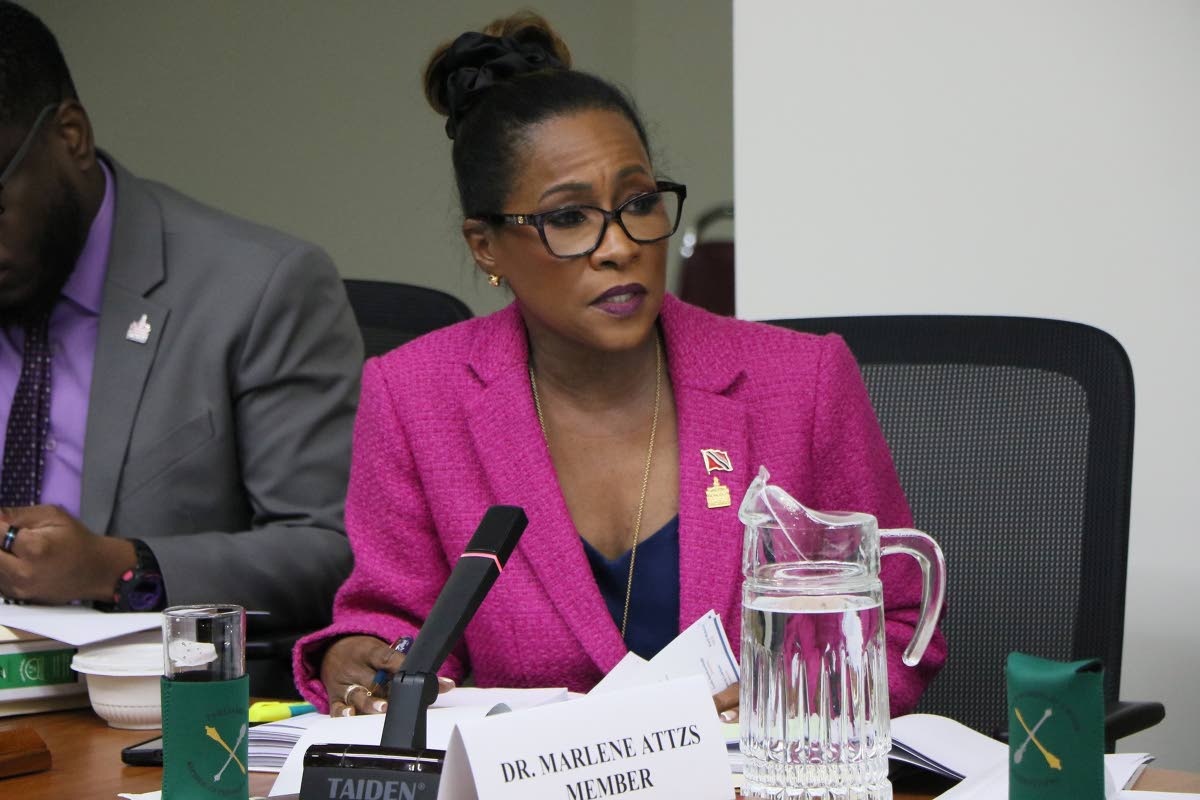
    Independent Senator Dr. Marlene Attz expressed profound concern over the massive financial loss, questioning whether systemic “lethargy” throughout Trinidad’s healthcare infrastructure contributed to this accumulation of expired medications. She suggested incorporating laypersons into oversight committees to provide fresh perspectives and enhanced accountability measures.

    Ali clarified that while the expired drugs fell under the responsibility of a separate procurement and distribution entity, the Ministry recognized the necessity of addressing these systemic shortcomings. In response to the crisis, officials revealed plans to modernize operations through legislative updates to the Food and Drugs Act and digitization of drug registration processes.

    North Central Regional Health Authority CEO Davlin Thomas provided additional context, explaining that regional health authorities don’t control procurement decisions. “The issue is not with the procurement process itself, but with how these drugs are managed upon arrival and how they are distributed,” Thomas stated, emphasizing that demand-based procurement originates from public need rather than RHA recommendations.

    An anonymous senior RHA official described persistent challenges in inventory management that contribute to pharmaceutical surpluses. The source cited difficulties in accurate forecasting, short decision-making timeframes, and consumption patterns that often differ significantly from procurement orders. Compounding these issues are staff shortages, procedural delays, and strict disposal policies that prevent repurposing drugs nearing expiration.

    Despite these challenges, the official noted gradual improvements through enhanced training programs and stricter monitoring protocols, resulting in decreasing expiration rates in recent years.