标签: Trinidad and Tobago

特立尼达和多巴哥

  • DPP: Indictments against cops not filed as audio evidence inaudible

    DPP: Indictments against cops not filed as audio evidence inaudible

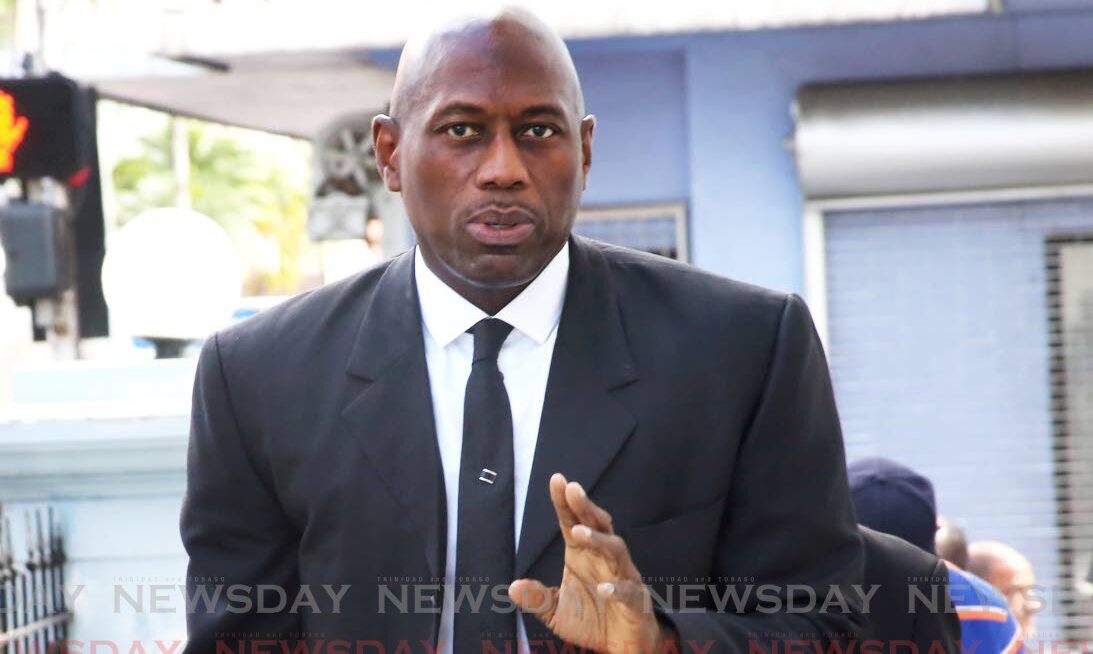
    A Trinidad and Tobago High Court judge has expressed profound concern over the Director of Public Prosecutions’ explanation for failing to file indictments against three police officers nearly five years after they were committed to stand trial.

    Justice Frank Seepersad, presiding over a December 2 status hearing for the officers’ judicial review claim, characterized DPP Roger Gaspard’s explanation as raising “serious constitutional concerns” regarding the justice system’s handling of delayed cases.

    The case involves Sgt Lester Garcia, Cpl Sheldon Peterson, and PC Dexter Edwards, who faced three counts of misbehavior in public office since their initial charges in October 2014. The officers were committed to stand trial in January 2020. Tragically, Peterson, who had been suspended pending trial, was killed during a botched robbery in 2024.

    Gaspard asserted in an October 21 affidavit that the inability to proceed with indictments stems from incomplete documentation from the Arima Magistrates’ Courts. Specifically, audio recordings of the main witness’s testimony were deemed “indecipherable,” preventing prosecutors from preparing necessary transcripts and conducting a lawful evidence review.

    The DPP explained that without usable recordings, his office cannot determine whether a prima facie case exists or assess whether prosecution serves the public interest—a constitutional requirement under section 90 of the Constitution. Although Gaspard instructed his staff to accept the compromised bundle in November 2023, he intended to return the matter to the magistrate for additional evidence. This plan was complicated by the subsequent appointment of presiding magistrate Indrani Cedeno as a temporary judge.

    Gaspard revealed his office is currently reviewing approximately 400 capital matters for indictment, with 569 indictments pending at the Port of Spain office at the time of the officers’ committal. He cited systemic challenges, including statutory requirements and limited staffing, noting that delays of several years are not unusual in Trinidad’s justice system.

    However, Justice Seepersad challenged the normalization of extended delays, stating the court “should not genuflect to that practice” given the justice system’s obligation to ensure timely trials. The judge indicated that staffing constraints described in the affidavit “may suggest systemic issues” requiring significant resourcing.

    The case now raises fundamental constitutional questions about what guarantees exist for accused persons awaiting High Court trials and what constitutes a reasonable timeframe for filing indictments. Justice Seepersad is expected to deliver a ruling on February 24, 2026, which could have significant implications for Trinidad’s criminal justice procedures.


  • Tobago students told: Make maximum use of laptops

    Tobago students told: Make maximum use of laptops

    Tobago has embarked on a significant digital education transformation with the commencement of laptop distributions to first-year secondary students across three institutions: Mason Hall Secondary, Roxborough Secondary, and Harmon’s School of Seventh Day Adventists. The initiative, dubbed ‘Learning Without Limits – A Laptop for Every Child,’ represents a major step in modernizing the island’s educational landscape.

    Education Minister Dr. Michael Dowlath confirmed during the December 1st distribution ceremony at Mason Hall Secondary that all Tobago first-form students would receive their specialized learning devices by the end of the week. These laptops feature integrated artificial intelligence capabilities specifically designed for educational purposes.

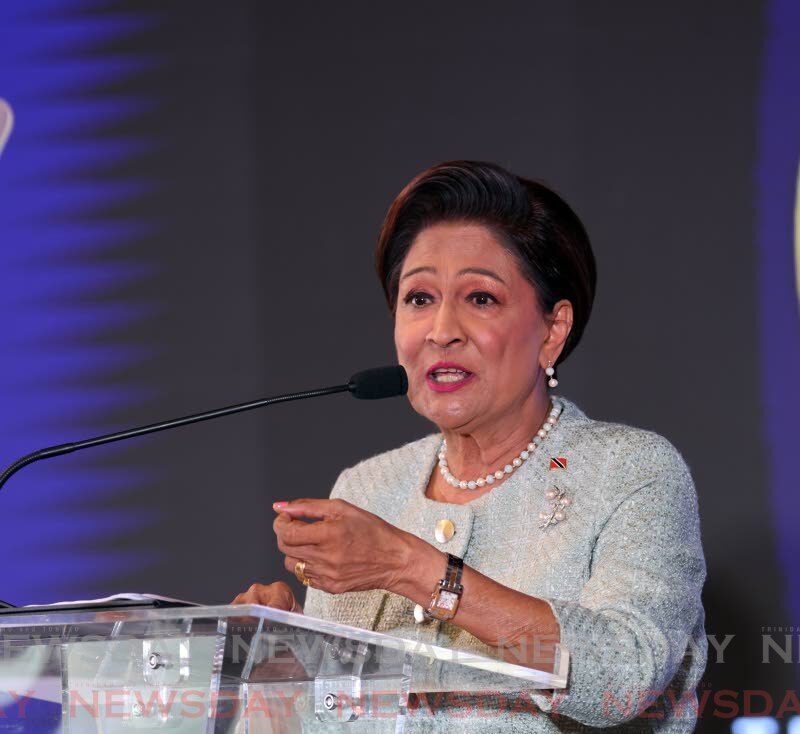
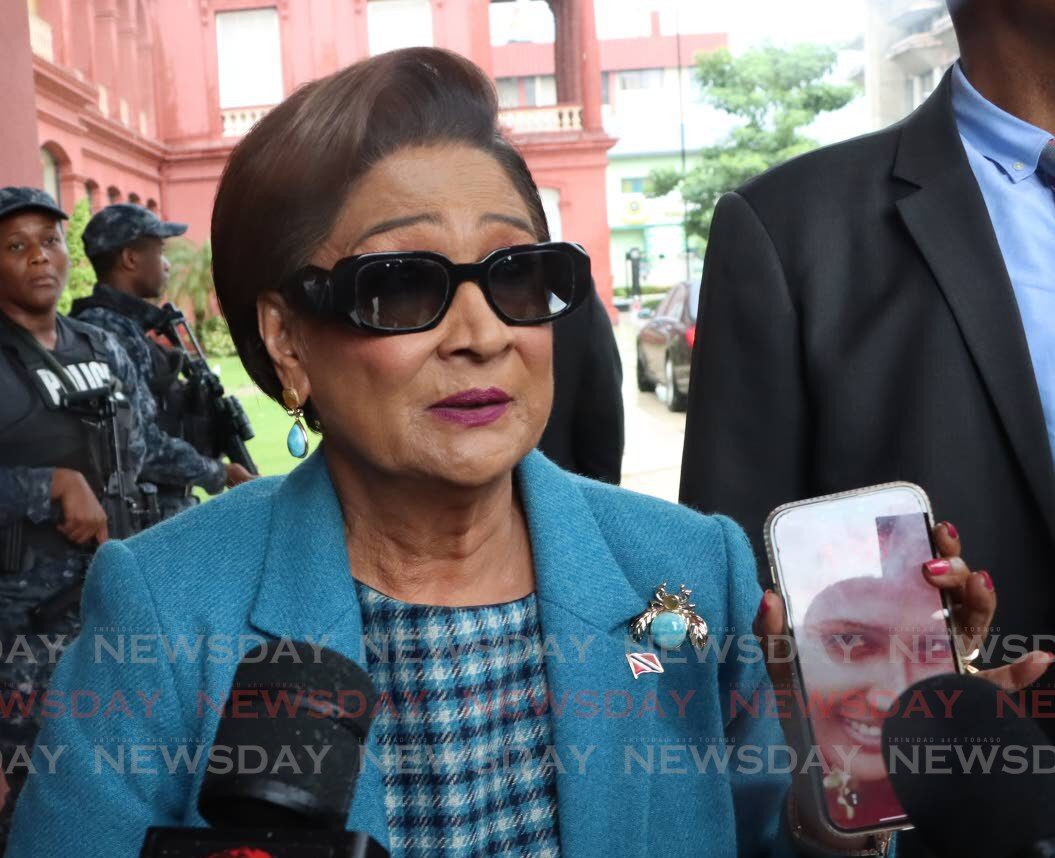
    The program, which originated from Prime Minister Kamla Persad-Bissessar’s vision in 2010, marks one of the Caribbean’s pioneering efforts to digitize education systems. Minister Dowlath highlighted the collaborative effort involving multiple government ministries and AI specialists that enabled the procurement and distribution of 18,000 laptops nationwide.

    THA Education Secretary Zorisha Hackett emphasized the transformative potential of the devices, stating they represent ‘possibility for discovery, curiosity, and ambition’ that extends learning beyond traditional classroom boundaries. The laptops are intended to provide equal learning opportunities and prepare students for navigating an increasingly digital world.

    The AI functionality, demonstrated during the ceremony, operates under strict protocols limited exclusively to teaching Mathematics and English Language, ensuring focused educational application without external distractions. Tobago MPs Joel Sampson (West) and David Thomas (East) attended the event, underscoring the initiative’s significance for the island’s educational development.

  • PSA president claims back pay for public servants by December 23

    PSA president claims back pay for public servants by December 23

    In a significant development for Trinidad and Tobago’s public sector workforce, Public Services Association (PSA) President Felisha Thomas has confirmed that union members will receive their long-awaited back payments by December 23rd, just in time for the holiday season.

    The breakthrough follows the formal signing of a Memorandum of Agreement (MoA) between the PSA and the Chief Personnel Officer on December 2nd, which outlines comprehensive compensation improvements for civil service officers. The agreement includes a substantial 10% wage increase, consolidation of Cost of Living Adjustments (COLA) for both the 2014-2016 and 2017-2019 periods, and the crucial pre-holiday back pay disbursement.

    According to the circular issued by President Thomas, the new salary structure will be implemented starting January 2026, while revised allowances will be retroactively effective from January 1, 2014. This arrangement represents a major victory for the PSA, which had previously rejected a 4% wage offer from the previous administration.

    Thomas emphasized the significance of this achievement, stating, “Your sacrifice has not been in vain. Today, we are proud to announce that your resilience has delivered meaningful results and this latest development is a testament to the power of unity and solidarity.”

    The agreement fulfills a campaign promise made by current Prime Minister Kamla Persad Bissessar during the United National Congress’s election campaign. The MoA is described as a “significant step forward” for all public officers, with ongoing discussions continuing regarding other employment terms and conditions.

    This settlement contrasts with other public sector groups that accepted lower increases earlier this year. Prison officers, police officers, estate police officers, and airport security personnel had accepted the previous administration’s 4% offer, while the TT Unified Teachers Association negotiated a 5% wage increase for educators.

    Finance Minister Davendranath Tancoo had previously instructed the Chief Personnel Officer to advance with the wage proposal during the October 13 budget presentation, setting the stage for the current agreement that brings financial relief and recognition to the nation’s civil servants.

  • Other benefits of US/TT alliance

    Other benefits of US/TT alliance

    In a compelling defense of Trinidad and Tobago’s growing partnership with the United States, Dr. Errol N. Benjamin outlines significant strategic benefits emerging from the bilateral cooperation. The commentary, originally published as a letter to Newsday, highlights three pivotal advantages: the removal of tariffs on agricultural inputs like fertilizer, recognition as a key coalition partner in combating narcotics trafficking from Venezuela, and positioning the nation at the forefront of US security concerns in the region.

    The analysis emphasizes how President Donald Trump’s acknowledgment of TT’s role in anti-trafficking operations, combined with historical US investment in the country’s energy sector through companies like Shell, establishes foundation for continued American involvement in developing oil and gas reserves. Additionally, Prime Minister Kamla Persad-Bissessar’s high-profile meeting with General Dan Caine, Chairman of the Joint Chiefs of Staff, signifies elevated security collaboration that places Trinidad and Tobago prominently on Washington’s strategic radar.

    Dr. Benjamin notes the influential role TT plays in regional dynamics, with numerous Latin American nations reportedly following its lead in supporting US counter-narcotics initiatives. This leadership position potentially grants TT preferential status in American foreign policy considerations for the Caribbean.

    Despite these advantages, the author expresses concern over domestic criticism directed at the government’s alliance with the US. Anti-Trump activists and ideologues have disparaged the partnership, with some labeling the nation as a ‘lackey’ and criticizing high-level visits from US officials. Dr. Benjamin characterizes the alliance as fundamentally military in nature, noting that associated developments—including warship port calls in Trinidad, US personnel and aircraft presence in Tobago, and installation of military equipment like radar systems—represent expected components of such cooperation. The commentary concludes by urging critics to adopt a more open-minded perspective toward the strategic benefits of the US partnership, leaving final judgment to readers’ critical assessment.

  • Labour minister says unions must live with their choices

    Labour minister says unions must live with their choices

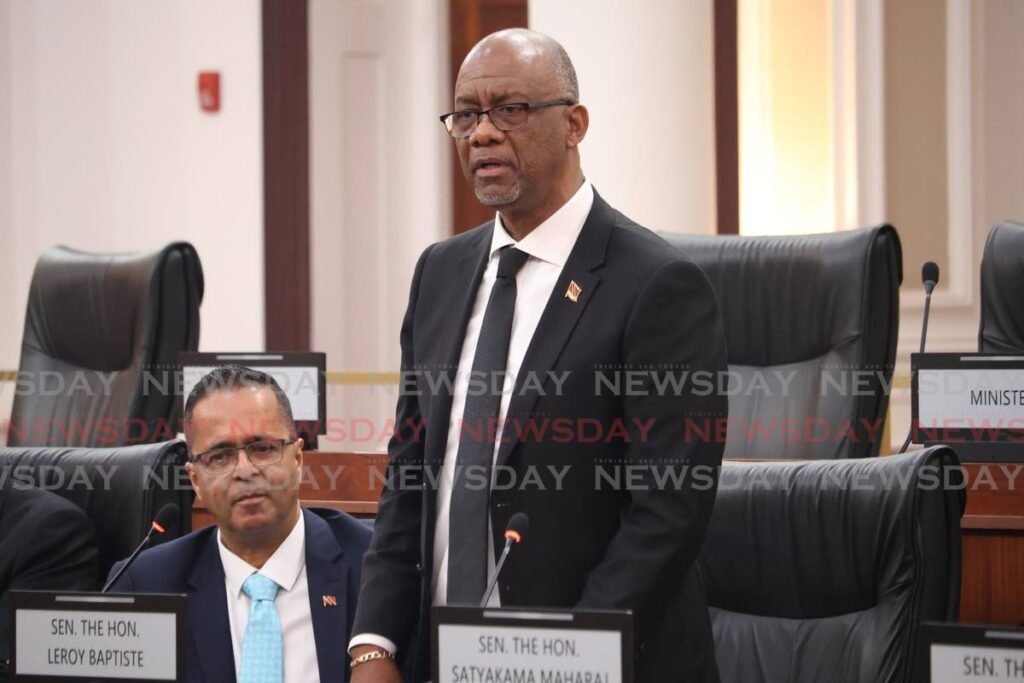
    Labor Minister Leroy Baptiste has articulated a staunch defense of disparate wage settlements between public sector unions, asserting that collective bargaining inherently involves calculated risks with inevitable consequences. This position emerges amid controversy surrounding Minister Clyde Elder’s remarks criticizing unions that accepted a previous four percent wage increase from the former PNM administration while now witnessing the Public Services Association (PSA) secure a ten percent increase promised by the incumbent UNC government.

    The PSA recently concluded protracted negotiations with the Chief Personnel Officer, finalizing a ten percent wage hike after enduring years of frozen salaries dating back to 2013. Baptiste emphasized that the PSA’s persistence came with significant sacrifices, including legal expenditures and prolonged financial stagnation for its members.

    “Negotiations fundamentally involve gambling and risk-taking,” Baptiste stated. “Unions make strategic decisions and must subsequently live with the outcomes. Those who accepted the four percent increase now benefit from updated salaries, while the PSA chose a different path that ultimately yielded different results.”

    Regarding whether this settlement establishes a precedent for other unions, Baptiste clarified that the government maintains no legal obligation to renegotiate previously ratified agreements. Any reconsideration of existing contracts would fall exclusively under the Finance Minister’s discretion.

    Meanwhile, TT Unified Teachers Association (TTUTA) President Crystal Ashe congratulated the PSA while condemning Elder’s implications that political alignment influenced the wage outcome. “We are non-partisan and reject the notion that rewards should correlate with political affiliations,” Ashe asserted. “Any government should prioritize citizen welfare irrespective of union political positions.”

    TTUTA continues awaiting implementation of its negotiated five percent increase for 2020-2023, having received no definitive timeline from either the Education or Finance ministries despite formal inquiries. Ashe remained noncommittal about pursuing higher increases in future negotiations, noting “we will cross that bridge when we reach it.”

  • Fair Trading Commission director grilled over delays in pharmaceutical probe

    Fair Trading Commission director grilled over delays in pharmaceutical probe

    In a tense parliamentary hearing on December 2, Fair Trading Commission (FTC) Executive Director Bevan Narinesingh faced rigorous interrogation from Public Administration and Appropriations Committee (PAAC) Chairman Jagdeo Singh regarding the commission’s perceived inaction on potential anti-competitive practices within the pharmaceutical industry.

    Speaker Singh, visibly frustrated throughout the proceedings, challenged Narinesingh on what he characterized as the FTC’s ‘lethargic’ response to serious allegations of monopolistic behavior in drug supply and distribution. The confrontation centered on the commission’s failure to utilize its statutory powers under the Fair Trading Act despite receiving formal complaints and documentation since September 2024.

    Singh methodically outlined the FTC’s broad investigative authority, particularly emphasizing Section 9 provisions that empower the commission to act on its own initiative without requiring formal complaints. ‘Anti-competitive behavior in a marketplace is among the highest public-interest concerns needing protection,’ Singh asserted, receiving agreement from Narinesingh before pressing further on the commission’s inaction.

    The hearing revealed that despite a September 6, 2024 letter from a private business association raising competition concerns, the FTC’s response consisted primarily of information requests rather than initiating formal investigations. Singh questioned why the commission hadn’t invoked Section 8 powers to compel document production from suspected entities instead of placing the burden on complainants to obtain sensitive corporate records.

    Narinesingh defended the FTC’s approach, citing ongoing evidence gathering through meetings with Health Ministry officials in December 2024 and consultations with the Pharmacy Board. However, when pressed for documentation of these meetings, he could not immediately produce minutes or formal reports.

    The exchange intensified when Singh referenced the FTC’s December 13, 2024 public statement acknowledging that concerns ‘may require further examination.’ The chairman demanded concrete actions beyond letter-writing and meetings, to which Narinesingh cited public notices inviting input through digital channels.

    A critical moment emerged when Narinesingh revealed the FTC had determined ‘sufficient grounds’ for investigation by June 17, 2025 but claimed inability to proceed due to the commission’s board being dissolved since May. Singh challenged this justification, questioning where the Fair Trading Act circumscribes the executive director’s authority based on board availability.

    The session concluded with Singh issuing comprehensive directives for the FTC to provide all relevant documentation, including internal communications, meeting minutes, and task assignments, before adjourning until January 26 for further review.

  • Yes, UNC delivering safety, stability

    Yes, UNC delivering safety, stability

    In a powerful endorsement of current leadership, Trinidad and Tobago citizen David Beckles has drawn stark contrasts between the nation’s previous and current security approaches in an open letter to Newsday. Writing from Arima, Beckles characterizes the former People’s National Movement (PNM) administration as a decade of “chaos, neglect and empty posturing” where crime spiraled uncontrollably while citizens pleaded for effective action.

    The correspondent describes the PNM’s security strategy as fundamentally flawed—prioritizing public relations over substantive solutions, with consistent blame-shifting and chronic mismanagement creating a climate of fear and institutional failure. According to Beckles, this approach left the population vulnerable and stripped the nation of confidence through inadequate investment, strategic delays, and systemic denial of the growing crisis.

    In direct opposition, Beckles portrays Prime Minister Kamla Persad-Bissessar’s United National Congress (UNC) government as implementing transformative changes that prioritize citizen safety through intelligence-driven operations and coordinated enforcement. The current administration has reportedly equipped security agencies with long-deprived tools, technology, and oversight mechanisms while delivering targeted community interventions previously absent under PNM leadership.

    The letter credits Persad-Bissessar with reinstating discipline, accountability, and humane governance to a sector that had descended into operational free fall. Beckles emphasizes that the Prime Minister’s proactive leadership style—rooted in the principle that citizens deserve tangible safety rather than excuses—has set the nation on a renewed path toward stability and competent governance where measurable actions have replaced political theater.

  • How AI is shaping strategic engagement

    How AI is shaping strategic engagement

    In an era of escalating geopolitical complexities stemming from US-Venezuela tensions, Caribbean nations are increasingly turning to artificial intelligence to safeguard their strategic interests. Trinidad and Tobago, like its regional counterparts, faces unprecedented challenges in maintaining balanced international relations while protecting economic and political stability across the hemisphere.

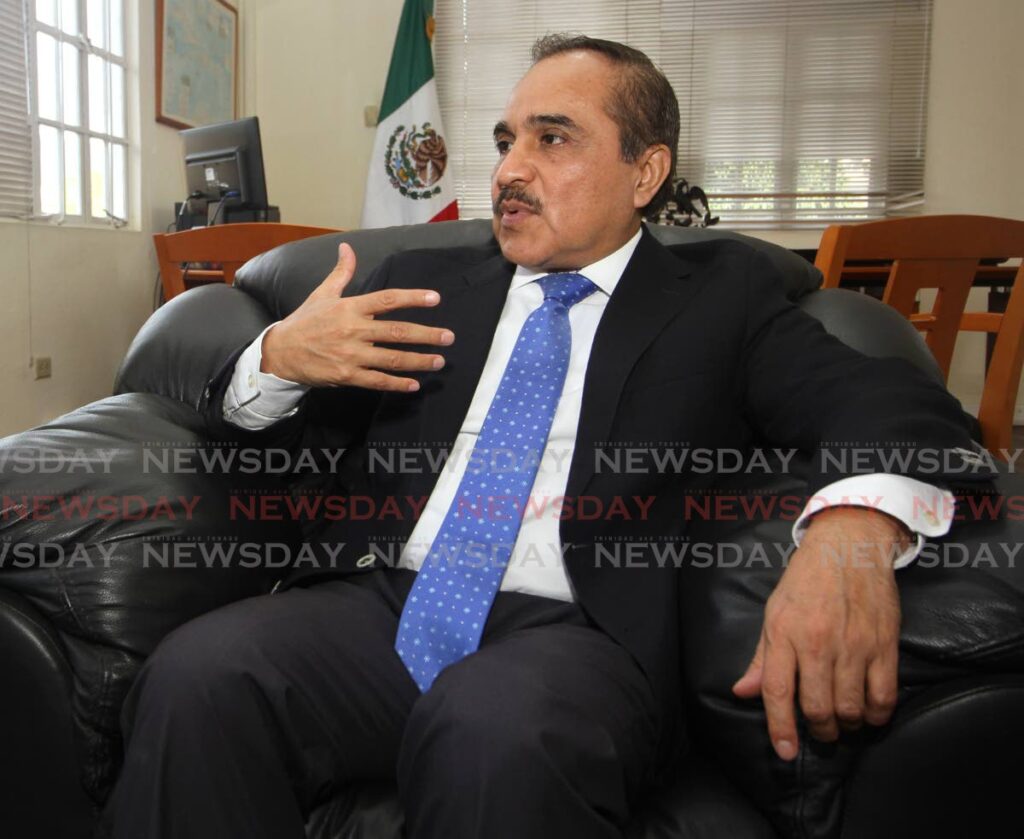
    The evolving diplomatic landscape demands both agility and strategic foresight, with AI emerging as a transformative tool for modern statecraft. Through development initiatives, trade facilitation, and cultural diplomacy, Mexico under Ambassador Víctor Hugo Morales Meléndez has strengthened partnerships with Caribbean nations. Similarly, Panama’s strategic position as a logistics hub, guided by Ambassador Diomedes Carles, enhances regional connectivity through expanded aviation operations.

    AI technology now provides critical capabilities for analyzing cross-border energy flows, identifying economic disruptions, and monitoring migration patterns arising from regional instability. This data-driven approach equips diplomats with actionable intelligence for informed decision-making amid trade and security uncertainties.

    The transformation extends to economic diplomacy, where AI-powered market analytics and supply-chain monitoring enable smaller economies to identify competitive sectors and investment opportunities. As Mexico advances nearshoring and regional integration initiatives, Trinidad and Tobago can leverage analytical capabilities to attract investment and participate in emerging manufacturing networks.

    Consular services and public diplomacy also benefit from technological integration, with automated document verification and data-driven diaspora engagement enhancing embassy efficiency despite limited resources. During periods of geopolitical tension, these tools prove invaluable for citizen protection and regional stability maintenance.

    While technology augments diplomatic capabilities, the human elements of judgment, negotiation, and cultural understanding remain irreplaceable. The Caribbean’s next generation of diplomats must operate at the intersection of geopolitics, economics, and technology, combining analytical rigor with cultural intelligence to shape the region’s influence in an increasingly complex global landscape.

  • Windies grab nine wickets on Day one of 1st N/Zealand Test

    Windies grab nine wickets on Day one of 1st N/Zealand Test

    In a compelling display of pace bowling under overcast conditions, the West Indies cricket team seized control on a rain-interrupted first day of the opening Test against New Zealand at Hagley Oval in Christchurch on December 2, 2025. The visitors’ decision to bowl first proved immediately rewarding as veteran pacer Kemar Roach struck in the very first over, dismissing Devon Conway for a duck with a catch at second slip.

    The New Zealand innings struggled to gain momentum throughout the day, eventually stuttering to 231 for nine at stumps. Captain Kane Williamson provided the most substantial resistance with a composed 52, while Michael Bracewell contributed a valuable 47. Their efforts, however, were consistently undermined by a disciplined West Indian bowling attack that capitalized on favorable swinging conditions.

    Jamaican debutant Ojay Shields emerged as a standout performer, claiming two crucial wickets for 34 runs in an impressive introduction to Test cricket. His first Test wicket came when he clean-bowled Tom Blundell for 29, this time avoiding the no-ball that had earlier denied him Williamson’s wicket. All-rounder Justin Greaves provided excellent support with two wickets for 35 runs, including the prized scalp of Williamson shortly after he reached his half-century.

    The day’s proceedings concluded dramatically when last man Jacob Duffy was struck on the helmet by a Roach bouncer, prompting the umpires to suspend play due to deteriorating light conditions. With Shields, Greaves, and Roach leading the attack, the West Indies will resume day two in a commanding position, needing just one wicket to conclude the New Zealand innings.

  • Melissa Wittet’s quilled Christmas ornaments

    Melissa Wittet’s quilled Christmas ornaments

    In the vibrant city of San Fernando, Trinidad, artist Melissa Wittet has transformed Christmas traditions into tangible works of art through her exquisite handmade ornaments. For eight consecutive years, the 33-year-old creative has dedicated herself to crafting delicate paper-quilled decorations that have become cherished family heirlooms across Trinidad and Tobago.

    Wittet’s journey into seasonal décor emerged organically from a lifelong passion for creativity. “I’ve always been artistic since childhood,” she reflects, noting her early fascination with handmade creations. Her specialization in Christmas ornaments began when a family member encouraged her to participate in a seasonal market, initially leading her to create burlap wreaths and decorative centerpieces before discovering her true calling in paper quilling.

    The self-taught artist developed a unique methodology through extensive experimentation. “I came across paper quilling online but developed my own distinctive technique through trial and error,” Wittet explains. Her process involves meticulously rolling, shaping, and assembling paper strips into intricate designs that reflect the spiritual significance of Christmas. “My ornaments, particularly the angels and crosses, celebrate Christ’s birth and my Christian heritage,” she shares.

    Each piece demands exceptional patience and precision, with Wittet marveling at her own dedication to the time-consuming craft. Beyond their visual appeal, these ornaments serve as emotional touchstones for families. “They’re perfect keepsakes to remember loved ones absent during holidays or commemorate special life moments,” Wittet emphasizes.

    The artist balances her ornament business with parallel careers as a certified nail artist, makeup specialist, and lash technician—all fields that channel her creative energy. While she primarily sells through Instagram (@littlemisscreative.mw) and prefers intimate seasonal markets over large vendor events, Wittet remains committed to supporting local artisans and contributing to Trinidad’s creative community.

    Though uncertain about expanding into retail partnerships, Wittet affirms: “As long as there’s Christmas, I’ll continue creating these handmade treasures that transform holiday decorations into lasting memories.”