标签: Trinidad and Tobago

特立尼达和多巴哥

  • Warns Quarry faces 16 money laundering charges

    Warns Quarry faces 16 money laundering charges

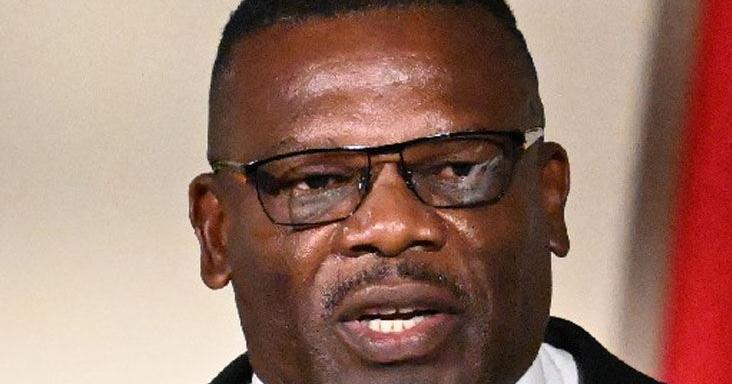
    A subsidiary of the Warner Group conglomerate is confronting sixteen distinct money laundering charges following an extensive financial investigation into suspected illegal quarrying operations. Law enforcement officials disclosed in a recent press statement that Warns Quarry Company Ltd faced these criminal allegations after receiving formal guidance from the Office of the Director of Public Prosecutions (DPP).

    Court documents reveal that initial complaints were formally submitted on March 5th, with summonses subsequently delivered to company director Allan Warner at his Woodbrook residence this past Wednesday. The judicial proceedings have been calendared for April 27th, marking the next phase in this developing legal confrontation.

    Investigative authorities indicate these charges represent a single component within a broader examination of purportedly unlawful quarrying activities, with particular forensic attention directed toward financial transactions and fund movements allegedly connected to these operations. This development amplifies existing legal challenges for the Warner Group, a diversified corporation with substantial investments across construction, quarrying, and real estate sectors.

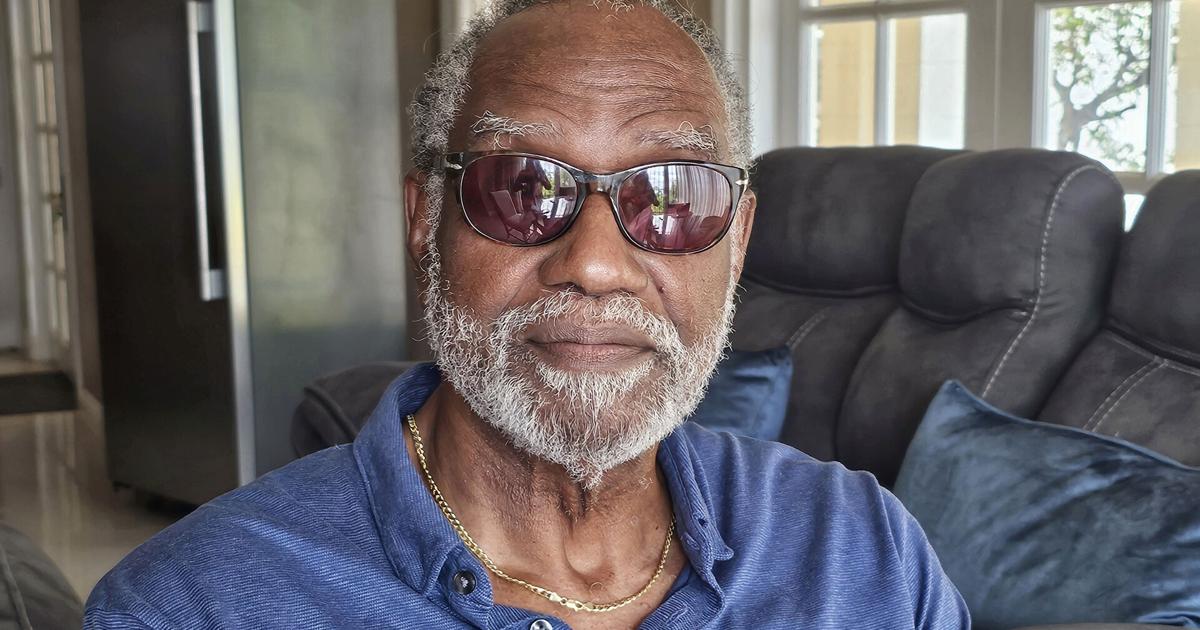
    The current money laundering case emerges alongside previously instituted legal actions against the conglomerate. In a separate 2022 proceeding, 74-year-old Allan Warner, his son Aluko Warner, and multiple associates faced charges of processing mineral aggregates without mandatory licensing, constituting violations under the Minerals Act. Warner voluntarily surrendered to authorities accompanied by legal counsel and secured release after posting $100,000 bail with surety. That case continues pending review at the Arima Magistrates’ Court.

    Those earlier allegations originated from police operations at a Wallerfield processing facility where law enforcement reportedly discovered operational machinery lacking required regulatory approvals. Beyond criminal proceedings, Warner Group entities have pursued litigation within the High Court challenging regulatory interventions by state agencies, including enforcement actions and compliance mandates affecting quarrying operations.
  • Areas of daily traffic pain

    Areas of daily traffic pain

    A comprehensive parliamentary investigation has revealed severe systemic failures in Trinidad and Tobago’s traffic management system, with Wrightson Road in Port of Spain emerging as a critical pain point. The Joint Select Committee’s final hearing on traffic efficiency uncovered multiple dimensions of the transportation crisis affecting major corridors across the nation.

    The inquiry identified several problematic zones including Chaguaramas, the southbound lane of Uriah Butler Highway, and various districts in South Trinidad and Chaguanas. Committee member Phillip Alexander highlighted the daily gridlock on Wrightson Road between 3-6 PM, demanding accountability from the Port Authority of Trinidad and Tobago (PATT) regarding its impact on traffic flow.

    Alexander proposed strategic interventions including staggered port operating hours, scheduled heavy vehicle movements, and enhanced collaboration with business stakeholders. He specifically recommended restricting trucks over five tonnes during peak periods and implementing gate closures at strategic times.

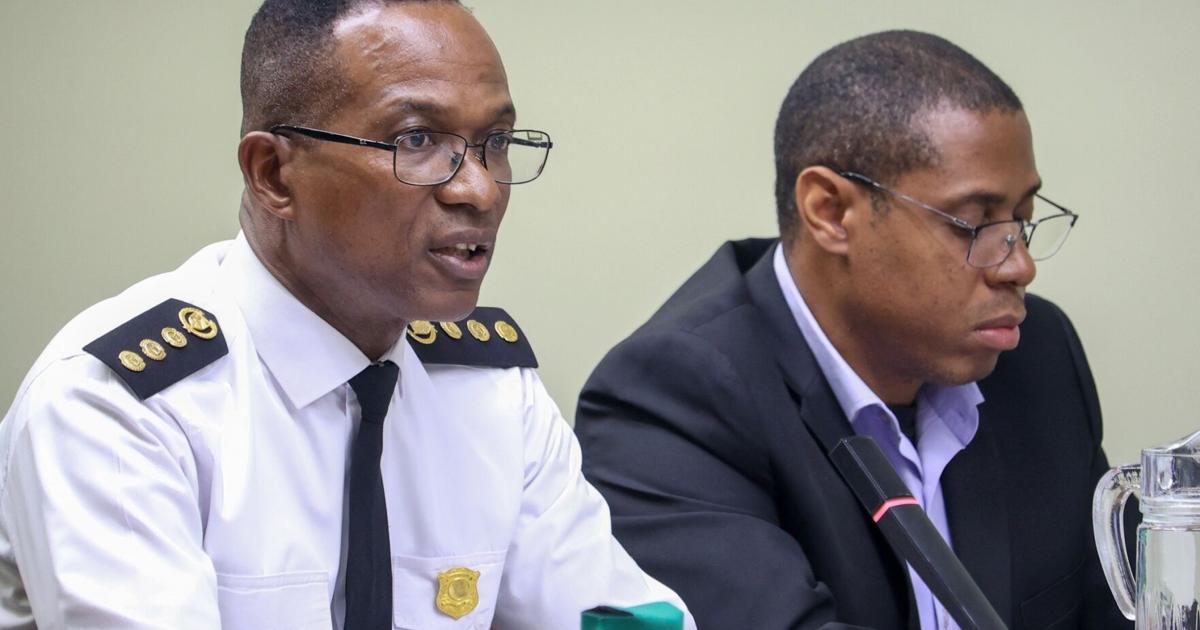
    Port of Port of Spain acting CEO Candice Baptiste defended the facility’s operations, revealing that 92% of truck movements occur outside peak hours with an average throughput of 17 trucks hourly. Baptiste cautioned against rigid scheduling, emphasizing the port’s role as an interconnected ecosystem that cannot control cargo reception timelines. She warned that restrictive measures might impose additional costs on businesses and logistics providers.

    Transport Ministry engineers presented a broader perspective, identifying Chaguaramas port operations and seasonal festival traffic as compounding factors. Chief Engineer Anande Piggott described Chaguanas as a particularly complex case where commercial growth has dramatically outpaced road infrastructure development. The proliferation of unauthorized taxi stands emerged as a persistent challenge, with relocation efforts often disadvantaging vulnerable commuters and students.

    Transport Commissioner Clive Clarke attributed the crisis to deficient development planning, noting that road infrastructure has failed to keep pace with commercial expansion and vehicle population growth. He emphasized that strengthened law enforcement, including rigorous driver licensing and vehicle inspections, could significantly alleviate congestion.

    Officials acknowledged institutional challenges including staffing shortages that hamper inter-agency coordination. The ministry emphasized ongoing efforts to modernize transportation infrastructure through police collaboration and public consultation processes. Chief Traffic Warden Neville Sankar revealed critical manpower deficiencies, noting complete absence of traffic wardens in Tobago and insufficient coverage in Trinidad.

    The committee concluded that solving Trinidad’s traffic woes requires multi-faceted approaches addressing infrastructure deficits, enforcement mechanisms, and behavioral changes among motorists.

  • SHE’S OUT OF PLACE

    SHE’S OUT OF PLACE

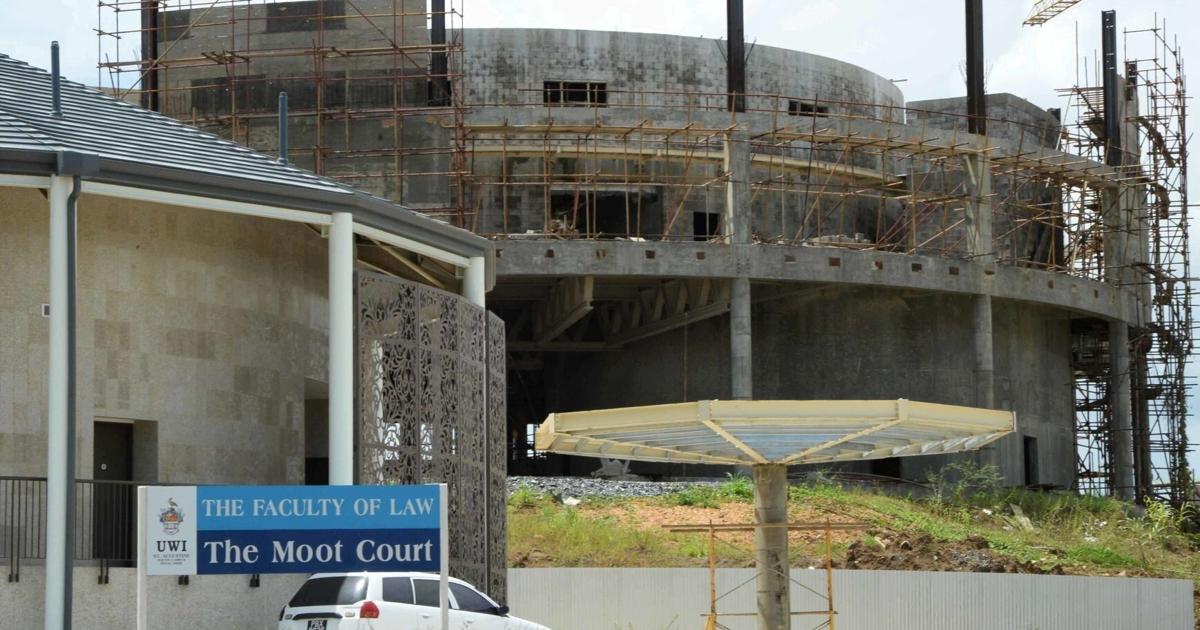
    A significant institutional conflict has emerged between Trinidad and Tobago’s Tertiary Education Ministry and the leadership of the University of the West Indies (UWI) regarding the planned relocation of the Faculty of Law to the Debe South Campus. Minister Dr. Prakash Persad has expressed profound shock and disapproval after UWI officials informed students of a government-mandated relocation without proper authorization.

    The controversy stems from an official email dispatched on March 18, 2026, by Law Dean Dr. Alicia Elias-Roberts, which asserted that the government had ordered the law school’s transfer to the Debe facility by August 2026. The communication detailed a recent site inspection conducted by university administrators and media representatives, and scheduled town hall meetings to address student concerns.

    Minister Persad vehemently disputed the university’s claims during an interview, emphasizing that no definitive government policy exists regarding the campus’s future. He revealed that during a January 19 meeting with all stakeholders—including UWI Principal Prof. Rose-Marie Belle Antoine and representatives from Palo Seco Agricultural Enterprises Ltd—it was explicitly communicated that final decisions would require Cabinet approval led by Prime Minister Kamla Persad-Bissessar.

    The minister characterized the university’s actions as particularly discourteous, noting that neither his ministry nor the construction contractors received prior notification about the media visit to the ongoing construction site. He reiterated that the Debe campus remains under government supervision until renovation works are completed and officially handed over to UWI.

    Historical context reveals the campus represents a $600 million project initially conceived during Persad-Bissessar’s first administration (2010-2015). Despite its original purpose to host management studies, psychology, economics, education, and law programs, the facility has remained largely inactive for nearly a decade, seeing only temporary use as a COVID-19 step-down facility.

    The current administration has committed to revitalizing the abandoned campus, with Minister Persad assuring that necessary corrections are underway to prepare the facility for potential September occupancy. However, he maintains that ultimate determinations regarding the campus’s academic purpose will be made at the cabinet level, not by university administration.

    University officials have not provided immediate commentary regarding the minister’s statements, leaving unresolved the tension between institutional autonomy and governmental oversight in Trinidad’s higher education landscape.

  • Padarath: Rowley ‘despicable’ for calling PM a ‘jamette’

    Padarath: Rowley ‘despicable’ for calling PM a ‘jamette’

    Trinidad and Tobago’s political landscape has been rocked by a severe verbal confrontation between current and former leadership, culminating in allegations of misogyny and systematic dishonesty. The controversy erupted when former Prime Minister Dr. Keith Rowley employed the derogatory term “jamette”—a historically charged Trinidadian epithet implying promiscuity and low social standing—to characterize sitting Prime Minister Kamla Persad-Bissessar.

    Rowley’s inflammatory remarks came during a Tuesday news conference at his Glencoe residence, constituting a direct response to the Prime Minister’s parliamentary allegations from the previous Friday. Persad-Bissessar had asserted that the opposition People’s National Movement (PNM) financed its headquarters, Balisier House, with narco-trafficking proceeds and maintained connections to pedophile networks.

    In a scathing Wednesday rebuttal, Barry Padarath, Minister within the Office of the Prime Minister and Member for Couva South, denounced Rowley’s language as revealing “arrogance, misogyny and moral collapse.” Padarath characterized the former leader’s behavior as a public “meltdown” indicative of a “bitter man whose collapsing legacy rests on contradiction and chronic distortion of facts.”

    The minister contextualized the exchange within Trinidad and Tobago’s broader societal challenges, noting that Rowley had chosen insult over substance despite widespread issues of gender-based abuse and economic pressure affecting women. Padarath identified a persistent pattern of fabrication in Rowley’s political conduct, citing historical controversies including the Police Merit List debacle, disputed Interpol watchlist claims, the Emailgate scandal, and Petrotrin’s controversial closure.

    Further undermining Rowley’s credibility, Padarath highlighted the PNM’s public correction of its former leader’s claim regarding exclusion from the party’s 70th anniversary celebrations. Official invitations dated January 2026 were produced, directly contradicting Rowley’s assertions.

    The minister concluded that Rowley’s conduct reflects “pathological dishonesty” and represents the outbursts of a former leader unable to accept his diminished political relevance, ultimately warning that such behavior damages national discourse and demonstrates how abuse has replaced accountable leadership.

  • RADAR HEADS OUT

    RADAR HEADS OUT

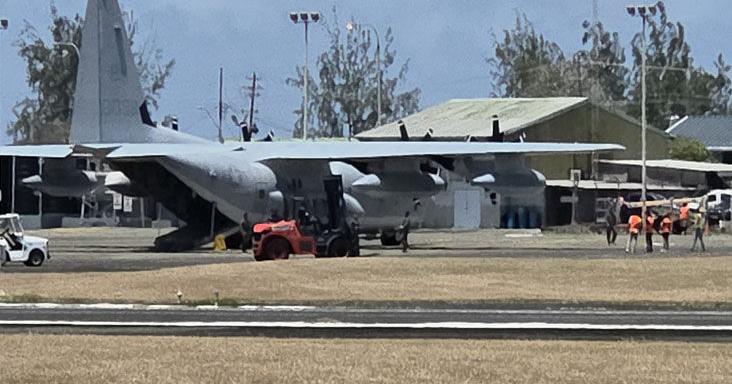
    A United States Marine Corps KC-130J aircraft executed a covert operation in Tobago yesterday, reportedly extracting the sophisticated AN-TPS-80 Ground/Air Task Oriented Radar (G/ATOR) system that had been stationed at the ANR Robinson International Airport. Intelligence sources confirm the aircraft originated from Roosevelt Roads in Puerto Rico, completing a round-trip mission to retrieve the mobile defense apparatus.

    The radar’s disappearance marks a dramatic development in a four-month geopolitical saga that began when the US military installed the system last year. The Trinidad and Tobago government had consistently characterized the radar’s presence as part of counter-narcotics operations, authorized at the personal request of Prime Minister Kamla Persad-Bissessar.

    However, former military commander Lieutenant Norman Dindial, who previously headed the National Coastal Surveillance Radar Centre, contends the system’s removal exposes its true purpose. “It shows that it was not supposed to be used for drug interdiction,” Dindial stated. “This $50 million piece of equipment was in our territory doing nothing for our stated needs. I believe its mission was to support the incursion in Venezuela.”

    The timeline reveals strategic patterns: The radar first appeared in late November following high-level discussions between Prime Minister Persad-Bissessar and General Dan Caine, Chairman of the US Joint Chiefs of Staff. This installation preceded Operation Absolute Resolve and coincided with increased US military activity in Caribbean waters.

    Current geopolitical context suggests the radar may be redeployed to address Middle Eastern conflicts. The New York Times recently documented Iranian strikes damaging US communication and radar systems across seven military sites. Dindial theorizes the Tobago radar is being repositioned to strengthen US assets in the Persian Gulf: “There is a gap in the sensory aspect over there, and the US military is repositioning its assets.”

    The government’s narrative has faced previous challenges. In December, the Trinidad and Tobago Police Service claimed the radar generated intelligence leading to a $171 million marijuana seizure, though manufacturer Northrop Grumman subsequently clarified the system wasn’t designed to track maritime or ground targets. Defense Minister Wayne Sturge had recently asserted the radar would remain for the “foreseeable future” to compensate for limited coast guard capabilities.

  • What SoE? Daylight killing is 75th for the year

    What SoE? Daylight killing is 75th for the year

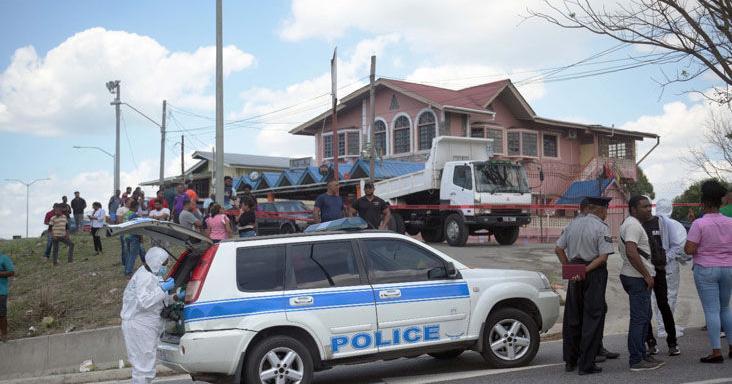
    In a brazen midday execution that has raised serious questions about crime prevention effectiveness, 39-year-old contractor Shandon Arjoon was fatally shot multiple times near a construction site in South Oropouche on Tuesday. The father of one was developing land for commercial and private use along the Oropouche Main Road when a masked assailant approached and opened fire with a handgun around 11:20 a.m.

    According to eyewitness accounts, the shooter wearing a ski mask fled the scene immediately after the attack, entering a waiting vehicle that sped away from the crime location near the St. Mary’s Interchange. Bystanders reported hearing between three to five gunshots, with one witness describing how they had just exchanged greetings with Arjoon moments before the shooting erupted.

    The murder has taken on broader significance as it occurred despite Trinidad and Tobago currently operating under a state of emergency. Clint Arjoon, the victim’s uncle and president of the Fyzabad Chamber of Commerce, openly questioned the effectiveness of these emergency measures, noting that the killer managed to operate in a busy area adjacent to a major highway without apprehension.

    Investigations reveal that Arjoon had previously reported multiple death threats to the La Brea Police Station related to a property dispute in Vessigny. Family members expressed frustration with law enforcement’s response, stating that despite formal complaints, inadequate protection was provided. The victim’s distraught father, Keith Arjoon, offered minimal commentary to media, simply characterizing the country’s crime situation as “bad” while expressing skepticism about the likelihood of his son’s killer being apprehended.

    This incident has sparked renewed concerns about Trinidad’s ongoing crime epidemic, with the national murder toll reaching 75 by Tuesday evening—slightly below last year’s tally of 83 at the same date. Economic implications were also highlighted, with business leaders noting that persistent criminal activity continues to drive migration and negatively impact the nation’s economic stability.

  • Four women rescued in human trafficking bust

    Four women rescued in human trafficking bust

    In a landmark enforcement action, Trinidad and Tobago’s Counter Trafficking Unit (CTU) has secured its first Preventive Detention Order following a sophisticated international operation coordinated with Interpol. The operation, codenamed ‘Operation Purple Ryain,’ culminated in the arrest of a 42-year-old businessman and the liberation of four Venezuelan females from severe exploitation conditions.

    The breakthrough occurred on March 7th in Rio Claro, where CTU officers executed a search warrant at a Fraser Street property after weeks of intelligence-driven surveillance. The suspect, identified as Ryan Mark, was apprehended under the Emergency Powers Regulations of 2026 and remains in custody under the unprecedented detention order.

    Among those rescued were two teenagers aged 15 and 17, along with two adult women aged 27 and 30—the latter being the mother of the younger teenager. Preliminary investigations revealed disturbing evidence of prolonged physical abuse, including visible branding and violence marks, with some victims reportedly confined at the location for over two years.

    The operation also led to two Venezuelan nationals being held as persons of interest at the Immigration Detention Centre, while four others were transferred to Immigration Enforcement authorities.

    CTU Deputy Director Dane-Marie Marshall characterized the operation as ‘an international coordination’ that demonstrated the unit’s commitment to crippling human trafficking networks. ‘This is a good day. Four people being rescued in one operation is a fantastic day,’ Marshall stated, emphasizing the unit’s dedication to ending human trafficking in Trinidadian society.

    The rescued survivors are currently receiving comprehensive support through the CTU’s victim assistance framework, including medical treatment, psychosocial services, and protective measures. The operation involved collaborative efforts between the Trinidad and Tobago Defence Force and the Police Service’s Special Investigations Unit.

    Authorities indicate that charges under the Trafficking in Persons Act are imminent, with further legal actions expected as investigations progress. The CTU has renewed its call for public vigilance, urging citizens to report suspected trafficking cases through their dedicated hotline and WhatsApp reporting channels.

  • Rowley denies PNM drug link

    Rowley denies PNM drug link

    In a fiery response to parliamentary accusations, former Trinidad and Tobago Prime Minister Dr. Keith Rowley has publicly condemned current Prime Minister Kamla Persad-Bissessar for what he characterizes as baseless criminal allegations against his political party. The confrontation emerged following Persad-Bissessar’s statements in Parliament on Friday, where she insinuated that the People’s National Movement (PNM) had constructed its headquarters using narco-trafficking proceeds and maintained connections to pedophile networks.

    Rowley, addressing journalists at his Glencoe residence during a press conference, delivered a scathing rebuttal to these claims. He emphasized his long-standing tenure with the PNM since 1974, including fifteen years of leadership, and challenged the Prime Minister to produce substantiating evidence for her serious allegations. Employing the culturally charged term ‘jamette’—a local derogatory expression implying promiscuity and lack of integrity—Rowley asserted that only someone with such characteristics would level grave accusations without proof.

    The former Prime Minister referenced historical contexts, including the murder of businessman Danny Guerra in Sangre Grande, suggesting possible connections to previous states of emergency and political tensions. Additionally, Rowley revived allegations concerning human trafficking within the United National Congress (UNC), claiming that Persad-Bissessar had prior knowledge of such activities yet appointed the accused individual to a ministerial position.

    Rowley further cautioned about the international ramifications of unsubstantiated claims, arguing that they tarnish the nation’s reputation globally. He criticized the Prime Minister for allegedly prioritizing political maneuvering over evidential accountability and called for thorough police investigations into the matters he raised.

  • Alexander: Police on high alert

    Alexander: Police on high alert

    Trinidad and Tobago’s national security apparatus has been activated to high alert status following the repatriation of hundreds of citizens from the United Kingdom who face serious criminal allegations. Homeland Security Minister Roger Alexander confirmed that law enforcement agencies have received intelligence from the Ministry of Foreign and Caricom Affairs regarding individuals returning with histories of alleged murder and firearms trafficking.

    The development comes after the UK government implemented visa requirements for Trinidad and Tobago nationals in March 2025, responding to a significant surge in asylum applications. Foreign Minister Sean Sobers revealed that approximately 700 citizens who had sought asylum in Britain have been returned to Trinidad and Tobago in recent months, representing between 90-97% of all applicants.

    Minister Alexander expressed particular concern about returning individuals who allegedly continued criminal operations from abroad. “Some were operating via phone and other means to direct activities here,” Alexander stated, emphasizing that investigations into these individuals continued despite their overseas presence.

    The Homeland Security Minister condemned what he characterized as systematic abuse of the UK’s asylum process, noting that some returnees had falsely claimed persecution based on sexual orientation—assertions he described as “far from the truth.” Alexander framed the repatriations as part of a broader international trend where nations are taking stronger stances against foreign nationals who engage in criminal behavior within their borders.

    In a related development, authorities reported the successful implementation of a new digital arrival and departure platform that commenced operations without significant technical issues. The minister noted that immigration officials remain on standby to address any potential complications, though initial passenger compliance has resulted in positive operational feedback.

  • UK kicks out Trini ‘refugees’

    UK kicks out Trini ‘refugees’

    In a significant diplomatic development, Trinidad and Tobago’s Foreign Minister Sean Sobers has confirmed the repatriation of hundreds of nationals whose UK asylum applications were denied. The minister revealed that between 90-97% of over 700 asylum seekers have been returned to Trinidad in recent months, marking a dramatic shift following Britain’s imposition of visa requirements.

    The UK government implemented visa mandates for Trinidad and Tobago nationals on March 12, 2025, citing a concerning surge in asylum claims. Official data shows applications skyrocketed to 797 between 2023-2024, compared to an annual average of just 49 between 2015-2019. British authorities noted most claims were made upon arrival, creating substantial operational pressures at border points.

    Former National Security Minister Fitzgerald Hinds previously asserted that criminal elements were exploiting visitor status to evade justice in Trinidad, contributing to the visa policy change. The UK Home Office’s explanatory memorandum highlighted that the measure aimed to address systemic abuse of asylum protocols.

    Minister Sobers, during his recent London visit for Commonwealth meetings, discussed the issue with UK migration officials and even met King Charles III. The monarch reportedly recalled his positive memories of Trinidad while acknowledging the country’s recent electoral process.

    The visa implementation has yielded dramatic results: current asylum claims have plummeted to approximately three cases since the policy took effect. Sobers emphasized this demonstrates the effectiveness of the visa system in curbing unfounded applications.

    Regarding financial implications, Sobers noted Trinidad hasn’t yet covered repatriation costs, though the matter remains under cabinet consideration. He confirmed that some repatriated individuals were ‘persons of interest’ to law enforcement.

    Collaborative security measures are advancing, including Trinidad’s development of an Advance Passenger Information System (APIS). This system will enable pre-travel screening of passengers, sharing criminal history and database alerts with UK authorities before flight departures. Sobers highlighted this could save British taxpayers approximately £65,000 per claim by preventing non-meritorious asylum applications upfront.

    The UK Home Office recently expanded similar visa requirements to Nicaragua and Saint Lucia, noting that visa policies for several nations have prevented over 6,000 unfounded asylum claims system-wide.