标签: Suriname

苏里南

  • Werkzoekenden Bangladesh gedwongen mee te vechten in Rusland tegen Oekraïne

    Werkzoekenden Bangladesh gedwongen mee te vechten in Rusland tegen Oekraïne

    An extensive investigation by the Associated Press has uncovered a disturbing pattern of systematic deception targeting Bangladeshi labor migrants who were lured to Russia with promises of civilian employment, only to be coerced into military service in Ukraine’s ongoing conflict.

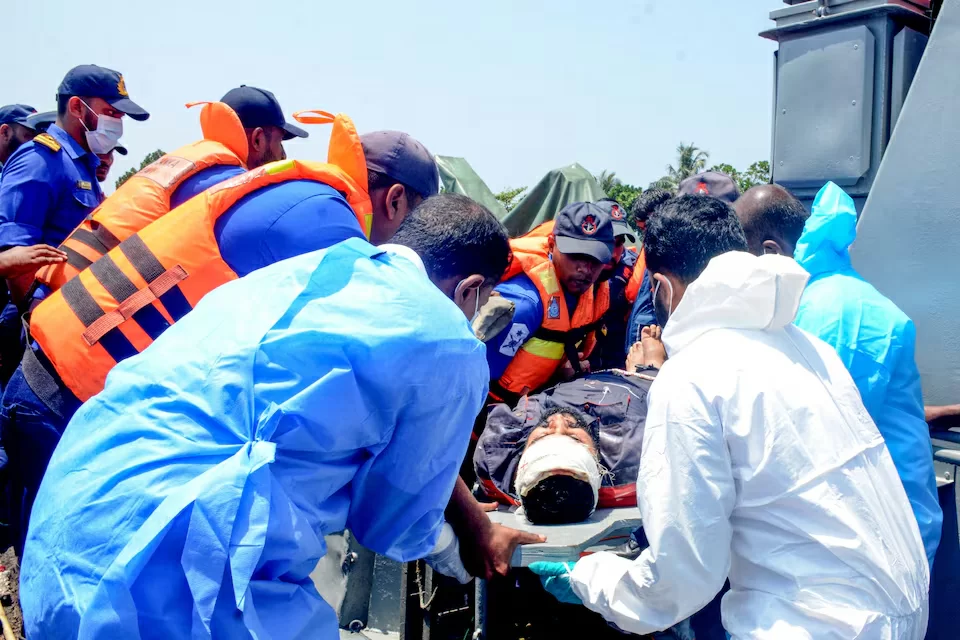
    Maksudur Rahman, a 31-year-old from Bangladesh, arrived in Russia expecting to work as a window cleaner in Moscow’s cold climate. Within weeks, he found himself on the Ukrainian frontlines after being pressured into signing Russian documents that were later revealed to be military contracts. Rahman and other Bangladeshi workers received training in drone warfare, medical evacuations, and combat techniques with heavy weaponry.

    When Rahman protested his forced conscription, he was told: “Your agent sent you here. We bought you.” The migrants faced severe threats including decade-long prison sentences and physical abuse for refusing combat duties. After seven months of compelled service, Rahman managed to escape and return to Bangladesh.

    Three additional Bangladeshi men who escaped Russian military service provided corroborating accounts of coercion, mistreatment, and threats. Their testimonies were supported by family members and verified through official documentation including visas, military contracts, medical reports, police records, and photographic evidence of injuries.

    The forced duties assigned to these conscripted migrants encompassed frontline combat operations, supply transportation, casualty evacuation, and corpse recovery. Similar deceptive recruitment practices have affected workers from other South Asian nations including India, Nepal, and Sri Lanka, with additional reports emerging from Kenya, South Africa, Jordan, and Iraq.

    Some Bangladeshi workers were specifically recruited under false pretenses of non-combat roles. Mohan Miajee, originally an electrician in Russia’s Far East, was recruited for electronic warfare but found himself in occupied Avdiivka, Ukraine, where he faced repeated physical abuse for refusing orders or making mistakes.

    Families of missing men have repeatedly contacted Bangladeshi police and government authorities demanding investigations. Salma Akdar continues to hope for news of her husband Ajgar Hussein, who departed believing he had secured laundry work. After weeks of communication, Hussein reported being forced into military training and frontline deployment, with commanders threatening detention, execution, and food deprivation for non-compliance. His final message was an emotional plea for prayers.

  • Geweld tegen kinderen blijft hardnekkig probleem in Latijns-Amerika en Caribisch gebied

    Geweld tegen kinderen blijft hardnekkig probleem in Latijns-Amerika en Caribisch gebied

    A disturbing new report from the Pan American Health Organization (PAHO) and UNICEF reveals that violence continues to pose a severe threat to millions of children and adolescents across Latin America and the Caribbean. The comprehensive study, titled ‘Violence against children and adolescents in Latin America and the Caribbean: New data and solutions,’ documents alarming patterns of physical, emotional, and structural violence affecting young populations throughout the region.

    Between 2015 and 2022, a staggering 53,318 children and adolescents fell victim to lethal violence, with homicide representing the most extreme manifestation of a broader pattern of aggression that begins early in childhood. While recent data shows some improvement for boys aged 15-17—with homicide rates decreasing from 17.63 to 10.68 per 100,000 between 2021-2022—the situation remains critically concerning. Conversely, homicide rates among girls in the same age group doubled during this period, rising from 2.13 to 5.1 per 100,000.

    The report highlights particularly troubling findings from Suriname, where nearly half of primary school students experience physical violence and over 80% have encountered at least one form of domestic violence. Further research indicates approximately 87% of adolescents and nearly 96% of young adults reported experiencing at least one form of childhood maltreatment during their lifetimes.

    According to the organizations, this violence epidemic stems from multiple interconnected factors, including increased armed violence linked to organized crime, widespread firearm availability, social inequality, and harmful gender norms. The research emphasizes how different forms of violence reinforce one another: six out of ten children under 14 experience violent disciplinary methods at home, one in four adolescents aged 13-17 face school bullying, and nearly one in five women in the region report experiencing sexual violence before turning 18.

    UNICEF Regional Director Roberto Benes stressed that children are exposed to violence daily—in homes, schools, and gang-controlled communities. ‘We know how to stop this violence,’ Benes stated. ‘This requires strong, consistent public policies so every child can grow up in a safe environment.’

    PAHO Director Jarbas Barbosa highlighted the lasting impact of violence on children’s physical and mental health, noting that ‘health services play a crucial role in prevention and care. Early detection and timely, quality care can make all the difference for victims and their environments.’

    The report concludes with evidence-based solutions, urging governments to strengthen child protection laws, improve firearm oversight, enhance training for education and law enforcement professionals, support non-violent parenting programs, and invest in safe learning environments and accessible support services. These recommendations were validated during a regional ministerial consultation in October 2025 attended by over 300 representatives from health, education, justice, and child protection sectors.

  • Iraida Martha Ooft maakt kans op de Libris Literatuur Prijs 2026

    Iraida Martha Ooft maakt kans op de Libris Literatuur Prijs 2026

    Surinamese author Iraida Martha Ooft has achieved literary recognition with her novel ‘Toen de val’ (When the Fall), securing a coveted spot on the longlist for the prestigious Libris Literatuur Prijs 2026. The selection committee, chaired by Noraly Beyer alongside jurors Sander Bax, Liesbeth D’Hoker, Roos van Rijswijk, and John Vervoort, meticulously reviewed 188 submissions before choosing eighteen exceptional works for this year’s longlist.

    Set against the tragic backdrop of the 1989 SLM air disaster, Ooft’s novel explores the profound human connections between those who lost loved ones and the victims themselves. Through intricate narrative weaving, the author reveals the interconnected stories of waiting parents, a father and daughter, the pilot and his beloved, and a pyjai’s spiritual quest. The work serves as both a historical examination of late-1980s Suriname and a deeper exploration of the nation’s cultural roots, while simultaneously addressing the universal human struggle to embrace life after unimaginable loss.

    Published by Uitgeverij Van Oorschot in November 2025, ‘Toen de val’ received its official presentation in Paramaribo on November 23rd. The publishing house celebrates additional recognition with two other longlisted titles: Ester Naomi Perquin’s ‘Tot alles in beweging komt’ and Emma Laura Schouten’s ‘Nachtschade’.

    The Libris Literatuur Prijs stands as one of the Netherlands’ most distinguished literary awards. The shortlist announcements are scheduled for March 9th, followed by the grand reveal of the winner during a ceremonial event in Amsterdam on May 11th. This year’s laureate will receive a €50,000 cash prize accompanied by a bronze commemorative medal.

  • Woordvoerder president: vaste percentages ingevoerd na evaluatie

    Woordvoerder president: vaste percentages ingevoerd na evaluatie

    The Presidential Cabinet has implemented a major restructuring of ministerial allowances following an internal evaluation, establishing three fixed compensation categories of 20%, 40%, and 60%. Presidential spokesperson Roberto Lindveld confirmed the policy shift amid growing public debate surrounding supplementary payments to government officials.

    According to Lindveld, cabinet allowances have been institutional practice for approximately fifteen to sixteen years, with successive administrations implementing varying approaches to supplementary compensation. President Jennifer Simons, upon assuming office in 2025, initiated a comprehensive assessment to determine eligibility criteria and establish clear parameters for allowance distribution based on specific job functions.

    The newly implemented framework designates the 20% allowance tier for staff members who maintain daily working proximity to the president, regularly work overtime, and are ineligible for separate overtime compensation. This fixed monthly allocation aims to prevent potentially higher costs associated with traditional overtime reimbursement systems.

    Middle management personnel qualify for the 40% category, while the highest compensation tier of 60% is reserved for senior officials including directors and advisors who engage in intensive, extended-duration collaboration with the president. Lindveld emphasized that the president personally determines eligibility for this premium category based on both positional authority and demonstrated commitment.

    The presidential office’s detailed explanation represents a strategic effort to enhance transparency and provide clarity regarding the administration’s allowance policy amid increasing public scrutiny of government expenditure practices.

  • India en EU bereiken baanbrekende handelsdeal: tarieven worden flink verlaagd

    India en EU bereiken baanbrekende handelsdeal: tarieven worden flink verlaagd

    In a landmark move reshaping global trade dynamics, India and the European Union have finalized a comprehensive trade agreement after two decades of negotiations. The pact, signed at Hyderabad House in New Delhi with Indian Prime Minister Narendra Modi, European Commission President Ursula von der Leyen, and European Council President Antonio Costa in attendance, represents one of the most significant trade liberalization efforts between the major economies.

    The agreement eliminates or substantially reduces tariffs on 96.6% of EU exports to India by value, projected to save European businesses approximately €4 billion ($4.75 billion) in import duties. Conversely, the EU will eliminate tariffs on 99.5% of Indian imports within a seven-year framework, covering key Indian export sectors including seafood, leather goods, textiles, chemicals, rubber, base metals, and jewelry.

    Prime Minister Modi hailed the agreement as “the mother of all deals” that will “create tremendous opportunities for India’s 1.4 billion people and millions of Europeans.” European Commission President von der Leyen characterized the pact as a “historic step” and emphasized that this marks “just the beginning” of enhanced EU-India economic cooperation.

    The breakthrough comes amid shifting global trade alignments, accelerated by recent U.S. imposition of 50% tariffs on certain Indian goods and broader trade tensions under the Trump administration. The agreement notably excludes several agricultural products including soybeans, beef, sugar, rice, and dairy from tariff reductions.

    The pact dramatically opens protected Indian market segments, with automobile tariffs dropping from as high as 110% to 10% over five years, benefiting European manufacturers including Volkswagen, Renault, Mercedes-Benz, and BMW. Immediately upon implementation, tariffs on 250,000 vehicles annually valued above €15,000 will drop to 30-35%.

    Similarly, alcohol tariffs will see substantial reductions: wine tariffs falling immediately from 150% to 75% with a gradual reduction to 20%, while spirits tariffs will drop to 40%. Additional reductions apply to European machinery, electrical equipment, chemicals, and iron and steel products.

    The EU has committed to providing flexibility regarding the Carbon Border Adjustment Mechanism (CBAM), its carbon tax regime affecting steel, cement, electricity, and fertilizers effective since January 1. Additionally, the EU will provide India with €500 million in financial support over the next two years to reduce greenhouse gas emissions.

    Bilateral trade between India and the EU reached $136.5 billion in the fiscal year ending March 2025, slightly exceeding India’s trade with both the United States ($132 billion) and China ($128 billion). The agreement is expected to double EU exports to India by 2032.

    Following a five-to-six month legal review period, full implementation of the agreement is anticipated within one year, marking a significant reconfiguration of global trade partnerships during a period of increasing geopolitical realignment.

  • Chinese Zijin Gold breidt wereldwijd uit met overname van Canadese Allied Gold

    Chinese Zijin Gold breidt wereldwijd uit met overname van Canadese Allied Gold

    Chinese mining giant Zijin Mining Group has unveiled plans to acquire Canadian miner Allied Gold Corporation in a landmark cash transaction valued at approximately C$5.5 billion (US$4.02 billion). The strategic move signals Zijin’s continued global expansion efforts, strategically timed during a period of unprecedented gold prices that have significantly enhanced profitability across the mining sector.

    The acquisition comes as gold prices maintain record-breaking levels driven by global economic uncertainties and increased demand for safe-haven investments. These market conditions have made gold mining companies particularly attractive to investors while accelerating industry consolidation trends.

    Under the agreement terms, Zijin will pay C$44 per share, representing a 5.4% premium over Allied Gold’s recent closing price. The announcement immediately triggered a nearly 4% surge in Allied’s premarket trading activity in U.S. markets. Allied Gold CEO Peter Marrone emphasized that the transaction delivers “significant value for shareholders” while highlighting the scale of the company’s African gold portfolio.

    The transaction, expected to finalize by late April 2026, occurs against the backdrop of improving Canada-China trade relations. Both nations recently reached preliminary agreements to reduce import tariffs on electric vehicles and canola oil while committing to further diminish trade barriers and enhance strategic cooperation.

    Zijin, ranking among the world’s largest gold producers with operations across nine countries, demonstrated strong market performance following its Hong Kong listing last year, bolstered by the sustained gold price rally. The company maintains significant presence in Suriname through its ownership of Rosebel Gold Mines, one of the country’s largest gold operations that plays vital role in the Surinamese economy.

    The acquisition agreement includes a termination clause requiring Allied to pay Zijin C$220 million if the deal fails under specified conditions. This move exemplifies broader industry trends where major producers expand their portfolios through strategic acquisitions of long-life assets rather than exclusively investing in new mine development.

  • Suriname en VAE verkennen samenwerking op diplomatiek en economisch vlak

    Suriname en VAE verkennen samenwerking op diplomatiek en economisch vlak

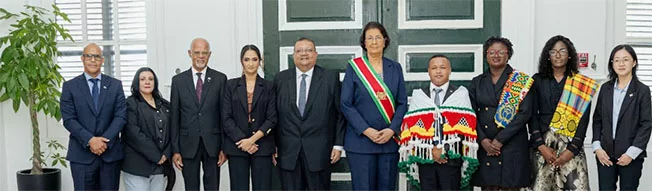
    In a significant diplomatic engagement, Surinamese President Jennifer Simons hosted United Arab Emirates Minister of State Noura bint Mohammed Al Kaabi on Monday, marking a pivotal step toward strengthening bilateral relations between the two nations. The high-level discussions focused on expanding diplomatic presence, technological collaboration, and sustainable development initiatives.

    The meeting yielded concrete plans for enhanced diplomatic representation, with Foreign Minister Melvin Bouva announcing the UAE’s intention to appoint a new ambassador to Suriname. In reciprocity, Suriname will designate a non-resident ambassador to the UAE. Additionally, both nations are considering establishing a Surinamese diplomatic mission in the UAE, strategically positioning Suriname to expand its Middle Eastern presence and access markets across the region and South Asia.

    Technology and digital transformation emerged as cornerstone collaboration areas, with the UAE offering expertise in artificial intelligence, e-governance, and smart city development. Both countries identified mutual opportunities for knowledge exchange and joint projects, particularly in renewable energy. Three key agreements are currently under development: an Air Service Agreement, an investment protection pact, and a comprehensive technological cooperation framework.

    Economic cooperation discussions encompassed agriculture, agri-business, sustainable tourism investments, and diversified energy development. Suriname emphasized its unique position as a carbon-negative nation while highlighting the importance of climate finance collaboration. The talks also covered cultural preservation, with the UAE expressing particular interest in restoring historic buildings within Paramaribo’s UNESCO World Heritage site—a commitment underscored by Minister Al Kaabi’s visit to the Cathedral Basilica of St. Peter and Paul.

    On multilateral matters, both nations pledged mutual support within the UN system and committed to collaborative efforts toward global stability and sustainable development, looking ahead to the Caribbean Energy Week that Suriname will host in March 2026.

    Minister Al Kaabi commended President Simons’ leadership and expressed anticipation for deepened cooperation. Both delegations committed to translating discussed agreements into actionable plans in the immediate future.

  • Groot aanbod grofvuil bij gerichte ophaalactie tegen chikungunya

    Groot aanbod grofvuil bij gerichte ophaalactie tegen chikungunya

    Surinamese authorities have initiated an intensive bulk waste removal operation in high-risk areas as a strategic measure to contain the spread of chikungunya virus. The campaign, targeting neighborhoods with the highest infection rates, represents a coordinated multi-agency response to eliminate mosquito breeding grounds.

    Acting Director of Public Green Space and Waste Management (OGA) Anwar Moenne confirmed substantial public participation in the Marowijne Project and Blauwgrond regions during initial collections. The operation is spearheaded by OGA under the Ministry of Public Works and Spatial Planning (OWRO), with implementation guidance from the Ministry of Health, Welfare and Labor (VGA).

    The collaborative effort involves district commissioners and the National Coordination Center for Disaster Management (NCCR), which has contributed two vehicles to support logistics. Execution combines contracted service providers already engaged by OWRO with prison labor resources, creating an integrated operational approach.

    Health Minister André Misiekaba emphasized that eliminating breeding sites remains the most effective preventive strategy against chikungunya transmission. Officials have issued urgent appeals for community cooperation, urging residents to maintain clean premises and cease illegal dumping of household and bulk waste along streets and public spaces.

    The operation continues through Friday with scheduled collections in Geyersvlijt (Tuesday), Clevia (Wednesday), Tamansari in Commewijne District (Thursday), and concludes in Richelieu. Project effectiveness will undergo comprehensive evaluation upon completion.

  • President Xi noemt India en China ‘goede buren, vrienden en partners’

    President Xi noemt India en China ‘goede buren, vrienden en partners’

    In a significant diplomatic gesture, Chinese President Xi Jinping characterized India and China as “good neighbors, friends and partners” during his Republic Day message to Indian President Droupadi Murmu. This statement underscores the remarkable thaw in bilateral relations between the two Asian powers following nearly four years of heightened border tensions and economic restrictions.

    The diplomatic reconciliation traces back to October 2024 when President Xi and Prime Minister Narendra Modi held their first formal bilateral meeting in five years during the BRICS summit in Kazan, Russia. This breakthrough encounter set the stage for subsequent confidence-building measures, including India’s August 2025 participation in the Shanghai Cooperation Organisation summit in Tianjin where Modi reaffirmed commitments to improved relations.

    Despite the deadly 2020 border clashes that claimed at least twenty Indian and four Chinese soldiers’ lives—which prompted India to ban TikTok and restrict Chinese investments—bilateral trade demonstrated remarkable resilience. Cross-border commerce continued expanding throughout the tensions, surpassing $130 billion in 2025 even as both nations navigated additional US tariff impositions on their goods.

    The reconciliation process has yielded concrete outcomes: October 2025 marked the announcement of resumed direct flights after a five-year suspension, while Reuters reports indicate pending relaxations of Chinese investment restrictions in India. President Xi’s metaphor of “the dragon and elephant dancing together” captures the evolving dynamic between these civilizational neighbors who now appear determined to transcend historical complexities.

    While persistent border issues require continued diplomatic attention, both nations demonstrate renewed commitment to expanding exchanges and addressing mutual concerns. According to China’s Xinhua News Agency, these developments carry profound significance for maintaining and promoting global peace and prosperity, positioning India and China as increasingly influential power blocs across Asia and beyond.

  • Zestien dorpen Boven-Suriname nu 24 uur per dag van stroom voorzien

    Zestien dorpen Boven-Suriname nu 24 uur per dag van stroom voorzien

    Sixteen villages in Upper Suriname have achieved a landmark development with the inauguration of continuous electricity supply on January 22. The newly operational Dyumu cluster now provides reliable power to 5,105 households through an innovative hybrid energy system.

    The benefiting communities include Semoisi, Pempe, Dawme, Granslee, Akwaukonde, Bofokule, Godo, Solang, Palulubasu, Asaubasu, Kampu, Bedekonde, Asidonhopo, Akisiamau, Dangogo-1, Dangogo-2, and the Dyumu settlement. These previously underserved regions now enjoy uninterrupted 24-hour electricity access.

    The comprehensive energy infrastructure features a solar farm in Dawme village equipped with 1,872 solar panels, complemented by an 800 kVA diesel generator and a substantial 4,500 kWh battery storage facility. This integrated design not only meets current energy demands but incorporates scalability for future expansion needs.

    Chinese state-owned enterprise Power China has assumed initial operational management responsibilities. The company has committed to knowledge transfer initiatives, pledging to train local residents from connected communities to eventually assume full maintenance operations independently.

    Despite existing financial constraints, Suriname’s Ministry of Natural Resources has affirmed its commitment to expanding continuous electricity provision to additional interior regions. Minister David Abiomofo presided over the commissioning ceremony alongside dignitaries, marking a significant step in national infrastructure development.