标签: Suriname

苏里南

  • Zeven nieuwe gezondheidsassistenten versterken zorg Medische Zending

    Zeven nieuwe gezondheidsassistenten versterken zorg Medische Zending

    PARAMARIBO – In a significant boost to rural healthcare infrastructure, seven Healthcare Assistants (GZA) from Medical Mission Primary Health Care Suriname have successfully completed their accredited training program and are now prepared for deployment to the nation’s interior regions. The graduates received their official certification during a ceremony held on Thursday.

    The comprehensive GZA training program holds dual accreditation, being formally recognized by the Ministry of Education, Science and Culture while also meeting the legal standards established by the Ministry of Health. Following their official swearing-in ceremony, these newly qualified healthcare professionals will be immediately assigned to serve within Medical Mission’s operational coverage areas.

    Health Minister André Misiekaba emphasized the critical importance of well-trained medical personnel for strengthening primary healthcare services, particularly in remote and underserved regions. “These healthcare assistants will serve as the first point of contact for medical assistance in village communities, providing accessible and essential healthcare services to residents,” Minister Misiekaba stated during the certification event.

    The training journey presented considerable challenges, including significant disruptions and delays caused by the COVID-19 pandemic. Despite these obstacles, all seven participants demonstrated remarkable perseverance and successfully completed the rigorous program.

    Herman Jintie, Director of Medical Mission, highlighted the indispensable role these healthcare assistants play within the primary healthcare framework of Suriname’s interior. “GZAs form an irreplaceable component of our healthcare delivery system in remote areas,” Jintie affirmed. The organization additionally expressed gratitude to the Spring Health Foundation for their substantial support throughout the training initiative.

  • Olmberg: local content-beleid blijft steken in intenties

    Olmberg: local content-beleid blijft steken in intenties

    Suriname’s emerging oil and gas sector confronts significant challenges regarding local content development, according to Orlando Olmberg, President of the Suriname Energy Chamber (SEC). Despite repeated governmental assurances prioritizing local participation, the nation lacks a concrete short-term action plan, creating uncertainty among businesses and communities alike.

    The institutional framework and policy mechanisms governing local content requirements remain insufficiently developed. While the October 17 state decree formally designated local content as a priority area for the oil and gas industry, this represents merely an initial step toward comprehensive implementation.

    Private sector initiatives have emerged in recent years to better prepare Surinamese companies and workers for opportunities within the energy sector. However, Olmberg emphasizes that structured collaboration between government and industry is essential to establish clear agreements, unified direction, and to overcome current policy fragmentation.

    Time sensitivity presents a critical factor, as oil and gas operations follow strict timelines from development to production. These processes continue regardless of local preparedness levels. Staatsolie, the state-owned oil company, oversees multinational compliance with contractual obligations regarding local workforce, goods, and services utilization. Nevertheless, Surinamese businesses will primarily depend on sector-generated spin-off opportunities.

    During a recent Local Content Conference, the government outlined its policy direction. The current challenge involves translating these intentions into measurable, concrete implementation strategies. Olmberg asserts that the foundation has been laid by various private sector entities, but without clear policy choices, structure, consultation, and joint execution, Suriname risks missing crucial economic opportunities. The time has come to transition from discussion to decisive action.

  • China bevestigt steun aan Brazilië en pleit voor versterking VN in turbulente tijden

    China bevestigt steun aan Brazilië en pleit voor versterking VN in turbulente tijden

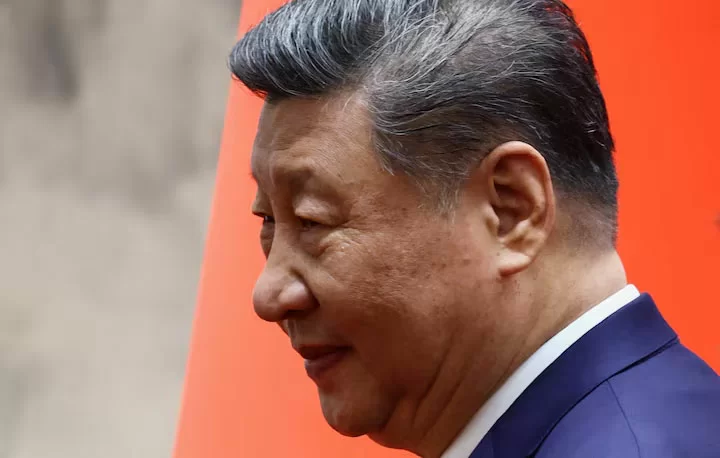
    In a significant diplomatic development, Chinese President Xi Jinping and Brazilian leader Luiz Inacio Lula da Silva held a comprehensive 45-minute phone conversation on Friday, solidifying their nations’ strategic alignment against perceived American hegemony in Latin America.

    The high-level discussion, confirmed by both governments, centered on strengthening bilateral cooperation and protecting what both leaders termed ‘the collective interests of the Global South.’ This dialogue occurred against the backdrop of escalating regional tensions following the United States’ controversial military operation in Venezuela, which resulted in the capture of President Nicolás Maduro on drug trafficking charges three weeks prior.

    President Xi emphatically reassured Brazil of China’s unwavering support for Latin America’s largest economy, positioning Beijing as a reliable partner in contrast to Washington’s interventionist policies. The Chinese leader emphasized the critical need to uphold the United Nations’ central role in maintaining international stability during what he described as ‘the current turbulent global situation.’

    This show of Sino-Brazilian solidarity comes precisely one week after President Lula published a scathing critique in the New York Times condemning American actions in Venezuela. The Brazilian leader highlighted that South America is experiencing its first direct military assault from the United States in over two centuries, despite historical patterns of indirect intervention.

    The Venezuelan operation has triggered widespread concern throughout Latin America, with many nations fearing it might establish a precedent for future military interventions. UN Secretary-General António Guterres has expressed alarm that the American action jeopardizes fundamental principles of international law, including the sovereign equality of member states.

    In a tangible demonstration of strengthened ties, Brazil announced reciprocal measures regarding visa exemptions for Chinese citizens. The Brazilian government revealed plans to waive short-term visa requirements for certain categories of Chinese travelers, mirroring China’s visa-free policy implemented for Brazilians last year.

    President Xi referenced the 2024 strategic partnership framework that aligns China’s Belt and Road Initiative with Brazil’s development priorities in agriculture, infrastructure, and energy transition. This coordination exemplifies what both leaders characterize as South-South cooperation—a model of collaboration between developing nations outside traditional Western-dominated frameworks.

    The conversation also addressed broader geopolitical concerns, including former President Trump’s threatened forcible acquisition of Greenland, which has created additional tensions with European security partners. Analysts observe that China’s growing influence in Latin America and the Caribbean, manifested through substantial infrastructure investments and credit lines, directly challenges Washington’s historical dominance in the region.

    President Xi concluded by affirming China’s commitment to being ‘a good friend and partner’ to Latin American and Caribbean nations, expressing Beijing’s ambition to construct ‘a community with a shared future’ between China and the region.

  • Melkproductie in vijf jaar tijd sterk gedaald

    Melkproductie in vijf jaar tijd sterk gedaald

    Suriname’s dairy industry is confronting an unprecedented crisis as official data reveals a catastrophic 95% decline in milk production compared to five years ago. Current figures show only 126 active dairy farmers remain, collectively producing just 3,000-4,000 liters daily—a dramatic collapse from the 1,200 farmers who previously generated 6-7 million liters annually.

    The alarming statistics emerged during emergency consultations between Agriculture Minister Mike Noersalim and representatives from both dairy farmers and the Milk Processing Center. Industry delegates presented a comprehensive list of structural challenges threatening the very survival of Suriname’s dairy sector.

    Edmond Blufpand, spokesperson for dairy farmers, highlighted the central issue of unsustainable pricing. The current government procurement rate of SRD 25 per liter has become economically unviable due to soaring costs of animal feed and fuel. Historical requests for price adjustments have gone unaddressed, with previous agreements made without substantive consultation.

    Additional critical concerns include:
    – Land redistribution projects encroaching on dairy farming territories
    – Unfulfilled commitments regarding production support including breeding cattle imports and artificial insemination programs
    – Outdated infrastructure featuring obsolete aluminum milk cans and delayed quality testing
    – Insufficient cold chain transportation and unclear logistics management
    – Critical shortage of refrigeration vehicles for proper milk preservation

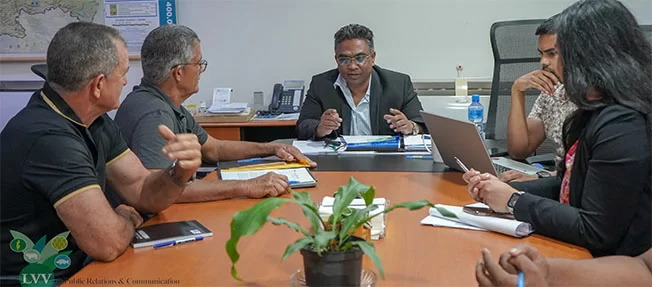
    Minister Noersalim acknowledged the severity of the situation, characterizing the agricultural sector as being in a “critical phase.” His proposed solution involves establishing a tripartite consultation and implementation body comprising LVV Ministry representatives, dairy farmers, and processing stakeholders.

    This collaborative entity will develop an action matrix with time-bound initiatives focused on sustainable development. Immediate steps include cataloging active operations and their production capacities, while exploring financing options through the NOFA fund.

    The Ministry is simultaneously revitalizing its fourteen core responsibilities, with particular emphasis on strengthening the Livestock Directorate. Minister Noersalim confirmed concrete agreements with other relevant ministries and outlined plans to reactivate previously dismantled systems.

    “We’re examining every avenue to boost production in the near future,” Noersalim stated. “Beyond imports, we’re revitalizing the Artificial Insemination division with new equipment and training programs. The State Farm is also being reinvigorated as part of this comprehensive approach.”

    Additional proposals under consideration include rapid testing equipment acquisition, replacement of outdated milk containers, establishment of collection centers, and potential breeding cattle imports from Brazil with ministry facilitation. The Milk Processing Center’s fundamental responsibility to purchase, process, and ensure distribution of raw milk was also emphasized during the talks.

  • Stakende BLTO vraagt ontslag onderwijsminister en directieleden

    Stakende BLTO vraagt ontslag onderwijsminister en directieleden

    In a dramatic escalation of ongoing labor disputes within Suriname’s education sector, the Union of Technical Education Teachers (BLTO) has formally petitioned President Jennifer Simons for the immediate dismissal of Education Minister Dirk Currie and two senior administrators. The union’s demands come amid a nationwide strike that has paralyzed technical education institutions across the country.

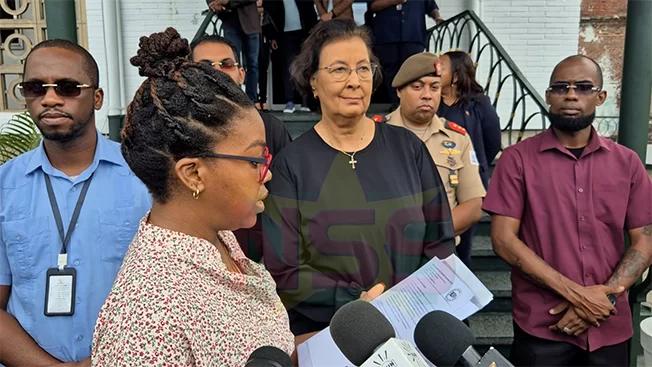
    During a tense meeting at the presidential palace on January 23, BLTO representatives presented their petition directly to President Simons, outlining five critical grievances that have prompted their fifth industrial action this year. The primary concerns include persistent delays in salary payments and overtime compensation dating back to November 2025, non-compliance with court orders mandating payroll system reforms, and detrimental policies that have allegedly dismantled the formerly functional vocational education system.

    Union spokespersons expressed profound frustration, stating, ‘We have been forced to strike. This marks our fifth action – we cannot continue under these conditions.’ Beyond personnel changes, the BLTO demands immediate establishment of an emergency intervention team and guarantees that all outstanding payments will be settled by January 31. Additional concerns highlight deteriorating infrastructure, with reports of inadequate safety measures, poor hygiene standards, and insufficient facilities at vocational schools.

    President Simons, while accepting the petition personally, declined to commit to the dismissal requests but pledged immediate action on other fronts. ‘I will begin addressing urgent matters today, including safety and hygiene concerns at schools,’ Simons stated, emphasizing collaboration with both Education and Finance ministries to resolve payment delays. However, she explicitly noted her inability to promise salary increases.

    The union has maintained its strike position despite presidential appeals to resume classes ‘in the students’ best interests.’ BLTO members expressed skepticism about government promises, with one representative noting, ‘It’s difficult to trust these assurances. Every administration says the same things, yet the problems persist.’ The union plans to determine its next steps during an emergency general assembly scheduled for later today or this weekend.

  • VS waarschuwt Haïtiaanse overgangsraad: ‘We zullen gepaste actie ondernemen’

    VS waarschuwt Haïtiaanse overgangsraad: ‘We zullen gepaste actie ondernemen’

    The United States has delivered a strongly-worded caution to Haiti’s Transitional Presidential Council, signaling potential intervention if the Caribbean nation’s security situation continues to deteriorate. This development occurs amidst mounting international pressure for the interim governing body to organize federal elections in the violence-plagued country.

    In a sharply articulated social media statement released Thursday, the U.S. Embassy in Port-au-Prince emphasized that America’s primary objective remains “establishing basic security and stability.” U.S. Deputy Secretary of State Christopher Landau explicitly warned that any attempts to alter the composition of the unelected Transitional Council during its final months in office (through February 7th) would be perceived as undermining this crucial goal. Landau further indicated that Washington would respond decisively to such changes, stating that those supporting disruptive measures benefiting armed gangs would face “appropriate measures” for acting against the interests of the United States, the region, and the Haitian people.

    This warning emerges against the backdrop of Haiti’s protracted struggle with widespread gang violence, political instability, and systemic corruption. The U.S. stance is being viewed cautiously throughout the region, particularly following recent military operations in Venezuela on January 3rd that resulted in the abduction of President Nicolás Maduro. The Trump administration has consistently asserted that the entire Western Hemisphere falls within its sphere of influence under the “Donroe Doctrine”—a contemporary interpretation of the historical Monroe Doctrine previously invoked to justify American military actions including the Maduro operation and territorial claims on Greenland.

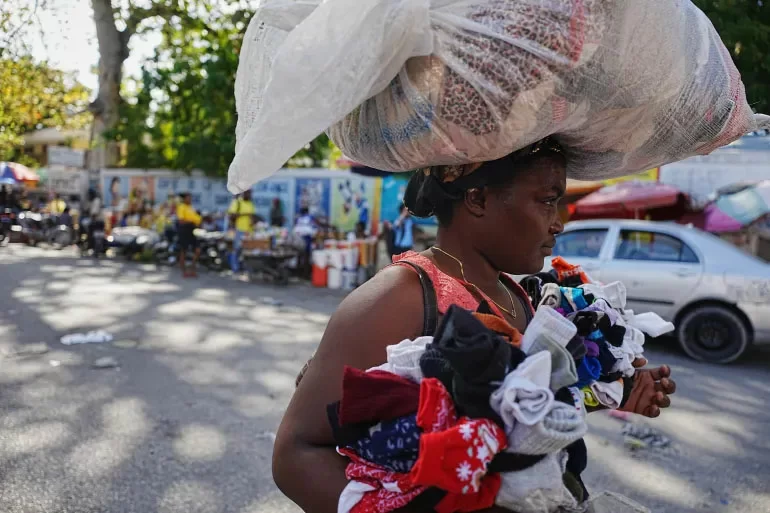
    Haiti’s current political crisis has deepened significantly since the 2021 assassination of President Jovenel Moïse. The absence of federal elections since that event has severely eroded governmental legitimacy, with the last elected leaders losing their mandates in 2023. This power vacuum has enabled criminal gangs to establish control over substantial territories, including approximately 90% of the capital city Port-au-Prince. The resulting violence has displaced over 1.4 million people and created severe food insecurity due to gang-controlled roadways. According to UN reports, approximately 8,100 people perished in the violence between January and November last year—a significant increase compared to 2024 figures.

    The Transitional Council, established in 2024 with nine members rotating leadership, was intended to lay groundwork for new elections. However, the body has faced criticism for its composition dominated by political and business elites, alongside allegations of corruption and internal strife. The United States exacerbated tensions by imposing visa restrictions on council economist Fritz Alphonse Jean in November. The planned phased elections, originally scheduled for last year, have been postponed until August while the Council’s February 7th mandate expiration creates additional uncertainty.

    UN Secretary-General António Guterres directly links Haiti’s humanitarian crisis to this political vacuum, citing escalating violence, food insecurity, and instability as the transition mandate concludes. Carlos Ruiz-Massieu, head of the UN Integrated Office in Haiti (BINUH), emphasizes the urgent need for transparent democratic processes and governmental unity, warning that gang violence threatens to disrupt electoral preparations. The UN is preparing to expand its multinational security mission later this year with additional troops to ensure free and secure elections can proceed.

    As Haiti’s fragile situation continues to deteriorate, the international community increasingly calls for stabilized governance and respect for democratic principles in the Western Hemisphere’s poorest nation.

  • SOVA waarschuwt voor overhaaste herstructurering Openbaar Ministerie

    SOVA waarschuwt voor overhaaste herstructurering Openbaar Ministerie

    The Suriname Bar Association (SOVA) has delivered a substantive critique of proposed judicial reforms during a national conference on modernizing the justice system. Legal experts argued that genuine modernization must transcend mere administrative restructuring and instead focus on strengthening legal certainty, transparency, integrity, and institutional resilience.

    The association presented a comparative analysis of two competing governance models: the existing single Attorney General system versus a proposed College of Attorneys General. SOVA emphasized that this choice fundamentally impacts core rule-of-law principles including accountability, operational efficiency, and democratic oversight rather than representing a simple organizational decision.

    SOVA’s analysis revealed that the current single Attorney General model offers distinct advantages in clear accountability structures, rapid decision-making capabilities, and direct crisis intervention. However, the association acknowledged vulnerabilities to personal dependency and political pressure when institutional safeguards remain underdeveloped.

    The collegial model, while potentially enhancing policy continuity and internal checks, presents significant risks for Suriname’s small legal jurisdiction. Collective decision-making could introduce bureaucratic delays, leadership ambiguity, and responsibility diffusion—critical concerns for a nation requiring swift, transparent judicial processes.

    The bar association cautioned against falsely equating modernization with structural overhaul, proposing instead comprehensive reforms within the existing framework. Key recommendations include establishing mandatory consultation protocols for high-stakes prosecution decisions involving state security, large-scale corruption, or political figures.

    SOVA advocated for publicly accessible prosecution guidelines to increase legal predictability and reduce risks of selective or politically influenced enforcement. The association stressed that transparency serves as the foundational element for public trust in judicial institutions.

    Additional proposals include implementing fixed statutory terms for the Attorney General, clearly defined dismissal grounds, and enhanced procedural protections during suspensions or removals. These measures aim to balance independence with institutional stability.

    The association called for clearer demarcation between the Prosecution Service and the Justice Ministry, recommending written documentation of policy directives, parliamentary oversight of interventions, and strengthened separation of powers to prevent informal influence.

    SOVA concluded that a properly empowered Attorney General—supported by robust legal safeguards, transparent policies, effective checks and balances, and visible accountability mechanisms—can deliver judicial security comparable to collegial governance systems. The central question remains how to create responsible, transparent, and resilient institutions rather than simply increasing the number of officeholders.

  • Hofpresident Rasoelbaks: modernisering rechterlijke macht al jaren in voorbereiding

    Hofpresident Rasoelbaks: modernisering rechterlijke macht al jaren in voorbereiding

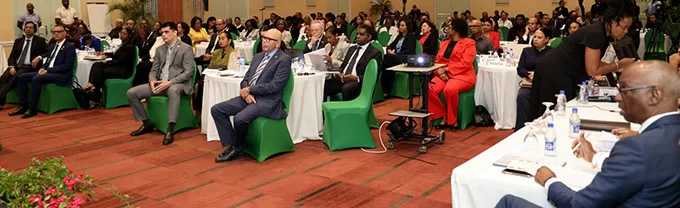
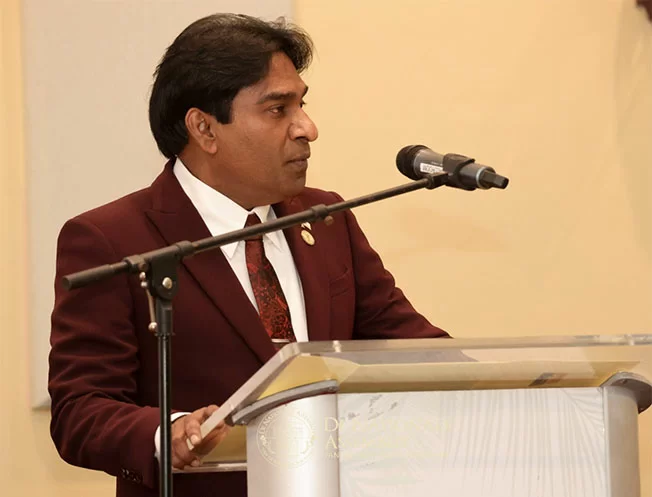
    Suriname’s judicial system stands at a historic crossroads requiring fundamental decisions that will shape legal proceedings for current and future generations, according to President of the Court of Justice Iwan Rasoelbaks. Speaking at the Judicial Modernization Congress on Thursday, Rasoelbaks emphasized that the nation’s court modernization represents not a sudden initiative but the culmination of years of systematic reforms, strategic investments, and institutional choices.

    The judicial leader revealed that the congress emerged from a shared recognition between legislative and judicial branches that structural dialogue has become imperative. While recent legislative initiatives concerning the judiciary provided the immediate catalyst, Rasoelbaks noted that reform necessity has existed for decades. “We essentially should have held this conversation around 1975,” he observed, referencing the prolonged period during which fundamental questions about the organization of the rule of law remained unaddressed.

    A significant obstacle identified by the Court President is the outdated organizational law for the judiciary, which originated in 1869 and underwent only limited revision in 1936. This antiquated legislation, according to Rasoelbaks, severely restricts operational agility, expansion capabilities, and modern administration within both judicial organizations and the Public Prosecutor’s Office. Despite these constraints, judges have consistently endeavored to deliver justice within this restrictive framework.

    Rasoelbaks recalled the 2003 sit-down action by sitting magistrates, when judges suspended work for ten days to highlight the dire situation. This protest marked the beginning of a developmental trajectory that has since been implemented incrementally. Capacity building emerged as a critical focus area, with several judicial training programs established through collaboration with the Netherlands Council for the Judiciary.

    Since 2003, five specialized RAIO training programs have produced 31 new judges. Rasoelbaks stressed that judge education constitutes an intensive and prolonged process with suitable candidates remaining scarce. “You cannot simply hand a lawyer a gavel and expect them to be a judge,” he remarked.

    Beyond educational initiatives, additional measures have advanced judicial reform. In 2018, experienced legal practitioners from court practice underwent accelerated judicial training, resulting in eight appointments. Available capacity has enabled judicial decentralization to districts including Brokopondo and Marowijne, alongside existing courts in Paramaribo and Nickerie. Small claims courts have also been established to make justice more accessible to citizens.

    Rasoelbaks simultaneously issued a sobering warning about future challenges. Within ten years, half of current judges will reach retirement age, with only a small core remaining within fifteen years. Continuation and expansion of training programs are therefore inevitable. “Without capacity and without resources, nothing is possible,” he emphasized.

    Institutional advancements have likewise progressed. A code of conduct and complaints procedure for judges has been established, and the 2019 amendment of the Government Accounting Act redesignated the Court of Justice as an independent administrative body with its own budget. Since 2022, the court has operated with independent financial resources separate from the Ministry of Justice and Police. Legislation to further consolidate this position currently awaits parliamentary consideration.

    The Court President also addressed discussions concerning establishing a third judicial instance, noting two primary options: joining the Caribbean Court of Justice or creating Suriname’s own supreme court. Regardless of the chosen path, Rasoelbaks indicated this would require careful and prolonged development, with existing first and second instance courts requiring further strengthening first.

    He expressed confidence that the congress would significantly contribute to informed decision-making by competent authorities. “This is not an endpoint, but the beginning of a subsequent trajectory,” concluded Rasoelbaks, urging participants to continue dialogue in service of building a robust, modern, and future-proof legal system for Suriname.

  • Pg Paragsingh: Modernisering rechterlijke macht onvermijdelijk

    Pg Paragsingh: Modernisering rechterlijke macht onvermijdelijk

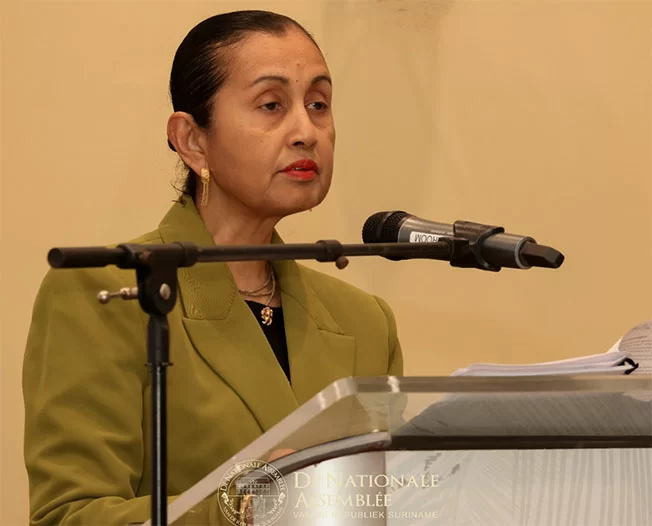
    Suriname’s Prosecutor General Garcia Paragsingh has issued a compelling call for comprehensive judicial modernization, declaring it an “inevitable necessity” rather than a choice to future-proof the nation’s rule of law. The urgent appeal came during her opening address at the Judicial Modernization Congress held on Thursday.

    Paragsingh emphasized that evolving societal dynamics, increasingly sophisticated criminal activities, and rising public expectations demand thoughtful and systematic reforms. She characterized the judiciary as a fundamental pillar of constitutional democracy that requires regular critical assessment—not to dismantle functioning systems but to strengthen areas needing improvement.

    Globally, judiciaries face parallel challenges including complex criminality, rapid technological advancement, capacity constraints, and heightened societal demands for transparency, efficiency, and independence. The Prosecutor General stressed that modernization must align with national legal traditions while addressing these contemporary pressures.

    A central congress theme involves the potential establishment of a third judicial instance—a significant structural change requiring meticulous consideration due to implications for legal development, jurisprudence consistency, and citizen protection. Paragsingh highlighted that such reforms must balance efficiency, accessibility, and processing times while maintaining public trust.

    Closely tied to this discussion is the positioning and operation of prosecution services within a third instance framework. Paragsingh advocated for an independent, expert prosecution unit with clear mandates, emphasizing its vital role in maintaining judicial quality and consistency through professional collaboration with the judiciary.

    The address also covered modernization needs within the Public Prosecutor’s Office, which operates at the intersection of investigation, prosecution, and adjudication. Paragsingh underscored the necessity for ongoing investment in quality, expertise, and national-international cooperation, recognizing the institution’s unique constitutional responsibility.

    Concluding her remarks, the Prosecutor General framed the congress as action-oriented rather than academic, aimed at formulating concrete, realistic steps forward. By synthesizing national and international experiences, Suriname can make informed choices for its judicial future, working toward a shared vision of a modern, effective, and authoritative judiciary.

  • Column: Een mening is geen vrijbrief

    Column: Een mening is geen vrijbrief

    In an era where the boundaries between fact and opinion increasingly blur, media organizations face growing pressure to publish content that may not meet journalistic standards. Wilfred Leeuwin’s analysis presents a crucial examination of how editorial discretion fundamentally differs from censorship—a distinction vital for maintaining integrity in public discourse.

    Media outlets serve as curators rather than bulletin boards, employing professional judgment to evaluate both news and opinion pieces. This process involves rigorous fact-checking, contextual analysis, and ethical considerations before publication. The rejection of content that fails these standards represents not suppression of free speech but adherence to professional journalism principles.

    The core issue emerges when individuals conflate editorial decisions with censorship. A hypothetical example illustrates this distinction: someone claiming ‘teachers never do their work’ at a school may express legitimate frustration, but the factual inaccuracy of ‘never’ makes the statement unreliable. While the opinion that ‘improvement is needed’ remains valid, the presentation of falsehoods as facts crosses into unacceptable territory.

    True censorship involves state intervention or powerful entities suppressing speech through intimidation, revoked licenses, or publication bans. This represents a genuine threat to democratic discourse by controlling and limiting public debate. In contrast, editorial rejection based on factual inaccuracies protects the quality of public conversation.

    A more subtle threat emerges through self-censorship—when journalists avoid sensitive topics due to fear of political pressure, advertiser reactions, lawsuits, or online backlash. This dangerous trend prioritizes safety over truth, contrary to journalistic codes like the Code of Bordeaux which warns against fear-driven decisions rather than careful editorial judgment.

    Freedom of expression remains a fundamental right, but it carries responsibilities. Journalism operates as a profession with established rules, norms, and ethical boundaries designed to maintain honest and reliable public discourse. The refusal to publish factually questionable content demonstrates editorial backbone, not suppression.

    Rejected opinion pieces can always find alternative platforms, preserving freedom of speech while maintaining quality standards. The essential distinction lies between suppressing voices and preventing the dissemination of carelessly constructed arguments built on emotion rather than evidence.

    Ultimately, media organizations must balance the protection of free expression with their duty to provide accurate, responsible journalism. This requires courage to uphold standards even when facing accusations of censorship, ensuring that public discourse remains founded on verifiable facts rather than unfounded assertions.