标签: Suriname

苏里南

  • 42 militairen bevorderd; uitvoering defensiebeleid

    42 militairen bevorderd; uitvoering defensiebeleid

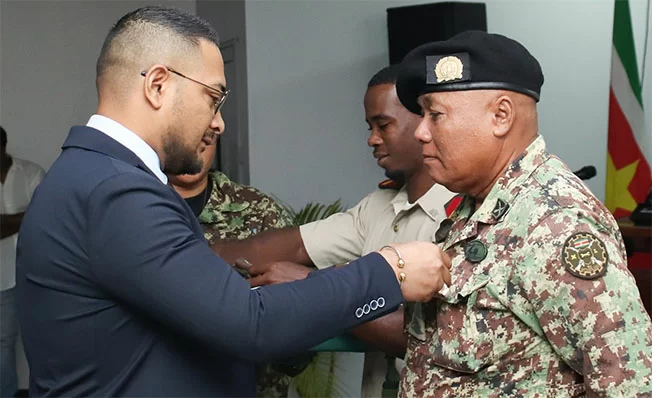
    In a significant move to strengthen national security infrastructure, Suriname’s Defense Ministry has elevated 42 military personnel to higher ranks during a formal ceremony presided over by Defense Minister Uraiqit Ramsaran. The February 2nd promotions represent a concrete implementation of the country’s 2026 defense policy focused on organizational reinforcement from within.

    Minister Ramsaran emphasized that these advancements serve dual purposes: recognizing individual dedication and discipline while demonstrating tangible execution of announced policy initiatives. The minister specifically highlighted the improvement of military legal status as a cornerstone of the ongoing modernization efforts, with additional promotions scheduled throughout the coming months.

    Army Commander Werner Kioe A Sen reinforced the gravity of these advancements, stating that rank elevation signifies increased responsibility rather than mere privilege. Many promoted personnel have served under challenging operational conditions, including deployments in remote interior regions and along national borders.

    Military leadership articulated that motivated and valued personnel form the foundation of a professional, reliable, and resilient defense force—essential components for maintaining Suriname’s national security and stability. The promotions align with broader strategic goals to enhance operational capacity through investment in human capital and institutional strengthening.

  • Heftig interruptie debat hervorming OM: ‘Er is geen vertrouwen in de pg’

    Heftig interruptie debat hervorming OM: ‘Er is geen vertrouwen in de pg’

    A contentious parliamentary session in Suriname’s National Assembly has exposed deep divisions over proposed constitutional reforms affecting the judicial system and Office of the Attorney General. The debate, which unfolded during Friday’s session, revealed fundamental disagreements between governing and opposition parties regarding the future of Suriname’s legal framework.

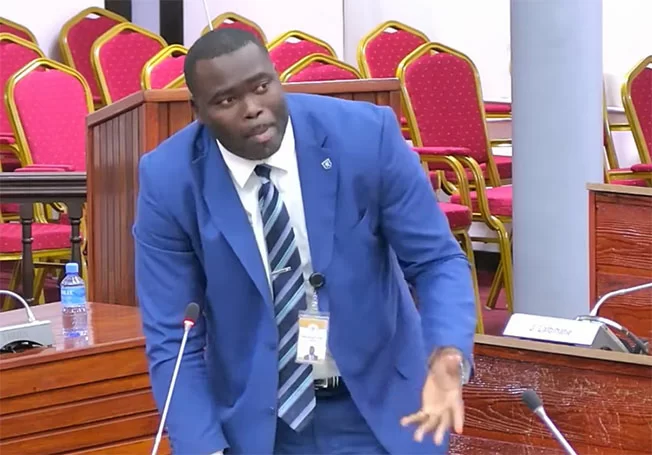
    NDP Assembly Member Michael Marengo delivered the most striking criticism, declaring that Surinamese society has lost confidence in the current Attorney General and warning that the nation faces a profound “crisis of trust” in its judicial institutions. This blunt assessment set the tone for a heated exchange that crossed party lines.

    The core disagreement centers on two competing visions: the governing NDP faction advocates for establishing a domestic third judicial instance, while the opposition VHP party supports joining the Caribbean Court of Justice (CCJ). NDP Member Ann Sadi expressed concerns that CCJ membership would primarily benefit wealthy Surinamese citizens due to high costs and accessibility barriers, creating a two-tier justice system.

    VHP representative Krishna Mathoera pressed for concrete details about the proposed College of Attorneys General, questioning how many members it would contain, what safeguards would prevent political influence, and how the organization would function practically. Meanwhile, NDP members Jennifer Vreedzaam and Tashana Lösche argued that systemic reform is necessary to strengthen institutions rather than target individuals, suggesting that a distributed responsibility model could reduce vulnerability to pressure and selective enforcement.

    The most vehement opposition came from VHP Assembly Member Mahinder Jogi, who characterized the proposed college as a form of “political interference” that would increase pressure on the Office of the Attorney General. Jogi asserted the concept was unsuitable for Suriname’s context and would ultimately prove unworkable.

    In response to the emotional debate, initiator Raymond Sapoen (NDP) emphasized that constitutional amendments require pragmatic rather than emotional approaches. He clarified that the reform seeks to modernize an outdated system centered on a single Attorney General—a model he described as “no longer of this time”—while explicitly denying any personal targeting of current officeholders. Sapoen indicated that specific operational details would be established through subsequent legislation, with the current focus being on creating constitutional flexibility for future restructuring.

  • Mexicaanse president Sheinbaum belooft humanitaire hulp naar Cuba te sturen

    Mexicaanse president Sheinbaum belooft humanitaire hulp naar Cuba te sturen

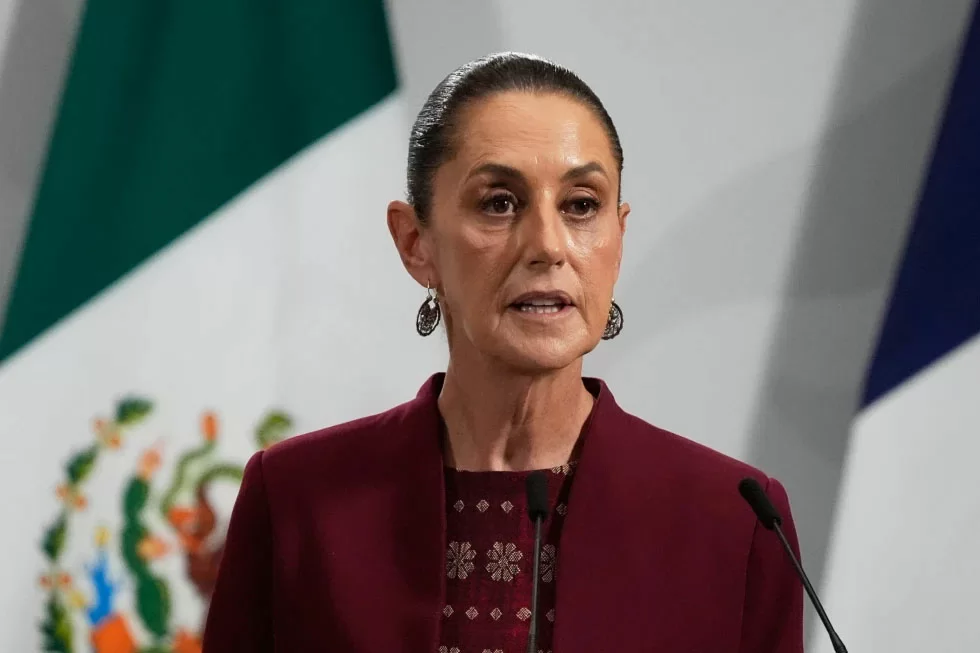
    Mexican President Claudia Sheinbaum has declared her administration’s intention to dispatch humanitarian assistance to Cuba this week, including essential food supplies and other critical aid materials. This announcement came shortly after former U.S. President Donald Trump claimed to have instructed the Mexican leader to suspend oil deliveries to the Caribbean nation.

    Speaking at a public engagement in the northern state of Sonora on Sunday, President Sheinbaum clarified that her Thursday telephone conversation with Trump did not involve discussions regarding Cuban affairs. She emphasized her government’s commitment to resolving “all matters pertaining to oil shipments to Cuba through diplomatic channels for humanitarian considerations.”

    This diplomatic stance emerges against the backdrop of shifting energy dynamics in the region. Following the U.S. military operation in early January aimed at ousting Venezuelan President Nicolás Maduro, the South American nation suspended its declining oil exports to Cuba. This development subsequently elevated Mexico to Havana’s primary supplier of both crude oil and refined petroleum products.

    Mexican oil has long served as a crucial economic lifeline for Cuba. According to the most recent Pemex report, Mexico shipped approximately 20,000 barrels per day to Cuba from January through September 30, 2025. However, satellite tracking data analyzed by University of Texas Energy Institute expert Jorge Piñon indicates that following U.S. Secretary of State Marco Rubio’s September visit to Mexico City, these shipments decreased to roughly 7,000 barrels daily.

  • Column: Onze gezondheid begint bij onszelf: de strijd tegen chikungunya

    Column: Onze gezondheid begint bij onszelf: de strijd tegen chikungunya

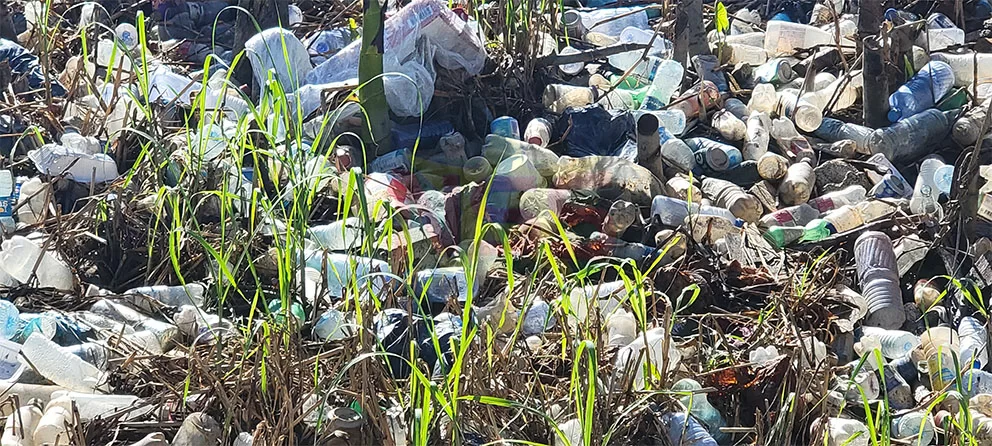
    Suriname faces a mounting public health crisis as chikungunya virus resurges after more than a decade, exposing critical failures in environmental management and community responsibility. The Aedes aegypti mosquito—known vector for multiple diseases—is thriving in urban areas due to widespread accumulation of discarded containers and stagnant water sources.

    Health authorities have launched emergency response measures, including targeted waste collection in neighborhoods reporting the highest infection rates. This intervention comes as citizens experience characteristic symptoms including high fever and severe joint pain, creating significant healthcare pressures.

    Historical context reveals a concerning regression: previously effective environmental inspection systems that methodically documented household compliance with sanitation standards have gradually eroded. While the environmental service department remains operational, its enforcement capabilities have diminished over time despite the growing threat.

    The current outbreak underscores a painful reality that environmental cleanliness constitutes the first line of defense against vector-borne diseases. Each improperly discarded plastic bottle and abandoned container serves as potential breeding ground for mosquitoes, which require minimal water for reproduction.

    Public health experts emphasize that government action alone cannot resolve the crisis. Community participation is essential—from reporting illegal dumping to maintaining clean residential surroundings. The article calls for renewed social accountability, urging citizens to confront neighbors whose negligent practices endanger collective wellbeing.

    This health emergency demonstrates the inseparable connection between environmental stewardship and disease prevention. Sustainable solutions require cultural shift toward recognizing that public health begins with individual responsibility for maintaining clean streets, yards, and communities.

  • ‘Iedereen hier is corrupt’: Wat voedt het separatistische geweld in Balochistan?

    ‘Iedereen hier is corrupt’: Wat voedt het separatistische geweld in Balochistan?

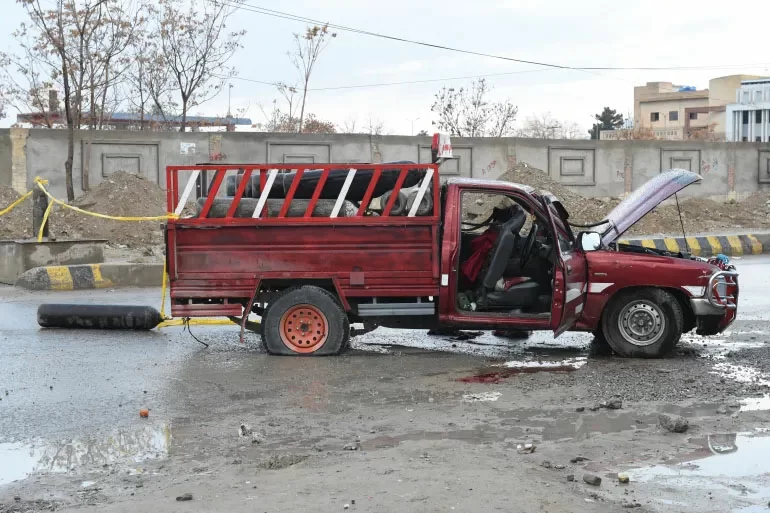
    A devastating escalation of violence in Pakistan’s Balochistan province has left nearly 200 dead, including 31 civilians, 17 security personnel, and 145 militants from the banned Balochistan Liberation Army (BLA). The coordinated attacks across more than a dozen locations in the mountainous Sulaiman and Kirthar ranges represent one of the most brutal separatist offensives in decades of conflict.

    The Pakistani military described the 40-hour firefight as a ‘desperate’ wave of attacks, though officials dismissed BLA claims of killing 84 security force members. Information Minister Attaullah Tarar characterized the assaults as ‘the last convulsions of a cornered enemy,’ maintaining the official narrative of unwavering control.

    Behind government assurances lies a more complex reality. The conflict stems from long-ignored grievances including political marginalization, economic injustice, and widespread corruption. Despite Balochistan’s immense mineral wealth, residents remain among Pakistan’s poorest, with development projects like the $46 billion China-Pakistan Economic Corridor (CPEC) largely benefiting central authorities rather than local communities.

    Islamabad’s standard response attributes separatist violence to ‘foreign interference’—primarily from historical rival India. This framing positions the military as defender of territorial integrity rather than participant in an internal conflict. The case of Kulbhushan Jadhav, an Indian citizen sentenced to death for espionage in 2016, serves as Islamabad’s prime evidence of external meddling.

    Yet ground realities tell a different story. Security sources acknowledge that while armies can neutralize militants, they cannot neutralize grievances. The rebellion draws oxygen from persistent complaints about resource exploitation, inadequate public services, and security operations that often place civilian families in the crossfire.

    Balochistan’s strategic significance extends beyond Pakistan’s borders. The province—larger than Germany—plays a crucial role in regional power dynamics involving Chinese economic ambitions, Iranian sectarian politics, U.S. containment strategies, and Indian counter-balancing efforts. Its porous borders with Afghanistan and Iran provide militants with strategic depth.

    The human cost of the conflict is etched into the region’s collective memory, from the 2013 Hazara attack that left wounded scattered indiscriminately, to the 2016 Quetta police academy massacre where cadets questioned why they were left unarmed. These incidents represent both security failures and a crumbling social contract.

    True stability in Balochistan will require moving beyond body counts and kinetic responses. It demands recognizing that separatism springs from genuine discontent, that development must mean inclusion rather than exploitation, and that political dialogue is not reconciliation but necessity. Whether recent violence represents a turning point toward sustainable peace or merely an intermission before the next storm depends on who gets to write the next chapter.
  • Paus Leo dringt aan op oprechte dialoog tussen VS en Cuba

    Paus Leo dringt aan op oprechte dialoog tussen VS en Cuba

    Pope Leo XIV has expressed profound concern regarding the deteriorating relations between the United States and Cuba, calling for genuine diplomatic engagement to prevent further humanitarian consequences. The pontiff’s remarks came during his weekly Angelus prayer at St. Peter’s Square, where he endorsed the Cuban bishops’ appeal for constructive dialogue between the nations.

    The Vatican’s intervention follows President Donald Trump’s recent announcement of impending import tariffs on countries supplying oil to Cuba. This economic measure represents Washington’s latest effort to intensify pressure on the Cuban regime, particularly following the January ousting of Venezuelan President Nicolás Maduro, Cuba’s principal regional ally.

    President Trump justified the tariff threat as essential to “protect U.S. national security and foreign policy interests against the malicious actions and policies of the Cuban regime.” The president previously predicted Cuba’s imminent collapse, noting that Venezuela—historically the island’s primary oil supplier—had ceased both petroleum exports and financial support to Havana.

    Cuban Foreign Minister Bruno Rodríguez characterized the U.S. measures as constituting an “international emergency,” describing them as an “unusual and extraordinary threat” to Cuba’s stability. Meanwhile, aboard Air Force One en route to Florida, President Trump reiterated his call for negotiations with Cuba, asserting that “it doesn’t have to be a humanitarian crisis.”

    The geopolitical tension marks a significant reversal from the brief period of détente experienced during the Obama administration, returning to the historically strained relations that have characterized most of the six-decade-long standoff between the two nations.

  • Fransen met zoekactie bezig na bootongeluk Marowijnerivier

    Fransen met zoekactie bezig na bootongeluk Marowijnerivier

    A large-scale search and rescue operation continues along the Marowijne River near Grand-Santi following Sunday’s tragic boat capsizing that left four educators missing. The incident occurred when the vessel experienced engine failure and began taking on water before ultimately sinking.

    According to Mayor Félix Dada, the mechanical failure caused gradual flooding of the craft, leading to its submersion. Seven individuals, including the captain, were aboard at the time of the accident. These survivors were successfully rescued and have received medical treatment at Grand-Santi’s health and prevention center.

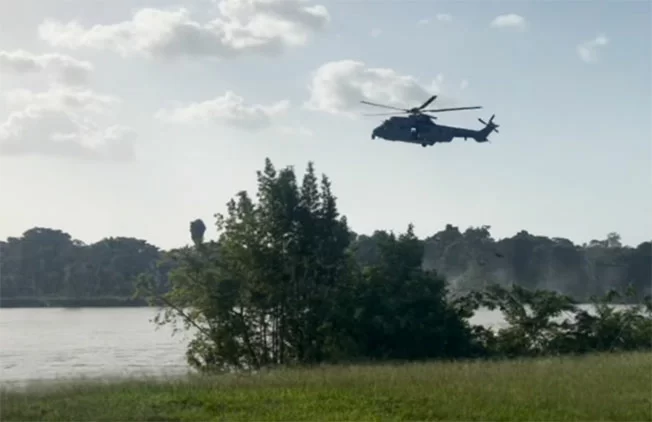
    The search efforts, involving approximately forty personnel from multiple emergency services, were temporarily suspended at nightfall Saturday but resumed at first light Sunday. The operation employs both helicopter surveillance and watercraft in a comprehensive effort to locate the missing teachers.

    The French Guiana prefecture has deployed specialized divers from the gendarmerie, fire department, and French armed forces. Regional military command has been notified of the developing situation, though specific details remain limited.

    Psychological support services have been provided to family members and other directly affected individuals since Saturday evening as the search continues without resolution.

  • Costa Ricanen naar de stembus

    Costa Ricanen naar de stembus

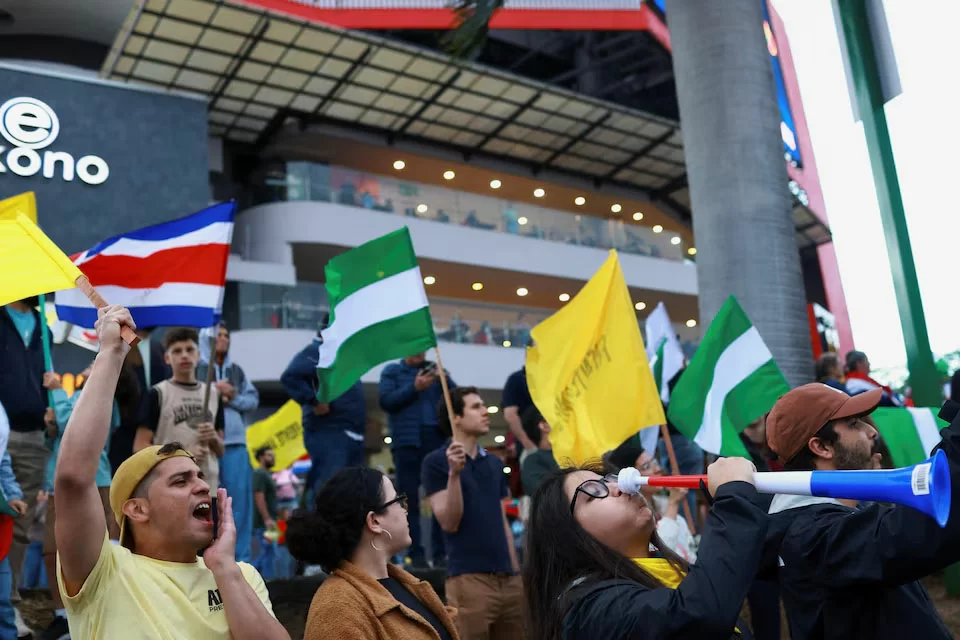
    Costa Ricans headed to the polls on Sunday for a pivotal general election that could determine the nation’s approach to escalating drug-related violence that has shattered its reputation as a peaceful tourist haven. Pre-election surveys positioned Laura Fernández of the Sovereign People’s Party (PPSO) as the clear frontrunner with just over 40% support, potentially securing an outright victory and avoiding an April 5 runoff.

    Fernández, protégé and former chief of staff to incumbent President Rodrigo Cháves, has campaigned on continuing her mentor’s hardline security policies and anti-establishment messaging. Her closest competitors in the 20-candidate field include centrist economist Alvaro Ramos, representing Costa Rica’s oldest political party, and progressive coalition candidate Claudia Dobles, a former first lady whose husband presided from 2018-2022. Both trail significantly in polls but remain potential contenders for a second round should Fernández fall short of the 40% threshold.

    The election occurs against a backdrop of record homicide rates and multiple corruption investigations that have tested public confidence. Despite these challenges, President Cháves maintains a 58% approval rating according to University of Costa Rica’s CIEP polls.

    Fernández has additionally requested voters grant her party 40 seats in the 57-seat legislative assembly, which would provide the supermajority needed to implement constitutional reforms. The current administration holds only eight seats and attributes legislative gridlock to this minority status.

    Approximately one-quarter of the 3.7 million eligible voters remain undecided, with the largest undecided bloc comprising young adults (18-34) from coastal provinces Guanacaste, Puntarenas, and Limón—regions hardest hit by drug violence.

    Polls opened at 6:00 AM local time and closed at 6:00 PM, with initial results expected before midnight. Although consecutive reelection is prohibited in Costa Rica, Fernández has pledged to include Cháves in her administration, positioning her candidacy as continuity of his populist mandate.

  • Maersk neemt tijdelijk beheer Panama-kanaalhavens over na rechterlijke uitspraak

    Maersk neemt tijdelijk beheer Panama-kanaalhavens over na rechterlijke uitspraak

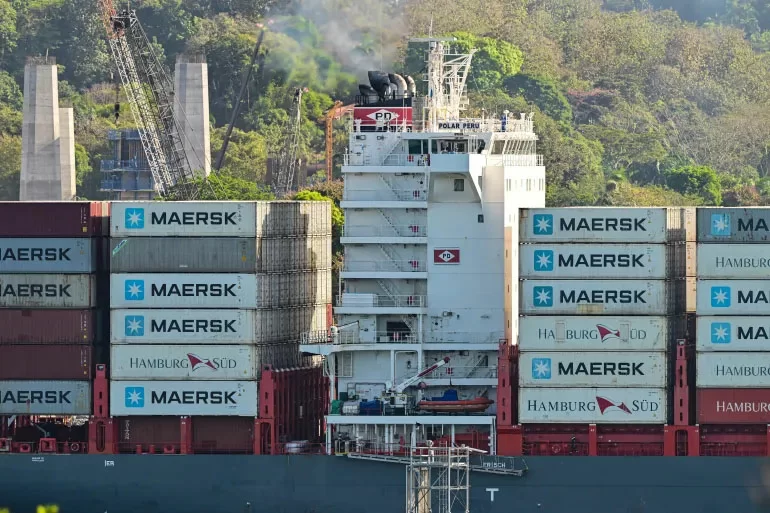
    In a significant geopolitical shift for global maritime trade, Danish shipping giant Maersk has assumed temporary control of two strategic Panama Canal ports after Panama’s Supreme Court invalidated concession contracts held by Hong Kong-based CK Hutchison. The ruling follows repeated warnings from former U.S. President Donald Trump regarding Chinese influence over the critical waterway.

    The Panama Maritime Authority (AMP) announced Friday that Maersk’s subsidiary APM Terminals will administer the Balboa and Cristobal ports, which occupy crucial positions at both Atlantic and Pacific entrances to the canal. These facilities handle substantial portions of global container traffic passing through the interoceanic corridor.

    CK Hutchison, operating through its local subsidiary Panama Ports Company (PPC), had managed these terminals since 1997 under a concession extended in 2021 for an additional 25 years. The court determined the contract exhibited “disproportionate bias” favoring the Hong Kong conglomerate, prompting its termination.

    The 82-kilometer artificial waterway processes approximately 40% of U.S. container traffic and 5% of global trade. Panama assumed full control in 1999 after the United States, which financed and constructed the canal between 1904-1914, transferred administration.

    The United States government welcomed the judicial decision, while Chinese Foreign Ministry spokesperson Guo Jiakun warned Beijing would “take all necessary measures to protect the legitimate rights and interests of Chinese companies.” PPC condemned the ruling as “lacking legal basis” and expressed concerns about potential impacts on thousands of Panamanian families’ livelihoods.

    Despite allegations, Panama continues to deny that China exercises control over the canal, which remains predominantly utilized by vessels from the United States and China.

  • Onderwijsbonden slaan alarm: leerkrachten kunnen niet langer rondkomen

    Onderwijsbonden slaan alarm: leerkrachten kunnen niet langer rondkomen

    Suriname’s education sector has reached a critical breaking point as teacher unions issue urgent warnings about unsustainable working conditions and severe compensation challenges. Three major educational organizations—the Federation of Organizations of Teachers in Suriname (FOLS), the Teachers’ Union (BvL), and the Alliance for Teachers in Suriname (ALS)—have collectively declared that educators can no longer sustain themselves on their current wages amid the country’s deteriorating economic climate.

    The alarming situation has resulted in widespread demotivation among teaching professionals, triggering a significant brain drain that has created critical shortages of qualified instructors across all educational levels. Basic, secondary, and vocational schools throughout the nation are experiencing severe staffing deficits that threaten the quality of education delivery.

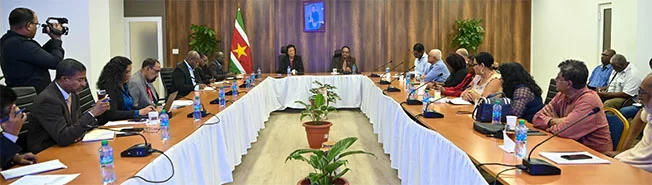
    In response to this escalating crisis, union representatives convened emergency talks on Friday with President Jennifer Simons at Ravaksur Plus. The high-level dialogue included the Ministers of Interior Affairs and Finance, along with a specially appointed committee of experts tasked with addressing the emergency.

    Following proposals from the Interior Minister, Ravaksur Plus will establish a dedicated working group incorporating representatives from FOLS, BvL, and ALS. This collaborative body will work alongside the presidential committee to comprehensively address all education-related challenges, including compensation structures and working conditions.

    The working group’s primary objective is to implement immediate relief measures to improve educators’ living and working circumstances while simultaneously restoring the teaching profession’s attractiveness. Several concrete agreements emerged from the urgent discussions:

    • All overtime payments for vocational teachers must be processed by Wednesday, February 4, 2026
    • Retired educators reactivated to address staffing shortages will receive outstanding payments by end-February 2026
    • All pending salary arrears for teaching staff will be settled promptly
    • Teacher unions must submit their complete package of demands by February 4, 2026

    Recognizing education’s fundamental role in developing critically-minded citizens, the unions expect the government to demonstrate urgent commitment to implementing comprehensive solutions that will restore stability to the education sector.

    The joint declaration received official endorsement from FOLS and its member organizations (SOB, KOB, COB, BLTO, IOB), alongside the Teachers’ Union (BvL) and the Alliance for Teachers in Suriname (ALS).