标签: Suriname

苏里南

  • Essentiële bijdrage vrouwen in landbouw blijft onderbelicht

    Essentiële bijdrage vrouwen in landbouw blijft onderbelicht

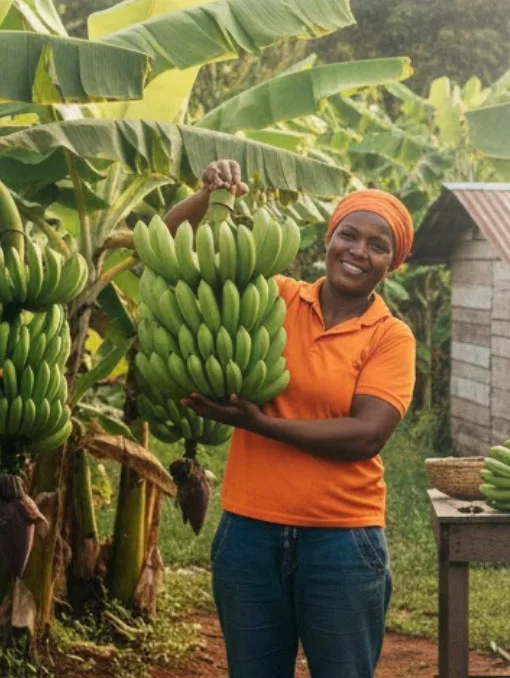
    In Suriname’s agricultural sector, women have historically formed the backbone of food production and rural economies while receiving minimal recognition for their substantial contributions. Despite their pervasive involvement across the entire agricultural value chain—from crop cultivation and livestock rearing to aquaculture, food processing, and entrepreneurial ventures—female farmers continue to face systemic marginalization in public discourse and policy-making arenas.

    These women significantly enhance national food security, bolster rural livelihoods, and strengthen economic resilience through their diverse roles. Particularly in rural communities, female-led agricultural activities are intrinsically linked to household income stability and overall community welfare. Beyond economic contributions, women also bear critical responsibilities in household nutrition and family well-being.

    However, structural barriers persistently hinder women’s full participation and productivity. Challenges including limited access to land ownership, financial resources, modern technologies, specialized training, and market opportunities constrain their potential and impede sector-wide innovation. Addressing these obstacles is not merely a gender equality issue but a strategic imperative for sustainable development and long-term food security.

    In a transformative step toward recognition and empowerment, Suriname will host the Women in Agriculture Fair on International Women’s Day, March 8th. This landmark event—organized by the Ministry of Agriculture, Livestock, and Fisheries with support from the Inter-American Institute for Cooperation on Agriculture and funding from the Inter-American Development Bank—will provide a platform for female farmers, processors, entrepreneurs, and researchers to showcase their products, services, and innovations.

    The fair will facilitate crucial connections between women producers and consumers, potential partners, and policy makers, thereby enhancing visibility and creating new opportunities. By celebrating women’s achievements and fostering collaborative networks, Suriname aims to strengthen its agricultural sector while building a more inclusive and resilient future for generations to come.
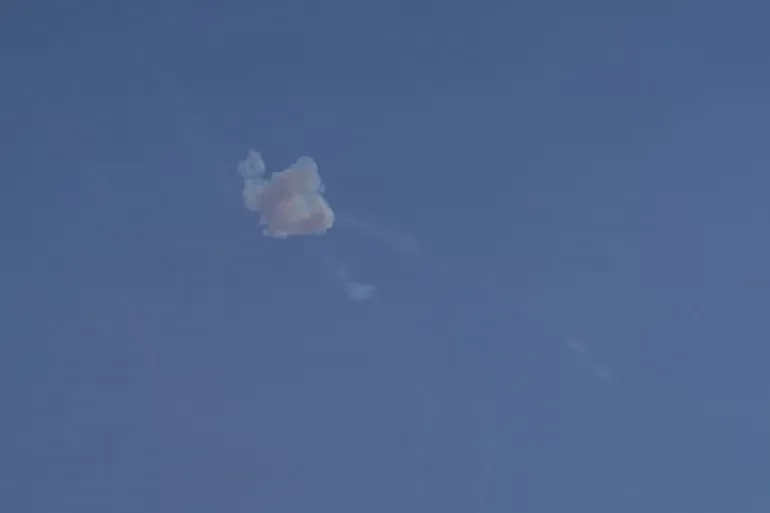

  • Iran vuurt raketten af op Golfstaten: dode in Abu Dhabi, internationale reacties op escalatie

    Iran vuurt raketten af op Golfstaten: dode in Abu Dhabi, internationale reacties op escalatie

    The Middle East witnessed a significant escalation in regional tensions on Saturday as Iran launched coordinated rocket attacks against multiple Gulf states in retaliation for previous American and Israeli airstrikes. The offensive marks a dangerous expansion of conflict into a region traditionally known for its relative stability and security.

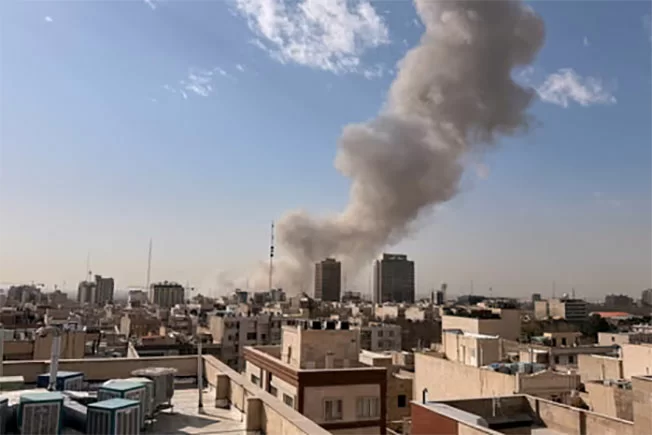
    Abu Dhabi confirmed at least one fatality from the attacks, with officials reporting powerful explosions and thick plumes of smoke across multiple neighborhoods. Bahrain announced that a service center belonging to the US Fifth Fleet had been directly hit, while eyewitnesses described scenes of gray smoke rising amid blaring sirens.

    Several nations successfully intercepted incoming rockets before they reached their territories. Kuwait, Qatar, and Jordan activated defense systems to neutralize threats, while residents in Doha reported multiple explosions throughout the capital. Initially, many citizens continued daily activities until official warnings urged sheltering indoors, resulting in dramatically reduced street presence and traffic flow.

    International aviation authorities responded by closing airspace across the Middle East, with flight tracking data revealing virtually empty skies above Iran and surrounding nations.

    The international community expressed grave concerns through multiple channels. The European Union described the situation as “deeply worrying” and called for maximum restraint from all parties, emphasizing civilian protection and adherence to international law. European Commission President Ursula von der Leyen and European Council President António Costa jointly stressed the critical importance of calm and diplomatic engagement.

    The International Red Cross Committee warned of a “dangerous chain reaction” of military violence potentially devastating civilian populations. President Mirjana Spoljaric urged nations to respect rules of engagement and demonstrate political will to prevent further casualties and destruction.

    Oman, serving as primary mediator in US-Iran negotiations, expressed concern about the violence, with Foreign Minister Badr Albusaidi warning that escalation serves neither US interests nor global peace, urging Washington to avoid deeper entanglement.

    France announced plans to convene an emergency UN Security Council meeting, with President Emmanuel Macron labeling the escalation dangerous and calling on Iran to negotiate “in good faith” regarding nuclear and ballistic missile programs to prevent regional destabilization.

    Qatar condemned the attacks on its territory—where the US Al Udeid Air Base is located—as a flagrant violation of sovereignty and direct threat to national security, reserving its right to respond under international law.

    The UAE denounced the attacks in “the strongest terms,” characterizing them as “dangerous escalation” and “cowardly acts” threatening civilian safety. Bahrain similarly described the Fifth Fleet attack as “treacherous,” while Kuwait warned that further escalation would deepen regional instability.

    Saudi Arabia issued its strongest condemnation of the attacks and warned of serious consequences. Pakistan joined in condemning the violence while calling for immediate de-escalation through resumed diplomatic negotiations.

    Russia accused the US of masking military actions behind nuclear talks and urged the international community to objectively assess “irresponsible actions” further destabilizing the region.

    Ukraine held Iran responsible for the escalation, referencing Tehran’s harsh crackdown on protests earlier this year. Norway stated that Israel’s preventive attack violated international law without demonstrating immediate threat requirements.

    Belgium lamented that diplomatic efforts failed to achieve earlier resolution, emphasizing that the Iranian people should not bear the cost of their government’s policies.

  • Burn-out bij de politie is groeiend probleem

    Burn-out bij de politie is groeiend probleem

    A groundbreaking study conducted at Suriname’s De Nieuwe Grond police station has exposed a critical burnout epidemic among law enforcement officers, revealing systemic causes that threaten both officer welfare and national security effectiveness. The research, spearheaded by serving police officer and Academy for Higher Art and Cultural Education graduate Dharmveer Balai, identifies chronic physical and emotional exhaustion, overwhelming workloads, and deficient leadership support as primary drivers of this occupational health crisis.

    Officers reported severe symptoms including impaired concentration, heightened irritability, and pervasive feelings of powerlessness, with multiple cases requiring mandatory medical leave prescribed by police physicians. The investigation highlights a dangerous cyclical pattern: absenteeism due to stress-related illnesses increases pressure on remaining staff, subsequently triggering further burnout cases and ultimately compromising street safety, operational budgets, and public trust in law enforcement.

    Balai’s research advocates for implementing Work-Focused Cognitive Behavioral Therapy (W-CGT) as a targeted intervention. This innovative approach actively engages the workplace environment in the recovery process, enabling officers to progressively regain control over their professional responsibilities with crucial support from supervisors and colleagues. “Within a profession where teamwork and operational readiness are paramount, this methodology proves exceptionally valuable,” Balai emphasized.

    The study proposes comprehensive recommendations across three organizational tiers:
    – Micro-level: Enhanced mental resilience training and psychological support following traumatic incidents
    – Meso-level: Formal recognition programs for officers and revised scheduling systems to reduce pressure
    – Macro-level: Institutionalized psychosocial support frameworks and ongoing stress management initiatives

    While acknowledging research limitations due to its single-station focus and modest sample size, the findings provide actionable insights for potential corps-wide implementation. Balai stresses that the Suriname Police Force (KPS) must cultivate an organizational culture that prioritizes mental health, ultimately benefiting officer wellbeing, service delivery quality, public perception, and community confidence in policing institutions.

  • Internationale reacties op VS-Israël aanval op Iran: toenemende spanningen, oproep tot kalmte

    Internationale reacties op VS-Israël aanval op Iran: toenemende spanningen, oproep tot kalmte

    A coordinated military operation conducted by United States and Israeli forces against Iranian targets early Saturday has triggered international condemnation and significantly heightened geopolitical tensions across the Middle East. Dubbed ‘Operation Epic Fury,’ the offensive targeted Iran’s nuclear facilities and military infrastructure, prompting immediate retaliatory measures from Tehran and drawing sharp responses from global powers.

    The United Nations and European Union issued urgent calls for restraint and diplomatic engagement following the attacks. UN Secretary-General António Guterres emphasized the critical importance of adhering to international law and avoiding further escalation, while EU representatives expressed deep concern that military action could undermine ongoing diplomatic efforts.

    Russia and China delivered particularly strong condemnations of the operation. Moscow characterized the strikes as ‘an irresponsible provocation that unnecessarily exacerbates regional tensions,’ while Beijing warned that such military actions ‘seriously undermine Middle Eastern stability’ and urged immediate return to dialogue.

    The military confrontation has triggered significant security responses across the Gulf region. Multiple nations have enhanced their military readiness, implemented temporary flight restrictions, and canceled commercial air traffic as precautionary measures. Bahrain’s American Fifth Fleet service center reportedly sustained damage from rocket attacks, while Israel temporarily closed its airspace to civilian flights.

    Iranian leadership, including Supreme Leader Ayatollah Ali Khamenei and President Masoud Pezeshkian, were specifically mentioned as targets, though the extent of impact remains unclear. Tehran has responded with missile and drone strikes against Israeli positions and issued threats toward American interests throughout the region.

    Political leaders from the attacking nations defended their actions. U.S. President Donald Trump characterized the operation as ‘necessary for American security’ and encouraged Iranian citizens to ‘reclaim their leadership when appropriate conditions are established.’ Israeli Prime Minister Benjamin Netanyahu framed the offensive as an opportunity for Iranians to ‘cast off the yoke of tyranny.’

    The confrontation follows months of strained diplomatic negotiations between Washington and Tehran regarding Iran’s nuclear program. While Iran had demonstrated willingness to make concessions in exchange for sanctions relief, it consistently refused limitations on its ballistic missile development.

    In the aftermath, Iran has announced plans to accelerate its missile program and implement additional military countermeasures. State media reports indicate new missile tests have been conducted and the Revolutionary Guard has been placed on heightened alert.

    The UN Security Council has convened an emergency session to address the crisis, with numerous member states advocating for immediate cessation of hostilities and resumption of diplomatic talks. The EU has announced additional sanctions targeting specific Iranian military entities while simultaneously calling for de-escalation.

    Regional economic implications have already emerged, with global oil prices experiencing significant increases following the attacks. Analysts warn that prolonged conflict could have far-reaching consequences for energy security and geopolitical stability worldwide. Both the U.S. and Israel have indicated readiness for further military action should Iran continue what they term ‘aggressive activities’ and nuclear weapons development, even as diplomatic efforts toward a new nuclear agreement continue despite diminishing prospects for swift resolution.

  • VS en Israël vallen Iran aan; Iran reageert met raket- en droneaanvallen

    VS en Israël vallen Iran aan; Iran reageert met raket- en droneaanvallen

    The Middle East has plunged into heightened military confrontation following coordinated pre-dawn offensive operations by United States and Israeli forces against multiple Iranian targets. This escalation marks a significant deterioration in regional stability, transforming long-simmering tensions into open warfare.

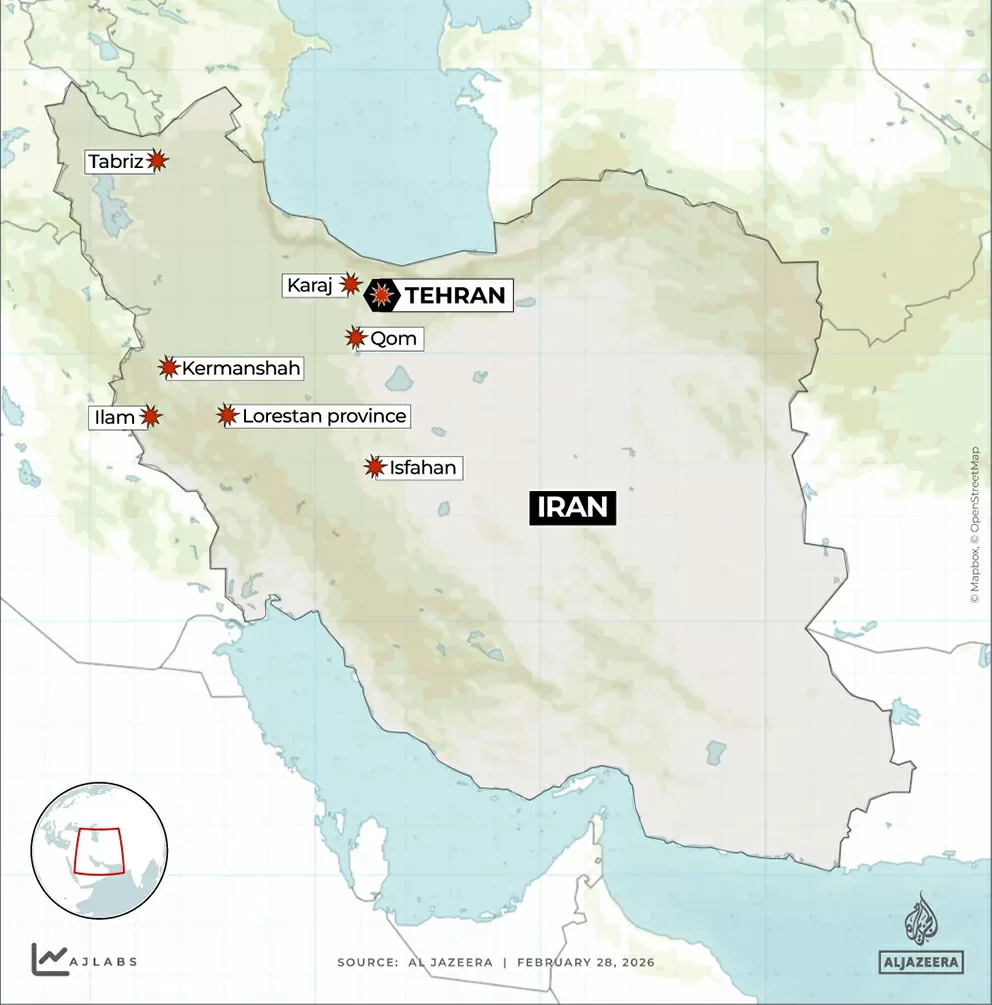
    According to verified international reports, the joint military campaign struck strategic locations across Iran including the capital Tehran and major urban centers such as Isfahan, Qom, and Karaj. The operation specifically targeted Iran’s long-range missile capabilities and nuclear infrastructure, which Western intelligence agencies have repeatedly identified as threats to regional security.

    US President Donald Trump characterized the mission as “major combat operations” designed to eliminate imminent security threats and prevent Tehran from acquiring nuclear weapons. The administration emphasized that these measures were necessary to protect American allies and maintain stability in the volatile region.

    Iran responded with immediate countermeasures, launching missile and drone attacks against Israeli positions. The Islamic Revolutionary Guard Corps confirmed these retaliatory strikes, labeling the initial assault as “hostile criminal aggression.” Residents in northern Israel reported audible explosions and anti-aircraft activity as the Israeli Defense Forces intercepted incoming projectiles. Civil defense sirens were activated across multiple regions, prompting civilians to seek shelter.

    The rapid exchange of hostilities has raised concerns among international observers about potential further escalation, with diplomatic channels working urgently to de-escalate the situation before it evolves into a broader regional conflict.

  • Hogere goudprijs stuwt staatsinkomsten en internationale reserves

    Hogere goudprijs stuwt staatsinkomsten en internationale reserves

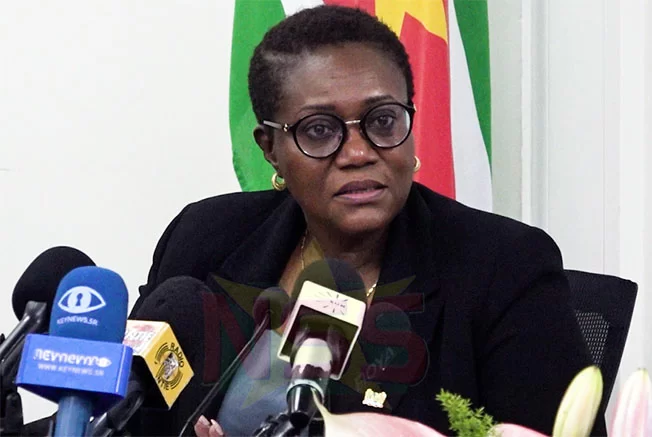
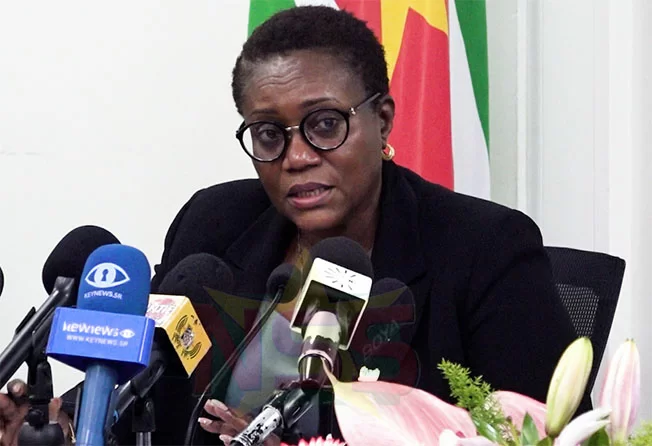
    Suriname’s Finance and Planning Minister Adelien Wijnerman announced Friday that soaring global gold prices have generated substantial revenue gains for the nation throughout 2025 and early 2026. The mineral-rich South American country has experienced measurable improvements in both mining sector revenues and international reserve levels, marking a significant turnaround in fiscal stability.

    Minister Wijnerman detailed that beyond conventional tax revenues, non-tax receipts have shown particular strength—primarily royalties and dividends from the mining industry. The international gold market’s robust performance has directly translated into increased sectoral income, contributing to a stronger governmental financial position compared to 2024. While final 2025 figures remain under processing, the minister characterized these developments as “positively transformative” for national finances.

    By January 2026, Suriname’s international reserves climbed to approximately $1.8 billion, providing import coverage for 7.8 months. This reserve accumulation stems largely from enhanced mining revenues, particularly gold exports. Minister Wijnerman emphasized that fortified reserves play crucial roles in exchange rate stabilization, meeting foreign debt obligations, and buffering against external economic shocks.

    Despite these fiscal improvements, inflation persists as a pressing concern. Annual inflation reached 11.4% in 2025, exceeding 2024’s 10% rate. The minister attributed persistent price pressures to elevated utility tariffs, rising food costs, and broader economic expense developments.

    During questioning, Minister Wijnerman corrected previous communications regarding gold royalty rates, confirming the current 5.5% levy remains effective. While a potential reduction to 4.5% remains under discussion, earlier references to 3.5% were acknowledged as erroneous.

    The minister cautioned that while elevated gold prices provide immediate fiscal breathing room, Suriname’s economy remains heavily dependent on mining revenues. She stressed that economic diversification remains imperative to reduce vulnerability to commodity price fluctuations and build sustainable long-term resilience.

  • Fietsboom in Havana door Amerikaanse brandstofblokkade

    Fietsboom in Havana door Amerikaanse brandstofblokkade

    Havana’s streets are witnessing an unprecedented transportation transformation as Cubans increasingly turn to bicycles amid a severe fuel shortage crisis. The shift comes as direct consequences of tightened U.S. sanctions that have disrupted oil supplies from Venezuela and other traditional sources.

    The current situation stems from January 2026 when the United States arrested Venezuelan leader Nicolás Maduro, effectively cutting off Cuba’s primary oil supply that had sustained the island nation for over a quarter-century. Subsequent American threats against oil-exporting nations have further constrained deliveries from Mexico and other potential suppliers.

    This energy crisis has forced Havana residents to adopt innovative survival strategies. Across the city, people are retrieving long-stored bicycles from storage, repairing worn tires, and even learning to ride for the first time. The movement represents both practical adaptation and symbolic resistance to economic pressures that have made traditional transportation increasingly unaffordable.

    Transportation costs have tripled in recent months, compelling citizens like 23-year-old Gabriela Barbon to embrace cycling. ‘Cycling is no longer a hobby, it’s a necessity,’ she remarked during a training session with local organization Citykleta. Their ‘Learn to Pedal’ campaign has seen overwhelming response, attracting nearly four times the expected participants.

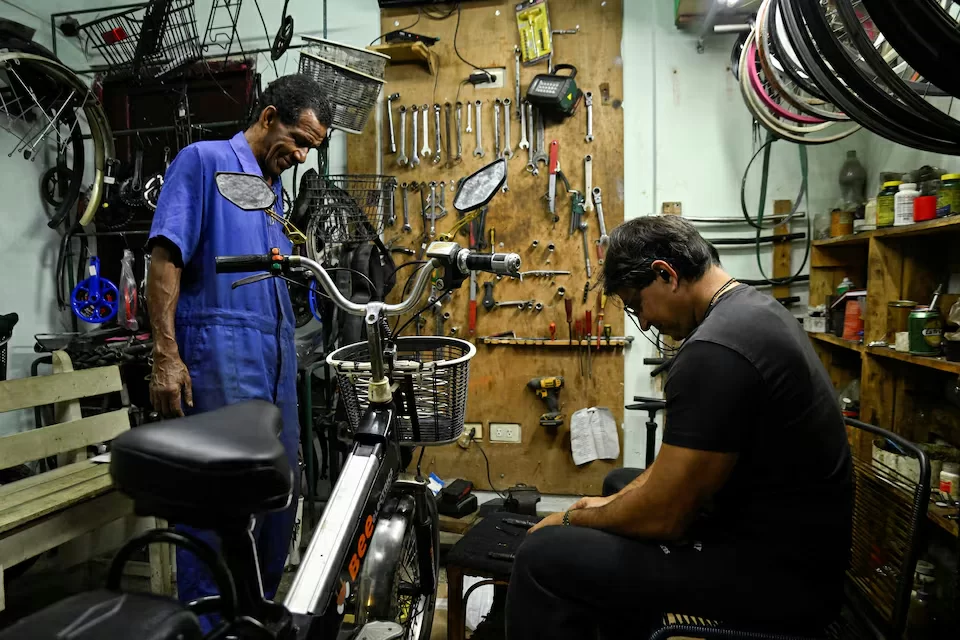
    The trend has created parallel economic opportunities and challenges. Bicycle repair shops like that of Pedro Carrillo report an ‘explosion’ in business, though they simultaneously face shortages of replacement parts. ‘Sometimes I don’t have what people need—those supplies are nowhere to be found,’ Carrillo noted from his sidewalk workshop.

    Meanwhile, the Cuban government is implementing emergency measures including investments in solar energy and other renewable sources. International aid organizations attempt to provide humanitarian assistance, though political tensions and the ongoing embargo continue to limit their effectiveness.

    According to United Nations reports, food security remains critically compromised while energy supplies stay unreliable. The six-decade American embargo, recently intensified under the Trump administration, continues to weigh heavily on Cuba’s economic stability.

    Despite these challenges, the bicycle phenomenon demonstrates Cuban resilience. As resident Yoandris Herrera explains while preparing to transport his children to school: ‘Fuel is now so expensive, cycling is simply more practical.’ This two-wheeled revolution represents both immediate practical solution and powerful symbol of adaptation in difficult times.

  • Inflatie in januari licht gestegen; jaarinflatie op 11%

    Inflatie in januari licht gestegen; jaarinflatie op 11%

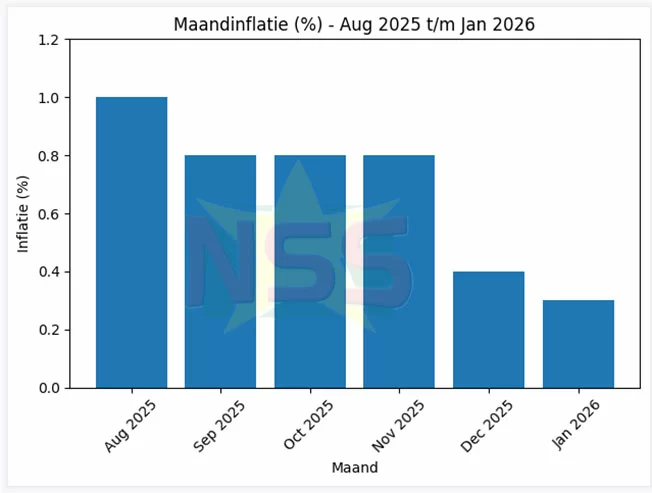
    January 2026 witnessed a continued upward trajectory in consumer prices, with official data revealing a 0.3% month-over-month increase from December 2025. The more striking figure emerges from the annual comparison, showing prices have surged by 11% compared to January of the previous year, indicating persistent inflationary pressures within the economy.

    The Consumer Price Index (CPI), a crucial gauge of inflation, climbed to 934.3 points in January from 931.4 the preceding month. This incremental monthly rise masks the substantial year-on-year price growth that continues to affect consumers’ purchasing power.

    Analysis of spending categories reveals uneven price movements across different sectors. The most significant increases were recorded in housing and utilities, alongside alcohol and tobacco products. Conversely, the transportation sector experienced a slight reprieve with modest price decreases, providing some relief to consumers in this category.

    The overall inflation rate, while appearing relatively moderate in monthly terms, conceals considerable volatility at the product level. Certain goods and services have actually become more affordable, while others have undergone substantial price hikes, creating a mixed experience for consumers depending on their spending patterns.

    These inflation metrics are derived from comprehensive monthly price collections covering a wide basket of goods and services across seven districts. Notably, the regions of Marowijne, Brokopondo and Sipaliwini are excluded from these measurements, areas where prices are reportedly significantly higher, suggesting the reported inflation figures may not fully capture the economic reality across all demographic and geographic segments.

  • US$ 180 miljoen uit obligatie-uitbreiding voor sociale en economische projecten

    US$ 180 miljoen uit obligatie-uitbreiding voor sociale en economische projecten

    Suriname’s Ministry of Finance has announced that approximately $180 million from its recently expanded $265 million state bond will be directed toward critical social and economic development projects. Finance Minister Adelien Wijnerman detailed the allocation during a press conference on Friday, emphasizing that these funds are specifically earmarked for capital investments rather than operational expenses like salaries or subsidies.

    The 10-year bond extension, maturing in 2035 and carrying an 8.5% interest rate, has already been deposited into a dedicated account. These resources are strictly designated for pre-approved initiatives across several key sectors:

    – Healthcare: Strengthening hospital infrastructure, enhancing primary care services, and improving access to essential medicines
    – Education: Renovating school facilities, upgrading sanitation systems, and implementing digital learning support
    – Government Digitalization: Modernizing public services while increasing transparency and revenue collection capabilities
    – Agriculture and Food Security: Boosting agro-processing capabilities and reinforcing local production systems
    – SME and Youth Programs: Creating financing opportunities for emerging entrepreneurs
    – Energy and Basic Utilities: Supporting improved energy and drinking water infrastructure for schools and healthcare institutions

    While exact sectoral distributions remain under discussion, Minister Wijnerman confirmed that project specifications are being finalized in collaboration with relevant ministries.

    A portion of the total bond amount will address outstanding commercial debts, allowing the government to further reduce previous obligations. The bond’s semi-annual interest payments amount to approximately $11.3 million, with the first payment scheduled for May 2026. Notably, interest payments for the initial 2.5 years have been incorporated into the borrowed amount, meaning they will be drawn from the reserved special account rather than impacting the current operational budget.

    Minister Wijnerman defended the strategic timing of these investments, stating they are essential for strengthening social infrastructure ahead of anticipated oil revenues expected from 2028 onward. Although the bond expansion increases the national debt burden, the minister emphasized that previous refinancing operations and extended repayment terms have created additional fiscal space for these development priorities.

  • Sint Maarten wint van Suriname U-20

    Sint Maarten wint van Suriname U-20

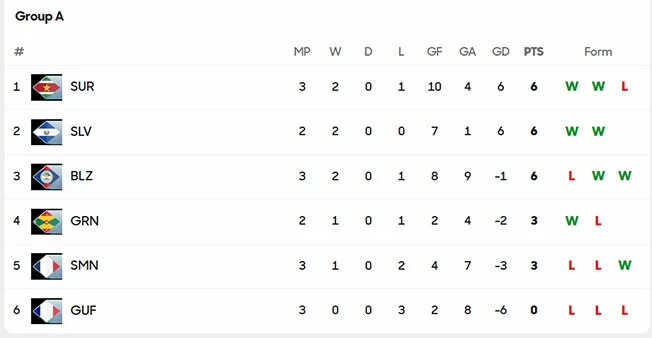
    In a hard-fought Under-20 football encounter, Sint Maarten emerged victorious with a 2-1 win over Natio on February 27th, marking their first triumph after suffering two consecutive defeats in previous matches.

    The match remained scoreless until the 40th minute when Sint Maarten’s forward Yan Gonzaque broke through Natio’s defensive line and skillfully placed the ball into the net, establishing a 1-0 lead that persisted through halftime.

    Following the interval, the game maintained equilibrium with Natio controlling slightly more possession. Despite this advantage, Sint Maarten extended their lead in the 74th minute as Gonzaque secured his second goal of the evening, demonstrating clinical finishing ability.

    Natio responded swiftly with top scorer Xavi Dors reducing the deficit to 2-1 just two minutes later. The match intensified dramatically when a contentious situation erupted involving players from both sides. The altercation began when Sint Maarten players attempted to delay the restart while Natio players sought to quickly return the ball to midfield. The confrontation resulted in disciplinary action with one Sint Maarten player receiving a red card and a Natio player being shown yellow.

    During the final minutes, Natio intensified pressure in search of an equalizer but ultimately failed to convert opportunities, allowing Sint Maarten to secure their first victory of the tournament.