标签: Saint Vincent and the Grenadines

圣文森特和格林纳丁斯

  • PM Friday meets with Taiwan envoy despite NDP’s 2016 policy

    PM Friday meets with Taiwan envoy despite NDP’s 2016 policy

    The newly elected administration of Prime Minister Ralph Gonsalves Friday in St. Vincent and the Grenadines (SVG) has initiated a series of diplomatic engagements that have drawn significant attention to the nation’s foreign policy direction. These developments occur against the backdrop of the New Democratic Party’s (NDP) previously stated 2016 position advocating for a shift in diplomatic recognition from Taipei to Beijing.

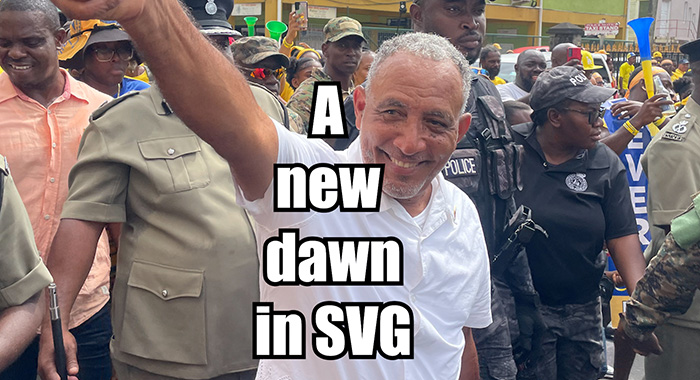
    Following the NDP’s decisive 14-1 electoral victory on November 28, which ended the Unity Labour Party’s two-decade tenure, the government has embarked on an intensive diplomatic outreach program. Prime Minister Friday and Foreign Minister Fitzgerald Bramble have conducted multiple high-level meetings with international representatives, including Taiwan’s Ambassador Fiona Huei-Chun Fan, U.S. Deputy Chief of Mission Karin Sullivan, and several Latin American diplomats.

    The December 12 meeting between Prime Minister Friday and Taiwanese Ambassador Fan generated particular interest given the NDP’s historical stance. The government characterized these discussions as focusing on “various matters touching and concerning the way forward for SVG, with the generous assistance from both nations.” This careful phrasing maintains diplomatic ambiguity while acknowledging continued engagement.

    Simultaneously, the administration has strengthened ties with other key partners. Meetings with U.S. officials reaffirmed Washington’s commitment to “strong and constructive bilateral cooperation,” while discussions with Cuban Ambassador Carlos Ernesto Rodríguez Etcheverry emphasized strengthening “enduring bilateral relationships” and expanding investment opportunities.

    The government further demonstrated its regional commitment by participating in the 25th ALBA-TCP Summit on December 14, though Kingstown registered a procedural reservation regarding the final declaration due to insufficient review time. This move highlights the administration’s careful approach to international agreements during its transition period.

    Notably absent from any government statements has been explicit confirmation or denial of maintaining ties with Taiwan, despite campaign suggestions by political opponents that the NDP would pursue diplomatic recognition switch to Beijing. The administration’s deliberate diplomatic calibration suggests a potentially nuanced approach to international relations during its early governance phase.

  • Antigua PM disputes statements by his Trinidad counterpart

    Antigua PM disputes statements by his Trinidad counterpart

    A significant diplomatic dispute has emerged within the Caribbean Community (CARICOM) as Antigua and Barbuda’s government has issued a formal rebuttal to Trinidad and Tobago Prime Minister Kamla Persad-Bissessar’s characterization of the regional bloc as “unreliable” and “dysfunctional.”

    Prime Minister Gaston Browne delivered a comprehensive response challenging Persad-Bissessar’s assertions, emphasizing that her comments warranted “a measured response grounded in facts, respect, and the long history of Caribbean cooperation.” The exchange represents one of the most public disagreements among CARICOM leadership in recent years.

    The core of the disagreement stems from Persad-Bissessar’s statement that CARICOM had “lost its way” by criticizing United States visa policies while maintaining relations with Venezuela’s government under Nicolás Maduro. She specifically distanced Trinidad and Tobago from CARICOM’s position regarding U.S. travel restrictions imposed on nationals from Dominica and Antigua and Barbuda.

    Prime Minister Browne presented substantial economic data to counter the reliability claims, revealing that Trinidad and Tobago had generated over US$1.1 billion in foreign exchange from CARICOM trade in 2024 alone. He highlighted that Trinidad maintains CARICOM’s only consistently positive trade balance since the organization’s founding in 1973, with the bloc serving as its second-largest export market after the United States.

    The Antiguan leader detailed how CARICOM members had collectively forgone approximately US$142.7 million in customs revenue through the Common External Tariff system, specifically to protect Trinidad and Tobago’s manufacturing sector. “This economic sacrifice,” Browne noted, “has been borne by Caribbean consumers in the spirit of regional solidarity.”

    Beyond economic cooperation, Browne emphasized CARICOM’s role in addressing regional security challenges, noting that the organization’s security mechanisms and intelligence sharing have been “an essential pillar” in combating Trinidad’s significant organized crime problems.

    The diplomatic tension emerged after the U.S. temporarily restricted visas for nationals from Antigua and Barbuda and Dominica—a decision later suspended following diplomatic representations. Persad-Bissessar had warned Caribbean nations about “bad-mouthing” the U.S., suggesting Antigua and Dominica faced consequences for their foreign policy positions.

    Browne categorically rejected claims that Antigua had disparaged the United States, stating “no evidence has been offered because none exists.” He emphasized his country’s “close collaboration with the United States, including constructive engagement on security matters, immigration, and consistent cooperation in multilateral fora.”

    The Antiguan leader concluded that CARICOM remains “a partnership rooted in shared history, shared bloodlines, shared struggle for independence, and a shared determination that small states are stronger when they act together,” advocating for continued regional unity despite current disagreements.

  • Project enhances social, behavioural change skills in SVG

    Project enhances social, behavioural change skills in SVG

    A cohort of over 20 professionals from Saint Vincent and the Grenadines’ healthcare and criminal justice sectors has completed an intensive capacity-building program focused on social and behavioral change methodologies. The two-day interactive workshop, a component of the broader Build Back Equal initiative, equipped participants with advanced techniques for designing culturally appropriate and gender-sensitive strategies to advance gender equality nationwide.

    The program received substantial funding from the Government of Canada through Global Affairs Canada, with technical facilitation provided by the United Nations Population Fund (UNFPA) in collaboration with the Vincentian government. The workshop’s opening ceremony featured addresses from multiple cabinet ministers, underscoring the national importance placed on gender equity and youth development.

    Minister Kaschacka Cupid of Youth, Sports, Culture and Creative Industries emphasized the government’s commitment to investing in the nation’s youth, describing them as “the most vital resource the nation possesses.” He articulated the administration’s recognition that addressing complex challenges facing young people requires “a profound and sustained investment in their behaviour, their health and their future agency.”

    Representing Canada’s development partnership, Second Secretary TruTrang Nguyen reiterated Canada’s steadfast commitment to gender equality in the Eastern Caribbean, emphasizing the necessity of multi-stakeholder collaboration. “Gender Equality, and an end to violence, can only be achieved when we all seek to treat each other equally, recognize situations of inequality that need to be addressed, and are sensitive to the needs of the most vulnerable,” Nguyen stated.

    UNFPA Liaison Officer De-Jane Gibbons outlined the agency’s global “three zeros” mandate while calling for formal government adoption of the Standards for Quality Healthcare Services for Adolescents and a comprehensive Sexual and Reproductive Health Policy. These policy frameworks would represent significant steps toward ensuring all Vincentians can realize their full sexual and reproductive rights while contributing meaningfully to national development.

    The Build Back Equal project, jointly implemented by UN Women and UNFPA across four Eastern Caribbean nations from 2022-2026, takes a comprehensive approach to addressing barriers women face in accessing sexual reproductive health services and economic empowerment opportunities. This regional initiative aligns with UNFPA’s broader mission to create a world where every pregnancy is wanted, every childbirth is safe, and every young person’s potential is fulfilled.

  • VIDEO: Shoppers cash in on SVG’s first VAT-free day

    VIDEO: Shoppers cash in on SVG’s first VAT-free day

    On December 19, 2025, St. Vincent and the Grenadines witnessed an unprecedented economic event as thousands of citizens participated in the nation’s inaugural Value-Added Tax (VAT) exemption day. This marked the first suspension of the contentious consumption tax since its implementation eighteen years prior in 2007.

    The nationwide tax holiday triggered widespread commercial activity across retail sectors, with consumers capitalizing on significant savings to acquire both essential goods and discretionary items. Numerous shoppers reported saving hundreds of Eastern Caribbean dollars on single transactions, with many immediately reinvesting their unexpected windfall into additional purchases, effectively stimulating secondary market circulation.

    Despite the generally celebratory atmosphere surrounding the economic stimulus measure, the event drew nuanced responses from participants. While many embraced the financial relief, at least one female consumer expressed reservations, questioning whether the EC$500 she saved justified contending with massive crowds and the associated inconveniences of the shopping frenzy. Her sentiment highlights the complex balance between economic policy benefits and practical consumer experience during specially designated shopping events.

    The government’s temporary tax suspension represents a significant fiscal experiment within the Eastern Caribbean currency union, potentially setting precedents for neighboring nations considering similar consumer-focused economic interventions.

  • Antigua PM criticises CARICOM statement on US visa issue

    Antigua PM criticises CARICOM statement on US visa issue

    A significant diplomatic rift has emerged within the Caribbean Community (CARICOM) following Antigua and Barbuda Prime Minister Gaston Browne’s public criticism of the regional body’s handling of a sensitive visa situation with the United States. The controversy stems from a recent proclamation by U.S. President Donald Trump that would have suspended entry privileges for citizens of Antigua and Barbuda and Dominica beginning January 1, 2026.

    The crisis was temporarily averted when both Caribbean nations secured a suspension of the measure following high-level diplomatic engagements with U.S. officials. According to statements from Prime Minister Browne and Dominica’s Prime Minister Roosevelt Skerrit, American authorities agreed to maintain existing visa arrangements until December 31, 2025, with new protocols for biometric compatibility to be developed during the interim period.

    Despite this resolution, Prime Browne expressed sharp disappointment with CARICOM’s decision to issue a formal statement of concern late Friday, characterizing the move as unnecessary and poorly timed. The regional body, represented by the CARICOM Bureau comprising leaders from Jamaica, Barbados, and Grenada, had expressed apprehension about the lack of prior consultation and potential adverse effects on travel and economic exchanges.

    The underlying tension appears connected to Citizenship by Investment (CBI) programs operated by several Caribbean nations, which the U.S. administration claims present screening challenges due to their non-residency requirements. This diplomatic episode has further exposed divisions within CARICOM, with Browne specifically criticizing an unnamed fellow leader who allegedly accused affected nations of ‘cursing’ the U.S. administration.

    The situation highlights ongoing challenges in Caribbean-U.S. relations and internal cohesion within the regional integration movement, even as affected nations emphasize their commitment to maintaining strong bilateral partnerships with Washington.

  • VIDEO: PM Friday chats about national issues, son’s role in gov’t

    VIDEO: PM Friday chats about national issues, son’s role in gov’t

    In an exclusive interview with iWitness News correspondent Kenton Chance, Prime Minister Godwin Friday of St. Vincent and the Grenadines (SVG) engaged in a comprehensive discussion covering his administration’s recent policy implementations and ongoing political developments. The dialogue provided significant insights into the nation’s first VAT-free shopping day—a landmark economic measure designed to alleviate financial pressure on citizens by allowing tax-exempt purchases. Prime Minister Friday elaborated on the initiative’s objectives, emphasizing its role in stimulating consumer spending and providing tangible economic relief to households.

    Further addressing campaign commitments, the Prime Minister provided updates on the promised bonus salary for public sector employees, detailing the government’s methodology and timeline for fulfilling this electoral pledge. The conversation took a personal turn when questioned about his son’s involvement in the current administration, with Friday offering transparent commentary on familial roles within governmental structures.

    The interview also tackled the contentious election petitions filed against both the Prime Minister and his Foreign Minister, with Friday presenting his legal perspective on these challenges while reaffirming his administration’s legitimacy and commitment to due process. Throughout the exchange, the Prime Minister maintained a focus on his government’s policy agenda while addressing both the achievements and controversies that have characterized his tenure since taking office.

  • VIDEO: Gov’t to pay salary bonus in January

    VIDEO: Gov’t to pay salary bonus in January

    In a significant pre-Christmas announcement, Prime Minister Godwin Friday has confirmed that the vast majority of public sector employees in St. Vincent and the Grenadines will receive an additional month’s salary as a year-end bonus. The declaration was made during an exclusive interview with iWitness News on December 19, 2025, signaling a substantial financial boost for government workers ahead of the new year.

    The bonus initiative represents a considerable investment in the public workforce and is expected to stimulate economic activity during the holiday season. While specific eligibility criteria were not fully detailed in the initial announcement, the Prime Minister indicated that ‘most’ civil servants would qualify for the financial incentive. This development comes as many Caribbean nations grapple with economic challenges, making the gesture particularly noteworthy.

    Government officials suggest this bonus serves dual purposes: recognizing the hard work of public servants throughout the year and providing economic relief amid rising living costs. The payment timing in January rather than December may help workers address post-holiday financial obligations while supporting sustained consumer spending into the new year.

    The announcement has been met with anticipation from the public sector workforce, though some questions remain regarding the precise implementation guidelines and whether any categories of workers might be excluded from the benefit.

  • PM on petitions: ‘Grinch will not steal this Christmas from the people’  (+video)

    PM on petitions: ‘Grinch will not steal this Christmas from the people’  (+video)

    Prime Minister Godwin Friday has responded with dismissive humor to legal petitions filed by opposition candidates challenging both his election and that of Foreign Minister Fitz Bramble. The Unity Labour Party (ULP) claimants, Carlos Williams and Luke Browne, submitted their petitions on Thursday, arguing that the officials’ Canadian citizenship rendered them constitutionally ineligible for nomination in the November 27 general elections.

    Both Friday and Bramble were born in St. Vincent and the Grenadines but acquired Canadian citizenship as adults. The ULP contends this represents an acknowledgment of allegiance to a foreign power, violating the nation’s constitution. However, the elected officials counter that constitutional provisions specifically accommodate Commonwealth citizens, permitting their electoral participation regardless of Vincentian citizenship status.

    Prime Minister Friday, serving as Northern Grenadines representative since 2001, brushed off the challenges during the country’s inaugural VAT-free shopping day. ‘This is the Christmas season,’ he remarked to iWitness News. ‘The people gave us an overwhelming mandate, even after they campaigned about all the things that they wanted to raise.’ He added metaphorically: ‘The Grinch will not steal this Christmas from the people.’

    The political context underscores the significance of these petitions: the New Democratic Party secured a historic victory in the November elections, winning all 15 parliamentary seats and ending the ULP’s 24-year governance. The VAT-free shopping initiative itself fulfilled an NDP campaign promise addressing the nation’s cost-of-living crisis, marking the first such tax relief since VAT implementation in 2007.

  • Antigua, US reach agreement on visa issue

    Antigua, US reach agreement on visa issue

    ST. JOHN’S, Antigua – The government of Antigua and Barbuda has successfully negotiated a significant agreement with the United States that protects visa privileges for its citizens despite recent immigration restrictions imposed by the Trump administration. The breakthrough came after high-level diplomatic discussions between Antiguan officials and U.S. State Department representatives.

    Under the terms confirmed by Antigua and Barbuda’s Ambassador to the United States, Sir Ronald Sanders, all currently valid U.S. visas held by Antiguan nationals will remain honored for entry into the United States. This protection extends across all visa categories including tourist (B-1/B-2), student (F, M), and exchange visitor (J) visas. Additionally, the agreement guarantees that no existing visas issued to Antiguan citizens will be revoked before December 31, 2025.

    The diplomatic resolution follows President Trump’s recent executive order that had targeted several Caribbean nations offering Citizenship by Investment (CBI) programs. The proclamation, issued on December 16, specifically identified Antigua and Barbuda and Dominica for suspension of certain immigration categories due to security concerns regarding their residency-free citizenship programs.

    The U.S. administration expressed apprehension that CBI programs could potentially allow individuals from restricted countries to obtain citizenship from Caribbean nations and subsequently bypass U.S. travel restrictions. Officials cited historical vulnerabilities in such programs that might enable concealment of identity or assets.

    Looking beyond 2025, both governments are developing new arrangements that will include enhanced biometric data collection systems for Antiguan passport holders. Ambassador Sanders emphasized that the technological upgrades would apply uniformly to all citizens regardless of how they obtained citizenship—whether by birth, descent, naturalization, or investment.

    The diplomat expressed appreciation for the constructive engagement from U.S. officials and reaffirmed Antigua and Barbuda’s commitment to cooperating on security measures while preserving legitimate travel opportunities for its citizens.

  • ‘Most public servants’ to get 1 month’s salary as bonus in January — PM

    ‘Most public servants’ to get 1 month’s salary as bonus in January — PM

    Prime Minister Godwin Friday has confirmed that the majority of public servants in St. Vincent and the Grenadines will receive a bonus equivalent to one month’s salary in January. The announcement came during a kerbside interview in Kingstown, where the Prime Minister addressed the implementation of his administration’s pre-election commitments.

    The bonus payment, part of the New Democratic Party’s (NDP) 60-day pledge following their landslide victory in the November 27 general election, will be structured to provide greater benefits to lower-income civil servants. “The salary bonus will come. We are working out the mechanics of it,” Friday stated, emphasizing that the government remains committed to fulfilling its campaign promise within the stipulated timeframe.

    The Prime Minister’s announcement comes amid public debate regarding discrepancies in campaign pledge cards circulated before the election. While one version promised a double salary within one month of taking office, another referenced a “bonus salary” within 60 days. The NDP’s decisive victory, winning 14 of 15 parliamentary seats, ended 24 years of Unity Labour Party governance.

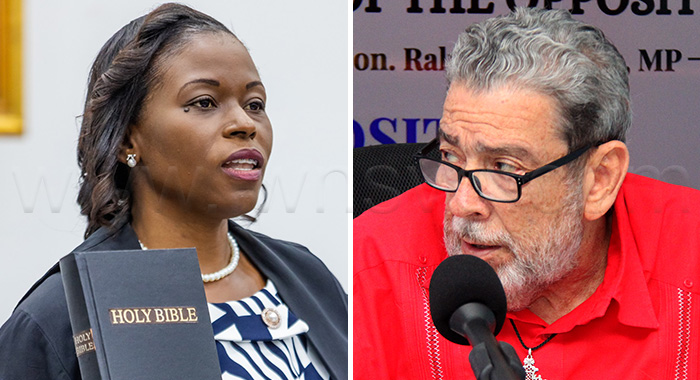
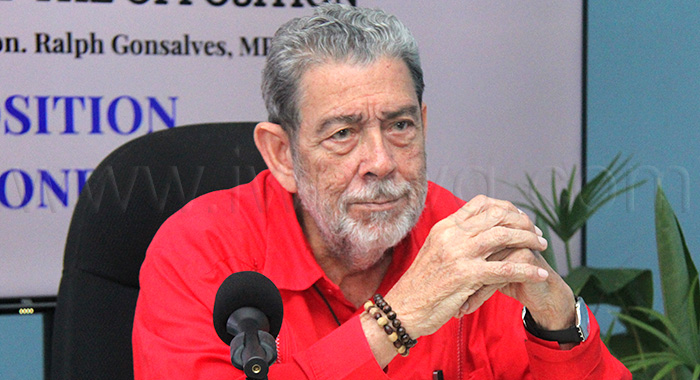
    Opposition Leader Ralph Gonsalves has characterized the bonus promise as a “big deception,” reflecting the political tensions surrounding the implementation of campaign pledges. The government has also delivered on another election commitment by implementing the country’s first VAT-free shopping day, demonstrating its ongoing efforts to fulfill campaign promises.