标签: Saint Vincent and the Grenadines

圣文森特和格林纳丁斯

  • SVG sees spike in HIV among older men, young adults

    SVG sees spike in HIV among older men, young adults

    Public health authorities in St. Vincent and the Grenadines have sounded the alarm over a sustained upward trend in new HIV infections, with data revealing a concerning concentration of cases among two distinct demographic groups: young adults between 25 and 29 years old, and men aged 60 and older. The announcement was made during an official press briefing hosted by the Ministry of Health on Thursday, June 25, 2026, by Chief Health Promotion Officer Shanika John, who tied the urgent warning to the upcoming Vincymas carnival, the island nation’s largest annual celebration widely known as “the hottest carnival in the Caribbean region.”

    At the briefing, John outlined the emerging epidemiological pattern that has prompted renewed public outreach. While more women than men continue to seek out voluntary HIV testing across the country, a disproportionate share of newly confirmed positive cases are found among men, concentrated heavily in the two identified age brackets. Officials chose not to publish raw case counts during the public briefing, but they emphasized that the overall upward trend in new infections is unambiguous and affects all age groups, with the two demographics standing out as particularly high-priority areas for intervention.

    John pointed to shifting sexual behaviors and a widespread false sense of invulnerability as key factors driving increased risk, especially among younger populations. “For those younger persons, we do understand that you get creative and that you get innovative with your sex practices,” she noted. “But we’re asking you to remember that HIV and AIDS are still a major threat, and you cannot tell by looking if somebody is HIV positive. The only way to protect yourself is to take consistent precautions.”

    Her core public guidance centers on three key actions: consistent condom use during every sexual encounter, particularly with non-regular partners; regular voluntary testing, even for people who experience no visible symptoms; and avoiding the dangerous misconception that HIV status can be determined by outward appearance. John stressed that even people living with HIV may show no obvious symptoms for years, while remaining capable of transmitting the virus to others.

    The timing of the warning is no coincidence, as St. Vincent and the Grenadines prepares for the weeks-long Vincymas carnival, a period marked by increased cross-border travel, large social gatherings, elevated alcohol consumption, and higher rates of casual sexual encounters. Officials warn that these factors create ideal conditions for accelerated HIV transmission, as revellers often let their guard down in the festive atmosphere.

    Positioning the HIV prevention message as part of a broader set of public health guidelines for the carnival season, John urged attendees to prioritize responsible behavior over short-term pleasure. “From the Ministry of Health, we really don’t want you drinking, but we do understand the nature of what’s happening. So we’re going to ask you to do so within moderation,” she said. She also reminded people with pre-existing chronic health conditions to stay consistent with their medication routines during the busy celebration, cautioning against neglecting long-term health for temporary enjoyment.

    The gender and age pattern identified by officials highlights a persistent gap in HIV detection and control efforts. Because fewer men come forward for routine testing, undiagnosed cases may be more common in the male population, creating hidden chains of transmission that are harder to interrupt through treatment and public health outreach. This gap is particularly pronounced among the 25–29 and 60+ age groups that are already seeing higher rates of new positive cases.

    While the briefing did not include updated data on HIV treatment access or outcomes, the focus on early testing and prevention signals that authorities are concerned about both rising new infections and late diagnoses, which lead to more severe health outcomes for patients and increase the risk of ongoing transmission to sexual partners.

    The HIV warning was one component of a broader public health update covering multiple carnival-related priorities, including mental health support, substance use reduction, food and water sanitation, and preparedness for increased hospital demand during the event. By framing sexual health as an integral part of overall public health rather than a separate, niche issue, officials hope to normalize prevention behaviors and reduce stigma around HIV testing.

    “ We ask persons to have a safe and festive season,” John said. “Your health and energy is a shared responsibility.”

    Moving forward, the Ministry of Health plans to ramp up targeted public outreach, expand community testing access, and distribute free condoms across the country to slow the rise in new infections. Young adults and older men will be the primary focus of these interventions, based on the epidemiological patterns shared at this week’s briefing.

  • James serves notice of lawsuits over alleged police brutality

    James serves notice of lawsuits over alleged police brutality

    A sitting senator and practicing attorney from St. Vincent and the Grenadines is moving forward with high-stakes legal action against the island nation’s government, alleging two of the most egregious recent examples of police brutality and abuse of power in the country’s recent history. At a Wednesday press conference held in the capital city of Kingstown, Carlos James revealed that his legal firm has already submitted formal statutory notices under the territory’s Crown Proceedings Act on behalf of two vulnerable male residents who say they suffered unprovoked, brutal harm at the hands of serving police officers.

    The first case centers on Kenton Harris, a chronically mentally ill man from Lodge Village who is legally unable to manage his own personal and legal affairs. Harris’ ordeal gained nationwide public attention after a graphic video filmed on May 21, 2026 near Coreas on Hillsboro Road in Kingstown circulated widely on social media. The footage, which went viral and was covered extensively by local media outlets, shows multiple uniformed officers repeatedly beating Harris while he was already in handcuffs. But according to James, the alleged abuse of Harris began months before the viral confrontation was captured on camera.

    James outlined three separate alleged assaults by officers of the Royal St. Vincent and the Grenadines Police Force (SVGPF) against the vulnerable man. The first took place on March 11 at Kingstown’s Central Police Station, where James says officers physically attacked Harris, leaving him with a fractured left arm that required emergency medical intervention. More than three months after that initial incident, James says no formal investigation has been launched. While an inquiry has been opened into the May 21 beating, no official updates on potential criminal charges against the involved officers have been released to the public one month after the assault. The third alleged attack occurred while Harris was being held in a police holding cell and transported to Milton Cato Memorial Hospital (MCMH), following which James says Harris’ physical and mental health declined drastically. After the third assault, Harris was first transferred to the Mental Health Rehabilitation Centre (MHRC) in Glen, then rushed back to MCMH for urgent orthopedic care.

    The formal notice of upcoming civil proceedings, which James read in full during the press briefing, names the Attorney General as the defendant and is being pursued through Harris’ mother and litigation friend, Anesta Harris-Robinson. The claims against state agents include assault and battery, professional negligence, misfeasance in public office — defined as deliberate, oppressive and malicious misuse of state power to target a mentally disabled individual — and multiple violations of Harris’ constitutional rights, most notably his fundamental right to protection from cruel, inhumane and degrading treatment. James is seeking aggravated and exemplary damages for the what the legal document describes as “highly oppressive, high-handed and arbitrary” conduct, alongside compensation for pain and suffering, lost amenities, lost earnings and future earning capacity, past and future medical and rehabilitation costs, as well as legal fees and accrued interest. James also confirmed that his legal team is exploring the possibility of filing an additional constitutional motion, noting that the Harris case could set a critical precedent for reforming police interactions with mentally ill citizens across the country.

    The legal notice also includes a formal demand that the Attorney General’s Chambers preserve and turn over a full suite of evidence related to both the March 11 and May 21 incidents within a 14-day window. Required records include holding cell logs and occurrence book entries from Kingstown Central Police Station, full custody records and rosters for the incident dates plus two days before and after, formal statements from five named officers and all on-duty holding cell staff, any available surveillance footage from across the police station, and complete medical records, admission logs and diagnostic images from both MHRC and MCMH related to Harris’ care.

    Speaking briefly at the press conference, Harris-Robinson called for accountability for her son. “I would like to see justice for my son, because what the police and them do to him, they didn’t have the right to do it. They’re very wrong, and I would like to see justice for him,” she said. James emphasized that local police have long been aware of Harris’ mental health condition, a fact that increased rather than decreased their legal duty of care to the man. “For the very reason that he’s known, it gives even a greater level of responsibility on the officers… His mental condition warrants that, and that duty of care, in my opinion, was broken,” James said.

    The second, even more disturbing case outlined by James involves Louis Mercury, a resident of Redemption Sharpes who was shot multiple times by police inside MCMH on March 29. According to James, Mercury arrived at the public hospital around 8 p.m. that day to receive treatment for injuries he had sustained earlier in the Vermont area. Instead of being directed to the Accident and Emergency Department, Mercury was placed in a hospital ward corridor. When a hospital security guard ordered him to leave the area and Mercury refused to go until he received the medical care he needed, the guard called in a uniformed officer from the police Special Services Unit (SSU). James claims that the officer loaded his service weapon, and during the subsequent confrontation, fired between seven and eight rounds at Mercury from point-blank range, every one of which struck the man. “Our client posed no threat to life and did not resist the officer,” James stated in the legal notice.

    Mercury was hit in both arms and his right leg, and underwent emergency life-saving orthopedic surgery, remaining hospitalized for five weeks before being discharged on May 5. Mercury joined James at the press conference in a wheelchair, and James confirmed that the 54-year-old is now permanently unable to walk, his right arm is almost completely immobile, and a bullet remains lodged in his right leg. Mercury requires additional corrective surgeries that will require significant blood transfusions, James said. “As we speak, Mr. Mercury is unable to walk, he’s unable to use his right hand and is unable to fend for himself,” James added. Mercury told reporters he feels his fundamental rights have been taken from him. “I want justice for what happen to me dey. I’m feeling like my rights being affected like I don’t have none, no rights,” he said, issuing a public appeal for community members to donate blood to the hospital blood bank in his name to support his upcoming procedures.

    The second statutory notice of intended civil proceedings also names the Attorney General as a defendant, with the SSU officer listed as an unknown defendant, and copies the Commissioner of Police. The claim alleges unlawful, disproportionate and extremely reckless use of lethal force by the on-duty officer, alongside assault and battery, negligence, misfeasance in public office, and statutory state liability for the harmful acts carried out by its agents and employees. Mercury is seeking compensation for pain and suffering, permanent disability, past and future lost earnings, medical expenses, aggravated and exemplary damages, legal costs and accrued interest.

    James questioned how a trained, experienced officer could justify using such extreme force in that context. “What will possess a right-thinking, trained, experienced police officer at close range to use a service firearm to unleash not just one or even two shots to a member of the public, but at least seven to eight bullets across the body of a citizen…?” James said. “This is not someone escaping and running into the hills and you’re firing at the person and you’re hoping one or two of the bullets hit. You’re standing in front of the individual and you have unleashed seven to eight rounds of ammunition, paralysing this person.” James added that the proportionality and necessity of the force used demand rigorous, independent scrutiny, saying “We are to ask the question whether or not this is, in fact, lethal force, excessive force, far removed from any of the training that any officer would receive… and whether or not that is proportionate in the circumstances.”

    James also alleged that attempts to file a formal internal complaint about the shooting were blocked by police administration. He said Mercury’s relatives first notified a senior police officer of the shooting, and on that officer’s advice, visited the Police Public Relations and Complaints Department to submit a formal grievance. But James says a staff member at the department refused to take their statement, claiming the incident had already been reported to a senior officer. “Here it is that someone is going to lodge a formal complaint… and is being advised that a statement cannot be taken,” James said. “I find it very strange… Those are my instructions on behalf of the family… and hence the reason why, when I inquired, nobody seems to be aware of a man being shot seven to eight times by the police.” With the statutory notices now filed, the government is now required to respond to the claims in both civil and potentially criminal court in the coming weeks.

  • Three-time champs meet Country Meet Town in F15 finals

    Three-time champs meet Country Meet Town in F15 finals

    The F15 Softball Cricket Tournament 4.0 reached a pivotal turning point in its 12th week, hosting the final set of preliminary round matches and the tournament’s first two semi-finals at the iconic Richmond Hill Playing Field. The packed match schedule delivered another weekend of high-stakes, edge-of-your-seat cricket action that set the stage for the upcoming championship decider.

    The first two preliminary matches of the weekend both ended in walkover victories for BOSVG All Stars. In Match 39 against Kentish Jacobs Prime Consulting Marriaqua C.C., the opponent side failed to assemble a team to take the field, handing BOSVG All Stars an automatic default win. The side’s fortunes repeated just hours later in Match 40 against East Kingstown United, who also were unable to appear for the fixture, giving BOSVG All Stars their second unopposed win of the day and a spot in the semi-final draw.

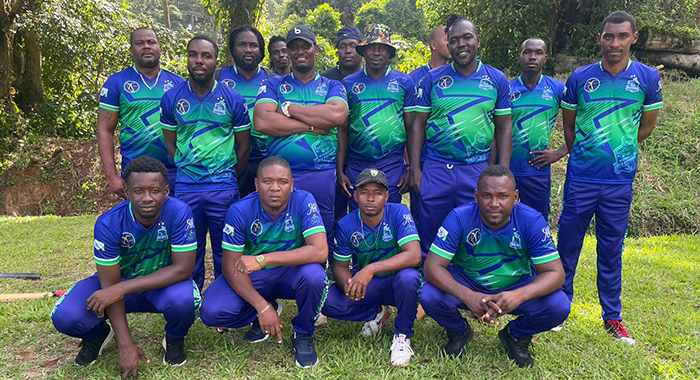
    The first semi-final of the tournament pitted three-time consecutive defending champions RS Production Kombat Warriors against two-time tournament finalists Fairban United, in what became a tightly contested thriller that lived up to pre-match expectations. Kombat Warriors captain won the pre-game toss and opted to bat first, posting a formidable total of 116 runs for the loss of 5 wickets across their allotted 15 overs. Top-order batsman Roderick John anchored the entire innings with a masterful, unbeaten knock of 62 runs off just 40 deliveries, a performance that earned him the Man of the Match honor. For Fairban United, the bowling unit put up a solid fight to limit the damage: Lenroy Dalzell finished with 1 wicket for only 7 runs across his 3 overs, while Akron Walker picked up 1 wicket for 10 runs in his 3-over spell.

    Chasing a target of 117 runs to claim a spot in the final, Fairban United put up a brave resistance, but they were eventually bowled out for 97 runs in the 14th over (13.5 overs to be exact). Dillon Douglas was the standout performer with the bat, scoring a well-crafted 40 runs off 27 deliveries, but he received too little consistent support from the rest of the batting order as Kombat Warriors’ bowlers tightened their control of the match. The defending champions’ bowling attack was near-unstoppable: Kamal Jackson claimed 3 wickets for 17 runs in 3 overs, Donaldson Harry took 2 wickets for just 6 runs in his 3 overs, and Ian Gonsalves picked up 2 wickets for only 7 runs in less than an over. With this 19-run victory, RS Production Kombat Warriors have secured a spot in their fourth consecutive F15 Softball Cricket Tournament final, earning the chance to defend their three-time championship title once again.

    The second semi-final brought together BOSVG All Stars and Country Meet Town Outah Trouble, who fought for the second remaining spot in the grand finale. Country Meet Town Outah Trouble won the toss and elected to field first, and their disciplined, well-coordinated bowling performance restricted BOSVG All Stars to 103 runs for 5 wickets at the end of 15 overs. Asquith Mapp led the scoring for BOSVG with a polished 34 runs off 27 balls. For the bowling side, Asif Hooper was the standout, taking 2 wickets for 23 runs in 3 overs, while Travis Cumberbatch supported with 1 wicket for 10 runs across 3 overs.

    In response, Country Meet Town Outah Trouble chased the target with confidence, reaching the required 104 runs for the loss of 6 wickets in 13.5 overs to secure a well-earned victory and a spot in the championship match. Captain Asif Hooper led from the front, scoring an unbeaten match-winning 29 runs off 19 deliveries, a performance that earned him the Man of the Match award. For BOSVG All Stars, Orlando Lavia turned in an impressive bowling display, claiming 2 wickets for only 7 runs in 1.5 overs, while Kody Horne picked up 2 wickets for 22 runs in 2 overs.

    Now, the stage is set for the grand final: three-time defending champions RS Production Kombat Warriors will go head-to-head with Country Meet Town Outah Trouble, as the former goes for a historic fourth consecutive title, while the challengers will aim to dethrone the reigning champions and claim the F15 Softball Cricket Tournament 4.0 crown for themselves.

  • ZHTF validates strategic plan 2026-2030

    ZHTF validates strategic plan 2026-2030

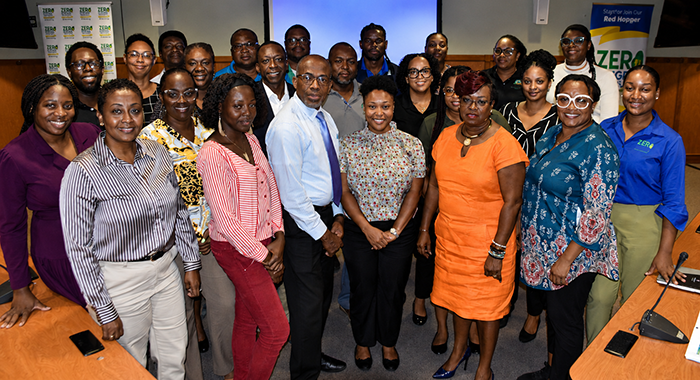
    On June 18, the Zero Hunger Trust Fund (ZHTF) hosted a critical stakeholder validation workshop in Kingstown, marking a key milestone in the finalization of its five-year strategic framework covering 2026 to 2030. This collaborative gathering brought together a diverse cross-section of actors, including senior representatives from national government ministries and departments, local non-governmental organizations, youth advocacy groups, civil society bodies, and other core implementing partners. The core objective of the session was to conduct a comprehensive review of the draft strategic plan and collect targeted feedback to refine the fund’s proposed direction for its next operational cycle.

    Facilitated by experienced strategic consultant Kevin Hope, the workshop formed a central component of a broader inclusive planning process. This process was intentionally designed to guarantee that the finalized strategy fully aligns with St. Vincent and the Grenadines’ national development priorities, reflects existing institutional capacities and constraints, and centers the on-the-ground lived experiences of vulnerable communities across the islands.

    The validation session built on preliminary stakeholder consultations held earlier in March, where community leaders and partner organizations shared on-the-ground insights into the rapidly shifting food and nutrition security landscape across St. Vincent and the Grenadines. Input from those initial consultations already helped shape the refocused draft framework, which prepares the fund for its second decade of operations, impact delivery, and systemic food system transformation.

    During the day-long working session, participating stakeholders assessed whether the draft plan accurately upholds ZHTF’s statutory mandate, matches national priorities, and responds to the evolving challenges that shape food and nutrition insecurity in the country. Attendees examined every core component of the draft, including its proposed vision, mission statement, overarching strategic theme, dual core mandate, holistic full food systems approach, six defined strategic pillars, and priority implementation actions. They also flag areas requiring additional clarification, identified opportunities to strengthen alignment across stakeholder roles, and submitted concrete recommendations to streamline the plan’s final approval, publication, and rollout.

    At the heart of all workshop discussions was a shared consensus that hunger and systemic food insecurity cannot be resolved through disconnected, standalone interventions. In response, the draft strategic plan adopts an integrated, cross-sectoral systems approach that connects diverse policy and programming areas, including social protection, public health nutrition, local food production, agriculture, fisheries, livelihood development, market access, climate resilience, data-driven governance, and community-led participation.

    This model is rooted in the recognition that long-term sustainable solutions require coordinated action across multiple sectors, and stronger linkages between two critical priorities: immediate food and livelihood support for vulnerable households, and long-term strategic investments in building climate-resilient local food systems.

    Addressing assembled participants, Safiya Horne-Bique, Director and CEO of ZHTF, emphasized that meaningful stakeholder engagement is non-negotiable to ensure the final strategic plan is practical, credible, and fully relevant to the national context. “The goal of this workshop is that we leave with a clearer, stronger and more validated strategic framework that can guide the work of the Zero Hunger Trust Fund from 2026 to 2030 and position the Fund for its second decade of impact,” Horne-Bique stated.

    Encouraging open, constructive feedback from all attendees, she added: “Help us ensure that this document is not only a good strategic plan on paper, but also a useful national instrument for action.”

    As ZHTF prepares to mark 10 years since its founding, Horne-Bique noted that the organization must not only celebrate its past achievements, but also adapt its operating model to respond to new and emerging challenges facing the country. “The environment in which the Fund now operates is very different from the one that existed in 2016. Saint Vincent and the Grenadines faces deeper climate and disaster risks, rising food prices, high food import dependency, shifting dietary patterns, youth unemployment, an ageing population, and continued vulnerability among households and communities. These realities require us to think beyond individual programmes and to look at the food system as a whole. That is the central purpose of this Strategic Plan.”

    Horne-Bique further explained that the fund’s future direction must strike a critical balance between delivering immediate assistance to vulnerable populations and advancing long-term work to reduce systemic vulnerability, strengthen community livelihoods, and build overall food system resilience. “This workshop is not intended to be a ceremonial exercise. It is a working session. We are here to validate the strategic direction of the Fund for the period 2026 to 2030 and to ensure that the final plan is ambitious, but realistic; nationally relevant, but institutionally deliverable; visionary, but measurable.”

    The draft strategic plan also clarifies and sharpens ZHTF’s unique value proposition as a national institution. The fund does not aim to replace existing government ministries or community-based organizations; instead, it positions itself as a catalytic, flexible, and partnership-driven intermediary that connects policy development, financing, on-the-ground programming, community leadership, and evidence-based learning. Through this niche role, ZHTF is positioned to mobilize much-needed resources, pilot innovative intervention models, directly support vulnerable groups, strengthen local food systems, and turn national food and nutrition security priorities into actionable, results-driven work.

    For his part, consultant Kevin Hope highlighted the immense value of the input collected across the full consultation and validation process. He noted that workshop discussions reinforced both the critical importance of ZHTF’s mandate and the need to build broader public understanding of the fund’s role in advancing food and nutrition security across the islands. “It is now for us to work together on how we align our initiatives, how we use the activities ZHTF is doing to catalyse other investment, and how we deliver on the mandate. The mandate is ending hunger, food security and sustainable livelihoods,” Hope said.

    He added that meaningful food security and food sovereignty must become embedded in national culture and daily community practice, rather than remaining abstract policy concepts reserved for government documents. “How do we target interventions and work together collaboratively to reduce poverty and vulnerability in communities using agriculture and fisheries as mediums? How do we strengthen and support livelihoods in these communities, and how do we ensure that food sovereignty and food security are not just buzzwords, but part of our lived culture? I am hopeful that at the end of this strategic planning exercise, there will be greater public awareness and stronger buy-in as to the ‘why’.”

    Moving forward, all feedback and recommendations collected during the June 18 validation workshop will be integrated into the draft to produce the final version of the 2026–2030 Strategic Plan, which will then be submitted for official government approval. Once finalized, the plan will serve as the official roadmap guiding ZHTF’s work to end hunger, strengthen food and nutrition security, support sustainable livelihoods, deepen cross-sector partnerships, and contribute to the development of resilient, inclusive, and sustainable food systems across St. Vincent and the Grenadines.

  • UWI urges preparedness after major Venezuela earthquakes

    UWI urges preparedness after major Venezuela earthquakes

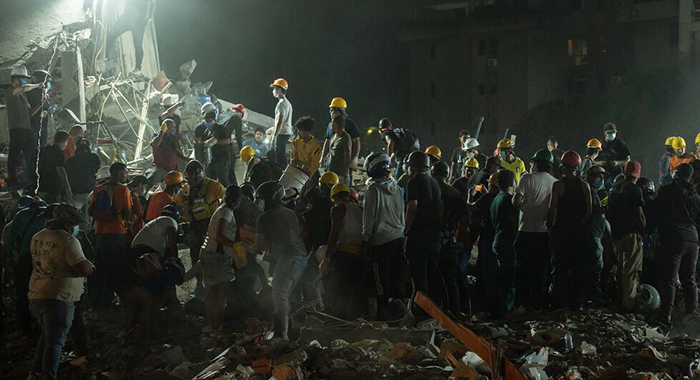
    On Wednesday, two massive earthquakes, measuring magnitude 7.2 and 7.5 respectively, struck Venezuela just 39 seconds apart — the strongest seismic events the country has recorded in more than 125 years. By Friday, the United Nations confirmed the death toll had climbed to at least 235, with expectations of further increases as search and recovery operations continue.

    The worst damage is concentrated in La Guaira state, roughly 30 kilometers north of the capital Caracas, where at least 250 structures have been damaged or completely destroyed. Critical public infrastructure across the affected area remains severely impaired: electricity grids, water supplies, and telecommunications networks are largely non-functional, road and air transport networks are blocked. Maiquetía International Airport, the country’s primary international gateway, remains closed due to structural damage, local hospitals are operating under mass casualty response protocols, and emergency shelters have been established to house hundreds of displaced families.

    Immediately after the quakes, a regional tsunami warning was issued for Caribbean coastal areas, but officials canceled the alert within days after specialists analyzed data from regional monitoring stations and deep-ocean tsunami detection systems. No measurable large tsunami was detected, and forecast wave heights remained far below dangerous thresholds.

    The back-to-back major seismic events sparked widespread public concern across the Caribbean, particularly after a separate earthquake was recorded between Trinidad and Tobago and Grenada shortly after the Venezuela quakes. Officials at the University of the West Indies Seismic Research Centre (UWI-SRC), the leading agency responsible for monitoring earthquakes, volcanoes, and tsunamis across the English-speaking Eastern Caribbean, have moved to calm growing public anxiety while emphasizing the ongoing need for proactive preparedness in the seismically active zone.

    Erouscilla P. Joseph, director of the UWI-SRC, explained that while both the Venezuela quakes and the smaller tremor near Trinidad and Tobago fall within the broad Caribbean-South American plate boundary zone, they stem from distinct tectonic processes. “At this time, there is no evidence that the earthquakes are directly related to the same fault system,” Joseph noted. While large seismic events can alter stress distribution across nearby tectonic structures, she added, establishing a direct causal link between separate individual events is rarely scientifically feasible.

    UWI-SRC has recorded a small uptick in regional seismic activity following the Venezuela earthquakes, a common geologic adjustment after major stress release, the agency confirmed. Joseph emphasized that while a magnitude 7.5 quake qualifies as a major regional event, such events occur somewhere across the globe nearly every year. Though the Venezuela quake ranks among the largest global seismic events of 2026, it is not among the most powerful recorded worldwide in the last decade. What makes the event unusual, Joseph explained, is its proximity to heavily populated areas and the extremely short interval between the two major quakes. “It is relatively uncommon but not unprecedented,” she said, adding that the 39-second gap between the 7.2 and 7.5 events points to a complex rupture process that released massive accumulated tectonic stress over just a few minutes. Preliminary analysis confirms the quakes occurred within the active Caribbean-South American plate boundary, which hosts major fault systems including the El Pilar-San Sebastián network and associated offshore structures. Detailed surveys are still ongoing to pinpoint the exact fault segment responsible for the rupture.

    Addressing concerns that the Venezuela quakes could trigger a major seismic event closer to Trinidad and Tobago, Joseph confirmed that aftershocks are expected in the immediate vicinity of the original quakes, and some of these may be felt in southern Caribbean nations. However, she stressed that there is currently no scientific evidence to suggest the Venezuela events have directly increased the risk of a major earthquake in Trinidad and Tobago. Echoing the UWI-SRC’s core guidance, Joseph said, “The public should not be alarmed, but they should be prepared. Trinidad and Tobago, like Venezuela and many other Caribbean countries, is located within an active seismic region where earthquakes can occur. Events such as this remind us of the importance of preparedness.”

    Joseph also outlined how the impact of a similar magnitude quake near Trinidad and Tobago would vary based on multiple key factors: the event’s depth, its distance from population centers, local geologic ground conditions, and the seismic resilience of existing buildings and infrastructure. Older structures constructed without modern seismic building codes are far more vulnerable to damage than newer builds, and a strong nearby quake could cause widespread damage to critical infrastructure including utilities, transportation networks, and public and commercial buildings. Because of this, Joseph noted that ongoing investment in updating building codes and improving public preparedness remains a critical priority for all regional governments.

    In a public safety guidance update, Joseph addressed common reactions during strong shaking, such as the instinct to run outside immediately, which has been captured in viral videos from the Venezuela quakes. She warned that moving during intense shaking dramatically increases the risk of injury from falling debris, broken glass, or collapsing structural elements. The internationally recommended safety protocol remains “Drop, Cover and Hold On” until shaking stops, after which people can calmly evacuate to a safe open area away from damaged structures if needed.

    UWI-SRC is urging all members of the public across the Eastern Caribbean to use this high-profile event as an opportunity to update their personal and family emergency preparedness: residents are encouraged to review earthquake safety protocols, identify pre-planned safe spots in homes and workplaces, secure heavy furniture and appliances that could topple during shaking, assemble emergency supply kits, and confirm family emergency communication plans.

    “It is natural to feel concerned when a major earthquake affects a neighbouring country, particularly one with which we share such close ties,” Joseph said. “The SRC remains committed to monitoring seismic activity across the region and providing timely, reliable information so that individuals, communities and governments can make informed decisions. This earthquake is a reminder that while we cannot prevent earthquakes, we can reduce their impacts through preparedness. The goal is not to be fearful, but to be ready.”

    The agency maintains continuous real-time monitoring of seismic activity across the Eastern Caribbean, and publishes updates through its official website and social media platforms including Facebook, Instagram, and X (formerly Twitter). UWI-SRC is encouraging all residents to follow these official channels for accurate, up-to-date information and to prioritize emergency preparedness in the seismically active region.

  • GHS student dies of cancer on her graduation day

    GHS student dies of cancer on her graduation day

    On what should have been a day of celebration and new beginnings for graduating students at St. Vincent Girls’ High School, the entire community was plunged into mourning Thursday with news that one of their own, 17-year-old Form 5 Technical student Morica DaSilva, had lost her years-long battle with stage 4 cancer just hours after being honored for her extraordinary courage.

    As family and fellow students gathered inside the school’s graduation ceremony, a plea for prayers and support for DaSilva, who had been hospitalized amid a worsening of her condition, began spreading rapidly across local social media platforms. Within hours of that post going viral, school administration officially confirmed the devastating passing of the young student.

    In a heartfelt public tribute shared to the school’s social media channels, administrators remembered DaSilva as a bright, kind young woman whose warm presence and creative spirit left an indelible mark on the entire school community. Beyond her academic accomplishments, DaSilva was an active and valued member of the school’s Loyal Hearts Ad Alta Choir, where she shared her passion for singing and performance. When she was not rehearsing or studying, she could often be found crocheting, a hobby that let her creativity shine and brought joy to everyone who knew her.

    Earlier the same day, before her passing was announced, DaSilva was posthumously awarded the Celina Cordice-Primus Award for Perseverance — a distinction created to recognize students who demonstrate extraordinary resolve in the face of overwhelming hardship. School officials called the award a fitting reflection of the grit, courage, and strength of character DaSilva displayed through every step of her cancer journey.

    “ We extend our deepest and most heartfelt condolences to Morica’s parents, family, friends, classmates, and all who knew and loved her,” the statement read. “During this time of profound grief, we keep them in our thoughts and prayers and hope they find comfort in the love and support of those around them. Though she is no longer with us, her memory will forever remain a cherished part of the Girls’ High School family.” School officials added that further details about DaSilva’s funeral arrangements will be released to the public once they are finalized by her family.

    The grief over DaSilva’s passing extended beyond the school walls to the St. Vincent and the Grenadines Teachers’ Union, where DaSilva’s mother Marva has long served as a member. Union president Fiona Charles-Williams personally reached out to share condolences with the DaSilva family, the school’s headmistress and staff, and the entire 2026 graduating class in a voicenote addressed to all union members.

    “… we are in sympathy and we offer condolences to Morica’s extended family and Marva’s extended family,” Charles-Williams said. “We are saddened by this loss, and we ask the Lord to give them comfort in their time of bereavement.”

  • SVG gets resident psychiatrist after 10-year absence

    SVG gets resident psychiatrist after 10-year absence

    After nearly a decade of unmet demand for specialized psychiatric care, St. Vincent and the Grenadines (SVG) has marked a turning point for its public mental health system with the appointment of seasoned Cuban psychiatrist Dr. Eloy Asanza Castillo to the country’s Mental Health Rehabilitation Centre (MHRC). The long-awaited hire closes a critical staffing gap that health officials have struggled to resolve for 10 years, and anchors a sweeping government plan to transform mental healthcare across the island nation.

    Health Minister Daniel Cummings, who took office in December following the New Democratic Party’s victory in November’s general election, made the official appointment announcement during a press briefing held in Kingstown on Thursday, June 25, 2026. Cummings framed Castillo’s arrival as a core milestone in the new administration’s three-pronged mental health strategy: destigmatizing mental illness, decentralizing care services away from centralized institutional settings, and moving away from long-term dehumanizing institutionalization for patients.

    “Today we are privileged to welcome a very competent, deeply experienced physician to the MHRC who will guide our work in this critical public health space,” Cummings told reporters. He emphasized that what makes this hire particularly meaningful is that Castillo has relocated to SVG permanently with his entire family, not just taken a temporary posting. With decades of practice across the Caribbean and sub-Saharan Africa, Castillo brings a wealth of global and regional expertise that fits perfectly with SVG’s reform goals, the minister added. “He has chosen to settle here, work here, and become part of our community – that makes him one of us, and I could not be happier to have Dr. Castillo on our team,” Cummings said.

    For his part, Castillo described himself as a “simple guy” with 33 years of hands-on psychiatric experience spanning multiple countries. His first overseas posting brought him to neighboring St. Lucia as part of a bilateral government cooperation agreement, followed by roles in Venezuela and, most recently, a 10-year practice in South Africa. The psychiatrist noted that he had been in discussions with SVG’s Ministry of Health for roughly three years before personal circumstances aligned to allow him to accept the permanent post. “I’m very happy it finally worked out, and I’m thrilled to be part of this important effort to improve mental health care here,” he said.

    Castillo also praised the existing local MHRC team for their ongoing community-focused outreach work, noting that he was particularly impressed to see young care providers traveling directly into communities, learning patients by name, tracking their needs, and delivering consistent ongoing care including critical medication services. “I’m really happy to be here, and I will put all my effort into supporting this wonderful team of mental health professionals and serving the people of SVG,” he added.

    Alongside the celebratory announcement of Castillo’s appointment, Cummings used the press conference to push back against recent critical media coverage that he said falsely painted MHRC staff as uncaring and unqualified, without any substantive investigative work. The minister argued that these unsubstantiated reports are not just dishonest – they also erode public trust in the government’s ability to deliver essential mental health services and harm the morale of care providers.

    “These kinds of uninvestigated claims have a serious impact on public confidence. If people believe the government runs an institution staffed by incompetent providers, that undermines everything we’re working to build, and this is far too serious an issue for political games,” Cummings said. He specifically highlighted Dr. Alisa Alvis, the MHRC’s administrative head and lead psychologist, as an example of the highly trained, dedicated local staff already serving the institution. Alvis, who holds a doctorate in psychology, has been carrying dual administrative and clinical responsibilities for years amid the staffing gap, and Cummings praised her extraordinary commitment and expertise.

    The defense of local staff comes after a high-profile court proceeding in April, when Chief Magistrate Colin John rejected mental fitness reports prepared by Alvis and two local non-psychiatric physicians, ruling they did not hold the required medical qualifications to assess a defendant’s fitness to plead. Alvis, in her role as head of mental health services, and the Ministry of Health’s Permanent Secretary have also been summoned to court over the MHRC’s failure to complete a required mental health report for an accused defendant with a documented history of mental illness.

    Cummings made clear that Castillo’s appointment is just the first step in a broader overhaul of SVG’s mental health system. The government’s reform agenda includes expanding early intervention programs in schools, rolling out community-based decentralized care services across the country, and adding a dedicated acute mental health wing to SVG’s new public hospital.

    The minister also shared that a recent visit to the existing MHRC facility in Glen was one of the most difficult experiences of his early tenure, confirming longstanding reports of severely dilapidated conditions for both patients and staff. For decades, Cummings said, the facility has functioned more as a holding cell than a rehabilitation center, keeping patients in a segregated, resource-poor captive environment with little support to transition back to community life as healthy, independent people. But that status quo is changing rapidly, he emphasized.

    Alvis told reporters that the MHRC currently cares for roughly 150 inpatients at any time, including around 120 long-term patients, many of whom have no other housing or support outside the facility. She noted that through early outreach and improved care planning, the facility has already reduced inpatient numbers from a peak of around 190, and further cuts to unnecessary long-term hospitalization are planned. The reform strategy focuses on stronger discharge planning, deeper engagement with patients’ families, and expanded community-based care that allows patients to receive treatment in their own homes instead of requiring institutional admission. “When people can access care close to home, they stay connected to their communities and have far better outcomes,” Alvis explained. “That’s the core of our decentralization effort, and it’s already delivering results.”

  • Two Vincies in custody after Scottish man killed in Canouan

    Two Vincies in custody after Scottish man killed in Canouan

    A high-profile shooting death on the Caribbean island of Canouan, part of St. Vincent and the Grenadines, has led to two arrests and forced investigators to expand a long-running probe into a mysterious missing plane case that has drawn regional security attention.\n\nHomicide investigators confirmed Wednesday night that 37-year-old Daniel Vettrino, a Scottish national working as technical services manager at the luxury Canouan Estate Resort & Villas, was fatally shot. Local authorities found Vettrino with multiple gunshot wounds in the Jim Hill area of Canouan around midnight, and a responding doctor pronounced him dead at the scene. Two local Vincentian men have been taken into custody in connection with the killing, though law enforcement has so far declined to release any official comment on motive or details of the case, per information obtained by iWitness News from reliable sources.\n\nWhat has made the case particularly notable is its emerging connection to the unexplained disappearance of a twin-engine light aircraft near Canouan earlier this month. Well-placed insider sources confirm that Vettrino previously resided in Colombia, matching the nationality of the two pilots on board the missing Dominican Republic-registered Beechcraft Baron B58T, registration number HI1145. Public flight tracking data corroborates that the aircraft completed at least one round trip between Canouan and Argyle International Airport (AIA) on June 10, just two days before it vanished while en route to ANR Robinson International Airport in Tobago. The plane first flew from Canouan to AIA on June 12 before departing for its planned destination at 11:52 a.m. local time, with a scheduled flight time of 65 minutes.\n\nA statement from St. Vincent and the Grenadines’ Civil Aviation Department explained that the aircraft maintained routine radio communication with AIA air traffic control until it reached a point 40 nautical miles south of the airport — the southern boundary of the country’s controlled airspace — where communication handover was completed. After the transfer, all radio contact was lost, and the plane never arrived at its destination. Search and rescue operations were launched immediately, and remained active as the investigation unfolded.\n\nIn a surprising public update, St. Vincent and the Grenadines Minister of National Security St. Clair Leacock confirmed earlier that the missing aircraft has actually been located, and that the two Colombian pilots on board survived the incident. However, Leacock has declined to release any additional details, framing the case as an extraordinarily sensitive security matter that requires strict limits on public disclosure. “The public is understandably anxious for information, but we have to balance the public’s right to know with the needs of ongoing operational security,” Leacock stated, adding that professional responsibilities prevent him from sharing more details at this time.\n\nVettrino’s killing marks the 20th homicide recorded in St. Vincent and the Grenadines in 2026, according to official police statistics. That number represents a noticeable increase from the 15 homicides recorded by the same point in 2025. It was also the second fatal killing in the country over a 48-hour period: just one day before Vettrino’s shooting, another man was killed in Lowmans Hill on the main island of St. Vincent. Authorities say that victim is a St. Lucian national, but have not yet confirmed his full identity.\n\nThis June 2026 missing plane incident is not an isolated case in St. Vincent and the Grenadines, and marks the second unexplained aircraft disappearance linked to Canouan since 2023. In December 2023, a twin-engine Gulfstream N337LR carrying three passengers and one pilot departed Canouan for what was billed as a two-hour sightseeing excursion. The pilot made his final radio contact with the Canouan control tower just six minutes after takeoff, after which all contact was lost. Months later, the aircraft was located intact in Africa. Then-prime minister and national security minister Ralph Gonsalves noted at the time that data from regional and international security agencies indicated the plane’s transponder had been intentionally turned off, a common red flag for illicit air activity. Gonsalves added that local authorities had coordinated with two relevant Latin American nations to investigate the 2023 incident.\n\nJust one month before that 2023 disappearance, Vincentian security forces intercepted and searched a separate Gulfstream III jet, registration N674JM, after it arrived in Canouan from the Dominican Republic based on specific intelligence, Gonsalves confirmed at the time. “We received intelligence that the plane was heading to Argyle International Airport, but that information turned out to be incorrect. Once we confirmed it was bound for Canouan, we mobilized security forces. We were advised that two or three people on board had reservations to stay at the Soho House resort here,” Gonsalves told local radio in 2023. He added that no contraband or prohibited items were found on board the jet after a full search.

  • SVGCC graduates urged to ‘slay with substance’

    SVGCC graduates urged to ‘slay with substance’

    At a packed graduation ceremony held at Kingstown’s Independence Park on Tuesday, a leading Vincentian academic challenged the 961 graduating class of St. Vincent and the Grenadines Community College (SVGCC) to carry three core values into their next chapter: unshakable resilience, intentional responsibility, and radical care for their communities as they step into their roles as “tomorrow’s leaders.”

    Delivering the feature address for the 2024 commencement, themed “Tomorrow’s Leaders, Empowered Minds, Limitless Possibilities,” Dr. Andrea Veira — a biology researcher and science education lecturer at the University of the West Indies Cave Hill Campus with advanced credentials in education and university teaching — wove Gen Z cultural language, approachable humor and rigorous academic insight into her address. She urged graduates to pair their hard-earned credentials with compassion, collective stewardship, and a proud, rooted sense of Caribbean identity.

    “You are now standing at a defining turning point in your life,” Veira told the assembled graduates and their guests. “From this moment onward, your responsibilities grow heavier, and every decision you make carries real, tangible weight for your future and those around you.”

    Opening by celebrating the historic scale of the graduating class, Veira highlighted that more than 900 students completed a diverse range of credentials, from certificates and technical vocational qualifications to CAPE passes, diplomas, and associate degrees. She framed the commencement as a tribute to the quiet perseverance that brought every graduate across the finish line, after years of navigating overlapping academic, financial, and personal pressures.

    “We gather here today not just to hand out diplomas, but to celebrate perseverance,” she said. “You overcame unforgiving academic pressure, crippling financial challenges, private personal battles, grief, constant uncertainty, and all the small daily stresses that never make it into the official ceremony program, but live forever in your group chats. Yet here you are — you showed up, pushed through, and turned in the final assignment.”

    Speaking to graduates in their own idiom, she added: “In the language of your generation, you ate and left no crumbs behind, graduates.” She then led the crowd in a playful call-and-response, prompting the audience to shout “no crumbs” every time she said “you ate.”

    Veira reminded the cohort — made up mostly of Gen Z students, with a small number of millennials mixed in — that their coming-of-age was defined by overlapping, unprecedented crises and rapid societal shift that tested their strength long before graduation. She pointed to the COVID-19 pandemic, the 2021 eruption of the La Soufrière volcano, Hurricane Beryl, and the disruptive arrival of artificial intelligence in teaching and learning as shared, defining experiences that shaped this graduating class.

    “On top of these public crises, many of you carry private struggles no one else ever saw,” she said. “But whether you realize it or not, as Vincentians and as Caribbean people, you are far stronger than you sometimes allow yourself to believe.”

    She tied this innate strength to the region’s shared history and cultural identity, noting that generations of Vincentians survived colonialism, enslavement, indentureship, displacement, and persistent hardship, always finding ways to rise, rebuild, and create beauty from struggle. “Built into your DNA is a cultural identity shaped by survival, creativity, struggle, faith, humor, and community,” she explained. “You are children of Vincentian soil, and that means resilience is not just a trait you admire — it is something you inherit.” To tie this to the commencement theme, she led a second call-and-response, with graduates shouting “limitless possibilities” in reply to “empowered minds.”

    Veira was careful to draw a clear line between modern empowerment and the often-criticized culture of entitlement that is stereotypically linked to younger generations. “True empowerment is not something you are owed — it means access, exposure, and above all, responsibility,” she stressed. She noted that today’s SVGCC graduates have access to opportunities earlier generations of Vincentians could barely dream of, from post-primary education and online learning to global professional networks, digital creator economy platforms, entrepreneurship tools, and cutting-edge emerging technologies including AI, automation, drone technology, robotics, and data systems. “These are tools for empowered minds, and when used with discipline and clear purpose, they open exactly the limitless possibilities this graduation’s theme promises,” she said.

    Turning to the role of SVGCC, Veira praised the institution for building a strong foundational education across every discipline, from traditional CAPE subjects and nursing to teaching, technical trades, business, agriculture, and hospitality. She reminded graduates that no matter what field they studied, their skills fill critical needs in national society. “Every field matters, every skill has value, and when knowledge is joined with discipline, humility, and care, it becomes real empowerment,” she said. She encouraged graduates to pursue a model of leadership rooted in substance rather than performance: “That is the kind of empowerment I encourage you to embrace — not loud arrogance, but quiet confidence; not selfish ambition, but purposeful leadership.”

    Throughout her address, Veira repeatedly circled back to care as the defining mark of meaningful, lasting success. “A caring teacher, a caring nurse, a caring farmer, a caring doctor, a caring technician, a caring entrepreneur — no matter their profession — makes the difference between simply doing a job and touching a life, between providing a service and leaving a legacy,” she said.

    She explained how care transforms ordinary spaces and roles: “Care turns a classroom into a place of hope, a hospital room into a place of healing, land into a source of nourishment, and a career into a calling. When you lead with care, people remember not only what you did, but how you made them feel. And graduates, that hits different.” She led one final call-and-response, with the crowd shouting “hits different” in reply to “care.”

    Closing her address, Veira urged graduates to never forget the people and communities that supported them through their education, arguing that giving back is not a goal to postpone until after they achieve personal success. Instead, she said, it is a mindset to embrace from the first step of their post-graduation journey. “It begins in the attitude with which you approach the journey,” she said. “It begins with passion and love for what you do, because when you care deeply about your work, you do not merely perform tasks; you search for meaning, improvement, and impact.” She closed by encouraging graduates to seek mentorship, listen to community needs, think creatively, and work together to solve the persistent challenges facing St. Vincent and the Grenadines and the wider Caribbean region.

  • Setting the record straight – a response to falsehoods

    Setting the record straight – a response to falsehoods

    In response to widespread public speculation and misleading media reports surrounding her appointment and impending departure from the top role at the St. Vincent and the Grenadines (SVG) Tourism Authority, former chief executive Annette Mark has stepped forward to set the record straight, pushing back against unfounded rumors and detailing her years of results-driven public service to the country.

    Mark notes that she rarely engages with public commentary about her professional work, but recent inaccurate claims about her hiring process left her with no choice but to provide clarity for the SVG public. Addressing widespread claims that she was improperly “handpicked” for the CEO role by political actors, Mark confirms that she competed for the position alongside other candidates through a formal recruitment process led by a local SVG firm, contradicting rumors that a foreign recruitment firm led the process. The interview panel, she explains, was composed primarily of local stakeholders, with just one consultant brought in from Barbados. After the initial January interview round, Mark did not receive any update for six months until she was contacted in July about the role, and she had no insight into internal deliberations during that waiting period. At the time of the offer, she was already preparing to leave SVG to pursue professional opportunities abroad, but turned that down to serve her home country, driven by her belief in the untapped potential of SVG’s tourism sector.

    Mark outlines the timeline of her resignation, confirming she formally submitted her resignation on December 29, 2025, with an original effective date of February 28, 2026. Following the swearing-in of the new administration after the recent change in government, Mark met with the new Minister of Tourism roughly one week into his tenure. The meeting was described as cordial and professional, with Mark delivering a full briefing on the Tourism Authority’s ongoing operations, strategic priorities, and ongoing challenges.

    During that meeting, the pair discussed Mark’s pre-planned exit strategy: she had always intended to step down by August 2026. They also explored a potential arrangement where she would remain in the role longer to support a smooth leadership transition while the government sourced a permanent replacement. The minister stated the plan was practically sound, pending approval from his Cabinet colleagues, and asked Mark to formally withdraw her resignation. Mark, who had anticipated the request, already had a withdrawal letter prepared and submitted it during the meeting. Mark emphasizes that the minister explicitly stated during this conversation that he had no objections to her continuing in the role, and that he did not consider an individual’s political party affiliation a relevant factor for the position. The minister’s core expectation, Mark says, was that public office holders deliver professional, effective performance, a statement that led Mark to believe any future decision about her tenure would be based on professional rather than political considerations.

    Before the Cabinet could issue a formal response, Mark was on scheduled vacation leave from December 22, 2025, to January 6, 2026. During this break, she reflected on her long-term plans, and ultimately sent a second letter to the minister on or around December 30, 2025, requesting that she be allowed to remain on vacation until her original February 28 resignation effective date. She committed to remaining available to support a full, organized handover of responsibilities, and during this period, she continued to fulfill key professional commitments – including several requests from the minister herself – and spent significant time compiling a comprehensive handover document detailing all ongoing projects, institutional priorities, and outstanding pending matters.

    Mark stresses that her decision to issue this public clarification is not driven by personal self-interest, but by a commitment to upholding factual public discourse. She argues that public conversation about governance should be rooted in verifiable facts rather than unfounded assumptions or incomplete, politically motivated narratives, adding that holders of public office have a responsibility to uphold the truth.

    Throughout her decades of public service, Mark says she has prioritized professionalism and integrity, and has always centered what is best for SVG regardless of which political party holds office. “Public service is larger than any individual or political party,” she emphasized. What troubles her most, she says, is the growing trend of personalizing public debate to undermine the contributions of public servants who have dedicated decades of their careers to advancing the country. She raised concerns about the example this sets for young Vincentians, questioning what message it sends when public figures advance their own standing by attacking the character, motives and achievements of fellow public servants.

    Rather than engaging in petty personal attacks, Mark has chosen to let her track record of results speak for itself, a step she says she would not normally take. She details a series of landmark wins for SVG’s tourism sector during her tenure: in 2024, despite industry projections that stay-over tourist arrivals would stay below 100,000, SVG exceeded expectations to record more than 101,000 arrivals. In 2025, the country outperformed forecasts once again, hitting approximately 120,000 stay-over arrivals, ranking it among the top-performing tourism destinations in the Caribbean according to regional industry data.

    Major initiatives launched during her leadership include the Diamond Rewards Programme, an incentive scheme designed to encourage international travel advisors to prioritize SVG as a destination; the ongoing conceptualization of a digital transformation of SVG’s tourism sites to deliver more immersive, interactive experiences for visitors; the rebranding and expansion of the popular Bequia Easter Regatta into SVG Sailing Week, which positioned the country as a top regional sailing destination; the development of new plans to upgrade and expand national tourism attractions and visitor experiences; the successful hosting and expansion of the first Emancipation Cricket Festival and Masters Cricket Festival; representation of SVG at key regional and global tourism forums, including her election as Vice Chair and Director of the Caribbean Tourism Organization’s Board; targeted engagement with major international airline partners including Virgin Atlantic and Delta Air Lines to improve air access and connectivity for visitors, including a successful 2025 adjustment to Virgin Atlantic’s summer arrival time from 5:00 pm to 2:00 pm that allows for same-day connections to the outer Grenadines islands; and the creation of the Tourism Ambassador Programme, which recruits high-profile international public figures with Vincentian heritage to promote the destination, including Raja Caruth, Skinny Fabulous, Problem Child, Kevin Lyttle, and Devale and Khadeen Ellis.

    Before taking on the role of CEO at the Tourism Authority, Mark served as executive director of Invest SVG, the country’s investment promotion agency, where she led a series of transformative institutional and economic development projects. Key achievements from that tenure include leading the drafting of SVG’s proposed new Investment Act; expanding the local Everything Vincy business support programme from just 40 participants to more than 120; facilitating SVG’s six-month national participation in Expo 2020 Dubai; developing the first comprehensive five-year strategic plan in Invest SVG’s history; supporting and facilitating major foreign direct investment projects including the new Sandals, Holiday Inn, and Marriott resort developments; and serving as the elected President of the Caribbean Association of Investment Promotion Agencies from 2020 to 2022, a position she won via vote from her regional peers.

    Mark concludes by noting that she has never run for public office, and has never measured her success by public recognition. Her core focus throughout her career has always been to deliver meaningful contributions to the institutions and country she has been privileged to serve. While other actors may choose to push politically motivated narratives about her tenure, Mark says she remains proud of her track record, deeply grateful for the opportunities to serve, and confident that history will judge her contributions based on facts, results, and commitment to public service.

    In closing, Mark extended her sincere congratulations to the SVG Tourism Authority and its incoming new management, wishing them every success in their future work advancing the country’s tourism sector through hard work and dedication.

    Disclaimer: This is an opinion piece, with views belonging solely to the author, and does not necessarily represent the official editorial stance of iWitness News.