标签: Saint Vincent and the Grenadines

圣文森特和格林纳丁斯

  • Anticipation mounts for first meeting of Parliament under NDP

    Anticipation mounts for first meeting of Parliament under NDP

    Kingstown prepares for a pivotal constitutional moment as Saint Vincent and the Grenadines’ newly elected New Democratic Party administration convenes Parliament on December 23rd, precisely five days ahead of the constitutional deadline requiring assembly within thirty days following election writ returns.

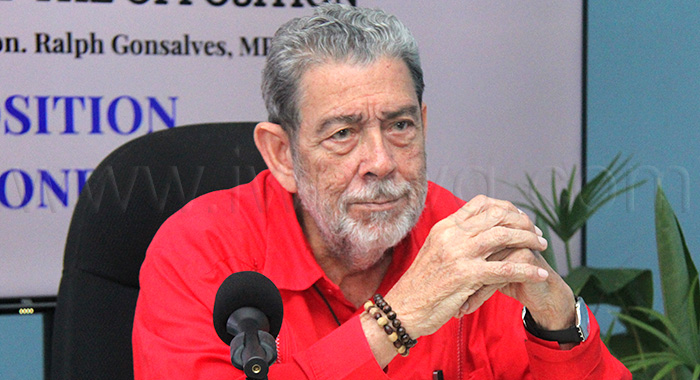
    The political atmosphere remains charged with multiple unresolved questions dominating public discourse. Central to the speculation is Opposition Leader Ralph Gonsalves’ potential attendance, with the veteran politician stating he maintains “prayerful consideration” regarding whether he will participate in the ceremonial oath-taking proceedings. Gonsalves, representing North Central Windward since 1994, remains the sole surviving parliamentary member of the formerly governing Unity Labour Party after voters rejected all other ULP candidates in the November 27 elections.

    Administrative challenges further complicate the parliamentary opening. The High Court’s December 4th ruling quashed the 2023 appointments of Debra Alexander-Charles and Simone Williams-Huggins as clerk and deputy clerk respectively, declaring their appointments unlawful and procedurally improper. This development follows original candidate Celena McDonald’s union-backed legal challenge against the Public Service Commission. Government sources confirm the essential positions must be filled before Parliament can formally convene.

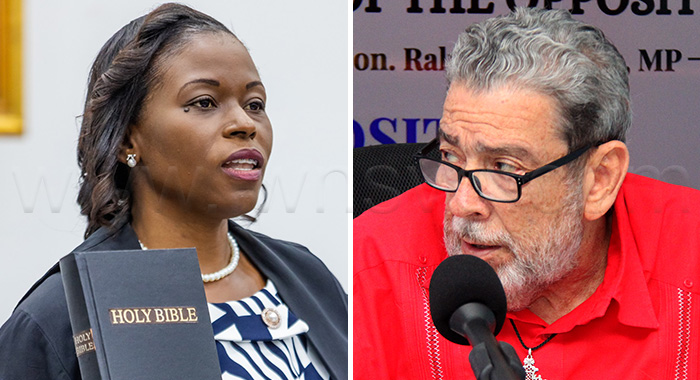
    Attention also focuses on cabinet appointments, with Prime Minister-designate Dr. Friday expected to announce key positions including the Speaker and Deputy Speaker of the House. Social media speculation has circulated regarding former NDP senator Vynnette Frederick potentially assuming the Speaker role, though sources suggest this speculation originates from those desiring a more combative parliamentary dynamic rather than reflecting the Prime Minister’s actual intentions.

    The opposition faces its own structural decisions, with Gonsalves carefully evaluating potential senate appointments from among the ULP’s defeated candidates. Notable among them is his son, former Finance Minister Camillo Gonsalves, who has signaled he will not seek reelection in East St. George, and former Agriculture Minister Saboto Caesar, who has returned to legal practice after seventeen years in politics. The opposition leader emphasizes he continues consultations regarding appointments, balancing private sector commitments with parliamentary responsibilities.

    Meanwhile, Prime Minister-designate Friday has maintained notable silence on parliamentary matters, with Senator Lavern King’s promise of an imminent press conference remaining unfulfilled as the PM instead engages in informal public interactions throughout Kingstown.

  • I have a question: Where are they now?

    I have a question: Where are they now?

    In the aftermath of recent elections, public attention has turned toward several prominent figures whose positions and qualifications warrant examination. Individuals like Chevonne Stewart and Grace Walters now face public speculation about their return to government roles, raising questions about their reintegration into the civil service structures they previously seemed to transcend during their political campaigns.

    The phenomenon extends to other recognizable figures, including the once-vocal ‘Candy Man,’ who has resumed his duties as a civil servant while promoting local commerce. His rapid ascent, attributed more to political connections than demonstrated merit, invites scrutiny regarding the sustainability of such careers once electoral fervor subsides.

    Particular concern surrounds appointment 705, where managerial authority appears mismatched with educational qualifications. The current manager reportedly holds only a post-secondary diploma while supervising staff with undergraduate and postgraduate degrees—an imbalance that may contribute to persistent operational deficiencies and high staff turnover within the department.

    These observations echo timeless wisdom about the nature of qualifications and power. The proverbial notion that ‘dressing a pig in a suit’ cannot alter its fundamental nature serves as a caution against prioritizing political connections over substantive capability. Similarly, the adage that ‘he who pays the piper calls the tune’ underscores concerns about accountability structures within politically influenced appointments.

    The discourse concludes with restrained commentary on politically appointed diplomats, acknowledging the complex interplay between political patronage and institutional effectiveness that characterizes post-election governance landscapes.

  • Streamlining VAT-free day with digital tools

    Streamlining VAT-free day with digital tools

    St. Vincent and the Grenadines is poised to make economic history this Friday with its inaugural VAT-free shopping day, an initiative generating unprecedented public excitement across the nation. The December 19 event represents a strategic economic intervention by the NDP administration designed to alleviate cost-of-living pressures while simultaneously stimulating local commerce during peak seasonal demand.

    This groundbreaking policy stands as one of the most practical, consumer-focused economic measures implemented in recent governmental history. As merchants nationwide prepare for anticipated customer surges, attention has turned to operational efficiency—specifically how digital transformation can optimize high-volume retail operations without substantial infrastructure investment.

    The core strategy involves deploying accessible digital tools to create agile, distributed transaction systems that replace traditional single-point checkout bottlenecks. This technological shift enables a seamless customer journey through mobile payment solutions and advanced communication platforms that require minimal implementation time.

    Key digital recommendations for businesses include:

    A specially developed VAT reduction calculator, created through collaboration between economic strategists and Layou Technologies, enables shoppers to compute savings in real-time while providing merchants with faster transaction processing. The tool exemplifies how local innovation can enhance everyday commercial experiences.

    Mobile point-of-sale (mPOS) systems empower staff to conduct transactions anywhere within retail spaces, dramatically reducing queue congestion and increasing transaction velocity during peak shopping periods.

    Pre-ordering systems utilizing WhatsApp Business or dedicated phone lines allow customers to submit advance orders with scheduled collection times, including curb-side pickup options. This approach requires completion of actual transactions on December 19 to maintain VAT-free eligibility while distributing customer flow throughout the day.

    Social media integration and shared digital spreadsheets provide real-time inventory visibility, parking availability updates, and wait time expectations, creating a transparent shopping ecosystem that reduces unnecessary crowding and manages consumer expectations effectively.

    This initiative demonstrates that in modern economies, strategic investment in digital systems often yields greater returns than simply increasing inventory capacity, positioning St. Vincent and the Grenadines at the forefront of innovative economic policy implementation.

  • Blue Marlins have record-breaking Trinidad meet

    Blue Marlins have record-breaking Trinidad meet

    The Blue Marlins Swim Club of St. Vincent and the Grenadines delivered an extraordinary performance at the Aquatics Sports Association of Trinidad & Tobago (ASATT) Invitational, held from December 11-14 at the National Aquatic Centre in Couva. Competing in a 50-meter long-course pool against 47 teams, the six-member Vincentian contingent achieved a remarkable 13th place overall finish while breaking multiple national records.

    The competition witnessed historic achievements from the young athletes. Hazen Da Briel demolished his own SVG National Long Course Record in the Male 15-16 200m Individual Medley, clocking 2:24.30, and secured a bronze medal in the 200m backstroke while achieving personal bests in 10 of his 12 events.

    Belle Adams continued the record-breaking trend by surpassing her own national mark in the girls 11-12 400m Individual Medley with a time of 6:32.63. Her performance earned three bronze medals across freestyle and butterfly events.

    In a family triumph, Zane Dabriel broke his brother Hazen’s Male 8-and-under backstroke National Record set in 2018, while also claiming bronze in the 50m breaststroke. Caghry Williams demonstrated consistency with two silver medals and one bronze in breaststroke events, achieving personal bests in 9 of 11 races.

    The entire team showed significant improvement, with Zoey May and Raya Adams delivering perfect performances by setting personal records in all their respective events.

    The delegation, managed by Marcus Da Briel with chaperone Bettie Jn Baptiste-Adams, received high praise from Head Coach Tamarah St. Hilaire, who expressed immense pride in the swimmers’ development and acknowledged the supporting parents and assistant coaches Kyle Dougan and Anwar Medjehed for their contributions to the team’s success.

  • Gonsalves waiting to see gov’t stance on vaccine mandate case

    Gonsalves waiting to see gov’t stance on vaccine mandate case

    A significant legal confrontation regarding St. Vincent and the Grenadines’ COVID-19 vaccine mandate for public sector workers is advancing toward the Privy Council in London for final adjudication. The case, sponsored by three major labor organizations—the Public Service Union, St. Vincent and the Grenadines Teachers Union, and the Police Welfare Association—challenges the previous government’s dismissal of hundreds of employees who refused vaccination by November 2021.

    Former Prime Minister and current Opposition Leader Ralph Gonsalves has expressed anticipation regarding the stance of the newly elected New Democratic Party (NDP) administration on defending the appeal. The judicial journey has seen notable fluctuations: initially, the High Court deemed the terminations illegal and unconstitutional, but this ruling was subsequently overturned by a 2-1 decision in the Court of Appeal, which then authorized the Privy Council appeal.

    Since assuming power, the NDP government has initiated the reinstatement of affected workers, fulfilling a key campaign promise. Some employees, like teacher Ann-Marie Ballantyne, have returned to their positions after a four-year absence and now await full back-pay compensation. However, Ballantyne acknowledges the ongoing legal process and expresses patience regarding staggered payments, recognizing potential economic constraints.

    Gonsalves has speculated that the NDP might opt to settle the matter preemptively rather than pursue a definitive Privy Council ruling, potentially leaving the Court of Appeal’s decision as the final word. Meanwhile, union representatives have confirmed their commitment to pursuing the appeal irrespective of the government’s position, seeking broader legal clarifications beyond mere reinstatement and compensation.

  • Wickham not surprised by NDP’s election victory

    Wickham not surprised by NDP’s election victory

    In a seismic political shift that has redrawn the Caribbean nation’s political landscape, the New Democratic Party (NDP) has decisively ended Prime Minister Ralph Gonsalves’ nearly quarter-century rule. The November 27 general elections resulted in a stunning 14-1 parliamentary victory for the opposition, marking one of the most dramatic political transitions in St. Vincent and the Grenadines’ recent history.

    Prominent Barbadian pollster Peter Wickham, who served as an analyst for the defeated Unity Labour Party (ULP), revealed the outcome aligned perfectly with his electoral projections. “The results are certainly consistent with my science,” Wickham commented during a state-sponsored broadcast analysis. “While it could easily have not happened this way, the science suggested this was entirely possible.”

    The electoral devastation saw the ULP retain just one seat—Prime Minister Gonsalves’ own North Central Windward constituency, which he has held since 1994. Among the notable casualties were Agriculture Minister Saboto Caesar and Finance Minister Camillo Gonsalves, both considered potential successors to the longtime leader. Caesar failed to secure a fourth consecutive term, while the younger Gonsalves lost his bid for a third term.

    Wickham, whose career as a political analyst coincided exactly with Gonsalves’ time in power, described the moment as historically significant. “I’ve watched the evolution of this career with great interest,” he reflected. “St. Vincent has always been very close to me, and I’m now anxious to see how Dr. Friday is able to take over.”

    The victorious NDP, led by Dr. Godwin Friday, achieved a remarkable electoral performance, garnering 37,002 popular votes—nearly 10,000 more than the ULP. This represents the most decisive victory by any political party in terms of seat count since 1989, when the NDP won all 15 parliamentary seats. Friday, who has represented Northern Grenadines since 2001, succeeded on his second attempt at leadership after failing to unseat the ULP in 2020.

    The political transition marks the end of an era that began in 2001 when Gonsalves’ ULP ended 17 years of NDP governance. Wickham noted the philosophical acceptance of political change, stating: “Politics is about change, and I understand there will be an ebb and flow. The NDP could not stay out of office forever.”

  • Antigua in discussions with US on new immigration measure

    Antigua in discussions with US on new immigration measure

    The government of Antigua and Barbuda has initiated urgent diplomatic discussions with United States authorities following President Donald Trump’s executive order imposing visa restrictions on nationals from several CARICOM countries. The Caribbean nation finds itself included in the travel limitations due to concerns regarding its Citizenship by Investment (CBI) program.

    Ambassador Sir Ronald Sanders confirmed ongoing negotiations with the U.S. State Department, seeking clarification on visa statuses for citizens who obtained documentation prior to December 2025. The diplomatic efforts aim to address the specific concern raised by the Trump administration regarding historical absence of residency requirements within Antigua and Barbuda’s investment migration program.

    Prime Minister Gaston Browne expressed profound disappointment with the proclamation, asserting that the characterization of Antigua and Barbuda’s CBI program fails to reflect current legislative realities. Browne emphasized that over the past year, his administration has collaborated extensively with multiple U.S. government agencies to implement robust safeguards within the citizenship program.

    Substantial reforms have been enacted through comprehensive new legislation strengthening due diligence protocols, transparency measures, information-sharing mechanisms, and enforcement procedures. Most significantly, the updated laws now mandate a 30-day physical residency requirement as a strict condition for citizenship qualification—directly contradicting the U.S. administration’s stated rationale for the restrictions.

    Notably, U.S. State Department officials reportedly expressed surprise regarding the proclamation’s issuance, indicating possible internal coordination gaps within the American government. Prime Browne has committed to pursuing both diplomatic channels and direct correspondence with President Trump and Secretary of State Marco Rubio to resolve the situation.

    The Trump administration’s executive order cites security concerns regarding CBI programs, arguing they could potentially enable individuals from restricted nations to circumvent travel limitations through citizenship acquisition. Historical susceptibility to identity concealment and financial evasion risks were additionally cited as justification for the policy implementation.

    Antigua and Barbuda values its longstanding relationship with the United States, which represents its most significant trading partner. The government has pledged to employ all available diplomatic means to preserve bilateral relations founded on mutual respect and accurate understanding of recently implemented immigration safeguards.

  • Dominica seeking ‘clarification’ on US travel restriction

    Dominica seeking ‘clarification’ on US travel restriction

    ROSEAU, Dominica – The Dominican government has initiated urgent diplomatic communications with United States authorities following President Donald Trump’s executive order imposing partial travel restrictions on its nationals. The December 16, 2025 proclamation, which becomes effective January 1, 2026, also targets citizens of Antigua and Barbuda and Haiti.

    In an official statement released Tuesday night, Dominica’s Ministry of Foreign Affairs, International Business, Trade and Energy acknowledged the White House announcement while emphasizing its commitment to addressing concerns among Dominican citizens. The Roosevelt Skerrit administration has engaged US Embassy officials in Bridgetown, Barbados to obtain detailed clarification regarding the scope, rationale, and specific implications for Dominican travelers, students, and visa holders.

    President Trump’s executive order reinstates immigration policies from his first administration, citing national security concerns. The proclamation specifically identifies Citizenship-by-Investment (CBI) programs—which Dominica and Antigua and Barbuda operate—as creating vetting vulnerabilities. These programs grant citizenship to foreign investors without residency requirements, which US authorities claim enables individuals to conceal identities and evade travel restrictions.

    The Trump administration asserts that the measures are necessary to protect national security against potential terrorists, public safety threats, and those who might exploit immigration laws for malevolent purposes. The order suspends entry for immigrants and non-immigrants on B-1, B-2, B-1/B-2, F, M, and J visas from the affected Caribbean nations.

    Dominican officials have pledged continued cooperation with US authorities to address identified issues while protecting the interests of Dominican citizens. The government has committed to providing regular public updates as additional information becomes available.

  • US President bans, restricts entry to nationals of 3 Caribbean countries

    US President bans, restricts entry to nationals of 3 Caribbean countries

    The Trump administration has unveiled significant revisions to U.S. immigration policy, imposing comprehensive travel restrictions on multiple nations citing national security vulnerabilities. The executive order, issued in January 2025, specifically targets countries with citizenship-by-investment (CBI) programs and inadequate screening protocols.

    Antigua and Barbuda, Dominica, and Haiti feature prominently among the affected nations, with the administration identifying their immigration systems as particularly susceptible to exploitation. The policy directive suspends entry for immigrants and non-immigrants holding B-1, B-2, B-1/B-2, F, M, and J visas from these jurisdictions. Consular officials have been instructed to reduce visa validity periods to the maximum extent permitted by law.

    The administration’s justification centers on perceived security gaps in foreign screening and vetting systems. President Trump emphasized that despite previous diplomatic engagements, numerous countries continue to demonstrate insufficient information-sharing capabilities and immigration controls. The policy specifically highlights concerns about CBI programs that grant citizenship without residency requirements, creating potential avenues for individuals to conceal their identities or circumvent existing travel restrictions.

    Beyond Caribbean nations, the restrictions encompass a broad spectrum of countries including Afghanistan, Burma, Chad, Republic of Congo, Equatorial Guinea, Eritrea, Iran, Libya, Somalia, Sudan, and Yemen, which face comprehensive entry bans. Additional nations including Angola, Benin, Cote d’Ivoire, Gabon, The Gambia, Malawi, Mauritania, Nigeria, Senegal, Tanzania, Tonga, Zambia, and Zimbabwe will face partial restrictions and limitations.

    The administration asserts these measures are necessary to prevent terrorist infiltration, hate crime incitement, and exploitation of immigration laws for malevolent purposes. The policy represents a reinstatement and expansion of previous travel restrictions that were upheld by the Supreme Court during Trump’s first term.

  • VIDEO: Man charged with murder as search for missing woman continues

    VIDEO: Man charged with murder as search for missing woman continues

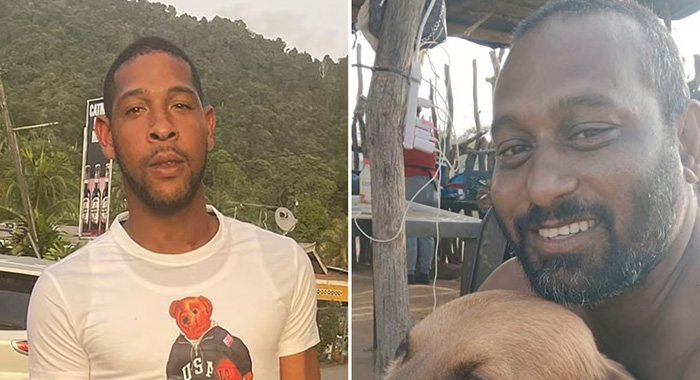
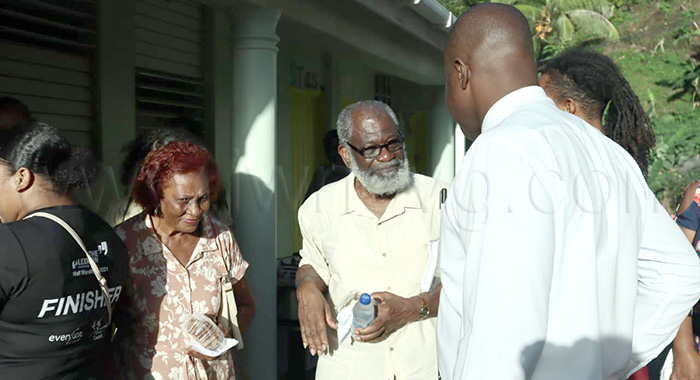
    A profound and heartbreaking situation is unfolding within a community where the search for justice and closure has taken divergent, equally painful paths for three families connected by tragedy.

    Two families are currently preparing funeral arrangements for their murdered relatives while simultaneously advocating for law enforcement to identify and apprehend those responsible for the homicides. Their grief is compounded by the urgent desire for criminal accountability, creating a dual burden of mourning and demanding justice.

    In a parallel but inverse tragedy, a third family finds itself enduring an agonizing wait with a different set of circumstances. Their loved one has been officially declared a murder victim, with charges already filed against a suspect in the case. However, their path to closure remains incomplete as the victim’s body has not been recovered, preventing both ceremonial burial and the emotional finality that comes with it.

    This complex scenario, reported by journalist Kenton Chance, highlights the multifaceted nature of criminal investigations and the varied forms of anguish that violent crime inflicts upon survivors. The cases demonstrate how legal proceedings and forensic discoveries unfold at different paces, often extending the trauma for those left behind. While some families seek answers about who committed the crime, others seek the physical remains of those taken from them, with both groups united in their pursuit of resolution amid unimaginable loss.