标签: Saint Lucia

圣卢西亚

  • Saint Lucia earn six medals at ANOCES Athletics

    Saint Lucia earn six medals at ANOCES Athletics

    Against all odds, a six-athlete delegation from the Caribbean island nation of Saint Lucia delivered a standout performance at the 2026 ANOCES Athletics Championships, securing six total medals including three golds to cap an unforgettable weekend of competition in Basseterre, St Kitts & Nevis. Held 4–5 July at the Kim Collins Athletic Stadium, the regional meet brought together top track and field talent from across the Organisation of Eastern Caribbean States (OECS), organized by the Association of National Olympic Committees of the Eastern Caribbean. Out of nine competing nations, Saint Lucia – with one of the smallest rosters in the entire field – claimed seventh place overall in the team standings, an achievement made all the more impressive by its dominant individual results.

    Leading the charge for Saint Lucia was 17-year-old sprint phenom Jady Emmanuel, a native of Laborie who already carried a reputation as one of the Caribbean’s rising young stars following her double gold win at the 2025 CARIFTA Games. Emmanuel did not disappoint, shattering both the venue record and her own personal best to take gold in the women’s 100m final with a blistering time of 11.39 seconds. Held directly to a final on Sunday, the race saw Emmanuel outpace second-place finisher Geolyna Dowdye of Antigua & Barbuda (11.47) and bronze medalist Soniya Jones (11.64) to claim the top spot. With a legal +0.7 m/s tailwind backing her run, Emmanuel’s time ranks as the 10th fastest ever posted by an Under-18 female sprinter globally this year. The result also punched her ticket to next month’s World Athletics Under-20 Championships in Eugene, Oregon, marking a major career milestone for the teen talent. Prior to this meet, Emmanuel held Saint Lucia’s existing national Under-18 100m record with a 11.50-second run posted in 2025.

    Emmanuel was far from the only Saint Lucia athlete to stand atop the podium at the championships. Joy Edward, a thrower competing for the University of Charleston, claimed the women’s shot put gold in dominant fashion. On her very first attempt, Edward launched the shot 14.56m – a mark that would ultimately hold up for gold. Though the result fell short of her own national record of 15.63m, Edward was the only competitor in the field to record a throw over 14 meters, hitting the 14-meter benchmark on four of her six total attempts.

    Rounding out Saint Lucia’s three gold medals was 400m runner Hannah Charles, who trains in Jamaica. Running from Lane 5, Charles crossed the finish line in 54.86 seconds, finishing well clear of silver medalist De’Cheynelle Thomas, a former CARIFTA champion representing host nation St Kitts & Nevis, to take the top spot.

    The island’s medal haul began on the opening day of competition, when Naya Jules claimed Saint Lucia’s first medal of the meet with a bronze-winning throw of 41.98m in the women’s javelin. Two silvers were added to the team’s total on the final day of competition. Khailan Vitalis, who is set to represent Saint Lucia at both the upcoming Commonwealth Games and Central American and Caribbean Games, took silver in the men’s sprint hurdles, finishing in 14.43 seconds behind winner Tejaun Webbe of host St Kitts & Nevis, following a late non-start from Grenada’s Kyle Nedd that left the field undersubscribed. In the men’s 100m, Stephan Stephen earned silver after entering the final as the top qualifier. Stephen clocked 10.37 seconds in the preliminary round to lead the field, before running 10.41 seconds from Lane 4 in the final to finish second behind Jaleel Croal of the British Virgin Islands, who took gold in 10.19 seconds.

    In the final team rankings, host St Kitts & Nevis claimed first place with 180 total points, followed by Antigua & Barbuda in second with 171 points. St Vincent & the Grenadines took third with 134 points, just edging out the British Virgin Islands (130 points) for the podium spot. Despite sending just six competitors, Saint Lucia amassed 70 total points to secure seventh place in the final standings, turning a small roster into one of the meet’s most talked-about successful campaigns.

  • July 4: CARICOM Day as a Caribbean national holiday?

    July 4: CARICOM Day as a Caribbean national holiday?

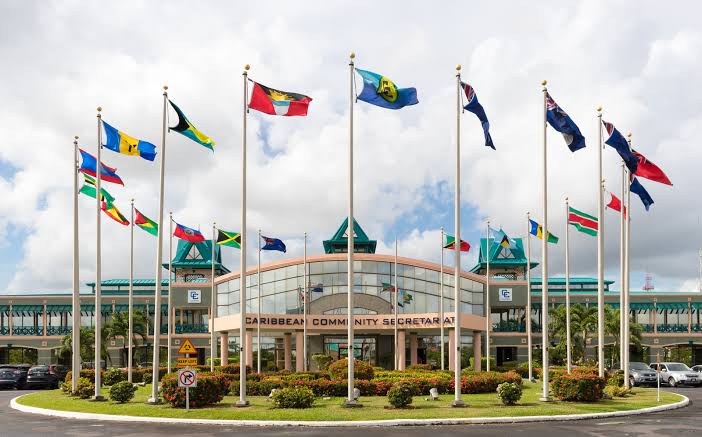
    Five years after a public call to action was first published in Jamaica’s *Jamaica Gleaner*, Caribbean policymakers are once again being urged to revisit a long-overlooked question: why has CARICOM Day not been designated a universal national holiday across all member states of the Caribbean Community?

    The date at the center of this discussion is 4 July 1973, when four trailblazing regional leaders — Errol Barrow of Barbados, Forbes Burnham of Guyana, Michael Manley of Jamaica, and Eric Williams of Trinidad and Tobago — gathered in Chaguaramas to sign the foundational Treaty of Chaguaramas. That historic agreement gave birth to the Caribbean Community, launching the most ambitious regional integration project ever undertaken by small developing states globally. Far from a trivial historical marker, this date marks the birth of the Caribbean regional identity, forging a shared community out of many distinct nations.

    Public national holidays serve a purpose that extends far beyond honoring the past. They are deliberate tools for strengthening present-day social cohesion and shaping collective future identity. Across the world, key national observances from Independence Day to Emancipation Day give societies an opportunity to reaffirm shared core values, preserve collective collective memory, and nurture intergenerational belonging and continuity. These annual moments remind citizens not just of what happened on a historic date, but why it matters, and who they are as a connected people.

    Today, the Caribbean Community holds a unique, contradictory position: it has built most of the structural attributes of a unified economic space, with shared regional institutions, a common legal heritage, interconnected educational systems, and an increasingly integrated single market. Yet it lacks a collective, simultaneous annual moment to celebrate the regional integration project that made all these achievements possible. Designating CARICOM Day as a universal public holiday would fill this critical gap in regional life.

    Cohesive communities are built not just on geography and institutions, but on shared symbols, traditions and rituals. Long-term sustainability of any communal project relies on regular moments that let citizens see themselves as part of a shared undertaking. A universal CARICOM Day observance would create exactly this kind of moment. Instead of drawing a boundary on a map, it would carve out a shared space in time, setting aside one day each year for all Caribbean people to reflect on the regional integration project and the shared aspirations that continue to drive it forward.

    Coincidentally, the 4 July date that marks CARICOM’s founding also aligns with the United States’ annual celebration of its 250th anniversary of independence this year. As Americans gather annually to mark the birth of their nation, Caribbean people have a ready-made opportunity on the same date to reflect on the birth and ongoing evolution of their own regional community.

    The founding leaders who gathered in Chaguaramas half a century ago understood that regional integration would not be a quick project, but a multi-generational undertaking. The vision they launched has been carried forward by successive waves of regional leadership: P.J. Patterson, Basdeo Panday, Owen Arthur, and Bharrat Jagdeo advanced economic integration and strengthened regional institutions in the decades after founding, while contemporary leaders including Kenny Anthony, Patrick Manning, Ralph Gonsalves, and Mia Mottley have continued to champion cross-border cooperation, adapting the integration movement to meet 21st century challenges. CARICOM is not the achievement of one generation; it is a shared inheritance for all Caribbean people, past and future.

    An annual regional holiday would give Caribbean people a regular chance to reflect both on how far the integration project has come, and how much work remains ahead. CARICOM has endured and matured through changing national governments, economic volatility, devastating natural disasters, and shifting global power dynamics. It has persisted because its core idea remains as compelling today as it was in 1973: that cooperation across diverse Caribbean nations, despite differing histories and ancestries, delivers greater welfare, security, and shared prosperity than any small state can achieve alone.

    Two decades ago, the entry into force of the Revised Treaty of Chaguaramas and the launch of the CARICOM Single Market and Economy (CSME) marked a major milestone in the realization of that founding vision. Today, Caribbean nationals enjoy opportunities that were unimaginable to earlier generations: citizens can travel freely across member states, establish cross-border businesses, offer services across regional borders, pursue employment outside their home country, and invest across the Caribbean. The movement toward full free movement of all CARICOM nationals continues to advance, with each step reinforcing a simple, powerful truth: every citizen of a CARICOM member state is also a citizen of the wider Caribbean Community. The CARICOM passport stands as a visible, powerful symbol of that shared identity.

    Regional integration institutions have also become one of the Caribbean’s greatest collective strengths. The University of the West Indies has educated generations of regional leaders, scholars, professionals, and public servants. The Caribbean Examinations Council offers qualifications recognized across the region and around the globe. The Caribbean Development Bank has financed critical development projects across all member states. The Caribbean Public Health Agency strengthened collective regional response during public health emergencies, while the Caribbean Disaster Emergency Management Agency coordinates cross-border disaster relief when hurricanes and other crises strike.

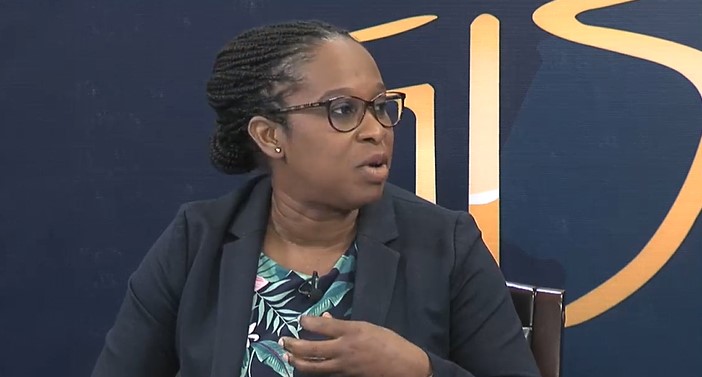
    As President of the Caribbean Court of Justice (CCJ), I can speak to the role of this institution as both the highest appellate court for participating member states and the judicial guardian of the rights enshrined in the CARICOM framework. The CCJ holds a unique mandate to adjudicate matters that shape Caribbean life, and it has made significant progress in ruling on cases that touch the daily lives of people across the region. The court belongs to the people of the Caribbean, a truth embodied in its official motto: “One People. One Region. One Court.” All Caribbean residents are invited to engage with the court, whether through an in-person visit to its Port-of-Spain headquarters or via its official website and social media channels, to learn more about its work and how it impacts communities from Kingston to Georgetown.

    These far-reaching integration achievements should never be taken for granted. That makes the case for a universal CARICOM Day holiday even more pressing.

    The proposed universal holiday would be observed on 4 July each year, with a fallback to the first Monday in July when the date falls on a weekend (for 2026, that would be 6 July). It would be far more than just an extra day off or a remembrance of the past. It would act as a catalyst for regional education: giving schools a clear occasion to teach the history of regional integration, allowing national governments to highlight the impact and achievements of shared regional institutions, giving businesses and civil society space to celebrate Caribbean enterprise and innovation, and inviting individual citizens to reflect on the shared inheritance that binds all Caribbean people together.

    Currently, only two CARICOM member states — Antigua and Barbuda, and Guyana — already recognize CARICOM Day as a formal public holiday. Their experience proves that universal recognition is both practical and appropriate for the entire region.

    Caribbean policymakers are urged not to let another five years pass without taking serious action to establish a universal CARICOM Day holiday that celebrates the region’s shared history and collective future. Every 4 July, all Caribbean people deserve the chance to pause, celebrate the gains we have made together, reflect on our shared journey, and renew our commitment to the regional integration project. At the end of the day, regional solidarity is our most valuable shared asset — imperfections and all.

  • ‘I gave my very best’: Vernick Fulgence reflects on road to Miss District High crown

    ‘I gave my very best’: Vernick Fulgence reflects on road to Miss District High crown

    On Saturday, June 27, 17-year-old Vernick Fulgence earned a life-changing victory when she was named Miss District High 2026 at the Human Resource Development Centre in Gros Islet, Saint Lucia. A recent graduate of the St. Lucia TVET Institute’s School of Sustainable Agriculture and Culinary Arts and a native of Dennery who competed under the banner of Miss DBS TV, Fulgence called the moment of her crowning “surreal” — a feeling she says is hard to put into words, even as she knows firsthand the relentless effort that led her to the stage.\n\nFulgence shared that preparing for the pageant stands as one of the most challenging but fulfilling experiences she has ever completed. The first major hurdle she faced was learning to balance her existing personal and academic commitments with the grueling schedule of pageant training. For months, she poured countless hours into refining her performance, pushing through periods of exhaustion and self-doubt by keeping her core goals top of mind.\n\nThat unwavering dedication delivered exceptional results: before claiming the overall title, Fulgence won four individual segment awards: Best Introduction, Best in Swimwear, Best Talent, and Best Interview. When the announcer called her name as the winner, she was overcome with emotion, breaking into happy tears after months of hard work and small sacrifices finally culminated in victory. “That moment is one I will cherish forever,” she said.\n\nBeyond the crown and the accolades, Fulgence says the pageant experience has shaped her personal growth in profound ways. She leaves the competition with greater independence and self-confidence, a deeper appreciation for the power of persistence, improved skills for staying composed under pressure and communicating clearly, and a strong drive to encourage other young people to pursue their dreams. “I want to show others that success comes through determination, consistency, and the courage to keep moving forward, even when challenges feel insurmountable,” she explained. The outpouring of support she has received since her win has also inspired her to continue competing in future pageants.\n\nTreasure Actille, the organizer of Miss District High 2026, echoed the public’s praise for Fulgence in a post-event interview with St. Lucia Times. He called the new titleholder the most consistent competitor on competition night, noting that she was deeply committed to bringing the crown to both her sponsor DBS TV and her hometown of Dennery.\n\nThe full results of the competition saw Kayla Edmund, competing as Miss Pretty Reflections, take first runner-up and also claim the Miss Photogenic award. Second runner-up honors went to Evanelle Faucher of Miss Caribbean Grains Ltd, who also won two additional honors: Best in Evening Wear and the newly introduced Best in District Wear segment. Hayley Noley, Miss DJ C4 Soundsystem, finished as third runner-up, while Kizzy Philgence of Miss NSDC claimed fourth runner-up and the Miss Congeniality award. Actille also confirmed that three of the eight contestants originally announced for the competition did not participate in the final event.\n\nWhile the pageant received widespread praise for the contestants’ performances and Fulgence’s historic win, it was not without controversy. Public feedback has raised questions about the event’s operations, on-site logistics, and overall organizational structure. Additionally, footage of an altercation involving Actille and a group of unidentified individuals that took place after the competition circulated widely across local social media platforms. Actille has declined to provide any comment on the post-event incident.\n\nLooking ahead, Fulgence is set to represent Saint Lucia in her first regional pageant competition this coming December.

  • ‘It’s not what it used to be’: Has Rodney Bay lost its appeal?

    ‘It’s not what it used to be’: Has Rodney Bay lost its appeal?

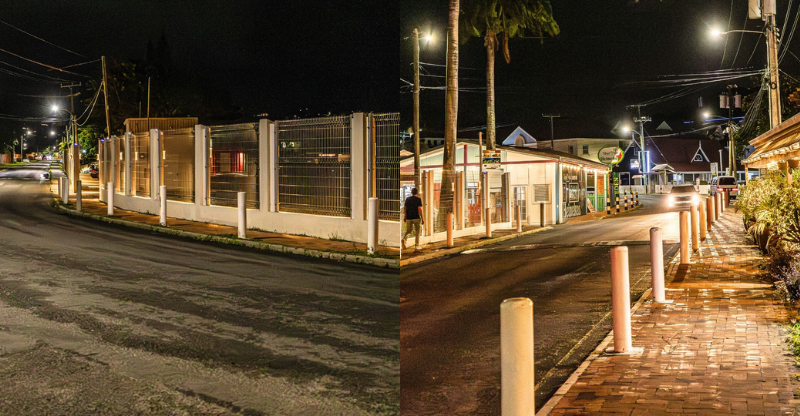
    On a typical Friday night at 9:30, Rodney Bay — long celebrated as Saint Lucia’s top destination for dining, nightlife and tourist recreation — should hum with the energy of crowds spilling from restaurants and laughter echoing along its main strip. But a recent on-site visit in mid-June revealed a starkly different scene: parked vehicles line the curbs in far greater numbers than pedestrians, and the majority of dining tables sit empty across the area’s once-popular hospitality venues.

    A local property manager and real estate professional, who has deep ties to Rodney Bay’s tourism industry and spoke on condition of anonymity, recently shared his deep frustration with the area’s steady decline with the St. Lucia Times. For years, he has overseen multiple commercial and residential properties in the heart of what Tourism Minister Ernest Hilaire has officially called Saint Lucia’s “premier entertainment strip”, and he says the transformation of the area over recent years has been dramatic.

    “Where you once saw dozens of active restaurants operating along the strip, many have closed their doors,” he explained. “Some former hospitality spaces have been converted into short-term accommodation, others have been demolished entirely, and many more sit vacant, waiting for new tenants or development.” Where the district once drew consistent heavy foot traffic from both tourists and local residents day and night, that flow of visitors has dwindled to a trickle, leaving empty streets and a growing sense of unease among those who still work and visit the area.

    A drive along the iconic strip — bordered by the Rodney Bay Police Station, the Rodney Bay Pavilion, and an overgrown empty lot where the demolished Mystique Hotel once stood — confirmed this lull. Foot traffic is so scarce that passersby are a rare sight, with only one or two people occasionally emerging from parked cars to enter the handful of operating restaurants, where only a small fraction of tables are occupied. “For Sale” signs hang on the gates of multiple shuttered properties, including the well-remembered former venue Ginger Lily.

    “The void we’re seeing now isn’t just about the lack of crowds,” the businessman noted. “Large vacant lots where hotels like Mystique and Starfish once stood are now overgrown with brush, and that creates real safety risks. Without constant foot traffic moving between hotels, restaurants, bars and clubs, quiet, underlit streets become far more dangerous for anyone walking through the area, especially visitors unfamiliar with the surroundings.” He told the St. Lucia Times he knows of at least three separate robberies involving his own guests in the district, with incidents occurring near the main road and one close to a short-term rental on Flamboyant Drive.

    The concerns extend beyond the main entertainment strip, he added. Along the district’s second, busier thoroughfare — home to Baywalk Mall, major chain outlets, commercial banks and multiple small food and beverage venues — only one establishment, local favorite Keebees, saw all tables occupied during the Friday night visit, as patrons gathered to watch a World Cup match.

    What has changed most, the businessman argued, is the district’s core character, which has been altered by the rise of unregulated informal vendors selling goods from car trunks and roadside stands. “You have men sitting in open spots selling cigarettes and rum informally, and there’s speculation that other illicit substances are also being sold here,” he said. “This doesn’t just look unprofessional — it creates an unsafe atmosphere, and it attracts people who are more likely to engage in unsavory activities. I’ve seen vendors make inappropriate comments to women in groups of passing families, and that’s not the experience any tourist comes to Saint Lucia for.”

    To reverse these declines, the businessman has called for two key changes: increased uniformed police presence across the district, and stricter regulation of informal vending to crack down on unlicensed activity.

    Official police data confirms that concerns over tourist safety in Rodney Bay are not unfounded. Most recently, on June 30, police reported a robbery targeting two tourists near a hotel entrance in the district. The Royal Saint Lucia Police Force (RSLPF) has also confirmed that 2025 saw a measurable spike in robberies targeting visitors across the Rodney Bay area.

    Eldeen Henry, Superintendent in Charge of the RSLPF Northern Division, outlined the trend during a July 2 press conference: “We saw two clear peaks in incidents against tourists in 2025. The first was a sharp spike between January and March, and we saw another resurgence between October and December of last year.”

    Back in March 2025, RSLPF joined with local tourism and business stakeholders to clear overgrown brush across high-risk vacant lots in Rodney Bay, as a targeted crime prevention measure. “For a crime to occur, you need three elements: a suitable location, a potential victim, and a motivated offender. Clearing brush removes the cover offenders rely on, so this cuts down on opportunity,” then-Northern Superintendent Stephen Victorin explained to the St. Lucia Times at the time.

    This week, Henry reported that targeted interventions have driven down robbery reports since early 2025. “We implemented intelligence-led operations across the Gros Islet area, which includes Rodney Bay, and those efforts led to the arrest of multiple individuals, several of whom are now in remand or facing court proceedings,” he said. “This intervention has led to a significant drop in the number of these incidents.” In the June 30 hotel robbery case, Henry added, a multi-station police operation intercepted suspects traveling in a vehicle in Anse La Raye, and all stolen property was recovered. The suspects remain in custody as investigations continue.

    Responding to concerns around unregulated vending and potential illegal drug activity, Henry confirmed that police maintain consistent active patrols and surveillance across the Rodney Bay district, and credit the RSLPF Rangers Unit — which patrols area beaches — for helping drive a sharp drop in drug-related offenses across 2025.

    Even with increased policing driving down crime, however, questions remain about whether law enforcement action alone can restore the vibrant atmosphere that once made Rodney Bay a top tourist draw. The local businessman notes that the district’s physical landscape still requires major intervention: large vacant lots that once housed popular hotels are still overgrown and unused, serving as constant visual reminders of the area’s stagnation.

    Full revitalization through redevelopment is still on the horizon, however. Both the former Starfish Resort and Mystique by Royalton hotels were demolished years ago, and two new hospitality properties are planned for the sites. Tourism Minister Hilaire told the St. Lucia Times that developers are currently finalizing construction designs to submit to the Development Control Authority (DCA), with full construction expected to break ground before the end of 2026.

    Hilaire acknowledged that widespread public concern about Rodney Bay’s declining experience has prompted the government and private sector to prioritize the district’s revitalization. “We have received a lot of complaints from people saying that the visitor experience at Rodney Bay — our premier entertainment strip, home to most of the island’s top restaurants — just isn’t what it used to be,” he said. “We recognize that Rodney Bay deserves renewed focus. Developers have agreed to lead the redevelopment of the entire Rodney Bay Strip, and we have a clear master plan in place to elevate and revitalize the entire area for visitors and locals alike.”

  • Pierre urges renewed commitment to stronger Caribbean on CARICOM Day

    Pierre urges renewed commitment to stronger Caribbean on CARICOM Day

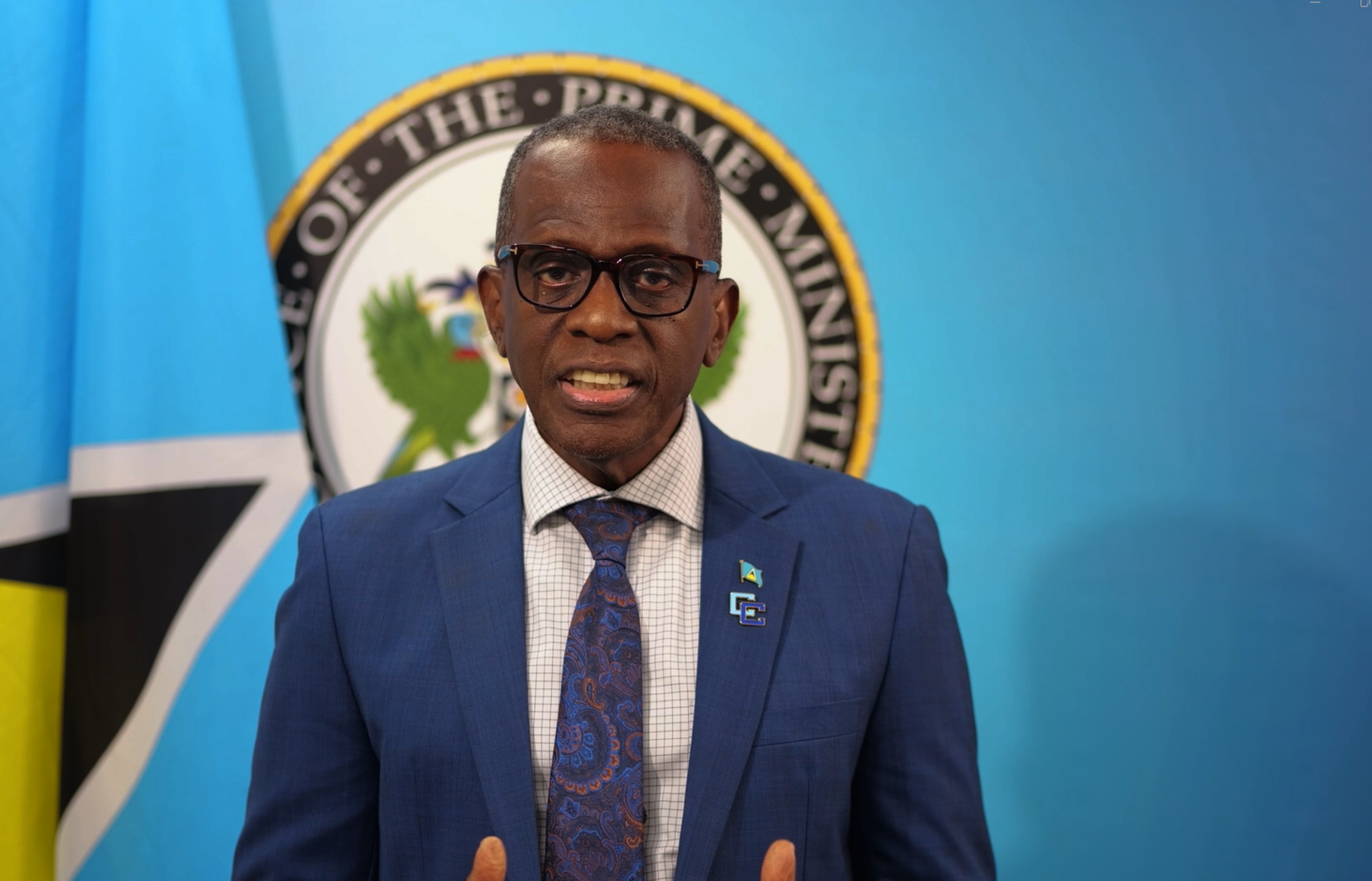
    As the Caribbean Community (CARICOM) prepares to mark its 2026 Day of celebration and reflection, bloc chair and St. Lucia Prime Minister Philip J. Pierre has delivered a stirring call to action, asking all Caribbean citizens to reaffirm their commitment to regional collaboration amid a growing landscape of global and local challenges.

    In his official annual address for CARICOM Day 2026, Pierre centered his remarks on the core foundational belief that has guided the 15-member integration bloc since its creation: small island nations gain far more from collective action than they can ever achieve through isolated, individual effort. For Pierre, CARICOM is far more than a bureaucratic intergovernmental body—it represents a shared promise to the people of the region. “CARICOM has always been more than an institution. It is a promise: a promise that our small states can achieve far more together than we ever could alone; a promise that our people, our cultures, our economies, and our aspirations are strengthened when we work in unity,” he told the regional audience.

    Pierre did not shy away from acknowledging the multiple, overlapping crises that continue to test Caribbean nations today. The region confronts unrelenting climate-related pressures, persistent global economic uncertainty, widespread instability in food and energy supply chains, growing transnational security concerns, and an urgent need to expand quality economic opportunities for the region’s large youth population. Even in the face of these headwinds, Pierre emphasized that Caribbean communities have repeatedly proven their extraordinary ability to withstand and overcome hardship. “Time and again, our people have shown that we can meet adversity with courage, adapt with determination, and move forward with confidence,” he noted.

    Against this backdrop, the CARICOM chair outlined that the bloc’s central priority in the current era must be intentional renewal—rebuilding and refocusing integration efforts to deliver a Caribbean that is stronger, more equitable, more secure, and more prosperous for all residents. “This is why our focus must now be on renewal,” Pierre said. “We must build a stronger, fairer, safer, and more prosperous Community; one that delivers real opportunities and meaningful progress for the people of our region.”

    To turn this vision of renewed integration into reality, Pierre laid out key actionable priorities for member states: deepen regional integration by expanding and improving cross-border transportation infrastructure and digital connectivity, shore up domestic and regional food and nutrition security, accelerate implementation of the long-planned CARICOM Single Market and Economy, fully embrace the digital transformation unfolding across the global economy, and invest in local innovation to drive sustainable growth.

    A core focus of Pierre’s 2026 message was elevating the role of young people in shaping the bloc’s future. He directly called on the region’s youth to step into leadership roles, framing them as the primary innovators and builders of the next chapter of Caribbean integration. “On this CARICOM Day, I especially call on our young people to see themselves as leaders, innovators, and builders of this Caribbean Community. Our future will be shaped by your ideas, your creativity, your energy, and your belief in what we can achieve together,” he said.

    Pierre closed his address by urging every Caribbean citizen to renew their personal and national commitment to the founding principles that birthed CARICOM decades ago. “Let us recommit ourselves to the founding ideals of CARICOM: cooperation, solidarity, shared development, and respect for the dignity of every Caribbean person,” he said, closing with wishes for a happy, hopeful, and purpose-driven CARICOM Day 2026 for all people across the region.

  • Richard Frederick says he has “nothing to fear” amid police investigation

    Richard Frederick says he has “nothing to fear” amid police investigation

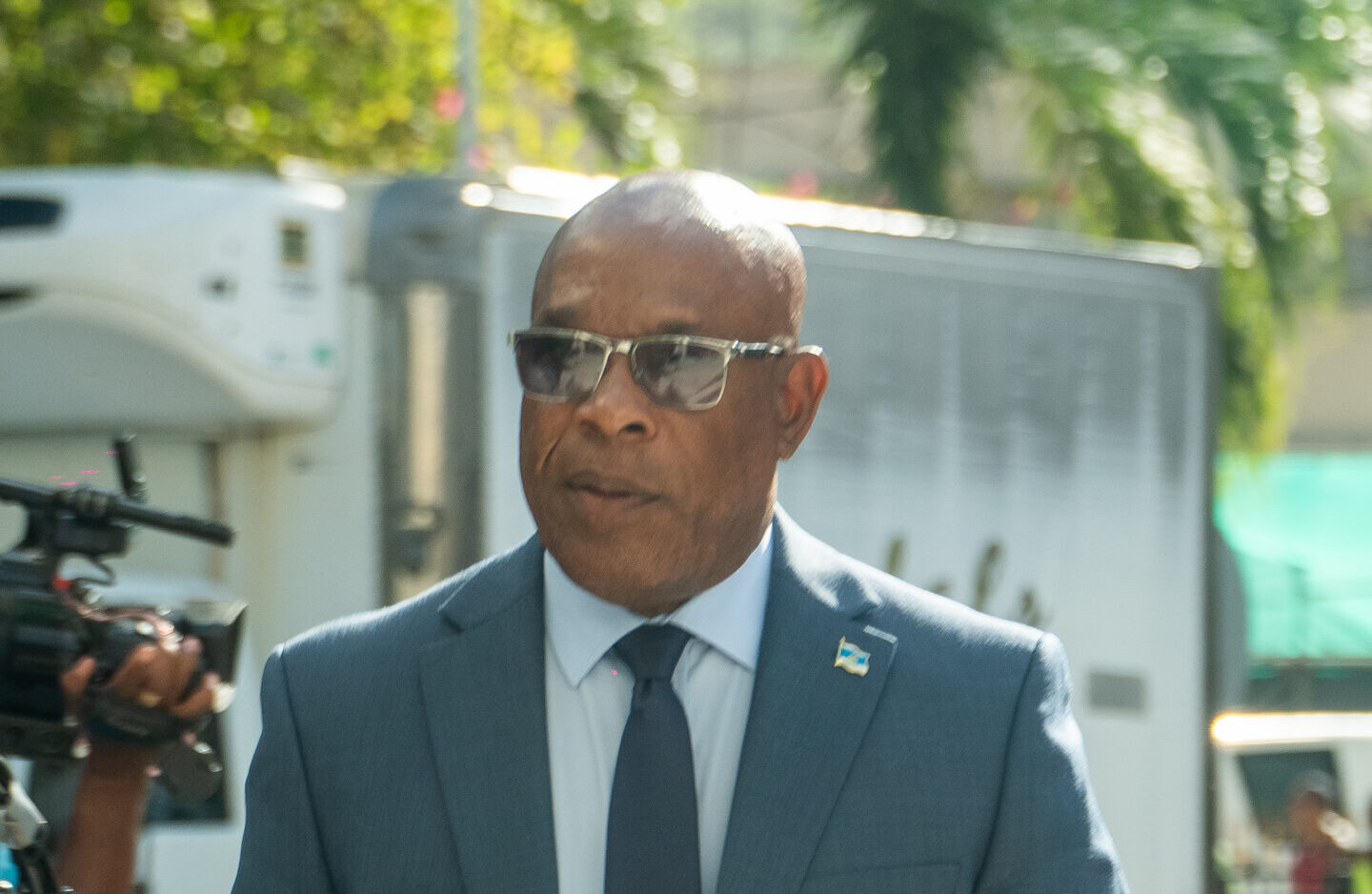
    Waves of public speculation have rippled across Saint Lucia’s political landscape this week after Housing Minister and Castries Central Member of Parliament Richard Frederick was summoned by local police for questioning in an ongoing investigation. In a public address to clear his name amid swirling rumors, the senior government official has firmly asserted his innocence and stressed he has “nothing to fear” from the ongoing probe.

    Frederick shared details of the encounter during his weekly public affairs program *Can I Help You* broadcast on Thursday night, confirming that plainclothes and uniformed police officers arrived at his private residence early Thursday morning with a request that he accompany them to the central police station for formal questioning tied to an active case.

    “I was greeted, sadly, by a barrage of police officers at my house this morning,” Frederick recalled to listeners. “I asked what the visit was in connection with, they explained the situation, and I fully cooperated with their process. They carried out their required procedures and informed me they needed me to come to the station for questioning, so I went with them voluntarily.”

    After learning the specific nature of the allegations under investigation, Frederick said he remained unshakably confident that the process would clear his name, as he was certain he had violated no laws or ethical standards. “When I heard of the allegations, I knew in my heart of hearts… Richard has nothing to fear,” he stated.

    The minister chose not to disclose sensitive details of the ongoing investigation, explaining that he refused to take any action that could undermine the integrity of the police inquiry. “I don’t want to go into everything because obviously the police are conducting their investigations, and I don’t want in any way, shape or form to compromise the integrity of the investigations,” he said.

    While declining to share specifics, Frederick strongly pushed back against unconfirmed public hints of misconduct involving boundary violations, a veiled reference to reports that have circulated in local gossip circles. “What I do know is this man you see there, call me what you want, call me this, call me that, but there are certain things I don’t cross boundaries on – never and never will…. I have five daughters,” he said, emphasizing his personal commitment to ethical conduct.

    During the on-air interview, program host Albert Daniels openly noted that local law enforcement had been actively investigating reports connected to Frederick, a claim the minister did not dispute. Frederick went on to reaffirm that he trusts the investigative process and has no intention of interfering with police work. “I feel good because one of the things you never want to do is interfere. Let the police do the investigations and let them be satisfied that they have conducted their investigation,” he added.

    Frederick’s public statement came in direct response to widespread social media and local media reports that spread across Saint Lucia on Thursday claiming a senior cabinet official had been taken into police custody. Earlier that same day, Police Commissioner Verne Garde declined to publicly confirm or deny the arrest claims, only issuing a brief statement emphasizing that equal application of the law applies to all residents of the country, and no individual is exempt from legal process regardless of their position.

  • Gov’t says it will not interfere in police investigation involving Frederick

    Gov’t says it will not interfere in police investigation involving Frederick

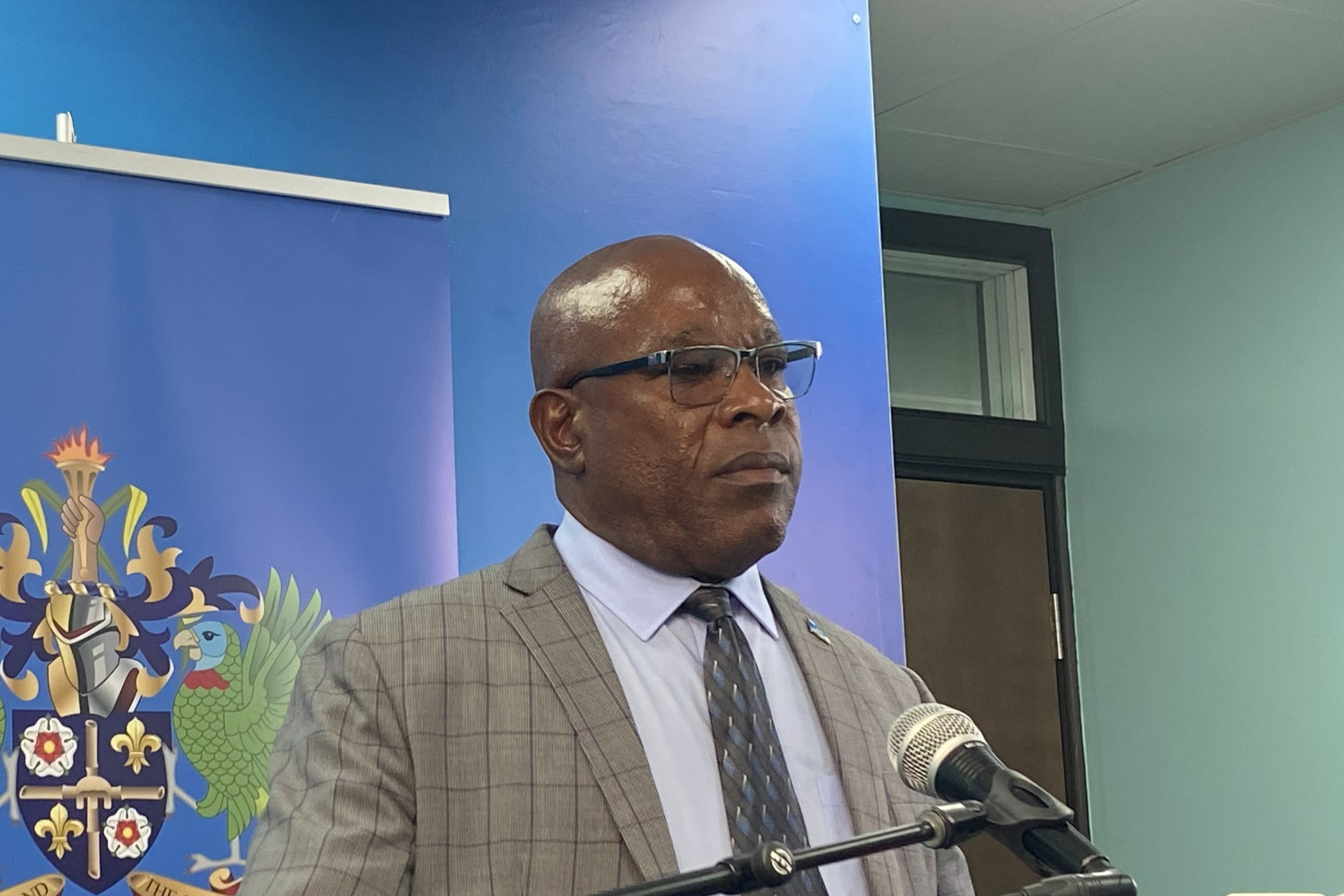
    After days of public speculation, the government of Saint Lucia has finally broken its silence surrounding an ongoing police investigation targeting Richard Frederick, the country’s incumbent Minister for Housing, Local Government and Urban Renewal, confirming it will not intervene in the active law enforcement process.

    In an official statement distributed to media outlets on Friday evening, the administration confirmed it had received official notification that Frederick was taken into police custody for questioning as part of the ongoing investigation before being released shortly after the interrogation.

    “Since this matter remains an active, ongoing legal process, we will not offer any public comment on details that could risk prejudicing or interfering with any lawful investigation,” the statement noted. The government went on to reaffirm its unwavering respect for both the operational independence of the Royal Saint Lucia Police Force and the core principle of the rule of law that underpins the island nation’s governance.

    “We remain fully committed to upholding the constitutional order, ensuring that all legal processes move forward without improper interference, and in full alignment with the Constitution and laws of Saint Lucia,” the statement added.

    The administration also emphasized its long-standing commitment to government transparency and public accountability, noting that it would update the public on key developments appropriately as confirmed official information becomes available to share.

    The investigation first came to public light when Frederick himself revealed details during his weekly online public program *Can I Help You?* on Thursday night. The minister told viewers that plainclothes law enforcement officers arrived at his private residence early that same morning, and that he voluntarily accompanied officers to the central police station to cooperate with their inquiries.

    While Frederick chose not to disclose the specific nature of the allegations underpinning the investigation, he offered a brief, personal remark to reassure his audience: “There are certain lines I have never crossed, and I will never cross them…. I am a father of five daughters.”

  • Police recover illegal firearms, more than 1 000 rounds of ammunition in operation

    Police recover illegal firearms, more than 1 000 rounds of ammunition in operation

    Against a backdrop of rising serious and violent crime across the Caribbean island nation of Saint Lucia, the Royal Saint Lucia Police Force (RSLPF) has concluded a sweeping, multi-unit law enforcement campaign that has delivered significant results against illegal weapons, drug trafficking and organised crime. The operation, codenamed Operation Zero Hour, ran for six weeks from May 24 through July 1, launched specifically to counter a growing wave of offences tied to unregistered firearms, prohibited narcotics, dangerous weapons and coordinated organised criminal activity.

    Unlike scattered reactive patrols, Operation Zero Hour was built on actionable intelligence and coordinated collaboration across almost every branch of the RSLPF. Officers from the specialized Gangs, Narcotics and Firearms Unit (GNFU), Special Services Unit (SSU), Criminal Investigations Department (CID), Police Marine Unit (PMU), Division of Road Safety and Traffic Investigations (DRSTI), and Vulnerable Persons Team (VPT) joined forces with uniformed patrol teams and territorial police divisions covering the Northern, Central and Southern regions of the island. This cross-unit partnership allowed law enforcement to cover both land and maritime entry points that criminal networks often exploit to move contraband.

    The operation’s core strategy centered on proactive intervention rather than just responding to crimes after they occurred. Teams focused their efforts on identifying and targeting known repeat offenders, executing court-authorized search warrants based on gathered intelligence, breaking up supply chains for illegal firearms and narcotics, increasing uniformed police presence in high-crime areas to deter potential offending, and stopping violent criminal acts before they could be carried out.

    Over the six-week campaign, law enforcement officers carried out an extensive schedule of enforcement activity: 484 individuals were searched, 4,851 vehicles were stopped for checks, 216 of those vehicles and 17 private premises were searched, and 49 judicially approved search warrants were executed across the island. To counter smuggling through maritime routes, officers stopped and boarded 37 commercial and private vessels, and carried out seven targeted sweeps of courier services that are sometimes used to move illegal contraband. Four dedicated highway patrol operations were also run to intercept vehicle-borne shipments of illegal goods.

    Enforcement outcomes of the operation reflect the scope of the effort: authorities made nine arrests for traffic-related offenses, 16 arrests on drug charges, seven arrests for illegal firearms possession, and a further 12 arrests for serious violent offenses including murder, attempted murder, armed robbery and aggravated assault. To date, 12 of the individuals arrested have been formally charged with criminal offences. Along with arrests, officers seized seven unregistered illegal firearms, 1,006 rounds of live ammunition, and 54 assorted dangerous weapons. Three dedicated cannabis eradication operations were also carried out to destroy illegal cannabis crops being cultivated for the illegal drug trade. Beyond contraband seizures, police impounded 48 unregistered or unroadworthy vehicles, issued 453 traffic citations for violations, and issued 45 formal police cautions for minor offenses.

    In an official statement following the conclusion of the operation, the RSLPF emphasized that the removal of these illegal weapons and contraband from communities represents a major blow to criminal operations across the island. The force noted that the seizures have almost certainly prevented multiple planned acts of violence that would have otherwise threatened public safety. The wide range of activity carried out during Operation Zero Hour – from executing search warrants to drug arrests, crop eradication, and extensive checks of vehicles and vessels – demonstrates the RSLPF’s ongoing commitment to clearing illegal firearms, drugs and dangerous offenders from Saint Lucia’s communities, the statement added.

    The operation also underscored the critical value of coordinated collaboration between specialized police units and territorial divisions, the RSLPF said. The combination of targeted intelligence gathering, sustained consistent enforcement, and proactive, prevention-focused policing has not only improved immediate public safety but also helped strengthen public confidence in local law enforcement. Looking ahead, the RSLPF is continuing to call on members of the public to support law enforcement efforts by sharing any information they have about ongoing criminal activity. Tips can be submitted anonymously through the dedicated Crime Hotline at 555, via the official Crime Hotline mobile app, or by visiting any local police station across the island.

  • Authorities defend handling of horse export amid Grenada euthanasia controversy

    Authorities defend handling of horse export amid Grenada euthanasia controversy

    A controversial case of equine euthanasia following cross-border transport between two Caribbean nations has ignited fierce debate across the region over veterinary protocols, biosecurity rules, and animal welfare priorities. The incident, which unfolded on May 29 after two horses arrived in Grenada from Saint Lucia, has drawn conflicting perspectives from veterinary experts, government officials, and animal welfare advocates since it came to light. The two horses, owned by Rohan Smith of Bonanza Stables, were put down after Grenadian authorities confirmed they tested positive for Babesia spp., the tick-borne parasite responsible for Equine Piroplasmosis, a disease that impacts equine species but cannot spread to humans. Early unconfirmed reports claimed both animals were pregnant at the time of transport, but Saint Lucia’s Ministry of Agriculture, Fisheries, Food Security and Sustainable Development has refuted this claim, stating pre-export clinical inspections found no evidence of pregnancy in either horse.

    In the wake of the incident, Grenadian Prime Minister Dickon Mitchell has disputed Saint Lucia’s claims of procedural compliance, noting that Saint Lucian veterinary authorities held no official records of an export permit being issued for the horses. Mitchell added that the unauthorized movement of the animals violates animal health laws in both countries. The decision to euthanize the horses has also faced sharp public criticism from veterinary professionals on both sides of the border. Dr. Kenrith Carter, a practicing veterinarian, has publicly questioned whether all alternatives to euthanasia — including targeted quarantine, medical treatment, and cross-border expert consultation — were fully explored before the final verdict was reached. Dr. George Joseph, former Chief Veterinary Officer of Saint Lucia, has echoed these concerns, arguing that euthanasia was an unnecessary overstep. He pointed out that while the parasite poses risks to other equines, it cannot jump to human hosts, and established treatment protocols are widely used in regions where the disease is endemic.

    Defending the euthanasia order, Grenada’s Chief Veterinary Officer Dr. Kimond Stuart Cummings argued that the decision was rooted in protecting the country’s overall animal health ecosystem and preventing a potentially devastating biosecurity breach. For its part, the government of Saint Lucia has staunchly defended the actions of its veterinary team, maintaining that all required domestic procedures were followed at every step of the process. In a press briefing earlier this week, Saint Lucia’s Agriculture Minister Lisa Jawahir laid out the government’s account of events, noting that authorities acted fully in line with existing national regulations when the owner notified officials of his plan to move the horses back to Grenada. “There is no domestic law that prohibits a person from moving their own animals off the island,” Jawahir explained. “Our regulatory authority centers on controlling what enters our borders, not what leaves, in this case. We followed all required steps, notified Grenada of the test results, and made the owner fully aware of the risks.”

    In a detailed timeline released by the ministry last Friday, Saint Lucia’s current Chief Veterinary Officer Dr. Sharmine Melville-Edwin broke down the step-by-step sequence of events leading up to the unauthorized transport. On May 22, seven days before the horses arrived in Grenada, Saint Lucian veterinary officers completed a full inspection of the two animals to meet Grenada’s official import requirements. During that check, the horses were treated for both internal and external parasites, blood samples were collected for laboratory analysis, and initial clinical exams found no signs of infectious or contagious disease. On May 26, four days before transport, lab results confirmed the presence of Babesia spp. in both animals, and the owner was notified immediately of the positive result.

    Following the positive test, Melville-Edwin confirmed that Saint Lucia’s top veterinary official directly contacted his Grenadian counterpart to ask if the horses could be allowed entry for quarantine and treatment. In response, Grenada’s veterinary team advised that the animals would not be permitted to enter the country, and recommended that the horses complete treatment and retesting in Saint Lucia before any future export application. Both nations also explicitly notified the owner that Grenada had never issued an official import permit for the animals, and that they would be turned away on arrival. Despite multiple explicit warnings, Saint Lucian authorities later discovered the owner had arranged transport of the horses to the port of Vieux Fort for export. By the time officials contacted the local transporter contracted to move the animals, the horses had already been loaded onto the departing vessel.

    Jawahir emphasized that Saint Lucian authorities had no legal standing to intercept and detain the horses once they were loaded. “We fully informed Grenada of our findings, asked if they would accept the animals, got a clear answer of no, and passed that answer directly to the owner,” she said. “He made the independent choice to proceed with transport anyway.” After the horses arrived in Grenada, authorities followed through on their threat and ordered immediate euthanasia. Jawahir noted that the case is now moving into a law enforcement phase, confirming that the owner has been charged by Grenadian police, and further comment will be limited as the legal process moves forward.

    In closing, the Saint Lucian Ministry of Agriculture took the opportunity to remind the public of existing animal transport regulations. The ministry confirmed that Equine Piroplasmosis affects only equine species including horses, donkeys, mules, and zebras, and poses zero risk to human health. It also reiterated that all imports of live animals, animal products, and animal by-products into Saint Lucia require a valid import permit under the national Animal (Diseases and Importation) Act, and encouraged anyone planning cross-border animal movement to consult the Veterinary and Livestock Services Division in advance to avoid similar incidents.

  • Parents seek action amid abuse claims at Reunion Primary

    Parents seek action amid abuse claims at Reunion Primary

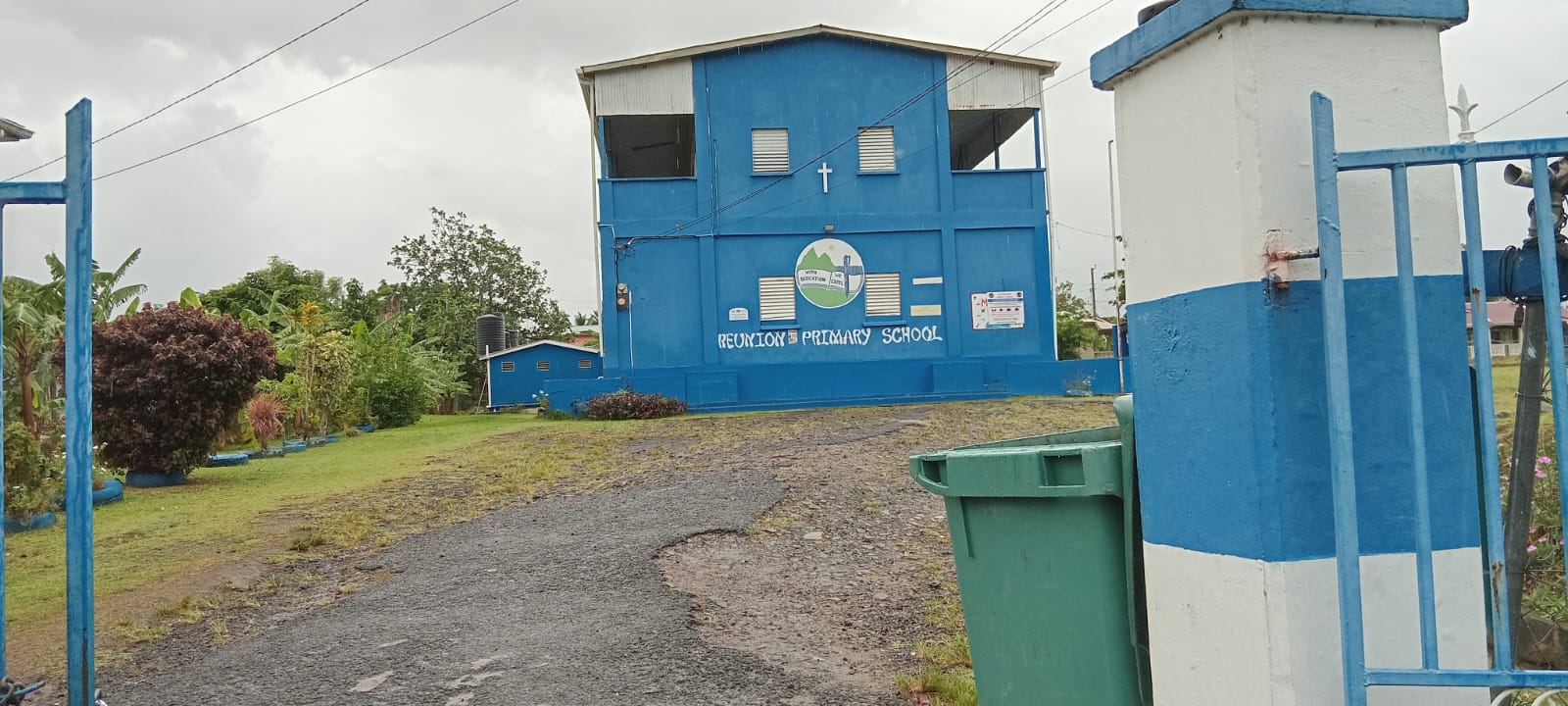
    A growing wave of discontent is shaking Reunion Primary School, a rural campus located in Choiseul, Saint Lucia, as multiple parents and even some school staff have leveled serious allegations against the school’s sitting principal, Sheran Pierre, calling for urgent educational authorities to intervene and hold those responsible accountable.

    The first public allegation came from Melonie King, a local parent with four children currently enrolled at the school. In a handwritten complaint submitted to the District Education Officer earlier this year, a copy of which has been acquired by St Lucia Times, King claims that Pierre physically assaulted her 10-year-old son during a school-wide student assembly in February. King told reporters that after her son disclosed the incident to their family, her husband arranged a face-to-face meeting with the principal, who King says explicitly admitted she had acted inappropriately. Despite this confession, King says no disciplinary action has been taken against Pierre to date, even after she repeatedly escalated the issue to senior education officials. Beyond the abuse allegation, King has also accused the principal of misusing food donations that King herself personally contributed to the school for student meal programs.

    A second parent, Dr. Mark Melius, has come forward to back King’s claims, adding his own separate set of allegations against the principal. The conflict between Melius and Pierre dates back to April 21, when Melius confronted a student who had reportedly struck his young daughter on school grounds. In an official complaint dated May 20, 2026 addressed to Chief Education Officer Beverly Dieudonne, Melius alleges that Pierre launched a coordinated campaign to damage his reputation among the school community, falsely claiming that he used aggressive foul language toward the student who had harmed his daughter. Melius calls these claims a complete fabrication, part of a misleading false narrative crafted to deflect blame from the school administration.

    When reached for comment by St Lucia Times, Pierre pushed back aggressively against all allegations, denying every claim of abuse, mismanagement, and reputational harm. She refuted King’s assault allegation outright, stating that the incident never occurred, and suggested that King is motivated by personal grievances to deliberately tarnish her professional reputation. Regarding the conflict with Melius, Pierre clarified that the claim of Melius using obscene language did not originate with her – it was the student involved in the altercation who first made the assertion. She added that the entire Melius incident had already been reviewed and addressed by the Office of the Chief Education Officer in a formal meeting.

    That meeting, which included Melius, Pierre, Chief Education Officer Dieudonne, and a third representative, did little to resolve tensions, according to Melius. The parent told reporters that the discussion failed to address what he calls the core issue: Pierre’s alleged unprovoked attack on his character. He also added that Pierre showed no concern or empathy for his daughter, who was injured in the earlier student altercation. Far from offering accountability, Melius says meeting attendees advised him that the simplest solution to the conflict would be to transfer his children out of Reunion Primary School entirely.

    Beyond the two named parents’ complaints, St Lucia Times has obtained additional correspondence that points to widespread discontent with Pierre’s leadership across the school community. An unsigned open letter dated May 10, 2026, published under the name “the Concerned Staff, Parents & Legal Guardians of the Students of the Reunion Primary School” echoes many of the allegations leveled by King and Melius. Separately, a signed letter from an anonymous current staff member at the school also corroborates King’s claim that the principal has misused donated food resources earmarked for student use. To date, the Ministry of Education has not issued an official statement on the allegations, nor announced any formal investigation into the claims.