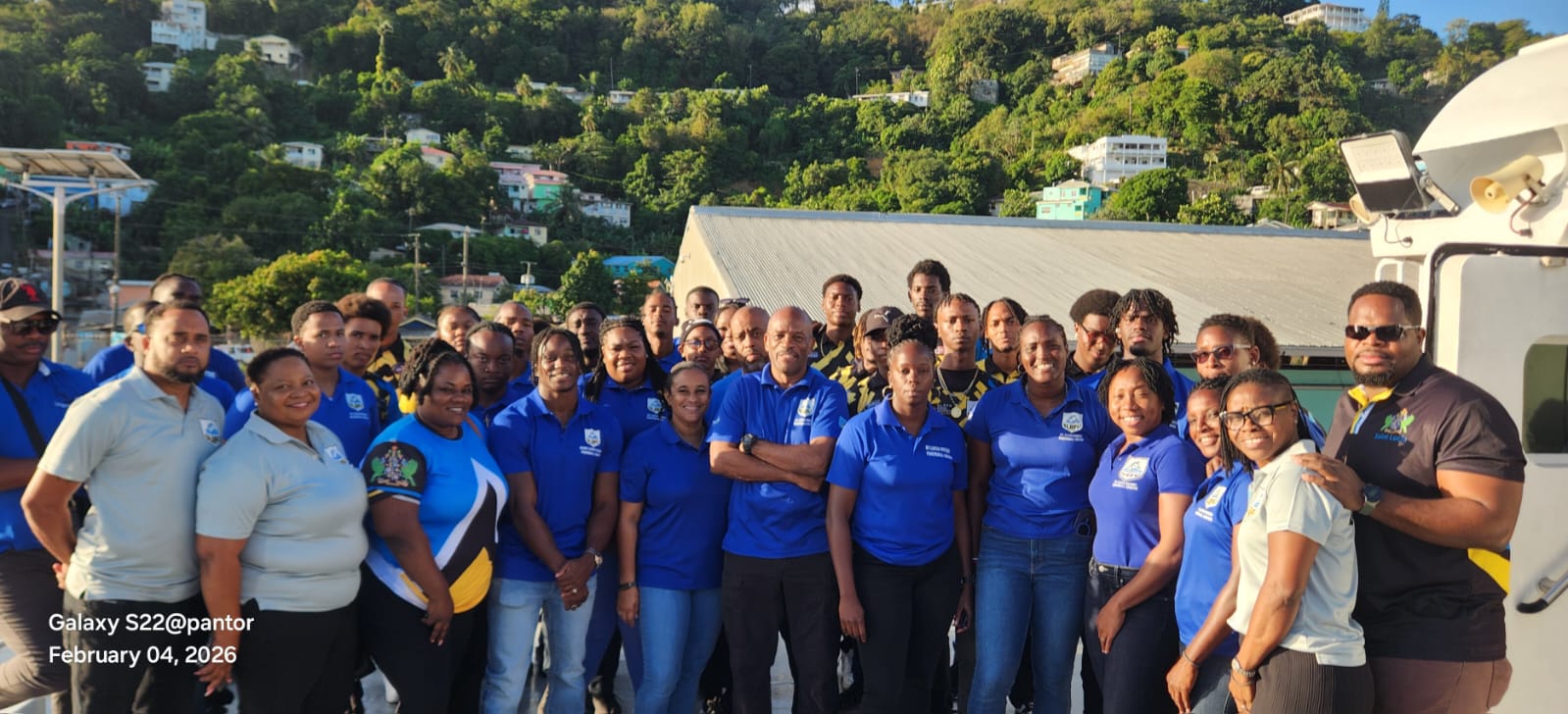
A 43-member rugby delegation from Saint Lucia is poised for international competition at the prestigious French West Indies Sevens Trophy in Guadeloupe this weekend. The Saint Lucia Rugby Football Union (SLRFU) will field competitive teams across three categories—men’s, women’s, and junior divisions—marking a significant representation for the nation.
The tournament, organized by the Goodluck Rugby Club at Bas-du-Fort pitch in Gosier, will feature nine teams per division including representatives from Martinique, St Martin, and Suriname. The women’s squad, competing in Pool A, will vie for the Monique Ribeaut Shield while the men’s team challenges for the Tristan Chauvel Trophy. The sporting event will culminate in traditional carnival celebrations.
Technical Director Wayne Pantor expressed profound confidence in the contingent: “This tournament offers an exceptional platform for our athletes to acquire international experience against elite competition. We anticipate our teams will demonstrate the core values of Saint Lucian rugby—passion, pride, and perseverance.”
The roster comprises both SLRFU Academy prospects and diaspora athletes from Canada and the United States. Extensive preparation has been undertaken through rigorous training regimens and practice matches to refine tactical execution and technical proficiency.
Official statements acknowledged crucial support from sponsors and the Saint Lucian community, emphasizing the team’s commitment to competing with utmost integrity and sportsmanship throughout the championship journey.