标签: Saint Lucia

圣卢西亚

  • Destang gets going at Junior Pan Pac Swimming

    Destang gets going at Junior Pan Pac Swimming

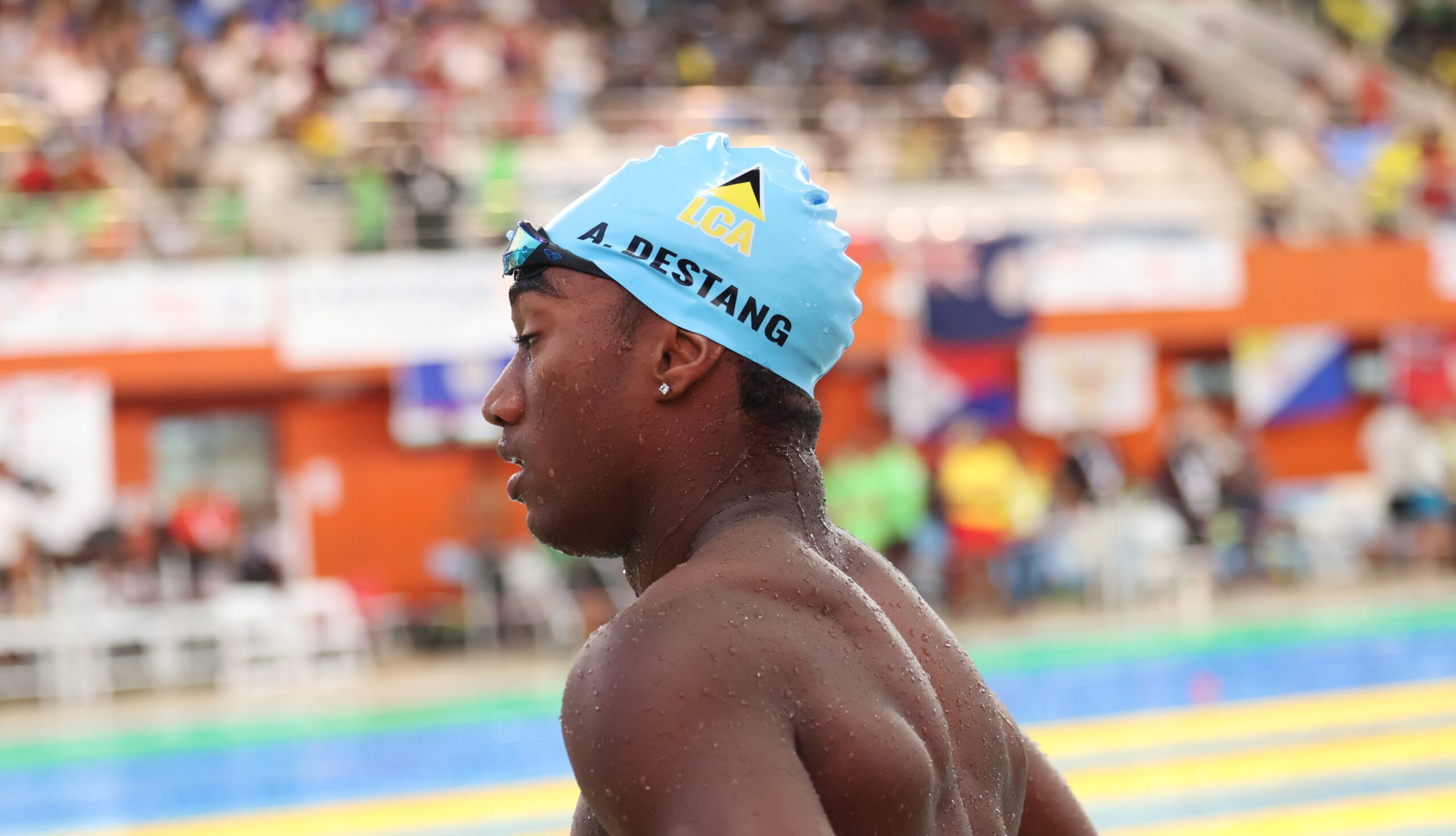
    The 2026 edition of the Junior Pan Pacific Championships got underway on August 17 at Vancouver’s UBC Aquatic Centre in Canada, and 18-year-old Antoine Destang has emerged as a standout story from the opening day of competition. The University of Michigan student, who hails from Saint Lucia, is the sole representative from his small Caribbean nation at this prestigious international long-course meet, and he put in an impressive performance across his two opening races, coming within touching distance of his personal best times in both.

    Competing in the morning preliminary session, which kicked off at 9:00 a.m. PDT (12:00 noon AST), Destang first took to the blocks in Event 2: the Men’s 13-18 50m Butterfly. Entered with a seed time of 25.16 that placed him 16th in the pre-race rankings, he delivered a solid effort to clock 25.02, shaving a tenth of a second off his entry mark. Next up was Event 6, the 100m Backstroke. Seeded 28th with an entry time of 59.99, Destang again dropped time, finishing in 59.32 to climb three spots to 25th overall.

    The young swimmer is no stranger to elite regional competition: he previously claimed two medals and set two new records at the 2025 CARIFTA Games held in Trinidad & Tobago, and capped his final season at Florida’s Bolles Academy with strong results that earned him a spot at the University of Michigan.

    Destang still has four more events on his competition schedule as the meet progresses. On Tuesday, August 18, he will contest the 100m freestyle and 50m backstroke. He will return to the pool on Wednesday for the 100m butterfly, before wrapping up his Junior Pan Pacific campaign on Thursday with the 50m freestyle preliminaries.

    To advance out of the morning heats and into the next rounds of his remaining races, Destang will need to match or beat his entry times against a stacked international field. The Junior Pan Pacific Championships, held every two years in even-numbered years when the senior FINA World Championships are not scheduled, brings together the top swimmers aged 18 and under from Pacific-region nations. This year’s edition, running from August 17 to 20, features competitors from powerhouse swimming nations including Australia, the United States, Canada, and Japan, as well as representatives from Mexico and Argentina. Destang’s consistent, fast opening swims have already signaled that he is capable of continuing to climb the rankings as the competition unfolds.

  • Two Dominica police officers charged with murder of teenage girl

    Two Dominica police officers charged with murder of teenage girl

    A high-profile case involving the disappearance and death of a teenage girl in Dominica has taken a shocking turn, with two members of the island nation’s police force now facing murder charges following the recovery of the teen’s heavily decomposed remains.

    Jerbiah Paul, a teenager whose whereabouts had been unknown for weeks, was first reported missing to local authorities on July 24. Almost three weeks later, on August 12, search teams located human remains on a rugged cliffside in Capuchin, a small village in the northern region of Dominica. Forensic investigators later connected the remains to Paul’s case, though official identification via DNA testing is still pending to confirm the match beyond doubt.

    On Monday, serving police officer Joshua Hamlet made his first court appearance, where he was formally arraigned on a charge of murder. Hamlet marks the second law enforcement officer to be charged in connection with Paul’s killing. Under Dominica’s legal framework, no plea was required from Hamlet at this stage, as murder is classified as an indictable offense that requires further preliminary proceedings.

    Following his court hearing, Hamlet was remanded to the State Prison. His next scheduled court appearance is set for October 2, 2026, when a preliminary inquiry into the charges against him will get underway.

    Hamlet’s charge comes weeks after the arrest of 23-year-old Jean-Luc Langlais, a former police officer who was already charged with homicide for his alleged role in Paul’s death. Langlais was already dismissed from the Dominica Police Force ahead of his arrest, and he has also been held in the State Prison since being taken into custody. Court records show Langlais has not yet retained legal representation, and he will remain in custody ahead of his joint preliminary hearing scheduled for the same October date.

    In an official statement addressing the unfolding case, Dominica’s Police Chief Lincoln Corbette confirmed that the investigation into Paul’s disappearance and suspicious death remains active and ongoing. Corbette gave a public assurance that investigators are leaving no stone unturned in their search for the full truth behind the teen’s killing.

    A particularly disturbing detail that has emerged from the investigation is an alleged cover-up plot to conceal Paul’s death. Investigators say suspects created fake social media accounts impersonating Paul, posting content designed to convince family, friends and authorities that the teenager was still alive after her killing.

    Authorities have also warned the public that the case is far from closed. As investigators continue to unpack the circumstances of Paul’s death, the cover-up attempt and any potential involvement of additional actors, more criminal charges could be brought in the coming months.

  • USVI handed a Saint Lucian sapat in CFU U14 football

    USVI handed a Saint Lucian sapat in CFU U14 football

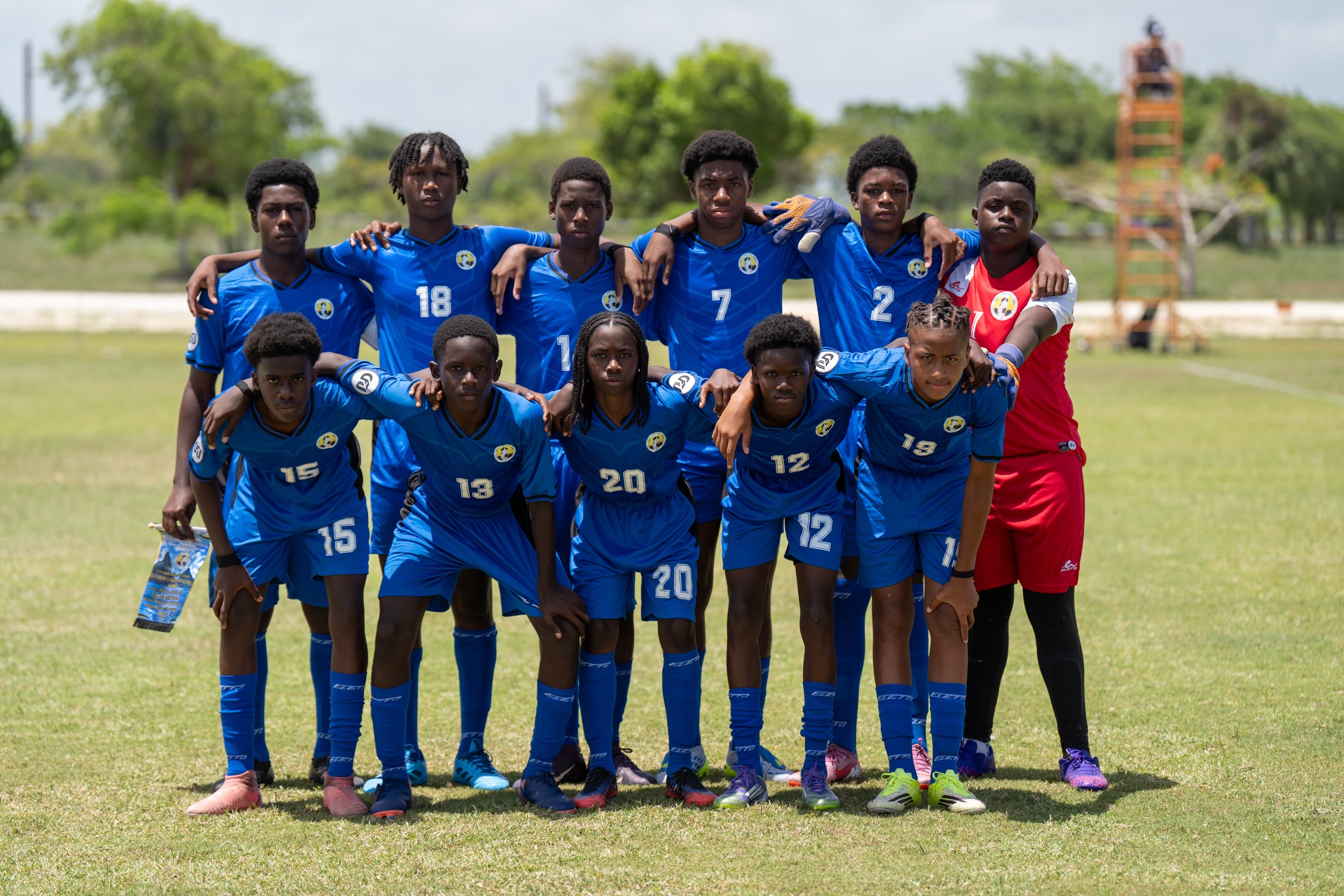
    On the second day of the Caribbean Football Union (CFU) Boys Under-14 Challenge Series hosted in eastern Dominican Republic, Saint Lucia’s under-14 national squad, the Piton Boyz, delivered a dominant performance that stole all the headlines, securing a lopsided 7-0 victory over the United States Virgin Islands (USVI) at Punta Cana’s Cap Cana Sports City on Monday.

    This result proved far more than just a routine win for the young Saint Lucian side. In the other Tier II Group D fixture of the tournament, Suriname and Grenada played out a tense 1-1 draw, a result that kept Saint Lucia’s faint hopes of topping the group alive. A second consecutive loss would have eliminated any chance for the Piton Boyz to claim first place in the group standing, making Monday’s rout a critical milestone in their tournament run.

    Despite the seven-goal blowout, Saint Lucia’s path to the group title remains steep. To secure the top spot, the side not only needs to claim victory against Suriname in their upcoming fixture on Wednesday, but they also need an unlikely upset result in the concurrent Grenada-USVI match. The USVI side has struggled severely through the opening two rounds of the tournament, failing to score a single goal while conceding a staggering 15 total goals across their first two outings.

    Monday’s win marked the largest margin of victory across all matches held on the day, with five different players finding the back of the net for the Piton Boyz. Shem Ishmael and Leon Vidal led the scoring with two goals each, while Anaj Piolius, Adan Adjodha and Khairi Elibox all contributed goals to the final tally.

    The first half opened with a quick breakthrough for Saint Lucia, as Ishmael slotted a shot home from the top of the 18-yard box in the 10th minute, a goal that held as the only score through halftime to put the Piton Boyz up 1-0. Six minutes into the second half, the New Generation FC winger doubled his tally, pouncing on a loose ball just outside the penalty area and hammering a shot into the far corner of the net.

    That second goal unlocked the floodgates for Saint Lucia, as the side ran riot through the USVI defense over the next five minutes. Monchy United substitute Anaj Polius won the ball off a USVI defender in open space before finding the net from a tight angle. Next, Anse La Raye’s Adan Adjodha converted a rebound chance, followed by Saint Lucia Sports Academy’s Leon Vidal slotting home a penalty to extend the lead.

    Before the final whistle, a Monchy United midfielder raced down the right wing to connect with a perfectly placed cross, tapping it home to make the score 6-0. In the dying minutes of the match, Vidal pulled off a clever spin move to shake off his marker and score his second goal of the game, capping the 7-0 rout for Saint Lucia.

    Looking ahead to Wednesday’s decisive group stage fixture, the Piton Boyz will need to bring their best form to overcome a tough Surinamese side. A win against Suriname would guarantee Saint Lucia finishes no lower than second in Group D, keeping their tournament dreams alive.

  • WASCO probes suspected tampering with water infrastructure in Unionville

    WASCO probes suspected tampering with water infrastructure in Unionville

    The Water and Sewerage Company Inc. (WASCO) of Saint Lucia has opened a formal investigation into unauthorized tampering with a retired valve on the main transmission line that feeds the Delcer Water Treatment Plant, an incident that worsened existing water supply challenges in the island’s southern region. The utility company announced in an official statement that its combined production, treatment and water quality inspection team first detected unusual operational irregularities at the valve site located in Unionville on August 12.

    Upon preliminary inspection, teams confirmed that the decommissioned valve, positioned along the critical water corridor between the source intake and the Delcer processing facility, had been deliberately interfered with. This tampering act intentionally restricted the volume of water flowing into the plant, cutting its operational output at a time when the southern water network was already strained by severe drought conditions. Quick-responding WASCO technicians were dispatched immediately to the site to repair and secure the valve, successfully restoring the treatment plant to its full working capacity within a short timeframe.

    As the investigation into the unauthorized interference moves forward, WASCO has already rolled out new proactive measures to beef up physical security for all its critical infrastructure across the Unionville area and surrounding southern districts. The company also issued a public reminder that willful tampering with or destruction of public water infrastructure is classified as a criminal offense under Section 90 of the island’s Water and Sewerage Act, carrying legal consequences for perpetrators.

    Beyond the infrastructure tampering incident, WASCO confirmed that Delcer and several other southern water distribution networks are already grappling with persistent low water flows, driven by months of below-average rainfall that has cut water output at all of the island’s water abstraction points. Data from the Saint Lucia Meteorological Services shows that by the end of July, the southern rainfall monitoring station had recorded a total cumulative deficit of nearly 45% compared to historical averages. Current long-term forecasts call for continued drier-than-normal conditions across the region through the end of November, meaning water supply constraints are likely to persist for months.

    To manage the ongoing drought situation, WASCO says it will maintain daily round-the-clock monitoring of water intake conditions at all key facilities, and will conduct targeted desilting work whenever conditions require it to maintain maximum output. The utility is also calling on all residential customers across the affected southern regions to cut back on non-essential water use, reserving available supplies only for critical household needs until natural water flows recover. It has encouraged consumers to tap into harvested rainwater supplies for all non-drinking uses such as gardening, cleaning and outdoor washing to reduce pressure on the public network.

    In closing, WASCO reminded the public that all updated, accurate information about water supply status and infrastructure developments will be released exclusively through its official communication channels, urging residents to avoid spreading or relying on unconfirmed information from unofficial sources.

  • Micoud man charged with Nick Daniel’s murder

    Micoud man charged with Nick Daniel’s murder

    A criminal investigation launched in the coastal community of Micoud, Saint Lucia, has resulted in a formal murder charge against a local man following the suspicious death of a 28-year-old resident earlier this month.

    Authorities have identified the accused as 32-year-old Angus Popo, a resident of Anse Ger, Micoud. The victim has been named as Nick Daniel, a 28-year-old man who lived in the La Courville neighborhood of the same district.

    On August 8, Daniel’s remains were discovered inside an unfinished concrete structure in the Anse Ger area. First responders examining the scene noted multiple obvious wounds on Daniel’s face and back, prompting immediate suspicion of foul play. Popo was taken into custody directly at the discovery site shortly after law enforcement arrived, and he was placed in official police detention to await further processing.

    Three days after the body was found, on August 11, a full post-mortem autopsy was carried out to determine the official cause of death. Forensic examiners concluded that Daniel’s death was caused by neurovascular shock brought on by severe traumatic brain injury, a direct result of the harm he sustained before his death.

    The following day, August 12, law enforcement officials formally filed a murder charge against Popo. He made his first court appearance on August 13 at the Second District Court, where a bail hearing was held to review his temporary detention. Following the hearing, the court ordered Popo to be remanded to the Bordelais Correctional Facility, where he will remain in custody as the legal process moves forward.

    This report is compiled entirely from official statements released by the Saint Lucia Police Force, and updates will be published as the case progresses through the judicial system.

  • Still in Support of the CCJ and Caribbean Integration

    Still in Support of the CCJ and Caribbean Integration

    As Trinidadian calypsonian David Rudder once described, the small island nations of the West Indies have long been stages for small conflicts that expose far deeper ideological and identity-driven crises across the region. This reality reaffirms that Bob Marley’s iconic call – to emancipate ourselves from mental slavery, for only we can free our minds – remains just as urgent in the 21st century as it was when he first sang the words in the 1970s.

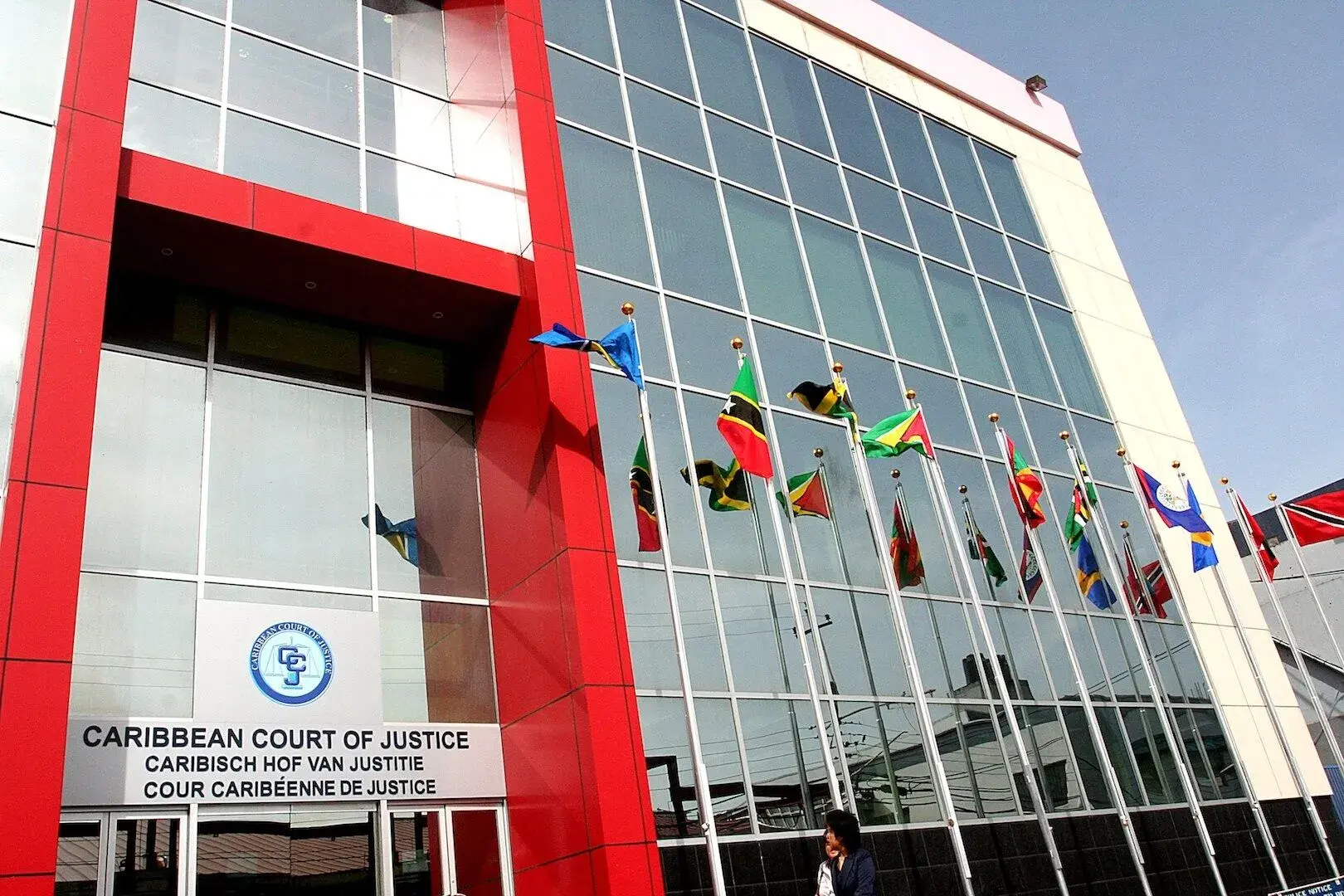
    Nowhere is this dynamic clearer than in the recent media frenzy surrounding the Caribbean Court of Justice (CCJ) across regional news outlets. For months, Caribbean audiences have been fed a constant stream of sensationalized coverage surrounding the CCJ saga, with almost no investigative journalism to separate verifiable fact from speculative fiction. This gap is particularly consequential for an independent judiciary: in any liberal democracy, courts must uphold strict standards of integrity and impartiality to retain public trust as a fair arbiter of disputes. A court’s responsibility extends beyond delivering just rulings – it must also preserve the public perception of justice.

    What stands out most sharply is that this scandal has dominated headlines far more than the CCJ’s 20 years of groundbreaking contributions to Caribbean jurisprudence. Clickbait and negative coverage generate far more engagement than nuanced reporting on the court’s landmark rulings and institutional work, turning the old saying on its head: where success often claims many fathers, this controversy has left the CCJ’s long legacy of achievements overlooked and orphaned.

    This analysis will not rehash leaked allegations of professional misconduct or rehash unproven claims circulated by media outlets. Readers seeking an immediate, definitive judgment on the existing claims will not find it here – and that is intentional. Just as we would not rush to judge a friend before hearing their full side of a story, these allegations require a full, fair airing of facts before any credible determination of their veracity can be made.

    Instead, this piece focuses on a far more troubling undercurrent: the immediate wave of anti-intellectual, anti-indigenous backlash to the scandal among certain groups across Caribbean civil society. The first and most vocal group includes segments of the political elite in several Caribbean countries, who have long held baseless distrust of the CCJ rooted in nothing more than conjecture and innuendo. This scandal has given them the first concrete-looking excuse they have ever had to justify that pre-existing opposition.

    Worse, their opposition reflects a deep-seated bias against institutions built by and for Caribbean people. For these elites, any institution born from Caribbean experience, thought and creativity is immediately assumed to be flawed and unworthy of public trust, when compared to the UK-based Privy Council, the remaining colonial-era appellate court for many Caribbean states. This attitude aligns with scholar Greg Thomas’ description of a colonial mindset marked by profound self-hatred, contempt for Black Caribbean communities, and obsessive reverence for white Western values and institutions.

    This bias was laid bare in the elite’s immediate reaction to the scandal. Rather than expressing disappointment that a homegrown Caribbean institution had found itself in controversy, their response was a knee-jerk ‘you see it, we were right’ – a moment of validation, even relief, after 20 years of unsubstantiated criticism. This reaction ignores the fact that the CCJ had no credible record of misconduct across its first two decades of operation. It also ignores a key distinction: disagreeing with a court’s rulings is never a legitimate basis to reject the entire institution, as the CCJ was never created to pander to political elites’ ideological preferences.

    For these elites, the scandal finally gave them a talking point to argue that the CCJ could never match the Privy Council’s supposed standard of incorruptibility, impartiality and judicial integrity. They frame the Privy Council, thousands of miles removed from Caribbean legal and social life, as a spotless alternative with no blemishes on its record.

    But this argument is deeply disingenuous. These elites never had any intention of joining the CCJ in the first place; the scandal is merely a convenient fig leaf to cover up their longstanding, baseless opposition. What makes this argument even more hollow is that local Caribbean judiciaries and state institutions carry the same inherent risk of misconduct as the CCJ – yet these elites do not call for disbanding those institutions. Most importantly, they falsely frame accountability and regional institutional participation as mutually exclusive, when in reality they reinforce one another. True Caribbean integrationists would respond to this moment by doubling down on strengthening the CCJ through reform, because they recognize the court’s core importance to regional sovereignty. A truly independent Caribbean intellectual and integrationist embraces our homegrown institutions first, then works to resolve flaws when they emerge, and rebuilds when institutions stray from their founding vision. Should this not be the standard we apply to all regional institutions if they fall into disrepute? Would we abandon the institutions our ancestors built with their own hands, courage and inspiration at the first sign of trouble, simply because it is easier to criticize than to reform?

    That said, there is one point of agreement: if the allegations against the CCJ have merit, all available internal remedies should have been utilized to address the issues before details were made public. A growing trend across the region, inspired by political culture from the Global North, encourages officials to air potentially damaging details publicly that could be resolved privately, with little regard for the long-term survival of the institutions involved. We need a far more sober, mature approach to resolving our internal regional issues – a point I emphasized recently during an address to CARICOM Heads of Government in Saint Lucia.

    Too many of these critical elites position themselves as spectators on the sidelines, complaining about every flaw in the CCJ’s operations while offering no concrete suggestions for reform, and refusing to participate in the institution to strengthen its guardrails and legitimacy. It is far easier to sit outside and criticize than to step up and be part of the solution.

    Compounding this problem is the lazy, bad-faith argument that this scandal proves the Caribbean should never have left the Privy Council in the first place. Committed regionalists understand that one controversy does not erase an institution’s entire history of contributions; it only reinforces the need for ongoing accountability and reform. We do not condemn a person to the harshest punishment without due process after a single mistake, and we should not do the same to our own regional institutions.

    At the core of this argument is the false claim that the Privy Council’s geographic distance from the Caribbean makes it inherently fair and impartial, as if the court has no ideological ties to its colonial origins. The Privy Council is a relic of colonial rule that the Caribbean should have moved past long ago. Advocates for retaining the Privy Council also deliberately ignore the CCJ’s proven track record: its efficiency, its effectiveness, and its commitment to accessible justice for low-income Caribbean people who could never afford to bring appeals to London. Caribbean countries have already invested significant public resources into building the CCJ, and it makes far more sense to strengthen that existing investment than to abandon it for a colonial-era alternative.

    The irony of the pro-Privy Council argument becomes even starker when one considers two key facts: the Judicial Committee of the Privy Council (JCPC) itself has repeatedly encouraged Caribbean nations to develop their own final appellate court, and the UK government now requires entry visas for citizens of many Caribbean countries. Imagine being a Caribbean litigant required to travel to London to have your case heard, with no guarantee that you or your lawyer will even receive a visa to enter the country for your hearing. This reality alone makes it clear that the Caribbean must look inward, even amid controversy, to strengthen its own institutions to serve its people. Doing so is an act of confidence in the skill, passion and dignity of Caribbean people, even in times of crisis.

    Buried in the elites’ ‘we told you so’ narrative is a quiet contempt for Caribbean sovereignty: the argument that the region should never join the CCJ, or should wait for some mythical perfect moment when the institution is infallible before joining. This is nothing more than a modern iteration of colonial paternalism, which argued that Caribbean nations were not ready for independence, and that they would be better off remaining dependencies of European powers. When would the region ever be ‘ready’ to complete its decolonization process, and who gets to define what readiness looks like anyway? Caribbean citizens must see this tactic for what it is: a moving goalpost that ensures the region never makes progress on decolonization, regional integration and sovereignty, with no clear standard for what the ‘right time’ would ever look like. Elites often frame this as a pragmatic focus on economics over justice, but in reality it is just a cover for their longstanding opposition to Caribbean institutional independence, and we must continually call out this bad-faith tactic.

    In the end, defenders of the CCJ and the broader Caribbean integration project must stand firm: they must demand accountability for any wrongdoing, while continuing to explain why the court matters so much to ordinary Caribbean people. Doing so embodies the words of the iconic Haitian revolutionary Toussaint L’Ouverture: ‘They may have cut the branches, but the roots run deep.’ Even in moments of disappointment, Caribbean people must stand behind their own institutions, hold them accountable, and reject the urge to look to former colonial powers for rescue from our own mistakes. The Caribbean is home to extraordinary talent, and we have no need to continually seek validation from former colonizers to run our own affairs, even when we make missteps along the way. We cannot allow bad-faith critics to dominate the discourse, especially when their actions have always shown they never believed in the promise of Caribbean-led institutions in the first place.

    *Rahym R. Augustin‑Joseph, the 2024 Rhodes Scholar for the Commonwealth Caribbean, is currently pursuing a Master of Public Policy at the Blavatnik School of Government, University of Oxford. He holds two First Class Honours degrees in Political Science and Law from the UWI Cave Hill Campus. An award‑winning debater, public speaker, youth leader, and advocate, Rahym is passionate about law, politics, and governance, and is committed to shaping the future of Saint Lucia and the wider Caribbean.*

  • Saint Lucia finish sixth at Goodwill Swimming

    Saint Lucia finish sixth at Goodwill Swimming

    The 30th edition of the Goodwill Swimming Championships concluded on August 16, 2026, at the National Aquatic Centre in Couva, Trinidad & Tobago, after three days of intense junior-level competition across the Caribbean region. This long-running developmental event brought together 250 up-and-coming swimmers aged 18 and under from 14 Caribbean territories, with a key eligibility rule designed to prioritize emerging talent: participants are barred from having already competed in elite regional and international events including the CARIFTA Aquatics Championships, CCCAN, CISC, and World Aquatics competitions. The championship’s core mission is to create a critical competitive bridge for young swimmers, helping them transition from local club meets to higher-stakes international competition.

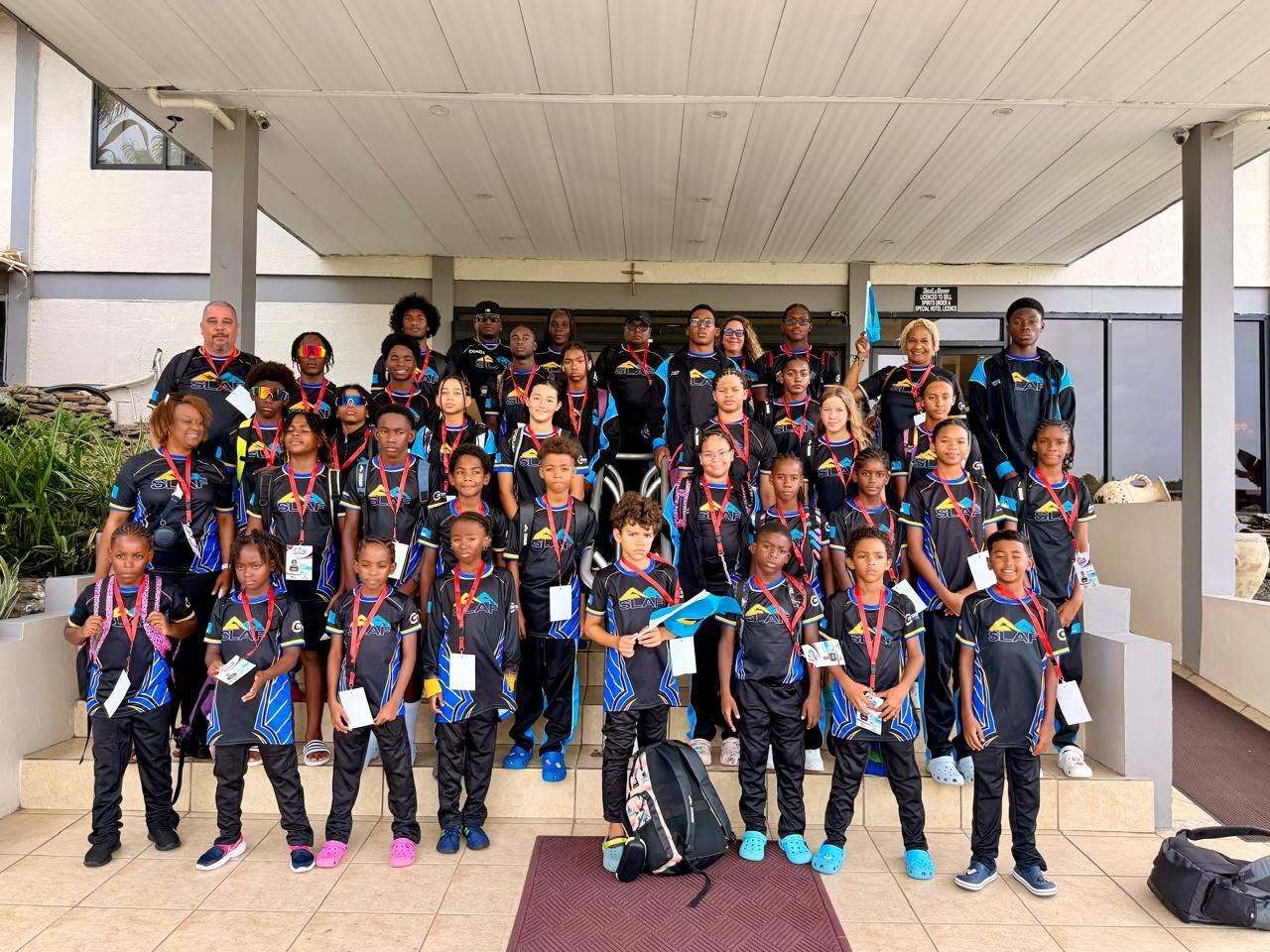
    Team Saint Lucia turned in an impressive performance at this year’s event, finishing sixth overall in the team rankings. The 33-member national squad collected a total of seven medals: four gold medals, two silver medals, and one bronze medal. Leading the overall team standings was The Bahamas, which secured its fourth consecutive overall team title in dominant fashion. The Bahamian squad amassed 122 total medals and broke seven championship records throughout the competition. Host nation Trinidad & Tobago took second place with 94 medals and six new meet records, while Jamaica (63 medals) and Barbados (58 medals) claimed third and fourth place respectively. Antigua & Barbuda wrapped up the top five with eight total medals, just ahead of Saint Lucia’s sixth-place finish.

    Individually, Saint Lucia’s standout performer was Miles Andrew, who dominated the 9-19 boys age group to top the category rankings with 60.5 total points. Andrew claimed three gold medals during the competition, including a new championship record in the 50m freestyle with a winning time of 27.40 seconds. He also took gold in both the 100m freestyle and 50m breaststroke events, and added two silver medals to his personal haul with strong finishes in the 100m breaststroke and 50m backstroke.

    On the women’s side, Jaimie Devaux emerged as Saint Lucia’s top young competitor. A student at St Joseph’s Convent, Devaux placed seventh overall in the competitive 13-14 girls category with 29 total points. She earned one gold medal in the 100m breaststroke and picked up a bronze medal in the 50m breaststroke to round out a successful meet.

    In addition to Andrew and Devaux, several other young Saint Lucian swimmers earned valuable ranking points for their team, including Khiara Hippolyte in the 11-12 girls division, Nathan Lewis, Khalil Maraj and James Sylvester in the 13-14 boys division, Emma Fortune in the 9-10 girls division, and Liam Charlemagne in the under-9 boys division. The results mark a successful outing for Saint Lucia’s emerging generation of competitive swimmers, highlighting the depth of young talent developing across the island’s aquatic programs.

  • Youth basketball series to feature regional, international teams

    Youth basketball series to feature regional, international teams

    One of the Caribbean’s most anticipated under-18 boys’ basketball competitions is set to tip off next week, with a historic expansion that marks a major milestone for the annual tournament. The fifth edition of the Aloysius “Loloy” Daniel Youth Classic Tournament will open its gates on Monday, August 17, at Saint Lucia’s Beausejour Gymnasium, with six days of competitive action running through to closing games on Friday. For the first time in the event’s five-year history, squads from five separate territories will travel to compete, turning a regional competition into an international showcase for young basketball talent.

    The tournament carries deep legacy for Saint Lucia’s local basketball community, as it was created to honor the memory of Aloysius “Loloy” Daniel, a former Saint Lucian national basketball player and lifelong advocate for grassroots sports development. Daniel, who relocated to Canada in his later years, passed away three years ago, and the annual youth event has become his permanent tribute, nurturing the next generation of Caribbean basketball talent in his name.

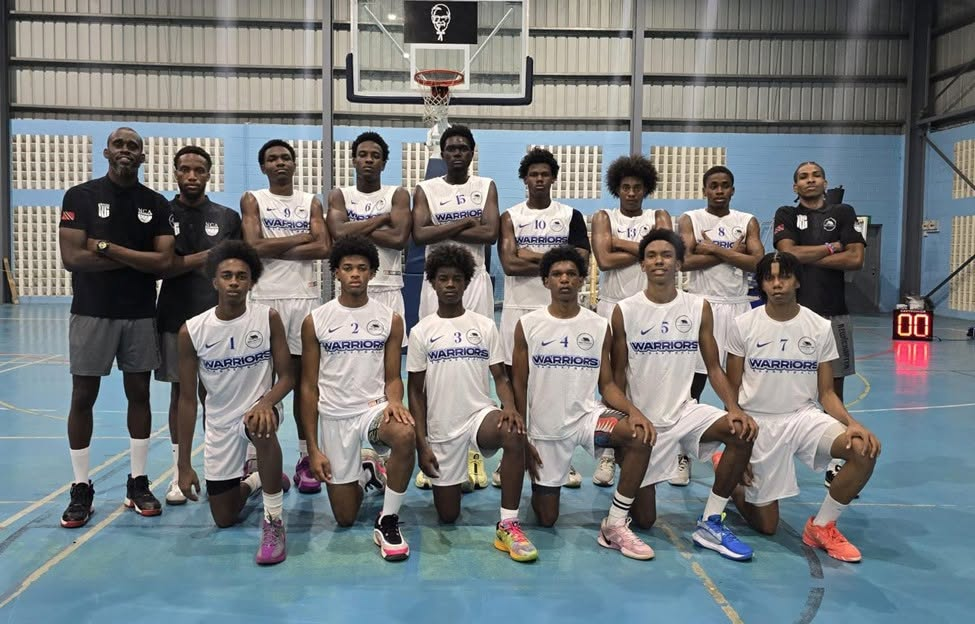
    Prior to this 2026 edition, the tournament had only hosted one international competing side: New Chapter Academy (NCA) Warriors from neighboring Trinidad & Tobago. The Warriors have dominated the competition since their first participation, claiming the championship title three consecutive times. This year, however, the competition pool has grown far beyond its original regional scope: alongside the returning Trinbagonian champions, squads from Antigua & Barbuda, Guyana, and even the United Kingdom will join three host teams from Saint Lucia to compete for the 2026 crown.

    The full competing lineup includes the 2022 inaugural tournament champions East Coast Academy, which will field two squads – the Tigers and the Lions – plus Saint Lucia’s Basketball For The Future, D-UP Basketball Academy from Guyana, Antigua Pit Bulls, and M2KMAS Basketball from the United Kingdom.

    Over the five-day competition, all six squads will compete in a full round-robin format to determine final standings. Match schedules are structured to allow fans ample access to the action, with tip-off times set for 2:00 p.m. every day from Monday through Thursday, and an earlier 1:00 p.m. start time for the final day of play on Friday. Opening day will feature three highly anticipated opening matchups: the ECA Tigers will tip off the tournament against Basketball For The Future, the ECA Lions will face off against D-UP Academy, and the Antigua Pit Bulls will challenge the three-time defending champion NCA Warriors in their opening outing.

  • NYAH, GMC, NGFC take Youth Challenge football titles

    NYAH, GMC, NGFC take Youth Challenge football titles

    The third annual Caribbean Youth Challenge, a flagship event tied to the regional “Kick Out Crime and Violence” social initiative, wrapped up a week of high-intensity youth football action with five final-round matches at Saint Lucia’s Francis Baba Lastic Grounds in Gros Islet. Organized by the Gros Islet Football League, the tournament brought together the island nation’s most promising young footballers, plus a visiting youth squad from Barbados’ National Sports Council (NSC) to compete for regional honors across age divisions.

    Competing exclusively in the Under-14 bracket, the Barbadian NSC Tridents turned heads throughout the week with an undefeated run to the tournament final. The side earned its spot in the title clash after a solid 3-1 semi-final win over local side Lancers FC. In the other Under-14 semi-final, Saint Lucia’s NYAH FC secured a 2-0 shutout against Monchy United, with striker Mavalon Bernard putting on a first-half masterclass, finding the back of the net just one minute into the match and adding a second in the 16th minute to seal the win.

    In the hotly contested Under-14 final, it was NYAH FC that claimed the regional title, thanks to a decisive ninth-minute goal from Darnell Boohlie that held up as the match-winner. Despite falling short of the top spot, NSC Tridents coaching staff described the cross-border trip as a rewarding developmental experience for their young players. In the division’s third-place playoff, Monchy United took home the bronze with a 2-0 victory over Lancers FC.

    The Under-17 division crowned GMC United as its new champion, extending the club’s multi-year streak of strong performances in Saint Lucia’s youth football circuit. The Corinth-based side delivered a dominant display in the marquee final, shutting out Valley Soccer 3-0 to claim the title. Sherdon Sylvester opened the scoring for GMC in the 27th minute, captain Shaquil Martelly doubled the lead right before halftime in the 42nd, and Devonate Ayemany put the result beyond doubt with a third goal in the 55th minute.

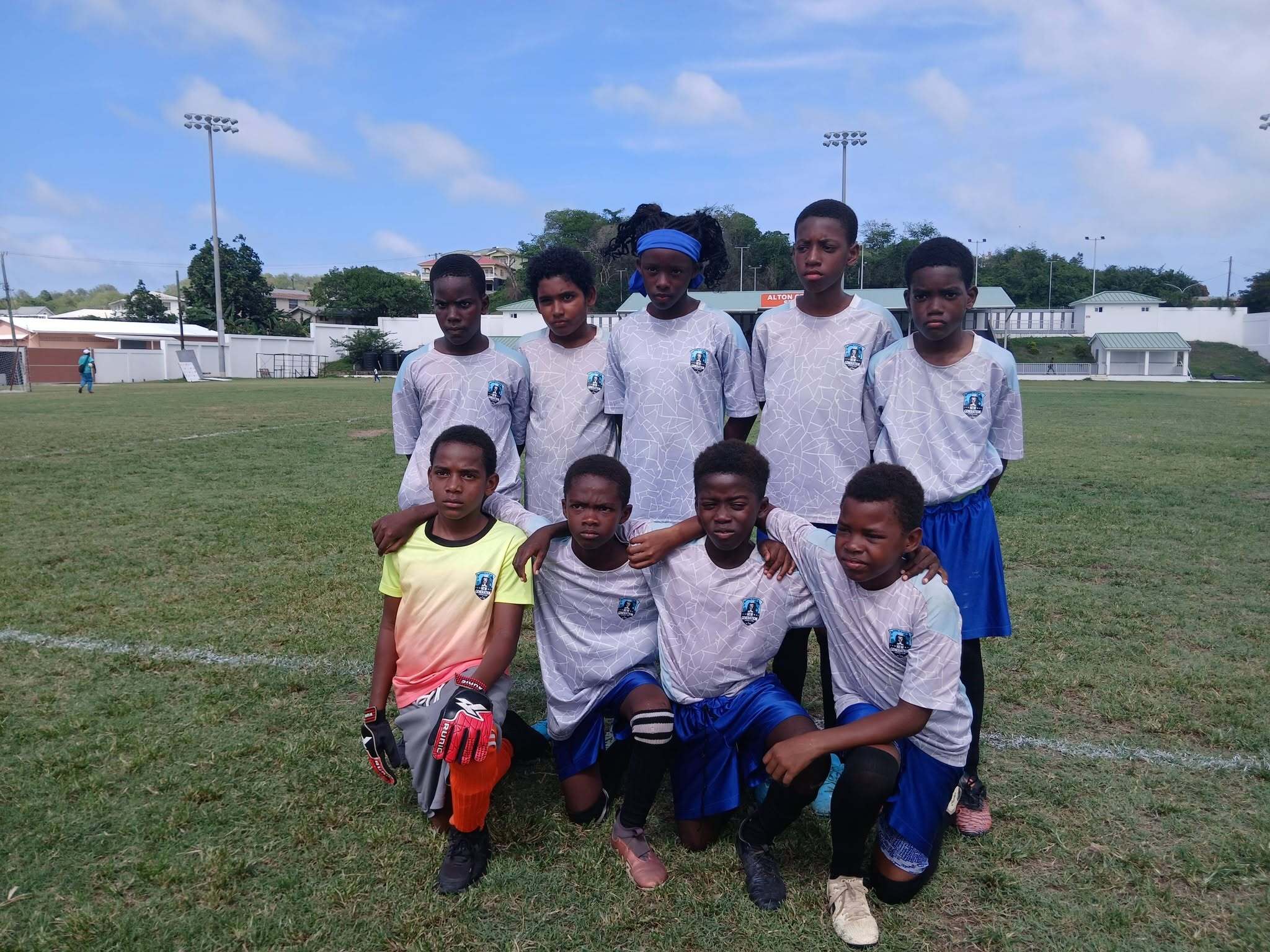
    Marchand punched their ticket to the Under-17 final with a convincing 2-0 semi-final win over NYAH FC, while New Generation advanced with a 3-0 victory against Pioneers, benefiting from an early own goal before adding two more first-half strikes to secure their spot in the title match. In the Under-17 final, held on the same day as the popular Babonneau Carnival, New Generation claimed the silver division title with a 2-0 win over Marchand, with Dershavee St Marthe scoring in the 10th minute and Jackson Joseph adding a second just nine minutes later to seal the victory. In the third-place playoff, Pioneers defeated NYAH FC 3-1 on penalties after the two sides finished regular time tied 1-1.

    Beyond the two published age divisions, the tournament also crowned New Generation FC as Under-11 champions, marking a successful multi-division outing for the Saint Lucian club during the 2026 edition of the challenge.

  • Kings lose despite Auguste blitz

    Kings lose despite Auguste blitz

    The 2024 Republic Bank Caribbean Premier League (CPL) delivered another edge-of-your-seat contest on Sunday, as the Barbados Tridents claimed a tense nine-run victory over hosts Saint Lucia Kings at the Daren Sammy Cricket Ground. The defeat marks the Saint Lucia side’s second loss of the tournament, dropping them in the regional T20 league standings despite a valiant late batting chase.

    Even with persistent wet weather threatening to cut the event short entirely, thousands of passionate cricket fans turned out to support their teams. The popular Johnson Charles Stand was filled to near capacity, with smaller clusters of spectators spread across other viewing areas of the stadium, eager not to miss the high-profile fixture.

    Ongoing rain forced match officials to reduce the contest from the standard 20 overs per side to 18 overs. Saint Lucia Kings captain Roston Chase won the pre-match coin toss and elected to bowl first, putting the Tridents’ batting lineup under early pressure. The strategy paid off quickly, as the Kings’ bowling attack removed opening batter Zachary Carter in the early overs. However, Tridents wicketkeeper-batter Quinton de Kock and top-order batter Brandon King steady the innings, combining for a 56-run second-wicket partnership that put the side back on track. De Kock contributed 38 runs to the stand, while King added 39 before his dismissal.

    The game-changing innings came from middle-order batter Sherfane Rutherford, who launched a devastating attacking onslaught against the Kings’ bowling attack. Rutherford smashed an unbeaten 61 runs from just 31 deliveries, including five towering sixes and three cracking fours, that propelled the Tridents to a competitive total of 177 runs for five wickets at the end of their allotted overs.

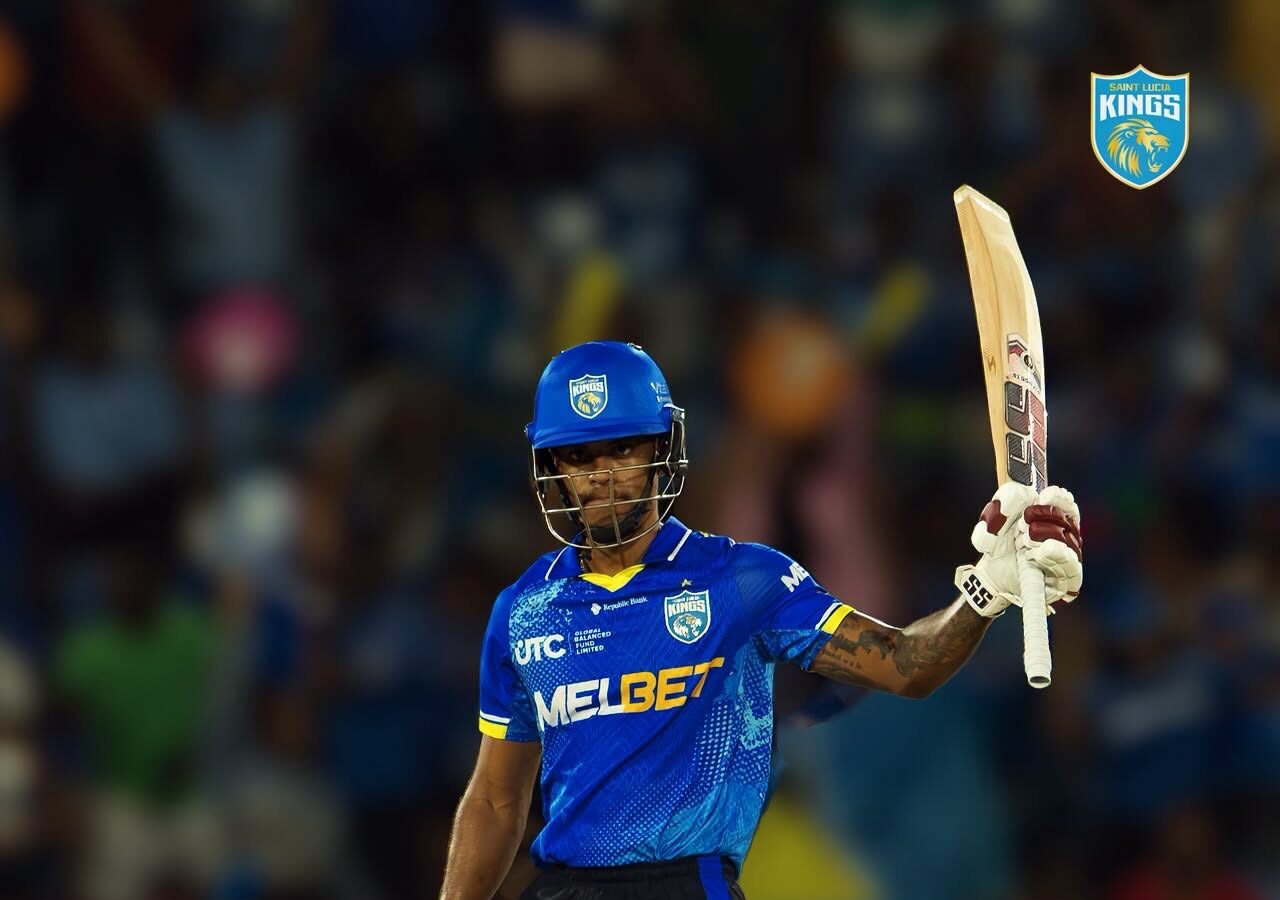
    Chasing a revised target to win, the Saint Lucia Kings got off to a flying start, led by their captain. Chase smashed 34 runs from 21 deliveries to get the chase off to a rapid start, giving the home side early momentum. After Chase was dismissed and batter Jewel Andrew exited the game with an injury, Saint Lucian local star Ackeem Auguste stepped up to deliver a sensational performance. Auguste played some of the most spectacular stroke play of the match, scoring a game-high 63 runs from only 34 deliveries, with six sixes and three fours that sent the home crowd into repeated cheers. Despite Auguste’s heroic knock, the Kings lost wickets at regular intervals through the middle and late overs, leaving them with a mountain to climb in the final over.

    With 29 runs still needed to win from the last six deliveries, the Kings gave their fans a late glimmer of hope, as Matthew Forde smashed 14 runs from the first three balls of the over. However, Tridents pace bowler Ramon Simmonds held his nerve under pressure, restricting the Kings to just five runs from the remaining three deliveries to secure a nine-run victory for his side.

    Following the defeat, the Saint Lucia Kings have dropped to second place in the CPL overall standings, holding a 50% win rate after four matches. The team will look to bounce back quickly, with their next fixture scheduled for Wednesday against the Guyana Amazon Warriors.