标签: Saint Lucia

圣卢西亚

  • Sea turtle harvest ban begins January 1; Fines Up to $5 000

    Sea turtle harvest ban begins January 1; Fines Up to $5 000

    The Saint Lucian government has enacted sweeping conservation measures prohibiting all sea turtle harvesting and commercial activities effective January 1, 2026. The Ministry of Agriculture and Fisheries formally announced the comprehensive ban on December 23, 2025, establishing a complete moratorium on the capture, sale, and consumption of sea turtle products.

    The legislative action establishes a designated closed season that aligns with critical reproductive periods for marine turtle populations. The prohibition extends to all aspects of sea turtle exploitation, including the entire animal, any anatomical parts, and derived products such as meat, shells, or other biological materials.

    This conservation strategy aims to address population sustainability concerns by protecting turtles during their most vulnerable life cycle phases. The timing of the closed season specifically corresponds with peak reproductive activity, providing critical protection during nesting and breeding periods to facilitate population recovery.

    Government authorities have issued stern warnings regarding enforcement provisions. Violators found possessing sea turtles or their derivatives face substantial penalties, including fines reaching EC$5,000 (approximately $1,850 USD) under the Fisheries Act. The ministry has additionally cautioned that non-compliance could result in extended duration of future closed seasons.

    Officials are urging cooperation from fishing communities, commercial vendors, and the general public. Citizens are encouraged to report violations to multiple enforcement channels including the Praedial Larceny Unit, Marine Police, local police stations, or the Department of Fisheries. This collaborative approach seeks to ensure effective implementation of the protective measures for these endangered marine species.

  • The Alfred Prospere dilemma

    The Alfred Prospere dilemma

    The appointment of Alfred Prospere as Deputy Speaker of Saint Lucia’s Parliament has reignited constitutional debates and exposed systemic challenges within Westminster governance models. Prime Minister Philip J. Pierre’s cabinet selection process drew intense scrutiny as observers questioned whether his administration would replicate predecessor Allen Chastanet’s controversial approach of leaving the Deputy Speaker position vacant.

    Constitutional mandates under Section 37 require the House to elect a Deputy Speaker from members not holding Cabinet or Parliamentary Secretary positions before commencing post-election proceedings. This provision became contentious during Chastanet’s administration when Sarah Flood Beaubrun vacated the Deputy Speaker role for ministerial appointment, creating an unfilled vacancy that disrupted parliamentary operations.

    Chastanet’s interpretation that the Constitution’s shift from “shall” to “may” made subsequent appointments discretionary sparked legal challenges. Public interest lawyer Martinus Francois argued for mandatory interpretation, though the court deemed the matter academic after governmental rectification, leaving constitutional jurisprudence underdeveloped.

    The current administration pursued constitutional amendment to allow Deputy Speaker appointments from outside Parliament, mirroring Speaker selection processes. This move, criticized as circumventing deeper democratic reforms, required supermajority and referendum approval—a challenging threshold in Caribbean political contexts where referenda frequently fail due to adversarial politics and underinformed electorates.

    Dr. Kenny D. Anthony’s interim appointment as Deputy Speaker temporarily resolved the impasse, but his retirement reactivated the constitutional requirement for parliamentary selection. Prime Minister Pierre’s nomination of former Agriculture Minister Alfred Prospere acknowledged the difficulty of assigning backbenchers to perceived secondary roles, highlighting how ministerial positions overshadow parliamentary representation in public perception.

    This preference reflects concerning governance dynamics where constituents equate ministerial access with resource allocation, potentially distorting national priorities through politically motivated project distribution. The psychological significance of ministerial appointments in rural communities further complicates this hierarchy, creating tension between local representation and national governance.

    Moving forward, Prospere’s tenure presents opportunity for substantive parliamentary strengthening through technological integration, committee system enhancement, and public engagement expansion. Rather than merely deputizing for the Speaker, the role could champion transparency initiatives including website modernization, accessible legislative documents, and improved accountability mechanisms.

    The ongoing situation underscores the need for developed backbench political culture that empowers non-ministerial MPs and educates constituents about representation beyond executive roles. Constitutional clarity through either judicial resolution or successful referendum remains essential for stabilizing Saint Lucia’s parliamentary procedures and reinforcing democratic foundations.

  • Port Castries set for busy Post-Christmas cruise arrivals

    Port Castries set for busy Post-Christmas cruise arrivals

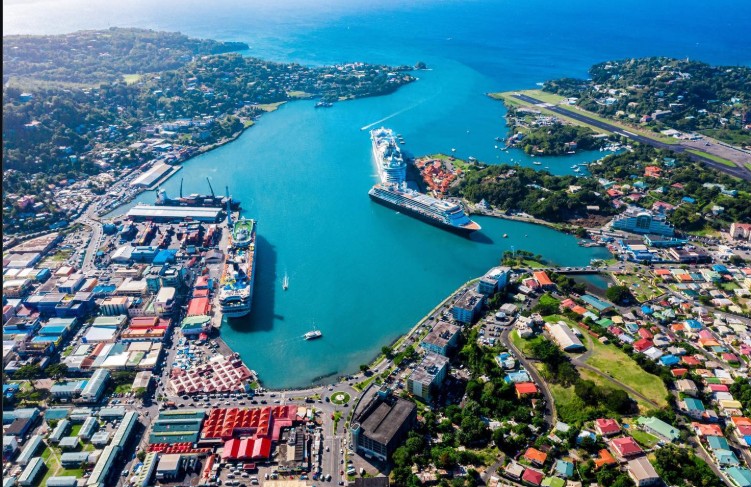
    The island nation of Saint Lucia is witnessing an extraordinary influx of maritime tourism as its peak cruise season culminates during the holiday period. Travelers from colder northern climates are flocking to the Caribbean destination, seeking its renowned warm weather and tropical hospitality.

    Port authorities in Castries reported a remarkable succession of vessel arrivals between December 22 and 25. The maritime parade commenced with MSC Virtuosa, carrying 6,334 passengers, on December 22nd. The following day witnessed five simultaneous arrivals: Viking Sea (930 passengers), Silver Spirit (540), Queen Elizabeth (2,547), Celestyal Crystal (1,200), and Seabourn Ovation (604). Christmas Eve brought three additional ships: Valiant Lady (2,770), Wind Surf (310), and Ilma (448). Christmas Day maintained the momentum with four vessels: Norwegian Epic (4,428 passengers), Costa Fascinosa (3,780), Le Bellot (184), and Evrima (293).

    The maritime activity continues unabated through the New Year’s transition. December 26th anticipates five arrivals: Norwegian Sky (2,004 passengers), Brilliance of the Seas (2,501), Silver Shadow (382), Royal Clipper (227), and AIDAperla (3,400). December 27th will see the exclusive Sea Cloud II, accommodating merely 96 passengers. December 28th concludes the intensive period with three vessels: Seven Seas Mariner (700 passengers), Zuiderdam (2,272), and a return visit from Royal Clipper (227 passengers).

    This substantial maritime traffic represents a significant economic opportunity for local businesses, tourism operators, and the broader hospitality sector, highlighting Saint Lucia’s growing prominence as a premier Caribbean cruise destination.

  • LETTER TO THE EDITOR – Why CARICOM has failed: A call to action

    LETTER TO THE EDITOR – Why CARICOM has failed: A call to action

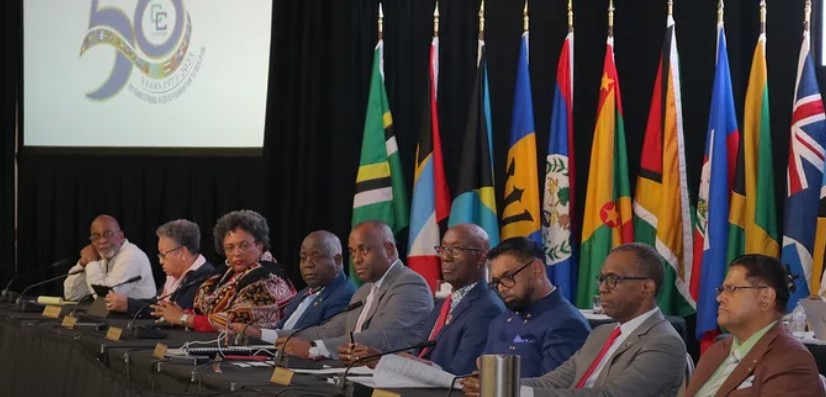
    A deepening diplomatic rift among Caribbean Community (CARICOM) leaders reveals alarming fractures within the regional bloc, exposing fundamental weaknesses in its governance structure. The current tensions—stemming from divergent positions on Venezuela relations, responses to US military presence in Caribbean waters, and recent US visa restrictions affecting Antigua and Barbuda and Dominica—highlight a critical juncture for the organization.

    The public exchange between Antigua and Barbuda’s Prime Minister Gaston Browne and Trinidad and Tobago’s Prime Minister Kamla Persad-Bissessar transcends mere diplomatic sparring. It reflects broader systemic failures that have plagued CARICOM since its 1973 establishment through the Treaty of Chaguaramas. Originally conceived to foster economic integration, coordinate foreign policy, and promote functional cooperation among newly independent states, the community now grapples with inconsistent implementation, poor coordination, and perceptions of political interference in domestic affairs.

    Historical context reveals this crisis has been decades in the making. The 1989 Grand Anse Declaration that launched the CARICOM Single Market and Economy (CSME) has yielded uneven results, with persistent barriers to labor mobility and divergent national regulations. The seminal 1992 West Indian Commission report ‘A Time for Action’ identified these structural weaknesses, yet most challenges remain unresolved today.

    Subsequent reviews, including a 2012 examination of the CARICOM Secretariat and Jamaica’s Golding Report, documented identical problems: weak compliance mechanisms, implementation failures, and an intergovernmental model lacking enforcement authority. These reports recommended stronger institutional processes and decision-making efficiency but were never formally adopted.

    Current tensions reflect growing perceptions of imbalance within the community. Many observe disproportionate benefits flowing to Trinidad and Tobago compared to Organization of Eastern Caribbean States (OECS) members, while development gaps widen between resource-rich Guyana and less developed CARICOM nations. These disparities, compounded by resource limitations at the Secretariat and policy coordination gaps, have eroded mutual trust.

    The situation mirrors challenges faced by other integration projects. The European Union’s experience with internal divisions during the financial crisis and Ukraine conflict led to comprehensive structural assessments. CARICOM now requires a similarly candid independent evaluation addressing competitiveness, governance, and equity concerns while reaffirming commitments to mutual respect and non-interference.

    As CARICOM approaches its 50th anniversary, the organization must confront its structural limitations or risk the fate of the failed West Indies Federation. The warning of Dr. Eric Williams—’one from ten leaves nought’—serves as a poignant reminder that without genuine unity, regional integration remains an unfulfilled promise.

  • Pierre commends public after ‘successful’ VAT-Free Day

    Pierre commends public after ‘successful’ VAT-Free Day

    Saint Lucia’s pioneering Value-Added Tax holiday on December 22nd has been declared an extraordinary achievement by Prime Minister Philip J. Pierre, who extended commendations to both citizens and businesses for their remarkable conduct during the unprecedented event. The nationwide initiative, enabled through legislative amendments to the VAT Act, provided temporary tax relief on qualifying goods during a period of typically heightened household expenditure.

    Across the island nation, residents flocked to retail establishments, filling shopping aisles to capitalize on the reduced pricing structure. The voluntary participation of businesses created a collaborative economic environment that demonstrated effective public-private coordination.

    In an official communiqué from the Prime Minister’s Office, Pierre characterized the public response as “extremely encouraging” while particularly emphasizing the orderly and community-oriented behavior displayed by shoppers. Beyond the immediate economic stimulation, the administration highlighted the event’s symbolic significance as evidence of their commitment to implementing tangible, citizen-centric policies that provide substantive financial relief.

    The Prime Minister additionally recognized retail operators and frontline staff for their exceptional professionalism and cooperative spirit, noting that their contributions were instrumental in facilitating a seamless and positive shopping experience throughout the nation. The successful execution of this fiscal policy experiment establishes a potential framework for future economic interventions designed to alleviate consumer financial pressure during peak spending periods.

  • Uber encouraged by ‘numerous’ local sign-ups

    Uber encouraged by ‘numerous’ local sign-ups

    Uber has reported an overwhelmingly positive response from Saint Lucia’s licensed taxi industry just over a week after opening its platform to local drivers. The ride-hailing giant, following its December 16 announcement, revealed significant registration numbers from both individual taxi operators and established associations throughout the island nation.

    The company emphasized its primary objective of providing accessible earning opportunities through its digital platform. “We are encouraged by the positive response we have already seen, with numerous sign-ups from both taxi drivers and associations in the past few days,” Uber stated in a recent communication.

    Addressing unique aspects of Saint Lucia’s taxi industry structure, Uber provided crucial clarifications regarding vehicle ownership and operation scenarios. The company specified that in cases where vehicle owners employ licensed drivers, the active operator must complete registration—provided they meet all requirements and submit necessary documentation.

    Uber’s system accommodates the common practice of shared vehicles by permitting multiple driver profiles to be associated with a single taxi registration number. However, the platform’s technical framework ensures only one driver can remain active on the app at any given time, maintaining operational integrity.

    For fleet owners managing multiple drivers, Uber offers specialized registration options that provide comprehensive visibility over all operations associated with a particular vehicle. This tailored approach demonstrates the company’s adaptability to local market conditions while maintaining its global service standards.

  • CWI to postpone Breakout League, move First-Class season to Antigua

    CWI to postpone Breakout League, move First-Class season to Antigua

    Facing significant financial pressures and an overcrowded cricket calendar, Cricket West Indies (CWI) is implementing substantial structural changes to its domestic competitions. The board has officially postponed its emerging talent initiative, the Breakout League, and is preparing to consolidate the regional first-class championship within a single territory.

    While CWI’s public statement attributed the Breakout League’s delay to scheduling conflicts with international commitments and preparations for the ICC Men’s T20 World Cup, insider reports indicate financial constraints have been equally decisive. Veteran cricket analyst Joseph ‘Reds’ Perreira revealed that monetary challenges have compelled the board to make difficult decisions regarding tournament organization.

    The Breakout League, conceived as a Caribbean Twenty20 platform to identify and develop emerging cricketing talent, was originally scheduled for January but has been deferred until later this year. Perreira noted that the board anticipates improved financial conditions following the distribution of ICC funds after the 2026 World Cup, which would enable the league’s eventual execution, potentially with an adjusted under-23 format to better uncover young talent.

    In parallel cost-containment measures, CWI plans to centralize its four-day first-class tournament exclusively in Antigua & Barbuda during April. The competition will utilize three designated venues: Sir Vivian Richards Stadium, Antigua Recreation Ground, and Coolidge Cricket Ground. This strategic consolidation aims to significantly reduce expenditures on inter-island air travel and hotel accommodations for teams and officials.

    Perreira endorsed this geographical streamlining, highlighting potential benefits beyond mere cost reduction. He particularly emphasized the commercial advantages of utilizing the Antigua Recreation Ground, noting its proximity to populated areas in St. John’s compared to the more remote Sir Vivian Richards Stadium. The veteran analyst suggested that renovating the Recreation Ground’s playing surface following heavy football usage could create a revenue-friendly venue that attracts larger crowds for premium matches.

  • Alfred to begin world record quest in New York

    Alfred to begin world record quest in New York

    World champion sprinter Julien Alfred, currently ranked as the joint second-fastest woman in history over 60 meters, is poised to challenge one of athletics’ most enduring records as she opens her 2026 season at the prestigious Millrose Games. The World Athletics Indoor Tour Gold event, scheduled for February 1st at New York City’s Armory facility, will mark Alfred’s highly anticipated return to the indoor circuit after a year’s absence from the 60m event.

    The Saint Lucian speedster, who captured the 2024 World Indoor Championship title, currently boasts a personal best of 6.94 seconds—merely two-hundredths of a second shy of Irina Privalova’s legendary world record set over three decades ago. This marginal difference has become the primary focus of Alfred’s training regimen as she seeks to etch her name in the history books.

    Alfred’s relationship with the 60m distance runs deep, having extensively competed in the event during her collegiate career and early professional years. In a recent appearance on the CITIUS MAG podcast, the Olympic gold medalist expressed genuine enthusiasm for her return to indoor racing: ‘I love the 60m. It’s really a fun event for me doing the things that I actually love and enjoy. Considering that the 60m is something I really love, I decided it would be part of my plans for 2026.’

    Currently balancing vacation time with intensive training in her native Saint Lucia, where she also serves as a tourism ambassador, Alfred has been preparing for this record attempt since early November. Her coaching team, led by Edrick Floréal, has implemented a meticulous technical analysis program focused on deconstructing Privalova’s record performance. ‘We spent time looking at the different increments of the world record and just how she ran it, particularly her first 10 meters,’ Alfred revealed. ‘That’s when I started paying attention to the way I run and analyzing my race pattern.’

    The Millrose Games will present a formidable competitive field, featuring American rivals Aleia Hobbs (who shares Alfred’s 6.94 second benchmark) and defending champion Jacious Sears. British sprinter Dina Asher-Smith, Alfred’s former training partner, will also join the lineup, ensuring a world-class competition that could potentially produce record-breaking conditions.

    Alfred already holds the Millrose Games meet record at 6.99 seconds, achieved in 2024—one of her five career sub-seven-second performances. This places her behind only Privalova’s remarkable 13 sub-seven-second runs in the historical rankings. The upcoming event represents not only a personal challenge for Alfred but an opportunity to join the most exclusive company in sprint history.

    The 24-year-old’s journey to sprinting elite status began during her collegiate career at the University of Texas, where she became the third-fastest teenager in 60m history before the COVID-19 pandemic prematurely ended her 2020 season. Now in her third professional year, Alfred has strategically designed her 2026 campaign around this record attempt, having bypassed major outdoor championships this season to focus on this singular goal.

  • “Shower on Wheels” initiative brings dignity, care to the homeless

    “Shower on Wheels” initiative brings dignity, care to the homeless

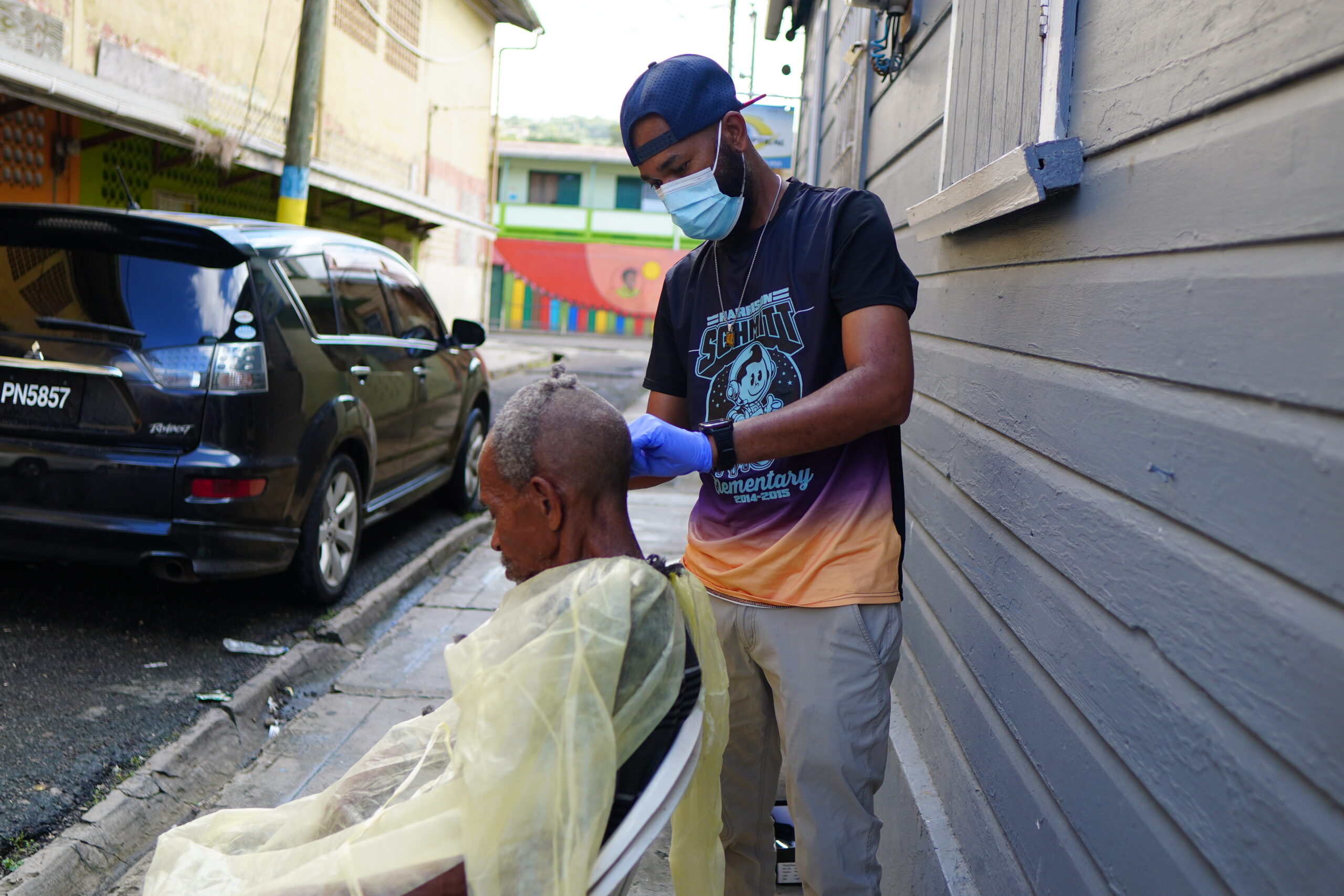
    In a powerful demonstration of community compassion, members of Saint Lucia’s Seventh-day Adventist Church extended vital support to the island’s most vulnerable populations on December 21. The initiative saw volunteers from Zone A of the local SDA Churches, joined by community supporters, provide essential services including bathing facilities, meals, and clothing to homeless individuals in Castries.

    The operation was strategically conducted at Church Lane, utilizing the facilities of St. Aloysius R.C Boys School to create a comprehensive care center. The program featured remarkable intergenerational participation, with adult volunteers handling technical aspects while children from the ministries department assisted by serving breakfast items including tuna sandwiches, cheese sandwiches, cake, and juice. Younger participants also helped direct beneficiaries to shower facilities and lunch services.

    This outreach forms part of the innovative ‘Shower on Wheels’ initiative spearheaded by Evangelism for Saint Lucia, a program designed to share spiritual messages through practical acts of kindness. Coordinator Donatus Sydney explained the seasonal significance of their intervention: ‘We deliberately chose this period when collective generosity peaks, aiming to establish an annual tradition that restores dignity and national belonging to our homeless citizens.’

    Pastor Chad Goolaman, District Pastor for the Maranatha District of SDA, emphasized the holistic philosophy behind the initiative: ‘Our church recognizes that meaningful transformation addresses both spiritual and social needs. By providing nourishment, hygiene, and encouragement, we aspire to empower individuals for renewed beginnings.’ The pastor further revealed plans to expand community impact programs throughout 2026, reinforcing the church’s commitment to sustainable social development across Saint Lucia.

    Photographic documentation by Quinn St. Juste captured the profound human connections forged during the event, showcasing volunteers engaged in meaningful service that transcended mere charity to foster genuine human dignity.

  • 2025 Year in Review – Part 1

    2025 Year in Review – Part 1

    The year 2025 unfolded as a dynamic period for Saint Lucia, marked by significant cultural celebrations, economic developments, and national challenges that captured the island’s resilience and spirit.

    January ignited with cultural vibrancy as Castries hosted the triumphant return of Assou Square on New Year’s Day. The capital’s streets pulsated with live performances, including a calypso and country music showdown, alongside a DJ competition that spotlighted exceptional local talent. Simultaneously, athletic excellence took center stage with the Eastern Caribbean Challenge, where 35 runners embarked on a six-nation marathon circuit beginning and concluding at the Daren Sammy Cricket Stadium. However, road safety concerns emerged as police investigated 120 vehicular accidents by month’s end, prompting urgent calls for increased driver vigilance.

    February witnessed the nation’s 46th Independence anniversary celebrations, culminating in the All Stars Independence Showcase featuring cultural dancers, local singers, and appearances by the 2024 Carnival Queen. The celebratory mood extended to economic advancements as the government disbursed nearly $80 million in tax-free backpay to public servants. This fulfillment of a labor agreement benefited over 11,000 employees with a 6% wage increase for 2022-2025 and 7% for 2025-2028. In a landmark decision, authorities established a Sovereign Wealth Fund designed to bolster economic stability and enhance climate change resilience through investments guided by strict environmental and governance standards.

    March presented both fiscal ambition and human drama. Prime Minister Philip J Pierre unveiled a record $2.06 billion budget for the 2025/2026 fiscal year while initiating a nationwide cost-of-living survey. The month concluded with the emotional repatriation of Saint Lucians Anthony Emmanuel and Sophia Raphael, who endured seven weeks adrift in the Caribbean Sea after their pirogue’s engine failed during a return trip from Martinique. Rescued by the Colombian Coast Guard in January, they finally reunited with families on March 22.

    April’s narrative turned cautionary with the collapse of Creators Alliance, a UK-based pyramid scheme that left numerous Caribbean investors with substantial losses. The platform’s abrupt disappearance stalled payments and dissolved communication channels. Despite this setback, positive developments emerged through free hand surgeries offered via international medical collaboration, student innovations at the National Schools’ Science and Technology Fair, and disaster-preparedness agreements signed with the World Food Programme. Olympic champion Julien Alfred’s announcement of her 2025 outdoor season and Sanchez’s headline performance at the Micoud Jazz Festival provided inspirational highlights.

    May immersed the island in artistic expression during the Saint Lucia Jazz and Arts Festival, featuring renowned performers including Earth, Wind & Fire, John Legend, and Beenie Man across multiple venues. However, logistical challenges and traffic congestion at Pigeon Island sparked public criticism. National discourse intensified around period poverty when opposition figure Guy Joseph questioned the government’s $250,000 allocation for school sanitary napkin distribution, igniting debates about comprehensive solutions versus necessary interventions. The political landscape shifted when former Prime Minister Dr. Kenny Anthony announced his retirement from electoral politics after 28 years representing Vieux Fort South.

    June commenced with profound cultural loss as the nation mourned three artistic icons within two days: veteran musician Lennie Stone (71), soca queen Nicole ‘Niki’ David (51), and master sculptor Vincent Joseph Eudovic (83). Diplomatic history was made through Nigerian President Bola Ahmed Tinubu’s inaugural visit, strengthening ties between Nigeria and the OECS through discussions on trade, education, and shared heritage. The month concluded under controversy as K9 Tyson, a French-gifted police sniffer dog instrumental in combating drug trafficking, died under mysterious circumstances that sparked public suspicion and allegations of mismanagement within the police force.