标签: Saint Lucia

圣卢西亚

  • Making the case again for National Heroes in recognition of our Independence celebrations

    Making the case again for National Heroes in recognition of our Independence celebrations

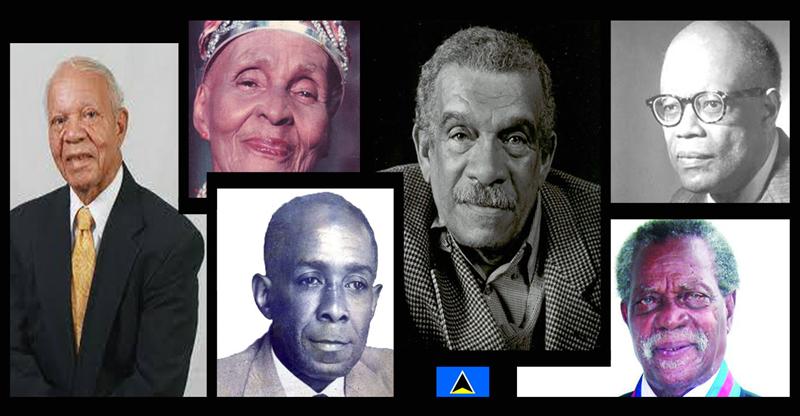
    Four decades after former Prime Minister John Compton’s poignant warning, Saint Lucia continues grappling with what he termed “a major deficiency in our national psyche”—the failure to properly honor its nation-builders. His 1983 address during the Simón Bolívar bicentennial celebrations remains strikingly relevant today, highlighting the persistent pattern of treating national heroes as “disposable commodities” rather than foundational pillars of national identity.

    This societal shortfall extends beyond ceremonial neglect into the educational realm. Many citizens remain unaware of the architects who shaped Saint Lucia’s political institutions, economic reforms, and cultural identity. The nation heavily relies on fading oral traditions while underinvesting in written documentation, biographical preservation, and structured civic education. This cultural modesty, while admirable, risks evolving into collective amnesia when divorced from deliberate historical preservation.

    The psychological inheritance of colonialism further complicates this dynamic. Centuries of external domination conditioned Saint Lucians to seek validation through metropolitan approval and foreign credentials, creating a paradigm where local achievements require double justification. This has fostered ambition coupled with internal hesitation, where even global recognition rarely translates into sustained local reverence.

    Legislative frameworks for correction already exist. The National Honours and Awards Act (Chapter 17.08) established by former Prime Minister Kenny D. Anthony provides structures for designating National Heroes through a balanced, bipartisan commission. The criteria are specific and demanding: candidates must have demonstrated visionary leadership, achieved extraordinary excellence benefiting Saint Lucia, or made heroic sacrifices improving socioeconomic conditions.

    The existing architecture requires only political will, public engagement, and cultural urgency to activate. Proper implementation could transform civic education through school curricula modules, transparent nomination processes during Independence celebrations, and formal affirmation of living exemplars. Such institutionalization would create a virtuous cycle where recognition inspires contribution, contribution fosters pride, and pride ensures preservation.

    As Saint Lucia celebrates another Independence anniversary, substantive pride must replace slogans. It requires rooted knowledge of the nation’s builders, codified in law and reflected in public ceremony. The critical question remains whether Saint Lucia will finally honor its heroes while they can still receive gratitude, transforming Compton’s four-decade-old admonition into meaningful action.
  • Improved Prison On-Site Care Expected to Cut Hospital Transfers

    Improved Prison On-Site Care Expected to Cut Hospital Transfers

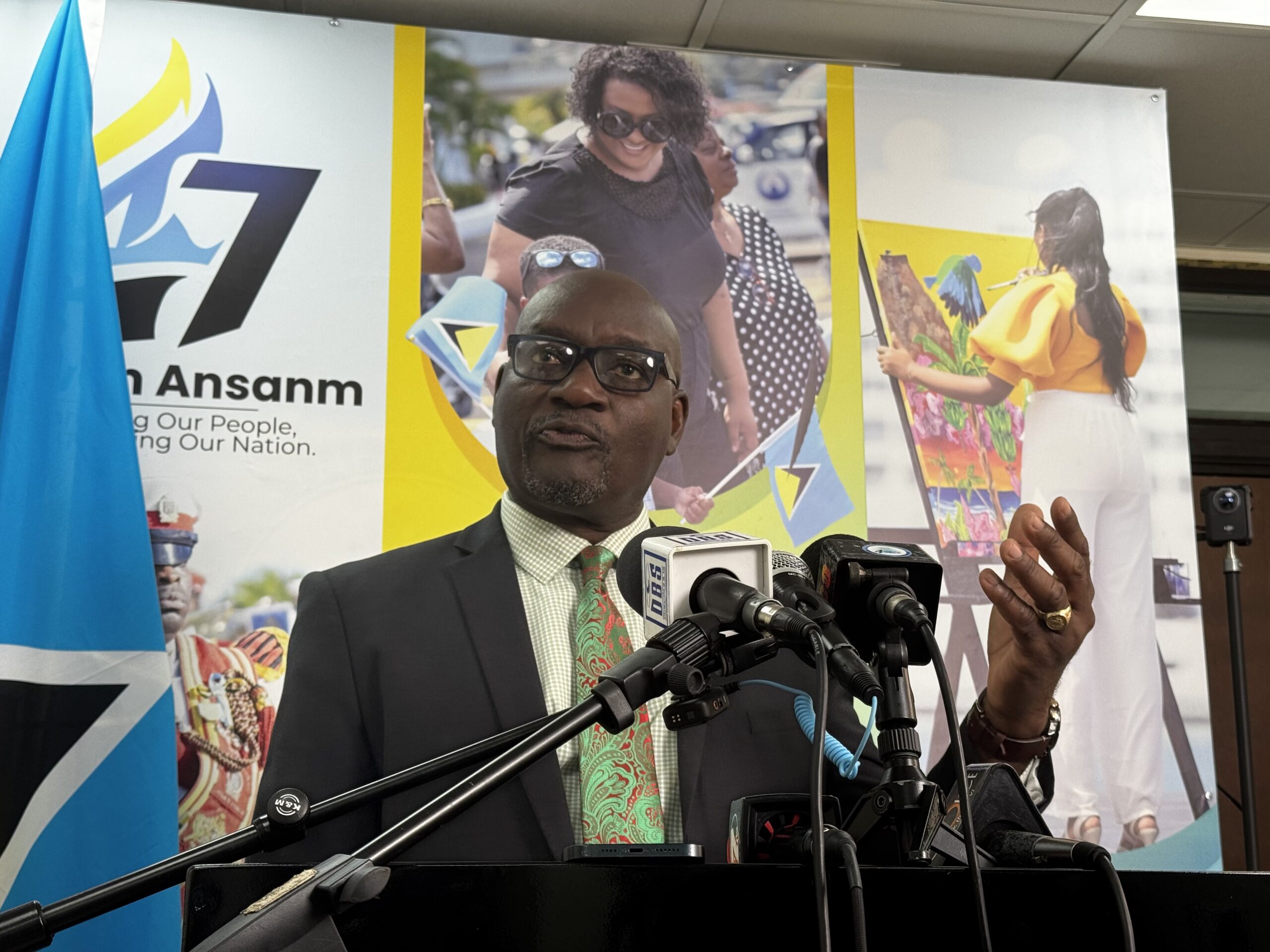
    Saint Lucia’s government has successfully implemented a comprehensive enhancement of medical services at the Bordelais Correctional Facility (BCF), marking the culmination of a year-long transformation initiative. Health Minister Moses Jn Baptiste confirmed the complete operationalization of the facility’s upgraded healthcare infrastructure this week.

    The ministerial announcement emphasized the government’s commitment to fulfilling statutory obligations under the Correctional Services Act, which explicitly guarantees appropriate medical care for incarcerated individuals. Minister Jn Baptiste articulated the dual-purpose strategy behind these improvements: ensuring inmate welfare while simultaneously alleviating strain on the nation’s public healthcare infrastructure.

    “Our objective extends beyond mere compliance,” Jn Baptiste stated. “By fortifying medical capabilities within the correctional system, we deliberately reduce the necessity for inmate transfers to external healthcare facilities, particularly St Jude Hospital and Millennium Heights Medical Complex.”

    Key technological advancements include the full integration of the health management information system, enabling seamless synchronization of inmate health records with the national primary care network. This digital transformation ensures continuity of care and comprehensive medical tracking for the incarcerated population.

    The enhancement package features significantly expanded specialist clinical services with optimized scheduling protocols:
    – Internal medicine consultations now occur with reinforced capacity on the first Thursday of each month
    – Dermatology services have been enhanced and maintained on the second Friday monthly since December 2022
    – Ophthalmology clinics continue their regular schedule every fourth Tuesday

    Correctional authorities indicate these measures will deliver more holistic healthcare to inmates while creating substantial operational relief for the nation’s overburdened public health system. The systematic approach demonstrates how institutional healthcare improvements can simultaneously serve prisoner welfare and broader public health objectives.

  • Every over important for West Indies in Super 8, says Reds

    Every over important for West Indies in Super 8, says Reds

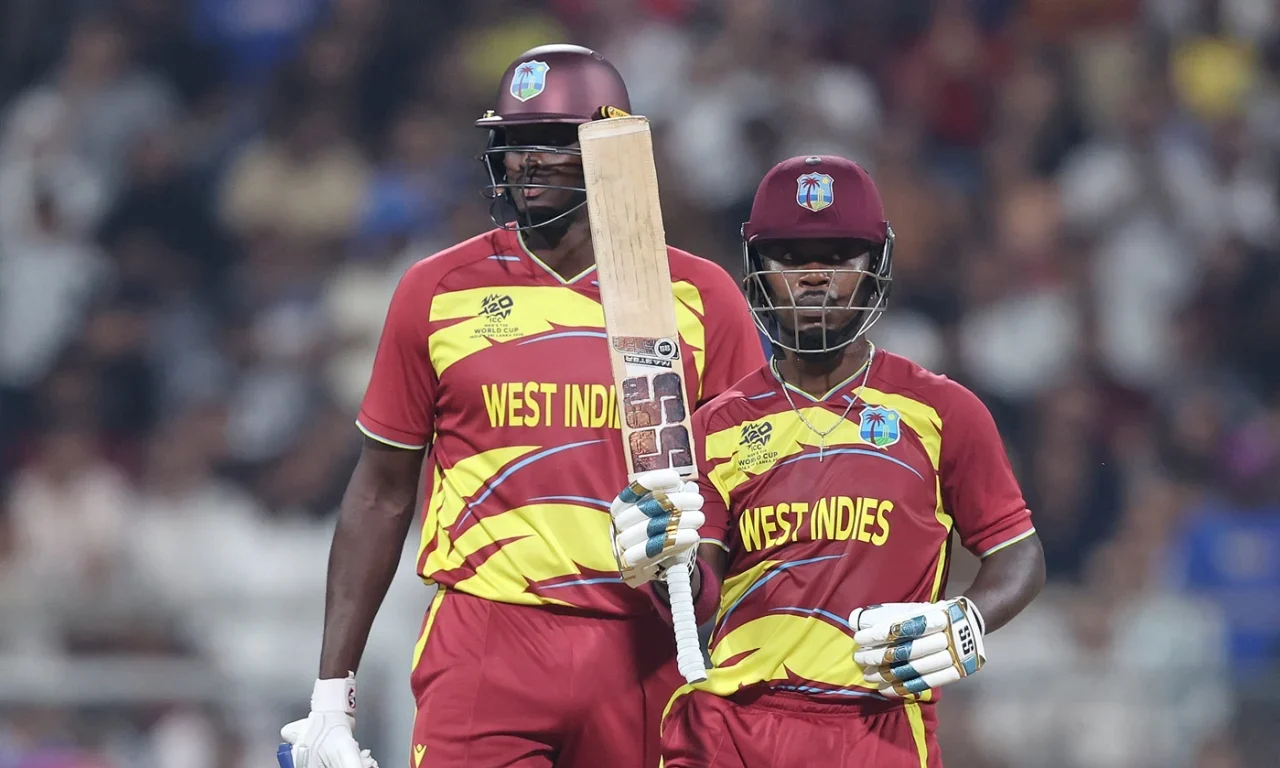
    The West Indies cricket team enters the Super 8 phase of the ICC Men’s T20 World Cup as the only squad with a perfect record, having secured victories in all four preliminary matches. Their reward: a formidable lineup against the tournament’s other undefeated teams—defending champions India, 2025 finalists South Africa, and the surprising contender Zimbabwe. The Caribbean squad begins this critical stage against Zimbabwe today at Mumbai’s iconic Wankhede Stadium.

    Veteran commentator Joseph ‘Reds’ Perreira anticipates strategic lineup changes from head coach Daren Sammy. Perreira advocates for including Matthew Forde, who boasts the squad’s most economical bowling rate at 4.40 runs per over, while suggesting the omission of out-of-form former captain Rovman Powell. Powell has managed merely 47 runs across three innings, with a highest score of 24. Perreira also predicts the return of allrounder Romario Shepherd from injury, fresh from his impressive 5-20 performance against Scotland.

    “My selection for the final XI would be based strictly on current form,” Perreira stated. “Matthew Forde deserves inclusion for his exceptional economy and all-around excellence. Conversely, Powell hasn’t delivered an outstanding World Cup performance thus far. With Shepherd expected to return, that would be my sole change to the lineup.”

    The historical record favors West Indies, who have won three of their four T20 International encounters with Zimbabwe. The Caribbean team holds additional advantage through greater familiarity with the Mumbai venue, having played two matches there, while Zimbabwe contested all preliminary games in Sri Lanka.

    Perreira emphasized that the Super 8 opener will establish the tournament’s competitive tone, warning that captain Shai Hope’s squad must approach the game with seriousness and respect. “While the Zimbabwe match is crucial, Super 8 cricket elevates intensity by several notches,” Perreira cautioned. “Both teams are building self-belief, making every ball, run, and over critically important. The power play doesn’t require domination within three overs—smart, fundamental cricket across six overs can achieve the same objective.”

    The commentator outlined specific strategic requirements: “The middle order must exercise judicious shot selection. Openers King and Hope need to build substantial partnerships. Hetmyer, enjoying magnificent form, must recognize his responsibility at number three and avoid aggressive premature shots. With support from Chase, Rutherford, Holder, and Forde, our batting lineup possesses excellent balance.”

    Regarding bowling tactics, Perreira advised: “Joseph should focus on yorkers, while Holder must exploit movement-friendly lengths. Forde will likely maintain his economical consistency while contributing to middle-order batting. The spin duo of Motie and Hossein offer complementary strengths.”

    Perreira concluded with key expectations: “King is due for a significant innings. Most importantly, West Indies must respect both their opponents and the game itself, delivering mature performance without succumbing to situational excitement.”

    The match commences at 9:30 a.m. Eastern Caribbean time, marking the beginning of the tournament’s most competitive phase.

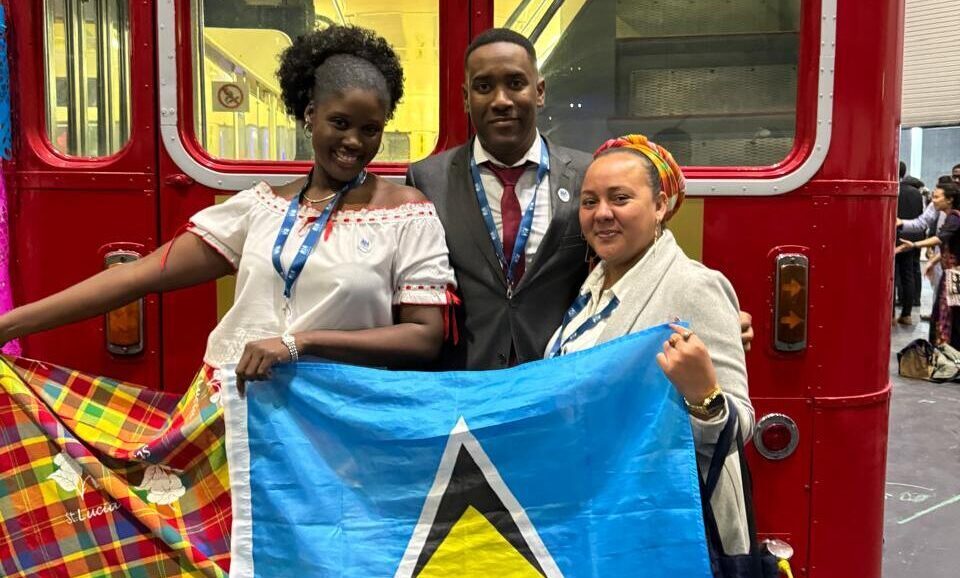
  • Saint Lucia’s Chevening Scholars sweep UK degrees with distinctions

    Saint Lucia’s Chevening Scholars sweep UK degrees with distinctions

    Three exceptional scholars from Saint Lucia have returned home with top academic honors after completing transformative Master’s degrees in the United Kingdom through the renowned Chevening Scholarship program. Nyus Alfred, Amanie Mathurin, and Patrish Lionel, all originating from the island’s southern region, successfully adapted to Britain’s challenging academic environment and climate while achieving remarkable scholarly distinction.

    Nyus Alfred emerged as the top-performing student in his cohort at the London School of Economics and Political Science (LSE), earning Overall Distinction with perfect distinctions across all seven courses in the Media and Communications program. He received the award for Best Overall MSc Academic Performance in his department, a significant accomplishment for someone who initially questioned his ability to compete with students from elite global institutions.

    Amanie Mathurin likewise achieved Overall Distinction at LSE in Media, Communication and Development, earning top marks in five of six courses including her dissertation. Her research focused specifically on Saint Lucian culture, examining calypso music as a form of political discourse in a thesis titled ‘Singing For Di Maléwé’ – Resistance, Knowledge, and Political Discourse in Saint Lucia’s Calypso.’

    Patrish Lionel completed her Master of Arts in Strategic People Management and Practice at Liverpool John Moores University with Distinction, overcoming both academic challenges and personal tragedies during her studies. Despite receiving news of her father being injured by a stray bullet and her grandmother’s passing during her dissertation period, she persevered to achieve academic excellence.

    The three scholars formed a strong support system during their time abroad, describing themselves as ‘a small but mighty group’ that maintained accountability to each other while recognizing their role in paving the way for future Saint Lucian scholars. Their achievements demonstrate that despite coming from a small nation, Saint Lucians can compete and excel at the highest levels of global academia.

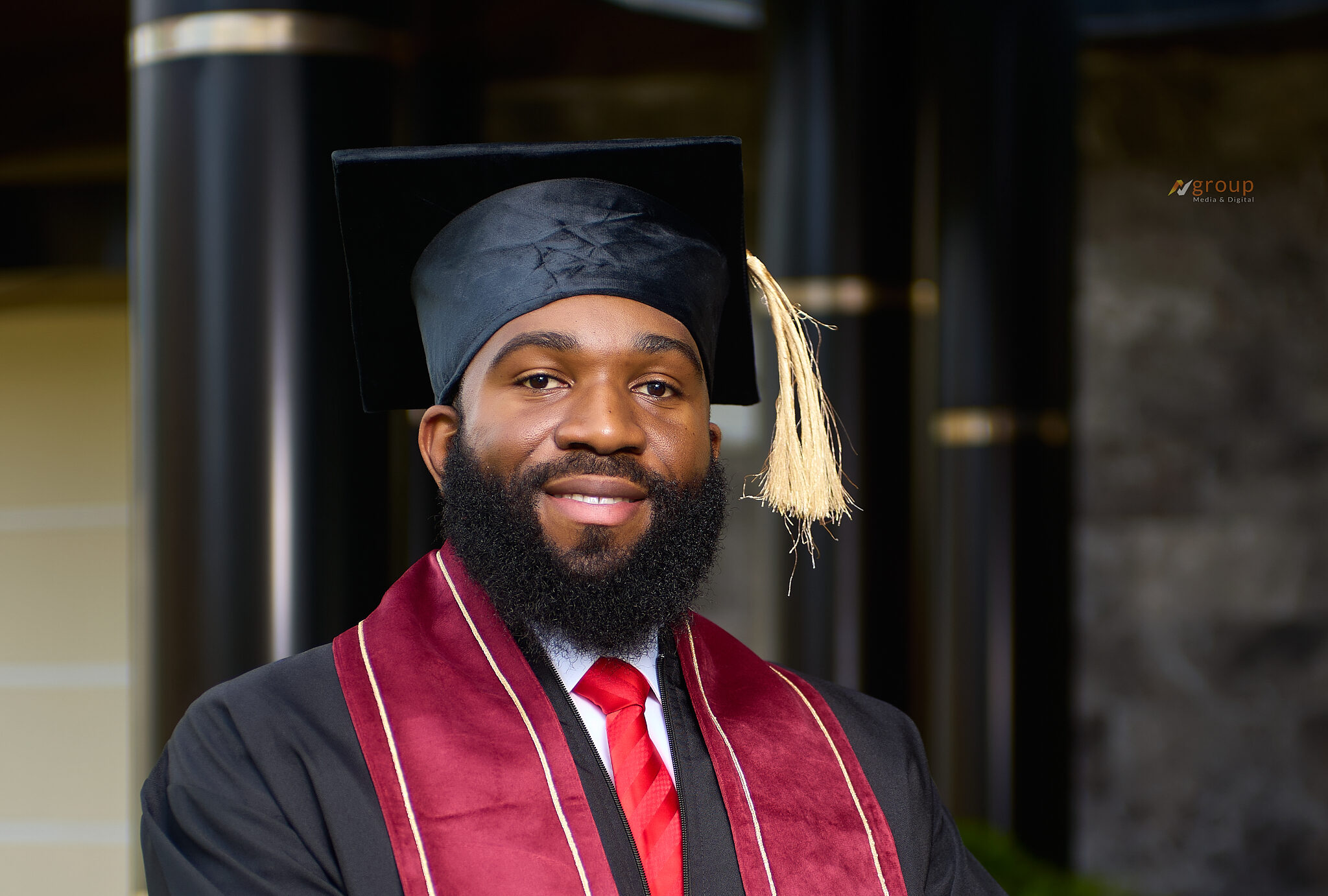
  • Stanislaus becomes first Saint Lucian to earn medical degree in Morocco

    Stanislaus becomes first Saint Lucian to earn medical degree in Morocco

    In a historic academic achievement, Kerrone Courtney Stanislaus has become the first citizen of Saint Lucia to earn a medical degree from Morocco, completing a rigorous seven-year journey that began in 2018. The young graduate received his Doctor of Medicine from the prestigious Faculty of Medicine and Pharmacy of Rabat, marking a significant milestone for both himself and Caribbean educational opportunities.

    Stanislaus described the accomplishment as “both an honor and a profound responsibility” in an exclusive interview with St Lucia Times. He emphasized that his achievement represents more than personal success—it symbolizes regional representation and opens new possibilities for Caribbean students seeking medical education abroad.

    The path to this milestone required extraordinary adaptation. Transitioning from his small Caribbean island to North Africa presented multiple challenges: navigating cultural differences, adjusting to climate variations, and mastering medical studies conducted entirely in French while surrounded by Arabic in daily life. Stanislaus admitted the initial experience was “overwhelming,” but through perseverance and dedication, he gradually gained confidence.

    His motivation remained steadfast through personal tragedy when his mother passed away during his fourth year of studies. “I told her I wanted to be a doctor when I was four years old,” Stanislaus shared, “and she poured her soul into ensuring that I had everything needed to achieve that goal.” This personal drive fueled his academic excellence, culminating in a prize-winning thesis titled “The Impact of Physical Exercise Therapy on Cancer Patients: Clinicians’ Perspective.”

    Stanislaus’s research choice was deeply personal, inspired by the loss of both his mother and uncle to cancer. His work explored the therapeutic potential of exercise in cancer treatment and examined whether clinicians adequately incorporate physical activity into treatment plans. “I truly believe exercise can serve as a safe, cheaper and feasible adjunctive approach in our ongoing global battle against cancer,” he stated.

    This achievement gains additional significance amid shifting geopolitical landscapes affecting traditional medical education pathways. For decades, Cuba has served as a primary training ground for Caribbean medical students, but recent uncertainties have created demand for alternative options. Stanislaus believes Morocco could emerge as a viable alternative, though he cautions prospective students about the challenges.

    “Morocco is far from a bed of roses and truly isn’t for the faint or weak of heart,” he noted frankly. “There is no shortage of challenges. But for those who are hungry enough and cling to a sense of purpose greater than themselves, you can definitely thrive here.”

    For aspiring medical professionals considering international education, Stanislaus emphasizes the necessity of open-mindedness, discipline, and adaptability. He particularly stresses the importance of genuine motivation: “Choose it for the right reasons, not prestige, not pressure, but for the genuine love and commitment to service and lifelong learning.”

  • Only a Lucian would…

    Only a Lucian would…

    The vibrant island nation of Saint Lucia possesses a linguistic culture entirely its own, where everyday communication transforms into an art form rich with humor, exasperation, and distinctive character. This creole-influenced vernacular, heard from bustling marketplaces to crowded bus stands, represents more than mere communication—it embodies the very soul of Lucian identity.

    Among the most colorful expressions is “How is me uh?”—a rhetorical question deployed when extricating oneself from an untenable situation. Similarly, the standalone interjection “AA” conveys profound disbelief, often amplified when paired with “Just so?” to intensify skepticism.

    The local lexicon thrives in social dynamics. “Mouth open, story jump out” serves as the ultimate gossip-closer, signaling sudden truth revelation. Exaggeration finds its voice through “Asiay!” and the universal exclamation “Mama!!”, both amplifying shock or astonishment in daily interactions.

    Public transportation has bred its own terminology. Bus drivers famously instruct passengers to “Small up yourself”—a pragmatic appeal for space optimization that reflects communal adaptability. The terms “Garçon” or “Gassa” (meaning friend or comrade) frequently precede humorous anecdotes or mild confrontations, adding camaraderie to criticism.

    Emotional expression takes nuanced forms: “Mwen pa mélé” (I don’t care) demonstrates dismissive indifference, while “You fulling my head” conveys intolerance toward excessive complaints. Frustration manifests through the Creole sigh “Abeh bon!”, and disappointment through the repetitive “Wer, wer, wer”.

    Perhaps most ironically, the phrase “I coming just now” universally signals significant delay rather than imminent arrival. Meanwhile, “Ro ro” encapsulates the drama of gossip, arguments, or general mischief, completing a linguistic tapestry that remains beautifully inaccessible to outsiders while defining Lucian cultural intimacy.

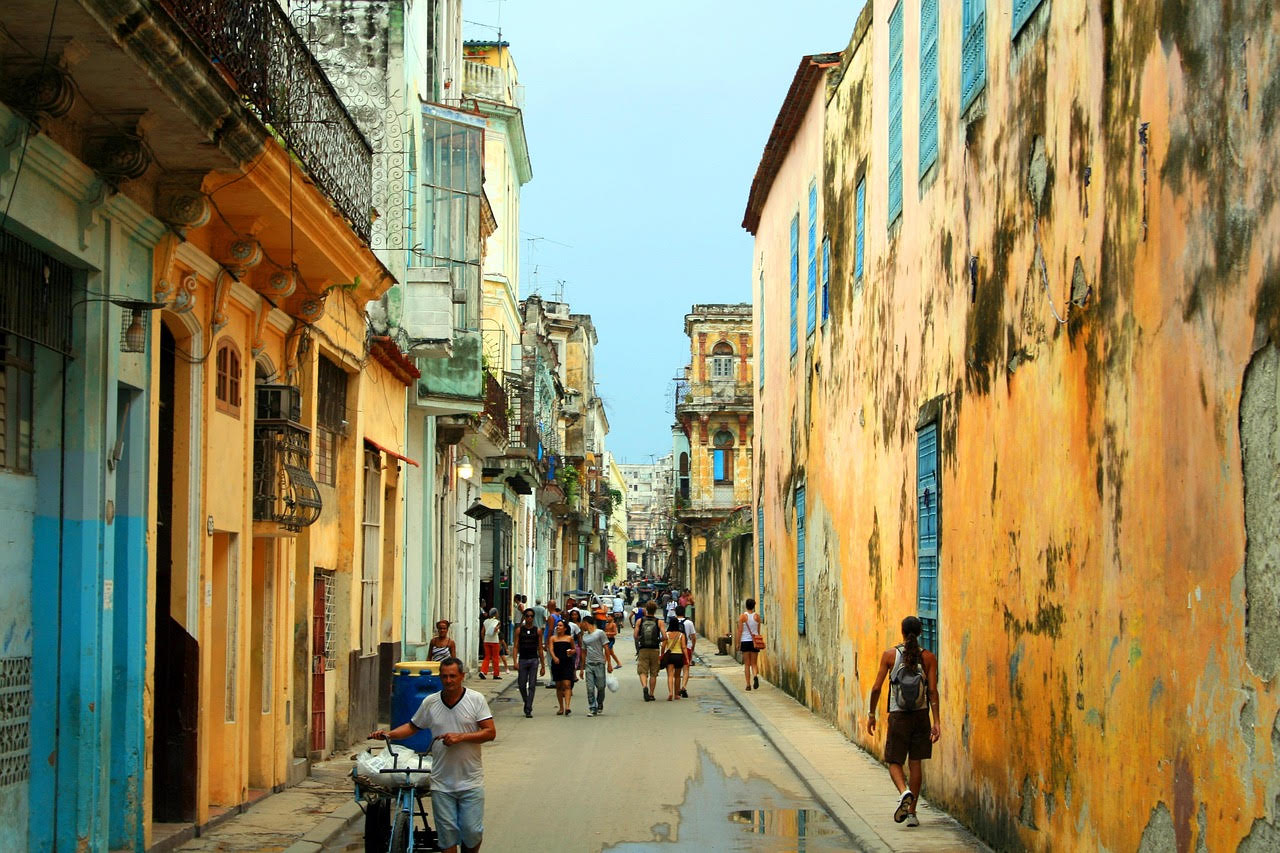
  • Studying in the dark Saint Lucian medical students face uncertain futures in Cuba

    Studying in the dark Saint Lucian medical students face uncertain futures in Cuba

    Saint Lucian medical students pursuing education in Cuba find themselves at the center of a growing geopolitical crisis as intensified US sanctions create severe infrastructure challenges on the island nation. The tightened embargo has exacerbated fuel shortages, leading to prolonged power outages exceeding 16 hours daily and crippling public transportation systems.

    Multiple students speaking anonymously to St Lucia Times describe an environment of heightened anxiety as they witness Cuba’s deteriorating conditions firsthand. Educational institutions have transitioned to virtual learning while healthcare professionals struggle with transportation barriers. The situation has created visible socioeconomic divisions between those with resources to mitigate the hardships and those without.

    More than 50 Saint Lucian students currently study in Cuba through government scholarships, with their future now hanging in the balance. Education Minister Kenson Casimir confirmed during a February Cabinet briefing that contingency and evacuation plans have been developed, including potential transfers to alternative institutions such as the University of the West Indies, Ross University, and St George’s University.

    Students express primary concerns regarding scholarship security, degree completion possibilities, and international recognition of Cuban medical qualifications. While Saint Lucian officials have committed to recognizing degrees obtained in Cuba, they acknowledge that other jurisdictions might not extend similar recognition.

    Cuban Ambassador Yenielys Vilma Regueiferos Linares addressed the energy crisis, noting that power outages have significantly impacted food production, water distribution, healthcare services, and education. She detailed Cuba’s ongoing transition toward renewable energy, including installation of 40 photovoltaic parks and distribution of thousands of solar systems to critical facilities and vulnerable communities.

    Prime Minister Philip J. Pierre acknowledged that both the medical scholarship program and Cuba’s medical brigade in Saint Lucia face potential risks, though he emphasized there is “no imminent withdrawal” of students currently. Meanwhile, self-funded medical specialists express additional concerns about Saint Lucia’s healthcare sustainability should Cuban-trained doctors become unavailable to offset migrating local physicians.

    The situation remains fluid, with students reporting widespread panic despite government reassurances. Many maintain hope that their educational investments will be preserved while calling for greater transparency regarding diplomatic decisions affecting their academic futures.

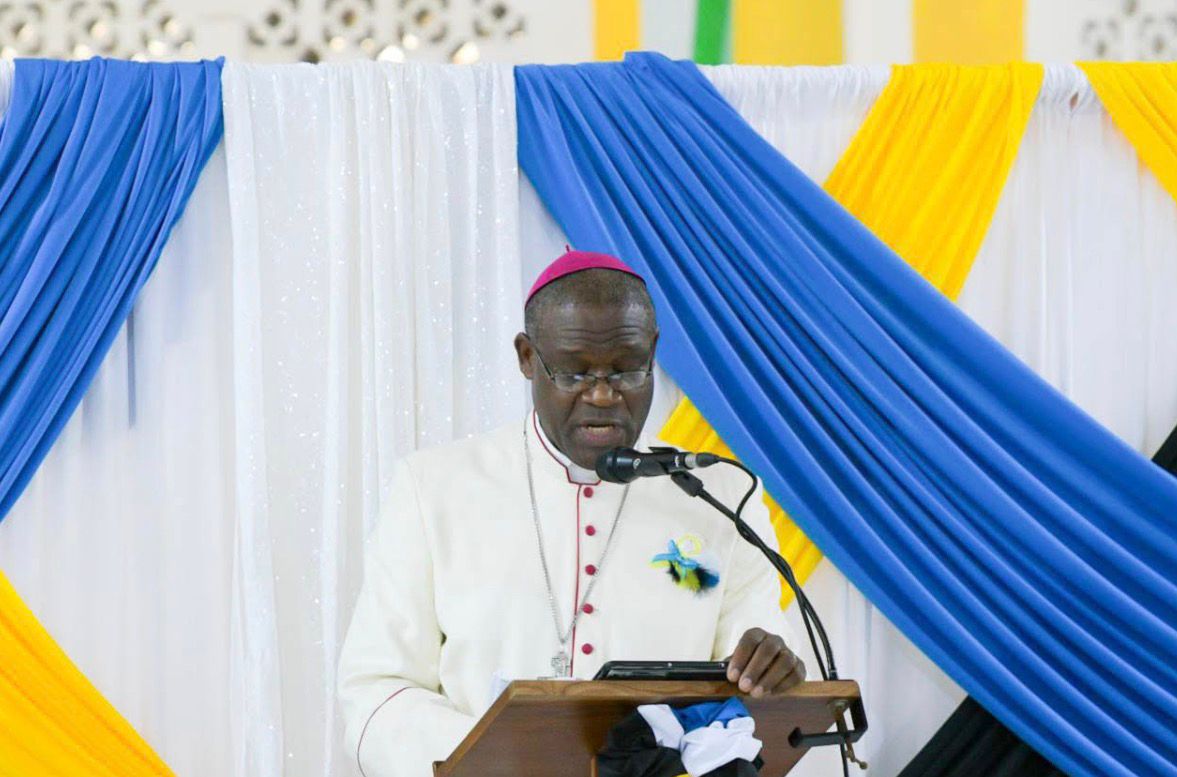
  • Religious leaders urge unity

    Religious leaders urge unity

    In a powerful display of ecumenical solidarity, Saint Lucia’s religious leadership delivered compelling messages advocating for national cohesion and ethical revival during the nation’s 47th Independence celebrations. The special praise and worship service at St Lucy Parish National Shrine in Micoud became a platform for profound reflections on the country’s journey since gaining sovereignty.

    Pastor Roger Stephen, President of the Saint Lucia Mission of Seventh-day Adventists, framed the independence milestone as both a moment of gratitude and recommitment. Addressing congregants, he emphasized the appropriateness of this year’s theme: ‘Douvan Ansanm; Nourishing our People, Strengthening our Nation.’ The religious leader articulated that true nourishment extends beyond physical sustenance to encompass emotional, social, economic, and spiritual wellbeing for all citizens.

    Expanding his vision for national development, Pastor Stephen outlined concrete requirements for progress: ‘We must invest intentionally in ensuring every household accesses healthy, affordable produce while simultaneously nourishing intellect through quality education and technical training that prepares our citizens for global competition.’

    Archbishop of Castries Gabriel Malzaire delivered an equally impassioned address, challenging citizens to embody the nation’s identity as the ‘Helen of the West’ and an ‘island of light.’ The Archbishop defined this luminous national character as requiring active moral courage: ‘Light is meant for dispelling darkness. Our light must carry an in-depth denunciation of all that contradicts who we are meant to be.’

    With candid urgency, Archbishop Malzaire identified specific social challenges requiring collective rejection: ‘We must refuse the darkness of violence stealing our young men, the crime breeding fear in our communities, and the poverty suffocating human potential.’ In a direct appeal transcending political divisions, he emphasized: ‘We refuse to allow tribalism, political hostility or social fragmentation to divide us.’

    Both religious leaders converged on the necessity of shared responsibility, with Archbishop Malzaire articulating a vision beyond governmental action: ‘Strengthening the nation is not the task of government alone—it is the vocation of every citizen.’ This united message from prominent Christian denominations highlighted rare ecumenical consensus on national priorities during the independence observance.

  • When taps run dry, who’s to blame?

    When taps run dry, who’s to blame?

    Saint Lucia’s water utility company, WASCO, faces a catastrophic systemic failure that has plunged the nation into a severe water crisis. Despite meteorological warnings of an impending drought season, public outrage has focused squarely on the utility’s operational deficiencies rather than climatic conditions.

    The utility’s longstanding challenges include persistent leakage problems, questionable metering practices, and notoriously poor customer service. Consumers have expressed their frustration through local Kweyol expressions that directly contradict the company’s official ‘Water is Life’ motto.

    At the heart of the crisis lies the compromised John Compton Dam, commissioned in 1996 with an original capacity of 700 million gallons. Hurricane Tomas in 2010 triggered massive siltation that reduced the dam’s capacity by approximately 50%. Years of political indecision have prevented necessary desilting operations, mirroring similar institutional failures seen in other Saint Lucian public projects.

    The aging distribution network compounds these problems, with recent major leaks in Millet’s 24-inch raw water pipelines causing widespread shutdowns. Businesses, government offices, and educational institutions have faced temporary closures due to water shortages, significantly impacting national productivity.

    Prime Minister Philip J. Pierre’s administration has established a dedicated cabinet committee to examine alternative arrangements for WASCO, acknowledging the utility’s dire financial situation. Despite a $1.1 million government subsidy, rehabilitation costs are estimated at approximately $200 million.

    The government now considers desalination as a potential long-term solution while encouraging rainwater harvesting as an immediate response. Prime Minister Pierre emphasizes that ‘decisive action’ is unavoidable, recognizing that reliable water access is fundamental to healthcare improvement and national development goals.

  • Grounded and rising: Ackeem Auguste’s rise to cricketing stardom

    Grounded and rising: Ackeem Auguste’s rise to cricketing stardom

    Saint Lucian cricket has found its newest superstar in 22-year-old left-handed batsman Ackeem Wayne Jarrell Auguste, whose extraordinary 2025 season redefined excellence in Caribbean sports. Auguste’s meteoric rise culminated in winning Saint Lucia’s Sportsman of the Year award at the 44th National Sports Awards on February 14, recognizing a year of unprecedented achievements that included international debuts and record-shattering performances.

    The breakthrough year saw Auguste make his senior West Indies debut in both ODI and T20 International formats, where he immediately impressed with a match-winning half-century against Bangladesh. His Republic Bank Caribbean Premier League campaign featured the season’s fastest fifty, achieved in just 19 deliveries, demonstrating his explosive batting capabilities. The pinnacle of his domestic dominance came during the Windward Islands Men’s 50 Over competition final, where his unbeaten 209 runs set the highest individual score in tournament history and propelled Saint Lucia to championship glory.

    Auguste’s journey from prodigious talent to international standout represents a masterclass in athletic development. His early potential, evident since primary school, was systematically nurtured through Saint Lucia’s cricket infrastructure. Coach John Eugene’s academy provided the foundational training, while subsequent development at Saint Lucia Seventh-day Adventist Academy under coach Bernie Joseph refined his techniques. His progression through national and Windward Islands youth teams culminated in captaining the West Indies Under-19 team, earning him Junior Sportsman of the Year honors in 2022.

    In an exclusive interview with St Lucia Times, Auguste attributed his breakthrough season to a transformative mindset shift. Working closely with West Indies Academy batting coach Rohan Nurse and head coach Ramesh Subasinghe, he embraced self-belief and courage in competition. “I realized that it didn’t make sense that I trained hard and then doubted myself in games. I decided to be brave and trust my preparation,” Auguste revealed.

    Despite the accolades, the young cricketer remains remarkably grounded. “Honestly, [my perspective] hasn’t changed much. I’m grateful for the recognition, but I just take it as part of the journey,” he stated, emphasizing his primary focus on representing family and country with excellence. His approach has drawn praise from cricket authorities, with Subasinghe describing him as “one of the hardest workers in West Indies cricket” and commentator Nial O’Brien marveling at his natural ability to “loft the ball effortlessly over the boundary for six.”

    Auguste’s advice to aspiring athletes emphasizes accountability, intentional preparation, and resilience: “Embrace the difficult patches; it’s a chance to grow. Also, don’t get caught up in the hype.” His story embodies the emergence of world-class talent from Saint Lucia’s disciplined sporting system, signaling a bright future for Caribbean cricket as this young champion continues his ascent in international sports.