标签: Saint Kitts and Nevis

圣基茨和尼维斯

  • Israel-Lebanon Tensions Threaten Fragile Ceasefire Gains

    Israel-Lebanon Tensions Threaten Fragile Ceasefire Gains

    On Thursday, 9 April 2026, the United Nations issued a stark warning that escalating Israeli military operations across Lebanon threaten to unravel a fragile two-week ceasefire brokered between Israel, Iran and other key stakeholders, putting hard-won progress toward regional stability in jeopardy.

    UN Secretary-General António Guterres acknowledged that the current pause in cross-region hostilities opened a rare, critical window to negotiate a broader, lasting peace deal. He has called on every involved party to uphold their obligations under international humanitarian law, emphasizing that a full end to fighting is non-negotiable both to protect innocent civilian lives and alleviate the rapidly worsening humanitarian catastrophe unfolding across the region. Guterres also extended gratitude to Pakistan and other regional nations that supported ceasefire facilitation, confirming that his Personal Envoy Jean Arnault is currently on the ground working to advance ongoing diplomatic outreach. Per regional diplomatic sources, U.S. Vice President JD Vance is scheduled to lead a high-level delegation to Pakistan in the coming days to hold further negotiations focused on solidifying the truce.

    Even as diplomatic momentum builds, however, recent violence has cast a deep shadow over peace prospects. The UN has issued a firm condemnation of recent Israeli strikes across Lebanese territory that have already claimed civilian lives. Senior UN officials cautioned that persistent offensive operations will not only collapse the fragile truce but also push an already desperate humanitarian situation into a far worse state. The international body has repeated its urgent call for all parties to immediately stop all hostilities and recommit to full implementation of UN Security Council Resolution 1701, the landmark framework established to secure long-term stability in southern Lebanon.

    “There is no military solution to this conflict,” the UN reaffirmed, stressing that inclusive dialogue remains the only sustainable path toward ending decades of regional tension.

    UN peacekeeping forces deployed in Lebanon have not been spared from the rising violence. Six UN peacekeepers were wounded in a recent exchange of rocket and artillery fire near the southern Lebanese town of At Tiri, where multiple UN vehicles also sustained significant damage. In a separate provocative incident, the Israel Defense Forces blocked a UNIFIL (United Nations Interim Force in Lebanon) logistics convoy and detained one peacekeeper. The service member was released within an hour after direct intervention by senior UN leadership. The UN has formally labeled the detention a clear violation of international law and demanded an immediate end to all interference with the mission’s authorized operations.

    On the humanitarian side, conditions across Lebanon are declining at an alarming rate. Mass displacement of civilians, concentrated in areas south of the Zahrani River and the southern suburbs of Beirut, has sent demand for emergency life-saving assistance soaring. The UN Refugee Agency, working in partnership with the Lebanese government and local humanitarian partners, has been rushing to deploy emergency shelter and critical supplies to families fleeing conflict zones. But overcrowded, underserviced shelter facilities and a lack of adequate sanitation have already triggered outbreaks of scabies and lice, placing vulnerable groups including children and elderly residents at particularly high health risk.

    While public health teams have been deployed to respond to outbreaks and aid groups are working to scale up access to clean water and medical stockpiles, relief operations are buckling under unprecedented pressure. As of the latest update, less than one-third of the $308 million UN Lebanon Flash Appeal has been funded, leaving critical aid gaps that cannot be filled with existing resources.

    The UN concluded its briefing with a final warning: without an immediate surge in international donor support and a sustained end to all hostilities, both humanitarian conditions across Lebanon and the fragile prospects for long-term regional peace will continue to unravel.
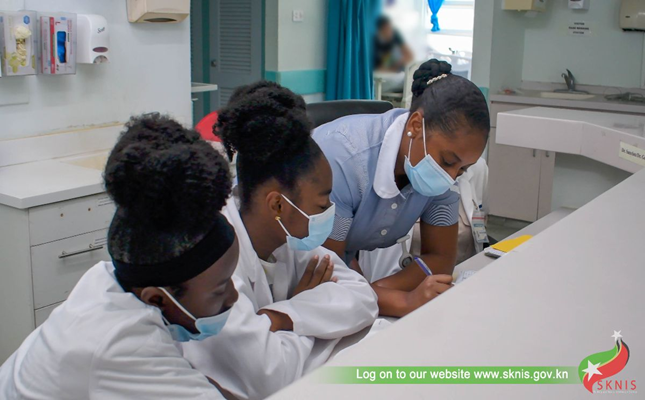

  • Prime Minister Drew endorses reinstatement of Associate Degree in Nursing Programme at CFBC

    Prime Minister Drew endorses reinstatement of Associate Degree in Nursing Programme at CFBC

    BASSETERRE, Saint Kitts – In a bold move to shore up the federation’s public health infrastructure, the government of Saint Kitts and Nevis is moving forward with plans to reinstate the Associate Degree in Nursing (ADN) program at Clarence Fitzroy Bryant College (CFBC), an initiative that has earned the full endorsement of Prime Minister and Health Minister Dr. Terrance Drew.

    Announced in an official statement April 8, 2026, the program revival is framed as a targeted, long-overdue response to a persistent crisis that has strained local healthcare services: a critical shortage of nurses trained within Saint Kitts and Nevis. Speaking on the initiative, Dr. Drew framed the reinstatement as far more than an education policy adjustment—it is a core investment in the nation’s ability to deliver quality, accessible care to all residents.

    “It is with great pride and a deep sense of national purpose that I lend my full support to the reinstatement of the Associate Degree in Nursing Programme at Clarence Fitzroy Bryant College,” Dr. Drew said. “This initiative represents a timely and strategic response to one of our most pressing public health challenges, the persistent shortage of locally trained nurses in the Federation.”

    While the federation has long benefited from the contributions of foreign-trained healthcare workers, Dr. Drew emphasized that lasting healthcare resilience cannot depend on external recruitment alone. Building a sustainable, homegrown nursing workforce is critical to meeting the unique needs of local communities, he argued.

    “Healthcare is a fundamental right, and a robust nursing workforce is central to delivering on that promise,” he stated. “It is imperative that we invest in building a homegrown workforce — nurses who understand our communities, our culture, and our unique health landscape.”

    Addressing potential questions about the role of the ADN program alongside existing nursing education pathways, Dr. Drew clarified that the reinstatement is a progressive, pragmatic step rather than a reversal of prior reforms. The ADN model offers a competency-based, patient-centered training framework that has a proven track record of producing skilled, compassionate, and confident nursing professionals across the Caribbean region, he noted.

    Government projections estimate that the revived program will boost the annual number of qualified nurses entering the local workforce, cut long-term dependence on overseas recruitment, and open new accessible career pathways for young Saint Kitts and Nevis residents seeking to enter healthcare.

    The initiative aligns fully with the administration’s broader National Health Policy, which centers on achieving universal access to high-quality care for all residents of the federation, Dr. Drew added. He also extended recognition to the cross-sector collaboration that made the program revival possible, thanking the Ministry of Health, local nursing leadership, the St. Christopher and Nevis Nurses and Midwives Council, and all other participating stakeholders for their work to advance the initiative.

    This report is based on a press release from the St. Kitts and Nevis Information Service (SKNIS) published via SKNVibes.com.

  • From Islands to Indo-Pacific: Saint Kitts and Nevis Plants Its Flag in New Delhi – Diplomat Today

    From Islands to Indo-Pacific: Saint Kitts and Nevis Plants Its Flag in New Delhi – Diplomat Today

    On April 6, 2026, Denzil L. Douglas touched down in New Delhi for a visit that, while understated in scale, carries profound strategic weight for relations between India and the Caribbean. On April 7, Douglas joined India’s Minister of External Affairs S. Jaishankar to officially inaugurate the first resident High Commission of Saint Kitts and Nevis in the Indian capital, marking a historic turning point for bilateral ties and South-South collaboration in a rapidly shifting global order.

    This permanent diplomatic posting is far more than a symbolic ceremonial milestone. It establishes a dedicated institutional foundation that will enable consistent, high-level dialogue, accelerate cross-government coordination, and unlock expanded cooperation across multiple sectors. For India, the move solidifies its growing strategic outreach to the Caribbean Community (CARICOM) and the wider Caribbean region, advancing its ambition to deepen engagement with fellow Global South nations. For Saint Kitts and Nevis, the mission opens unprecedented access to partnership opportunities with one of the world’s fastest-expanding major economies.

    Talks during the inauguration visit covered a broad, forward-looking agenda centered on shared priorities for developing nations. Development cooperation took a prominent place on the agenda, with India reaffirming its commitment to supporting Saint Kitts and Nevis through targeted capacity-building programs, accessible technology transfer, and quick-impact development projects designed to meet the unique needs of small island developing states. This work aligns with India’s long-stated vision of positioning itself as a reliable development partner for the Global South, delivering scalable, sustainable solutions tailored to local contexts.

    Collaboration on healthcare and public health emerged as a second core pillar of the new partnership. As Saint Kitts and Nevis works to upgrade its domestic medical infrastructure, India’s globally recognized expertise in low-cost generic pharmaceuticals and community-focused healthcare delivery creates a natural, mutually beneficial alignment. Discussions also addressed improvements to cross-border emergency response systems and public health resilience – priorities that have taken on new urgency in the wake of the global COVID-19 pandemic.

    Technology-driven cooperation, particularly in the area of digital governance, also featured heavily in bilateral talks. India’s success in building inclusive, low-cost digital public infrastructure has emerged as a global model for developing nations, and leaders on both sides explored how adapting this framework could help Saint Kitts and Nevis transform public service delivery and cut administrative red tape. This focus on digital collaboration signals a clear shift toward modern, innovation-centered engagement between the two countries.

    Economic diversification and investment were also key topics of conversation. Saint Kitts and Nevis’ economy is heavily reliant on tourism, and government leaders have made expanding and diversifying the national economic base a top policy priority. With Indian businesses rapidly expanding their global footprint, the country is well-positioned to attract Indian investment in tourism development, critical infrastructure, and emerging growth sectors.

    Most notably, the two nations aligned on the urgent shared challenge of climate change adaptation and resilience. As a small island developing state, Saint Kitts and Nevis faces existential risk from rising sea levels and intensifying extreme weather events driven by global climate change. India’s longstanding advocacy for global climate justice and its investment in climate-resilient sustainable development initiatives resonated deeply with Saint Kitts and Nevis’ priorities, creating a strong foundation for deeper collective action on environmental challenges.

    Strategically, the opening of the High Commission reflects a broader global recalibration of international partnerships. Amid shifting global power dynamics, small and medium-sized nations are increasingly pursuing diversified diplomatic and economic alliances, while major emerging economies like India continue to expand their diplomatic and developmental footprint across every region of the Global South. The deepening of ties between India and Saint Kitts and Nevis fits perfectly into this evolving global landscape.

    Far from being just a ceremony to open a diplomatic office, Prime Minister Douglas’ April 2026 visit represents a deliberate step toward building long-term bridges between two regions separated by geography but united by shared priorities as Global South nations. It signals clear ambition and a shared vision for inclusive cooperation that transcends differences in size and geography. As New Delhi and Basseterre continue to deepen their engagement, this partnership has the potential to become a global model for meaningful cross-regional collaboration between developing nations in the 21st century.

  • Sandy Point Benevolent Society Hosts Once More a Successful Easter Breakfast Bash 2026

    Sandy Point Benevolent Society Hosts Once More a Successful Easter Breakfast Bash 2026

    On April 4, 2026, the Sandy Point Benevolent Society (SPBS) wrapped up another wildly successful iteration of its annual signature Easter Breakfast Bash, held this year at the Church of the Holy Nativity in the Bronx, New York. The event drew a robust crowd of organization members, long-time donors, enthusiastic supporters, and community allies, who gathered for a morning of connection, shared culture, and fundraising for a vital cause.

    SPBS is a U.S.-based 501(c)(3) nonprofit made up of alumni from the former Sandy Point High School, now renamed Charles E. Mills Secondary School, located in St. Kitts. Every dollar raised through the Easter Breakfast Bash goes directly toward advancing the organization’s core mission: expanding educational access and supporting positive youth development programs for young people in Sandy Point and surrounding St. Kitts communities.

    To date, SPBS’s impact has included awarding annual need-based and merit scholarships to students across three St. Kitts secondary schools: Charles E. Mills Secondary School, Verchild’s High School, and Dr. Denzil L. Douglas Secondary School (formerly Saddlers Secondary School). The organization also donates critical learning materials and classroom equipment to local institutions, and funds a range of community-focused youth initiatives that align with its motto: “Empowerment Through Education – We Give Back So Others Can Move Forward.”

    The 2026 event kicked off with opening remarks from SPBS Chairman Mr. Trevor Duggins, who welcomed attendees before inviting Sis Debbie Richardson to lead a blessing for the gathering and the meal. SPBS Vice President Dr. Mervyn Richardson then followed with introductory remarks, framing the day’s purpose for the crowd.

    “We are incredibly grateful to everyone who came out and supported this year’s breakfast,” Dr. Richardson told attendees. “The turnout and generosity of our community remind us why we do this work – because together, we give back so others can move forward.”

    Guests enjoyed a hearty, culturally rich breakfast featuring classic Caribbean-inspired dishes as they connected with fellow members of the St. Kitts diaspora based in New York and local supporters. Beyond the meal and fundraising, the event also served as a launch point to build excitement for two more upcoming SPBS events scheduled for later in 2026: a public boat ride departing from Flushing Queens’ World’s Fair Marina on June 27, with tickets priced at $65 per person, and the organization’s Annual Awards Gala, set for September 5 at Maestro’s Banquet Hall in the Bronx. Tickets for the gala are available for a $150 donation per person, which includes access to an open bar for all attendees.

    In a post-event statement, SPBS extended formal gratitude to everyone who contributed to the 2026 Easter Breakfast Bash’s success, including all attendees, donors, volunteer organizers, DJ Delbert and his team, and the leadership of the Church of the Holy Nativity for opening their space to host the gathering.

    Founded in the late 1990s and formally incorporated as a 501(c)(3) nonprofit in New York State in 2007, SPBS has spent nearly 30 years working to uplift its home community in St. Kitts from its base in the U.S. More information about the organization’s programs, upcoming events, and donation opportunities is available on its official website at www.spbsinc.org.

  • Nevis’ Kymarni Newton secures Team SKN’s lone medal at CARIFTA 2026

    Nevis’ Kymarni Newton secures Team SKN’s lone medal at CARIFTA 2026

    The 2026 CARIFTA Games, held over the Easter weekend in Grenada, delivered a historic moment for tiny Caribbean federation St. Kitts and Nevis, as 17-year-old Nevisian runner Kymarni Newton secured Team SKN’s sole medal of the regional youth athletics competition.

    Competing in the hotly contested Under-17 Boys’ 800-meter race, Newton crossed the finish line to claim bronze with a stunning personal best time of 1:55.34. Beyond his spot on the podium, the young runner’s performance also broke a long-standing St. Kitts and Nevis Under-18 national record, marking a new high-water mark for his athletic career.

    Newton’s road to the 2026 podium was years in the making, and punctuated by off-track drama that tested his grit just days before the race. He first earned a spot to compete at CARIFTA back in 2024, when the Games were also hosted in Grenada, and narrowly missed qualifying for the 800m finals at the 2025 iteration in Trinidad. This year, 11 Nevisian athletes earned qualifying spots for the regional meet, and 10 ultimately made the trip to Grenada — a group that almost did not include Newton.

    In a recounting of the pre-race chaos that preceded his historic finish, the St. Kitts and Nevis Athletics Association revealed that Newton nearly missed his connecting flight from St. Kitts to Grenada after realizing he had left his passport at home. The last-minute scramble turned out to be a fitting metaphor for his entire 2026 Games journey, association officials noted.

    “Kymarni has proven that no hurdle, on or off the track, is too high,” the association said in its official congratulatory statement, highlighting how the young athlete overcame early career setbacks and last-minute travel chaos to reach the podium.

    Honourable Troy Liburd, Minister of Youth and Sports for the Nevis Island Administration, also joined in celebrating Newton’s win, noting that the runner has made his home community of Cherry Gardens, his alma mater Charlestown Secondary School, and the entire island of Nevis proud with his landmark performance.

    Newton’s medal is more than a personal achievement: it underscores the growing strength and untapped potential of Nevis’ emerging generation of young track and field athletes, who continue to hold their own against top regional competitors at one of the Caribbean’s most prestigious annual youth sports competitions.

  • NIA Celebrates Excellence, Honours Women Across Diverse Fields

    NIA Celebrates Excellence, Honours Women Across Diverse Fields

    CHARLESTOWN, NEVIS – April 7, 2026 – The Department of Gender Affairs under the Nevis Island Administration (NIA) has marked International Women’s Day 2026 by celebrating seven outstanding women whose work has shaped progress across multiple sectors of Nevisian society, shining a spotlight on the enduring influence of women’s leadership and community service across the island.

    Held at the scenic Malcolm Guishard Recreational Park, this year’s award ceremony carried the official theme “Rights, Justice, Action for All Women and Girls,” as a core event in the Department’s full calendar of activities to observe the global occasion. The 2026 global International Women’s Day framework centers on the theme “Give To Gain,” which encourages individuals, community groups, and institutions to contribute tangible resources, mentorship guidance, advocacy support, and time to uplift women and girls, strengthening collective commitments to closing gender equity gaps.

    Seven women received recognition for excellence in their respective professional and community spaces. Jackie Hunkins-Taylor claimed the Women in Law Award, while Sharmyn Powell took home the honor for the Finance sector. Valerie Hendrickson was recognized for her work in Agri-Processing, Noellisa Swaby for her contributions to the Circular Economy, and Dianne Hobson for her impact on Arts and Culture. The prestigious Minister’s Award went to Leander Cornelius, and Thema Ward was honored with the special Tricia Greaux Ocean Governance Award. Unlike the appointed Minister’s Award, all other honors were selected through public nomination, meaning awardees were chosen by their own neighbors and community members who have witnessed their work firsthand.

    Honourable Jahnel Nisbett, Nevis’ Minister of Gender Affairs, opened the ceremony with heartfelt congratulations to the recipients, emphasizing that public celebration of women’s work is a critical step toward advancing equity.

    “We are here to celebrate seven amazing women who have left an indelible mark on their fields,” Nisbett remarked. “With the exception of the Minister’s Award, the entire selection process was led by the general public. The people of Nevis see your work, they see the change you’ve created, and they have chosen you to be publicly celebrated. Through the Department of Gender Affairs, we are proud to serve as the platform to honor your dedication, say thank you, and present you with your honors while you are here with us, so you can truly understand how deeply valued you are by this community.”

    Feature speaker Ayana McCalman, a practicing attorney, used her address to push back against long-held harmful gender stereotypes, calling for lasting cultural change and consistent action to embed gender equity into daily life, rather than limiting progress to symbolic one-off events.

    “It is time that we write a new reality for women across our region and the world,” McCalman said. “Women are warriors, and they deserve space to lead every single day. As we celebrate these remarkable women today, let us also reflect on how we show up for the women in our own lives, not just in the month of March, not just at award ceremonies, but in the small, everyday moments. Do we show up to support them? Do we listen when they speak? Do we invest in their goals? Do we create space for them to heal, and to lead? Because empowering women is not a single annual event – it is a culture, it is an ongoing commitment, it is a choice we have to make again and again, in our homes, our workplaces, and our communities.”

    The event marked one of the NIA Department of Gender Affairs’ most visible public celebrations of women’s achievement in recent years, bringing together community members, government officials, and family to recognize the contributions of women that often go uncelebrated in public life.

  • Government calls for responsible vending practices while supporting livelihoods

    Government calls for responsible vending practices while supporting livelihoods

    On April 7, 2026, officials from the Federation of Saint Kitts and Nevis outlined a balanced, engagement-first policy for street vending regulation across the capital Basseterre and its adjacent neighborhoods, framing the approach as a way to support vulnerable livelihoods while safeguarding public health, environmental integrity, and urban order.

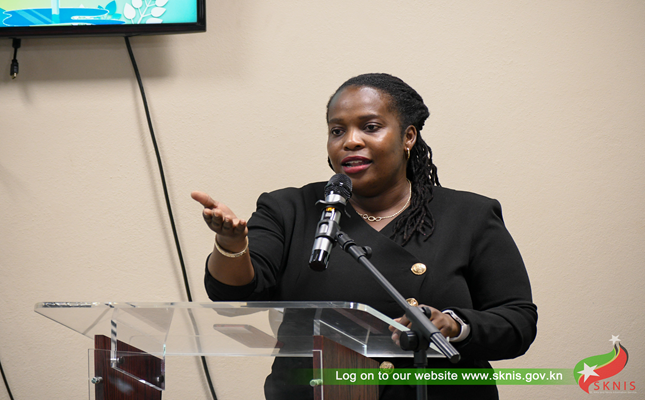
    Senator Dr. Joyelle Clarke, Minister of Sustainable Development, Environment, Climate Action and Constituency Empowerment, laid out the government’s position during a recent address to the country’s National Assembly, noting that unregulated unauthorized vending has emerged as a growing challenge with cascading negative impacts. These risks include unchecked environmental degradation, increased traffic congestion that disrupts daily movement for residents and visitors, and measurable public health hazards that can impact the broader community.

    Clarke emphasized that the government’s approach is rooted in collaboration rather than punitive enforcement, highlighting that the ministry prioritizes dialogue and partnership with vendors operating in unapproved green spaces. “For any vendor who has set up on greenspaces without permission, we engage several times to explain to them that this is not a place that is authorised for vending. Either it is going to create an environmental problem or traffic congestion,” Clarke stated. “We generally and in most cases, provide persons with alternatives,” she added, reinforcing the administration’s commitment to supporting vendors as they earn a living.

    Instead of relying solely on punitive measures to address noncompliance, the ministry has shifted its core strategy to proactive outreach. Officials work directly with vendors to facilitate relocation to officially designated vending zones, and provide flexible timelines and targeted guidance to ease the transition for small business owners.

    Even with this supportive framework, Clarke drew attention to ongoing problematic practices that require urgent action from vendors. Along high-traffic city corridors, improper waste disposal – particularly the dumping of coconut husks – has created ideal breeding grounds for mosquitoes, raising the risk of vector-borne illness and creating broader public health concerns for the surrounding area.

    “What we are saying to the vendors who are deciding to sell, you must take everything with you at the end of the day,” she stressed, calling on all vending operators to take greater personal responsibility for maintaining clean, safe vending sites that do not harm the surrounding community.

    To help vendors operate legally and sustainably, Clarke encouraged all street vendors to formally coordinate with either the Department of Physical Planning or the Department of Urban Development and Resilience to secure access to approved vending spaces. She concluded by noting that long-term sustainable livelihoods for vendors and planned, orderly urban development are complementary goals, not competing priorities, and that both must be advanced together to support the prosperity of all residents of Saint Kitts and Nevis.

  • Government advances fair land transition for farmers and future homeowners

    Government advances fair land transition for farmers and future homeowners

    BASSETERRE, Saint Kitts – In a deliberate push to reconcile national development goals with the protection of vulnerable livelihoods, the Government of the Federation of Saint Kitts and Nevis has launched a compassionate, fair land transition process that aims to support relocating agricultural workers while unlocking long-awaited homeownership opportunities for hundreds of waiting citizens.

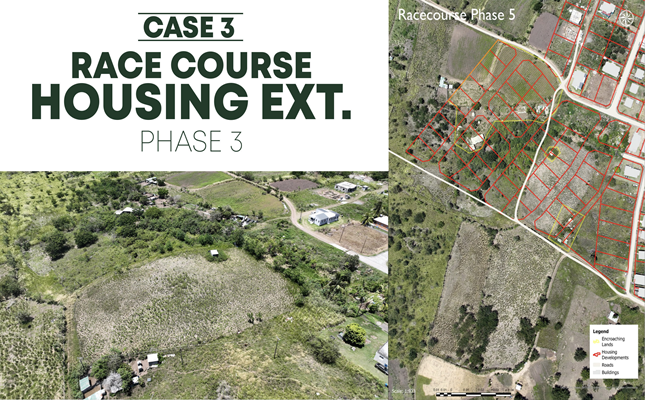
    The initiative, which reallocates land zoned for residential development away from current agricultural use, has been structured from its inception around a people-centred approach, Sustainable Development Minister Joyelle Clarke outlined in a recent address to Parliament on March 31. Clarke, who also holds portfolios for Environment, Climate Action and Constituency Empowerment, stressed that the administration has rejected rushed, uncompromising relocation that would leave farmers without critical support, while still upholding the property rights of citizens who have already paid for their residential land plots.

    According to Clarke, the Ministry of Sustainable Development has proactively engaged with all farmers occupying land marked for development through standardized, transparent outreach since July 2025, working to address concerns and identify solutions collaboratively. The process is already underway across three high-priority zones: Racecourse in Newton Ground, Cabbage Tree in Cayon, and Lemon Hill in Molineaux. In each site, government teams have worked one-on-one with affected farmers to craft tailored solutions, ranging from identifying suitable replacement agricultural land to providing ongoing agricultural support that preserves income stability. In at least one confirmed case, new land has already been secured for a transitioning farmer, ensuring they can continue their work without prolonged disruption to their livelihood.

    The transition initiative also addresses a years-long backlog for aspiring homeowners across the federation. More than 400 individuals and families have already completed payments for their allocated residential land, and have been waiting to begin construction on their homes. The government’s structured transition clears the way for these families to move forward with their long-planned property investments, expanding access to housing for local citizens as part of the administration’s broader development agenda.

    Clarke emphasized that the cross-ministerial collaboration between the Ministry of Sustainable Development and the Ministry of Agriculture underlying the process underscores the government’s core commitment to inclusive growth. “We are engaging the farmers to ensure we are not disrupting their livelihoods, but we are also allowing the almost 400 plus persons who have paid for their land… to move on to be homeowners,” Clarke explained, noting that the federation’s development progress will not leave any community behind.

    This press release was originally issued by the St. Kitts and Nevis Information Service (SKNIS) and distributed Tuesday, April 7, 2026.

  • “Environment For Everyone” campaign tackles illegal dumping and community responsibility

    “Environment For Everyone” campaign tackles illegal dumping and community responsibility

    BASSETERRE, Saint Kitts – April 7, 2026 – A nationwide environmental protection initiative is growing in traction across Saint Kitts and Nevis, as the country’s Ministry of Environment scales up its high-profile “Environment For Everyone” campaign, a multi-agency effort designed to crack down on illegal waste dumping and embed a culture of collective environmental accountability across local communities.

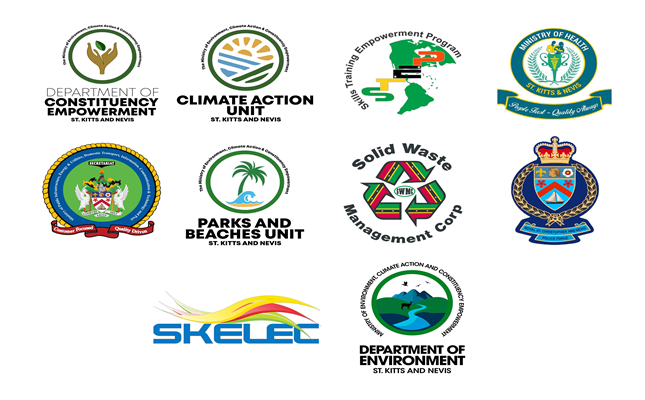
    Leading the push is Minister of Sustainable Development, Environment, Climate Action and Constituency Empowerment, the Honourable Senator Dr. Joyelle Clarke, who emphasized that the campaign represents a landmark cross-sector collaboration bringing together 10 distinct government and private entities. Partner agencies include the Parks and Beaches Unit, the Solid Waste Management Corporation, the S.T.E.P environmental program, His Majesty’s Prison, the Department of Public Infrastructure, the Ministry of Health, St. Kitts Electricity Company Ltd., the Traffic Department, and the Ministry of Environment itself.

    Clarke explained that the expanded campaign grows out of the nation’s popular Annual Christmas Cleanup, a long-running event that has evolved into a sustained movement that integrates public service, volunteer participation, and individual responsibility for environmental stewardship. “By uniting all these agencies under one umbrella, we are directly confronting the blight of illegal dumping that disfigures our public spaces,” Clarke noted in her remarks.

    Recent targeted cleanup operations in the Beacon Heights neighborhood laid bare the full scale of the illegal dumping crisis facing the island. Intervention teams pulled tonnes of improperly discarded large waste from public green spaces, including full-sized mattresses, broken household appliances, and accumulations of single-use plastic debris – all of which had been deliberately dumped in unauthorized areas rather than taken to official waste disposal sites.

    Clarke questioned the logic of illegal dumping practices, pointing out that Saint Kitts already offers some of the lowest official waste disposal tipping fees in the region, meaning proper disposal costs households and commercial haulers almost nothing. “Why go out of your way to offload waste illegally when disposing of it properly costs next to nothing?” she asked. The minister stressed that the act of illegal dumping imposes an unnecessary financial and ecological burden on local communities, erodes the island’s natural beauty, and undermines the country’s core tourism sector, which is branded under the national slogan “Venture Deeper.”

    “Environmental protection is not just about keeping our postcard-perfect beaches clean. It requires care for every green space, every community neighborhood, and every stretch of land across Saint Kitts and Nevis,” Clarke added.

    Backed by new regulatory authority granted under the recently passed Community Beautification and Safety Bill, the campaign is now rolling out to every electoral constituency across the federation, with organizers placing heavy emphasis on grassroots citizen participation. Central to the initiative’s core message is a simple but urgent reminder: safeguarding the islands’ natural environment is not a responsibility that falls to the government alone – it requires action from every resident.

    This report is based on an official press release from the St. Kitts and Nevis Information Service (SKNIS), distributed via SKNVibes.com.

  • Jamaica rejects St Kitts’ claim of first legal recognition of Rastafari

    Jamaica rejects St Kitts’ claim of first legal recognition of Rastafari

    In a dispute over regional policy milestones, the Jamaican government has publicly pushed back against St Kitts and Nevis’ recent claim to be the first Caribbean country to formally enshrine legal recognition for the Rastafarian faith, asserting that Jamaica has embedded protections for the religion in its constitutional and parliamentary frameworks for more than a decade.

    The debate emerged after St Kitts and Nevis Prime Minister Dr. Terrance Drew announced his administration’s historic legislative move to grant official legal status to Rastafari earlier this month. Speaking on the floor of St Kitts and Nevis’ parliament, Drew emphasized that Rastafarianism is deeply woven into the cultural fabric of the federation, noting that most residents have personal connections to members of the Rastafarian community. “When you look around St Kitts and Nevis, everybody knows somebody who is a Rasta. My mother is a Rasta, and I can bet everybody in here almost has some family member, if not close, distant, who is Rastafarian in their family,” Drew said. He added that the new step guarantees the Rastafarian community equal access to all the rights and protections outlined in the country’s constitution, matching those afforded to followers of every other faith.

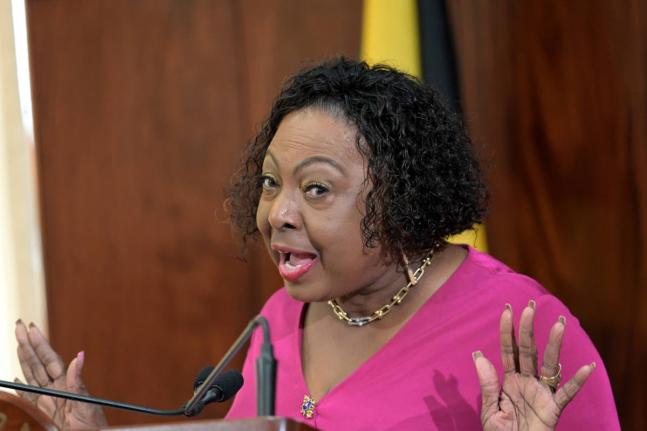
    Jamaica’s Culture Minister Olivia Grange pushed back on the “first-in-the-region” claim during an interview with *The Gleaner*, held on the sidelines of memorial events marking the 63rd anniversary of the 1963 Coral Gardens Incident – a defining historical moment marked by widespread state persecution of Rastafarians in Jamaica. Grange stressed that Jamaica has long held Rastafari as a legitimate religion under its existing legal structure.

    “Jamaica, in our Charter of Fundamental Rights and Freedoms, we recognise all religions, and we have always identified Rastafari as a religion,” Grange stated. Enacted in 2011, Jamaica’s Charter of Fundamental Rights and Freedoms explicitly protects freedom of conscience, religion, and worship for all faiths. While the document does not name specific religions individually, Section 13(3)(b) guarantees equal legal protection to every religious tradition practiced within the country’s borders, including Rastafari, Christianity, Islam, and Judaism.

    Beyond the broad constitutional protections, Jamaica has also put in place targeted legal accommodations unique to Rastafarian practice. 2015 amendments to the country’s Dangerous Drugs Act carved out a legal exception allowing Rastafarians to use cannabis – commonly referred to as ganja – for religious and sacramental purposes, a core ritual for many followers of the faith.

    Grange also pointed to parliamentary and administrative recognition of Rastafarian institutions as further proof of the religion’s longstanding legal status in Jamaica. Multiple Rastafarian church organizations have received formal registration through private members’ parliamentary motions, she explained, while key community groups have been incorporated as official benevolent societies, granting them all the legal benefits and standing of any other registered non-profit or religious organization. A prominent example is the Rastafari Coral Gardens Benevolent Society, founded by survivors of the 1963 Coral Gardens crackdown as a hub for community organizing and advocacy. Today, the organization stands as a symbol of the Rastafarian community’s resilience in the face of historical injustice.

    Jamaica is home to all the major branches of global Rastafarianism, including the Nyabinghi Order, a tradition known for its ceremonial drumming and historic emphasis on African repatriation; the Bobo Ashanti, founded by Prince Emmanuel Charles Edwards and distinguished by its intentional communal living; the Twelve Tribes of Israel; and the Church of Haile Selassie I.

    While Grange emphasized Jamaica’s longstanding leadership in Rastafari recognition and advancing reparatory justice for the community, she welcomed the step taken by St Kitts and Nevis. “I am happy to see what St Kitts has done, … [but] Jamaica has led the way in these areas,” she said.

    The public discussion comes as Jamaica continues ongoing work to address historical injustices against the Rastafarian community, including formal apologies and restitution efforts tied to the 1963 Coral Gardens Incident, where scores of Rastafarians were detained, brutalized, and displaced in a state-led crackdown.