标签: Saint Kitts and Nevis

圣基茨和尼维斯

  • NIA Women’s Self-Empowerment Workshop Promotes Collaboration, Financial Literacy and Community Impact

    NIA Women’s Self-Empowerment Workshop Promotes Collaboration, Financial Literacy and Community Impact

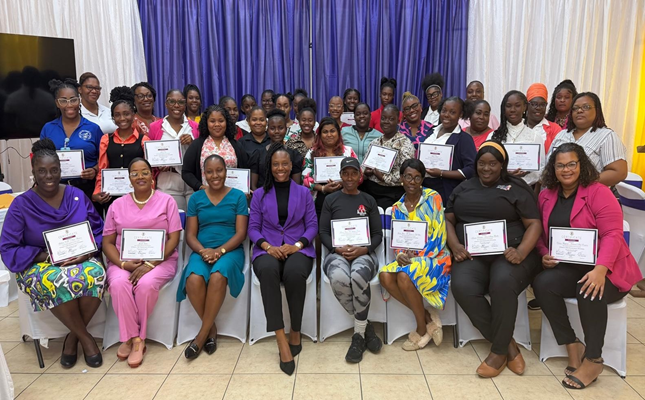
    CHARLESTOWN, Nevis – April 9, 2026 – The Nevis Island Administration (NIA) has advanced its longstanding commitment to uplifting women and girls across the island with the launch of its sixth annual Women’s Self-Empowerment Workshop, an event designed this year to center collective progress, community giving, and tangible professional and financial growth.

    Unlike many empowerment initiatives that focus solely on individual advancement, this year’s workshop framed personal success as a force that grows when shared with others. Through structured interactive sessions, participants were invited to exchange knowledge, offer peer emotional support, and build long-lasting professional networks, all with the dual goal of strengthening local communities and accelerating individual career and personal development.

    Event organizer Hon. Latoya Jones, Special Advisor to the Premier of Nevis, laid out the core mission of the 2026 workshop, emphasizing that the program was built to encourage collaborative leadership, boost participant confidence, and celebrate the often-overlooked contributions of women and girls across every sector of Nevisian society.

    “Our core goals for this sixth annual gathering are simple: to nurture a culture of collaboration and generosity across our local communities, build leadership and team-building skills through hands-on activities, honor the achievements of women and girls in all fields, and help every participant leave with stronger confidence in their own potential,” Jones explained. “We want every woman and girl here to understand that when you lift others up, you elevate yourself along with them. Empowerment isn’t just about individual win – it grows exponentially when we pass it on.”

    Beyond community building, the workshop also prioritized practical economic empowerment, with dedicated sessions covering core financial literacy topics including household budgeting, long-term savings strategies, and foundational investment principles. Organizers also integrated targeted support for emerging and existing women entrepreneurs, creating structured space for cross-business networking and skill sharing.

    Hon. Senator Jahnel Nisbett, Nevis’ Minister of Gender Affairs, opened the event with brief remarks urging attendees to engage fully with both the giving and learning core of the workshop. Echoing the mantra that empowered women lift up entire communities, Nisbett noted that the room was filled with experienced practitioners ready to share expertise across financial literacy, business development, and personal growth.

    “I want every single one of us to take as much as we possibly can from this space,” Nisbett said. “As much as we are here to give our knowledge and support, we are also here to gain new skills and insights that will help us grow. When you leave this workshop, don’t keep what you’ve learned to yourself – multiply your impact by passing it on to someone else, and keep the cycle of empowerment going.”

    The workshop was facilitated by Ramie Wilkinson-Layden, a certified auditor with the NIA, who encouraged attendees to turn the insights they gained into actionable change in their own lives and communities. “Each of us is born with unique talents and skills that we can share with others,” Wilkinson-Layden said. “I urge every participant to give generously of your time, your ideas, your resources, and your support. When you do that, you will see your own gains multiply in ways you can’t yet imagine. My hope is that everyone leaves here with at least one or two concrete steps they can take to improve their financial well-being, strengthen their literacy around money, spend thoughtfully, and build smart, sustainable long-term investments.”

    Since the workshop launched six years ago, it has reached roughly 100 women and girls across Nevis. This year’s iteration drew more than 30 attendees, including 14 young girls, and included formal representation from nine female-owned local businesses spanning a diverse range of sectors: nail care, hospitality, skincare, fitness, gift retail, beauty services, and graphic design, among others.

    Jones highlighted the critical value of having local business owners participate directly in the workshop, noting that their on-the-ground insights gave emerging entrepreneurs and aspiring business owners unfiltered, practical guidance about daily business operations and entrepreneurship that cannot be learned from textbooks.

    Looking ahead, Jones shared her hope that attendees will carry the workshop’s mission forward by paying what they learned forward through mentoring, volunteer work, and mutual encouragement, creating a ripple effect of positive change that lasts long after the event concludes. She also expressed satisfaction with the high level of engagement and active participation across all sessions, and said she is confident that attendees will apply their new skills and knowledge to build lasting personal and financial success for themselves and their communities.
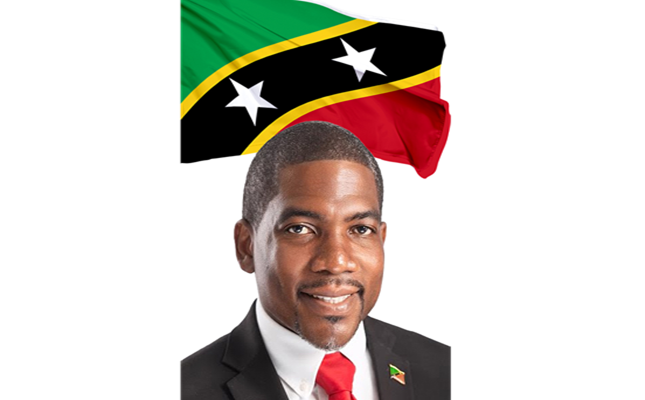

  • STATEMENT BY THE CHAIR OF CARICOMHonourable Dr. Terrance Drew, Prime Minister of St. Kitts and Nevis Twenty-fifth Special Emergency Meeting of the Conference of Heads of Government of CARICOM

    STATEMENT BY THE CHAIR OF CARICOMHonourable Dr. Terrance Drew, Prime Minister of St. Kitts and Nevis Twenty-fifth Special Emergency Meeting of the Conference of Heads of Government of CARICOM

    On April 10, 2026, the Caribbean Community (CARICOM) convened its 25th Special Emergency Meeting of the Conference of Heads of Government to address long-simmering governance disputes first raised by Trinidad and Tobago, centered on the controversial reappointment of the bloc’s Secretary-General. In a notable snub, neither the Prime Minister of Trinidad and Tobago nor any official representative from the nation participated in the emergency gathering. The statement released following the meeting was issued by CARICOM Chair Dr. Terrance Drew, who also serves as Prime Minister of St. Kitts and Nevis, and publicly dated April 11, 2026.

    The official statement clarifies the sequence of events that sparked the current rift, dating back to CARICOM’s 50th Regular Conference of Heads of Government, hosted by St. Kitts and Nevis between February 24 and 27, 2026. According to the official documentation attached to the statement, all member states received full, timely advance notification of the conference’s official schedule, draft agenda, and detailed work program, which clearly outlined which topics would be addressed in open plenary sessions, closed caucuses, and the restricted Heads-only retreat. All member states, including Trinidad and Tobago, formally acknowledged receipt of every official communication related to the 50th Regular Conference, the document confirms.

    Tensions emerged on the first day of the conference, when Trinidad and Tobago’s Prime Minister departed St. Kitts and Nevis on the evening of February 25, a full day ahead of the scheduled February 26 closed retreat. That same night, at 10:33 PM, Trinidad and Tobago’s Foreign Minister Sean Sobers contacted the Secretary-General via WhatsApp to ask whether he could attend the retreat in his Prime Minister’s absence. The Secretary-General confirmed that, consistent with past practice, a foreign minister could stand in for an absent head of government. However, Sobers immediately raised a concern: he experiences severe seasickness, and the retreat venue required a boat ride, leaving him uncertain he could attend.

    A copy of the official WhatsApp correspondence included in the attached documentation captures the subsequent exchange. At 10:55 PM the same night, the Secretary-General updated Chair Drew on the interaction, writing: “Chairman. TT Foreign Minister Sobers called me to ask if he should come to retreat in the absence of his PM. I indicated that other Heads who have left may be represented by their FMs. He also indicated he gets seasick, so he’s not looking forward to the boat ride. So we may not have TT represented tomorrow.” Shortly after midnight, at 12:37 AM on February 26, the Secretary-General followed up directly with Minister Sobers, writing: “Minister, if the boat trip will cause nausea am sure the Chairman would understand if you chose not to come tomorrow.” After that message, Sobers never followed up to confirm he would be able and willing to attend the retreat, leaving Trinidad and Tobago unrepresented at the closed session.

    During the retreat, under the standing agenda item focused on Community financing and governance, CARICOM heads took up the matter of the Secretary-General’s reappointment. Deliberating in accordance with Article 24 of the Revised Treaty of Chaguaramas, the governing document of the bloc, heads agreed to approve the reappointment, with the Secretary-General recusing himself from the room during the discussion. Out of courtesy to absent member state representatives, heads agreed to delay the official public announcement of the decision until all absent heads could be personally informed. While outreach to other absent leaders was successful, repeated attempts to contact Trinidad and Tobago’s Prime Minister via both email and telephone went unanswered. Eventually, Chair Drew was requested to contact Foreign Minister Sobers directly to relay the decision.

    In addition to the Secretary-General’s reappointment, CARICOM heads reached two other key decisions during the February retreat: they established a special sub-committee of heads from Barbados, Dominica, Guyana, and Jamaica to conduct a comprehensive review of CARICOM institutional governance and financing, and they authorized a public statement on the bloc’s recent meeting with U.S. Secretary of State Marco Rubio under the agenda item covering global geopolitical developments.

    In his opening statement to the April 2026 emergency meeting, Chair Drew emphasized that all context, correspondence, and meeting materials from the 50th Regular Conference have been released publicly as attachments to the emergency meeting statement, to ensure full transparency for all member states and regional stakeholders. Drew closed the statement with a call for unity, noting that CARICOM’s core mission of deepening regional integration to improve the quality of life for all Caribbean people must remain the top priority. He expressed hope that the bloc can return to resolving internal differences through established internal mechanisms in the future, warning that unfounded public statements risk eroding years of progress toward integration. Full supporting documents, including a complete timeline of pre-conference correspondence and the official work program, are available for public download on the official CARICOM website.

  • TDC Automotive Division Launches the 2026 Toyota RAV4

    TDC Automotive Division Launches the 2026 Toyota RAV4

    On April 10, 2026, TDC Automotive Division, the trusted automotive solutions provider for St. Kitts and Nevis, welcomed a highly anticipated new addition to its vehicle lineup: the 2026 Toyota RAV4, one of the world’s most popular and reliable sport utility vehicles. The model made its debut at a soft launch event hosted at the division’s facility located in the C A Paul Southwell Industrial Park, where invited customers and local staff got an exclusive first look at the SUV’s upgraded design, technology, and performance features.

    During the launch, Duran Merchant, Sales and Services Manager for TDC Automotive Division’s St. Kitts branch, framed the launch of the 2026 RAV4 as a reflection of the division’s longstanding commitment to meeting the changing needs of local drivers by delivering durable, high-quality vehicles. “This model strikes the ideal balance between contemporary style, practical functionality, and consistent on-road performance,” Merchant told attendees.

    Merchant went on to outline the 2026 RAV4’s key upgrades, highlighting a modern, streamlined exterior profile paired with a roomy, tech-forward interior cabin. Drivers will gain access to a state-of-the-art infotainment system, an expanded collection of driver-assist tools, and refined handling characteristics that make the SUV equally suited for daily urban commutes and off-the-grid weekend getaways. Beyond comfort and capability, the 2026 model also delivers improved fuel economy compared to its predecessor, a premium refined interior that prioritizes both passenger comfort and seamless connectivity, and builds on Toyota’s decades-long reputation for long-term reliability.

    Staying true to Toyota’s industry-leading legacy of vehicle safety, the 2026 RAV4 comes standard with an upgraded comprehensive safety suite engineered to give drivers and passengers full peace of mind on every trip. From enhanced collision prevention technology to updated systems that boost driver awareness, the new model’s safety features set a new benchmark for consistent protection on the road.

    For years, TDC Automotive Division has built its standing as a trusted provider of automotive products and services across St. Kitts and Nevis, and the launch of the 2026 RAV4 reinforces the organization’s ongoing commitment to delivering excellence in both product quality and customer service. The new model is now available for viewing and consultation at the division’s C A Paul Southwell Industrial Park showroom.

  • Global economy feels strain as Middle East Conflict sends shockwaves

    Global economy feels strain as Middle East Conflict sends shockwaves

    Five years after the worst of the COVID-19 pandemic, the global economy still struggles to find its footing in a steady, broad-based recovery. Now, a new and destabilizing shock has emerged: the lingering economic fallout from a recently paused conflict in the Middle East is sending ripples through every corner of the global economy, amplifying existing vulnerabilities and threatening progress for vulnerable nations and communities.

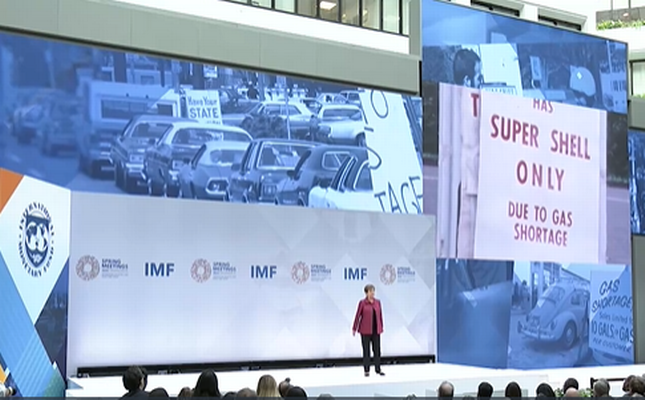
    The most immediate and acute impact has played out in global energy markets, where the conflict created the largest global energy supply shock in decades. At the height of hostilities, analysts estimate that roughly 13 percent of the world’s daily oil supply and 20 percent of global liquefied natural gas (LNG) exports were pulled from the market, triggering a dramatic spike in prices. Before the conflict began, benchmark Brent crude traded at around $72 per barrel; at its peak, the price surged to $120 per barrel. While prices have pulled back from their highest point following the pause in fighting, they remain well above pre-conflict levels, forcing importing countries to pay steep premiums to secure enough fuel to meet domestic demand.

    This energy market disruption has cascaded across nearly every sector of the global economy, touching populations far beyond the Middle East. The conflict’s human toll is already severe: millions of people around the world face growing uncertainty about access to basic goods, and food insecurity has deepened dramatically. Kristalina Georgieva, Managing Director of the International Monetary Fund (IMF), outlined the scope of the crisis in remarks delivered Thursday at the World Bank’s pre-meeting Curtain Raiser Event. She noted that transport disruptions tied to energy price hikes have pushed an additional 45 million people into food insecurity, raising the total number of people facing acute hunger globally to more than 360 million. Rising fertilizer costs, driven by higher energy and natural gas prices, are expected to worsen this crisis in the coming months by suppressing agricultural output.

    Industrial supply chains, which have only just begun to unwind pandemic-era backlogs, are also facing new strain. Key industrial materials that are largely produced in the Middle East, including sulfur, helium, and naphtha, have seen widespread shortages. These inputs are critical to everything from semiconductor manufacturing to medical imaging equipment and plastic production, meaning shortages are now rippling through advanced manufacturing sectors on a global scale.

    Small island developing states, such as St. Kitts, are among the hardest hit by the crisis. Sitting at the end of most long-haul supply chains, these nations rely on consistent fuel shipments to power their economies and support critical sectors like tourism. Ongoing disruptions have left these countries facing heightened uncertainty over when their next fuel deliveries will arrive, pushing their already fragile economies closer to crisis.

    Economists categorize the crisis as a textbook large-scale global supply shock: one that hits unevenly across regions, with low-income and vulnerable nations bearing a far greater burden than large advanced economies. The combination of higher energy costs, disrupted production chains, and rising consumer prices has created a difficult balancing act for policymakers: higher energy costs are pushing overall inflation upward across most major economies, while also dampening consumer and business demand. Recent data shows short-term inflation expectations have risen in major economies including the United States and the eurozone, though longer-term expectations have remained steady – a small positive that offers policymakers some breathing room to avoid a sustained wage-price inflation spiral.

    In just days, top international financial leaders, finance ministers, and central bank governors from around the world will gather in Washington, D.C. for the annual spring meetings of the IMF and World Bank, where addressing this new crisis will top the agenda. The gathering is expected to focus on forging coordinated global policy responses to stabilize volatile energy markets, untangle snarled supply chains, and deliver targeted support to the vulnerable populations and low-income nations that are bearing the brunt of the new shock.

  • National Bank Renews Its Partnership with Nevis Island Administration to Champion Youth Development

    National Bank Renews Its Partnership with Nevis Island Administration to Champion Youth Development

    BASSETERRE, St. Kitts – April 10, 2026 – One of the Federation of St. Kitts and Nevis’ most prominent financial institutions has reaffirmed its dedication to nurturing the next generation by extending its longstanding collaborative partnership with the Nevis Island Administration’s Ministry of Education, Library Services, Information Technology, Youth and Sports.

    St. Kitts-Nevis-Anguilla National Bank Ltd. (SKNANB) made the formal announcement of the renewed agreement in early April 2026, framing the continuation of this work as a core reflection of the bank’s institutional mission to invest in the long-term success of young people across the Federation.

    For multiple years, this cross-sector partnership has delivered tangible opportunities for Nevisian youth, with SKNANB serving as the headline sponsor for a suite of popular athletic and academic programs that serve diverse student interests. On the sporting side, the bank’s backing has enabled the staging of beloved regional competitions, including the annual Primary Schools Football Tournament and the multi-discipline Nevis Inter-Primary Schools’ Championship, which brings together young competitors from across the island in both football and track and field events.

    These annual competitions have grown far beyond casual recreational events, emerging as critical pipelines for emerging athletic talent while teaching young participants foundational life skills including collaborative teamwork, personal discipline, and respect for healthy competition. But the partnership’s impact extends well beyond the athletic field, reaching into academic and personal development programming designed to build critical skills for the next generation of leaders. SKNANB’s financial and logistical support has also enabled youth-focused initiatives including inter-school spelling bees, hands-on STEM activities, immersive youth camps, and public elocution competitions – all curated to encourage academic excellence, strengthen critical thinking abilities, and build confident, clear communication skills among young participants.

    Looking ahead to the coming year of collaboration, SKNANB leadership expressed excitement to continue working alongside the Nevis Ministry of Education to advance their shared goal: empowering Nevis’ children and young people through a combination of accessible education and athletic opportunity.

    As the leading premier financial institution in the Federation, SKNANB has long anchored its corporate identity in commitment to broad-based economic and social progress across the islands. The bank’s ongoing youth development partnership is just one core component of its broader institutional focus on community uplift, intentional corporate social responsibility, and cross-sector collaborations that deliver sustained, positive change for residents across the Federation.

    Media inquiries about the partnership and SKNANB’s community programming can be directed to the bank’s Marketing Department via email at marketing@sknanb.com, by phone at (869) 465-2204, or through the institution’s official website www.sknanb.com.

  • Leaked letter outlines timeline and details of CARICOM SG reappointment vote

    Leaked letter outlines timeline and details of CARICOM SG reappointment vote

    BASSETERRE, St. Kitts – A public controversy over the reappointment of Dr. Carla Barnett to a second term as Secretary-General of the Caribbean Community (CARICOM) has intensified in recent days, with Trinidad and Tobago voicing formal dissatisfaction over the outcome and calling into question the legitimacy of the process that led to the vote. Now, a leaked internal correspondence from CARICOM Chair Dr. Terrance Drew has pulled back the curtain on the timeline of deliberations, as regional leaders prepare for an emergency summit to resolve the growing rift.

    Trinidad and Tobago officials have made their opposition to Barnett’s reappointment clear, anchoring their discontent in long-simmering unresolved grievances. The core complaint centers on the CARICOM Secretariat’s failure to respond to previous official communications regarding the 2010s arrest and deportation of a Trinidad and Tobago citizen by another member state, a matter Port-of-Spain says has been left unaddressed throughout Barnett’s first term.

    In the leaked letter addressed to the Prime Minister of Trinidad and Tobago, Drew, who also serves as Prime Minister of St. Kitts and Nevis, pushed back against claims of an irregular or opaque process, laying out a step-by-step timeline of how the reappointment vote moved forward. Drew confirmed that the item was added to the CARICOM Heads of Government conference agenda weeks in advance, with formal notifications sent to every member state’s leadership well before the gathering kicked off in late February.

    According to the timeline outlined in the letter, the Trinidad and Tobago Prime Minister chose to depart St. Kitts and Nevis on the evening of February 25 – the first day of the scheduled conference – one full day before the leaders-only retreat where the Secretary-General vote was scheduled to take place on February 26. Drew emphasized that regional organizers made deliberate accommodations to ensure Trinidad and Tobago still had representation at the critical closed-door session. CARICOM Affairs Minister Sean Sobers was formally invited to step in and attend the retreat in the Prime Minister’s place, but the offer was ultimately rejected.

    The letter details that Sobers declined the invitation citing a specific, personal objection to the standard transit arranged for retreat attendees: a water taxi, the primary mode of transportation between the islands of St. Kitts and Nevis. The minister reportedly stated he declined to attend out of fear of experiencing seasickness during the crossing.

    With no representative from Trinidad and Tobago present, the Heads of Government moved forward with deliberations, ultimately approving Barnett’s reappointment in a vote held in full compliance with Article 24 of the Revised Treaty of Chaguaramas – the foundational regional agreement that formally lays out the rules and procedures for selecting and reappointing the CARICOM Secretary-General. Drew added in the correspondence that multiple attempts were made to reach the Trinidad and Tobago Prime Minister after the vote to share the outcome, but all outreach went unanswered.

    Drew is not the only regional leader to defend the outcome of the process. Guyana’s President Dr. Irfan Ali has publicly backed the reappointment, confirming in his own remarks that all procedural requirements laid out in regional governing documents were followed correctly at every stage of the decision.

    To address the ongoing standoff, CARICOM has called a special emergency Heads of Government meeting scheduled for the afternoon of April 10, when the controversial reappointment will be revisited for full discussion. Regional observers and leadership hold out hope that the face-to-face talks will produce a mutually acceptable resolution to the concerns raised by Trinidad and Tobago, mending the divide before it creates deeper friction within the 15-nation bloc.

  • Afreximbank to avail US$10 billion under its Gulf Crisis Response Programme (GCRP) to shield African and Caribbean Community (CARICOM) economies from the ongoing conflict

    Afreximbank to avail US$10 billion under its Gulf Crisis Response Programme (GCRP) to shield African and Caribbean Community (CARICOM) economies from the ongoing conflict

    CAIRO, Egypt – Amid escalating geopolitical unrest in the Middle East that has roiled global commodity markets and disrupted critical supply chains, the African Export-Import Bank (Afreximbank) has greenlit a $10 billion Gulf Crisis Response Programme (GCRP), a targeted emergency initiative aimed at shielding vulnerable African and Caribbean Community (CARICOM) economies from the spillover effects of the ongoing Gulf region conflict. The conflict, which intensified on February 28, 2026, has sent disproportionately severe shocks to import-reliant nations across Africa and the Caribbean, regions that are already among the most economically vulnerable to global volatility. As the Gulf region stands as one of the world’s top suppliers of crude oil, liquefied natural gas (LNG), and key agricultural fertilizers, and the Strait of Hormuz remains a linchpin of global maritime trade, the escalation of hostilities has triggered cascading disruptions that hit hardest at nations dependent on Gulf-supplied commodities, shipping corridors, foreign investment, tourism revenue, and cross-border remittances. To address these overlapping threats, the GCRP was structured to deliver both immediate short-term relief and long-term structural resilience for Afreximbank’s member states. In the near term, the programme will allocate critical foreign exchange liquidity to sustain imports of core necessities including fuel, LNG, food staples, fertilizers, and pharmaceuticals for the most vulnerable nations. It will also extend targeted pre-export finance, working capital, and inventory financing to help African energy and mineral exporters leverage elevated global commodity prices and adapt to shifted trade routes by expanding their productive capacity. Separate short-term support is also earmarked for member states whose tourism and aviation sectors have suffered direct downturns from the crisis. Beyond immediate relief, the GCRP includes medium- and long-term components designed to reduce future economic vulnerability: it will expand productive capacity for energy and mineral producers, while unlocking funding to accelerate completion of critical energy, port, and logistics infrastructure projects that were delayed by supply chain disruptions tied to the conflict. Speaking on the initiative, which was formally launched on March 31, 2026, Dr. George Elombi, President and Chairman of Afreximbank’s Board of Directors, emphasized that the targeted intervention aligns with the institution’s core mandate. “This crisis response programme is in tune with our DNA. We understand how our economies work and the pain points associated with these transitory crises,” Elombi said. “The programme will support African countries in adjusting smoothly to the crisis while strengthening their resilience to future shocks through interventions that transform the structure of their economies. I commend the Board of Directors of Afreximbank for their proactivity and fortitude in approving this intervention programme.” The GCRP builds on a proven track record of emergency economic interventions that Afreximbank has rolled out over the past decade to help member states navigate global shocks. Past initiatives include a response to the 2015-2016 global commodity price collapse, a multi-billion support package during the 2020-2021 COVID-19 pandemic, and the $4 billion Ukraine Crisis Adjustment Trade Financing Programme for Africa (UKAFPA), launched to counter the economic fallout of the 2023-2024 Ukraine conflict. Under the UKAFPA, the bank disbursed a total of $39 billion, successfully closing liquidity gaps and securing access to essential goods for most African nations. Already, Afreximbank has begun implementing the GCRP, working through partnerships with commercial banks and private sector corporations to lock in supplies of fuel, energy, fertilizers, and essential food imports that have been interrupted by the prolonged conflict. In addition to direct financing, Afreximbank is leading a coordinated regional response effort alongside key international and regional bodies including the UN Economic Commission for Africa (UNECA), the African Union Commission (AUC), the African Continental Free Trade Area (AfCFTA) Secretariat, and the CARICOM Secretariat. This collaborative effort will focus on strengthening regional coordination to improve energy security, boost trade resilience, and diversify global supply chains to reduce dependence on unstable regions. This press release was distributed by APO Group on behalf of Afreximbank.

  • St. Kitts and Nevis National Public Poll – Your Voice Matters

    St. Kitts and Nevis National Public Poll – Your Voice Matters

    Residents of the Federation of St. Kitts and Nevis have been invited to participate in a new nationwide public opinion poll that aims to center public voice in shaping the country’s future trajectory, according to an official notice posted early Thursday morning on April 9, 2026.

    Organized by a local independent polling firm, the initiative calls on every eligible member of the public to set aside just a few minutes of their time to share their perspectives via a set of survey questions. A core guarantee of the project is full respondent anonymity, a design choice intended to encourage open, honest feedback without fear of attribution or personal consequence.

    The notice framing the poll emphasizes that the long-term direction of St. Kitts and Nevis is ultimately determined by its citizenry, making widespread public participation critical to capturing a representative snapshot of public priorities and views across the federation. With anonymity built into the survey structure, organizers hope to remove barriers to participation and encourage a diverse cross-section of residents to contribute their input.

  • St. Kitts and Nevis, Guyana Deepen Strategic Ties Through Security, Agriculture, Modernization and Biodiversity Pact

    St. Kitts and Nevis, Guyana Deepen Strategic Ties Through Security, Agriculture, Modernization and Biodiversity Pact

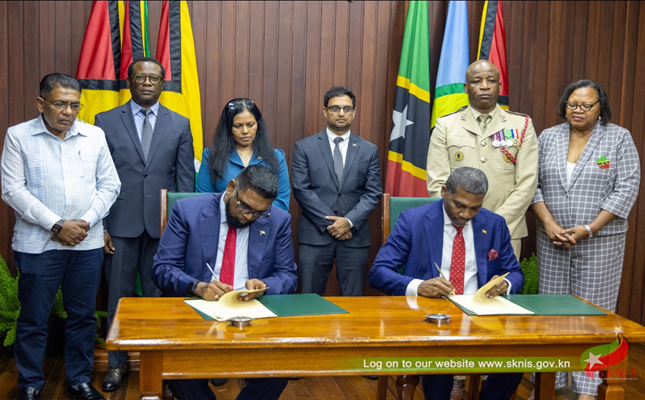
    Two Caribbean nations, the Federation of Saint Kitts and Nevis and the Cooperative Republic of Guyana, have advanced their longstanding bilateral relationship into a new era of targeted strategic cooperation, following a landmark series of agreements signed during an official visit by Saint Kitts and Nevis Prime Minister Dr. Terrance Drew to Georgetown on April 8, 2026.

    Three core Memoranda of Understanding (MOUs) were formalized during the visit, covering non-lethal defense and security collaboration, agriculture and food security, and public sector modernization. On top of these bilateral accords, Drew also officially marked Saint Kitts and Nevis’ entry into the Global Biodiversity Alliance, an international conservation and sustainable development initiative spearheaded by Guyanese President Mohamed Irfaan Ali.

    The new agreements build on decades of connection between the two countries, which are anchored in shared colonial history, collective regional solidarity within the Caribbean Community (CARICOM), and deep people-to-people connections. The frameworks create structured, actionable collaboration pathways in sectors that sit at the top of both nations’ national development agendas, with benefits expected to ripple across the broader Caribbean bloc.

    In remarks following the signing, Prime Minister Drew emphasized that the cooperation areas were deliberately selected to deliver tangible, measurable improvements to the lives of citizens in both the near and long term. “I’ve selected what I think would have solid impact on St. Kitts and Nevis,” Drew stated, noting that intentional, focused implementation would be key to unlocking the full value of the new partnerships.

    On the topic of agriculture and food security, Drew highlighted the urgent need for Caribbean nations to boost local production and cut overreliance on extra-regional imports, a priority that has grown more pressing amid persistent global food price inflation and ongoing supply chain disruptions. He noted that Guyana’s rapidly expanding agricultural sector creates unique mutual benefits: Saint Kitts and Nevis can gain reliable access to affordable regional food staples while building its own domestic production capacity through knowledge sharing and technical assistance from Guyana.

    “As you can see, the cost of food across the world… there’s a lot to learn, but there’s also opportunities, because we want to buy food as well. You have it here in Guyana. Why buy it from outside the region?” Drew said. He added that Saint Kitts and Nevis’ large, fast-growing tourism sector creates a steady, high-demand market for other Caribbean nations’ agricultural exports, while expanded local production will simultaneously improve national food resilience and lower grocery costs for local residents.

    Turning to government modernization, Drew welcomed Guyana’s offer to support Saint Kitts and Nevis’ digital transformation agenda by sharing expertise in leveraging technology to strengthen governance, enhance project oversight, and improve evidence-based decision-making. The prime minister explained that access to real-time data and modern digital administrative systems will significantly boost the efficiency of public services, speed up development project delivery, and improve transparency and accountability across all government ministries and departments.

    Saint Kitts and Nevis’ accession to the Global Biodiversity Alliance aligns the Federation’s national Sustainable Island State Agenda with a global movement focused on protecting critical ecosystems, preserving irreplaceable natural resources, and advancing scientific innovation for conservation. Drew noted that the alliance’s mission fits seamlessly with his administration’s domestic policy priorities. “This community champions for diversity… biodiversity fits exactly to what our national agenda is. We want to create a sustainable Island. Biodiversity is fundamental, so for us this is natural,” he said.

    As the current Chairman of CARICOM, Drew also committed to advocating for the alliance across the Caribbean region, working to encourage more Caribbean nations to join the initiative and expand its collective impact.

    Guyanese President Mohamed Irfaan Ali, who was present for the signing ceremonies, welcomed the deepened partnership between the two nations and reaffirmed Guyana’s commitment to driving regional development through shared resources, innovative collaboration, and practical, action-oriented agreements. Ali praised Drew’s leadership across CARICOM and noted that the new accords mark just the beginning of deeper collaboration that will directly improve quality of life for people across the Caribbean.

    The April 2026 visit and resulting agreements highlight Saint Kitts and Nevis’ proactive approach to regional diplomacy and targeted development cooperation. The country continues to pursue strategic partnerships that advance its core national priorities, strengthen economic and climate resilience, and create long-lasting, inclusive opportunities for its population.

  • West Indies Championship Preview: Jamaica Scorpions vs Barbados Pride

    West Indies Championship Preview: Jamaica Scorpions vs Barbados Pride

    One of Caribbean first-class cricket’s most storied regional rivalries is set to resume this month, as two heavyweight sides—Jamaica Scorpions and Barbados Pride—kick off their 2026 West Indies Championship campaign with a three-match bilateral series hosted entirely on Jamaican soil. The tournament will run across Jamaica from April 12 through May 2, with the overall championship concluding on May 20.

    For Barbados Pride, the upcoming series comes on the heels of a devastating near-miss in the 2025 title race. Despite a dramatic final-day win against Leeward Islands at Warner Park, the side finished just 5.4 points short of claiming the crown. That narrow defeat has only amplified the squad’s hunger to claim the top spot in regional cricket this year, according to pre-tournament comments from team leadership.

    Barbados has held a decisive upper hand in this rivalry over the last 10 years, remaining undefeated against Jamaica in first-class competition while notching eight wins—including a commanding nine-wicket victory at Bridgetown’s Kensington Oval just last year. Even with this dominant historic track record, longtime Barbados captain Kraigg Brathwaite has stressed that his squad will not underestimate the hosts. Brathwaite, who boasts 228 first-class appearances under his belt and scored a polished 142 at Jamaica’s Sabina Park during his last outing there, emphasized that complacency has no place in the upcoming clash.

    “Jamaica is always a competitive team at home, you always enjoy playing against them for that fight,” Brathwaite said. “As I always say, you cannot take any team for granted. They are a very good side, so we have to perform as a unit, and all the guys are excited to step up to that challenge.”

    Pre-season trial matches have given the six-time regional champions confidence in their form ahead of the opening round. Shian Brathwaite and Kevin Wickham both logged centuries in warm-up play, while multiple other batters delivered consistent half-century contributions to round out solid preparation. Kraigg Brathwaite added that the coaching staff has built a comprehensive pre-season program that allowed the side to evaluate every player’s potential impact across the long tournament, urging his squad to stay focused on the opening matches rather than looking too far ahead.

    For home side Jamaica Scorpions, the opportunity to end Barbados’ decade-long undefeated streak on their own turf is a chance captain John Campbell says his side is eagerly embracing. While the visitors’ historic winning record makes them a formidable opponent, Campbell noted that the opening series at home gives Jamaica a clear path to upset the odds.

    “The guys have put in a huge amount of intentional work since the end of the Super 50 tournament, not just going through the motions in training,” Campbell explained. “Every player has focused on improving their own game, especially sharpening technical skills, and that collective work is going to pay off for us this series.”

    Campbell, who ended the 2025 season as the Scorpions’ leading run-scorer with more than 500 runs, underscored his own match readiness with a double century in a recent trial match. He also highlighted strong pre-season form across the squad, with Peat Salmon, Abhijai Mansingh and Carlos Brown all notching centuries in warm-up play.

    “We’ve had this great rivalry going back decades, and right now as a group we’re in a really good place,” Campbell said. “We’ve got multiple practice matches under our belts, and players have stepped up across the board, showing maturity and delivering solid contributions when it counts.”

    One key area of focus for Jamaica heading into the series is shoring up its performance against spin bowling. In their most recent meeting with Barbados, the Scorpions lost 23 of their 40 wickets to spin, a recurring vulnerability that Campbell has made a priority to address.

    “Over the years, we’ve given away far too many wickets to spin bowlers,” Campbell noted. “If we can cut out those dismissals against Barbados’ spin attack, we’ll be in a great position to compete and get a good result this series.”

    Both squads have made clear that past results, whether favorable or disappointing, will carry no weight once the first ball is bowled. Both sides are fully prepared to leave everything on the field in their push to claim the 2026 regional title, starting with this opening series.

    The three-match series is scheduled as follows: Round 1 will take place from April 12 to 15 at Chedwin Park, while Rounds 2 and 3 will be held at Sabina Park from April 19 to 22 and April 26 to 29 respectively.

    Full squads for the series are listed below:
    Jamaica Scorpions: John Campbell (c), Brad Barnes, Carlos Brown, Javelle Glenn, Brandon King, Abhijai Mansingh, Kirk Mckenzie, Marquino Mindley, Romaine Morris, Jeavor Royal, Peat Salmon, Ojay Shields, Odean Smith
    Barbados Pride: Kraigg Brathwaite (c), Joshua Bishop, Jediah Blades, Leniko Boucher, Shian Brathwaite, Jonathan Drakes, Johann Layne, Kyle Mayers, Jair McAllister, Shayne Moseley, Shamar Springer, Jomel Warrican, Kevin Wickham