标签: Saint Kitts and Nevis

圣基茨和尼维斯

  • CARPHA Inaugurates Regional Emergency Operations Centre to Strengthen Caribbean Health Security

    CARPHA Inaugurates Regional Emergency Operations Centre to Strengthen Caribbean Health Security

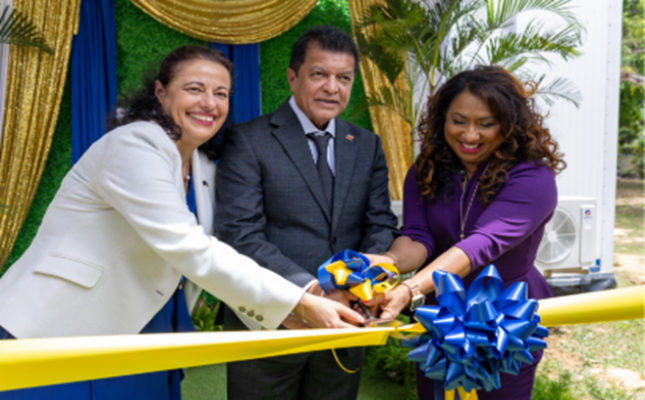
    On July 3, 2026, leaders from the Caribbean region and the European Union gathered at the Caribbean Public Health Agency (CARPHA) headquarters in Port of Spain, Trinidad and Tobago, to mark a historic step forward for regional public health resilience: the official inauguration of the CARPHA Regional Emergency Operations Centre (CREOC). Built to address longstanding gaps in cross-border emergency response for the Caribbean’s network of small island developing states, the new hub is set to transform how the region prepares for, coordinates, and recovers from public health crises of all kinds.

    Funded entirely by the European Union through the 11th European Development Fund Programme for Health Security Strengthening, the CREOC will serve as the central coordination nerve center for public health emergency action across CARPHA’s 26 member states. The inauguration ceremony was led by three key stakeholders: Trinidad and Tobago’s Minister of Health, the Honourable Dr. Lackram Bodoe; EU Ambassador to Trinidad and Tobago, Her Excellency Cécile Tassin; and CARPHA Executive Director Dr. Lisa Indar.

    Speaking at the event, Dr. Bodoe emphasized that 21st century public health threats cannot be tackled by any single nation acting alone, regardless of economic capacity. “Health security is a shared responsibility,” he noted. “Our strength lies in partnership.” This framing echoes the core philosophy that guided the creation of the regional hub, which was designed to leverage collective capacity across the Caribbean’s interconnected nations.

    Dr. Indar expanded on the unique vulnerability that makes the CREOC a critical investment for the region. As a collection of small, closely linked island developing states, the Caribbean faces an elevated risk of rapid cross-border spread of public health threats, from infectious disease outbreaks to climate-driven disasters. “This Emergency Operations Centre will strengthen our ability to detect threats early, coordinate regional action and protect the health security of our people,” Dr. Indar explained.

    Ambassador Tassin reaffirmed the EU’s long-term commitment to Caribbean health resilience, framing the new centre as more than just a physical infrastructure project. “This Centre represents something much larger: the Caribbean’s determination to work together, to strengthen regional health security, and to protect its people through solidarity, preparedness and shared expertise,” she said.

    Designed to meet the strict standards of the World Health Organization’s Public Health Emergency Operations Centre Framework, the CREOC has been classified as a Type C facility — the highest tier of operational capability in the WHO classification system. This top-tier designation means the hub is equipped to coordinate large-scale, multi-country public health emergencies, while also providing targeted support to national emergency operations centres across every Caribbean nation.

    A range of cutting-edge tools built specifically for the Caribbean context power the CREOC’s operations. At its core is CARPHA’s Regional Integrated Early Warning Surveillance and Response System (RIEWSS), a customized surveillance platform that enables earlier detection of emerging threats, clearer shared situational awareness, and faster, evidence-based response coordination across the region. When paired with standardized timeliness metrics and cross-sector response mechanisms, the infrastructure allows for accelerated action at exactly the moment when rapid response saves lives.

    Beyond surveillance and coordination, the CREOC will fill a long-standing gap in regional emergency management by serving as a unified hub for collaboration across multiple stakeholders: national ministries of health, national disaster management agencies, regional intergovernmental bodies, and global international partners. The hub will also coordinate deployment of specialized technical response teams, manage cross-border emergency logistics, streamline consistent risk communication to the public, and maintain a shared real-time operational picture of evolving crises for all involved parties.

    The design and development of the CREOC draws directly on hard-won lessons from recent crises that have tested the Caribbean’s response capacity over the past decade. These include the global COVID-19 pandemic, recurring widespread dengue outbreaks, and extreme climate events including Hurricanes Melissa and Beryl — all of which highlighted just how critical coordinated regional action is to reducing harm and saving lives.

    To adapt to crises of any scale, the CREOC operates on a scalable activation model. It can run routine surveillance and monitoring during low-risk periods, and rapidly scale up to full regional emergency activation as a situation evolves. The hub is built to respond to a wide range of public health events, including infectious disease outbreaks, extreme weather events that create secondary public health risks, environmental and chemical incidents, mass gatherings, and any other event that carries cross-regional or global public health implications.

    The establishment of the CREOC also advances Caribbean nations’ compliance and implementation of the International Health Regulations (2005), by boosting regional surveillance capacity, improving information management systems, strengthening cross-border coordination, and raising overall operational readiness for emerging threats.

    For CARPHA, the inauguration of the CREOC reinforces the agency’s ongoing commitment to advancing collective regional health security, ensuring that all Caribbean member states are better prepared to face the current and future public health challenges that lie ahead.

  • Duggins Hails Cooperatives as Key to Food Security, Economic Growth and Peace

    Duggins Hails Cooperatives as Key to Food Security, Economic Growth and Peace

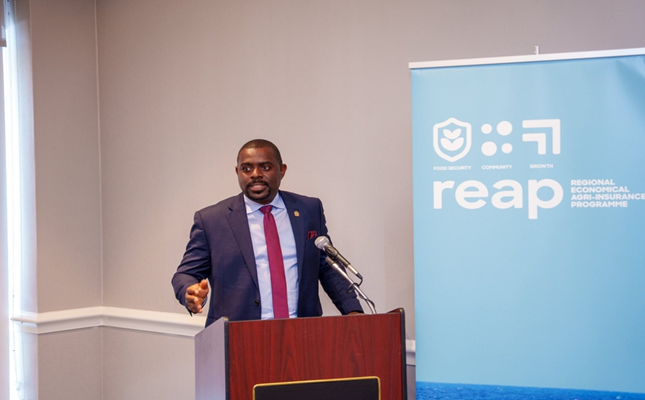
    BASSETERRE, St. Kitts – On July 3, 2026, Samal Duggins, Minister of Cooperatives and Agriculture of St. Kitts and Nevis, aligned with the nation to mark the 104th International Day of Cooperatives, centering the global observance’s 2026 theme “Cooperatives for a Peaceful World” to spotlight the outsize role cooperative movements play in the federation’s development. In his official address marking the occasion, Duggins pushed back against the narrow framing of peace as merely the absence of conflict, arguing that durable, meaningful peace is rooted in equitable opportunity for all people to advance their well-being. He explained that peace takes root when community members can secure steady incomes, care for their households, have a voice in local decision-making, and collaborate to lift up shared spaces – all core values that form the founding mission of cooperative organizations. “Here in St. Kitts and Nevis, cooperatives continue to demonstrate the transformative power of collective action,” Duggins noted in his remarks. The minister detailed the far-reaching impact of cooperatives across multiple critical sectors of the federation’s economy, from agriculture and agro-processing to fisheries, community savings initiatives, and youth development. Duggins emphasized that these member-led organizations do more than drive individual economic gains: they strengthen household livelihoods, boost national food security, and build more resilient communities that can withstand local and global economic shocks. Duggins pointed specifically to three standout cooperative segments that have delivered exceptional value to the federation: agricultural cooperatives, fisheries cooperatives, and the country’s school-based junior saving cooperative program. The youth-focused initiative, he explained, is cultivating a new generation of leaders who embody responsible financial habits, entrepreneurial spirit, and a commitment to collective community good. As St. Kitts and Nevis works toward its national vision of becoming a leading Sustainable Island State, Duggins reaffirmed that cooperatives will remain an indispensable strategic partner. The movement advances core national goals including shared widespread prosperity, broader economic resilience, inclusive democratic participation, and grassroots community empowerment, he said. To support the continued growth of the cooperative sector, Duggins confirmed the St. Kitts and Nevis government remains fully committed to strengthening the movement through targeted investments in modernization, cooperative education, and workforce capacity building. He revealed that the Ministry of Cooperatives and Agriculture is currently advancing work on a landmark new Cooperative Act, a legislative update designed to create a flexible, supportive regulatory framework that positions the sector for long-term, sustainable growth. Closing his address, Duggins extended sincere gratitude to the thousands of cooperative members, volunteer leaders, and community supporters who dedicate time and energy to advancing the movement and advancing national development. “Together, let us continue to embrace the values of cooperation, solidarity, and shared responsibility as we build a stronger, more inclusive, and more peaceful St. Kitts and Nevis,” he said.

  • Strong Crowds and Economic Boost Mark Successful 2026 St. Kitts Music Festival

    Strong Crowds and Economic Boost Mark Successful 2026 St. Kitts Music Festival

    BASSETERRE, St. Kitts — The dust has settled on the 2026 edition of the St. Kitts Music Festival, and the Caribbean island nation’s tourism leadership is already hailing the three-day celebration of sound and culture as a resounding win, driven by surging turnout, a jump in international visitor numbers and widespread economic benefits across the country.

    Drawing a lineup of globally recognized talent, including soca superstar Machel Montano, R&B icon Boyz II Men, Grammy-winning singer Fantasia and more, the festival drew massive crowds to the island. Speaking to SKNVibes News on the sidelines of a groundbreaking ceremony for a new cruise terminal at Port Zante, Minister of Tourism Marsha Henderson confirmed the event exceeded early expectations.

    Collaboration between the Ministry of Tourism and a cohort of private sector promoters allowed teams to elevate the overall guest experience for both local attendees and international travelers. In comments on this year’s growth, Henderson noted, “We saw the crowds being very large as the festival continues to grow by leaps and bounds in terms of attendance.”

    While full, verified attendance data will not be released until a comprehensive post-event review is finalized in the coming weeks, early indicators show turnout was far higher than the 2025 edition. Attendees and organizers alike also noted marked upgrades to stage design, sound engineering and visual production that elevated the on-site experience.

    Even as organizers celebrate the event’s success, Henderson has been transparent about lingering operational challenges that detracted from the experience for some guests. The most commonly cited issues were extended delays between performances, caused by slow stage changeovers, that in one case left fans waiting between 60 and 120 minutes for the next act to take the stage. A second major complaint came from general admission ticketholders, who faced long wait times and congestion when entering the festival grounds.

    Henderson framed these growing pains as a positive problem born of the festival’s rising popularity: “So far, the main issues I have heard about are access to the venue and production. With access to the venue, we will have to go back to the drawing board because it means more people are attending the festival. We have to look at our entry and exit systems. It is a good problem to have, but it affects the overall attendee experience. We will definitely be working on that, along with the production.”

    The full official report, due to be delivered to the Ministry of Tourism in the coming weeks, will include finalized attendance counts, data on new visitor arrivals, a breakdown of the festival’s economic contribution, and a full review of operational pain points to guide next year’s planning.

    Despite the challenges, Henderson reaffirmed that the festival met every core government goal for 2026: hotels across the island reached near full occupancy for the event, airline arrivals jumped from the previous summer, and local businesses from restaurants to transportation providers saw a major boost in revenue.

    For years, the St. Kitts Music Festival has served as a cornerstone of the island’s summer tourism strategy, filling the gap during the region’s traditionally slower travel season. Major events like the festival are one of the most reliable drivers of off-peak visitor arrivals, supporting year-round employment for local tourism workers.

    Looking ahead, early planning is already underway for the festival’s 29th edition in 2027. Organizers say they will build on the momentum of 2026’s success, addressing the operational gaps from this year to deliver an even larger, more accessible, and more memorable experience for attendees in 2027.

  • St. Kitts breaks ground on new cruise terminal, eyes cruise home-porting by 2027 – WIC News

    St. Kitts breaks ground on new cruise terminal, eyes cruise home-porting by 2027 – WIC News

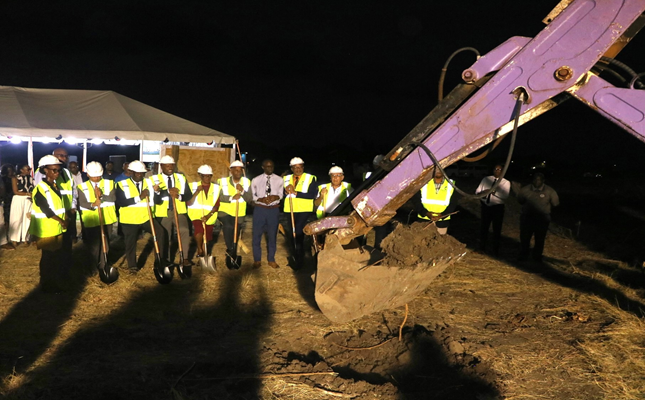
    On July 1, 2026, the Federation of St. Kitts and Nevis launched official construction on a transformative new cruise terminal at Basseterre’s Port Zante, marking a key milestone in the nation’s plan to become a full-service Caribbean home port for cruise lines by November 2027. The infrastructure project, led by the St. Christopher Air & Sea Ports Authority (SCASPA), is framed as a public-private partnership-driven investment designed to reshape the country’s tourism economy and advance long-term economic diversification goals.

    Speaking at the groundbreaking ceremony, Prime Minister Dr. Terrance Drew emphasized that large-scale, industry-transforming projects like this cannot be delivered by government alone. He highlighted that the initiative relies on intentional collaboration between national government bodies, local tourism industry stakeholders, and international partners, turning a project once seen as out of reach for the small island nation into a tangible development underway. Unlike the existing facility that only accommodates St. Kitts as a temporary port of call for passing cruise itineraries, the new terminal is purpose-built to support home-porting operations, meaning cruise ships will start and end full voyages at Port Zante.

    This shift in operations is expected to deliver widespread economic benefits across multiple sectors of the local economy. Drew explained that home-porting will drive higher overall visitor spending, increase demand for overnight hotel stays, boost airlift activity to the island, and create new, high-wage employment opportunities for local workers across the entire tourism supply chain. From taxi operators and local vendors to tour guides and hospitality staff, Drew stressed that the gains from this public investment are intended to be shared broadly across the community, rather than concentrated among a small group of stakeholders.

    The new terminal is designed with cutting-edge infrastructure to support its expanded role, including modern high-capacity passenger processing systems, advanced security and baggage screening technology, and upgraded digital immigration processing. In line with the government’s focus on balancing efficiency with national security, Drew noted that the upgraded border management systems will deliver a seamless, frictionless experience for cruise passengers while upholding the country’s strict security standards, with the ultimate goal of establishing St. Kitts and Nevis as the most preferred starting and ending point for Caribbean cruise vacations.

    This project forms a core component of the Drew administration’s broader economic diversification strategy, which aims to reduce the nation’s economic vulnerability by expanding and strengthening the tourism sector. It also aligns with the government’s Sustainable Island State Agenda, which prioritizes building a more resilient, diversified economy that delivers inclusive, long-term prosperity for all citizens of St. Kitts and Nevis. At the conclusion of his remarks, Drew extended congratulations to Minister of Tourism Honourable Marsha Henderson, the SCASPA team, and all contributing stakeholders for their work to bring the project to the construction phase.

    Tourism Minister Henderson echoed Drew’s optimism, noting that the new terminal cements St. Kitts and Nevis’ position alongside leading Caribbean cruise hubs such as Antigua and Barbados as a top transit and home port for the global cruise industry. “This new cruise terminal represents vision, partnership, innovation and confidence in the future of Saint Kitts and Nevis as one of the Caribbean’s premier cruise destinations,” Henderson said. For the small Caribbean nation, the project represents more than just infrastructure: it is a strategic bet on long-term tourism growth that is expected to deliver shared economic opportunity for years to come after its scheduled completion in 2027.

  • NIA Breaks Ground on Transformative Multi-Million-Dollar Airport Expansion Project

    NIA Breaks Ground on Transformative Multi-Million-Dollar Airport Expansion Project

    On July 1, 2026, senior officials from the Nevis Island Administration (NIA) and key project stakeholders gathered in Newcastle, St. James, for a ceremonial sod-turning event, marking the official launch of a transformative multi-million-dollar expansion project for the Vance W. Amory International Airport (VAIA). The long-awaited infrastructure initiative, more than a decade in development, is poised to redefine Nevis’ regional connectivity, catalyze tourism growth, and strengthen the island’s long-term economic trajectory for current and future generations.

    Speaking to attendees at the groundbreaking ceremony, Nevis Premier Mark Brantley—who also holds portfolios for Tourism, Finance, and Economic Planning—framed the milestone as a landmark moment in the island’s developmental history. Brantley, whose administration is led by the Concerned Citizens Movement (CCM), emphasized that the initiative represents a deliberate, forward-thinking investment in Nevis’ next chapter.

    “We are gathered here today to make history, breaking ground for an investment that will propel Nevis forward for the next generation,” Brantley said. “This government is committed to lifting this island to new heights, and we are building this not just for today, but for the generations that will come after us. A modern, expanded Vance W. Amory International Airport is not just good for Nevis—it strengthens the entire Federation of St. Kitts and Nevis.”

    Brantley detailed the 10-plus years of persistent work that brought the project from concept to construction, noting that the path to groundbreaking required navigating complex technical challenges, iterative redesigns, and extensive negotiations to secure the necessary financing. “Major infrastructure projects take time, and this has been a relentless, ongoing effort,” he explained. “We designed and redesigned, went back to the drawing board time and again, and once we had a solid plan, we still had to secure the financing. There were long days and difficult nights navigating financial hurdles, political coordination, and planning for how Nevis would sustain a project of this scale. This was never an easy task, but we stayed the course to deliver a project that benefits all Nevisians.”

    The expansion project is expected to deliver widespread economic benefits at every stage, from construction through long-term operation. During the 18-month construction phase, the initiative will create substantial employment opportunities for local contractors, skilled tradespeople, general laborers, and local service providers, while boosting demand for locally sourced goods and materials. Once completed, the upgraded airport will support dozens of new permanent positions across operations, security, customs and immigration, ground handling, maintenance, and other core airport services. Beyond direct airport employment, increased air access and higher visitor volumes are projected to spur new growth and opportunity for local businesses and entrepreneurs across tourism-adjacent sectors, including hospitality, transportation, tour operations, restaurants, retail, and more.

    Brantley publicly thanked the three key funding partners that made the project possible: the Federal Government of St. Kitts and Nevis, which guaranteed a EC$20 million loan from the St. Kitts-Nevis-Anguilla National Bank (SKNANB); the Government of the Republic of China (Taiwan), which provided a US$20 million concessional loan; and private investor Patrick Drahi, who contributed US$25 million in direct investment capital to the initiative.

    His Excellency Edward Ling-Wen Tao, Ambassador of the Republic of China (Taiwan) to the Federation of St. Kitts and Nevis, reaffirmed Taiwan’s longstanding commitment to partnership with Nevis and shared confidence in the project’s ability to drive shared prosperity. “On behalf of the Embassy of the Republic of China (Taiwan), I extend my sincerest congratulations to the government and people of Nevis on this historic milestone,” Ambassador Tao said. “I am confident that we will continue to collaborate productively on the airport expansion project and other meaningful development initiatives, further strengthening the unbreakable bond between our two sides. I wish this project a smooth construction process, successful completion, and lasting prosperity and opportunity for the wonderful people of Nevis.”

    The ceremony also featured remarks from a broad cross-section of project stakeholders, including Alexis Jeffers, Project Coordinator and Advisor to the Premier on Investments; Michael Perkins, Project Manager; Oral Brandy, General Manager of the Nevis Air and Sea Ports Authority (NASPA); Seamus Kelly, representing lead contractor Kelly Construction; Leonardo Perez, Lead Engineer with Perez Engineering Construction and Consulting Services Ltd.; Anthony Galloway, Chief Executive Officer of SKNANB; John Hanley, Permanent Secretary in the Ministry of Tourism; and Janesha Daniel, local community representative.

    According to the project contractor, the entire expansion is scheduled for completion within 18 months. Key infrastructure upgrades include a 2,000-foot extension of the existing runway, which will bring the total runway length to 6,000 feet. Additional components of the project include construction of a dedicated on-site fuel farm, a new state-of-the-art fire hall, a fully expanded and modernized main terminal building, a purpose-built new Customs Hall, and an enlarged parking apron designed to accommodate up to 50 executive jets simultaneously.

  • DHL Nevis Earns Caribbean Hero League Agent Service Point of the Month Award for May 2026

    DHL Nevis Earns Caribbean Hero League Agent Service Point of the Month Award for May 2026

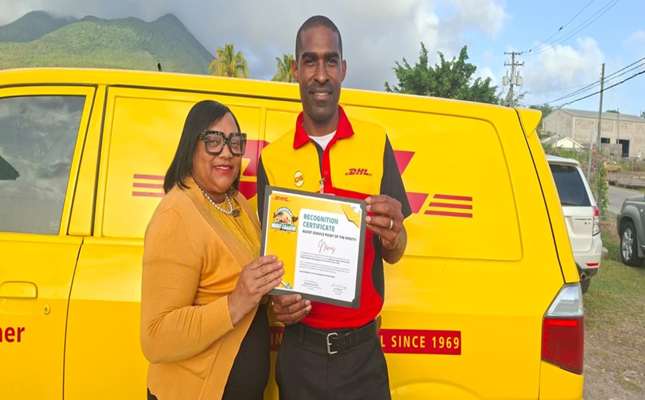
    In a press release published by the TDC Group on July 3, 2026, DHL Nevis has earned one of the Caribbean region’s top honors for logistics service delivery: the Caribbean Hero League Agent Service Point of the Month Award for May 2026.

    Launched to celebrate standout DHL service locations across the Caribbean, the Caribbean Hero League program assesses nominees on four core criteria: operational excellence, sustained customer satisfaction, collaborative teamwork, and strict adherence to DHL’s globally recognized service standards. Claiming the monthly award cements DHL Nevis’s position among the highest-performing DHL outlets in the entire Caribbean region. The award-winning team, led by supervisor Lavern Liburd and including courier Kevin Franklyn, has already been celebrated internally for the milestone achievement.

    Laughton Herbert, Manager of DHL Nevis, emphasized that the regional honor is a direct reflection of the entire team’s consistent commitment to service quality. “This recognition is a testament to the dedication, professionalism, and passion of our entire team,” Herbert noted. “Every day, we strive to provide our customers with reliable, efficient, and friendly service. Receiving this award motivates us to continue raising the bar and reinforces our commitment to excellence.”

    Ernie France, Head of Nevis Operations, extended official congratulations to the local team, noting that the accomplishment brings well-deserved regional attention not only to DHL Nevis but also to its parent organization, the TDC Group. “We are extremely proud of the DHL Nevis team for earning this regional recognition,” France said. “Their dedication to delivering outstanding customer service and representing the DHL brand with professionalism has brought well-deserved recognition to Nevis and by extension the TDC Group.”

    France added that the honor underscores the team’s track record of not just meeting but exceeding the service expectations of domestic customers across Nevis, while upholding the rigorous global standards that define the DHL brand. Beyond recognizing internal performance, the award also highlights the critical economic role DHL Nevis plays in the local economy: connecting small-scale sellers, large businesses and individual customers to global supply chains and international markets through consistent, dependable logistics and courier services. By prioritizing timely, efficient delivery solutions, the team has built and strengthened long-term customer trust in the DHL brand across the island of Nevis.

    This press release was originally distributed via SKNVibes.com, which published the release in the form it was received.

  • Cricket West Indies Announces Strategic Engagement with Teneo

    Cricket West Indies Announces Strategic Engagement with Teneo

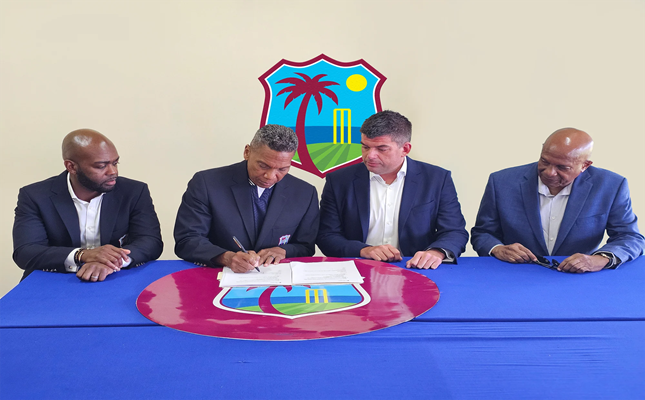
    ST. JOHN’S, Antigua, July 2, 2026 – Cricket West Indies (CWI), the governing body for international cricket across the Caribbean region, has announced a landmark strategic advisory engagement with Teneo, a global advisory firm with deep roots in the Caribbean and a proven portfolio working with elite international sports organizations. The partnership, which received formal approval from the CWI Board of Directors during its June 27 meeting, is structured to advance CWI’s ongoing organizational, financial, and commercial restructuring efforts, with the goal of locking in long-term institutional sustainability.

    Teneo has established a strong reputation for designing innovative commercial frameworks across multiple top-tier global sports, including cricket, football, motorsport, and tennis. Under the terms of the newly signed Memorandum of Understanding, Teneo will collaborate directly with CWI’s executive leadership to conduct an independent assessment of the governing body’s current reorganisation and cost optimization projects. The core focus of this review will be identifying opportunities to strengthen operational efficiency, improve financial resilience, and boost commercial performance to create a more stable foundation for CWI’s future.

    Leading the engagement will be two senior Teneo leaders: Brian Glasgow, the firm’s CARICOM Chairman, and David Collins, Teneo Managing Director. The pair will draw on support from a network of over 1,800 specialized professionals across Teneo’s more than 50 global offices to deliver targeted, data-driven insights for CWI.

    In comments following the announcement, CWI Chief Executive Officer Chris Dehring highlighted the unique value Teneo brings to the region’s most iconic sporting institution. “The West Indies cricket brand is one of the most powerful and recognizable in all of global sport,” Dehring explained. “To turn that extraordinary brand recognition into lasting operational strength, we needed a partner that understands how to leverage that legacy for growth. Teneo has that expertise, having advised some of the most legendary names in global sport, including Manchester United.”

    Dehring added that the independent perspective Teneo provides fills a critical gap in CWI’s existing transformation roadmap. “This engagement gives us an impartial, external lens on the work we have already started, allowing us to test our strategic assumptions and ensure we are building on the most solid foundation possible,” he said. “This is a logical next step in delivering on our 2024-2027 Strategic Plan, our broader agenda to modernize CWI for the future.”

    Glasgow echoed that enthusiasm, noting that CWI holds a unique place far beyond the world of sport for Caribbean communities. “Cricket West Indies is far more than a sporting organization,” Glasgow said. “It is a symbol of Caribbean pride, shared identity, and collective achievement that has united our region for generations. We are honored to have been invited to support CWI, and we look forward to working closely with its leadership, stakeholders, and partners as they build for the next chapter of the sport.”

    “CWI has already done significant heavy lifting to develop its vision for the future, and we are excited to bring our specialized experience in organizational, financial, and commercial advisory to support that work,” he continued. “Our core goal is to help strengthen the foundations for long-term success, so that CWI can continue investing in grassroots and elite cricket, create new opportunities for upcoming generations of Caribbean players, and unlock the full potential of one of the most beloved brands in global sport.”

    The new partnership builds on a series of ongoing restructuring efforts already underway at CWI, including initiatives to strengthen institutional governance, rebuild the talent development pipeline, and deepen collaborative engagement with territorial cricket boards and regional stakeholders across the Caribbean.

  • NIA Announces Moroccan Scholarship Program 2026-2027

    NIA Announces Moroccan Scholarship Program 2026-2027

    CHARLESTOWN, Nevis – July 2, 2026 – The Nevis Island Administration (NIA) Ministry of Human Resources has officially announced a new fully-funded higher education scholarship opportunity for qualifying citizens of St. Kitts and Nevis, extended by the Embassy of the Kingdom of Morocco for the 2026-2027 academic year.

    This diplomatic scholarship initiative covers all core academic and living costs for successful applicants, including full tuition coverage, mandatory university registration fees, student health insurance, course materials and academic supplies, on-campus or university-arranged accommodation, a consistent monthly stipend to cover daily personal expenses, and round-trip international airfare between St. Kitts and Nevis and Morocco. Per the program agreement between the two nations, St. Kitts and Nevis may nominate one candidate to fill the available scholarship slot for this cycle.

    The scholarship is open to students seeking both undergraduate and graduate degrees across a diverse range of in-demand fields. For bachelor’s degree seekers, available programs include Business Administration, International Studies, Communication Studies, Computer Science, Engineering and Management Science, General Engineering, and Renewable Energy Systems Engineering. At the master’s level, eligible programs cover Business Administration, International Studies & Diplomacy, Big Data Analysis, and Sustainable Energy Management.

    Strict eligibility criteria have been outlined to streamline the selection process. Candidates applying to bachelor’s programs must be under 21 years of age, hold or be scheduled to receive a CAPE or Associate’s Degree in 2025 or 2026, and maintain a minimum cumulative academic average of 95%. For master’s program applicants, candidates must hold an accredited bachelor’s degree with a minimum cumulative average of 95%.

    All applicants are required to submit a complete set of documentation for review, including a cover letter clearly stating the applicant’s desired field of study, certified copies of relevant academic credentials (CAPE/Associate’s Degree for bachelor’s candidates, bachelor’s degree for master’s candidates), certified academic transcripts, a certified birth certificate, a valid copy of a government-issued passport, an official recent criminal record check, two recent colored passport-sized photographs, and a medical certificate confirming the applicant’s full mental and physical fitness, up-to-date vaccination status, and the absence of any contagious or acute health conditions.

    Prospective applicants can access additional program details through Al Akhawayn University’s official website at https://aui.ma/. All completed application packages must be submitted to the NIA Ministry of Human Resources no later than Wednesday, July 8, 2026, to be considered for the nomination. For further questions regarding eligibility requirements, selection criteria, the application process, or document submission, interested candidates may contact any of the following Ministry personnel: Ms. Hardai Beephat, Ms. Corissa Griffin, Mrs. Shelly Liburd, or Mrs. Shanola Murrey-Gill via the published email addresses or phone extensions.

    This press release was distributed by the NIA and published as received by SKNVibes.com, which notes it does not edit for spelling or grammatical errors in received press content, and views expressed do not necessarily reflect those of the outlet, its sponsors, or advertisers.

  • Sandy Point Benevolent Society (SPBS) mourns the passing of Founder and President, Dr. Stewart Orlyn Williams

    Sandy Point Benevolent Society (SPBS) mourns the passing of Founder and President, Dr. Stewart Orlyn Williams

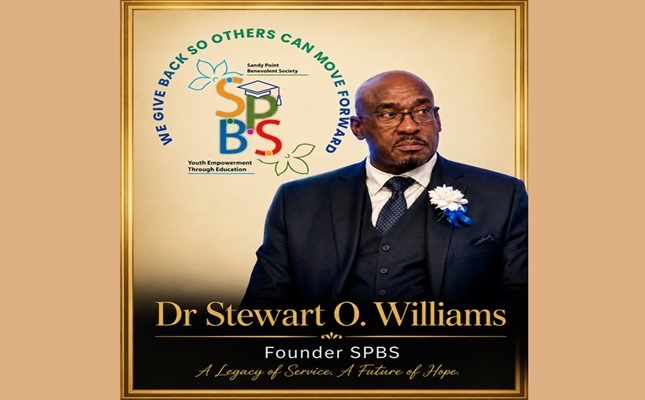
    The Sandy Point Benevolent Society (SPBS), a leading non-profit focused on educational empowerment and community outreach, has confirmed the passing of its visionary founder and sitting president, Dr. Stewart Orlyn Williams. Dr. Williams died peacefully on June 26, 2026, after a months-long public battle with glioblastoma, an aggressive and incurable form of brain cancer. The official announcement of his death was released by SPBS in a press statement dated July 2, 2026.

    A native of the Sandy Point community, Dr. Williams was a 1976 alumnus of Sandy Point High School and built a respected professional career as a chemist. But his most enduring impact came from his lifelong commitment to lifting up the next generation in his hometown. What started as a small project among seven close friends to honor top-performing students at the local high school through the Principal’s Award grew dramatically under Dr. Williams’ steady leadership, eventually evolving into the formal non-profit SPBS nearly 20 years ago.

    Over the course of his decades of service, Dr. Williams held the role of SPBS president twice: first from 2005 to 2009, and again from 2015 until his passing in 2026, making him the organization’s longest-serving president to date. Driven by unshakable dedication, radical integrity, and deep compassion for his community, he expanded SPBS’ programming to include need-based scholarships, one-on-one youth mentorship, accessible educational resources, and broad charitable outreach across the region. Thousands of young people have benefited from these initiatives, going on to launch successful careers as doctors, accountants, educators, religious leaders and other professionals that might otherwise have been out of reach.

    Beyond his public contributions, those who knew Dr. Williams remember him as a devoted spouse and father, a loyal confidant, and a thoughtful leader whose quiet generosity and sharp wisdom left a mark on every person he met. His core belief—that those who have succeeded owe a debt to lift up those coming behind them—became the foundational ethos of SPBS, and is still reflected in the organization’s mission statement: “We give back so others can move forward”.

    Dr. Williams is survived by his loving wife Vernice Williams, his three daughters Sherise, Lauren, and Allison, his beloved grandchildren, his brother Lorenza “Larry” Williams, and a wide network of extended family, friends, colleagues, and community members whose lives he transformed through his work.

    The SPBS Executive Board and entire membership have extended their deepest sympathies to the Williams family, saying they are praying for divine comfort, resilience, and peace for the family during this period of grief. While the organization mourns the loss of its founding leader, members are also celebrating the extraordinary life of purpose and service Dr. Williams built.

    In a commitment to honor his legacy, SPBS has pledged to carry forward the work Dr. Williams spent decades building, continuing to expand access to educational opportunity, mentorship, and community service that transforms lives. Dr. Williams’ impact will not end with his passing; his legacy will continue to guide and inspire generations of community leaders and SPBS members for years to come.

    Rest well, Dr. Stewart O. Williams. Your work on earth is done, but the good you created lives on forever.

  • Chinese Economic Citizens Put St. Kitts and Nevis’ CBI Programme Under Renewed International Scrutiny

    Chinese Economic Citizens Put St. Kitts and Nevis’ CBI Programme Under Renewed International Scrutiny

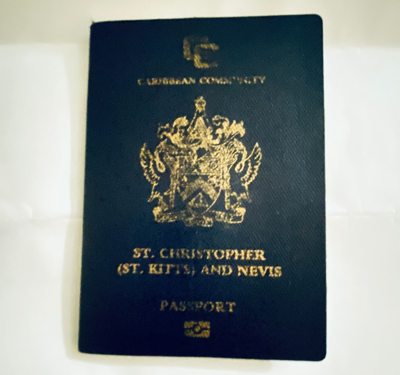
    Against a backdrop of growing global scrutiny of investment migration schemes, the Federation of St. Kitts and Nevis is moving forward with a landmark security reform for its long-standing Citizenship by Investment (CBI) programme, announcing mandatory biometric data collection for all economic citizens to address mounting international concerns over program abuse. As the world’s first ever CBI initiative, launched in 1984 to drive foreign direct investment and diversify the small Caribbean nation’s economy after the 2005 collapse of its sugar industry, the program has grown into the country’s core economic pillar, generating billions in cumulative investment over four decades to fund public infrastructure, social services, tourism development and national growth projects. Today, it counts more than 56,000 economic citizens – a number that exceeds the nation’s total resident population of just over 53,000. Despite years of incremental reforms to strengthen due diligence and transparency, the program has been thrown back into the international spotlight after a string of high-profile transnational financial crime investigations implicating Chinese-born economic citizens of the federation, prompting new scrutiny from major Western powers including the United States, the United Kingdom and the European Union. Prime Minister and Finance Minister Dr. Terrance Drew confirmed in a recent announcement that starting next August, all economic citizens will be required to complete mandatory biometric registration, with non-compliance resulting in the deactivation of their passports. Drew framed the new rule as a critical next step to safeguard the program’s integrity and reassure global partners of its robust security framework. The push for new oversight comes in the wake of two widely publicized 2026 cases that have drawn global attention to the risks of unmonitored post-citizenship conduct. In the first, the U.S. Department of State offered a $4 million reward under its Transnational Organized Crime Rewards Program for the arrest of Daren Li, a Chinese national who gained St. Kitts and Nevis citizenship through the CBI program. U.S. authorities accuse Li of leading a transnational cryptocurrency scam ring that defrauded thousands of investors across Southeast Asia, generating billions in illicit proceeds through money laundering. The second case saw Chinese national Qian Zhimin, who traveled on a St. Kitts and Nevis passport, sentenced to 11 years in prison in the U.K. for her role in laundering $6.3 billion in proceeds from a cryptocurrency fraud that targeted more than 130,000 Chinese investors. Prosecutors called the case one of the largest cryptocurrency fraud investigations in U.K. history. While these cases represent a tiny fraction of the thousands of individuals who have obtained citizenship through the program, experts warn that even isolated incidents can carry severe diplomatic and economic costs for a small nation whose passport’s value hinges entirely on global confidence in its security protocols. The mounting scrutiny has already had tangible consequences: Ireland revoked visa-free access for St. Kitts and Nevis passport holders last year, aligning its immigration policy with broader regional security concerns over CBI programs. The EU has also repeatedly warned Caribbean CBI jurisdictions that continued visa-free access to the Schengen Area depends on maintaining rigorous security and due diligence standards, while the U.S. has ramped up its own oversight of regional CBI schemes over fears of financial crime, identity fraud and national security risks. At the heart of the ongoing debate is a core policy tension: while St. Kitts and Nevis officials note the country already conducts extensive pre-approval due diligence, contracting multiple international agencies to run comprehensive background checks on all applicants, critics point out that no pre-screening process can predict criminal activity that occurs years after citizenship is granted. Local legal experts and opposition figures have echoed this nuance, noting that governments cannot reasonably be held responsible for offenses committed long after an applicant has completed the approval process, even as they acknowledge the need for stronger post-citizenship monitoring to protect the program’s reputation. Addressing calls for a full ban on Chinese applicants in response to the recent cases, prominent local attorney Azard Gumbs stressed that policy decisions must prioritize national interest over program revenue, and be rooted in evidence-based risk assessment rather than prejudice. “St. Kitts and Nevis must always put national interest first,” Gumbs said. “Our CBI program does not operate in a vacuum; decisions in Washington, London and Brussels have a direct impact on our visa-free arrangements and our passport’s reputation. We must continuously assess jurisdiction-specific risks based on national security, international obligations and the need to protect the program’s integrity.” The geopolitical context adds an extra layer of complexity to the issue: while St. Kitts and Nevis maintains formal diplomatic relations with Taiwan rather than the People’s Republic of China, Chinese nationals have long been one of the largest applicant groups for the country’s CBI program. Some local observers have also raised broader concerns that a shift in diplomatic relations toward China could lead to an influx of migrants and large-scale exploitation of the country’s natural resources and labor, mirroring patterns reported in neighboring Guyana, where a Chinese mining firm reportedly extracted $718 million in natural resources in 2025 alone. The planned biometric registration requirement is the latest in a series of reforms successive St. Kitts and Nevis administrations have rolled out to bring the program in line with evolving international standards. Past changes have included enhanced due diligence by third-party international firms, mandatory in-person applicant interviews, tighter restrictions on legal name changes, and expanded information sharing with foreign governments. Government officials argue the new biometric requirement will strengthen identity verification, improve traceability of economic citizens, and demonstrate the federation’s ongoing commitment to maintaining one of the world’s most secure CBI programs. For St. Kitts and Nevis, the stakes of the ongoing reform effort could not be higher. The CBI program is not merely a source of government revenue – it is the cornerstone of the country’s economy, having buffered the nation through global crises ranging from the 2008 financial crisis to the COVID-19 pandemic. Its long-term survival depends on balancing the need to attract qualified foreign investment with the need to maintain the trust of visa-waiver partners, whose agreements underpin the program’s global appeal. As global pressure to strengthen CBI oversight continues to build, St. Kitts and Nevis finds itself at a critical crossroads. The new biometric requirement marks a clear acknowledgment that the world’s first modern CBI program must evolve to meet 21st-century security expectations, and the success of these reforms will shape the program’s future – and the nation’s economic trajectory – for decades to come.