标签: Saint Kitts and Nevis

圣基茨和尼维斯

  • Suriname Ambassador urges stronger regional action against human trafficking

    Suriname Ambassador urges stronger regional action against human trafficking

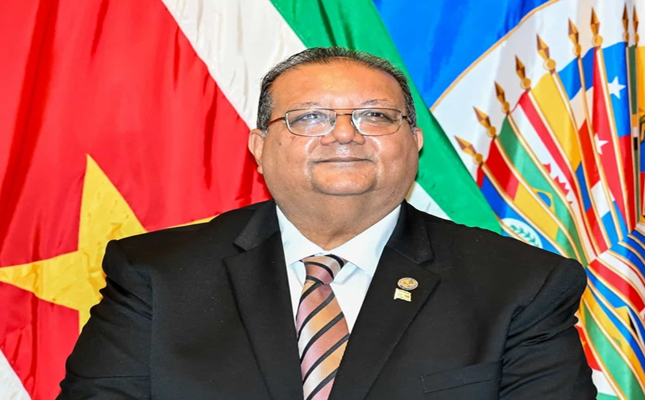
    On the occasion of the United Nations World Day Against Trafficking in Persons, marked during a formal meeting of the Organization of American States Permanent Council at its Washington D.C. headquarters, Suriname’s top envoy to the hemispheric body has issued an urgent call for stepped-up collective action to dismantle transnational human trafficking networks operating across the Caribbean and Americas.

    Ambassador Marlon Faisal Mohamed-Hoesien, Suriname’s Permanent Representative to the OAS and current Chair of the CARICOM Caucus, used the high-profile platform to highlight the unique structural vulnerabilities that make Caribbean nations particularly attractive to criminal trafficking groups. While he praised existing regional and hemispheric efforts to curb the crime, he stressed that the evolving nature of human trafficking demands far more coordinated, cross-border collaboration to address gaps in protection and regulation.

    In his address to the council, the ambassador framed all forms of human trafficking—including sexual exploitation, forced labor, and every other iteration of modern slavery—as an egregious violation of fundamental human rights that cannot be overlooked, accepted, or downplayed by member states. He explained that for Caribbean nations, weak maritime border controls and widespread economic fragility have turned the region into both a key transit corridor and an end destination for criminal trafficking operations.

    Beyond long-standing challenges, Mohamed-Hoesien drew attention to the emerging threat of digital exploitation, noting that the rapid expansion of digital economic activity across small island and low-lying coastal Caribbean states has far outpaced the development of regulatory frameworks. This regulatory gap has created an opening that transnational criminal networks are actively exploiting to expand their operations, he said. Unlike traditional trafficking models that rely on physical border crossings, criminal syndicates now use digital platforms to recruit vulnerable people, move victims across borders undetected, and turn the internet into an unregulated marketplace where vulnerable people are sold to the highest bidder.

    The ambassador added that pre-existing socioeconomic stressors—including widespread poverty, systemic inequality, irregular migration, high rates of gender-based violence, and displacement driven by climate change and natural disasters—have further increased the vulnerability of communities across the region. He specifically noted that women and children bear the disproportionate brunt of modern trafficking, facing elevated risks of online recruitment, grooming, and digital exploitation at the hands of criminal networks.

    Despite these growing challenges, Mohamed-Hoesien acknowledged the proactive steps already being taken by regional authorities to raise public awareness and strengthen survivor protection measures. He highlighted the critical work of multistakeholder bodies such as the Caribbean Coalition Against Trafficking in Persons, which brings together national governments, law enforcement agencies, and civil society organizations to align anti-trafficking strategies and disrupt network operations. He also emphasized that robust cybersecurity infrastructure is an indispensable component of any effective modern anti-trafficking framework, given the growing role of digital platforms in criminal activity.

    Closing his address, the ambassador issued a formal call to both regional bodies and international partners to deepen collaboration and deliver concrete, actionable commitments to counter human trafficking in all its traditional and evolving forms, ensuring better protection for vulnerable communities and stronger accountability for criminal actors.

  • CPL to honour Sir Garfield Sobers with minute’s applause across tournament

    CPL to honour Sir Garfield Sobers with minute’s applause across tournament

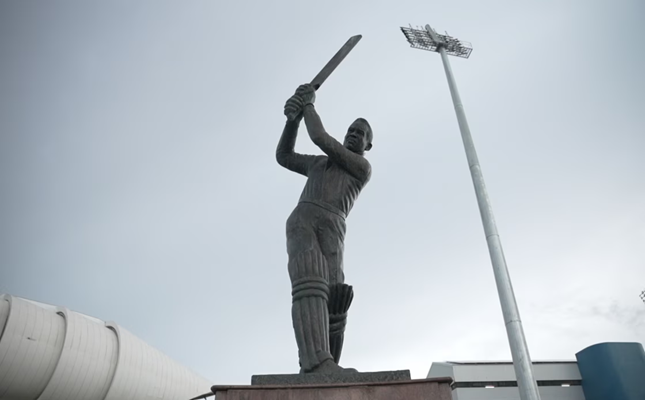
    The 2026 Republic Bank Caribbean Premier League (CPL) is set to honor the legacy of iconic cricketer Sir Garfield Sobers, universally celebrated as the greatest all-rounder in the history of the sport, with a coordinated one-minute applause ahead of the opening match at every host venue across the tournament this season.

    This commemorative gesture will take place once in each Caribbean territory that hosts CPL matches, ensuring that cricket supporters in every nation on the tournament’s circuit get an opportunity to pay their respects to Sir Garfield’s life and indelible impact on the sport. For countless fans across the region, this gathering will mark the first public chance to collectively acknowledge how deeply Sir Garfield’s contributions to Caribbean cricket shaped their love of the game, uniting crowds in celebration of the man who redefined what Caribbean cricket could achieve on the global stage.

    Sir Garfield Sobers passed away on July 17, 2026, at his home in Saint Michael, Barbados, at the age of 89. Over his storied 20-year international career spanning 1954 to 1974, he represented the West Indies in 93 Test matches, amassing 8,032 runs at an average of 57.78 including 26 centuries, and claiming 235 wickets. His record-breaking unbeaten 365 runs against Pakistan in 1958 held the title of the highest individual Test score for 36 years, and he made history as the first batsman ever to hit six sixes in a single over in first-class cricket, a legendary feat he accomplished playing for Nottinghamshire against Glamorgan in 1968. He also served as captain of the West Indies national team from 1965 to 1972.

    “Sir Garfield Sobers did not just play cricket, he defined what was possible in the sport,” said Pete Russell, Chief Executive Officer of Republic Bank CPL, in a statement announcing the tribute. “He gave West Indies cricket its identity on the world stage and inspired generations of players across the region to believe in their own greatness. It is only fitting that every ground we play on this season pauses to honour him.”

    Beyond the pre-match applause, the CPL has confirmed it will roll out additional tributes to Sir Garfield’s decades of contributions to West Indies and global cricket throughout the 2026 season, including special recognition at the tournament final, which will be held this year at Kensington Oval in Barbados, Sir Garfield’s beloved home ground.

  • Government extends temporary relief measures to cushion rising fuel and shipping costs

    Government extends temporary relief measures to cushion rising fuel and shipping costs

    BASSETERRE, St. Kitts — In a proactive move to shield local households and businesses from persistent global economic headwinds, the Government of Saint Kitts and Nevis has greenlit an extension of its temporary cost-of-living relief program through September 30, 2026. The announcement was made official by Cabinet Secretary Dr Marcus L Natta during the July 28 Post-Cabinet Briefing.

    The relief initiative was first rolled out earlier this year as an emergency policy response to skyrocketing international fuel and shipping rates. The original price surge stemmed from prolonged geopolitical tensions in the Middle East, which have disrupted global supply chains and sent ripple effects through every corner of the global economy, driving up the cost of living for households and raising operating expenses for domestic businesses. For the period between April 30 and July 31 2026, the cabinet rolled out a package of targeted temporary fiscal adjustments designed to lower the cost of imported goods and cool inflationary pressure on fuel prices across the federation.

    After reviewing economic conditions on the advice of the Ministry of Finance, the cabinet has approved extending the full set of existing relief measures from August 1 through the end of September, with all original terms and conditions remaining unchanged. The extended package retains three core provisions: a 50 percent cut to the excise tax for qualifying gasoline, a 50 percent reduction in customs service charges for gasoline imports, and the exclusion of shipper-imposed surcharges from the base calculation for customs taxes and import duties.

    The original program was scheduled to expire on July 31, 2026. However, ongoing geopolitical shifts have kept international fuel markets volatile and shipping costs unpredictable, prolonging the inflationary pressures that weigh on consumers and business operators across Saint Kitts and Nevis. Faced with this sustained uncertainty, government officials characterized the extension as a prudent policy choice to ensure residents and enterprises continue to receive tangible, meaningful support.

    Authorities note the extended relief will deliver targeted support to both domestic consumers and business owners, sustain ongoing local economic activity, and help soften the blow of elevated global energy and logistics costs on the federation’s domestic economy. The government of Saint Kitts and Nevis reaffirmed its commitment to continuing close monitoring of global economic trends, and pledged to take timely, responsible policy action whenever necessary to protect the economic well-being of its population.

  • WMO Warns Intensifying El Niño to Drive Hotter Temperatures, Drought Through October

    WMO Warns Intensifying El Niño to Drive Hotter Temperatures, Drought Through October

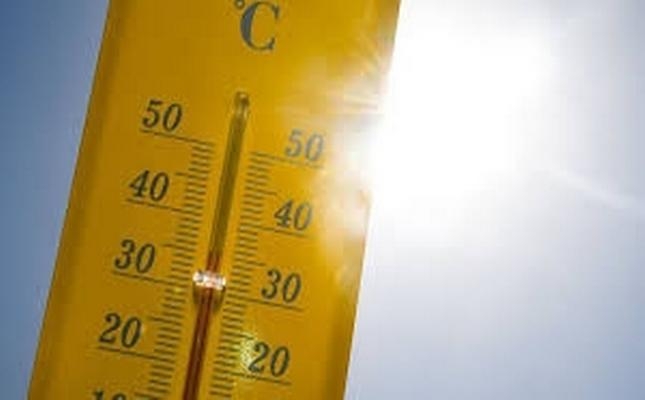
    As communities across North America, Europe and the Caribbean grapple with ongoing record-breaking heatwaves and growing climate disruption, the World Meteorological Organization (WMO) has issued a stark warning: intensifying El Niño conditions are set to shape global weather patterns through at least the end of October 2026, raising the probability of widespread above-average temperatures and severe disruptions to global rainfall cycles.

    The updated advisory arrives at a moment when extreme heat is already battering multiple regions, with parts of the U.S., Canada, France, Germany and Italy hitting all-time or near-record high temperatures. This relentless heat has in turn sparked extensive wildfires that have claimed lives and destroyed vast swathes of land across several continents.

    In its latest official El Niño outlook published in August 2026, the WMO confirmed that the climate pattern will continue gaining strength through the August–October 2026 window. “El Niño is expected to dominate global climate patterns in the August-October 2026 season, increasing the likelihood of above-normal temperatures across much of the world and driving significant shifts in rainfall patterns,” the agency stated.

    WMO experts added that the strengthening El Niño, when combined with already abnormally warm global ocean temperatures and the forecast formation of a positive Indian Ocean Dipole, will amplify weather disruptions across the globe in the coming months. The resulting rainfall pattern aligns with the traditional El Niño signature: some regions will face far wetter conditions than average, while many others will see a sharp jump in drought risk.

    Top climate forecasting centers from around the world project that seasonal average sea surface temperature anomalies in key El Niño monitoring zones will surpass 2.9°C. Alongside this, a positive Indian Ocean Dipole—where western Indian Ocean waters warm beyond average while eastern Indian Ocean waters cool— is also on track to develop. Combined, these interconnected climate drivers will drastically increase the likelihood of drought, flooding and wildfires, especially across the Indian Ocean Basin. Meanwhile, tropical Atlantic sea surface temperatures are also predicted to stay well above long-term averages.

    For Caribbean nations, the forecast has prompted urgent calls for preparation, as many territories have already recorded months of below-average rainfall. Governments and residents are being urged to enact early water conservation measures to avoid a full-blown water security crisis.

    In the Federation of St. Kitts and Nevis, officials have already activated a national drought watch, implementing restrictions on non-essential water use including garden watering and vehicle washing with hoses to protect shrinking reservoir supplies. Senior Meteorological Officer Elmer Burke told reporters in a June press briefing that rainfall across the country has fallen drastically short of long-term averages.

    “As we know, St. Kitts and Nevis, similar to other Caribbean countries, have been facing impacts of drought for the past few months to varying degrees,” Burke explained. “Based on rainfall totals observed at the RLB International Airport up to the end of May, we have recorded 8.66 inches of rainfall compared with our long-term average of 15.5 inches for the same period. That represents a deficit of 6.84 inches, meaning the Federation has received only about 56 per cent of its normal rainfall through the end of May, based on climatological data from 1990 to 2020.”

    The dry trend worsened through June, when just 0.05 inches (1.3 millimetres) of rain was recorded at RLB International Airport—far below the typical June average of 3.41 inches. Burke warned that even though the Atlantic hurricane season can bring heavy rain events, these isolated downpours are unlikely to reverse the overall dry pattern gripping the region.

    “We are not saying that there won’t be any heavy rainfall events during the hurricane season, but based on the major climatic drivers, the overall trend is for below-normal rainfall across the region during this period,” he said. If dry conditions persist, the country could be forced to implement formal water rationing to protect critical supplies.

    El Niño is a naturally occurring climate cycle that emerges every two to seven years, typically lasting between nine and 12 months. It generally begins forming between March and June, peaks between November and February, and exerts its strongest influence on global temperatures in the year after it first develops.

    The severity and impacts of each El Niño event vary based on a range of factors, including its strength, duration, timing, and how it interacts with other climate systems such as the Indian Ocean Dipole. While some regions gain extra rainfall, others face extended dry spells and elevated wildfire risk. It is important to note that extreme weather events can also occur during neutral ENSO (El Niño-Southern Oscillation) conditions. The WMO classifies El Niño events as weak, moderate, strong or very strong; while the term “super El Niño” is widely used in public discourse, it is not part of the organization’s official classification framework.

  • PAHO calls for stronger safeguards against digital marketing that undermines breastfeeding

    PAHO calls for stronger safeguards against digital marketing that undermines breastfeeding

    Ahead of 2026 World Breastfeeding Week, held from 1 to 7 August, the Pan American Health Organization (PAHO) has issued an urgent call to countries across the Americas to ramp up protections for new and expecting families against the booming, increasingly sophisticated digital marketing of breast-milk substitutes that threatens to undermine global breastfeeding progress. The call comes as public health data reveals that the digital transformation of consumer marketing has created new, underregulated barriers to evidence-based infant feeding decision-making, at a time when regional breastfeeding rates still fall far short of global public health targets.

    Breastfeeding is universally recognized by global health authorities as one of the most impactful public health interventions available. It delivers optimal nutrition to infants, boosts their developing immune systems, cuts long-term risk of chronic and acute illness, and supports healthy physical and cognitive growth. For birthing parents, it also carries significant long and short-term health benefits, from reduced postpartum complication risk to lower rates of certain chronic diseases. Despite these well-documented advantages, current regional data shows that only 43 percent of infants in Latin America and the Caribbean are exclusively breastfed for their first six months of life – a figure that sits well below the World Health Organization’s 2030 global target of 60 percent exclusive breastfeeding.

    PAHO officials warn that the unregulated digital marketing of breast-milk substitutes has emerged as a major, underaddressed driver of this gap. Unlike traditional print or broadcast advertising, modern digital marketing tactics operate largely outside public and regulatory scrutiny. Brands leverage personalized algorithms, artificial intelligence, social media platforms, and influencer partnerships to target vulnerable groups: pregnant people, new mothers, and primary caregivers with hyper-specific, tailored messaging that often contradicts evidence-based public health guidance. According to regional researchers, more than 80 percent of all marketing for breast-milk substitutes now takes place across digital channels, making this the primary space where families encounter commercial messaging around infant feeding.

    New data presented at a recent PAHO regional seminar on breastfeeding protection underscores the scale of the regulatory gap. Just 45 percent of countries in Latin America and the Caribbean have implemented national measures aligned with the International Code of Marketing of Breast-milk Substitutes, the global framework first adopted by the World Health Assembly in 1981 to restrict inappropriate marketing of infant formula and other substitutes. Only two nations, Brazil and Argentina, have achieved full substantial alignment with the Code, while many small Caribbean nations still lack any specific national legislation governing breast-milk substitute marketing. Even in countries with existing regulations, regional monitoring found widespread potential violations across social media platforms, brand websites, and other digital channels, where the vast majority of modern marketing activity now occurs.

    Research from the Institute of Nutrition of Central America and Panama (INCAP) confirms the tangible public health harm of this unregulated activity. Studies conducted across Central America found that caregiver exposure to digital marketing for breast-milk substitutes is directly linked to higher rates of early formula use, and cuts the likelihood that a child will be breastfed beyond 12 months by nearly 50 percent. “Marketing and promotion of commercial milk formula products have evolved, and the digital environment remains a regulatory gap that has yet to be adequately addressed,” noted Mónica Mazariegos, an INCAP researcher. “Digital strategies allow companies to reach mothers, fathers, and caregivers frequently and with highly personalized advertising.”

    In response to the evolving threat, the World Health Assembly recently updated its guidance, expanding the scope of the International Code to explicitly cover modern digital marketing practices, including social media campaigns, content creator partnerships, influencer endorsements, and online platform advertising. Experts at the PAHO regional seminar outlined a multi-pronged approach to address the crisis: updating national legislation to explicitly extend marketing restrictions to digital channels, building more robust monitoring and enforcement systems, leveraging new digital tools to proactively detect regulatory violations, and strengthening cross-border regional cooperation to tackle marketing that easily moves between national jurisdictions. Participants also highlighted the critical need for stronger personal data protections and greater transparency around how digital targeted advertising operates, to prevent brands from exploiting personal health data to target vulnerable families.

    PAHO emphasizes that regulatory action to restrict harmful marketing must be paired with direct public health support for breastfeeding families. This includes expanded access to evidence-based breastfeeding counselling, workplace and social policies that enable women to breastfeed for the WHO-recommended six months of exclusive breastfeeding and continued breastfeeding up to two years and beyond, and community support services that help families navigate challenges. “Breastfeeding is far more than an individual choice. It is one of the most effective ways to give children the best possible start in life,” explained Vanessa Garcia Larsen, Chief of PAHO’s Risk Factors Unit. “In the digital age, protecting breastfeeding also means protecting families from commercial practices that may influence their decisions.”

    The ultimate goal of these reforms, Garcia Larsen added, is to ensure that all families have access to objective, evidence-based infant feeding information, free from inappropriate commercial influence. As part of 2026 World Breastfeeding Week, which carries the theme “Breastfeeding for a Sustainable Start in Life: Strengthen What Works,” PAHO will host a virtual regional seminar on August 7 to bring together policymakers, researchers, and public health practitioners to share successful strategies for strengthening breastfeeding policies and support programs across the Americas.

  • St. Kitts and Nevis launches Independence 43 calendar of activities – WIC News

    St. Kitts and Nevis launches Independence 43 calendar of activities – WIC News

    The twin-island federation of St. Kitts and Nevis has officially launched its comprehensive calendar of activities marking the 43rd anniversary of its national independence, kicking off a cross-community celebration period that will run from early August through late October 2026, culminating in the main Independence Day observances on September 19.

    First announced via the St. Kitts and Nevis Information Service (SKNIS) on its official Facebook page, this year’s independence celebrations are organized under the unifying theme “One People, One Vision, Endless Possibility: Independence 43.” The theme was chosen to encapsulate the small Caribbean nation’s ongoing commitment to national unity, inclusive progress, and collective ambition 43 years after it gained full sovereignty in 1983.

    Event planners structured the calendar to engage residents of all ages and demographics across both islands, with programming designed to honor the nation’s unique history, strengthen shared national identity, showcase vibrant local cultural traditions, and highlight decades of progress since independence. A wide range of stakeholder groups including local schools, community associations, religious institutions, cultural organizations, and government agencies will collaborate to host and support events throughout the celebration period.

    The packed lineup of activities covers diverse interests, from solemn commemorative events to interactive educational forums, lively cultural performances, recreational sporting activities, and community-focused gatherings. Key scheduled events open to all residents include:
    – August 1: MV Christmas Disaster Memorial Service, a solemn observance honoring those lost in the historic maritime tragedy
    – Multiple installments of “Conversations: Reflections & The Way Forward,” a four-part discussion series exploring the nation’s past and future development
    – A series of National Colours Days, encouraging residents to wear individual national flag colors in the lead-up to independence: Green on August 28, Yellow on September 4, Red on September 11, White on September 17, and Black on September 25, culminating in Patriotic Day on September 18 where residents are asked to wear full national colours
    – August 29: National Tree Planting Day, a civic-focused event tied to environmental stewardship
    – September 12–19: Taste SKN, a week-long celebration of local cuisine running alongside the East Basseterre Festival that continues through October 4
    – September 13: National Service of Gratitude followed by a public Gospel Concert
    – September 16: National Heroes Day observances, honoring the nation’s pioneering leaders and trailblazers
    – September 19: Main Independence Day celebrations, featuring official ceremonial parades, national award presentations, and patriotic community events marking the 1983 sovereignty proclamation
    – September 20: Kings Amongst Kings Calypso Extravaganza, showcasing top local calypso talent
    – September 26: Brimstone Hill Independence Run, a popular recreational road race held at the iconic historic fortress site
    – September 27: Chronicles of Cory Children’s Book Festival paired with a national Independence Concert
    – October 8: National Elocution Contest Finals, highlighting student public speaking talent
    – October 25: Night of Dance, a showcase of traditional and contemporary local dance

    In addition to these featured events, a wide range of smaller community-led activities will take place across both islands in the weeks leading up to and following the main Independence Day, ensuring that residents across every part of the federation can take part in the national celebration.

  • IMF Warns Middle East Conflict Could Slow Caribbean Growth, Push Up Inflation

    IMF Warns Middle East Conflict Could Slow Caribbean Growth, Push Up Inflation

    Amid the release of its latest updated World Economic Outlook (WEO) report, the International Monetary Fund has issued a fresh warning that escalating Middle East conflict-driven geopolitical risks pose significant downward pressure on Caribbean economies, even as the region’s overall baseline growth projections remain aligned with estimates published earlier this year in April.

    Tensions roiling the Middle East, involving key global players Israel, Iran and the United States, have injected extreme volatility into international energy markets. A temporary disruption of shipping traffic through the Strait of Hormuz, a critical chokepoint that carries roughly 20% of the world’s daily oil supply, has pushed crude prices sharply higher and amplified already persistent inflationary pressures across the globe.
    Following the WEO launch, regional news outlet SKNVibes.com pressed the IMF for clarity on how the most recent geopolitical developments would reshape economic trajectories across the Caribbean’s diverse economies. An IMF spokesperson noted that the impact of the crisis will not be uniform across the bloc: while tourism-dependent economies will bear the brunt of rising import costs for energy and food, net commodity exporting nations in the region stand to gain from improved terms of trade driven by elevated commodity prices.

    Breaking down the new projections, the IMF forecasts that growth among Caribbean economies reliant on tourism will cool to 0.9% in 2026, before bouncing back to 2.5% in 2027. For commodity exporting nations excluding Guyana, growth is projected to climb to 1.5% this year and accelerate further to 3.3% in 2027, a lift largely powered by higher global oil prices. Across the region as a whole, average inflation is projected to accelerate to 6.6% in 2026, with the balance of growth risks firmly tilted to the downside, the Fund emphasized.

    Beyond direct commodity price shocks, the IMF outlined a range of secondary risks hanging over the region. A potential slowdown in the United States – the largest source of tourist arrivals for most Caribbean nations – could further cut into visitor numbers and tourism revenue. Meanwhile, higher import bills paired with tighter global financial conditions are expected to strain domestic economic activity and weaken external balances. Persistently high geopolitical uncertainty and the region’s long-standing structural vulnerability to extreme natural disasters add extra layers of risk to the outlook, the Fund added.

    On the global front, the IMF maintained its broadly stable growth projections from April, forecasting 3.0% global growth in 2026 and 3.4% growth in 2027. Speaking at the WEO press briefing, Petya Koeva Brooks, Deputy Director of the IMF’s Research Department, outlined that the global economy is on track for a V-shaped recovery: 2026 will see slower growth than pre-conflict projections predicted, but activity is set to rebound in 2027. Still, Brooks warned that inflation has become an increasingly stubborn challenge. “Our global headline inflation forecast has been revised upward to 4.7 percent this year, while our core inflation forecast is broadly unchanged. Put simply, the disinflation trend that has been in place since early 2024 has stalled,” she explained.

    Brooks also highlighted surprising resilience in the global economy that has softened the worst-case outcomes of the Middle East conflict. Global markets avoided a catastrophic spike in oil prices thanks to coordinated inventory drawdowns, increased production from non-Gulf oil exporters, and temporary demand-reduction measures. Widespread adoption of renewable energy and falling energy intensity across most major economies have also acted as a buffer against energy price shocks, she noted. After a sharp tightening of global financial conditions in April, conditions have since eased and remain supportive by historical standards, Brooks added.

    When asked what policy guidance the IMF offers to small island developing states in the Caribbean – most of which operate with very limited fiscal room and rely almost entirely on imported fuel – the spokesperson emphasized that policy must center on targeted support for vulnerable households. “Given limited fiscal buffers in many Caribbean countries, fiscal policy should prioritize protecting the most vulnerable through targeted and temporary measures, while avoiding broad-based interventions that distort price signals,” the spokesperson told SKNVibes.

    The IMF stressed that Caribbean nations cannot delay planned fiscal consolidation efforts, noting that rebuilding fiscal buffers is critical given the region’s already high public debt levels, persistent global uncertainty, and ongoing exposure to climate-driven natural disasters. The Fund also recommended that governments strengthen their fiscal frameworks, improve domestic revenue collection, and streamline public spending to boost operational efficiency and preparedness for future economic shocks. “Governments should better target social spending and prioritize high-return public investment,” the spokesperson added.

    To close, the IMF reaffirmed its long-standing commitment to supporting Caribbean nations through targeted policy advice, technical capacity-building assistance, and when appropriate, financing, delivered in coordination with other regional and global international institutions.

  • CARICOM Chair: Emancipation must continue through economic empowerment and opportunity

    CARICOM Chair: Emancipation must continue through economic empowerment and opportunity

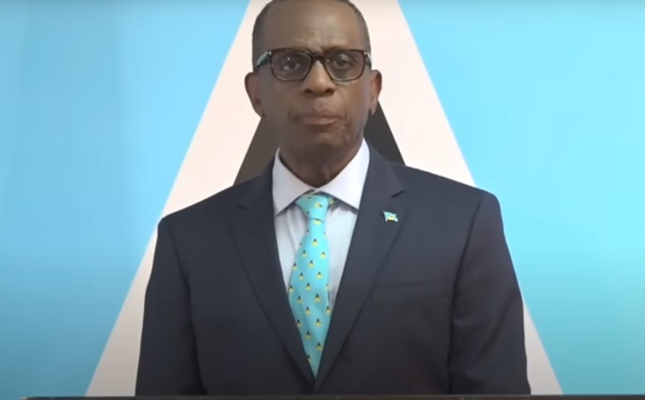
    As Caribbean nations prepare to mark Emancipation Day 2026, pausing to honor the generations of enslaved ancestors who fought and sacrificed for freedom, the Chairman of the Caribbean Community (CARICOM) and Prime Minister of St. Lucia has delivered a powerful call to action, arguing that the region’s centuries-long fight for full emancipation remains unfinished until widespread economic empowerment is achieved for all Caribbean people.

    Across the bloc, countries celebrated the annual commemoration over a long holiday weekend, and in a keynote address from Basseterre, St. Kitts, Pierre emphasized that true freedom extends far beyond the hard-won political independence many Caribbean nations secured in the 20th century. For emancipation to be meaningful, he argued, Caribbean communities must gain equitable access to wealth creation pathways, asset ownership, and inclusive economic opportunity. “They deserve opportunity. They deserve ownership. They deserve prosperity,” Pierre stated. “We must build economies where Caribbean people are creating wealth, not merely consuming it. Where our young people see opportunity at home. Where our entrepreneurs can succeed. Where our farmers, fishers and manufacturers are valued. Where hard work is rewarded with dignity. That is the Caribbean we must build.”

    A central pillar of Pierre’s vision centers on prioritizing youth in all regional development strategies. He stressed that the next generation must be equipped with the cutting-edge skills needed to lead innovation and drive sustainable growth across the bloc. “Every child deserves the chance to dream. Every young person deserves the chance to achieve,” Pierre said. He called on regional education systems to refocus curricula to prepare young people “to innovate, to lead, to build businesses, to master technology, to transform our societies,” while encouraging young Caribbean people to leverage their unique talents and perspectives to strengthen both their home nations and the broader CARICOM community.

    Beyond youth development, Pierre identified two critical infrastructure priorities as foundational to genuine regional independence: food security and energy security. Addressing food security first, he warned that no Caribbean nation can claim true sovereign security if it remains unable to feed its own population. Against a backdrop of persistent global economic uncertainty, skyrocketing commodity costs, and shifting international trade frameworks, Pierre urged regional governments to accelerate investments in local agricultural, fishing, and food production sectors. “Every acre cultivated, every farmer supported, every fisher encouraged, every Caribbean product placed on our supermarket shelves brings us one step closer to genuine independence,” he noted. Currently, the Caribbean collectively carries a massive food import bill, leaving most small island developing states in the region dangerously exposed to external shocks, from global supply chain disruptions to sudden shifts in global trade policy.

    Turning to energy security, Pierre framed the transition to affordable, reliable, cleaner energy as both an economic and environmental imperative for the region. “Our future depends upon affordable, reliable and cleaner sources of energy,” he said. “Not only because it protects our environment, but because it strengthens our economy, creates jobs and lowers the cost of living for our people.” For Pierre, both food and energy sovereignty are not just routine development goals—they are core components of the “unfinished journey of emancipation” that began with the abolition of chattel slavery.

    Pierre also addressed the Caribbean’s longstanding collective campaign for reparatory justice for the transatlantic slave trade and centuries of chattel slavery, clarifying that the regional call for reparations is rooted in demands for truth and historical accountability, not blame or retaliation. “The pursuit of reparations for slavery is not about blame, not about revenge. It is about the truth and justice for the human suffering of slavery,” Pierre explained. He reflected on the resilience of the millions of enslaved African people who retained their dignity, hope, and resistance across generations of systemic dehumanization. “Today, we remember the women, men and children whose bodies were enslaved, but whose spirits could never be conquered,” he said. “Because they endured, because they resisted, because they believed, we stand here today as a free people.”

    Pierre emphasized that Emancipation Day is far more than a historical commemoration: it is a persistent reminder of the struggles past generations overcame, and the uncompleted responsibilities that rest on current Caribbean leadership and communities. “Freedom was never handed to our ancestors. Freedom was demanded. Freedom was fought for. Freedom was paid for with sacrifice, with courage and with an unbreakable faith,” he said. He added that while the abolition of slavery marked a pivotal turning point in the region’s history, it did not erase systemic inequality or deliver full, inclusive freedom overnight.

    Reflecting on the Caribbean’s complex and often traumatic history—including Indigenous dispossession, African chattel slavery, indentured labor systems, and centuries of colonial rule—Pierre highlighted the extraordinary resilience and achievements of Caribbean people that emerged from that trauma. “Out of pain our people created beauty. Out of struggle our people created strength. Out of oppression our people created hope,” he said. “We built nations. We built communities. We built democracies.” He pointed to the region’s globally celebrated contributions to music, literature, art, and culture, reminding Caribbean citizens that they have every right to be proud of their shared identity and collective progress. “We are Caribbean people. We are a proud people. We are a resilient people. And we have every reason to believe in our future.”

    In closing, Pierre urged all Caribbean residents to frame freedom as both an inherited privilege and an intergenerational responsibility. “Every generation inherits more than freedom; it inherits a responsibility,” he said. “Our responsibility is to honour the sacrifices of those who came before us by building a society that is more just, more united and more prosperous than the one they entrusted to us.” He closed with a call to build a unified CARICOM where emancipation is not only marked by annual celebrations, but reflected in the equal access to opportunity and prosperity that shapes the daily lives of all Caribbean people.

  • Trump Administration Makes Visa Bond Programme Permanent; Two Caribbean Nations Included

    Trump Administration Makes Visa Bond Programme Permanent; Two Caribbean Nations Included

    WASHINGTON, D.C. – Building on a year-long trial that program leaders frame as a proven success, the second Trump administration announced Friday it will convert its temporary Visa Bond Pilot Program into a permanent immigration policy, with the new permanent rule taking effect Monday, August 3, 2026.

    First launched earlier this year as a temporary measure targeting temporary visitor overstays, the framework gives U.S. consular officials the authority to require select B-1/B-2 visitor visa applicants – which cover travel for business and leisure purposes – to put down a refundable financial deposit before their visa is approved. Under the permanent rules, the bond amount ranges from $5,000 to $20,000, with individual consular officers adjusting the sum based on each applicant’s specific circumstances.

    The core policy goal of the program is to incentivize compliance with nonimmigrant visa terms, ensuring that temporary visitors exit the U.S. before their authorized period of stay expires. The administration’s formal announcement was published in the Federal Register, where officials laid out their case that the 12-month pilot generated enough data to confirm visa bonds are an effective tool for boosting temporary visitor compliance with immigration rules.

    The interagency evaluation conducted during the pilot, which included input from the U.S. Department of State, Department of Homeland Security, and Department of the Treasury, concluded that the bond system is both operationally feasible and effective at cutting rates of visa overstays, one of the most common sources of unlawful residual presence in the U.S.

    While the majority of nations on the program’s designated country list are African countries, the roster also includes two Caribbean Community (CARICOM) member states: Antigua and Barbuda, and Dominica.

    This permanent codification of the visa bond program aligns with the broader hardline immigration agenda the Trump administration has advanced since returning to office in 2025. Over the past year, the administration has rolled out a suite of policies targeting both unauthorized and legal immigration, including stricter visa screening protocols, expanded interior immigration enforcement raids, and increased deportation numbers.

    Administration officials have repeatedly emphasized that visa overstays account for a large share of people who remain in the U.S. in violation of immigration law. By tying compliance to a refundable financial deposit, officials argue the program creates a direct financial incentive for visitors to abide by their visa terms and depart on schedule. The pilot was initially rolled out for dozens of countries earlier this year, with the designated country list expanded in a May 2026 update ahead of the permanent transition.

    In addition to the visa bond program, the administration has advanced another controversial immigration policy change affecting international students and foreign journalists: replacing the longstanding “Duration of Status” rule, which allows authorized stay for the duration of an individual’s academic program or journalistic assignment, with fixed maximum periods of authorized stay. That proposal has sparked sharp pushback from student advocacy groups and media organizations, which warn the change will introduce unnecessary uncertainty for people legally residing, studying, and working in the United States.

    According to the Federal Register notice, the permanent visa bond program is being implemented to fulfill the mandates of Executive Order 14159, titled “Protecting the American People Against Invasion,” which directs all federal immigration agencies to strengthen enforcement measures and improve overall compliance with U.S. immigration law.

  • Message from the CARICOM Reparations Commission

    Message from the CARICOM Reparations Commission

    On 1 August 2026, Emancipation Day, the Caribbean Community (CARICOM) Reparations Commission has issued a formal message honoring the legacy of enslaved African ancestors who fought against chattel slavery, while marking a historic turning point in the global movement for reparatory justice.

    The commission opened its message by paying tribute to the courage, relentless resistance and unwavering determination of generations of enslaved people who overthrew one of the most cruel and long-standing systems of racial oppression in modern history. As communities across the Caribbean, Africa, and the global African diaspora gather to celebrate the hard-won emancipation from chattel slavery, the commission emphasized that the broader struggle for full justice, human dignity, and racial equality remains incomplete.

    This year’s Emancipation observance carries unique global significance, coming less than five months after the United Nations General Assembly adopted a landmark declaration on 25 March 2026 that formally classifies the transatlantic trafficking of enslaved Africans and the system of racialized chattel slavery as the gravest crime against humanity. This unprecedented international recognition validates a position that descendant communities, academic researchers, and racial justice advocates have advanced for decades: that the transatlantic slave trade and chattel slavery were not merely exploitative labor systems, but brutal, dehumanizing crimes whose intergenerational harm continues to shape the social, economic, political, and developmental outcomes of Caribbean nations and African diaspora communities around the world. The UN resolution strengthens the moral and political foundation for demands of reparatory justice, representing a critical milestone in the international community’s formal acknowledgment of historical truth.

    The 2026 Emancipation Day also coincides with preparations for the 25th anniversary of the Durban Declaration and Programme of Action, the landmark framework adopted at the 2001 World Conference Against Racism, Racial Discrimination, Xenophobia and Related Intolerance. To date, the Durban Declaration remains the most comprehensive international agreement designed to address the persistent legacies of slavery, colonialism, and systemic racism. Ahead of the official anniversary commemorations, the CARICOM Reparations Commission issued a call for all United Nations member states to reaffirm their commitment to full implementation of the Durban framework, and to push back against efforts to undermine its ongoing relevance to global racial justice efforts.

    For CARICOM, Emancipation Day is intrinsically tied to the ongoing movement for reparatory justice. While political independence was secured decades ago, it has not erased the deep structural inequalities created by centuries of systematic exploitation of enslaved African people. The enormous wealth extracted from the forced labor of enslaved Africans funded the industrial and imperial development of European colonial powers, while leaving Caribbean nations grappling with persistent underdevelopment, structural economic dependency, and ongoing racial disparities. These unresolved historical injustices continue to block sustainable, equitable development across the region, making meaningful redress an urgent moral and political priority.

    In response to this moment, the CARICOM Reparations Commission has formally relaunched the expanded CARICOM Ten Point Plan for Reparatory Justice: A Manifesto for the Coming Enlightenment. The plan serves as a collaborative framework for former colonial powers, private multinational corporations, academic institutions, religious bodies, civil society organizations, and all people of goodwill to engage in honest dialogue about historical harm, acknowledge formal responsibility for past injustice, and embrace reparatory justice as a core pillar of global reconciliation, shared human progress, and a more just future.

    In closing, the commission reiterated its core mission: drawing inspiration from the vision of freedom rooted in justice, dignity, and equality that guided enslaved resistors, the global movement will continue building inclusive societies free from racism, discrimination, and exclusion. “Together, let us transform remembrance into resolve and justice into reality for present and future generations,” the statement read.