标签: Jamaica

牙买加

  • India crush New Zealand to win third T20 World Cup title

    India crush New Zealand to win third T20 World Cup title

    In a spectacular display of cricketing prowess, the Indian national team has etched its name into the history books by securing an unprecedented third T20 World Cup championship. The monumental final, staged on Sunday at the packed Narendra Modi Stadium in Ahmedabad, witnessed India successfully defend their title with a commanding 96-run triumph over a formidable New Zealand squad.

    The victory marks a significant milestone in international cricket, as India becomes the first nation to achieve back-to-back titles in the tournament’s history. The team’s performance was a masterclass in both explosive batting and disciplined bowling, captivating an electrified live audience of over 86,000 spectators.

    India’s innings was anchored by an extraordinary performance from wicketkeeper-batsman Sanju Samson, who delivered a career-defining knock of 89 runs from just 46 deliveries. His powerful striking, featuring 12 boundaries and 4 sixes, propelled India to a formidable total of 255-5—one of the highest ever recorded in a T20 World Cup final.

    The clinical execution continued during the bowling phase, where India’s attack systematically dismantled New Zealand’s batting lineup. Demonstrating strategic field placements and varied bowling techniques, the Indian bowlers restricted their opponents to 159 runs, effectively ending the contest well before the final delivery.

    This championship solidifies India’s dominance in the shortest format of international cricket and underscores the nation’s depth of talent and strategic preparation. The victory celebration reverberated throughout the stadium, reflecting the immense national pride associated with this historic achievement in world sports.
  • $650-m payout to hurricane-hit Jamaicans

    $650-m payout to hurricane-hit Jamaicans

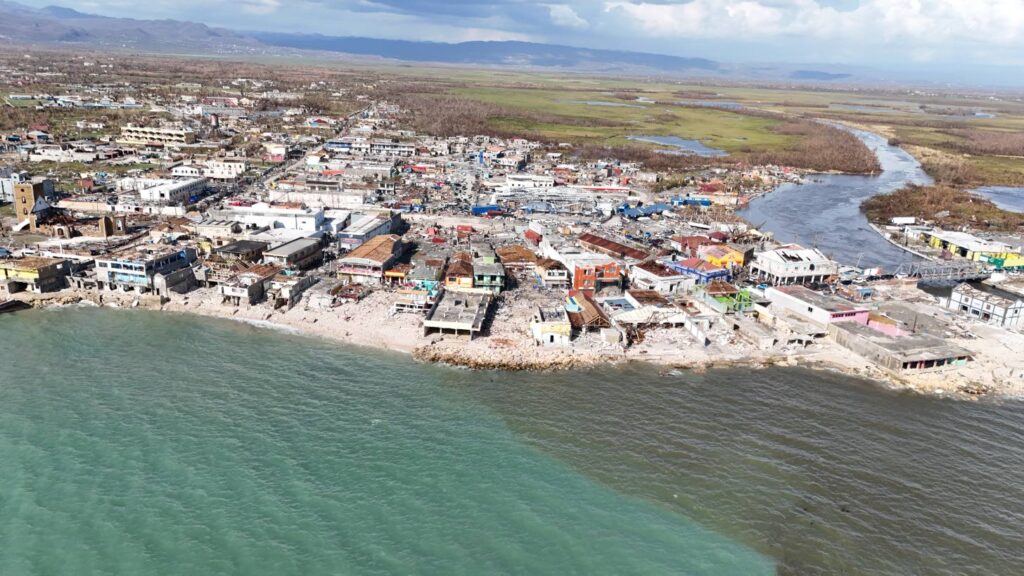
    In a significant humanitarian response to Hurricane Melissa’s devastation, the World Food Programme (WFP) has disbursed over $650 million in cash assistance to thousands of affected Jamaicans. This comprehensive relief initiative, executed in collaboration with Jamaica’s Ministry of Labour and Social Security, has already reached approximately 52,000 individuals severely impacted by the Category Five storm that struck in October.

    The program represents an evolution from initial emergency measures that distributed food packages to roughly 123,000 vulnerable residents across St Elizabeth, St James, Trelawny, and Westmoreland parishes. Launched on December 18, the cash transfer scheme initially targeted 50,000 beneficiaries but was subsequently expanded to 64,000 due to overwhelming need.

    Eligible recipients across six parishes—Hanover, St James, Trelawny, St Ann, Westmoreland, and St Elizabeth—receive $37,000 vouchers distributed through more than 230 Western Union locations island-wide. According to Dana Sacchetti, Head of the WFP Jamaica Satellite Office, the initiative has achieved approximately 80% of its expanded distribution target.

    Beneficiary identification occurred through rigorous damage assessments conducted by government agencies and partners, prioritizing households with moderate to complete structural damage, along with elderly and disabled individuals affected by the hurricane. Recipients consistently report the critical timing of this assistance, with many emphasizing how the funds helped bridge financial gaps during market disruptions and job losses when food prices had dramatically increased.

    Despite significant progress, distribution challenges persist. Many potential beneficiaries face communication barriers due to ongoing power outages and connectivity issues, while others have relocated entirely since the storm. Some recipients initially questioned the legitimacy of text message notifications due to widespread scam concerns, prompting WFP to implement comprehensive verification systems including community radio announcements, ministry press releases, and physical postings at government offices.

    To address accessibility issues, WFP has deployed field teams to deliver secure envelopes to unreachable recipients within two weeks of notification. The program currently maintains an 82% redemption rate, with 80-100 beneficiaries collecting payments daily. The organization aims to match the 95% redemption rate achieved following Hurricane Beryl, which provided cash assistance to 10,500 people.

    Beyond direct financial support, WFP has repurposed emergency mobile storage units into temporary classrooms for twelve schools identified by the Ministry of Education. The organization is additionally assessing methods to support the revitalization of school feeding programs across western Jamaica, with ongoing discussions about long-term recovery strategies.

    Sacchetti emphasized that while daily life has normalized for many Jamaicans, numerous residents in western parishes continue to face life-altering circumstances months after the catastrophic storm. The WFP remains committed to addressing immediate needs while supporting the Jamaican government in developing sustainable poverty reduction measures and enhancing disaster response capabilities for future climate shocks.

  • ‘We are not the guarantors’

    ‘We are not the guarantors’

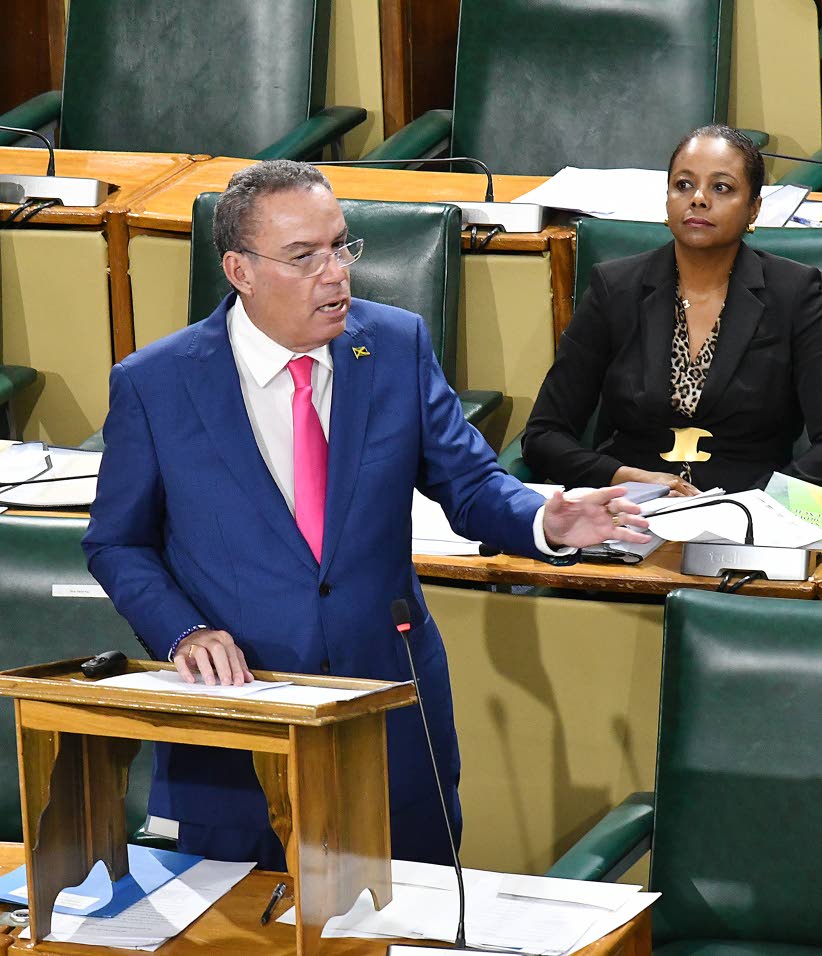
    Jamaica’s Energy Minister Daryl Vaz has explicitly stated that the government holds no financial responsibility for a substantial US$110 million loan acquired by the Jamaica Public Service Company (JPS) to address extensive damage to the national electricity grid caused by Hurricane Melissa. The declaration was made during a parliamentary session of the Standing Finance Committee on Friday, in response to pointed inquiries from Opposition Spokesman on Energy, Phillip Paulwell.

    Minister Vaz clarified the government’s previous involvement, highlighting that it had provided a separate US$150 million loan to JPS. This intervention, he emphasized, was instrumental in enabling the utility company to achieve 99% power restoration for its customers by February 28—a timeline dramatically ahead of initial projections that estimated recovery could extend into late 2026 or early 2027 without state assistance.

    The opposition’s scrutiny centered on the source of the additional funding. Paulwell recalled his party’s initial objection to the government’s US$150 million loan, citing the impending renewal of JPS’s operating licence next year and its previously reported difficulties in securing financing from traditional institutions. He pressed the minister for details on what had changed to suddenly make JPS creditworthy for a further US$110 million.

    In his detailed rebuttal, Vaz broke down the total funding structure: a US$150 million government loan, a US$40 million allocation from the ‘Electricity Disaster Fund’—a quasi-insurance mechanism for uninsurable transmission lines—and the independent US$110 million secured by JPS itself. The minister firmly reiterated that the government has no formal or informal arrangements to guarantee this private loan, stating, ‘I can state categorically that the Government of Jamaica has no involvement whatsoever.’ Despite the political friction, Paulwell acknowledged the commendable speed and efficiency of JPS’s restoration efforts.

  • From hardship to hope

    From hardship to hope

    Dr. Natalie Irving-Mattocks embodies the spirit of International Women’s Day’s ‘Give to Gain’ theme through her transformative journey from personal adversity to becoming a beacon of hope for Caribbean women. As executive director of the Caribbean Technical Assistance and Education Centre for Health (C-TECH), she has pioneered disaster response efforts that address the unique vulnerabilities women face during humanitarian crises.

    Her profound understanding of crisis situations stems from personal experience. Growing up in Jamaica’s inner cities, Irving-Mattocks relocated twenty times before turning eighteen, navigated complex family relationships, survived sexual assault, and became a mother at fifteen. These challenges forged her resilience and empathy, driving her commitment to support women facing similar circumstances.

    The catastrophic Hurricane Melissa of 2025 became a defining moment for Irving-Mattocks and her organization. Returning from abroad to witness the devastation, she encountered overcrowded shelters where women and girls faced unprecedented risks—from inadequate sanitation to exploitation. One particularly distressing account involved a shelter official demanding sexual favors in exchange for food, highlighting the gendered dimensions of disaster vulnerability.

    Mobilizing immediately, C-TECH emerged as one of the first response organizations on the ground, earning recognition from Jamaica’s Ministry of Health and Wellness. Their comprehensive intervention included:
    – Distributing tarpaulins and emergency supplies
    – Installing Starlink systems for critical facilities
    – Providing food assistance and vouchers to over 10,000 women and families
    – Ensuring continuity of reproductive healthcare with 703 antenatal visits and 249 safe deliveries
    – Distributing dignity kits to 600 women and mental health support to 1,500 individuals

    Through strategic partnerships with UNFPA, I-TECH, and US Health Resources, C-TECH implemented a gender-responsive approach that recognized how disasters exacerbate existing inequalities. Irving-Mattocks emphasizes that supporting women creates ripple effects that strengthen entire communities.

    Her philosophy centers on transformative sisterhood: ‘Create a step for another woman. If the playing field is not equal, create some form of equity so that women can grow and continue to thrive. We have to get rid of that crab-in-a-barrel mentality and embrace sisterhood.’

    Now holding a doctorate in public health alongside degrees in international relations and business administration, Irving-Mattocks has transformed personal trauma into professional purpose. Her work demonstrates how targeted support for women during crises not only addresses immediate needs but builds foundational resilience for long-term recovery.

  • Fiscal Commissioner clarifies law allows report publication before tabling in Parliament

    Fiscal Commissioner clarifies law allows report publication before tabling in Parliament

    KINGSTON, Jamaica — Jamaica’s Fiscal Commissioner Courtney Williams has provided definitive clarification regarding the publication protocols for the Independent Fiscal Commission’s (IFC) reports, confirming that current legislation expressly permits public release following submission to Parliament. This authoritative interpretation addresses recent parliamentary inquiries concerning the Commission’s operational procedures.

    The clarification emerged from deliberations during Parliament’s Standing Finance Committee session on March 5, where certain legislators had questioned the IFC’s prerogative to disseminate its Economic and Fiscal Assessment Report prior to formal tabling in the legislative chambers.

    Commissioner Williams explicitly referenced the Independent Fiscal Commission Act of 2021, highlighting Section 15(6) which establishes the legal framework for report dissemination. The statute mandates that the Commissioner must first submit all reports to both the Speaker of the House of Representatives and the President of the Senate. Following this submission, the legislation permits immediate publication through the Commission’s official digital platforms.

    The provision further requires that these documents be formally presented to both parliamentary houses at the earliest practicable opportunity after submission. In practical application, the IFC’s most recent Economic and Fiscal Assessment Report was delivered to Parliament on March 3 and simultaneously published on the Commission’s official website in compliance with statutory requirements.

    As Jamaica’s primary oversight entity for fiscal responsibility frameworks, the Independent Fiscal Commission maintains the critical function of providing autonomous evaluation of governmental fiscal policies and economic forecasts. Commissioner Williams reaffirmed the Commission’s commitment to continuing this publication practice in strict accordance with legislative provisions, ensuring both transparency and procedural compliance.

  • Uninformed and unfair

    Uninformed and unfair

    Jamaica’s Minister of Water, Environment, and Climate Change Matthew Samuda has vigorously defended the environmental policies of Prime Minister Andrew Holness’s administration against domestic critics, asserting that international recognition contrasts sharply with local perceptions. Speaking at a recent Jamaica Observer Monday Exchange forum, Minister Samuda challenged environmental activists, stating, “You don’t need to create a villain for you to be a hero.”

    The minister’s comments come following his election to lead the United Nations Environment Assembly (UNEA), comprising 193 member states, which he interprets as global validation of Jamaica’s environmental leadership. “The environmental caucus of the Latin American and Caribbean region saw it fit to nominate Jamaica to head UNEA,” Samuda noted, emphasizing that this international endorsement reflects Jamaica’s advancements in protection, restoration, and pollution curtailment efforts.

    Samuda detailed the administration’s approach to addressing the UN-defined “triple planetary crisis” of pollution, biodiversity loss, and climate change. Significant achievements include expanding protected land areas from approximately 13% to 25% of Jamaica’s territory since the administration took office. This expansion includes landmark protection orders for the Cockpit Country (approximately 80,000 hectares, making it the largest protected area in the English-speaking Caribbean), the Black River Morass (the region’s largest wetland spanning over 5,000 hectares), and the Pedro Cays.

    The minister emphasized that these protections include comprehensive management plans, wardens, and scientific studies rather than mere declarative gestures. On pollution control, Samuda highlighted the administration’s ban on unrecyclable plastics and the controversial decision to abandon a proposed 1,000-megawatt coal plant that would have significantly reduced electricity costs but compromised air quality.

    Additional environmental initiatives cited include reduced import duties for electric vehicles, pursuing 50% renewable energy production, establishing Jamaica’s first emissions and climate change policies, and implementing the largest investment in the nation’s sewer network and sewage management capacity. Samuda also noted comprehensive updates to environmental legislation, including the Natural Resources Conservation Authority Act and Wildlife Protection Act, with updated fines and provisions for corporate accountability.

  • US catholic representative slams ‘sickening’ White House war montage video

    US catholic representative slams ‘sickening’ White House war montage video

    WASHINGTON, United States — A prominent American cardinal with close ties to Pope Leo XIV has issued a stern condemnation of a White House-produced video that merges Hollywood action sequences with actual military footage of strikes in Iran. Cardinal Blase Cupich, Archbishop of Chicago, characterized the montage as “horrifying” and “sickening” in an official statement published on his diocese’s website.

    The controversial 42-second video, shared on social media platform X last Friday under the caption “Justice the American way”, intercuts scenes from commercial films with verified footage released by the U.S. military showing actual attacks on Iranian targets. Cardinal Cupich responded Saturday by highlighting that these images trivialize authentic human suffering, noting that “more than 1,000 Iranian men, women and children” have perished under U.S. and Israeli missile attacks.

    The senior cleric criticized the government’s approach, stating: “Our administration is treating the anguish of the Iranian population as mere background for our entertainment, reducing tragic reality to disposable content comparable to casual social media scrolling.” He further cautioned that “we forfeit our humanity when we derive excitement from our military’s destructive capabilities,” while expressing conviction that “the American people embody higher moral standards than this portrayal suggests.”

    Cardinal Cupich’s significant ecclesiastical position—overseeing Pope Leo’s hometown and one of America’s largest dioceses—lends considerable weight to his critique, representing a notable moral challenge to the government’s communication strategies regarding military operations.

  • Bahamas Government defeated in mega lawsuit against port authority

    Bahamas Government defeated in mega lawsuit against port authority

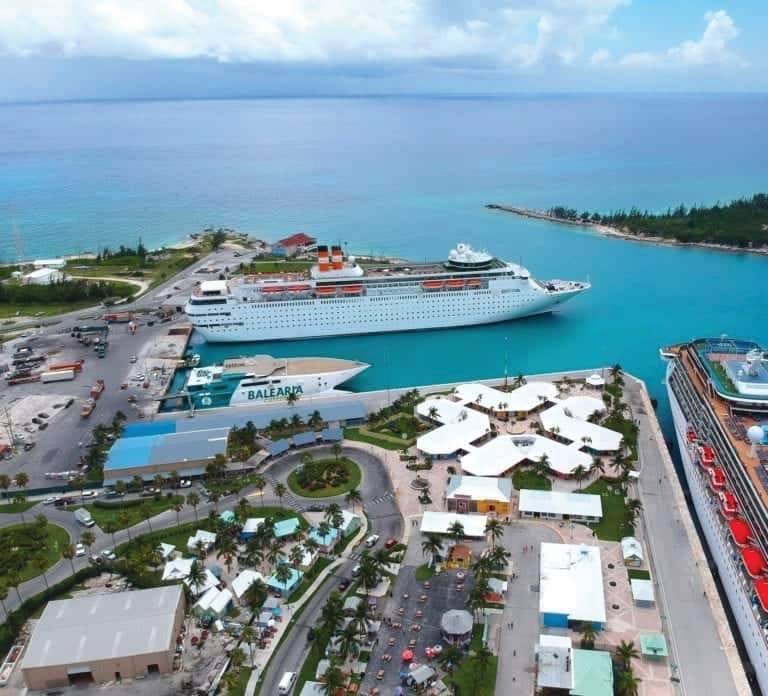
    An international arbitration tribunal has delivered a landmark ruling dismissing the Bahamian government’s multimillion-dollar lawsuit against the Grand Bahama Port Authority (GBPA) while simultaneously affirming the state’s regulatory jurisdiction over Freeport’s special economic zone.

    The three-member tribunal, comprising distinguished British Commonwealth jurists Sir Anthony Smellie, Lord Neuberger of Abbotsbury, and Dame Elizabeth Gloster, issued their partial final award on February 27, 2026. The decision resolves the most contentious aspects of a prolonged legal confrontation between Prime Minister Philip Davis’s administration and the private port operator.

    The government had sought BSD$357 million (approximately US$357 million) in compensation for alleged administrative expenses incurred between 2018 and 2022, covering services including customs processing, immigration control, environmental oversight, and regulatory administration within the Freeport area. This claim primarily relied on a PricewaterhouseCoopers report detailing these expenditures.

    However, the arbitration panel determined the government could not enforce payment through this method. The tribunal established that the historical reimbursement mechanism referenced by the Davis administration had been superseded in the 1990s by a negotiated arrangement establishing fixed annual payments from GBPA, followed by a review process to determine future amounts. Since this review process was never implemented after the initial period, the government could not retroactively claim payments for multiple years.

    The ruling clarified that while a payment structure exists under the Hawksbill Creek Agreement, amounts owed must first be determined through the agreed review mechanism, which remains active and enforceable through 2054 when the agreement expires. Questions regarding retroactive payments were left unresolved and may be addressed in subsequent arbitration phases.

    The tribunal also addressed GBPA’s counter-claims seeking over BSD$1 billion in damages for alleged government interference and investment diversion. Nearly all claims were dismissed, with the panel confirming the government retains legislative and regulatory authority over immigration, customs, environmental regulation, development approvals, and utility oversight in Freeport. Evidence demonstrated this shared governance arrangement had been practiced by both parties for decades.

    GBPA prevailed on a single issue: the tribunal found the government failed to take timely action on environmental by-laws proposed in 2006 for the port area. While recognizing this breach, the tribunal did not award damages and requested further submissions to determine potential compensation.

    Both parties have claimed victory following the decision. Prime Minister Davis characterized the ruling as confirming GBPA’s payment obligations and solidifying government authority, while GBPA described the dismissal of the $357 million claim as a victory providing stability for Freeport’s future.

    The Hawksbill Creek Agreement, originally signed in 1955, granted GBPA a 99-year exclusive right to develop approximately 50,000 acres on Grand Bahama Island in exchange for providing comprehensive infrastructure including a deep-water harbor, airport, hospital, schools, and other amenities.

  • Funeral service underway for slain four-year-old in Manchester

    Funeral service underway for slain four-year-old in Manchester

    MANCHESTER, Jamaica — A somber atmosphere enveloped Oaklawn Memorial Gardens in Dunsinane near Mandeville on Sunday as family members and community gathered under police surveillance to honor the memory of four-year-old Saniyah O’Brien. The child victim of a February 8 shooting attack was memorialized with a poignant Barbie-themed service, reflecting the youthful innocence lost to violence.

    The funeral proceedings displayed heartrending symbolism—a pink casket and memorial program bearing the word “Barbie” without photographs of the deceased child, capturing the unimaginable grief overwhelming her family. Among the mourners was Saniyah’s father, who himself sustained injuries during the same attack that claimed his daughter’s life.

    According to police reports, the tragic incident occurred approximately at 4:20 pm on February 8 in Land Settlement near Royal Flat. Saniyah and her father were seated in a vehicle with two other children when an assailant opened fire in an ambush-style attack.

    Law enforcement authorities have since made significant progress in the case. During a targeted operation days following the shooting, police arrested and formally charged 25-year-old Oneish Copeland, also known as ‘Dabba’, a laborer from New Wales, Manchester. Copeland faces multiple charges including murder, wounding with intent, and conspiracy to commit murder.

    Superintendent Carey Duncan, head of Manchester police, confirmed that investigations remain active with law enforcement pursuing additional suspects believed to have assisted Copeland in the alleged murder. The police presence at the funeral served both protective and symbolic purposes, demonstrating law enforcement’s commitment to addressing the community’s violent crime concerns.

    The tragedy has highlighted ongoing challenges with gun violence in Jamaican communities, particularly the devastating impact on innocent children caught in crossfire.

  • Jamaica points finger at Cuba for medical programme collapse

    Jamaica points finger at Cuba for medical programme collapse

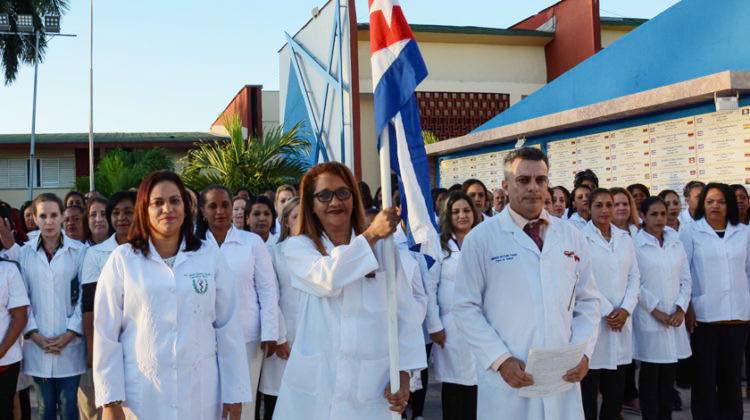
    The Jamaican government has officially terminated its longstanding medical cooperation program with Cuba, attributing the decision to Havana’s refusal to comply with Jamaican legal standards and international labor conventions. The program, which had facilitated the deployment of Cuban healthcare professionals to Jamaica for over five decades, was discontinued after extensive but unsuccessful negotiations.

    In an official statement released by the Ministry of Foreign Affairs and Foreign Trade, Jamaica expressed appreciation for the Cuban medical personnel’s contributions while emphasizing that no program operating within its borders could continue under terms violating domestic legislation. The ministry revealed that despite multiple formal communications since July of the previous year, Cuban authorities failed to respond substantively to proposed adjustments that would align the program with legal requirements.

    The review process identified two critical compliance issues: Cuban medical staff were not in possession of their own passports, and salary payments were being made to the Cuban government in US dollars rather than directly to the workers. While the passport issue was promptly addressed, the compensation arrangement remained problematic as it lacked transparency regarding the actual remuneration received by medical personnel and contravened Jamaican labor laws.

    Jamaica’s government noted that other Caribbean nations had successfully implemented similar programs with direct payment structures to Cuban workers, demonstrating that lawful alternatives existed. The termination decision comes amid increased US scrutiny of Cuba’s global medical missions, though Jamaican authorities maintain their action was solely motivated by legal compliance requirements rather than external political pressures.

    The Cuban government has expressed regret over what it characterizes as Jamaica’s ‘unilateral’ termination of the agreement, while critics of the decision have accused Jamaica of yielding to US influence. Jamaica maintains that it pursued respectful diplomacy throughout the process and remains committed to future cooperation with Cuba under terms consistent with international labor standards and domestic law.