标签: Jamaica

牙买加

  • Fire at the Retirement Dump

    Fire at the Retirement Dump

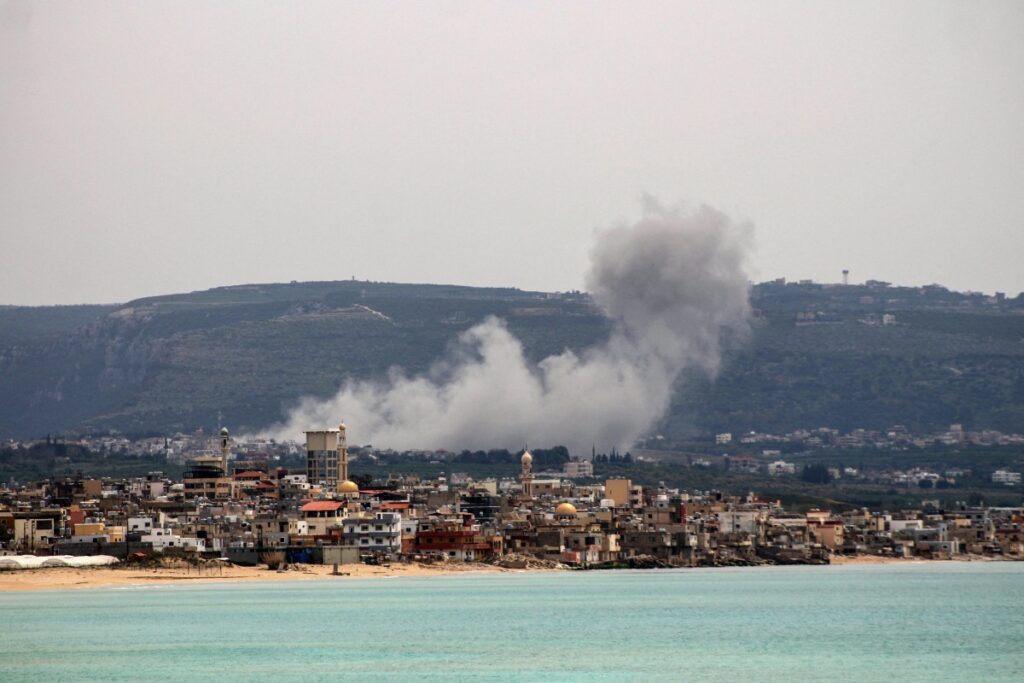
    Residents across St James, Jamaica are grappling with lingering smoke from an unexpected vegetation and waste fire that broke out at the region’s Retirement Dump on Wednesday. The first report of the blaze reached emergency responders shortly before 3:00 p.m. local time, triggering an immediate deployment of fire suppression resources.

    Two fully equipped fire response units from the nearby Montego Bay fire station were dispatched to the scene within minutes of the alert, alongside a heavy-duty tractor brought in to help create fire breaks and contain the spread of the flames to adjacent areas. As of the latest updates, investigators have not yet pinpointed the exact cause of the fire, which ignited just one day after the entire region received heavy widespread rainfall that saturated the landscape.

    Since the fire first started, plumes of thick smoke have continued to billow from the dump site, gradually drifting into populated neighboring communities including Reading and Bogue. Local officials have not yet issued public health advisories for the affected areas, but residents have reported noticeable reductions in air quality as the smoke spreads across the region. Response teams remain on site working to fully extinguish the blaze, with updates expected once the cause is determined and the fire is fully contained.

  • UHWI staff under the microscope

    UHWI staff under the microscope

    A sprawling public corruption investigation is unfolding at Jamaica’s sole teaching hospital, with multiple state agencies pursuing probes into widespread procurement breaches and unauthorized use of the institution’s tax-exempt status that has cost the country millions in lost revenue. The Major Organised Crime & Anti-Corruption Agency (MOCA) has confirmed it is on track to collect testimonial statements from current University Hospital of the West Indies (UHWI) staff this week as law enforcement ramps up its inquiry into procurement irregularities that have drained millions from the public institution.

    Parallel to the criminal investigation, Jamaica’s Integrity Commission (IC) has launched its own separate inquiry into a long-running scheme where hospital leadership routinely granted private firms illegal access to UHWI’s government-granted tax-exempt import status. That scheme alone has drained more than $20 million in uncollected revenue from Jamaica Customs, according to official disclosures.

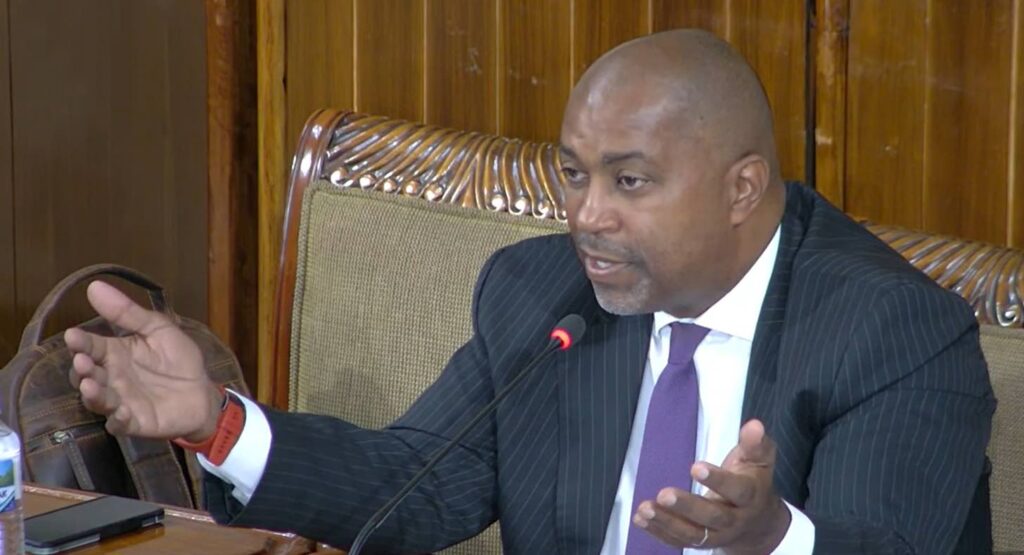
    Details of the multi-pronged probe were brought to light Tuesday when Eric Hosin, UHWI’s acting chief executive officer, testified before the country’s Parliamentary Public Accounts Committee (PAC), a legislative oversight body that is also conducting its own review of the scandal. Hosin told the committee that hospital administration has formally reported the misuse of tax-exempt privileges to MOCA, the national police fraud unit, and the Jamaica Customs Agency. “We’re cooperating fully with those agencies and remain in open dialogue with their representatives in order to recover the revenue lost to the Government of Jamaica,” Hosin told the committee.

    Hosin confirmed that MOCA has formally requested written statements from a group of current UHWI employees, with submissions expected to be finalized by the end of this week. The acting CEO also told lawmakers that Jamaica Customs has already wrapped up its investigation into one of the four private firms that exploited the tax-exempt status, JACDEN Limited, and that hospital officials are waiting for results of probes into the remaining three companies. Under questioning from PAC members, Hosin publicly named the three previously undisclosed companies: Supreme Laundry Services, Willman Sales, and Scientific Medical Services.

    Prior to Hosin’s testimony, only JACDEN Limited had been identified publicly. The firm is led by Dennis Gordon, who serves as an Opposition Member of Parliament for the St Andrew East Central constituency, and benefited from the scheme by importing dialysis machines through UHWI’s tax-exempt status. Beyond the lost customs revenue, Auditor General’s Department (AGD) investigators uncovered that UHWI often purchased the same imported goods back from the private firms at marked-up prices, costing the public hospital millions in unnecessary overspending. Hosin confirmed that because UHWI is the entity listed as the tax-exempt importer on all paperwork, the hospital is legally liable to Jamaica Customs for millions in unpaid fees and charges.

    The IC, Jamaica’s independent anti-corruption oversight body, has already seized key evidence related to the scandal. Hosin told the committee that IC investigators visited UHWI’s headquarters and took custody of all documents tied to the misuse of tax-exempt privileges, as well as procurement records for civil works projects flagged for irregularities by the AGD. Hospital leadership is now waiting for the commission to release its official findings. Hosin added that UHWI has already ended the problematic practices that allowed the scheme to continue for years. The hospital has discontinued the routine practice of approving procurement processes after goods and services have already been delivered, cut off all arrangements that allowed private entities to bypass public procurement guidelines, and blocked private firms from accessing the institution’s tax-exempt status moving forward. He repeatedly emphasized that hospital administration fully accepts all findings laid out in the AGD’s audit.

    The AGD’s public audit report, released on January 13, flagged a wide range of systemic failures that allowed the scandal to unfold. Beyond the tax abuse scheme, auditors found pervasive breaches of public contracting rules across UHWI’s procurement operations. The combined impact of the irregularities has potentially cost Jamaican taxpayers hundreds of millions of dollars in total losses. The audit found that UHWI suffers from “considerable deficiencies in governance, procurement, and contract management processes.” Auditors warned that if these gaps are not remedied, they will continue to create elevated corruption risks and erode the hospital’s ability to deliver high-quality healthcare services to Jamaican patients.

  • ‘Cocktail of inefficiency’ at UHWI

    ‘Cocktail of inefficiency’ at UHWI

    During a tense Tuesday sitting of Jamaica’s Parliamentary Public Accounts Committee (PAC), explosive testimony from senior staff at the University Hospital of the West Indies (UHWI) laid bare a years-long pattern of systemic oversight failure that has left public funds exposed to widespread misuse. The hearing, launched to probe damning findings from the Auditor General’s Department (AGD) of widespread procurement rule-breaking at the public facility, revealed that repeated red flags raised by the hospital’s own internal audit team were consistently sidelined by the UHWI board, and the body tasked with vetting public contracts was regularly cut out of the approval process entirely.

    The scandal first came to a head when the AGD released a report documenting widespread procurement violations that could have cost Jamaican taxpayers hundreds of millions of dollars in losses. In response, the hospital’s previous chief executive officer, Fitzgerald Mitchell, was placed on administrative leave, and Eric Hosin was appointed acting CEO to lead the institution through the investigation. Hosin appeared alongside the UHWI leadership team before the PAC to answer questions about the AGD’s findings.

    During questioning from PAC chair Julian Robinson, Dwight McLeish, UHWI’s chief audit executive, delivered the hearing’s most shocking revelation: his team had identified all of the major procurement breaches documented in the AGD’s report long before the national audit, and formally flagged the issues to the UHWI board for action—only for senior leadership to take no corrective steps. “Yes, Sir, they were captured by the department and reported to the board, but the board did not take any action,” McLeish confirmed directly to the committee.

    Multiple PAC members expressed profound alarm at the admission. Committee member Juliet Cuthbert-Flynn called the news of ignored internal warnings deeply unsettling, noting that the failure to act on pre-identified risks created the perfect conditions for sustained misuse of public funds.

    When questioned about the role of the UHWI procurement committee, Hosin admitted that the oversight body was routinely bypassed for major contract awards. The committee, which is supposed to meet every two weeks (and more often for urgent business) to review and approve contracts before awards are finalized, did not even receive many of the largest contracts for review, Hosin confirmed. As a result, dozens of awards were never included in committee meeting minutes, because they were never brought to the body for a vote.

    Pressed by PAC member Heatha Miller-Bennett on how the committee could approve contracts that never crossed its desk, Hosin clarified that in many cases, no approval was ever sought or granted. “There are things highlighted by the auditor general and by our internal audit where, in fact, items that were processed did not go through the proper procedure, which included the procurement committee having received it, reviewed it, and made a decision on it,” Hosin said. When asked directly if the procurement committee was intentionally circumvented, Hosin acknowledged: “In some cases.”

    Further details of the systemic failures laid out in the AGD audit painted an even clearer picture of unregulated spending. PAC member Kerensia Morrison, who summarized the audit’s key findings, noted that of 111 contracts reviewed, complete documentation was missing for 51. Many contracts were approved directly by the former CEO without any documented evaluation or procurement committee review. In multiple instances, procurement processes were launched only after goods or services had already been delivered, with retrospective bidding used to retroactively justify completed work. Some contracts were intentionally split into smaller packages to fall below mandatory procurement oversight thresholds, and 64 percent of all hospital procurement activity relied on direct, no-bid contracting, a practice that eliminates competitive pricing and transparency.

    Morrison described the cumulative situation as “a cocktail of inefficiency,” warning that the complete lack of oversight created open opportunities for fraud and misuse of public funds. Robinson called the status quo completely unacceptable, noting that the Jamaican government spends billions of dollars annually at UHWI with no meaningful checks on spending. “It sounds like a runaway train where somebody, just on a frolic on their own, can spend taxpayers’ money like it’s the wild, wild west. It can’t be so,” Robinson told permanent secretary in the Ministry of Health and Wellness Errol Greene during the hearing.

    When Hosin noted that 29 of the 51 missing contract files had been recovered, that the hospital had issued orders to end the problematic practices, and that recovery efforts for the remaining files are ongoing, Morrison pushed back, noting that his answers failed to address accountability for the breaches. Morrison asked what disciplinary actions had been taken against staff involved in the violations, who was found to be complicit, and what the head of procurement had stated about the ongoing rule-breaking.

    In response, Hosin confirmed that the UHWI board has convened an independent inquiry led by Ambassador Kathryn Phipps to investigate the AGD’s findings, identify staff that may be liable for the breaches, and recommend disciplinary or legal action. Hosin added that external law enforcement and oversight bodies are also conducting parallel investigations: Jamaica’s Constabulary Force, Customs Department, and Integrity Commission are all probing the cases to identify any potential illegal activity and pursue appropriate action.

    To prevent future violations, Hosin said the hospital has already completed mandatory compliance training for all relevant staff, implemented new oversight systems, and issued formal cease-and-desist letters to staff involved in the problematic practices. The PAC hearing continues as lawmakers work to hold accountable those responsible for the breaches and shore up oversight of public funds at the nation’s leading public hospital.

  • Appleton Estate delivers at Zimi Seh Beach 2026

    Appleton Estate delivers at Zimi Seh Beach 2026

    On Sunday, March 29, 2026, one of Jamaica’s most anticipated annual cultural events, the Appleton Estate Zimi Seh Beach gathering, rolled across the island’s north coast, injecting the region with nonstop energy and the unmistakeable, genuine spirit of Jamaican island life.

    Thousands of attendees, ranging from local residents to international tourists, converged on Puerto Seco Beach in St. Ann to immerse themselves in a one-of-a-kind experience that blended pulsating music, world-class Jamaican cuisine, immersive entertainment, and the brand’s iconic premium Jamaican rum.

    The electric atmosphere never dipped from the opening notes to the final fade of sunset, thanks to a stacked lineup of top local DJs including Chromatic Live, A-Team, Laing D, Tonio x Brush 1, and Travis x Fyahman. Each act brought their own distinct, crowd-pleasing style to the turntables, keeping guests on their feet dancing from the midday sun well into the golden evening.

    Attendees wandered the beachfront sipping handcrafted Appleton Estate cocktails, soaking in warm Caribbean sunlight and cool ocean breezes, surrounded by the unmatched relaxed yet vibrant energy that only a Jamaican beach celebration can offer. The event was crafted from the ground up as a love letter to Jamaican cultural identity, weaving together every element to highlight the island’s unique art, food, and community spirit.

    By the close of the day, feedback from the crowd was overwhelmingly positive. A common refrain echoed across social media and beach conversations: “Zimi Seh owes us nothing” — a clear testament that the 2026 iteration of the event delivered an unforgettable, authentically Jamaican experience that lived up to every bit of pre-event hype.

    The gathering also drew a host of prominent Jamaican public figures and celebrities, who turned out to join in the celebration. Appleton Estate Brand Manager Kerry Ann Bryan was photographed enjoying the festivities, alongside beloved rhyme master Khorii Rhymez and breakout dancehall star Armanii. Influential local personalities including content creator Audrianna Richards, dancehall recording artist Nayda Vii, 2026 Miss Global Jamaica first runner-up Kadejah Anderson, Shacqueal Major (wife of top Jamaican entrepreneur Romeich Major), and 2020 Miss Universe Jamaica Miqueal-Symone Williams, a digital creative and model, were also spotted taking in the sun and fun at the beachside celebration.

  • Mah-Lee, TotalEnergies reach deal, but…

    Mah-Lee, TotalEnergies reach deal, but…

    A long-running standoff between a veteran Jamaican petroleum retailer and French energy giant TotalEnergies Jamaica has concluded with an amicable settlement, according to the Jamaica Gasoline Retailers Association (JGRA) — but industry leaders warn the case exposes deep-rooted, systemic unfairness that continues to disadvantage independent dealers across the country’s fuel retail sector.

    The dispute centered on Howard Mah-Lee, a dealer who had operated the Seashore Harbour View Service Station under TotalEnergies for 43 years. Late last year, the company informed Mah-Lee it would not renew his distribution contract, a decision that caught JGRA off guard. JGRA President Philip Chong emphasized that Mah-Lee had an unblemished four-decade tenure, consistently adhering to the association’s ethical guidelines, meeting all operational requirements, and delivering reliable service to both local customers and TotalEnergies itself with zero documented breaches of his agreement.

    Behind the non-renewal was a discriminatory pricing structure that put Mah-Lee at a severe competitive disadvantage, Chong explained. TotalEnergies supplies fuel to two adjacent service stations, including Mah-Lee’s and the neighboring lot. Despite receiving the same product from the same supplier, the neighboring dealer was granted fuel at a vastly lower wholesale cost, allowing them to undercut Mah-Lee on retail prices and siphon away customers. Compounding this inequity, TotalEnergies moved to consolidate both locations under a single operator, issuing Mah-Lee a 30-day eviction notice requiring him to vacate the property by March 2026 with no severance or compensation for his decades of operation — a move Chong called unconscionable, particularly noting the ripple effect it would have on Mah-Lee’s long-tenured hourly and salaried staff.

    At Mah-Lee’s request, JGRA escalated the issue to Jamaica’s Minister of Energy Daryl Vaz, who stepped in to mediate negotiations between the dealer and TotalEnergies. After weeks of back-and-forth discussions facilitated by the minister, the two parties reached a confidential settlement that Mah-Lee has publicly confirmed he is satisfied with. As of this report, TotalEnergies has not issued an independent confirmation of the agreement’s terms.

    Chong noted that while Vaz worked to balance the interests of the multinational marketer and local dealers, the JGRA counts the amicable resolution of Mah-Lee’s case as a win for its member — but the association’s broader advocacy work is far from over. He stressed that the core issues that sparked this dispute: one-sided contracts and unfair pricing practices, are pervasive across Jamaica’s petroleum retail sector, not limited to Mah-Lee’s case. Chong pointed to a second recent termination of a long-serving dealer’s contract by another major marketer as further evidence of the trend.

    The root of the problem, Chong explained, dates back to the sector’s transition from legacy multinational operators like Shell and Texaco to newer entrants including TotalEnergies. Modern contracts, rebranded as “licenses” by the new operators, are heavily weighted in favor of marketing firms, granting them unprecedented control over retail operations that extends far beyond their traditional wholesale role. While companies justify the unequal terms as a necessary response to growing industry competition, Chong says the outcome has been devastating for independent dealers: hundreds now face mounting financial pressure, shrinking profit margins, and growing risk of business failure, with many reporting they are systematically denied fair treatment by the multinational fuel marketers that control their supply.

  • Review expected on Police Officers’ Club finances

    Review expected on Police Officers’ Club finances

    A growing controversy over financial opacity at Jamaica’s Police Officers’ Club is putting new pressure on senior leadership of the Jamaica Constabulary Force (JCF) to resolve longstanding questions around how the institution’s millions in annual revenue are spent, with calls for audited financial statements to be released before the month ends. Multiple senior JCF officers have raised alarms in anonymous briefings to the Jamaica Observer, noting that no audited accounts for the club have been made available to rank-and-file gazetted officers for several years. At the core of their concerns are unconfirmed questions about whether lease income from the club’s prime Hope Road property has been diverted to cover unapproved overseas travel costs and misallocated from designated Hurricane Melissa relief donations. Financial estimates peg the club’s annual income at roughly $10 million, generated through venue rental fees plus mandatory $1,000 monthly dues collected from every gazetted officer in the JCF. Speaking on condition of anonymity, one senior gazetted officer told the outlet that the lack of transparency does not look appropriate, and that only publicly shared, independently audited accounts will ease growing tensions among officers. When reached for comment, Wayne Cameron, the recently suspended Senior Superintendent and former chair of the Police Officers’ Association (POA), confirmed that he had received multiple formal complaints from concerned officers, but clarified that the POA holds no fiscal or oversight responsibility for the Police Officers’ Club itself. Cameron declined to identify which JCF official or body controls the club’s assets and revenue, instead directing all questions to the Office of the Police Commissioner. Follow-up reporting by the Observer confirmed that Deputy Commissioner of Police Karina Powell-Hood, who oversees the JCF’s Force Development and Logistics Portfolio, addressed the issue at a gathering of the Officer Corps this month, announcing that a leadership election for a new POA management team will be held in April, and that the long-awaited audited financial statements will be presented at that meeting. Powell-Hood also addressed one key point of speculation, confirming that last year’s annual Christmas Officers’ Cocktail, a traditional fundraiser hosted by the club, was canceled to redirect its expected budget to the JCF’s Children’s Advocacy, Recovery, and Empowerment (CARE) initiative — a program that earned broad public praise for its work supporting children in regions of Jamaica devastated by Category 5 Hurricane Melissa, which made landfall on the island last October. The debate over the Police Officers’ Club’s finances comes amid an already high-profile public scandal over the management of JCF-linked institutional funds, sparked by Cameron’s arrest on fraud charges connected to POA finances. Following a months-long investigation into alleged financial irregularities within the POA, the director of public prosecutions issued a ruling that led to Cameron being charged with larceny and fraudulent conversion. He has since been suspended from his role as POA chair pending the outcome of his court cases. But a group of senior police sources have pushed back against the charges, arguing that the timing and scope of the investigation raise red flags that the action is rooted in political maneuvering and union-busting. These critics are now demanding that an independent forensic audit identical to the one that led to Cameron’s charges be conducted into the Police Officers’ Club’s finances to level the investigative playing field. Critics point to the suspiciously close timing of Cameron’s charges, which were filed shortly after he launched a court challenge against Police Commissioner Dr Kevin Blake’s move to remove him from his POA leadership post. Blake formally notified Cameron in a September 8, 2025 letter that he was required to vacate the POA chair, arguing that allegations of misconduct and indiscipline against Cameron threatened to undermine the POA’s work, particularly during ongoing high-stakes negotiations with the Government of Jamaica over salary and benefit adjustments for officers. Cameron’s legal team immediately contested the order, and the court granted an interim injunction blocking Blake, whether acting personally or through agents, from organizing any POA meeting to remove Cameron or appoint an interim chair pending a final judicial review of the commissioner’s decision. The court also ordered that implementation of Blake’s removal order be stayed until the judicial review claim is resolved or further court direction is issued. Both Cameron’s upcoming fraud trial and the full judicial hearing on his challenge to his removal from the POA chair are scheduled to be held in the near future, leaving the unresolved question of the Police Officers’ Club’s finances hanging over the JCF’s senior leadership until at least April, when the promised audited accounts are scheduled to be released.

  • Your turn!

    Your turn!

    In a pre-hurricane season cleanup operation carried out on Tuesday in Montego Bay, St James, a team from Jamaica’s National Solid Waste Management Authority (NSWMA) hauled away more than 10 full truckloads of accumulated waste from the city’s high-risk South Gully waterway. During the operation, NSWMA head Audley Gordon made a public call for local municipal authorities to step up their ongoing responsibilities for keeping the nation’s gullies and drainage networks clear of blockages.

    Gordon told reporters on site that the one-time deep cleaning of South Gully, a task that formally falls under the jurisdiction of the St James Municipal Corporation (SJMC), falls outside the NSWMA’s core everyday mandate. The work is being funded under the agency’s $1.5-billion national Debris Management Programme, a post-storm initiative launched to clear residual debris left behind when Hurricane Melissa swept across the island in October of the previous year.

    Gordon emphasized that the operation was a critical proactive step ahead of the upcoming Atlantic hurricane season, noting that South Gully’s outlet under the local underpass has a long-standing reputation as a major flooding hotspot when heavy rains hit. “We couldn’t roll out a national debris management programme and ignore the massive build-up of waste that had clogged this key underpass,” he explained. “Our goal is to do our part to ensure unobstructed water flow through this channel before the first heavy storm of the season arrives.”

    When crews arrived at the site, they found the gully outlet completely choked by a massive accumulation of silt, overgrown vegetation, illegally dumped household garbage, discarded old tires, and assorted other debris. Gordon stressed that while the NSWMA’s one-time deep clean is a major boost for flood resilience, long-term solutions require consistent, scheduled upkeep from the responsible local bodies.

    “This cannot be a single, isolated intervention,” he warned. “Periodic routine maintenance is non-negotiable for this underpass and all similar flood-prone sites. If these channels are not kept clear, flooding risks will remain a constant threat every time we face heavy rainfall.” Repeating his appeal directly to local government stakeholders, Gordon pushed for proactive, regular cleaning schedules to prevent dangerous blockages from re-forming.

    Deputy Mayor of Montego Bay Dwight Crawford, who was present to observe the cleanup operation, acknowledged Gordon’s call for sustained action. He pushed back, however, on the implication that the municipal corporation has neglected its responsibilities, stressing that the SJMC has carried out consistent maintenance work on both the North and South gullies for years.

    “We are extremely grateful for the support and extra effort NSWMA has brought to this project today; their work will make our ongoing flood management efforts far easier,” Crawford told the Jamaica Observer. “The truth is, the St James Municipal Corporation has played a major role in maintaining these critical drainage systems for years, and we will continue these routine maintenance operations moving forward.”

    Crawford added that the municipal corporation is set to open coordinated talks with the National Works Agency (NWA) to secure additional support for island-wide drain clearing efforts ahead of the storm season. “Hurricane season is already upon us, and residents across Montego Bay feel understandable anxiety when heavy rain begins to fall. We are actively reaching out to NWA to request their additional support in addressing these persistent flood risks,” he said.

    Tuesday’s completion of the South Gully cleanup marks the official end of the second phase of the NSWMA’s national Debris Management Programme. Gordon outlined the three-phase structure of the initiative: the first $500-million phase launched immediately after Hurricane Melissa passed, wrapping up before the Christmas holiday season; the second phase kicked off at the start of the new year, and concluded with the South Gully work on Tuesday; and a third phase will begin imminently, with a shifted focus.

    “The third phase will look a little different from the first two,” Gordon explained. “In the months right after the storm, many homeowners were still assessing damage, fundraising for repairs, and sorting out which building materials could be reused. Now that reconstruction is underway, residents are discarding damaged materials like old unusable zinc roofing and rotted construction timber that need to be removed.”

    Gordon added that the NSWMA will step up monitoring and enforcement during the third phase to ensure all discarded post-storm construction waste is disposed of properly at approved facilities, rather than dumped illegally in waterways. He also issued a direct appeal to all residents, particularly those living in communities along gully banks, to avoid illegal dumping and properly contain all household waste.

    “When waste is left loose and uncontainerized, it is only a matter of time before wind and rain carry it into gullies and waterways, eventually flowing out to sea to damage fragile marine ecosystems,” he noted. “We all have a responsibility to be better stewards of our environment. Properly containerizing your household waste is one simple, critical step everyone can take to improve our waste management and protect our natural resources.”

  • That’s all folks!

    That’s all folks!

    GUADALAJARA, Mexico – In a high-stakes inter-continental play-off held on Tuesday, the Democratic Republic of Congo (DRC) claimed a dramatic 1-0 victory over Jamaica in extra time, punching their ticket to the upcoming FIFA World Cup and ending a 52-year wait to return to football’s most prestigious global tournament.

    The heartbreaking defeat shattered Jamaica’s dream of a comeback to the World Cup finals. The Caribbean nation’s only prior appearance at the tournament came in 1998, hosted by France. During that campaign, they suffered defeats to Argentina and Croatia but secured a memorable win over Japan before exiting in the group stage, a result that still stands as one of the nation’s proudest football achievements.

    For the DRC national team, nicknamed the Leopards, Tuesday’s final qualifying win wraps up a rollercoaster, dramatic campaign that will see them grace the World Cup stage for the first time in more than five decades. Their last appearance dates all the way back to the 1974 finals held in West Germany, when the nation competed under its former name Zaire. That tournament proved a tough outing for the side, who fell to Scotland, Yugoslavia, and Brazil in their group stage matches.

    This landmark qualification marks a historic milestone for Congolese football, capping off decades of rebuilding and renewed ambition for the program.

  • No relief for serial rapist

    No relief for serial rapist

    Jamaica’s Court of Appeal has affirmed the 40-year prison sentence for Patrick Green, who committed a series of brutal sexual assaults against seven females—including an eight-year-old child—across multiple communities in St. James between 2012 and 2014. The appellate court described Green’s crimes as ‘horrific and undeniably egregious’ while officially designating him as a serial rapist.

    The three-judge panel, comprising President Marva McDonald-Bishop and Justices Nicole Simmons and Vivene Harris, delivered their ruling on March 13 after hearing arguments this month. While upholding the substantial prison term originally imposed by Justice Martin Gayle in 2015, the appellate court identified a legal technicality requiring correction: the original sentencing had failed to establish specific parole eligibility requirements as mandated by Section 6(2) of Jamaica’s Sexual Offences Act.

    Green had appealed his conviction, arguing through attorney George Clue that his trial was unfair and that the sentences were ‘harsh and manifestly excessive.’ He specifically claimed that Justice Gayle failed to ‘temper justice with mercy’ despite his guilty plea to 23 counts including rape, forcible abduction, grievous sexual assault, illegal firearm possession, and buggery.

    The Appeal Court thoroughly rejected these arguments, noting that the severity of Green’s crimes justified the lengthy sentences. The judges emphasized that the nature of the offenses—which involved weapons, multiple victims including children, and extreme violence—outweighed any consideration for a sentencing discount due to his guilty plea.

    Detailing the horrific incidents, the court documented how Green and accomplices terrorized victims in their homes and public spaces. In one September 2012 incident in Irwin, masked assailants armed with guns assaulted five females—aged 8 to 28—simultaneously, forcing them from their home and sexually violating them in nearby bushes while stealing their valuables.

    Green was ultimately apprehended in January 2014 during a goat theft investigation. DNA evidence subsequently linked him to multiple sexual assault cases, including a January 2014 taxi hijacking where he robbed and raped a passenger, and a December 2013 attack on a woman returning from church in Montego Bay.

    The appellate court established specific parole eligibility requirements: For the 35-year sentences on counts 3, 7, and 8, Green must serve 30 years before parole consideration; for counts 5 and 6 (also 35-year terms), 30 years minimum; for counts 9 and 10 (15-year sentences), 11 years minimum; and for counts 11 and 12 (15-year sentences), 13 years minimum. All other sentences remained undisturbed.

  • Jamaica franchise for CPL dubbed ‘Jamaica Kingsmen’

    Jamaica franchise for CPL dubbed ‘Jamaica Kingsmen’

    KINGSTON, Jamaica — After a two-year absence from the Caribbean Premier League (CPL), Jamaica’s reintroduced T20 franchise has officially received its new identity: the Jamaica Kingsmen. The long-awaited brand name was unveiled Tuesday during a formal press conference held at Kingston’s Jamaica Pegasus, an event that capped off months of transition and planning for the franchise’s return to regional cricket.

    As first broken by the Jamaica Observer, the new ownership collective, Kingsmen Sports Enterprise, initially weighed retaining the team’s former moniker, Jamaica Tallawahs, to lean into existing fan recognition. But after careful deliberation, franchise owner Fawad Sarwar confirmed that the Kingsmen title emerged as the unanimous top pick, earning full formal endorsement from both CPL governing body and Jamaican national government officials.

    In a surprise announcement that drew broad enthusiasm from attendees, Sarwar also disclosed that the ownership group will launch a new women’s franchise, set to compete in a four-team domestic competition scheduled for this summer. The expansion marks a notable step forward for growing women’s cricket across the Caribbean region.

    Two of Jamaica’s top cabinet members — Sports Minister Olivia “Babsy” Grange and Tourism Minister Edmund Bartlett — were on hand for the announcement, reaffirming the Jamaican government’s commitment to long-term support for the reintroduced franchise. Beyond boosting elite cricket development in the country, officials framed the team’s return as a major economic driver, expected to draw cricket tourism to the island and create new local opportunities around the sport.

    The men’s CPL tournament is scheduled to kick off in August, and the Jamaica Observer has confirmed that Kingston’s iconic Sabina Park will play host to four regular-season matches during the upcoming season. The last time CPL matches were hosted on Jamaican soil was 2019, before the franchise was pulled from the league circuit.

    The path to Jamaica’s return followed a period of franchise upheaval: former owner Kris Persaud sold the team rights back to CPL organizers several years ago, citing crippling financial challenges that stemmed in large part from a lack of government support at the time. That shift cleared the way for new ownership to step in and rebuild the franchise for a 2024 comeback, with government backing that promises a more stable foundation for the team’s future.