标签: Jamaica

牙买加

  • Not JPS’s fault, says Paulwell

    Not JPS’s fault, says Paulwell

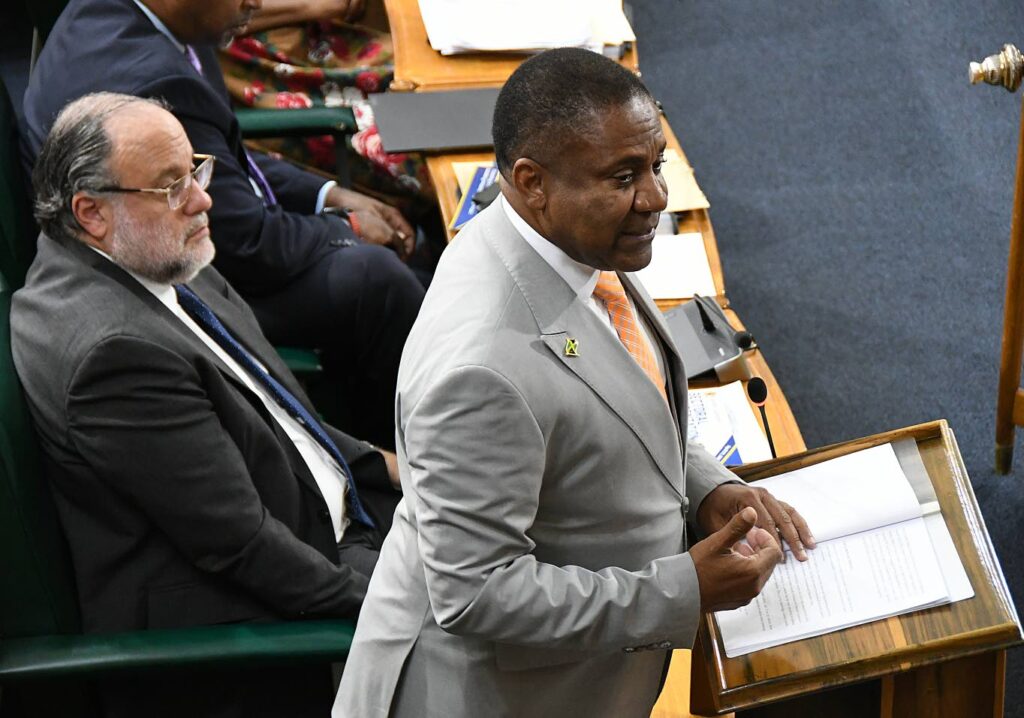
    As Jamaica navigates a heated public debate over the future of the Jamaica Public Service (JPS) licence – which is scheduled to expire in 2027 – and growing public frustration over persistent high electricity prices, Opposition Energy Spokesman Phillip Paulwell has pushed back against dominant narratives, arguing that flawed government energy policy, not the existing licence framework itself, is the root cause of the island nation’s affordability crisis.

    Speaking during his contribution to the 2026/27 sectoral debate in Jamaica’s Parliament on Tuesday, Paulwell dismantled what he framed as a misleading public conversation that links elevated power costs directly to the terms of JPS’s operating licence. Instead, he traced the problem to successive government failures to diversify the country’s energy mix and open up the sector to healthy competition, before laying out a comprehensive set of restructuring proposals to anchor any upcoming revised or renewed licence agreement.

    At the core of Paulwell’s plan is a fundamental overhaul of how electricity generation capacity is developed and approved in Jamaica. A centerpiece reform is the elimination of JPS’s current right of first refusal to replace its existing generation infrastructure. Going forward, he argues, all new generation licences should be awarded through the government-run Generation Procurement Entity (GPE) via a fully transparent international competitive tender, with contracts awarded based on the lowest-cost viable renewable energy technologies paired with high-efficiency energy storage solutions.

    “ You can’t award licences for renewables without thinking about storage, and the level of efficiency in storage has improved tremendously,” Paulwell told Parliament. He emphasized that expanding competition in renewable energy generation is the only sustainable path to long-term cost reduction, a position that aligns with global and regional policy trends shifting toward competitive procurement to cut energy prices and speed the clean energy transition.

    Beyond generation reform, Paulwell called for the long-delayed rollout of energy wheeling, a transmission mechanism that would allow large industrial and commercial businesses to generate power at one site and move it across the national grid to operations at other locations. He also pushed for expanded self-generation access, with a priority on the country’s special economic zones, arguing that allowing zone operators and tenants to produce their own power would cut operational costs, boost Jamaica’s global competitiveness, and attract much-needed foreign investment.

    For residential consumers and small business owners, Paulwell highlighted the urgent need to reform and improve net metering programs, which currently allow households with rooftop solar to feed excess power back into the grid. Updating these policies would put more money in consumers’ pockets and encourage broader adoption of residential renewable energy, he said. The opposition spokesman also proposed a major shift in distribution infrastructure, calling for competitive bidding for microgrid licences with a clear mandate to extend reliable power access to unserved and underserved communities across Jamaica. Even where public subsidies are required to make the projects economically viable, universal access is a non-negotiable public priority, he argued: “This is what it means to build with purpose and to build with people.”

    Paulwell also turned attention to systemic inefficiencies that drive up overall costs for all consumers, specifically highlighting widespread illegal power connections and unmetered usage. He called for a clear, enforceable national mandate to crack down on these losses, urging the government to take greater responsibility for addressing the issue. His approach would pair stiffer penalties for electricity theft in more affluent communities with targeted support to connect low-income households to the grid legally, removing the incentive for illegal hookups in marginalized areas.

    In addition to generation and distribution reforms, Paulwell called for clearer structural separation of JPS’s core generation, transmission, and distribution operations, as well as sweeping billing transparency reforms. Slamming Jamaica’s current billing system as one of the most opaque in the world, he argued that all charges – for generation, transmission, distribution, and system losses – must be fully disaggregated to give consumers clear insight into exactly what they are paying for.

    Consumer protection was another key pillar of Paulwell’s proposals, particularly around compensation for damaged household appliances caused by frequent voltage fluctuations. He called for an end to the practice of JPS avoiding liability by referencing fine print in consumer contracts, saying the sector must be restructured to prioritize robust protections for residential customers.

    Paulwell’s comprehensive set of recommendations comes as Jamaica enters a multi-year period of review ahead of the 2027 expiry of JPS’s current licence, with affordability remaining one of the most pressing public policy issues for Jamaican households. His intervention reinforces longstanding opposition calls to reframe Jamaica’s energy sector around consumer interests rather than incumbent utility preferences.

  • Controversial fence removed from Negril beach

    Controversial fence removed from Negril beach

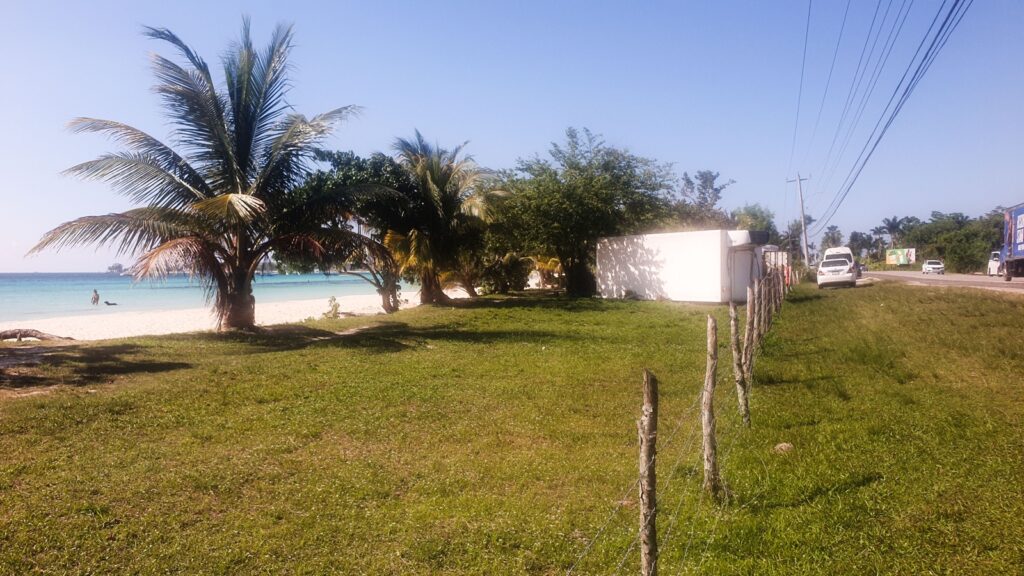
    NEGRIL, Hanover — A sudden public access dispute that threatened to cut off sections of Jamaica’s iconic Seven Mile Beach in the popular resort town of Negril has been resolved within hours, after coordinated intervention from local government agencies quickly removed an unauthorized barrier.

    The incident unfolded early Tuesday, when local hotelier Winthrop “Throp” Wellington discovered a barbed-wire fence spanning from the main public road down to the shoreline during his daily morning jog along Long Bay Beach. Shocked by the obstruction, Wellington recorded a video of the blocked access route, which spread rapidly across social media and sparked widespread public anger over attempts to restrict entry to one of Jamaica’s most beloved public natural spaces.

    Wellington emphasized that the barrier was an illegal violation of public right-of-way, noting that Seven Mile Beach is universally recognized as public land open to all. “Nobody owns this beach, and nobody has the right to prevent people from moving freely along it,” he said, adding that even beachfront hotel operators like himself have no authority to block public access. He warned that allowing such encroachments would set a dangerous precedent for further privatization of the public coastline.

    The fence was erected by Diego Heaven, a local water sports and diving business owner who operates Reef Explorer and Dive Centre on a plot of land leased from Jamaica’s Urban Development Corporation (UDC). Heaven told reporters the barrier was never intended to block public access to the beach, but was a desperate measure to protect his business assets after a string of repeated thefts that have cost him more than JA$3.7 million in lost equipment.

    Over the past several months, Heaven explained, thieves have stolen paddleboards, beach chairs, and critical diving gear from his operation, with the most recent theft occurring just the previous Saturday. He noted that while his property is covered by security cameras, the area lacks sufficient street lighting, leaving dark stretches vulnerable to criminal activity. He insisted he supports full public access to the beach, even providing free drinking water and changing facilities for visitors, and that the fence was only meant to secure his gear storage area. Heaven added that the thefts have been carried out by local individuals, not tourists, and appealed to community members to support local businesses rather than harm them.

    Local industry leaders expressed deep concern over the incident, warning that unauthorized barriers would open the door for widespread encroachment on public beach access, a core draw for Negril’s tourism-driven economy. Immediate past president of the Negril Chamber of Commerce Elaine Allen-Bradley stressed the critical need to enforce existing land use regulations to protect the public coastline.

    When authorities were notified of the obstruction Tuesday morning, multiple local agencies mobilized immediately to address the issue. Richard Wallace, chairman of the Negril Destination Assurance Council (DAC), told the Jamaica Observer that the fence was removed completely within hours of the complaint being filed. “As soon as it was brought to our attention, the different agencies jumped into action, and the fence was removed forthwith,” Wallace said. By midday Tuesday, he confirmed that full public access had been restored, and normal activity along Seven Mile Beach had resumed.

    The rapid resolution has eased immediate fears of prolonged access restrictions, though the incident has renewed discussion around balancing private business security needs on the coastline with the public’s long-held right of access to Negril’s famous beaches.

  • New drugs raise hopes of pancreatic cancer breakthrough

    New drugs raise hopes of pancreatic cancer breakthrough

    For decades, pancreatic cancer has stood as one of the most formidable and unbeatable foes in modern oncology, a deadly diagnosis with almost no major treatment advances to offer patients and devastatingly low survival rates. But after 40 years of stagnant progress, a wave of cutting-edge new therapies from researchers across the globe have delivered unprecedented, promising results that are being hailed as a turning point in the fight against this aggressive disease.

    Pancreatic cancer has long had a grim reputation: global health data shows only around 10 percent of diagnosed patients survive beyond the five-year mark after their initial diagnosis. Worse, incidence rates have been climbing steadily across the world, with particularly sharp growth among younger adult populations. Projections indicate that within the next decade, pancreatic cancer will overtake all other cancers except lung cancer to become the second leading cause of cancer-related death in developed nations. Until recently, this growing public health crisis had seen almost no medical innovation, according to Patrick Mehlen, a senior researcher at France’s Leon Berard Cancer Centre. Mehlen told AFP that for nearly half a century, the field saw virtually no meaningful progress. Over the past decade, however, increased research funding and growing public attention have finally shifted the landscape, turning what was once a dead end into a space of rapid innovation.

    While a universal cure remains out of reach for most patients, these new therapies are already delivering tangible, life-extending benefits that were unthinkable just a generation ago. The most high-profile breakthrough came last week from American biopharmaceutical company Revolution Medicines, which released positive late-stage trial data for its experimental targeted therapy daraxonrasib. The drug works by targeting the KRAS protein, a genetic mutation long known to drive uncontrolled tumor growth in a large share of pancreatic cancer cases.

    In the company’s phase three trial, half of all patients receiving the daily pill survived more than 13 months after starting treatment — double the survival time of the control group that received standard chemotherapy. While doubling survival to 13 months may seem like a modest gain to outsiders, for a cancer that typically claims patients within months of diagnosis, this result is unprecedented.

    One high-profile patient, former U.S. Senator Ben Sasse of Nebraska, has shared his firsthand experience of the drug’s impact after being diagnosed with late-stage, metastatic pancreatic cancer in late 2023. Sasse, 54, told the New York Times that when he received his diagnosis, doctors gave him just three to four months of life. After starting treatment with daraxonrasib, he said he is far healthier and more active than he was just before Christmas last year. He did acknowledge the drug comes with harsh side effects, noting it is “a nasty drug” that caused severe skin reactions including peeling and bloody skin on his face. Revolution Medicines announced it plans to submit a formal application for U.S. regulatory approval in the near future, and full detailed trial results will be presented at the annual American Society of Clinical Oncology (ASCO) conference in Chicago next month.

    Daraxonrasib is not the only promising advance to emerge in recent weeks. Earlier this week, a separate research team led by Mehlen published early-stage trial results in the journal Nature for a novel therapy that takes a completely different approach to treating the disease. Unlike traditional treatments that aim to kill tumor cells directly, this new therapy targets the ability of cancer cells to develop resistance to existing treatments, including chemotherapy.

    The experimental drug, called the NP137 antibody, was tested in a phase 1b trial on 43 patients with locally advanced pancreatic cancer that had not yet spread to distant organs. All patients received the antibody alongside standard chemotherapy. Compared to historical survival rates for similar patients, study participants gained an average of several additional months of life. “We’re giving people an average of six months more — which is significant for this disease,” Mehlen explained of the results. His team plans to launch a larger, controlled follow-up trial later this year to confirm these early findings, and Mehlen said he eventually hopes the antibody will be able to boost the effectiveness of not just chemotherapy, but also new targeted therapies like daraxonrasib.

    The third major advance announced over the weekend brings mRNA technology, which gained global fame for its role in COVID-19 vaccines, into the fight against pancreatic cancer. The experimental therapeutic cancer vaccine was co-developed by pharmaceutical firms BioNTech and Genentech, and it uses mRNA to train the body’s immune system to recognize and attack pancreatic cancer cells.

    Early phase one trial results for the vaccine show that among 16 treated patients with pre-existing pancreatic cancer, the vaccine triggered a targeted immune response against cancer cells in eight participants. Seven of those eight patients who responded to the vaccine were still alive six years after receiving treatment. By comparison, just two of the eight patients whose immune systems did not respond to the vaccine survived for the same six-year period. Researchers note that phase one trials are primarily designed to test treatment safety rather than confirm effectiveness, so large-scale follow-up studies will be needed to verify these encouraging early results.

    Taken together, the string of positive trial announcements marks the most significant leap forward for pancreatic cancer treatment in decades, turning a once untreatable disease into a condition that researchers believe can be managed with more effective therapies in the coming years.

  • Frustrated Lacovia residents call for clearing of drains

    Frustrated Lacovia residents call for clearing of drains

    LACOVIA, St Elizabeth — Fed up with weeks of unaddressed flooding that has destroyed homes, ruined livelihoods, and upended daily life, hundreds of residents from multiple districts in this south-central Jamaican parish took collective action on Tuesday, closing the Lacovia main road with protest placards to demand immediate clearing of the area’s clogged drainage networks. The roadblock was dismantled quickly to restore traffic flow connecting Lacovia to eastern and western hubs including Holland Bamboo and Santa Cruz, but the deep-rooted anger over the ongoing crisis remains unaddressed.

  • Three ships targeted in Hormuz, Iran seizes two, says Guards

    Three ships targeted in Hormuz, Iran seizes two, says Guards

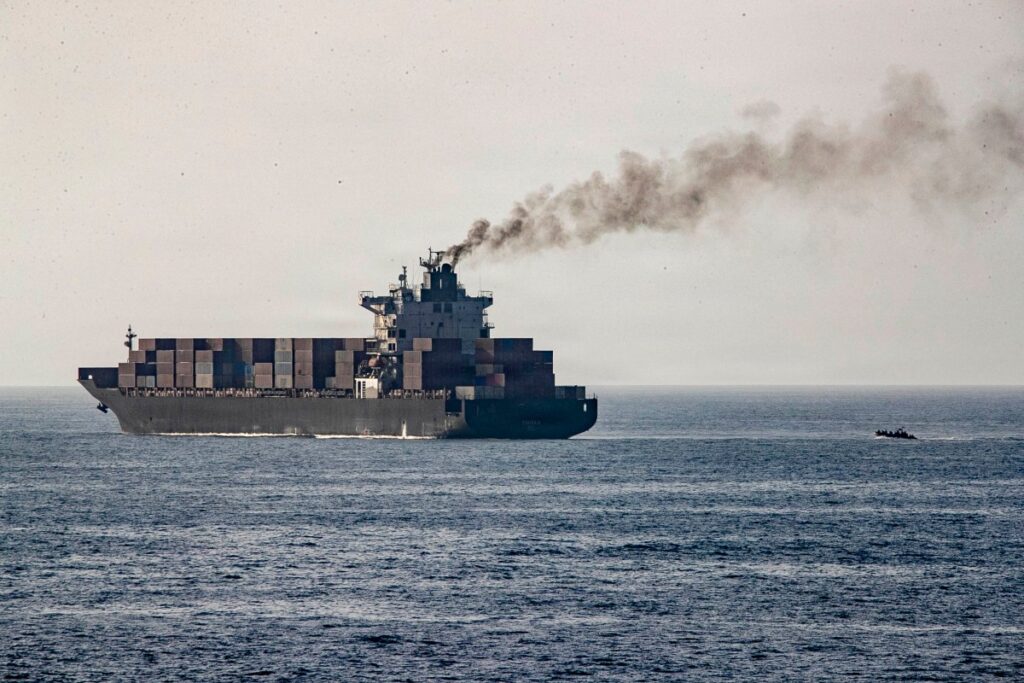
    Tensions in the critical Middle Eastern waterway the Strait of Hormuz flared once again on Wednesday, as Iranian military forces seized two container vessels and opened fire on a third, escalating security risks for global shipping at the heart of the ongoing regional conflict. Multiple maritime security monitors and Iranian official sources have confirmed the series of interconnected incidents.

    The United Kingdom’s Maritime Trade Operations (UKMTO), a leading British maritime security agency, first reported that an Iranian gunboat opened fire on a container ship roughly 15 nautical miles northeast of Oman’s coast. In its official briefing, UKMTO noted that the ship’s captain reported the IRGC gunboat approached the vessel before opening fire, causing significant structural damage to the ship’s bridge. No fires or oil spills that would impact the surrounding marine environment were reported, and all crew members on board escaped unharmed.

    According to assessments from British maritime security firm Vanguard Tech, the targeted vessel was sailing under the flag of Liberia, and had received prior confirmation that it had official permission to traverse the Strait of Hormuz. Iranian state news agency Tasnim pushed back on this account, claiming the ship had repeatedly ignored explicit warnings from Iranian armed forces to change course.

    In a separate official statement, Iran’s Islamic Revolutionary Guard Corps (IRGC) confirmed that its naval units intercepted two vessels attempting to cross the Strait of Hormuz, seizing both and escorting them into Iranian territorial waters. The IRGC said the ships violated a naval blockade Iran imposed on the strategic waterway following the outbreak of open conflict on February 28, when the United States and Israel launched joint airstrikes on Iranian targets.

    Iranian state broadcaster IRIB shared the identities of the two seized vessels via its Telegram channel: the MSC Francesca and the Epaminondas, both container ships. The IRGC claimed the MSC Francesca has ties to Israel, while the Epaminondas was held for lacking required transit permits and allegedly tampering with its onboard navigation systems. Data from global ship-tracking platform MarineTraffic confirms both vessels came to a stop near the Iranian coast shortly after the interception on Wednesday.

    A second separate shooting incident was also documented Wednesday: UKMTO reported that a cargo container vessel sailing eight nautical miles off Iran’s western coast came under fire and was forced to stop in the water. “A master of an outbound cargo ship reports having been fired upon and is now stopped in the water. Crew are safe and accounted for. There is no reported damage to the vessel,” the agency’s statement read.

    Vanguard Tech identified this vessel as the Panama-flagged container ship Euphoria, which was traveling outbound through the Strait of Hormuz at the time of the incident. Unlike the two seized ships, MarineTraffic data later confirmed the Euphoria was allowed to continue its journey, and had departed the strait en route to Jeddah, Saudi Arabia.

    The Strait of Hormuz, one of the world’s most critical chokepoints for global oil and commercial trade, has seen heavily restricted shipping access since Iran implemented its blockade at the start of the conflict with Israel and the United States. In a countermeasure, the U.S. military has enforced its own blockade of major Iranian ports. In a separate announcement Wednesday, U.S. President Donald Trump confirmed that a temporary truce between the warring parties, first implemented on April 8, would be extended.

  • United Airlines hiking fares 15-20% on jet fuel spike

    United Airlines hiking fares 15-20% on jet fuel spike

    Leading U.S. air carrier United Airlines has announced sweeping fare increases ranging between 15% and 20%, a strategic move designed to counteract skyrocketing jet fuel costs triggered by the ongoing Middle East conflict while shielding its bottom line, company executives confirmed Wednesday. In addition to raising ticket prices, the airline has trimmed its planned 2026 flight capacity by 5%, with the explicit goal of fully recouping all extra expenses stemming from the post-conflict jump in fuel prices.

    United CEO Scott Kirby emphasized that global oil markets have entered a period of extreme volatility, noting that the company’s long-term operational planning is built around the projection that elevated fuel prices will persist for an extended period. As of the company’s latest update, United has not observed any measurable drop in passenger demand despite the steep fare increases. Even so, Kirby warned that if consumer demand for air travel softens in the coming years, the carrier could implement further flight schedule cuts for 2027.

    On Tuesday, United released its first-quarter financial results, which showed higher year-over-year profits. However, the company simultaneously downgraded its full-year 2024 profit guidance directly due to unanticipated fuel cost increases. The airline now projects an average fuel price of $4.30 per gallon for the second quarter, marking a 55% jump from the first quarter’s average fuel cost.

    United is not alone in taking these defensive measures. Other major air carriers across the industry have also rolled out fare increases and reduced planned flight capacity in response to the oil price rally that began after the U.S.-Israeli military operation against Iran launched on February 28. On April 17, International Air Transport Association leadership called on global regulatory bodies to develop coordinated contingency plans to prepare for potential jet fuel rationing if the conflict escalates.

    United CFO Michael Leskinen noted that concerns over jet fuel supply shortages are far more pronounced in Asian and European markets than in the United States. “In the U.S., we do not see fuel availability as a problem at all — it is purely a pricing issue,” Leskinen stated. He added that even for European and Asian markets, the current challenge remains elevated prices rather than a total lack of supply, though occasional temporary supply interruptions could occur across those regions if the Middle East conflict drags on.

  • Two injured in Spur Tree Hill crash after car plunges over precipice

    Two injured in Spur Tree Hill crash after car plunges over precipice

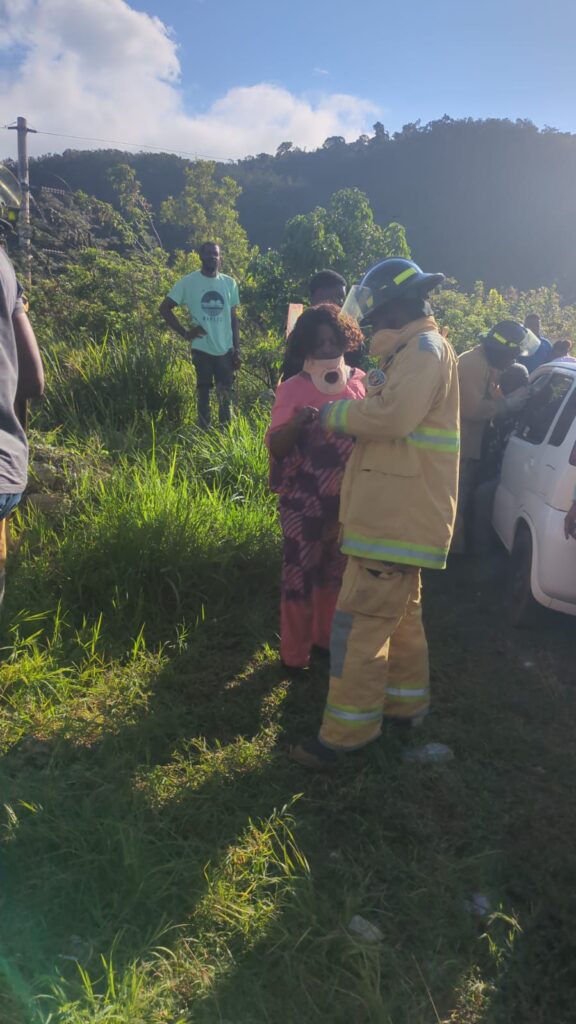
    MANCHESTER, Jamaica — A harrowing early morning vehicle accident on one of Jamaica’s most notoriously dangerous stretches of roadway prompted an urgent rescue operation Wednesday, where emergency responders pulled two injured elderly people from a car that had plummeted over a steep cliff edge. The crash took place along the Spur Tree Hill main road, a connecting route that has been the site of multiple deadly collisions in recent decades.

    Emergency dispatch received the first report of the incident at 7:26 a.m., and local firefighting teams were immediately dispatched to the remote hillside location. When crews arrived at the scene, they found the two accident victims — an elderly man and an elderly woman — both sustaining visible trauma from the fall. First responders fitted both patients with cervical stabilization collars to prevent further spinal injury during extraction, and the pair were quickly transferred to a nearby hospital for ongoing medical care. As of 8:00 a.m. on the morning of the crash, rescue teams had not yet been able to confirm full details surrounding the circumstances that led the vehicle to go over the precipice, in part because the wrecked car was completely hidden from view of the main road, according to eyewitness accounts from people who stopped at the scene.

    Jamaican law enforcement has now been assigned to the site to lead a full investigation into the cause of the accident. The Spur Tree Hill main road serves as a critical transportation link connecting the town of Mandeville and its surrounding communities to St Elizabeth and other destinations across western Jamaica. The route’s steep terrain and challenging curves have long created hazardous driving conditions, a problem compounded by frequent congestion from heavy, slow-moving cargo trucks that regularly travel the corridor. Over the years, this dangerous combination has resulted in dozens of fatal crashes involving both passenger vehicles and large trucks.

  • Mideast war ‘starting to weaken Europe’, says Erdogan

    Mideast war ‘starting to weaken Europe’, says Erdogan

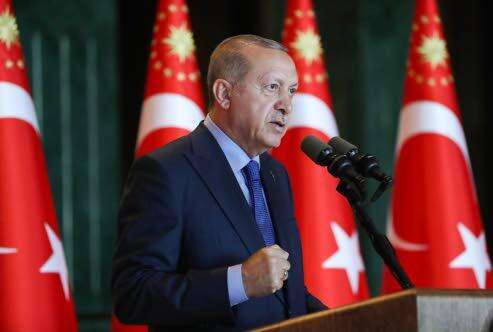
    ANKARA, Turkey – In a high-stakes diplomatic exchange on Wednesday, Turkish President Recep Tayyip Erdogan issued a stark warning to German President Frank-Walter Steinmeier: the ongoing US-Israeli military confrontation against Iran is already beginning to erode Europe’s economic and political stability. A formal statement released by Erdogan’s office detailed the pointed remarks delivered during the bilateral meeting, where the Turkish leader emphasized the urgent need for a peace-first approach to de-escalate tensions spreading across the Middle East. Erdogan stressed that the conflict, which is centered in the immediate region surrounding Turkey, is not contained to the Middle East — its ripple effects are already weakening European foundations. If global and regional leaders continue to prioritize confrontation over negotiated solutions, the eventual harm inflicted by the standoff will reach far beyond the Middle East, leaving Europe with irreversible damage that will take decades to repair, Erdogan told his German counterpart. The remarks mark one of the clearest warnings yet from a major NATO leader about the cross-continental spillover risks of escalating tensions between Iran and the US-Israeli bloc, highlighting growing divisions within the alliance over how to approach the volatile situation in the Middle East.

  • Barbados Reggae Weekend expands global reach with pay-per-view streaming

    Barbados Reggae Weekend expands global reach with pay-per-view streaming

    For reggae fans around the world who have long dreamed of attending Barbados’ iconic annual Reggae Weekend but have been blocked by travel barriers, a new inclusive initiative is turning that dream into a accessible reality. Organizers of the three-day festival, set to run April 24 through 26 at Bridgetown’s historic Kensington Oval, have announced that all performances will be available to international audiences via a pay-per-view live stream, opening one of the Caribbean’s most anticipated cultural events to a global fanbase for the first time.

    Priced at just $35 for individual daily passes or $100 for a full three-event season package, the streaming offering is already drawing enthusiastic interest from audiences across the Caribbean, North America, Africa, Europe and beyond, according to event sponsorship manager Michelle Straughn. For the festival, which is entering only its third year of operation, the move to global streaming marks a transformative milestone, evolving what began as a small regional gathering into a fully global entertainment experience.

    Straughn emphasized that the expansion delivers far-reaching benefits beyond just extending access to international fans. The global platform delivers much-needed exposure and new career opportunities for more than 10 emerging and established local Barbadian acts set to perform across the weekend’s three stages, helping them connect with international audiences and industry leaders they would otherwise never reach. It also strengthens Barbados’ growing reputation as a premier destination for world-class music events, boosting the island’s cultural profile on the global stage.

    To support this expanded global footprint, the Barbados Tourism Marketing Inc. (BTMI) has partnered with organizers to facilitate coverage from international media outlets based in the United States and across the Caribbean, further amplifying visibility for both the festival and the island as a whole. Even with the new virtual offering, in-person attendance is also tracking at record levels: early ticket sales confirm that fans are traveling to Barbados from as far away as Germany, Ireland, South Africa, and North America, alongside large numbers of visitors from neighboring Caribbean islands.

    Straughn noted that the strong in-person turnout underscores the event’s growing positive impact on Barbados’ tourism sector and broader national economy, delivering sustained revenue for local businesses and hospitality providers. The weekend’s lineup features a mix of legendary international reggae acts and standout local talent across three branded stages: the April 24 Mount Gay Legends of Reggae Show & Dance powered by Q100.7 FM, headlined by Barrington Levy, Sister Nancy and Super Cat alongside local favorite Biggie Irie; the April 25 Guinness Showdown powered by 98.1 The One, featuring Capleton, Popcaan and four local up-and-coming acts; and the April 26 Hennessy Reggae in the Gardens powered by Hott 95.3 FM, with performances from Dexta Daps, Fantasia, Kranium and multiple local fan favorites. International fans can purchase streaming access and view full lineup details through the festival’s official website, barbadosreggaeweekend.com, or via ticketing partner ticketlinkz.com.

  • Migrants deported from US stranded, ‘scared’ in DR Congo

    Migrants deported from US stranded, ‘scared’ in DR Congo

    Fifteen Latin American migrants who sought asylum in the United States now find themselves trapped in a restricted airport-area compound in Kinshasa, the capital of the Democratic Republic of Congo, the latest group caught in a deeply controversial Trump-era immigration policy that deportes undocumented migrants to third-party nations thousands of kilometers from their home regions.

    What was supposed to be a path to safety in the US has turned into an ordeal of uncertainty and poor treatment for the group, who told AFP they endured a 27-hour transcontinental flight with their hands and feet bound in shackles before being deposited in the central African country. For 30-year-old Colombian migrant Gabriela, the situation has been nothing short of terrifying. She only learned her final destination one day before the deportation, and now struggles to navigate a country where she does not speak the official French language.

    “I didn’t want to go to Congo. I’m scared, I don’t know the language,” Gabriela explained, summing up the despair shared by the entire group.

    DR Congo is one of at least seven African nations that have agreed to accept deported migrants under the US scheme, which typically offers the host countries financial or logistical backing in exchange for taking in deportees. Other participating nations include Cameroon, Equatorial Guinea, Eswatini, Ghana, Rwanda and South Sudan. The first cohort of deportees arrived in Kinshasa last Friday, and to date, host country authorities have released almost no public information about what will happen to the migrants after their arrival.

    The International Organization for Migration (IOM), which manages the migrants once they are issued short-stay visas, says it only offers assisted voluntary return for migrants who formally request the service. Since their arrival, all 15 South American migrants have been confined to a gated compound near Kinshasa’s main airport, barred from leaving the premises even as they wait for their fate to be decided.

    The compound itself consists of rows of small, plain white-walled cabins where the group sleeps. Uniformed police and military vehicles are stationed outside the perimeter, and unidentified private military contractor personnel have also been spotted on site. Confined to the grounds, the migrants pass their days glued to their mobile phones, desperately trying to reach family members back home with no local language skills to help them navigate their new surroundings.

    The group says they have each received roughly $100 in aid from IOM officials, but are not allowed to receive outside visitors. Multiple migrants, including Gabriela, have already fallen ill with fevers, vomiting and severe stomach issues since arriving. While some have been given basic medication, Gabriela says no licensed healthcare worker has ever come to the compound to examine the sick migrants.

    Four of the migrants confirmed they have only been issued seven-day short-stay visas, which can be extended for a maximum of three months. Once the initial week-long visa period expires, however, the migrants say they have been told all official support will end, leaving them to survive on their own in one of the world’s poorest nations. The World Bank estimates nearly 75% of DR Congo’s 102 million population lives below the international poverty line, and Kinshasa, a megacity of 17 million, suffers from widespread lack of access to consistent running water and electricity, with dilapidated infrastructure across most residential areas.

    “They’ve got us cornered because they tell us: if you don’t accept the repatriation programme, you’ll be stuck in a mess here in Congo,” Gabriela said, visibly distressed. “That is inhumane and unfair.”

    For 25-year-old Colombian Hugo Palencia Ropero, who spent five months in US immigration detention before being deported, the situation in DR Congo is more frightening than the instability he left behind in his home country. Though he acknowledged the compound provides basic meals, room cleaning and security, he says the uncertainty of his future makes every day unbearable.

    “I’m more afraid of being here in Africa than in Colombia,” Ropero said. “If the seven days go by and we don’t receive any further assistance, things will get very difficult for us, especially since we don’t have work permits.” He added that he would accept any travel document offered to him just to leave DR Congo as soon as possible.

    The arrival of the Latin American deportees has already sparked fierce pushback from Congolese civil society and social media users, who question why their already resource-strapped nation should absorb migrants deported from the US. The scheme, first implemented under the Trump administration, continues to draw widespread criticism from human rights groups over its lack of transparency and disregard for migrant wellbeing.